Mark Whitfield is a prominent UK-based, SC-cleared Senior IT Project Manager, Engagement Manager, and technology executive with over 35 years of experience spanning the entire Software Development Lifecycle (SDLC). He specialises in complex digital transformations, hybrid cloud migrations, and API-led system integrations.
Throughout his career, he has successfully delivered enterprise-scale solutions for massive blue-chip clients, including Barclays Bank, Jaguar Land Rover (JLR), Royal Mail Group (RMG), Lloyds Banking Group, and the Bank of England.
Executive Overview:
Core Expertise: Hybrid Cloud Migrations (Azure, AWS), API middleware architectures, and digital banking platforms.
Methodologies: Certified PRINCE2 Practitioner and Agile SCRUM delivery lead.
Security Clearance: Active UK Security Check (SC until 2031) clearance for public and defense-sector projects.
Industry Portfolio: Banking, Automotive, Gambling/Casinos, Aerospace & Defence, and Regional Government.
Professional Timeline & Milestones:
1990–1995 (Early Engineering): Began his career immediately after graduating in Computing. He worked as a core programmer at The Software Partnership, building cutting-edge electronic banking software (sp/ARCHITECT-BANK) on legacy Tandem Mainframes (now HPE NonStop).
1995–2013 (Insider Technologies Limited): Spent 18 years escalating from a Senior Programmer into a strategic project manager in Salford Quays, UK. He spearheaded high-volume mainframe transaction monitoring systems and ATM software delivery for major global banking institutions like HSBC and Al Rajhi Bank.
2013–2016 (Retail & Gaming Delivery): Transitioned to Wincor Nixdorf as an Agile IT PM managing ATM software pipelines, followed by a Senior PM role at Betfred, delivering complex mobile sportsbook and online payment gateways.
2016–Present (Enterprise Leadership): Joined Capgemini as a client-facing Engagement Project Manager. He later augmented into MuleSoft (a Salesforce company) as a Delivery Manager for the Anypoint Platform, directing massive cloud infrastructure overhauls.
Thought Leadership & Knowledge Sharing
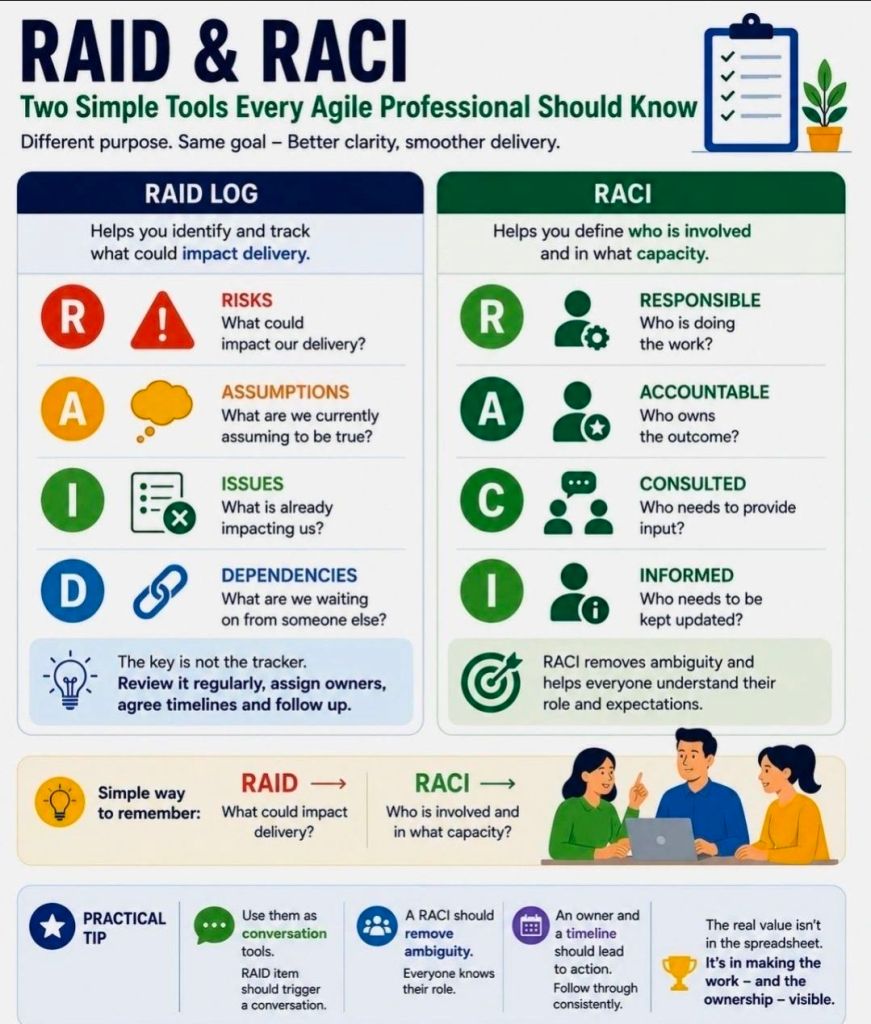
Beyond active corporate execution, he is the creator of PROject Templates, an open professional repository where he publishes free upgrade enterprise project tracking models, RAID logs, and Agile planning frameworks used extensively by modern PMOs.
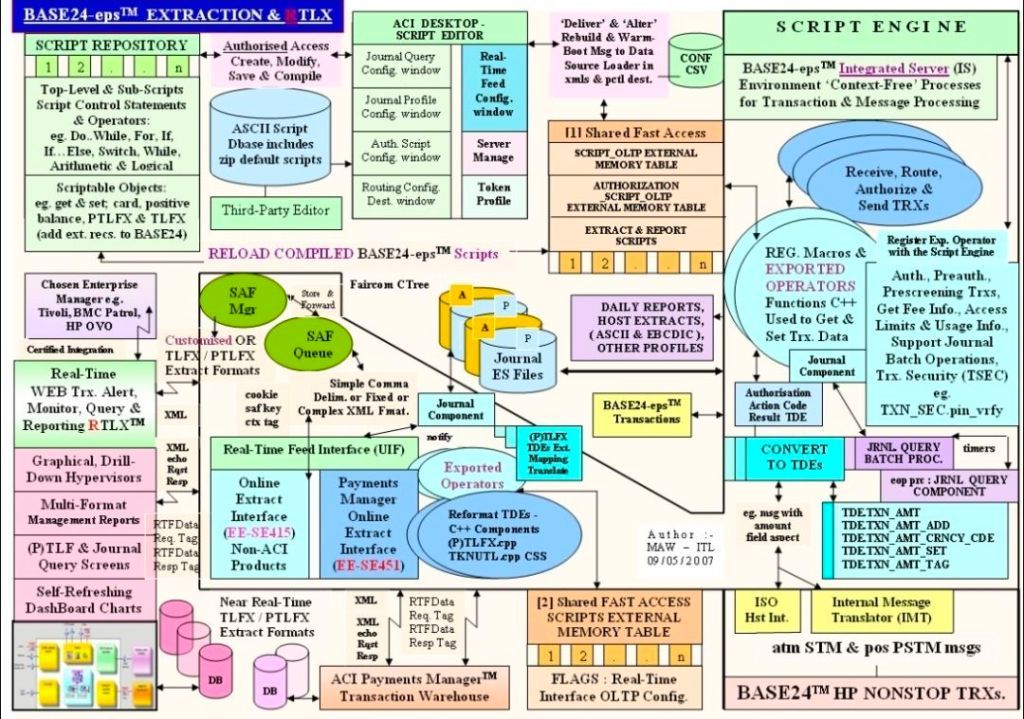
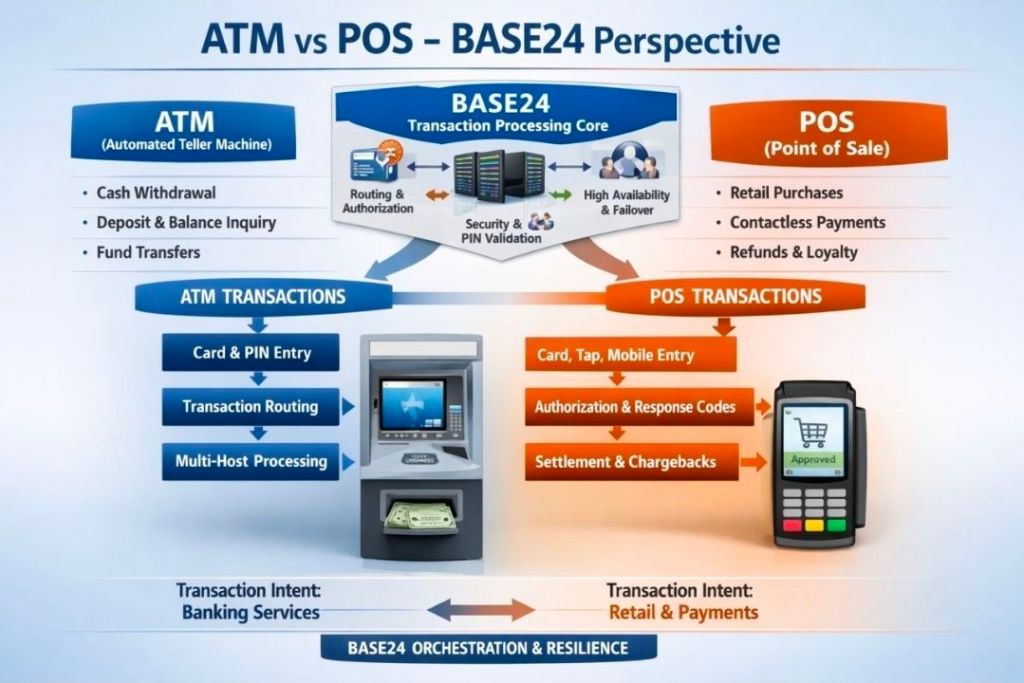
BASE24 is an enterprise-grade electronic funds transfer (EFT) software suite developed by Applied Communications Inc. (now ACI Worldwide). It handles real-time transaction acquiring, authenticating, routing, switching, and authorization across ATMs, Point-of-Sale (POS) networks, and digital payment channels.
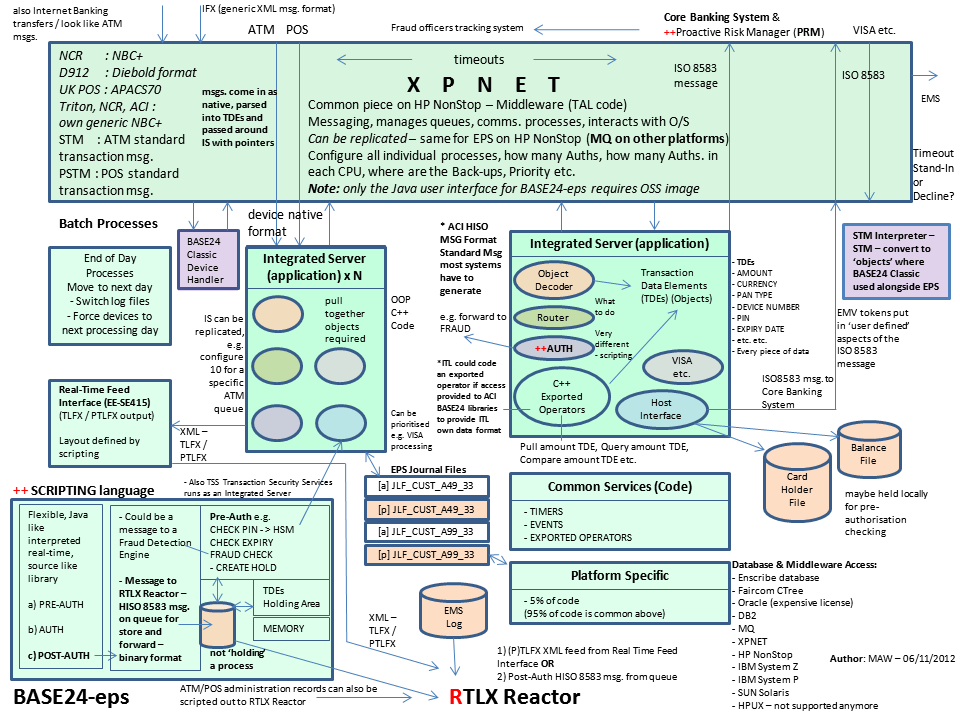
XPNET (Exchange Protocol Network) is the fundamental communications middleware layer designed explicitly for BASE24 on fault-tolerant systems. It acts as an abstraction layer managing interprocess communications (IPC), network protocols (e.g., Bisync, X.25, TCP/IP), line management, device messaging, and high-volume transaction routing. Together, they form the transactional backbone for a majority of the world’s top financial institutions.
RTLX Reactor (in 2012) for tracking BASE24-eps & BASE24 XPNET transactions
Deep-Dive Architecture and Technology Stack
1. BASE24 Core Design
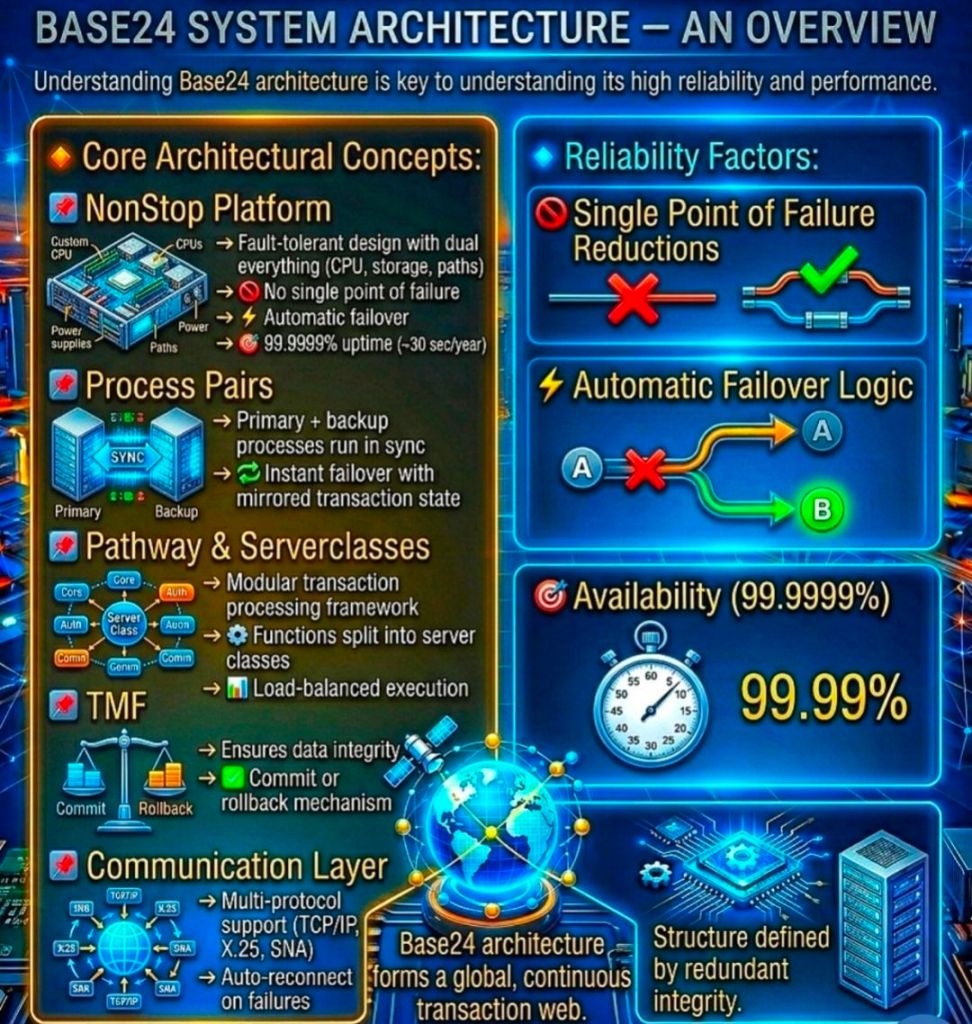
Process Pair Architecture: Designed natively around Tandem’s process pairs. A Primary Process performs the active transaction switching while a Backup Process remains synchronized in a standby state. If the hardware or primary process fails, the backup takes over instantly with zero data loss or session drops.
Functional Modules: Divided into specific transactional entities:
ATM (Automated Teller Machine Device Handler): Direct control and state management of physical terminals using custom message streams (e.g., Diebold, NCR).
POS (Point of Sale): Merchant terminal management and merchant accounting integration.
Auth (Authorization Processor): Internal validation scripts against account records or stand-in limits.
2. XPNET Middleware Engine
Line and Station Infrastructure: XPNET maps communication through abstract configurations. A Line represents a physical or logical network pipe, and a Station represents an endpoint (e.g., an interchange gateway or terminal node).
Dynamic Load Buffering: Employs internal memory queue structures to absorb traffic spikes from international card networks (such as Visa and Mastercard) without spilling into disk storage.
Protocol Multi-threading: It decouples low-level link dynamics (e.g., CRC checking, dropouts) from core business logic, converting legacy and modern network formats into standardized internal transaction tokens.
Application Development Timeline & Political Breakdown
The timeline below details how geopolitical, regulatory, and corporate ownership developments directly shaped versioning and core code changes in BASE24 and XPNET.
Era 1: The Tandem & Expansionist Era (1975–1992)
Geopolitical & Industry Context: The rise of consumer credit card networks, personal checking accounts, and the physical expansion of banking via ATMs. Regional networks were fragmented, necessitating specialized software to cross-connect them.
Corporate Dynamics: Applied Communications Inc. (ACI) operated as an independent software house in Omaha, Nebraska, forming a deep partnership with Tandem Computers before being acquired by US West (1988) and later Tandem directly (1991).
Year-by-Year Code & Technical Milestones:
1975–1981: Initial exploration of high-availability banking systems on Tandem NonStop computers. Developers laid the groundwork using Tandem Screen COBOL and low-level communication drivers.
1982:BASE24 v1.0 officially launches. The original codebase was written in TAL (Tandem Application Language), a high-performance, structured system programming language designed specifically for NonStop systems.
1985: A primitive version of XPNET is spun out from early shared-memory messaging code to support multi-protocol lines (Bisync, Async) without forcing restarts of the core application.
1987: Introduction of early ISO 8583 message formatting engines within the core routing code. This allowed the software to natively interpret standard financial messaging frames across distinct interbank networks.
1991: Tandem acquires ACI. Code refactoring focused heavily on optimizing interactions with Tandem’s native file system (Enscribe) and expanding the XPNET process memory layout to take advantage of new Tandem CLX architecture performance.
Era 2: The TSA Corporate & Public Market Era (1993–2000)
Geopolitical & Industry Context: Globalization of financial services, the consolidation of national card switches, and the commercial explosion of internet banking and POS devices.
Corporate Dynamics: Tandem divested ACI to a private holding company, leading to the creation of Transaction Systems Architects (TSA) in late 1993. TSA went public on NASDAQ in 1995, pushing development velocity to meet Wall Street expectations.
Year-by-Year Code & Technical Milestones:
1993–1994: Standardized compilation routines moved to Tandem’s pTAL (portable TAL) to bridge code execution compatibility between older CISC-based architectures and the newly emerging MIPS RISC processors.
1995–1996: BASE24 version 4.x introduces advanced multi-institution handling inside a single logical codebase, allowing multi-tenant processing for third-party credit card consolidators.
1997: Release of BASE24 v5.x, featuring significant expansions in XPNET (v2.x) to accommodate native TCP/IP sockets alongside aging X.25 line infrastructures.
1998–1999: Heavy investment into Y2K compliance remediation. Code changes involved updating binary-coded decimal (BCD) date configurations, expanding date-storage windows across Enscribe files, and deploying the BASE24 Year 2000 System Assessment frameworks globally.
Era 3: Enterprise Platform Shift & Consolidation (2001–2014)
Geopolitical & Industry Context: Post-9/11 regulatory changes (e.g., USA PATRIOT Act), the implementation of modern security standards like Triple DES (TDES), and the birth of the PCI-DSS (Payment Card Industry Data Security Standard). Mainframes and alternative hardware processors (IBM, HP-UX) became fierce competitors to Tandem.
Corporate Dynamics: TSA officially rebranded to ACI Worldwide, Inc. (ACIW) in 2007. A strategic decision was made to rewrite the platform to break vendor lock-in and provide cross-platform flexibility.
Year-by-Year Code & Technical Milestones:
2001–2002: Standard cryptographic layers within BASE24 are systematically modified to enforce Triple DES compliance across automated teller machines.
2003: ACI introduces BASE24-eps (Enterprise Payments System). This marked a foundational architecture shift, moving away from TAL/pTAL entirely to an object-oriented paradigm written in C++ and designed to execute cross-platform (HPE NonStop, IBM z/OS, AIX, Linux).
2005–2006: BASE24-es/eps code integrates with enterprise middleware layers such as IBM WebSphere MQ, using CICS containers on z/OS to deliver modern service-oriented architecture (SOA) web services wrappers.
2008–2010:ACI shocks the banking industry by announcing the sunsetting of standard maintenance for classic Tandem NonStop BASE24 by late 2011. Millions of lines of legacy TAL code are effectively frozen, forcing major migrations toward BASE24-eps.
2011–2013: Code enhancements center around PA-DSS validation and securing encryption pathways to ensure tokenized processing. XPNET 3.x is deployed onto newer HP Integrity Itanium-based J-Series and H-Series blades.
Era 4: Modernization, Cloud-Native, and Open Systems (2015–Present)
Geopolitical & Industry Context: The dominance of Real-Time Payments (RTP, FedNow, ISO 20022 formats), cloud computing mandates, and aggressive cost-reduction pushes away from high-maintenance legacy hardware configurations.
Corporate Dynamics: ACI pivots sharply to open-ecosystem SaaS delivery, cloud partnerships (AWS, Microsoft Azure, Google Cloud), and co-development with IBM to optimize cross-platform throughput.
Year-by-Year Code & Technical Milestones:
2015–2016: BASE24-eps code is successfully ported to Red Hat Enterprise Linux (RHEL) on standard x86 processors. This architectural pivot offered a reduction in total cost of ownership (TCO) compared to legacy hardware by providing massive processing scaling.
2018–2020: The introduction of standard ISO 20022 messaging libraries into the switching matrix to support instant transaction settlement schemes globally.
2021–2024: Legacy middleware systems are phased down. Modern releases feature direct REST API hooks, cloud-adaptor hooks, containerised microservices integration, and extended configuration capabilities via the ACI Desktop GUI.
2025–2026: ACI partners with IBM to launch native 64-bit deployment optimizations for BASE24-eps running on IBM Z mainframes (including z16/z17 configurations), incorporating hardware-driven AI fraud analysis models and full PCI-SSF (PCI 4.0) certification.
Overview of BASE24 and XPNET plus application timeline by era
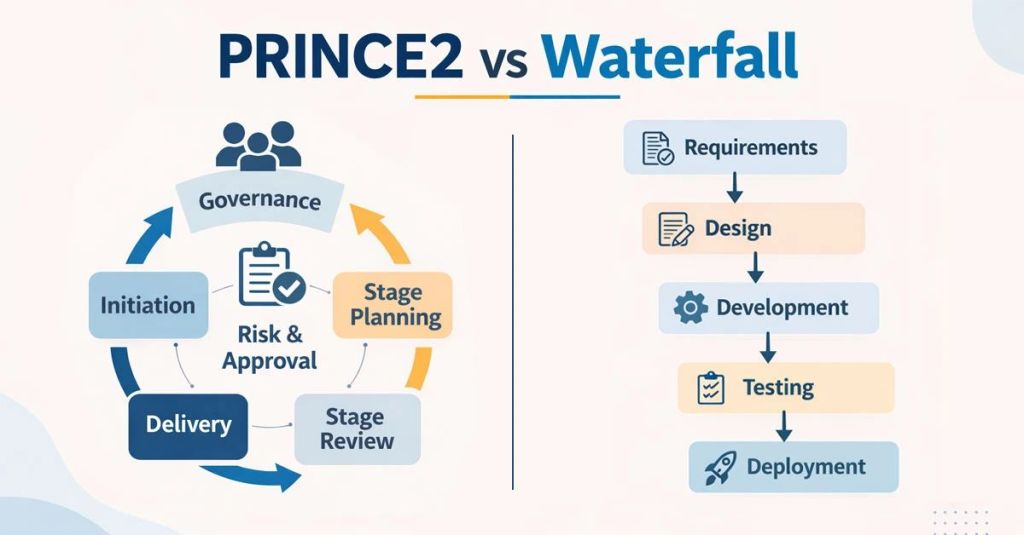
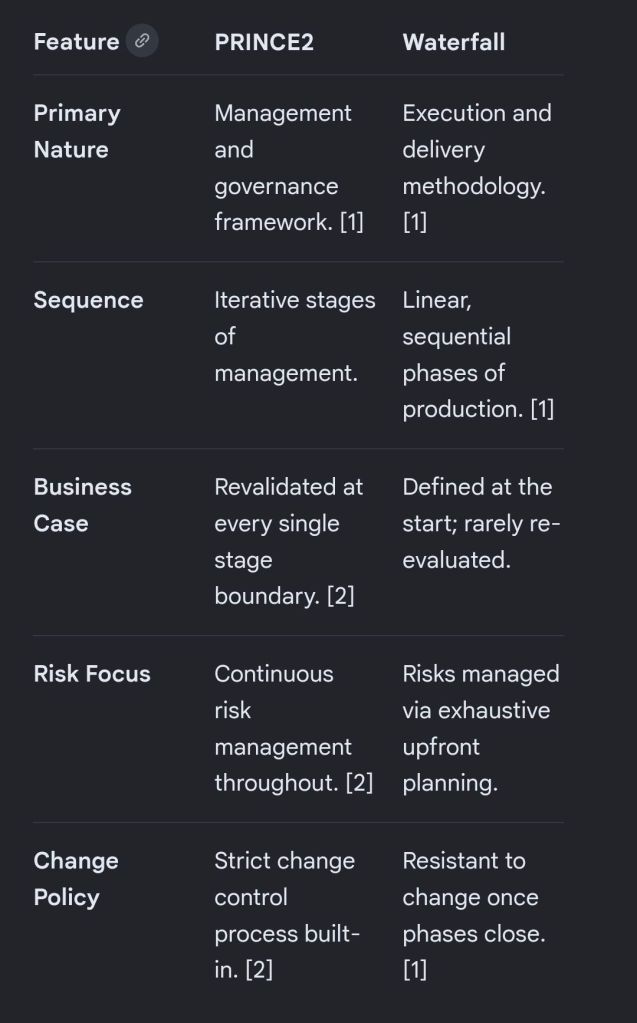
PRINCE2 is a structured project management framework, whereas Waterfall is a linear-sequential software development lifecycle (SDLC) methodology. While people often compare them, they are not mutually exclusive. PRINCE2 tells you how to manage a project, while Waterfall defines how to build the product.
PRINCE2 & Waterfall – Overview and Comparison
Here is a detailed overview and comparison of both.
Overview of PRINCE2
PRINCE2 (PRojects IN Controlled Environments) is a process-based method for effective project management. It provides a highly structured framework that focuses on business justification and clear roles.
Core Logic: Divided into 7 Principles, 7 Themes, and 7 Processes.
Structure: Focuses on high-level management, governance, and organization.
Flexibility: Product-based planning allows it to wrap around any delivery method.
Roles: Explicitly defines responsibilities (Project Board, Project Manager, Team Manager).
Overview of Waterfall
Waterfall is a traditional development methodology where a project moves sequentially through distinct phases. Each phase must be completed before the next one begins.
Structure: Linear, rigid, and heavily reliant on early stage documentation.
Flexibility: Extremely low; changes to requirements are costly once development begins.
Roles: Focuses on execution roles (Business Analysts, Developers, QA Testers).
Key Structural Differences
PRINCE2 and Waterfall, an Overview and Comparison
How They Work Together
PRINCE2 is frequently used to govern Waterfall projects.
The Management Layer: The Project Board uses PRINCE2 to manage budgets, risks, and business justification.
The Specialist Layer: The technical team uses Waterfall to execute work packages (e.g., designing, coding, testing).
Which One Should You Choose?
Choose PRINCE2 if: You need robust corporate governance, clear stakeholder accountability, and a way to manage high-budget, high-risk projects.
Choose Waterfall if: Your product requirements are completely fixed, the technology is well-understood, and the physical architecture cannot be easily changed (e.g., construction).
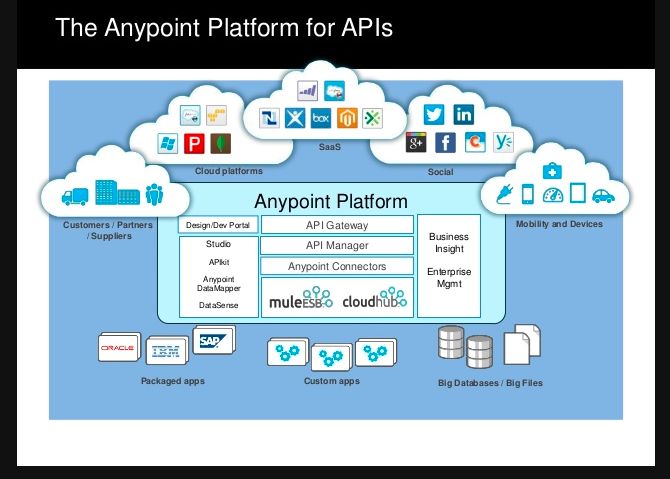
Salesforce MuleSoft is an industry-leading Integration Platform as a Service (iPaaS) and automation solution that enables organizations to securely connect data, applications, and devices across hybrid cloud and on-premises environments. Instead of relying on rigid, custom-coded point-to-point connections, MuleSoft uses an API-led connectivity approach. This methodology treats every system connection as a modular, reusable building block (System, Process, and Experience APIs).
October 2018 – June 2019, was assigned as a Delivery Manager at MuleSoft
Core Capabilities
Anypoint Platform: The flagship product covering the entire lifecycle of API design, testing, deployment, governance, and monitoring.
MuleSoft Automation: A suite combining Composer (no-code integration for business teams) and Robotic Process Automation (RPA) to automate workflows across legacy and modern platforms.
Salesforce Ecosystem Synergy: Acts as the data integration engine for Salesforce Customer 360, bringing siloed third-party systems together to establish a single customer view.
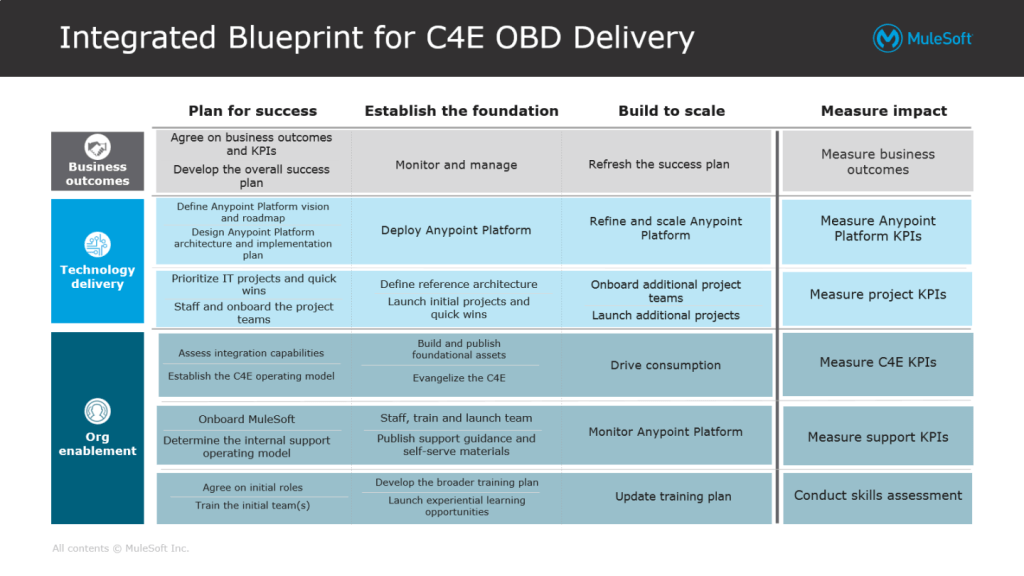
Outcome Based Delivery (OBD) Model, C4E, Center for Excellence
Detailed Timeline Breakdown
The evolution of MuleSoft spans four distinct eras, progressing from a niche open-source project to an enterprise integration powerhouse, culminating in its massive acquisition and expansion under Salesforce.
Era 1: The Open-Source Roots (2003 – 2008)
This era focused on addressing the tedious “donkey work” of custom data integration through open-source software.
2003: Developer Ross Mason creates the Mule open-source project. He writes an architecture framework to move away from rigid, proprietary integration infrastructure. The project name stems from the literal “mule work” or drudgery of writing point-to-point connections.
2006: Ross Mason and Dave Rosenberg co-found MuleSource in San Francisco. The company is built to commercialize the open-source Mule Enterprise Service Bus (ESB) project.
2007: Lightspeed Venture Partners leads a Series A funding round to back the growing open-source platform.
2008: The company expands its product landscape by focusing on developer adoption and expanding core enterprise middleware features.
Era 2: Cloud Transition and iPaaS Transformation (2009 – 2016)
During this era, the company pivoted to a subscription-based software-as-a-service model, targeting cloud applications and APIs.
2009: The company officially changes its name from MuleSource to MuleSoft. Greg Schott is hired as CEO to restructure the business, transitioning from a pure open-source model to a hybrid commercial enterprise subscription model.
2010: The development of dedicated cloud tools kicks off, responding to a massive industry shift from on-premises systems toward software-as-a-service (SaaS) applications.
2012: MuleSoft launches CloudHub, the industry’s first true multi-tenant Integration Platform as a Service (iPaaS).
2013: MuleSoft acquires ProgrammableWeb, the leading repository for web application programming interfaces (APIs), positioning itself as the voice of the emerging API economy.
2014: The company officially rolls out the Anypoint Platform, a unified product suite designed to dismantle the barriers between data applications, SaaS platforms, and APIs.
2015: MuleSoft secures a $128 million funding round led by New Enterprise Associates, with Salesforce Ventures participating as a strategic investor. Revenue breaks past the $100 million mark.
2016: The enterprise focus shifts entirely toward championing API-led connectivity over standard enterprise service bus middleware architectures.
Era 3: IPO and the Salesforce Acquisition (2017 – 2018)
The era defined by rapid financial maturation and a landmark enterprise SaaS consolidation.
2017: MuleSoft launches its Initial Public Offering (IPO) on the New York Stock Exchange under the ticker symbol MULE, valuing the business at over $1.5 billion on its first day of trading.
2018 (March): Salesforce announces a definitive agreement to acquire MuleSoft for an enterprise value of approximately $6.5 billion, making it Salesforce’s largest acquisition up to that point.
2018 (May): Salesforce completes the acquisition. MuleSoft is positioned to power the new Salesforce Integration Cloud to unlock legacy and external database silos for CRM clients.
Era 4: Modern Era—Automation and Unified Customer 360 (2019 – Present)
This era represents the deep technological coupling of MuleSoft with cloud architecture, AI, and low-code applications.
2019: Salesforce shifts strategy, abandoning the “Integration Cloud” branding to lean heavily on the trusted MuleSoft brand. The technology is deeply embedded directly into core platforms like Sales and Service Clouds.
2020: MuleSoft updates its core data engine engine with Mule 4, optimizing performance, reducing custom script overhead, and easing API lifecycle management workflows.
2021: The brand releases MuleSoft Composer, a click-based, no-code application integrated directly inside the Salesforce user interface, enabling business users to connect systems without relying on IT engineers.
2022: Salesforce expands MuleSoft’s reach beyond APIs by acquiring Servicetrace and launching MuleSoft RPA, building a comprehensive hyper-automation ecosystem alongside Composer.
2023–2024: MuleSoft adapts to the AI revolution by releasing Anypoint Code Builder and embedding Einstein AI into the workflow. Developers use natural language prompts to automatically generate integration flows and API designs.
2025–2026: MuleSoft is fully integrated as a core architectural foundation for Salesforce Data Cloud and Agentforce. It serves as the primary system of connectivity to securely feed legacy, real-time enterprise data into autonomous AI agents.
Salesforce MuleSoft Overview & Development Timeline
1. Welcome Salesforce, London Office2. Welcome Salesforce, London Office (external)
BASE24 is a market-leading, fault-tolerant Electronic Funds Transfer (EFT) software application developed by ACI Worldwide. For decades, it has served as the backbone for global banking, processing billions of ATM, Point of Sale (POS), and smart card transactions.
BASE24 Electronic Funds Transfer (EFT) software application developed by ACI Worldwide, Overview
The product achieves its landmark 24/7/365 uptime by running natively on the HPE NonStop architecture—originally engineered by Tandem Computers.
1. Underlying Technology Stack
BASE24 Classic was built from the ground up to utilize the unique properties of the Tandem/HPE NonStop platform:
Database:Enscribe, a native hierarchical/flat file database optimized for ultra-fast, unstructured file access. Newer iterations use NonStop SQL/MX.
Programming Languages: Primarily TAL (Tandem Application Language), pTAL, and COBOL/SCOBOL.
Middleware:PATHWAY (PATHCOM), which acts as the transaction processing monitor to dynamically manage and load-balance server processes.
2. High-Level Component Architecture
BASE24 relies on an interconnected network of specialized processes that route and manage messages.
A. XPNET (The Networking Engine)
XPNET is a critical, proprietary communication subsystem. It provides the messaging infrastructure where applications interface with network communication lines. XPNET acts as the buffer layer, monitoring physical lines, enforcing transaction timing checks, and distributing data loads uniformly across CPUs.
B. Device Handlers (DH)
Device Handlers act as the translators for peripheral devices.
Function: They intercept hardware-specific protocol messages (e.g., Diebold or NCR formats from ATMs) and normalize them into BASE24’s internal standard message format.
Security: DH processes handle terminal-level PIN encryption, coordinate MAC (Message Authentication Code) keys, and initiate terminal downline loads.
C. Authorization Process (AUTH)
AUTH is the core decision engine of the application.
Function: It validates card restrictions, tracks card usage accumulations, and performs transaction risk checks.
Fallback Management: If a bank’s core system goes offline, AUTH drops into “Stand-Alone” or “Negative/Parametric Authorization” mode, approving transactions locally up to safe, pre-defined limits.
D. Host Interfaces (HI)
The Host Interface connects BASE24 to the financial institution’s primary backend core banking systems. It handles “On-Us” transactions—meaning the card used belongs to the bank owning the terminal.
E. Interchange Interfaces (II)
The Interchange Interface formats, translates, and routes transactions to global credit/debit networks (such as Visa, Mastercard, AMEX) or regional switches. It transforms internal BASE24 data formats into compliance standard formatting, such as ISO 8583. It handles “Not-On-Us” transactions.
3. Core Database & File Structure
BASE24 captures system activities across specialized transactional and tracking files, mostly utilizing Enscribe:
TLF (Transaction Log File): The primary log capturing every ATM event, amount, response code, and terminal ID in real-time.
PTLF (POS Transaction Log File): Mirrors the utility of the TLF, but optimizes records strictly for merchant POS transactions.
LCONF (Logical Network Configuration File): Dictates how network configurations, devices, institutions, and communication paths map into XPNET.
CAF (Cardholder Authorization File): Stores specific card numbers, limits, and statuses used for stand-alone authorization if host links break down.
4. Daily Operational Processes
Beyond live message switching, BASE24 executes several critical back-office operations:
Extract: Periodically filters transaction data from live TLF/PTLF logs to move to external billing arrays.
Refresh: Downloads updated data dumps (such as blacklisted cards or updated balances) from core hosts into local BASE24 database files.
Settlement Initiator: Aggregates transaction volumes at specified cutoff times to reconcile balanced records between ATMs, POS terminals, and clearing networks.
5. Why Tandem/HPE NonStop is Essential to BASE24
BASE24 relies on the hardware/software synergy provided by HPE NonStop to achieve near-zero downtime:
Shared-Nothing Architecture: Processors operate independently with their own memory stacks. If a physical CPU suffers hardware failure, it cannot corrupt the rest of the application.
Process Pairs: BASE24 components operate via a primary process in one CPU and a backup process in an alternate CPU. The primary constantly syncs checkpoint data with its backup. If the primary drops, the backup assumes processing instantly without interrupting transaction flights.
Active/Active Configuration: Utilizing replication software like HPE Shadowbase or DRNet, financial firms link distinct geographic NonStop locations. Both processing sites operate concurrently, managing localized transactions and replicating states reciprocally.
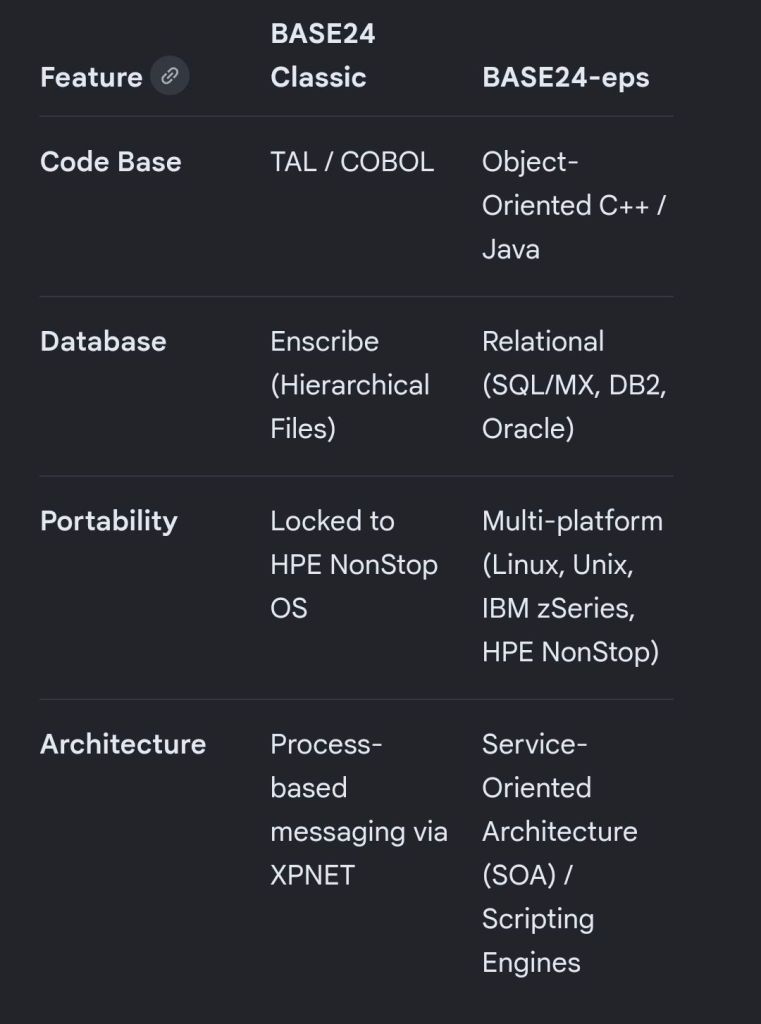
6. Product Evolution: BASE24 Classic vs. BASE24-eps
ACI Worldwide evolved the platform from BASE24 Classic into BASE24-eps (Enterprise Payment System):
Product Evolution: BASE24 Classic vs. BASE24-eps
BASE24 Electronic Funds Transfer (EFT) software application developed by ACI Worldwide, Overview
BASE24 Electronic Funds Transfer (EFT) software application developed by ACI Worldwide, Overview
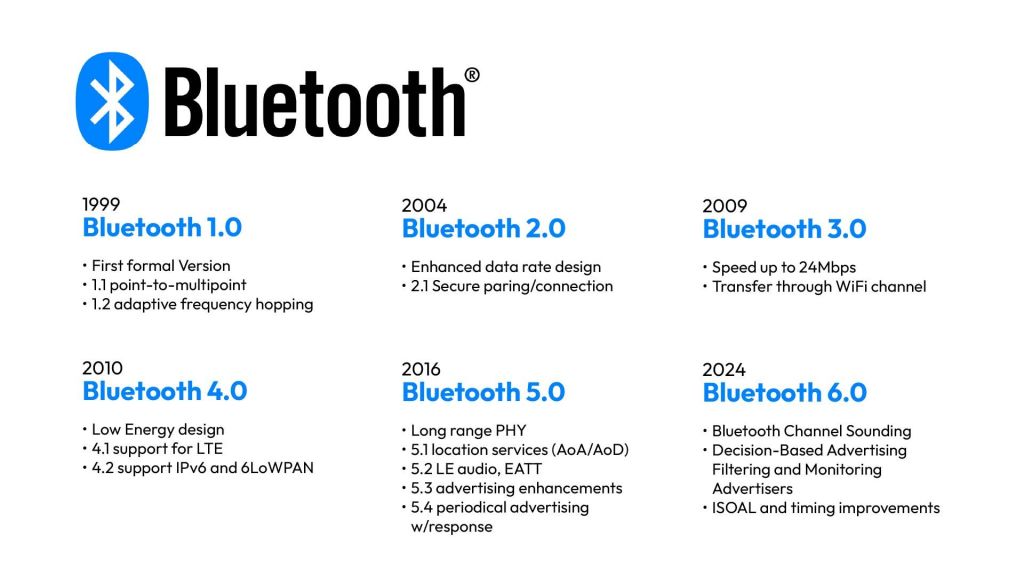
Bluetooth is a universal, short-range wireless communication standard that enables electronic devices to exchange data and audio over ultra-high frequency (UHF) radio waves (operating between 2.402 GHz and 2.480 GHz). It forms localized, temporary networks known as piconets to seamlessly bridge data gaps without the clutter of physical wires or cables.
To combat signal congestion in the crowded 2.4 GHz band—which it shares with Wi-Fi and microwaves—Bluetooth uses a technique called Adaptive Frequency Hopping (AFH), rapidly switching between 79 or 40 channels up to 1,600 times per second to maintain a stable, secure connection.
Named by Intel engineer Jim Kardach after the 10th-century Scandinavian King Harald “Bluetooth” Gormsson—who famously united warring Danish tribes into a single kingdom—the technology was built to similarly unify incompatible PC, cellular, and digital device ecosystems. The iconic Bluetooth logo is a direct nod to this heritage, fusing the ancient Norse runes ᚼ (Hagall) and ᛒ (Bjarkan) representing King Harald’s initials.
Bluetooth Overview and Detailed Chronological Timeline
🏛️ Era 1: Pre-Commercialization & Foundation (1989–1998)
Before becoming an open global standard, Bluetooth began as a proprietary corporate feasibility project aimed at liberating electronics from restrictive RS-232 data cables.
1989: Nils Rydbeck (CTO of Ericsson Mobile) and inventor Johan Ullman initiate a “short-link” radio technology project designed to develop comfortable wireless headsets.
1994: Jaap Haartsen and Sven Mattisson are tasked by Ericsson leadership to formally design the hardware infrastructure in Lund, Sweden. They focus on low-power, low-cost radio architectures.
1997: The engineering team achieves a functional, workable link layer solution. Intel’s Jim Kardach proposes the temporary codename “Bluetooth”.
1998: Recognizing a global framework requires cross-industry alignment, Ericsson joins forces with IBM, Intel, Nokia, and Toshiba to found the Bluetooth Special Interest Group (SIG) to establish an open, license-free standard.
📱 Era 2: The Classic Bluetooth Era (1999–2009)
The first commercial implementation focused heavily on replacing peripheral wires. However, early builds struggled with device-role conflicts, high power consumption, and severe data limitations.
1999 (v1.0 & v1.0b): The Bluetooth SIG publishes the official Bluetooth 1.0 specification. It is heavily plagued by interoperability issues and mandatory hardware address exposure, creating distinct privacy gaps.
2001 (v1.1): Standardized globally under the IEEE 802.15.1 banner. Fixes version 1.0 connection bugs, supports point-to-multipoint slave connections, and introduces unencrypted channel support. The Sony Ericsson T36 debuts as the first commercial phone with integrated Bluetooth.
2003 (v1.2): Introduces Adaptive Frequency Hopping (AFH) to stop Wi-Fi network interference. Adds Extended Synchronous Connections (eSCO) to rescue voice audio quality by allowing packet retransmissions.
2004 (v2.0 + EDR): Unleashes Enhanced Data Rate (EDR). Maximum throughput leaps from a nominal 721 kbps to 3 Mbps, greatly reducing power draw through shorter transmission cycles.
2007 (v2.1 + EDR): Introduces Secure Simple Pairing (SSP). This eliminates complex PIN-code handshakes, improving device security while seamlessly supporting Near Field Communication (NFC) proximity pairings.
2009 (v3.0 + HS): Debuts High Speed (HS) architecture. It uses a clever dual-radio configuration where Bluetooth creates the initial handshake, but offloads large media payloads to an internal 802.11 Wi-Fi link for speeds up to 24 Mbps.
🔋 Era 3: The Bluetooth Low Energy (BLE) & IoT Era (2010–2015)
Prior versions consumed too much power for miniature electronic applications. This era redefined the standard, establishing an entirely separate protocol tier optimized to run on tiny coin-cell batteries for the burgeoning Internet of Things (IoT) market.
2010 (v4.0): The pivotal launch of Bluetooth Low Energy (BLE) (branded initially as Bluetooth Smart). Devices can remain asleep until data bursts happen, drastically dropping baseline energy consumption.
2013 (v4.1): Engineers adjust software layers to prevent direct frequency collision with 4G LTE bands. Devices can now act as both an independent hub and peripheral sensor simultaneously.
2014 (v4.2): Designed entirely for smart home architecture, this update adds support for IPv6 and 6LoWPAN. This allows smart sensors to connect directly to the internet without intermediary mobile gateways.
🌐 Era 4: High-Performance & High-Precision Mesh Era (2016–Present)
Modern iterations have fundamentally transformed the technology from a basic local data-link pipe into a highly robust, secure mesh network and precision spatial positioning framework.
2016 (v5.0): Doubles BLE transmission speeds to 2 Mbps and quadruples operational range up to 240 metres. It optimizes performance for large-scale smart homes and multi-room layouts.
2019 (v5.1): Introduces Direction Finding via Angle of Arrival (AoA) and Angle of Departure (AoD) antennae arrays. Devices achieve hyper-local indoor positioning down to centimeter-level accuracy.
2020 (v5.2): Unveils LE Audio running over the highly efficient LC3 Codec. It introduces Auracast, which enables a single source device to stream high-fidelity audio to an infinite number of nearby headphones or hearing aids.
2021 (v5.3): Adds connection subrating to reduce communication switching latencies. Improves peripheral device power optimization and encryption control keys.
2023 (v5.4): Adds Periodic Advertising with Responses (PAwR) alongside Encrypted Advertising Data (EAD). This allows two-way secure mass communication, tailored specifically for thousands of commercial electronic shelf labels.
2024 (v6.0): Incorporates groundbreaking Channel Sounding technology. It employs phase-based time-of-flight measurements to provide centimeter-level distance awareness, creating incredibly secure digital car and home keys that prevent relay signal tracking attacks.
Bluetooth Overview and Detailed Chronological Timeline
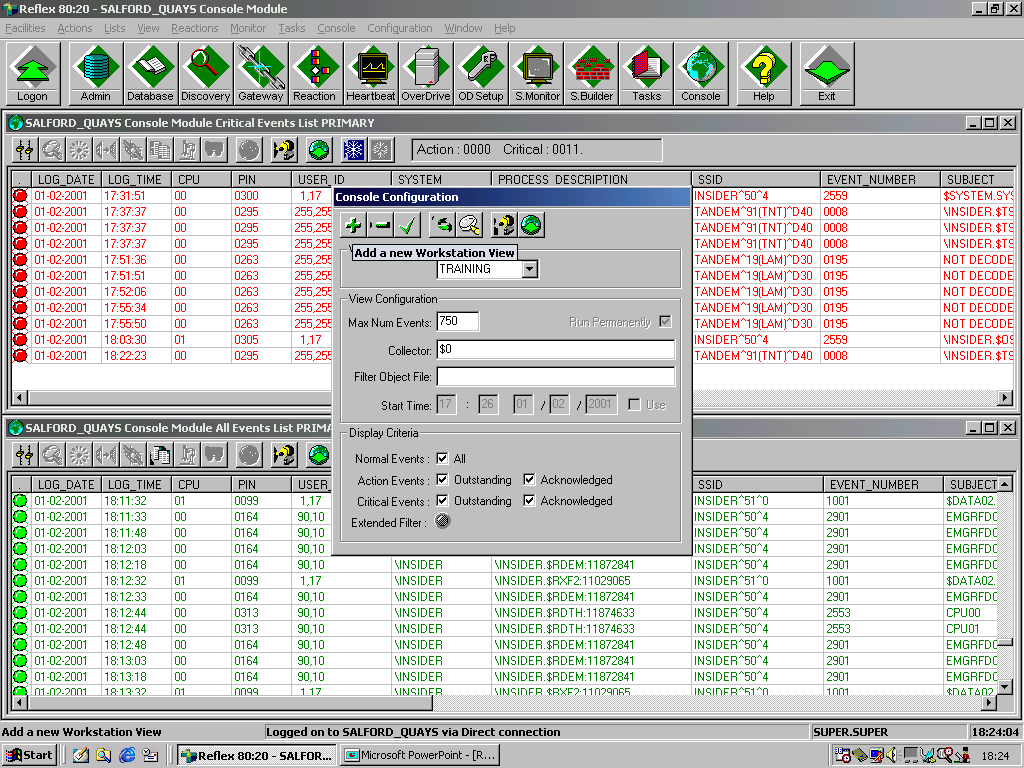
In the HPE NonStop ecosystem, EMS (Event Management Service) is the core software subsystem responsible for collecting, formatting, filtering, logging, and routing system and application event messages. It provides fault-tolerant monitoring by gathering data from EMS collectors and selectively delivering alerts to consoles, log files, or automated management applications.
The evolution and detailed historical timeline of NonStop EMS events and architecture is broken down by era below:
1. The Tandem Guardian Era (Late 1970s – 1980s)
Focus: Foundation of Fault-Tolerant Event Logging
1976: Tandem releases the original Tandem/16 (NonStop I) system. Early event handling was primarily a rudimentary terminal console logging process.
1978: System administrators struggled with message scaling as clusters and terminal networks expanded. Tandem began developing structured event tracking, paving the way for standardized subsystem messages.
1980s: Introduction of early message formatting. Event messages 1 through 511 were reserved for unformatted, raw console events. The Event Management Service (EMS) was gradually formalized to centralize scattered terminal messages.
2. The D-Series & TMF Era (1990s)
Focus: Distributed Management & The Birth of Modern EMS
1991: Tandem releases the Cyclone/R (CLX/R) and later the Himalaya K-series using MIPS processors.
1993: The publication of the seminal EMS Reference Summaries standardized EMS APIs and SPI (System Programming Interface). Event IDs were structured into standardized subsystems (e.g., negative-numbered kernel messages).
1995: The NonStop Kernel introduced Open System Services (OSS), natively integrating Unix-like event logs into the Guardian architecture.
1997: Compaq acquires Tandem Computers. EMS underwent significant rewrites to interface with remote servers and client networks. The S-Series was launched utilizing ServerNet fabric, introducing advanced, distributed event collectors and distributors.
3. The Compaq Transition & HP Integration (2000s)
Focus: Web-Based Management and Automation
2000 – 2003: Legacy ViewPoint tools were expanded. The emergence of GUI interfaces and DSM/PM (Distributed Systems Management/Performance Monitor) allowed operators to browse and filter EMS logs on alternate/primary event files.
2003 – 2005: The transition to Web ViewPoint commenced, turning text-based EMS event logs into interactive, web-based graphical operations interfaces.
2006 – 2009: With HP fully in charge after merging with Compaq, EMS event viewing was modernized through TSM (Tandem/HP Systems Management) and the Open System Management (OSM) Event Viewer.
2015 – 2017: The platform is rebranded as HPE NonStop as the architecture migrates to x86 processors. EMS systems are upgraded to handle large datasets, feeding complex event processing (CEP) and SNMP trap frameworks for modern data centers.
2018 – 2023: HPE integrates NonStop systems with HPE GreenLake. EMS event logging is modernized with API-driven integrations, allowing system events to be consumed by off-platform enterprise loggers, Splunk, and cloud-management consoles.
2024 – 2026: EMS events operate in highly virtualized and hybrid cloud (x86 and Virtual NonStop) environments. Event management heavily relies on modern distributed systems where EMS distributors push logs seamlessly into centralized IT monitoring suites and continuous availability dashboards.