Mark maintains an unranked Top 30 Movies collection, alongside a broader list of favorite movie clips, which span the Golden Age of cinema to modern blockbusters.
His selected top favorites across different cinematic eras showcase a deep appreciation for classic epics, suspenseful westerns, war dramas, and high-octane modern sci-fi, some examples below:
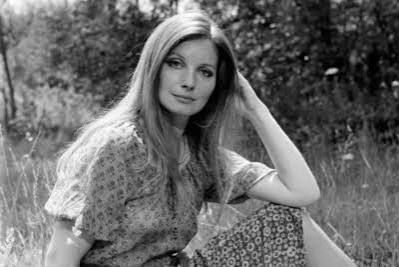
Catherine Schell is an internationally acclaimed Hungarian-born British actress celebrated for her commanding presence and versatility across mainstream cinema, comedy, and British cult television.
Catherine Schell
Best known for her iconic roles as the shape-shifting alien Maya in Space: 1999, the glamorous Lady Claudine Litton in The Return of the Pink Panther, and a Bond girl in On Her Majesty’s Secret Service, she seamlessly navigated international franchises, sci-fi cult classics, and intense television dramas.
Multilingual Fluency: English, German, Hungarian, French
Dramatic & Comedic Range: Specialized in high-society characters, physical/slapstick comedy, and genre science fiction.
Formal Training: Otto Falckenberg School of the Performing Arts (Munich), complemented by intensive private dramatic coaching.
Key Achievements
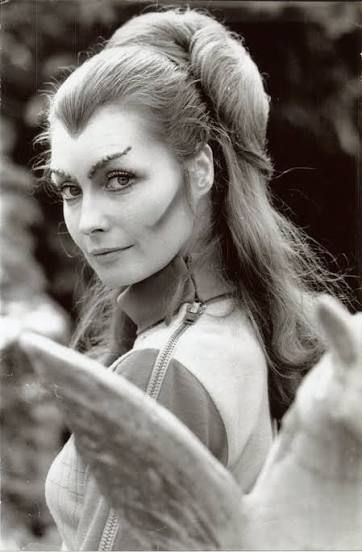
Cult Sci-Fi Status: Immortalized the premier character “Maya” in Season 2 of Space: 1999, requiring extensive prosthetic makeup and creating a global fanbase.
Box Office Success: Featured as the primary female lead opposite Peter Sellers in the smash-hit comedy The Return of the Pink Panther (1975).
Literary Author: Documented her life in two critically praised autobiographies: A Constant Alien (2016) and When God Was Out For Lunch (2018).
Catherine Schell as the shape-shifting alien Maya in Space: 1999
Comprehensive Chronological Timeline
1944–1957: Early Life and Displacement
1944: Born in Budapest during an allied bombing raid to Baron Paul Schell von Bauschlott (a diplomat) and Countess Katharina Maria Etelka Georgina Elisabeth Teleki de Szék.
1945–1948: Experienced post-war Russian occupation and absolute poverty after the Nazi and Communist regimes confiscated her family’s ancestral estates.
1948: Escaped Hungary with her family, living as refugees in Vienna and Salzburg, Austria.
1950: Emigrated to the United States. Her father renounced his noble title to secure American citizenship. Catherine entered a strict Catholic convent school on Staten Island, New York.
1956: Her mother became a cause célèbre and was imprisoned for actively protesting the Soviet invasion of Hungary.
1957–1967: Training and European Screen Debut
1957: Relocated to Munich, Germany, where her father joined Radio Free Europe. She attended the American School and fell in love with acting.
1961–1963: Entered Munich’s prestigious Otto Falckenberg School but pivoted to private lessons to rapidly master theatrical German.
1964: Made her professional feature film debut under the name “Catherine von Schell” in the German adventure film Lana, Queen of the Amazons, followed by the crime mystery Traitor’s Gate (Das Verrätertor).
1967: Starred in the Euro-drama film Hell Is Empty.
1968–1974: Rise in British Cinema & Franchise Success
1968: Co-starred in The Amsterdam Affair, where she met her first husband, British actor William Marlowe. She permanently relocated to London.
1969: Achieved massive international visibility through two high-profile Hammer/Eon productions:
Cast as Nancy, one of Blofeld’s “Angels of Death,” in the James Bond classic On Her Majesty’s Secret Service.
Starred as Clementine in Hammer Film’s sci-fi adventure Moon Zero Two.
1971: Guest-starred in the landmark British action-comedy series The Persuaders! (episode: “The Gold Napoleon”).
1972: Appeared alongside Bette Davis in the film Madame Sin and took a regular television role as Diane Marsh in The Adventurer.
1974: Co-starred with Michael Caine in the political thriller The Black Windmill and took the role of Jenny in the cinematic adaptation of Callan.
1975–1979: The “Golden Era” (Pink Panther & Space: 1999)
1975: Reached peak mainstream cinematic fame as Lady Claudine Litton in The Return of the Pink Panther. Her genuine struggle to suppress laughter at Peter Sellers’ improvisations was deliberately left in the final cut by director Blake Edwards.
1975: Portrayed the “Servant of the Guardian” in the Season 1 episode of Space: 1999 titled “Guardian of Piri”.
1976–1977: Hired by producer Fred Freiberger to inject new energy into Season 2 of Space: 1999. She played Maya, a brilliant, shape-shifting alien from the planet Psychon. The role required hours of daily cosmetic transformations and solidified her legacy as a sci-fi icon.
1977: Divorced William Marlowe. Met TV director Bill Hays while filming the series Looking for Clancy. She also starred in the fantasy film Gulliver’s Travels.
1979: Delivered two more definitive genre performances:
Played Countess Heidi Scarlioni opposite Tom Baker’s Fourth Doctor in the legendary Doctor Who serial “City of Death”.
Re-teamed with Peter Sellers in the comedy feature The Prisoner of Zenda.
1980–1996: Mature Dramatic Roles and Later Career
1980–1981: Appeared in episodic television such as The Gentle Touch, The Spoils of War, and The Island of Adventure.
1982: Married director Bill Hays.
1983–1985: Balanced prominent theatre and television work, including guest roles on Bergerac and a prestigious TV production of A Month in the Country (1985).
1988: Played Lotte Zons in the critically acclaimed cinematic period drama On the Black Hill.
1989: Guest-starred in highly rated British soaps and procedurals, including The Bill and Howards’ Way.
1990: Starred as Virginia Mitchell (aka Dominique) in the popular WWII French Resistance TV drama Wish Me Luck.
1991–1994: Appeared in Lovejoy (1991), Piccolo grande amore (1993), and the TV mini-series The Wimbledon Poisoner (1994).
1996: Officially stepped back from full-time acting after appearing as Inspector Helene Masson in the crime drama series The Knock.
1997–2019: Retirement and Hospitality in France
1997–2005: Relocated to the historic village of Bonneval in France. She successfully owned and operated a small, highly regarded boutique guest hotel/Chambre d’Hôtes.
2006: Suffered the tragic loss of her husband, Bill Hays, who passed away in March. Subsequently retired from running the guest house.
2016: Published her first critically well-received autobiography, A Constant Alien (Fantom Publishing).
2018: Released her second volume of memoirs, When God Was Out For Lunch.
2020–Present: Selective Return to the Screen
2020: Made a grand return to television under the direction of Damon Thomas, portraying Duchess Valeria in the critically praised BBC/Netflix horror mini-series Dracula.
2022: Cast by director Rob Zombie as Zoya Krupp in the feature film adaptation of The Munsters.
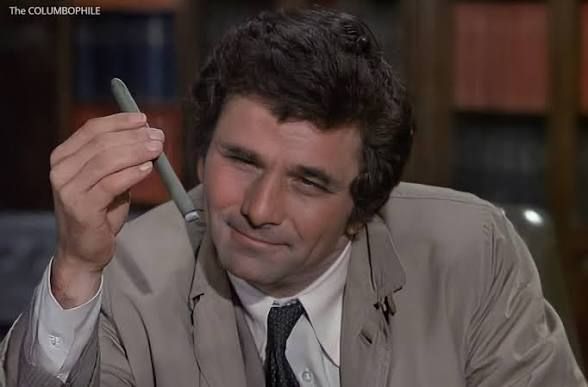
Columbo is one of television’s most celebrated crime dramas, spanning 35 years, 69 episodes, and two major television networks. Starring Peter Falk in his four-time Emmy-winning role, the show completely upended standard detective tropes with its signature “inverted detective story” structure.
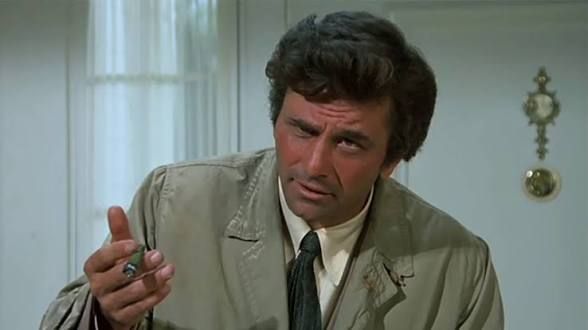
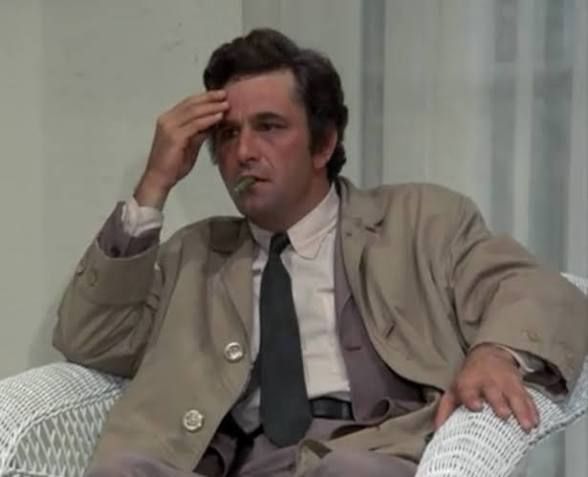
Peter Falk, Columbo
The following guide breaks down the core characteristics of the series, followed by a comprehensive, year-by-year chronological timeline of its production and broadcasting history.
Detailed Description of the Series
The Inverted “Whodunit” (The Howcatchem)
Unlike standard mystery shows where the audience tries to guess the killer, Columbo is an inverted detective story. Every episode begins by showing the audience exactly who the murderer is, their motive, and the elaborate steps they take to craft an “airtight” alibi. The true tension and entertainment lie in the psychological cat-and-mouse game between the killer and Lieutenant Columbo, watching him slowly pick apart their flawless crime.
The Character of Lieutenant Columbo
The Appearance: Columbo is famously dishevelled. He wears a rumpled, beige raincoat over a wrinkled suit, drives a battered 1959 Peugeot 403 convertible, and frequently chomps on a half-burned cigar.
The Tactics: He acts incredibly humble, forgetful, and easily distracted. This is a deliberate ploy to make the high-society killers underestimate him, causing them to let their guard down and talk too much.
The Catchphrase: Just as a suspect believes Columbo is leaving and they have gotten away with murder, he stops, turns around, scratches his head, and delivers his iconic phrase: “Just one more thing…”
Personal Quirks: He works for the Los Angeles Police Department (LAPD), never carries a gun, loves chili with crackers, owns an incredibly lazy basset hound simply named “Dog”, and constantly references his unseen wife, Mrs. Columbo.
Detailed Production & Broadcast Timeline
The history of Columbo spans across two distinct network eras: the NBC Era (the original 1970s run) and the ABC Era (the late 1980s revival through to the final specials).
Pre-Falk Origins (1960 – 1962)
1960: Writers Richard Levinson and William Link introduce the character of “Lieutenant Columbo” in an episode of the anthology series The Chevy Mystery Show titled “Enough Rope”, played by actor Bert Freed.
1962: The writers adapt the story into a stage play named Prescription: Murder, where Columbo is portrayed by Oscar-winner Thomas Mitchell.
The NBC Series Era (1971 – 1978)
During this run, Columbo does not air weekly. Instead, it serves as a rotating program on The NBC Mystery Movie alongside shows like McCloud and McMillan & Wife.
1971:Season 1 begins. The official premiere episode, “Murder by the Book”, is directed by a young, pre-fame Steven Spielberg.
1972:Season 1 concludes, and Season 2 premieres in September. This season includes classics like “Etude in Black”.
1973:Season 2 ends, and Season 3 launches, introducing “Any Old Port in a Storm”, which features Donald Pleasence and is widely considered one of the best episodes of the series.
1974:Season 3 wraps up, and Season 4 premieres. It features Johnny Cash in “Swan Song” and Dick Van Dyke in “Negative Reaction”.
1975:Season 4 concludes, and Season 5 debuts in the autumn, featuring the episode “Forgotten Lady”.
1976:Season 5 ends. Season 6 premieres in October with a shortened, three-episode order as Peter Falk begins negotiating fiercely over his contract and salary.
1977:Season 6 wraps up. Season 7 launches in November, highlighting the fan-favourite episode “Try and Catch Me” starring Ruth Gordon.
1978: The final NBC episode, “The Conspirators”, airs in May. Burnt out by the rigorous schedule and wanting to pursue feature films, Peter Falk walks away from the character, ending the original run.
The Hiatus & Spin-Off (1979 – 1988)
1979: NBC attempts to keep the brand alive without Falk by launching a spin-off series, Mrs. Columbo, starring Kate Mulgrew. It is heavily rejected by fans and swiftly cancelled.
1980–1988:Columbo remains entirely dark for nearly a decade.
The ABC Revival Era (1989 – 2003)
ABC successfully strikes a deal with Peter Falk to bring the detective back for a series of premium, two-hour television movies.
1989: After an 11-year absence, Columbo returns to television with Season 8. Later that year, Season 9 launches.
1990:Season 9 concludes in May. ABC abandons the rigid, seasonal formatting, shifting the series into occasional, high-budget “TV Specials”. Season 10 officially begins with “Columbo Goes to College” in December.
1991: Three major movie specials are broadcast: “Caution: Murder Can Be Hazardous to Your Health”, “Columbo and the Murder of a Rock Star”, and “Death Hits the Jackpot”.
1992: Two movie specials air: “No Time to Die” (a rare episode where Columbo solves a kidnapping rather than a murder) and “A Bird in the Hand…”.
1993: Only one special is produced and broadcast this year: “It’s All in the Game”, written by Peter Falk himself.
1994: Two movie specials air: “Butterfly in Shades of Grey” (featuring William Shatner’s second appearance as a Columbo villain) and “Undercover”.
1995: A single movie special is broadcast: “Strange Bedfellows”, co-starring George Wendt.
1997: Following a brief hiatus, “A Trace of Murder” airs to celebrate the 30th anniversary of the franchise.
1998: The movie special “Ashes to Ashes” is broadcast, featuring Patrick McGoohan, who also directed several episodes of the series.
2001: “Murder With Too Many Notes” airs after a multi-year delay in production.
2003: The 69th and final episode, “Columbo Likes the Nightlife”, airs on 30 January. This concludes the historic run of the franchise, as Peter Falk formally retires from playing the character before his passing in 2011.
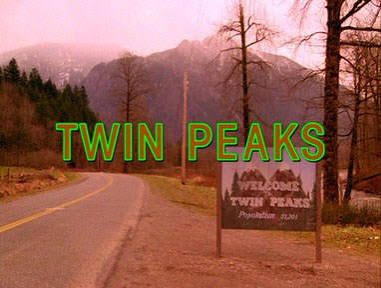
Twin Peaks is a landmark surrealist mystery-horror drama created by David Lynch and Mark Frost, premiering in 1990. It blends a small-town soap opera with supernatural horror, focusing on the investigation into the murder of homecoming queen Laura Palmer. The story unfolds across two television seasons (1990–1991), a prequel film (Fire Walk with Me), and a revival season (The Return), with significant, often contradictory lore found in tie-in books like The Secret History of Twin Peaks.
Twin Peaks is a landmark surrealist mystery-horror drama
Full Overview
The Premise: FBI Special Agent Dale Cooper travels to the fictional town of Twin Peaks, Washington, to investigate the murder of popular high school student Laura Palmer.
The Conflict: The investigation uncovers deep, dark secrets hidden behind the town’s idyllic facade, including the involvement of an ancient, malevolent supernatural entity named “BOB,” who possesses people to commit atrocities.
The Supernatural World: The story centers on two metaphysical realms: the White Lodge (associated with good) and the Black Lodge (associated with evil), often referred to together as “The Lodges”.
The Structure:Fire Walk with Me provides the final week of Laura’s life, while Season 3 (The Return) takes place 25 years later, dealing with the consequences of the original series and alternate realities.
Detailed Historic Timeline by Era and Year
Ancient Era – 19th Century: Founding and Entities
~1,000,000,000 B.C.: The future site of Twin Peaks is on the western coast of Pangea.
1805: Meriwether Lewis (of Lewis and Clark) visits the area, specifically the Owl Cave lodges, and is believed to have encountered the supernatural forces.
1872: The town of Twin Peaks is established.
1879: Miners accidentally discover Owl Cave.
1896: “The Terrible Fire” in Twin Peaks.
20th Century – Pre-Series (1900–1988)
1928: The Great Northern Hotel opens.
July 16, 1945: The Trinity Test atomic explosion in New Mexico creates a breach between worlds, releasing BOB and other entities, and triggering the “birth” of a counter-force (implied to be Laura Palmer).
1956: A “frog-moth” creature enters a young girl in New Mexico; a mysterious Woodsman kills a radio DJ, spreading a paralyzing chant.
1967 (Dec 25): Dale Cooper begins keeping his audiotape journal for Diane.
1971 (July 22): Laura Palmer is born.
1982-1985: Dale Cooper and Windom Earle play chess; Earle goes insane, kills his wife (Caroline), and wounds Cooper.
1983: Andrew Packard brings Josie home; Andrew is later killed in a plot with Thomas Eckhardt.
1987: Agent Phillip Jeffries disappears in Buenos Aires, appearing briefly at the FBI Philadelphia office to warn them about Cooper and BOB.
The Critical Year (1988–1989)
July 1983 – February 1989: Laura Palmer writes in her secret diary.
February 9, 1988:Fire Walk with Me events begin. Teresa Banks is murdered in Deer Meadow (the original “wrapped in plastic” case).
February 23, 1989: Leland Palmer (possessed by BOB) rapes Laura.
February 23-24, 1989: Laura Palmer is murdered.
February 24, 1989: Pete Martell finds Laura “wrapped in plastic”. Agent Cooper arrives.
March 1989: Seasons 1 & 2 occur, covering about 4 weeks. Laura’s murderer (Leland/BOB) is revealed and dies.
March 1989: Cooper enters the Black Lodge to save Annie Blackburn; Cooper’s doppelganger (possessed by BOB) escapes into the world.
The Gap and The Return (1990–2017)
1990-2015: Cooper’s doppelganger lives a life of crime, avoiding returning to the Black Lodge.
1997: Douglas Jones (a, presumably artificial, entity) has a car accident.
2016 (September-October): The events of Twin Peaks: The Return (Season 3) occur. The doppelganger attempts to avoid being pulled back into the Lodge, while the “good” Cooper tries to return to the real world.
2016/2017: A new, altered timeline is created when Cooper prevents Laura’s murder in 1989, potentially erasing the events of the first two seasons, leading to the existence of “Carrie Page” in Odessa, Texas.
September 2017:The Final Dossier is published, wrapping up the fates of the townspeople in the altered timeline.
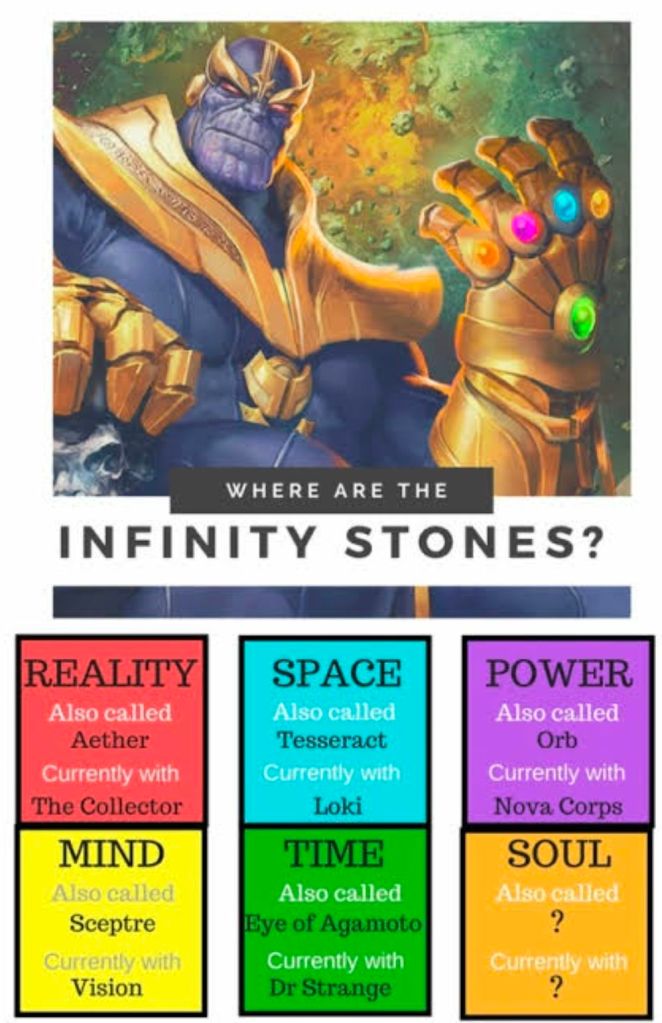
The Infinity Stones in the Marvel Cinematic Universe (MCU) are six ancient singularities that existed before the dawn of creation. Following the Big Bang, these singularities were forged into concentrated crystals—the Stones—each embodying and controlling an essential aspect of existence: Space, Mind, Reality, Power, Time, and Soul. Thanos sought to collect all six to balance the universe by eradicating half of all life, a goal he achieved in 2018 before destroying the Stones.
The Infinity Stones are six primeval artifacts representing different aspects of the universe
Overview of the Stones
Space Stone (Blue): Allows for instantaneous travel anywhere in the universe. Housed within the Tesseract.
Mind Stone (Yellow): Grants control over the minds of others and enhances mental abilities. Initially housed in Loki’s scepter, later placed in Vision’s forehead.
Reality Stone (Red): Enables the wielder to alter physics and reality itself. Known as the Aether.
Power Stone (Purple): Grants unlimited access to all forms of energy and can destroy entire planets. Housed in an orb.
Time Stone (Green): Gives total control over time, including speeding it up, reversing it, or creating time loops. Housed in the Eye of Agamotto.
Soul Stone (Orange): Controls life and death, allowing the user to manipulate souls and access the “Soul World”. Located on Vormir.
Historical Textual Timeline
This timeline follows the stones from their creation to their destruction, based on MCU events.
Era: Pre-Universe (Before Time)
Creation: Six singularities exist representing different aspects of existence.
The Big Bang: The universe is formed, and the singularities are forged into the six Infinity Stones and scattered across the cosmos.
Era: Ancient History
Circa 965 A.D.: Odin, King of Asgard, brings the Space Stone (Tesseract) to Earth for safekeeping, hiding it in Tønsberg, Norway.
Undated: The Dark Elves, led by Malekith, attempt to use the Reality Stone (Aether) to return the universe to darkness during a convergence. Odin’s father, Bor, defeats them and hides the Aether.
Undated: The Power Stone is used by the Celestials to judge and destroy civilizations. It is eventually hidden away on the planet Morag.
Era: World War II (1940s)
1942: Johann Schmidt (Red Skull) locates and steals the Tesseract from Norway to weaponize it for Hydra.
1943: During a confrontation with Captain America, the Tesseract is damaged, activating a portal that transports Red Skull to Vormir, where he becomes the guardian of the Soul Stone.
1945: The Tesseract falls into the Arctic Ocean. Howard Stark recovers it shortly after.
Era: Late 20th Century
1989: Dr. Wendy Lawson (Mar-Vell) experiments on the Tesseract for S.H.I.E.L.D., accidentally granting Carol Danvers (Captain Marvel) her powers.
1995: The Tesseract is briefly swallowed by the Flerken Goose, who later vomits it onto Nick Fury’s desk.
Era: Modern Age (MCU Phase 1 & 2)
2010/2011: Nick Fury shows the Tesseract to Dr. Erik Selvig for research.
2012 (The Avengers): Loki uses the Space Stone (in the Tesseract) to open a portal for the Chitauri invasion of New York. The Avengers defeat him, and Thor returns the Tesseract to Asgard.
2013 (Thor: The Dark World): The Aether (Reality Stone) is found by Jane Foster. It is secured by the Collector after the Dark Elves are defeated.
2014 (Guardians of the Galaxy): Star-Lord retrieves the Power Stone from Morag. After a conflict with Ronan the Accuser, the Guardians entrust the stone to the Nova Corps on Xandar for safekeeping.
2015 (Avengers: Age of Ultron): The Avengers recover the Mind Stone from a Hydra base. Tony Stark and Bruce Banner use it to create Vision, who acts as its protector.
Era: The Infinity War (2018)
2018: Thanos decimates Xandar and takes the Power Stone.
2018: Thanos attacks the Asgardian refugee ship and takes the Space Stone from Loki.
2018: Thanos visits the Collector and takes the Reality Stone.
2018: Thanos takes the Soul Stone from Vormir after sacrificing his daughter, Gamora.
2018: Thanos takes the Time Stone from Doctor Strange on Titan.
2018: Thanos kills Vision to take the Mind Stone in Wakanda.
2018 (The Snap): Thanos activates the Gauntlet, erasing half of all life in the universe. He later uses the stones a second time to destroy them, reducing them to atoms.
Era: Post-Snap (2023)
2023 (Avengers: Endgame): The Avengers travel back in time to 2012, 2013, and 2014 to borrow the stones from alternate timelines.
2023: The Avengers use the borrowed stones to reverse Thanos’ snap.
2023: Captain America returns the borrowed stones to their original timelines to prevent the creation of dark alternate realities.
The Infinity Stones are six primeval artifacts representing different aspects of the universe
The Creative Arts BA (Hons) at Bangor University is a three-year, full-time course (UCAS code: WPQ3) that integrates film, media, journalism, and creative writing. It is designed to balance theoretical study with practical, hands-on production.
Creative Arts BA (Hons) at Bangor University is a full-time course that integrates film, media, journalism, and creative writing
Year 1: Foundations
In the first year, students must complete 120 credits to build a base in both creative practice and academic theory.
Compulsory Modules: A primary core module is Adventures in the Creative Arts (20 credits), which introduces multidisciplinary approaches to the field.
Core Skills: You will begin developing production techniques in areas such as audio and visual production, print journalism, and digital media.
Theoretical Grounding: Introductory modules cover film theory and cultural studies to enrich your research and analytical skills.
Year 2: Specialisation & Development
The second year allows for deeper engagement with specific creative industries.
Elective Choice: Students can tailor their studies to their interests, choosing between practice-based modules (e.g., screenwriting, documentary filmmaking, journalism practice) or academic-focused modules (e.g., media regulation, history of film).
Professional Engagement: You are encouraged to build professional networks through regular visits from filmmakers, journalists, and designers.
Optional Years: After Year 2, you may opt to take an International Experience Year or a Placement Year to work with a professional organisation.
Year 3: Synthesis & Final Project
The final year focuses on high-level production and a significant independent project.
Final Year Project: Instead of a traditional long-form essay, you can demonstrate your progress through creative outputs such as a fictionalised response, an online exhibition, a vlog, or a professional portfolio.
Advanced Practice: Modules continue to cover specialized topics like digital journalism, visual culture, and global media.
Professional Showcase: Students often participate in the annual media showcase held at the Pontio Arts and Innovation Centre, providing exposure for their work.
Teaching & Facilities
Learning Methods: Instruction is delivered through lectures, small seminar groups, interactive workshops, and one-to-one supervision.
Facilities: Students have access to industry-standard equipment via an extensive loan service (video/stills cameras, digital recorders) and dedicated creative spaces.
Assessment: Progress is measured via coursework, presentations, essays, and practical submissions (e.g., short films, scripts, or digital media pieces).
Creative Arts BA (Hons) at Bangor University is a full-time course that integrates film, media, journalism, and creative writing
Bangor University History Timeline by Era and Year
Bangor University (Welsh: Prifysgol Bangor) is a public research university in North Wales, originally founded as the University College of North Wales (UCNW) on 18 October 1884. Established through a historic public campaign, its foundation was uniquely funded by local quarrymen and farmers who contributed their own wages to ensure access to higher education for the people of North Wales.
Today, it is a prominent institution with over 10,000 students and 2,000 staff members, recognised for its research excellence and strong Welsh cultural identity.
Comprehensive Timeline of Bangor University
Era 1: Foundation & Early Years (1881–1899)
1881: The Aberdare Report recommends creating two university colleges in Wales, one for the south and one for the north.
1883: A committee selects Bangor over 12 other towns (including Wrexham and Rhyl) to host the new college.
1884 (18 October): The University College of North Wales officially opens in the Penrhyn Arms, an old coaching inn, with 58 students and 10 staff members.
1884: Mary Ellen Williams becomes the first student to enrol; female students notably make up one-third of the initial population.
1885: The institution receives its Royal Charter.
1893: Bangor becomes a founding constituent college of the federal University of Wales, ending its initial practice of conferring degrees through the University of London.
Era 2: The College on the Hill (1900–1939)
1903: The city of Bangor donates a 10-acre site at Penrallt for a new building.
1907: King Edward VII lays the foundation stone for the “Main Arts” building.
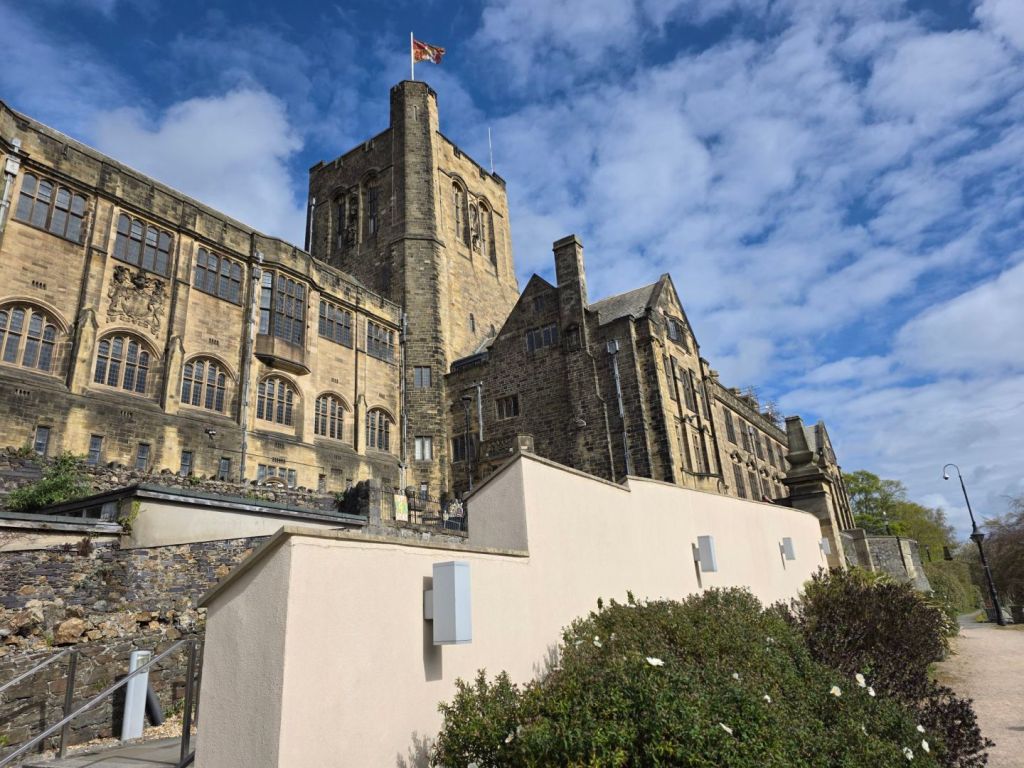
1911: The iconic Main Arts Building (the “College on the Hill”) is officially opened by King George V.
1926: The Science Departments, which had remained at the old Penrhyn Arms, move to new purpose-built facilities funded by the North Wales Heroes Memorial.
Era 3: Wartime & Mid-Century Expansion (1940–1999)
1940s (WWII): The university’s Prichard-Jones Hall is used to safeguard national art gallery paintings from enemy bombing.
1942: Neuadd Reichel, a hostel for male students designed by Percy Thomas, opens on the Ffriddoedd site.
1960s: Rapid expansion follows the Robbins Report, including the completion of the “New Arts” wing (1968) and the establishment of new departments like Social Theory (1966).
1967: The Bangor Normal College hosts lectures by the Maharishi Mahesh Yogi, attended by The Beatles.
1977: St Mary’s College, a women’s teacher training college, merges with the university.
1996: The Normal College (founded 1858) officially merges with the university, which is renamed University of Wales, Bangor.
Era 4: Independence & Modern Era (2000–Present)
2003: Storm FM, the official student radio station, begins broadcasting.
2007: The institution gains independent university status and adopts its current name, Bangor University.
2009: The university celebrates its 125th anniversary and begins awarding its own degrees independently of the University of Wales.
2015: The Pontio Arts and Innovation Centre and St Mary’s Student Village open.
2018: The M-SParc science park on Anglesey is completed.
2024: The university celebrates its 140th anniversary and opens its independent North Wales Medical School with its first intake of 80 students.
2025: A £10.5 million donation leads to the redevelopment and renaming of the Albert Guday Business School.