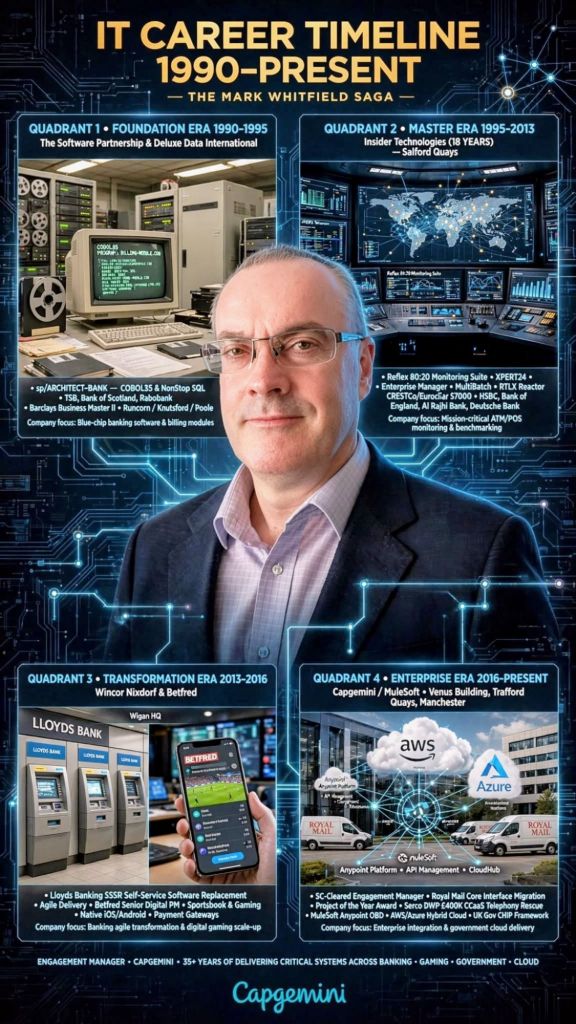
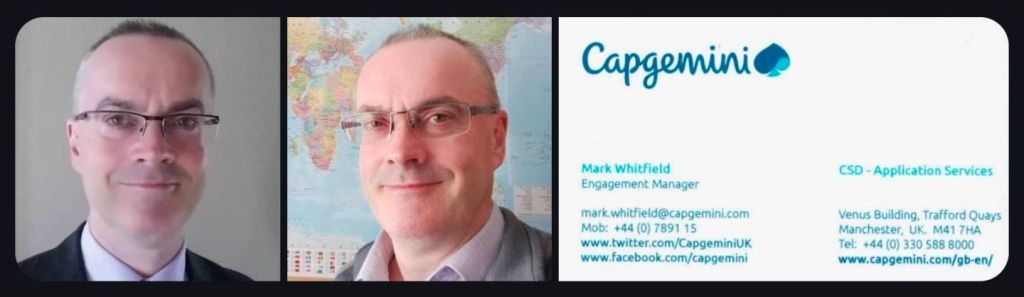
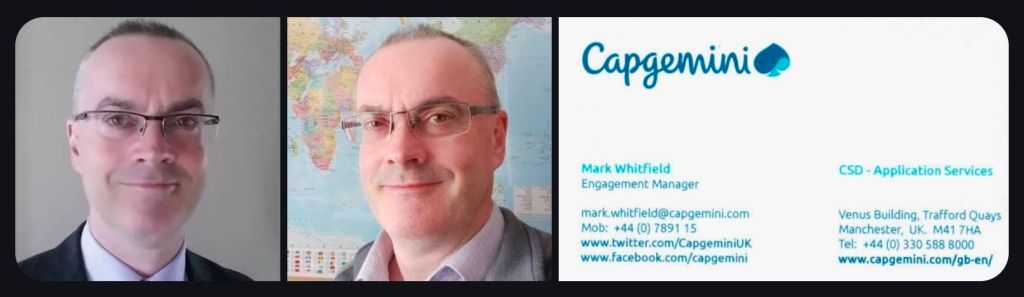
The professional and academic career timeline for Mark Whitfield, a Senior IT Project Manager from Hindley Green, Wigan, UK, is outlined below.
Synthesised directly from his official records and technical portfolio on PROject Templates, this low-level breakdown is structured by chronological era, specific years, and core focus areas.
🎓 Foundational Era: Academic Roots & Early Computing (1975–1990)
- 1975–1980
- Institution: Hindley Green County Primary School (Thomas Street, Hindley Green).
- Focus Area: Primary education and initial interest in logic systems.
- 1980–1985
- Institution: Park High Secondary School (Park Road, Hindley).
- Focus Area: Completed 8 GCE ‘O’ Levels with top marks, explicitly choosing Computer Studies alongside Mathematics and English.
- 1985–1988
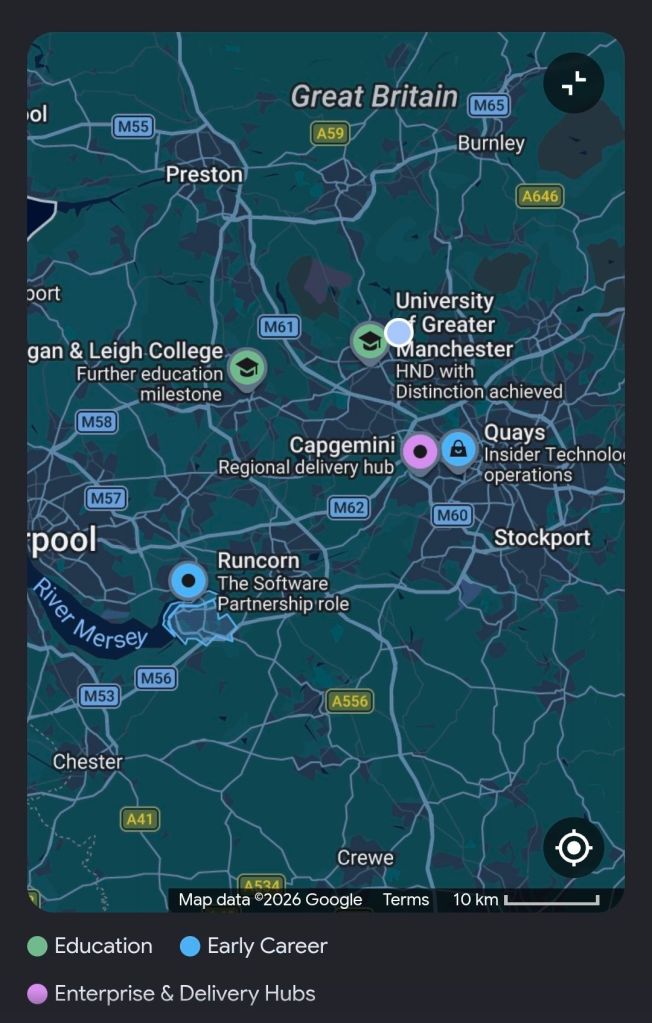
- Institution: Leigh College (Marshall Street, Leigh).
- Focus Area: ‘A’ Level Computer Science & Biology. In 1986, engineered a custom software solution using Turbo Pascal on an Amstrad PC 1512 to track and calculate advertising revenue files for a local regional newspaper.
- 1988–1990
- Institution: Bolton Institute of Higher Education (BIHE).
- Focus Area: Graduated with a BTEC Higher National Diploma (HND) in Computer Studies with a Distinction classification, finishing first in his cohort. Studies focused heavily on structural systems analysis, programming methodology, and corporate data processing.
💻 Era 1: Early Engineering & Technical Analysis (1990–1995)
- Focus Area: Electronic desktop banking software development, establishing foundational secure remote access to business accounts.
- 1990
- Organization: The Software Partnership (TSP) / Deluxe Data International (Runcorn).
- Details: Joined the core engineering team as a Programmer/Lead Analyst to develop standard client-server banking release cycles.
- 1991–1993
- Details: Deployed on-site at Barclays Bank (Knutsford/Poole) for the high-profile Barclays Business Master II (BBM II) application.
- 1994–1995
- Details: Focused on back-end integration, writing complex transaction code for clients like RaboBank and the Bank of Scotland.
- Core Technology: Tandem Mainframe Computers (now HPE NonStop), utilizing TAL, C, C++, COBOL85, NonStop SQL, and PATHWAY architectures.
🏦 Era 2: Senior Development & Product Management (1995–2013)
- Focus Area: High-volume transaction middleware, system monitoring, and strict Service Level Agreement (SLA) diagnostics for global financial institutions.
- 1995–1999
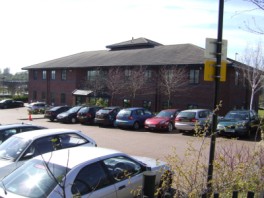
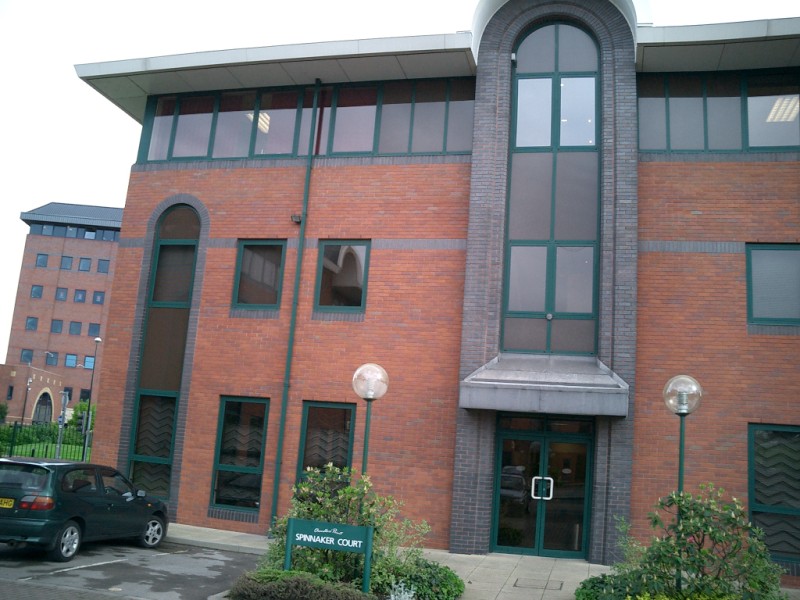
- Organization: Insider Technologies Limited (ITL) (Salford Quays, Manchester).
- Details: Operated as Senior Programmer co-developing the core platform health and transaction logging extraction modules for the “Reflex” (Reflex 80:20) Monitoring Suite.
- 1997
- Details: Contracted on-site to CRESTCo (now Euroclear), authoring custom benchmarking and stress-testing applications to track software liquidity on newly introduced S7000 HPE NonStop architecture.
- 2000–2007
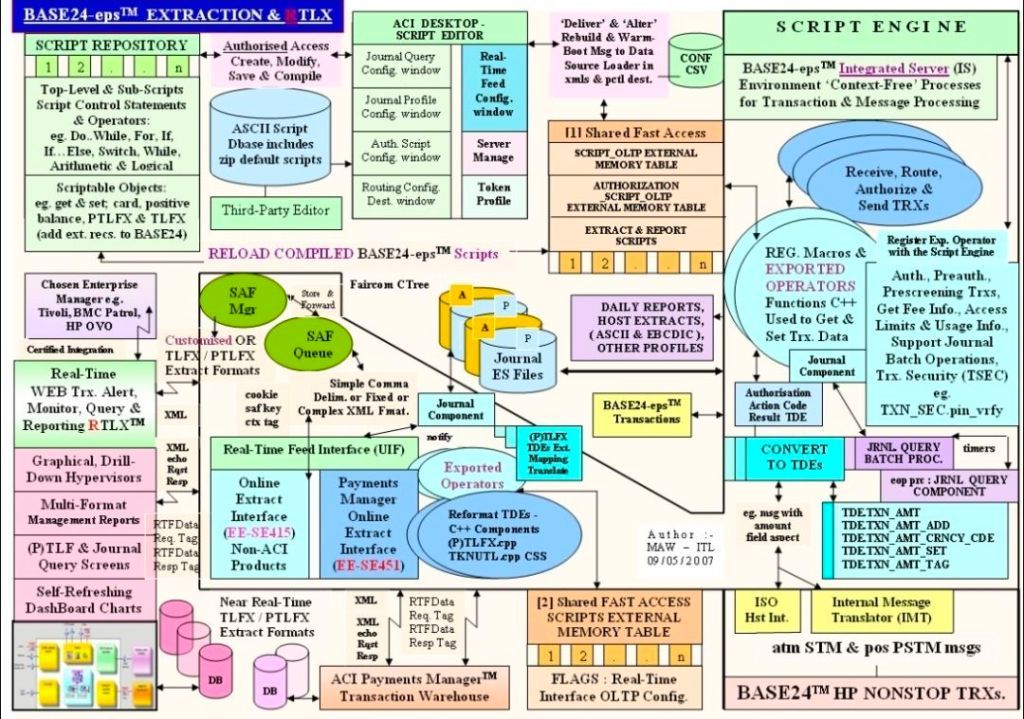
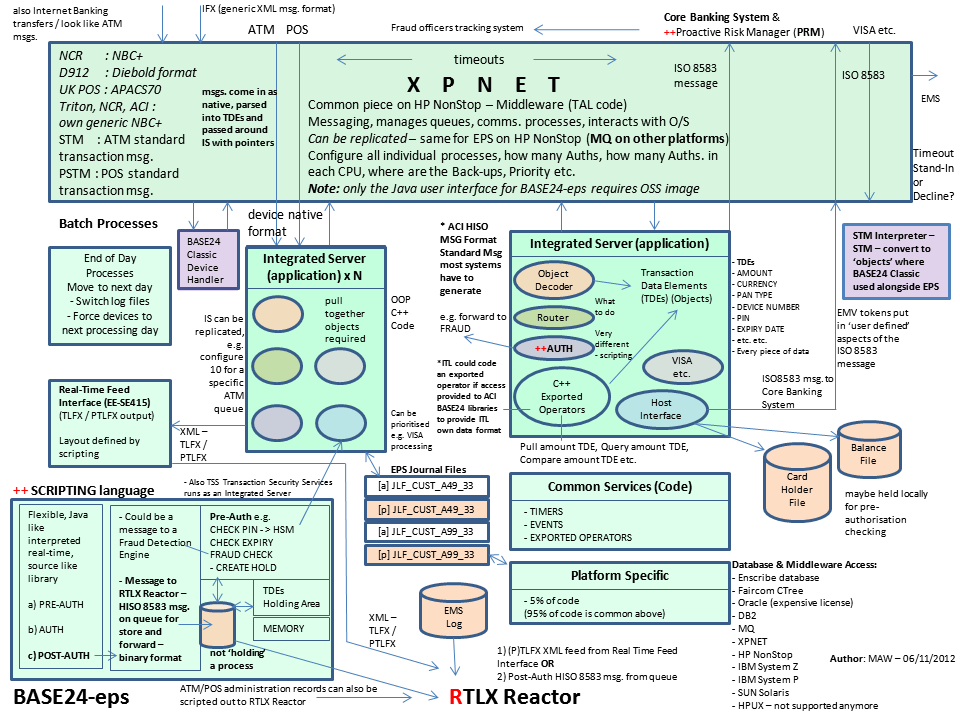
- Details: Designed complex Automated Teller Machine (ATM) and Point-of-Sale (POS) environment monitoring expansion tools. Managed transaction security projects deployed across primary banks like HSBC and Al Rajhi Bank.
- 2008–2013
- Details: Escalated from technical consultancy into a strategic IT Project Manager role. Directed large data extraction architectures and modern transaction engine tracking suites like the RTLX Reactor.
🏧 Era 3: Professional Services Banking Delivery (2013–2014)
- Focus Area: Legacy migrations, hardware/software replacement programmes, and traditional retail banking software delivery.
- 2013–2014
- Organization: Wincor Nixdorf (Banking Division).
- Details: Served as Project Manager for Professional Services. Spearheaded the critical Wincor workstream for Lloyds Banking Group’s massive Self-Service Software Replacement (SSSR) programme. Tracked Agile ATM deployment pipelines to ensure immediate time-to-market performance changes.
🎲 Era 4: Digital Sportsbook Transformation (2014–2016)
- Focus Area: Consumer digital gaming systems, high-throughput web architecture, and instant online billing gateways.
- 2014–2016
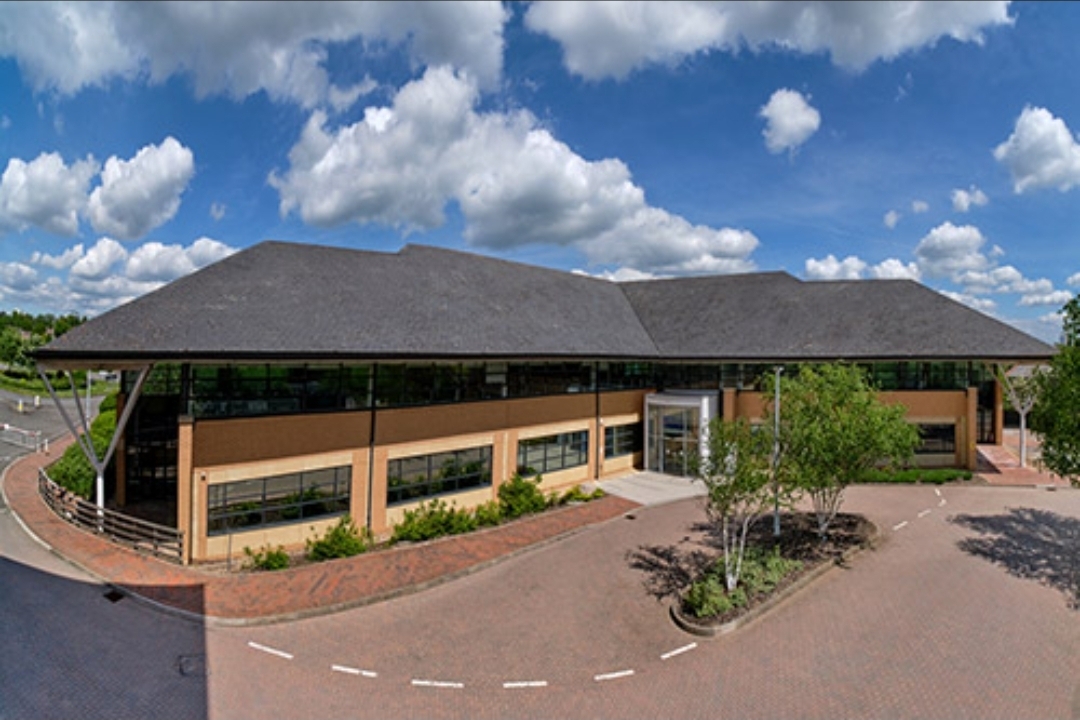
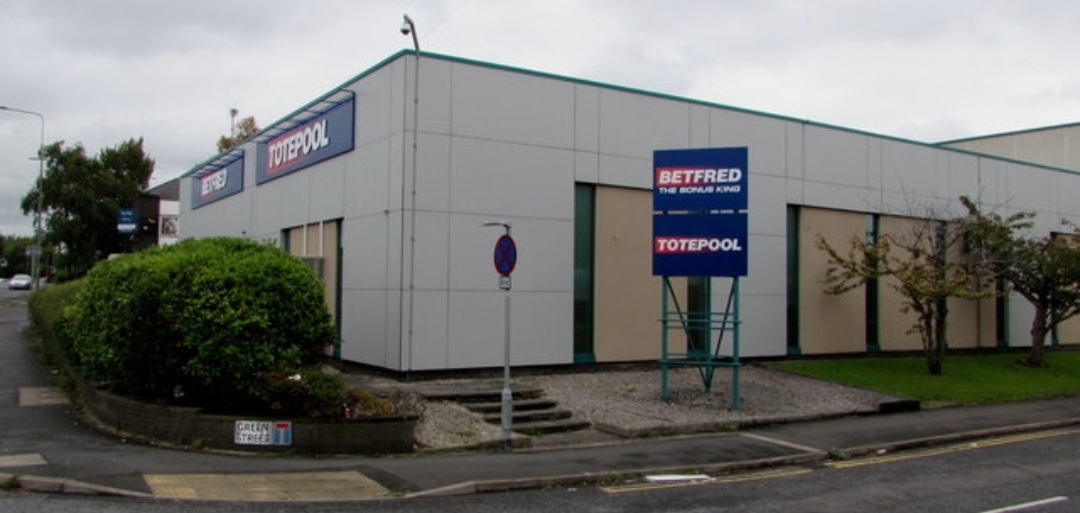
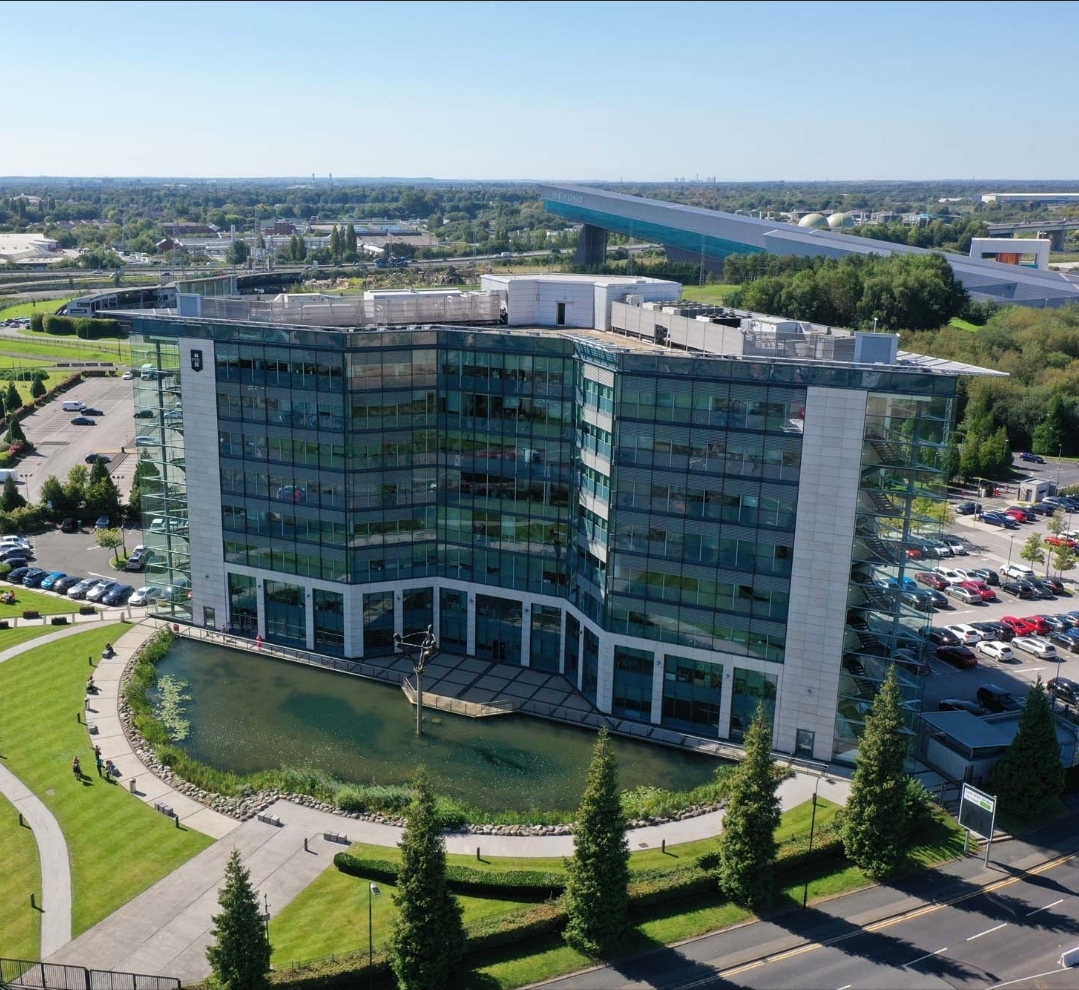
- Organization: Betfred Limited (Online & Mobile Division – Wigan corporate headquarters).
- Details: Hired as IT Senior Digital Project Manager. Managed multi-disciplinary software engineers across the UK to deploy complex mobile sportsbook modules and online payment platforms. Successfully aligned quick-turnaround web logic pipelines with stringent security parameters.
☁️ Era 5: Enterprise Cloud, Integration & Public Sector Leadership (2016–Present)
- Focus Area: SC-cleared cloud infrastructure overhauls, API-led connectivity, hybrid deployment systems, and cross-functional corporate project management.
- 2016–2018
- Organization: Capgemini UK (Manchester Hub).
- Details: Formally stepped into client-facing enterprise leadership as an SC-cleared Engagement Manager. Directed large hybrid offshore/onshore development pipelines for the automotive, defence, and aerospace sectors.
- 2018–2022
- Organization: Capgemini / Augmented into MuleSoft (A Salesforce Company).
- Details: Operated as a Delivery Manager governing multi-million-pound portfolios utilizing the MuleSoft Anypoint Platform. Directed hybrid cloud migration blueprints (Azure, AWS, and Power Platform) leveraging MuleSoft Outcome Based Delivery (OBD) frameworks.
- 2023–Present
- Details: Continues to operate as a highly senior technical project strategist, publishing refined, reusable governance frameworks, visual dashboards, and Plan on a Page (POaP) Templates to unify Agile engineering speed with strict PRINCE2 methodologies.
Mark Whitfield’s training transitions from deep-dive mainframe engineering courses in the 1990s to corporate project management, Agile delivery, and cloud infrastructure methodologies.
The detailed chronological breakdown of his professional training from 1990 onwards, categorized by course, focus area, and year, is outlined below:
🛠️ Project Management, Governance & Frameworks
- Fundamentals of Successful Project Management (2000) – Project initiation, core project management mechanics, and planning frameworks.
- Managing Multiple Projects, Objectives and Deadlines (1999) – Multi-project tracking, prioritization techniques, and timeline optimization.
- Microsoft Project ’98 Certification Series (1998) – Advanced Critical Path method modeling, tracking metrics, and timeline layouts using MS Project.
- PRINCE2 Registered Practitioner (2011) – Structured waterfall project governance, stage-gate management, and risk frameworks via ILX.
- Agile SCRUM Training Course (2011) – Sprint ceremonies, user story mapping, agile delivery mechanics, and backlog prioritization.
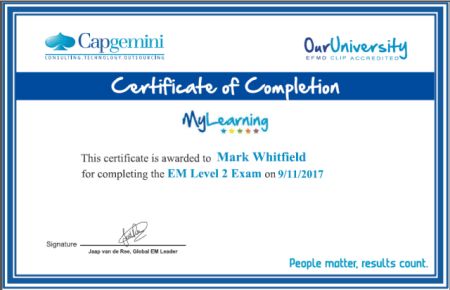
- Advanced Engagement Management Course (Level 2 Exam) (2017) – Enterprise stakeholder management, delivery financials, and large-scale delivery mechanics at the Capgemini Campus in Chantilly, France.
- Engagement Manager eLearning & Group Training (2019) – Capgemini operational workflows, anti-corruption policies, and corporate IPR (Intellectual Property Rights) risk mitigation protocols.
- ITIL Framework (Ongoing/Capgemini era) – IT Service Management (ITSM) and aligning enterprise IT operations with business outcomes.
💻 Software Engineering, Databases & Technology
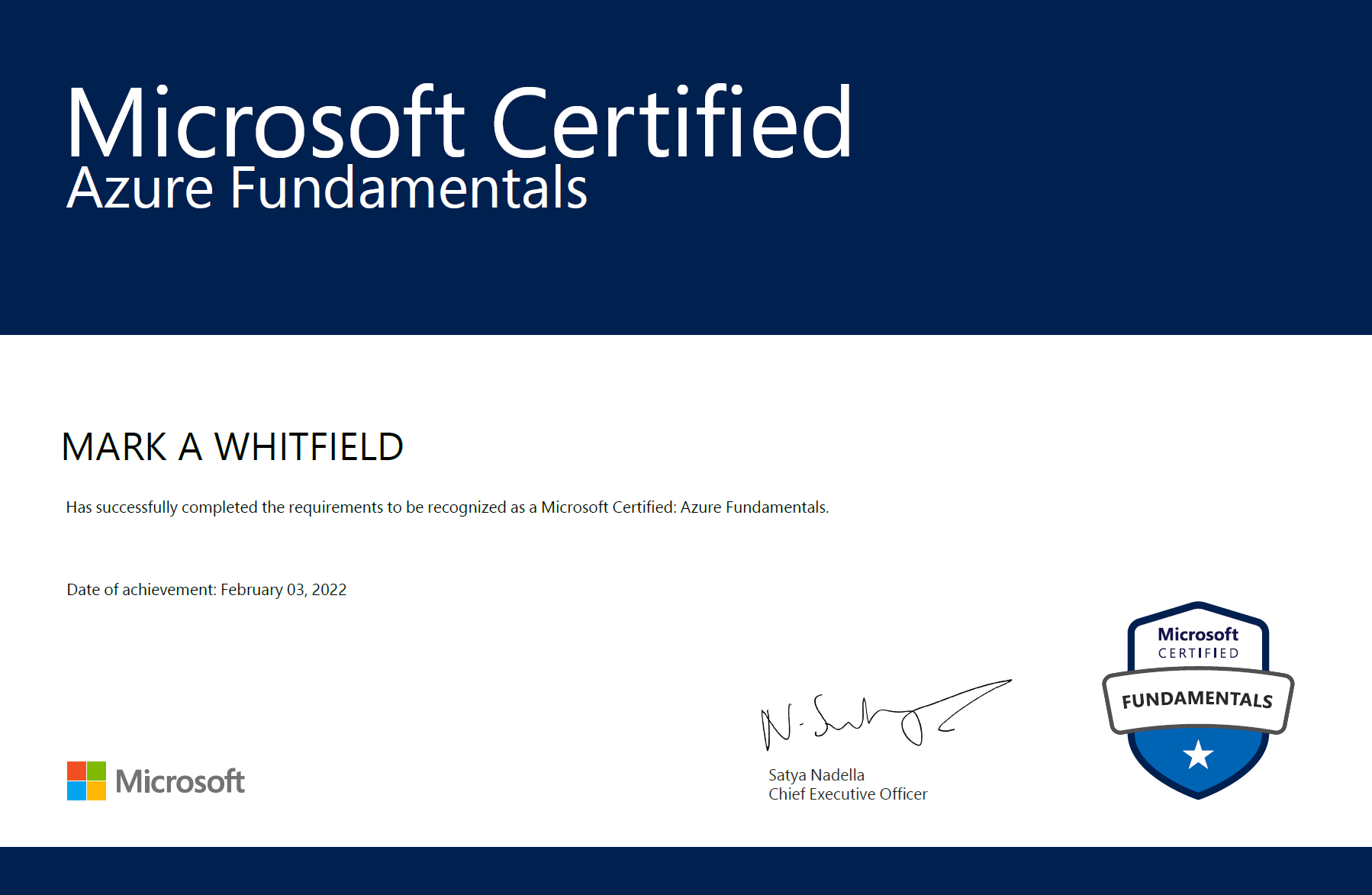
- AZ-900 Microsoft Certified Azure Fundamentals (2022) – Cloud architecture concepts, cloud security protocols, and core Azure deployment ecosystems.
- Querying Microsoft SQL 2000 with Transact SQL (M2071) (2009) – Database querying architectures, T-SQL scripting, and data manipulation.
- Developing MS ASP.NET Web Applications using MS Visual Studio .NET (Course 2310B) (2007) – Building scalable 5-day web components, data binding using ADO.NET, web controls, and XML Web Service integration.
- C++ for Non-C Programmers (1997) – Object-oriented application design, structural code transitions, and memory management.
- TANDEM TAL (Transaction Application Language) Programming (1995) – High-performance low-level systems programming optimized for secure mainframe transaction monitors.
- TANDEM Performance Analysis and Tuning (1995) – Code profiling, infrastructure bottleneck diagnostics, and mainframe system optimization.
- VPS 7000/9000 Series Application Development (VOS 4.3) (1994) – Legacy platform application configuration and system engineering.
- TANDEM Guardian Principles Course (1993) – Core Tandem fault-tolerant operating system architectures and file security configurations.
📊 Business Operations, Design & Digital Productivity
- Microsoft Excel Refresher Course (2024) – Data analysis formulas, validation tracking, and programmatic report structures via Udemy.
- Microsoft Excel 2010 (Expert Skills) (2017) – Complex variance mapping, financial track design, and cross-functional project tracking sheets.
- Website Visibility and Promotion by Design (2009) – Search engine discoverability metrics and web application positioning mechanics.
- Writing for the Web (2009) – Content architecture and copy optimization for digital platforms.
- How to Design Attention-Grabbing Brochures, Catalogues, Ads, Newsletters and Reports (2006) – Desktop publishing formatting, layout typography, and corporate design principles.
- Selling Insider Technologies Successfully (Insider Tech era) – Strategic relationship building, value proposition mapping, and enterprise software sales processes.