Business Analysts and Artificial Intelligence AI, Future

Business Analysts and Artificial Intelligence AI Future
Business Analysts and Artificial Intelligence AI, future

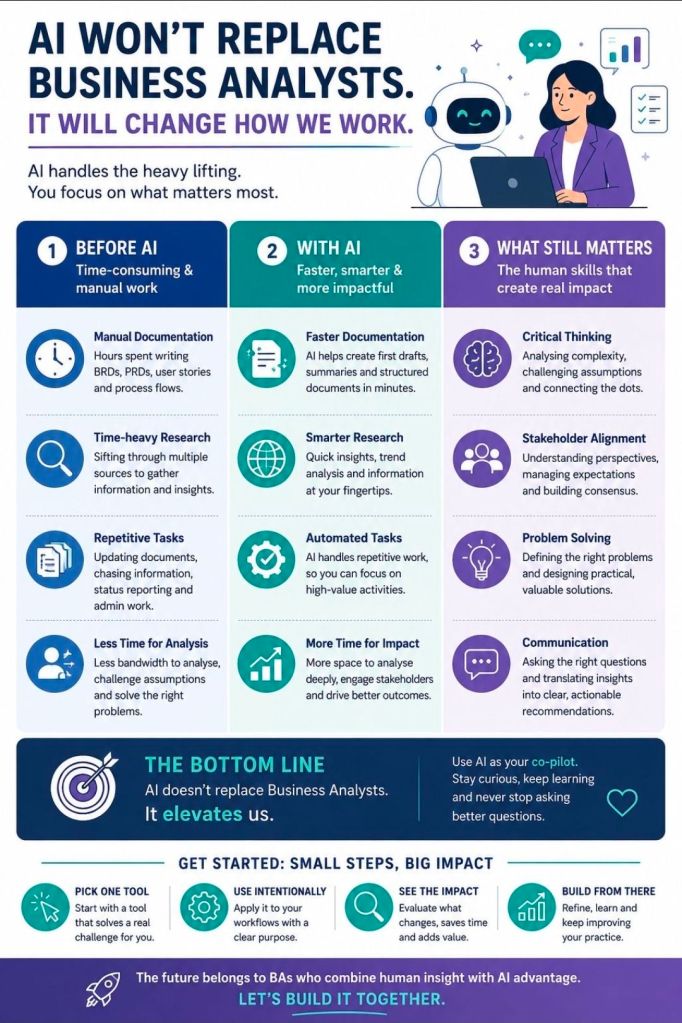
Artificial Intelligence (AI) is fundamentally shifting the role of the Business Analyst (BA) from a focus on routine data processing and documentation to more strategic, human-centric activities. While AI excels at identifying patterns and automating labor-intensive tasks, it currently lacks the contextual awareness and emotional intelligence required to manage complex stakeholder relationships.

Core AI Applications for Business Analysts

AI functions as a high-speed “copilot” that streamlines the traditional BA lifecycle.

  • Requirement Generation: AI can process meeting transcripts to draft an initial list of requirements, user stories, or a Business Requirements Document (BRD).
  • Data Analysis & Forecasting: Machine learning algorithms can identify subtle trends in large datasets and move analysis from descriptive (what happened) to predictive (what might happen).
  • Visual Modeling: Tools can now generate process flows, data models, and architecture diagrams from simple text descriptions, drastically reducing time spent on manual formatting.
  • Information Elicitation: Analysts can use AI to quickly extract key details from vast document repositories or prepare for stakeholder interviews by anticipating potential questions.

Skills That Remain Uniquely Human

As AI handles the “grunt work,” the most valuable BA skills are those that cannot be easily automated.

  • Strategic Thinking: Connecting big-picture organizational goals to specific technical solutions and defining the “why” behind an initiative.
  • Stakeholder Management: Navigating office politics, facilitating discussions to resolve disagreements, and building trust across teams.
  • Creative Problem Solving: Tackling ambiguous business challenges where there is no clear historical data for an AI to learn from.
  • Critical Evaluation: Fact-checking AI outputs to ensure they are accurate and free from “hallucinations” before they influence business decisions.

The Shift from “AI4BA” to “BA4AI”

A new perspective emerging in the field is that BAs shouldn’t just use AI, but should lead the organization’s AI adoption.

  • Guiding Implementation: BAs act as strategic enablers, ensuring that AI projects solve meaningful problems rather than just chasing technological trends.
  • Managing Risk: Analysts play a critical role in addressing ethical concerns, bias detection, and security risks associated with AI-driven systems.
  • Bridging the Gap: They serve as the essential link between technical AI teams and non-technical business leaders to ensure projects deliver tangible value.

Future Career Outlook

The consensus among industry experts is that AI will transform—rather than eliminate—the BA profession. The market for business analytics is projected to grow significantly through 2031. Analysts who successfully integrate AI into their workflow to enhance productivity are expected to replace those who do not.

Artificial Intelligence (AI) Overview and Detailed Timeline Evolution

Artificial Intelligence (AI) is the branch of computer science dedicated to creating systems capable of performing tasks that typically require human intelligence, such as reasoning, learning, problem-solving, and perception. As of 2026, AI has transitioned from experimental research to widespread deployment as foundational infrastructure, with focus shifting from mere generative models to agentic, autonomous systems capable of executing complex, multi-step workflows.

Detailed Overview of AI in 2026

  • Core Capabilities: Modern AI combines large language models (LLMs), multimodal understanding (text, image, audio), and autonomous agents that can plan, remember, and act independently.
  • Agentic AI: A significant shift is the proliferation of AI agents that act as “digital coworkers” rather than just tools, handling tasks within business environments.
  • Democratization & Open Source: The open-source movement has accelerated, placing powerful AI capabilities in the hands of many, reducing dependence on single providers.
  • Regulation and Ethics: Following frameworks like the EU AI Act, 2026 is marked by the implementation of laws focusing on safety, transparency, and accountability, including AI watermarking to curb misinformation.
  • Major Trends: Key trends include standardized AI performance benchmarks (e.g., Machine Intelligence Quotient), interoperability between different AI agents, and integration of AI into physical robotics.

Historic Timeline and Evolution of AI (1950–2026)

I. The Foundations (1950–1956)

II. Early Enthusiasm and First Winter (1960s–1970s)

  • 1966: Joseph Weizenbaum develops ELIZA, the first chatbot capable of simulating conversation.
  • 1970s: AI progress slows due to limited computer power, leading to reduced funding—known as the first “AI Winter”.

III. Expert Systems and Second Winter (1980s–1990s)

  • 1980: Expert systems (e.g., XCON) emerge, bringing AI back into commercial use.
  • 1986: Geoffrey Hinton and others popularize backpropagation, enabling neural network training.
  • 1997: IBM’s Deep Blue defeats world chess champion Garry Kasparov, showcasing the power of strategic AI.

IV. The Rise of Big Data and Deep Learning (2000s–2010s)

  • 2006: Geoffrey Hinton publishes work reigniting interest in neural networks through “deep learning”.
  • 2011: IBM Watson wins Jeopardy!, showcasing advances in natural language processing.
  • 2012: AlexNet wins the ImageNet competition, proving the efficiency of Convolutional Neural Networks (CNNs).
  • 2014: Ian Goodfellow invents Generative Adversarial Networks (GANs), enabling AI to create realistic images.
  • 2016: DeepMind’s AlphaGo defeats Lee Sedol, mastering the complex game of Go.
  • 2017: Google researchers introduce Transformers, the architecture underpinning modern LLMs.

V. Generative AI and Agentic Era (2020s–2026)

  • 2020: OpenAI releases GPT-3, demonstrating unprecedented language generation capabilities.
  • 2022: The public release of ChatGPT marks the mainstream breakthrough of Generative AI.
  • 2024: OpenAI releases o1 (formerly Strawberry), focusing on advanced reasoning.
  • 2025–2026: AI becomes “Agentic,” shifting from chatbots that create content to autonomous agents that plan, execute, and interact across software systems.

Key References for Further Reading

Artificial Intelligence (AI) Overview and Detailed Timeline Evolution

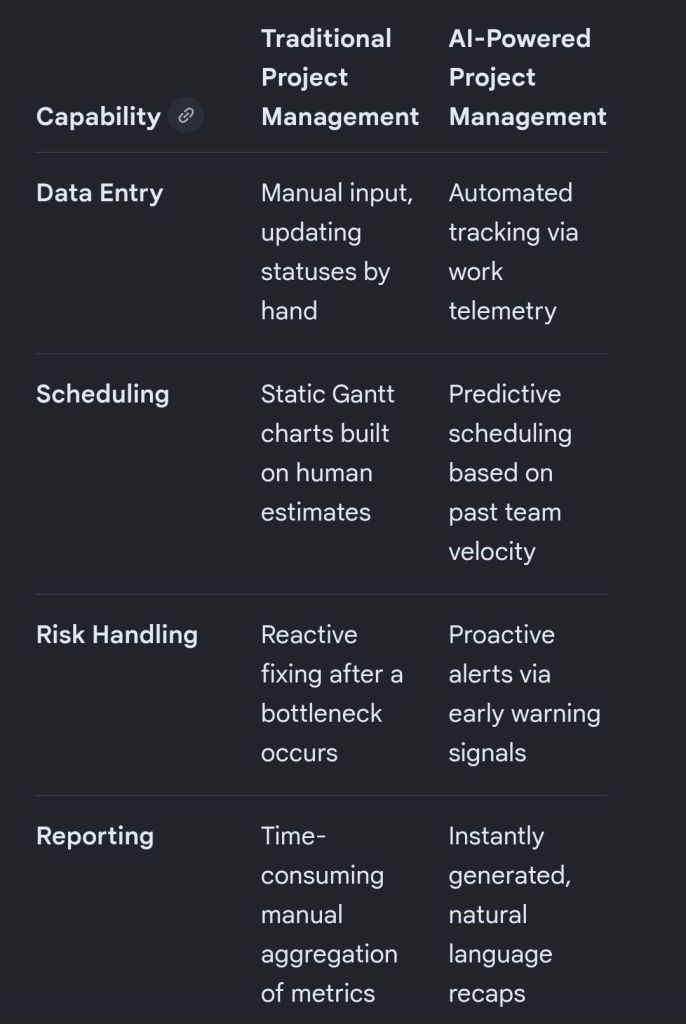
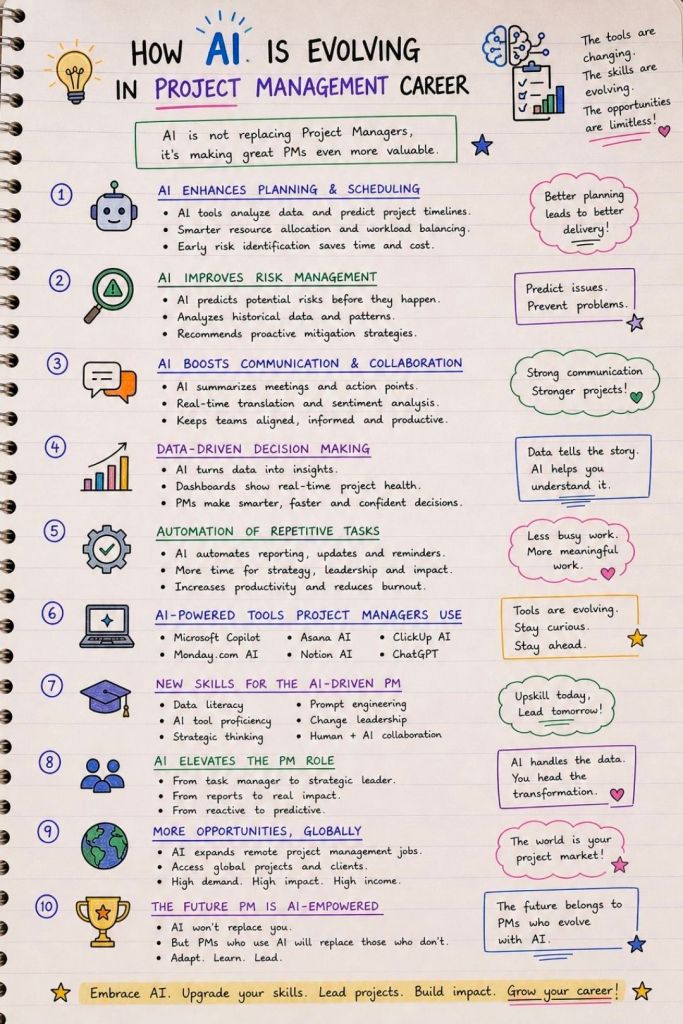
How AI Artificial Intelligence is Evolving in Project Management Career

How AI Artificial Intelligence is Evolving in Project Management Career

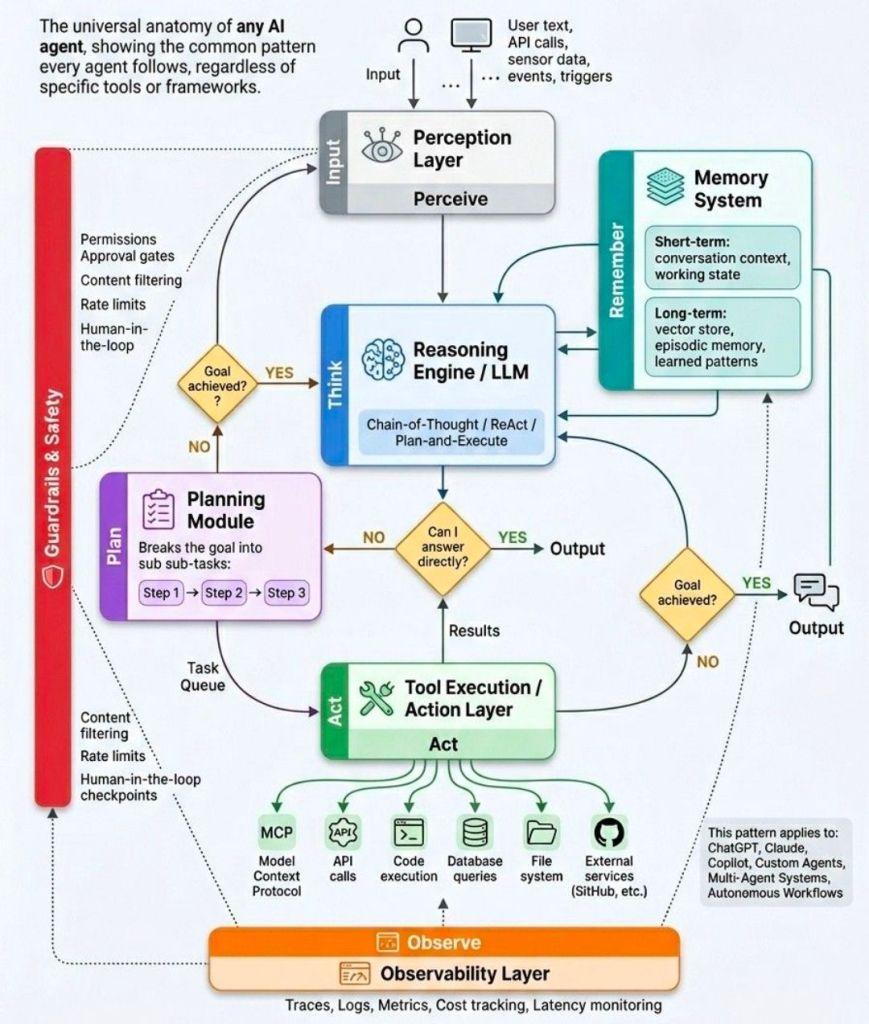
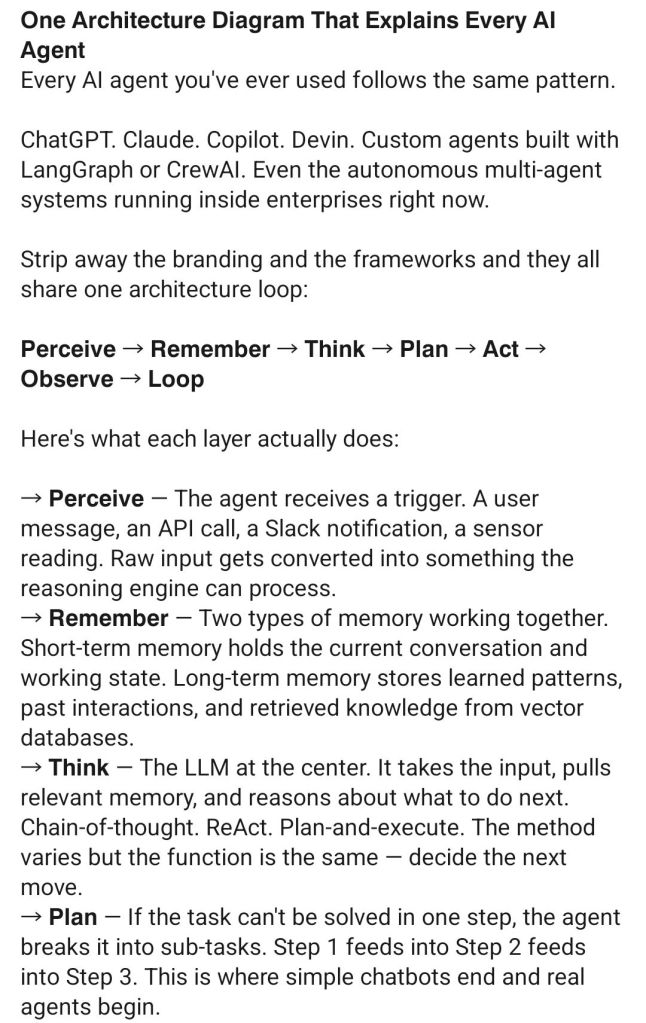
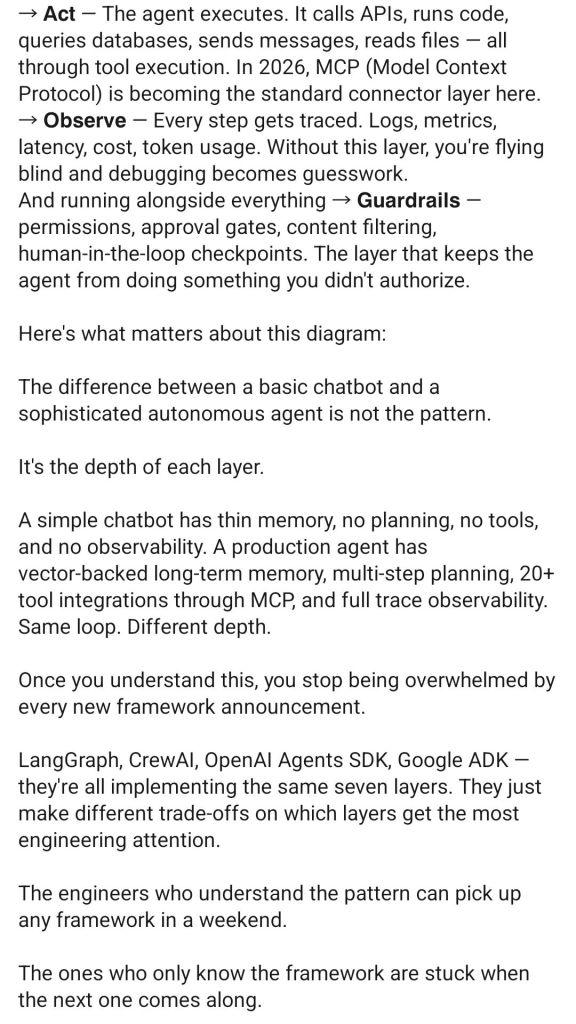
Every Artificial Intelligence AI Agent Explained

Every Artificial Intelligence AI Agent Explained

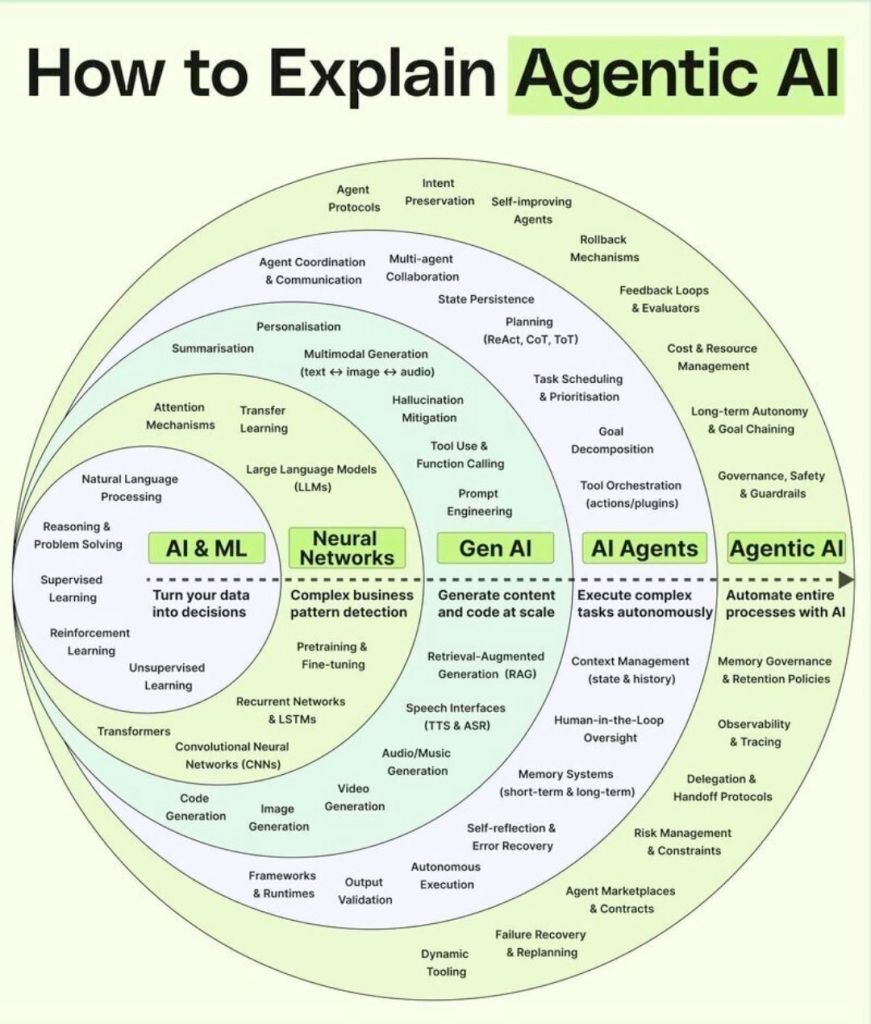
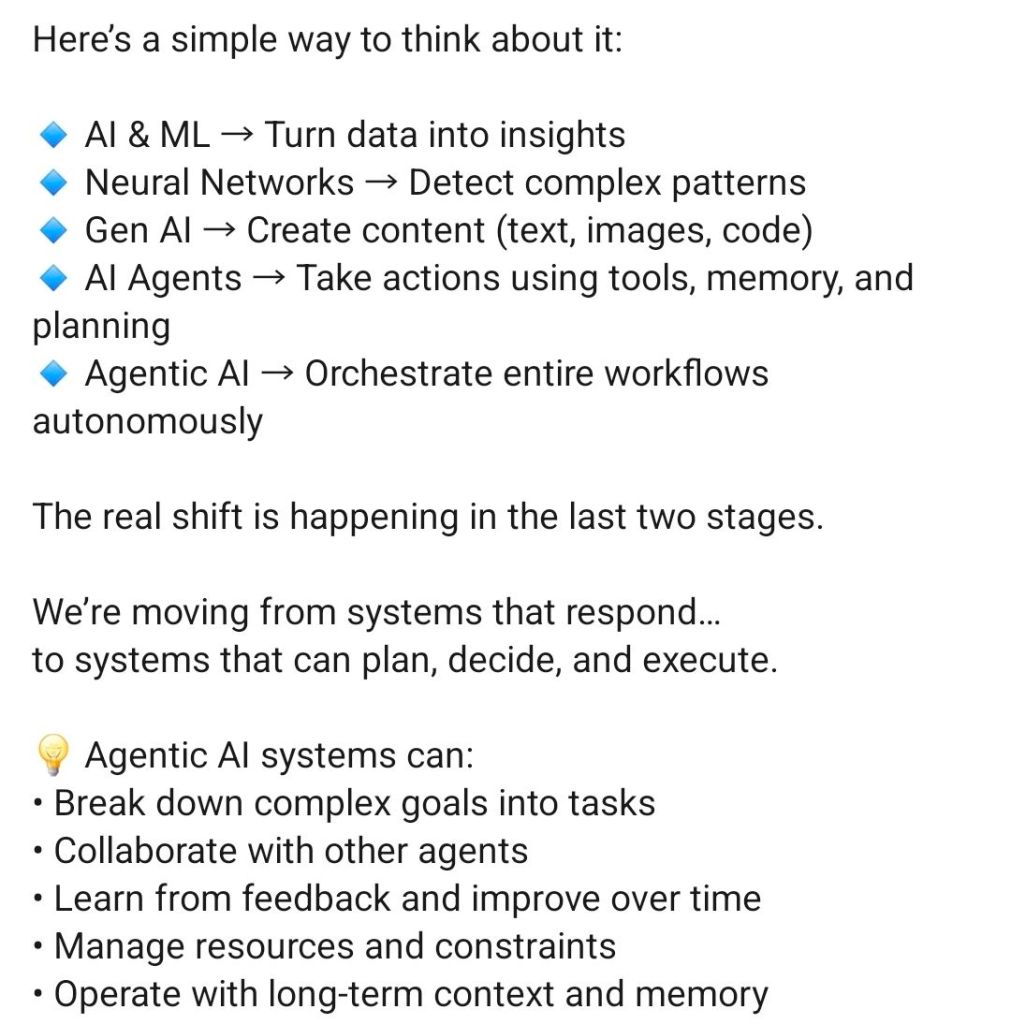
Agentic Artificial Intelligence AI Explained

Agentic Artificial Intelligence AI Explained

Agentic AI Artificial Intelligence, Layers of Capability Explained

Agentic AI Artificial Intelligence, Layers of Capability Explained

Layers of AI Artificial Intelligence

Layers of AI Artificial Intelligence

Agentic Artificial Intelligence AI, a Complete Framework

Agentic Artificial Intelligence AI, a Complete Framework