Event Date
September 15-17, 2026 (HPE Education Sept. 14)
Event Location
Orlando, Florida
Venue
The Rosen Plaza 9700 International Drive
Contact Us
info@connect-community.org


September 15-17, 2026 (HPE Education Sept. 14)
Orlando, Florida
The Rosen Plaza 9700 International Drive
info@connect-community.org

BASE24 is a foundational electronic payments software suite developed by ACI Worldwide, first launched in 1982 to provide “always-on” (24/7/365) transaction processing, primarily on HP NonStop servers.
It is used by large financial institutions to acquire, authenticate, route, switch, and authorize card- and non-card-based financial transactions across multiple channels, including ATMs, point-of-sale (POS) terminals, and mobile/internet banking.
The product has evolved from “Base24 Classic” into BASE24-eps (formerly BASE24-es), a modern, object-oriented, platform-independent payments engine designed to support high-volume, real-time transaction processing in hybrid or cloud-based environments.


Comprehensive Historical Timeline of BASE24
Key Features of BASE24-eps
BASE24 Classic vs. BASE24-eps
BASE24 Overview and Historical Timeline
Tandem Computers, founded in 1974 by James (Jimmy) Treybig, revolutionized the computing industry by pioneering fault-tolerant computer systems. Designed specifically for online transaction processing (OLTP) in banking, stock exchanges, and telephone switching, Tandem’s “NonStop” systems provided near-zero downtime by utilizing redundant, modular processors and a “shared-nothing” architecture.
Tandem remained an independent, rapidly growing company until it was acquired by Compaq in 1997, later becoming part of Hewlett Packard Enterprise (HPE).
Overview of Key Technologies
Detailed Historic Timeline by Era and Year
The Founding Era (1974–1979)
The Growth and Competition Era (1980–1989)
The Open Standards & MIPS Transition Era (1990–1996)
Acquisition and Integration Era (1997–Present)
Note: Following the split of HP into Hewlett Packard Enterprise (HPE) and HP Inc., the NonStop product line continues to be developed and supported by HPE.
Tandem Computers Overview and Detailed Timeline
HPE NonStop EMSDIST (Event Management Service Distributor) is a critical component within the HPE NonStop operating system responsible for distributing and managing event messages (logs) generated by the system, subsystems, or applications. It is part of the Event Management Service (EMS), which is essential for fault-tolerant monitoring.


EMSDist Overview
Detailed Historic Timeline and Evolution
EMSDIST has evolved alongside Tandem / Compaq / HPE NonStop systems, transitioning from basic console management to complex distributed management systems.
1. The Tandem Guardian Era (Late 1970s – 1980s)
2. The D-Series & TMF Era (1990s)
3. The Compaq & Integrity (J-Series/H-Series) Era (2000s – 2010s)
4. The HPE NonStop X & Modern Era (2015 – Present)
LOGFILE option, especially when dealing with cold-standby or restored logs from tape/disk. Key Functional Milestones
LOGFILE entries independently of the live $0 collector.=_EMS_TEMPLATES for customizable output formatting. HPE NonStop EMSDIST, Event Management Service Distributor Timeline by year
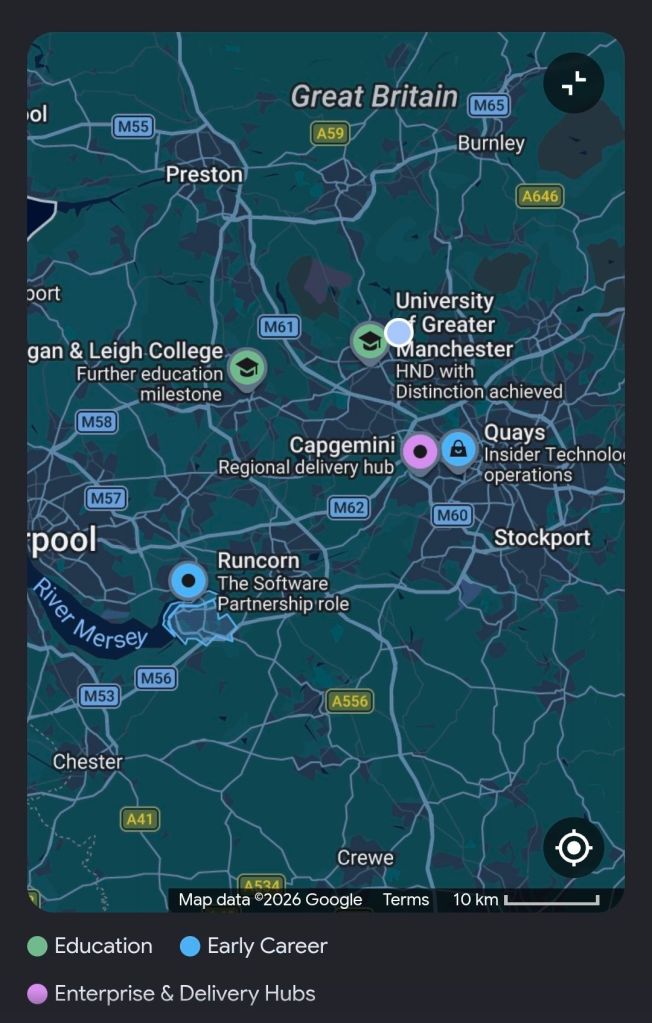
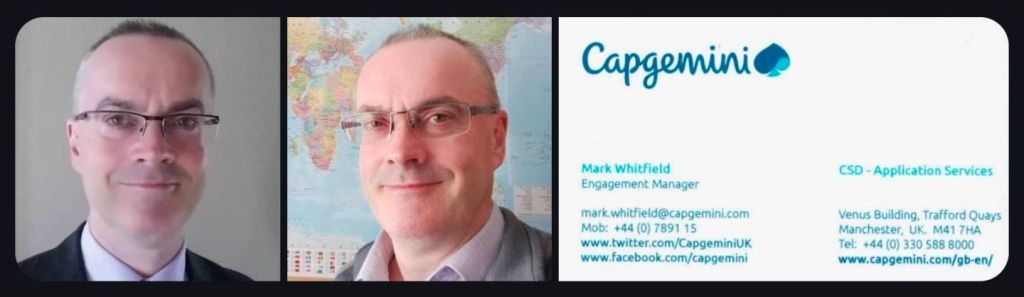
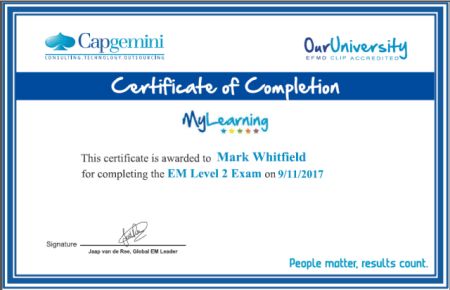
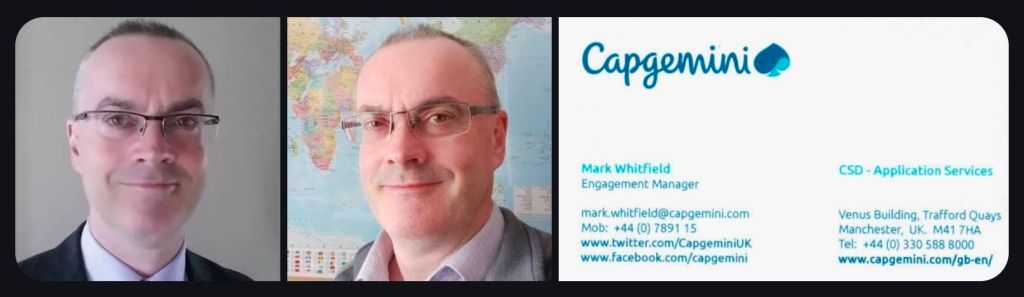
Mark Whitfield is a highly experienced SC cleared Senior IT Project Manager and Engagement Manager with over 30 years in the IT industry, specializing in both Agile and Waterfall delivery for large-scale blue-chip companies, digital projects, and payment systems. After starting as a programmer, he transitioned into project management, eventually working with Capgemini and establishing a professional templates resource site.

IT Project Management Overview


Detailed Historical Timeline
Era 1: Programming & Technical Development (1990–1995)


Era 2: Specialized Software & Product Management (1995–2013)


Era 3: Senior IT Project Management (2013–2016)


Era 4: Engagement Management & Public Sector (2016–Present)


Key Projects & Clients
IT Mark Whitfield, SC Cleared Senior Project Manager
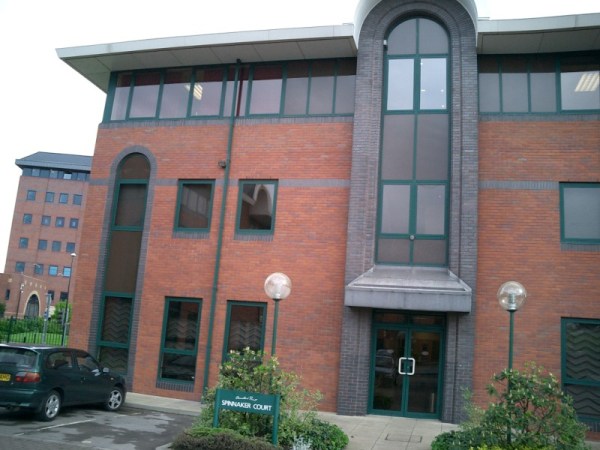
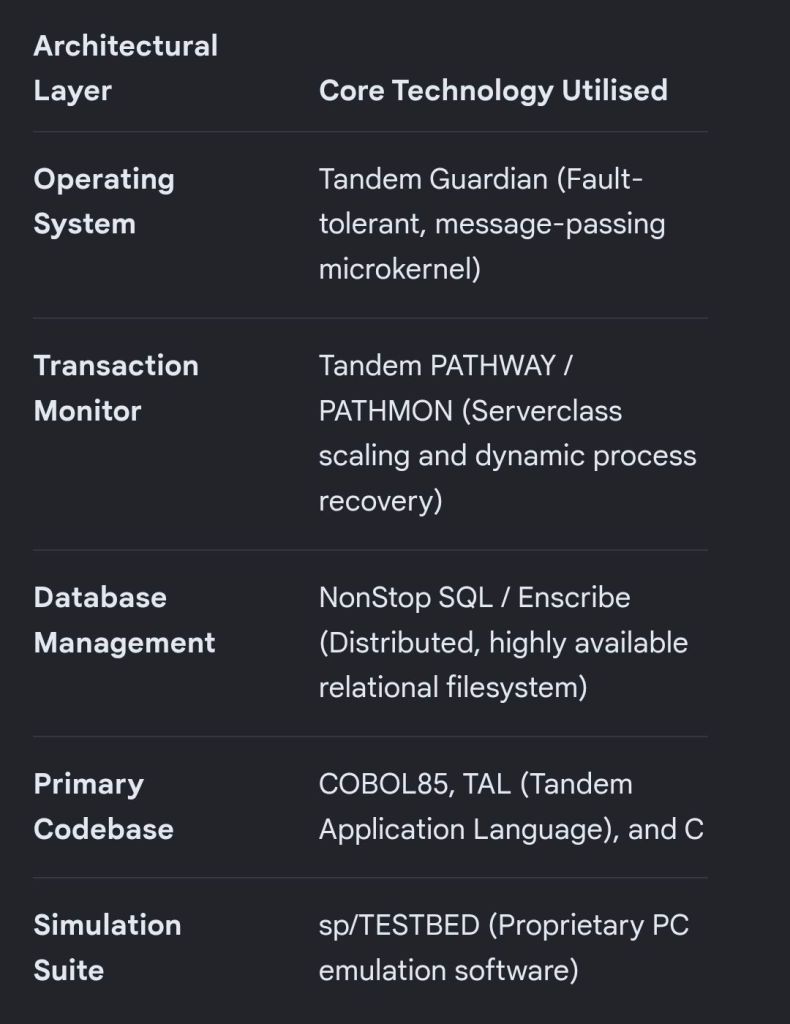
sp/ARCHITECT was a pioneering electronic banking and funds-transfer software suite originally developed by the Runcorn-based firm The Software Partnership (TSP). Following its acquisition by the American firm Deluxe Electronic Payment Systems in 1994, the Runcorn office became the European hub for what was then rebranded as Deluxe Data.

Overview
The Runcorn operation specialised in high-availability, mission-critical banking software, specifically the sp/ARCHITECT-BANK product. This software was designed to run on Tandem Computers (now HPE NonStop), which were known for their fault-tolerant architecture. The “sp/ARCHITECT” platform was highly valued for its client-server design, allowing it to be adapted for various hardware brands, including Unix-based systems.
Historical Timeline
sp/ARCHITECT electroinic banking by The Software Partnership TSP
HPE NonStop PATHCOM is the interactive management interface for the Pathway transaction processing environment. It allows administrators to configure, monitor, and control PATHMON-governed objects such as serverclasses, TCPs (Terminal Control Processes), and links.
Historical Timeline: The Evolution of Pathway & PATHCOM
The history of PATHCOM is inseparable from the Tandem NonStop platform, which pioneered fault-tolerant Online Transaction Processing (OLTP).
The Tandem Era (1974 – 1997)
The Compaq & Early HP Era (1997 – 2014)
The Modern HPE Era (2014 – Present)

Future of NonStop Pathway
HPE’s roadmap for NonStop focuses on integrating mission-critical reliability with modern data centre technologies:
HPE NonStop PATHCOM, interactive management interface, Pathway transaction processing environment
HPE NonStop Inspect is the primary symbolic, source-level debugger for applications running on the HPE NonStop (formerly Tandem) operating system. It allows developers to interactively control program execution, examine and change data variables, and debug complex multi-process applications in both the Guardian and Open System Services (OSS) environments.
Program Summary
The Inspect debugger family facilitates high-availability software development through several specialized versions:
Historic Timeline by Era
The evolution of the NonStop debugger mirrors the platform’s hardware transitions over five decades.
The Tandem Era (1974 – 1997)
The Compaq & Early HP Era (1997 – 2014)
The Modern HPE Era (2014 – Present)
Future Outlook
HPE’s roadmap for NonStop focuses on modernisation through tradition, ensuring that legacy tools like Inspect remain compatible while transitioning to cloud-native and virtualized environments.
HPE NonStop Inspect debugger Overview and timeline by year
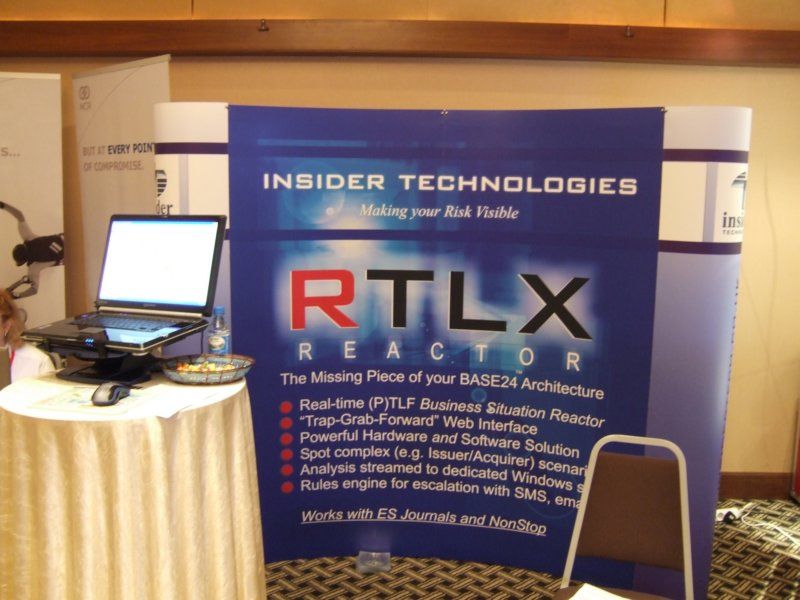
The Insider RTLX product at ETI-NET is now called C-Deep for Transaction Monitoring;
The Insider Reflex product at ETI-NET is now called Sentinel for NonStop Monitoring;
C-Deep for Transaction Monitoring & Sentinel for HPE NonStop Monitoring
Richard Buckle, founder of Pyalla Technologies, is a prominent thought leader in the HPE NonStop community known for his “Real Time View” column. His work provides a detailed chronological perspective on the platform’s evolution from its Tandem origins to modern cloud-native implementations.
The Tandem Era: Foundations (1974 – 1997)
This era established the core architecture of fault tolerance and “non-stop” processing.
The Compaq & Early HP Era: Transition (1997 – 2013)
A period of shifting corporate ownership and the end of the original Cupertino campus era.
The X86 & Virtualization Era: Modernization (2013 – 2023)
Buckle documented the massive shift from proprietary hardware to industry-standard Intel x86 architecture.
The 50th Anniversary & AI Era: Resilience (2024 – 2026+)
Current columns focus on “Business Resilience” and the integration of AI into mission-critical systems.
Richard Buckle of Pyalla Technologies, is a thought leader in the HPE NonStop community
Mark Whitfield is a highly experienced IT Senior Project Manager and Engagement Manager based in Manchester, UK, specializing in Agile Scrum, PRINCE2, and Waterfall methodologies. He holds a degree in Computing (1990) and has extensive experience in IT hardware solutions, financial services, and Aerospace & Defence.

Here is a comprehensive summary of his profile, with links based on the provided search data:
Professional Profile
Comprehensive Career History
Certifications & Training
Awards
Web Presence & Documents
Mark Whitfield, Senior IT Project Manager
By era;
Mark Whitfield is a highly experienced IT Project Manager, Senior Developer, and SC-cleared consultant with over 30 years of experience, specializing in HP NonStop (Tandem) systems, banking software, and digital transformation projects. He is currently an Engagement Project Manager at Capgemini.
Career Overview
Career Timeline by Era and Year
1. The Foundation & Tandem Era (1990–1995)
2. Insider Technologies & Monitoring Era (1995–2013)
3. Banking Transformation & Consultancy Era (2013–2016)
4. Digital Transformation & Capgemini Era (2016–Present)
Key Qualifications
The HPE NonStop architecture is defined by its “shared-nothing” design, where every hardware and software component is redundant and operates independently to ensure 100% operational continuity. For over 40 years, it has evolved through four distinct hardware eras while maintaining upward software compatibility.
1. The Tandem Era (1974–1997): Proprietary Foundations
2. The MIPS Era (1991–2004): Migration to RISC
3. The Itanium Era (2005–2013): HP Integrity NonStop
4. The Modern HPE Era (2014–Present): x86-64 & Virtualization

Tandem TAL (Transaction Application Language) is a block-structured, procedural language designed in the mid-1970s for Tandem’s NonStop fault-tolerant operating systems, optimized for systems programming, high-reliability OLTP, and direct hardware interaction. It is heavily influenced by ALGOL and HP 3000 systems, allowing high-performance, message-based applications, and remains supported on modern HP Enterprise NonStop x86-64 platforms.

Overview of TAL Programming
Historical Timeline of TAL
Present Day
PTAL Overview and Timeline
Tandem PTAL (Portable Transaction Application Language) is a block-structured, procedural systems programming language used on HPE NonStop (formerly Tandem) servers. It is the portable successor to the original TAL (Transaction Application Language), designed to allow high-level systems programming without an assembler while maintaining near-machine efficiency.
Overview: TAL, PTAL, and epTAL
The language evolved to support different processor architectures over Tandem’s 50-year history:
Historical Timeline by Year
Year Milestone
1974, Tandem Computers founded by James Treybig; initial design of the Tandem/16 hardware begins.
1976, TAL released. The Tandem/16 (NonStop I) ships with TAL as its only programming language.
1981, NonStop II introduced, adding 32-bit addressing support to TAL via an “extended data segment”.
1983, NonStop TXP launched; first major reimplementation of the instruction set architecture supported by TAL.
1986, NonStop VLX introduced with 32-bit data paths; NonStop SQL released, often managed via TAL-based systems.
1989, NonStop Cyclone released, the high-end mainframe competitor for the TAL environment.
1991, PTAL Development starts with the release of Cyclone/R, the first MIPS-based machine. TAL code is initially translated via an “Accelerator” tool before native PTAL compilers take over.
1993, Himalaya K-series released; native mode operating system (NSK) and native compilers (PTAL) become standard.
1997, Compaq acquires Tandem. Migration begins from MIPS to Alpha (later abandoned).
2002, HP merges with Compaq. Development focuses on the Itanium (TNS/E) architecture.
2005, epTAL introduced for the new Integrity NonStop i servers based on Intel Itanium microprocessors.
2014, x86 Migration. NonStop X (TNS/X) systems are released, transitioning the TAL/PTAL environment to Intel x86-64 processors.
Insider Technologies RTLX (now C-Deep (Transaction Monitoring) https://etinet.com/products/c-deep-transaction-monitoring/ ) is a real-time monitoring and tracking solution designed to provide end-to-end visibility for high-volume electronic payments and transactional processes. It specifically ensures that every stage of a payment—from the initial card “tap” at a point-of-sale (POS) terminal to the final movement of funds from an account—is monitored to maintain operational continuity.

RTLX Overview
RTLX Historical Timeline
The development of RTLX is closely tied to Insider Technologies’ growth as a specialist in mission-critical HP NonStop environments.

The Foundational Era (1989–2000)

The Expansion Era (2001–2014)
The Acquisition & Integration Era (2015–Present)
RTLX by Insider Technologies, Overview and Timeline by Year
HP NonStop MultiBatch is a “mainframe-class” workload automation and batch scheduling manager developed by Insider Technologies (distributed by ETI-NET). It is designed specifically for the HPE NonStop (formerly Tandem) platform to automate, manage, and secure complex batch processing across both Guardian and OSS environments.
Product Overview
While the native NonStop scheduler is NetBatch, MultiBatch is positioned as a modern, high-performance alternative that provides deeper integration with the NonStop architecture.
Historical Timeline by Era
The evolution of MultiBatch is closely tied to the history of the Tandem/NonStop platform, which spans over 50 years of ownership changes and architectural shifts.
1. The Tandem Era (1974 – 1997)
2. The Compaq & Early HP Era (1997 – 2014)
3. The Modern HPE Era (2014 – Present)
BASE24 is the world’s most widely used payment processing platform, developed by ACI Worldwide. Originally designed for ATM networks, it evolved into a comprehensive system for acquiring, authenticating, and routing card-based and digital transactions across various channels. It is known for its high-performance, fault-tolerant architecture, processing nearly 50% of the world’s electronic transactions at its peak.
Comprehensive Timeline by Era
Era 1: Foundations & The Rise of BASE24 Classic (1975–1990s)
This era focused on high-availability software for the emerging automated banking industry, specifically for Tandem NonStop servers.
Era 2: Expansion & Public Transition (1995–2000s)
The platform expanded into Point of Sale (POS) and branch systems while the company underwent major structural changes.
Era 3: Modernisation & The “eps” Shift (2005–2015)
ACI shifted focus toward BASE24-eps, a more flexible, open-architecture version designed for multi-channel transaction processing.
Era 4: Cloud & Universal Payments (2015–Present)
The platform moved toward cloud-native capabilities and broader ecosystem integration.
BASE24-eps by ACI Worldwide timeline by era and year
BASE24-eps is a modular, high-availability payment processing engine developed by ACI Worldwide. It evolved from the original “BASE24 Classic” to provide a more flexible, open-system architecture for acquiring, authenticating, routing, and authorizing electronic transactions.
Base24-eps Overview
Detailed Timeline
The Foundation Era (1970s – 1990s)
Transition & Development Era (2000 – 2005)
Mainstream Adoption Era (2006 – 2013)
Modernization & Cloud Era (2014 – Present)
Mark Whitfield is a Senior, SC cleared IT Project and Engagement Manager with over 30 years of experience, specializing in the software development lifecycle (SDLC) for large-scale digital and financial payment systems.

Professional Experience by Year

Education
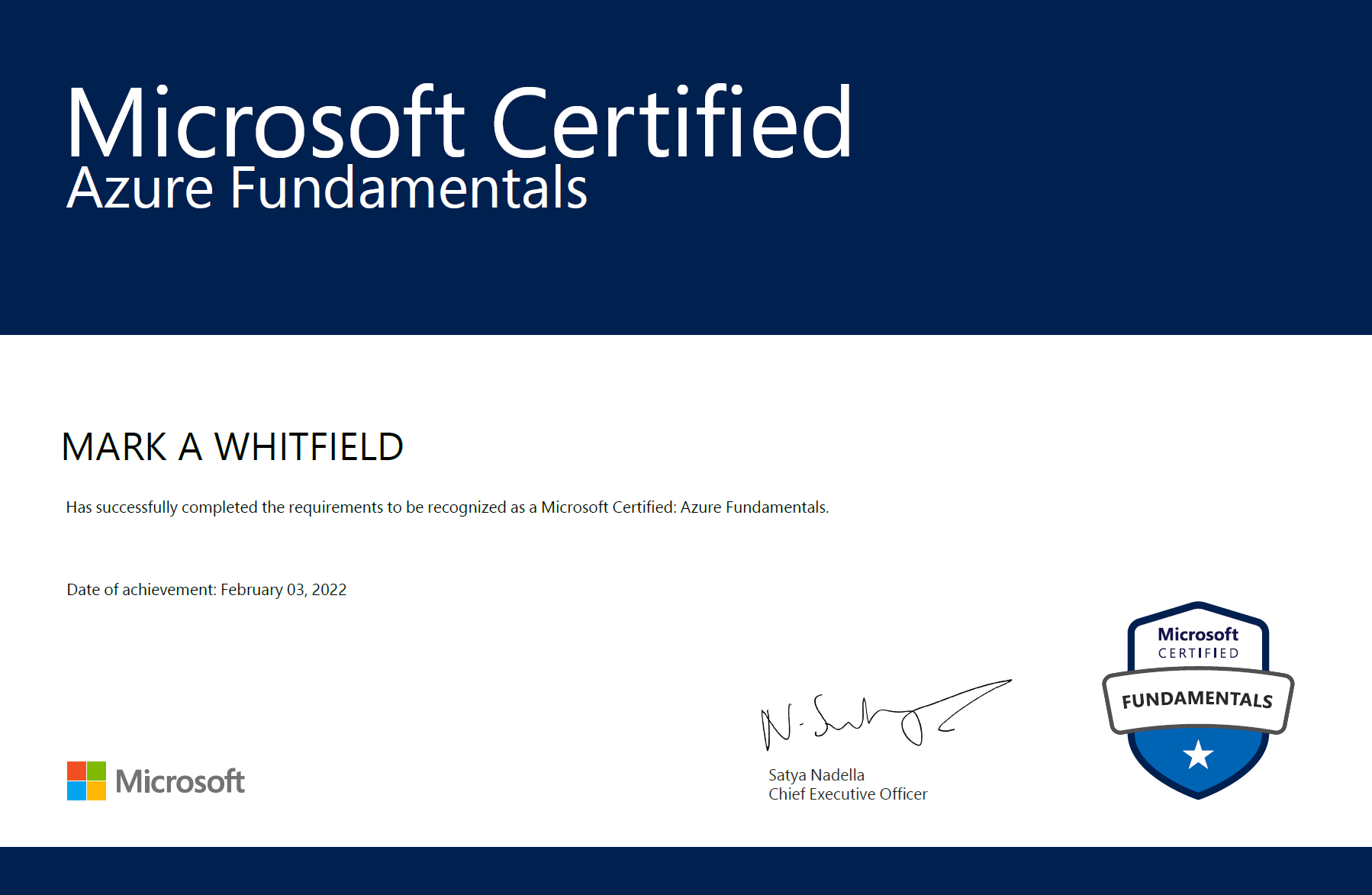
Awards and Key Certifications

Mark Whitfield Senior SC Cleared IT Project Manager
HP NonStop (originally Tandem) training focuses on the platform’s unique fault-tolerant architecture, designed to ensure 24×7 availability and data integrity for mission-critical industries like finance and telecommunications. Current training is provided by HPE Education Services, which offers expert-led courses ranging from basic concepts to advanced system management and database administration.
Training Overview
HPE’s curriculum is structured to support IT teams at all levels—from beginners to experienced operators—and can be customised for specific business needs. Key training areas include:
Detailed course information, including outlines and lab access, is available through the HPE NonStop Compute training portfolio.


Detailed Textual Timeline: Era & Year
The NonStop platform has undergone three major architectural shifts since its founding.
1. The Tandem Era (1974–1997)
2. The Compaq Era (1997–2002)
3. The HP / HPE Era (2002–Present)
HP NonStop Tandem Training provided by HPE Education Services
Radbroke Hall is a 64-acre “Innovation Campus” in Cheshire that serves as the global technology and operations hub for Barclays. Originally built as a French chateau-style private residence in 1917, it transitioned through use by a nuclear research group before Barclays acquired it in 1972. Today, it employs approximately 4,000–6,500 staff and has been the development site for pioneering banking technology, including the first ATMs, debit cards, and mobile banking platforms.
Radbroke Hall History Timeline
Era 1: Private Residence (1914–1956)
Era 2: Industrial & Nuclear Research (1956–1972)
Era 3: The Barclays Transformation (1972–1990s)
Era 4: Global Tech & Modernisation (2000s–Present)
Barclays House, located at 1 Wimborne Road, was a dominant fixture of the Poole skyline for 46 years. Originally built to decentralise Barclays Bank International operations from London, the nine-storey brutalist structure served as a major regional headquarters from 1976 until its closure in 2022. Following its vacancy, the building was earmarked for conversion into a residential complex featuring 362 apartments.
Historical Overview
Detailed Timeline Breakdown
The Development Era (1960s – 1975)
The Operational Era (1976 – 2021)
The Closure & Transition Era (2022 – Present)
Barclays locations worked at for Tandem HP NonStop code development
Mark Whitfield is a highly experienced IT professional with a career spanning over 30 years, transitioning from a technical programmer to a senior digital engagement and project manager. His expertise is rooted in HPE NonStop (Tandem) systems and has evolved to encompass complex Agile and Cloud delivery across diverse industries.
Early Technical Era (1990–1995)
Following his graduation in Computing in 1990, Whitfield began his career as a Programmer at The Software Partnership (later Deluxe Data).
Growth and Product Management Era (1995–2004)
Whitfield joined Insider Technologies Limited (ITL) in 1995 as a Senior Programmer.
Strategic Leadership and Project Management Era (2005–2014)
During this decade, he transitioned into IT Project Management, focusing on high-value financial transaction tracking.
Senior Digital Engagement Era (2014–Present)
Since 2014, Whitfield has focused on senior-level digital transformation and engagement management.