Project Requirements Gathering Essentials

Project Requirements Gathering Essentials
Project Requirements
Gathering Essentials

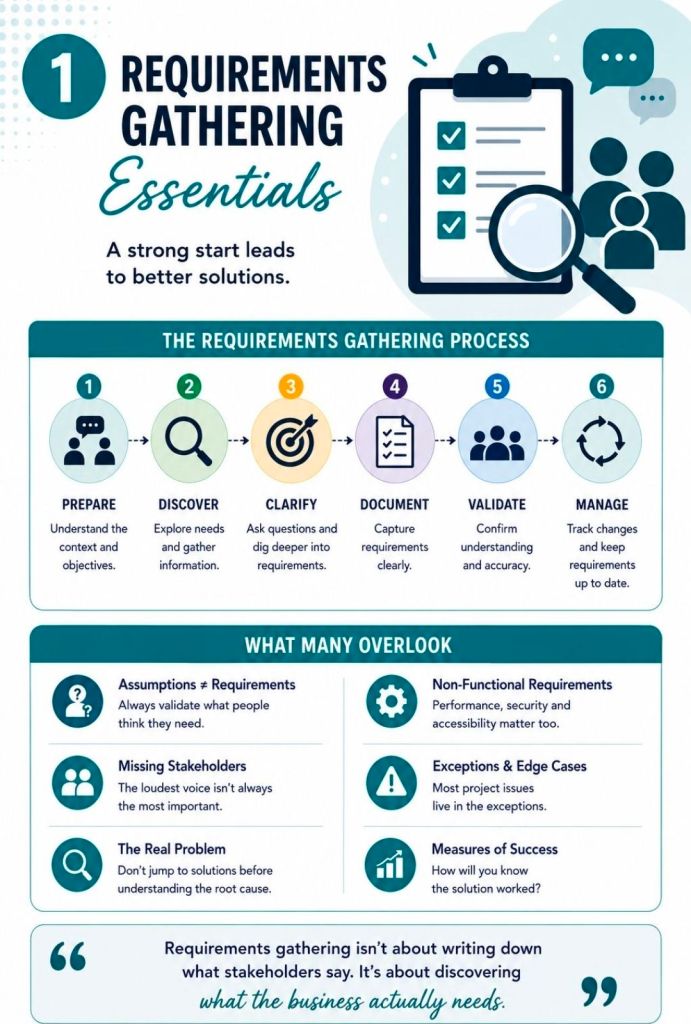
Requirements gathering is the foundational process of identifying, documenting, and managing what a project must achieve to deliver maximum business value. According to the Project Management Institute (PMI), nearly 70% of project failures are directly attributed to poor requirements collection, highlighting its role as the ultimate “scope anchor” for project managers.

Below is an overview of the core steps, techniques, classification categories, and tracking methods needed to establish an airtight requirement framework.

The 6-Step Requirements Gathering Process

Executing a structured lifecycle ensures that raw client requests are transformed into precise, measurable technical blueprints.

  1. Identify and Analyze Stakeholders
    • Map out every individual invested in the project baseline.
    • Separate them into internal (executives, developers) and external entities (vendors, customers).
    • Utilize a stakeholder register to analyze their influence and prioritize conflicting needs early.
  2. Establish Goals and Alignment
    • Define overarching high-level business milestones before hunting for product features.
    • Separate broad targets (goals) from specific deliverables or tasks (objectives).
    • Filter out scope proposals that fail to directly support these core goals.
  3. Elicit Stakeholder Requirements
    • Conduct interactive discovery sessions tailored to user availability and project context.
    • Use direct one-on-one sessions for specific detail validation.
    • Use data gathering structures for broader user bases.
  4. Document and Categorize
    • Translate conversational feedback into clear, unambiguous definitions.
    • Store information inside a centralized, accessible collaborative hub.
    • Record relevant project assumptions and hard technical boundaries.
  5. Prioritize and Validate
    • Organize requests into strict low, mid, or high urgency classifications.
    • Apply prioritization frameworks like MoSCoW (Must-have, Should-have, Could-have, Won’t-have).
    • Conduct structured internal reviews to confirm value connection back to the business.
  6. Baseline Sign-off and Change Control
    • Request formal verification from the main project sponsors.
    • Set a fixed baseline to prevent unauthorized project feature updates.
    • funnels all future adaptations through a strict change control system.

Core Categories of Requirements

To prevent scope gaps, information must be analyzed from a 360-degree technical and strategic perspective.

  • Business Requirements: Define the ultimate overarching problem or strategic objective the business needs to resolve.
  • Stakeholder Requirements: Capture the specific desires, expectations, and operational pain points of the end users.
  • Functional Requirements: Spell out exactly what the target solution must execute or how a user interacts with it.
  • Non-Functional Requirements: Specify system traits such as performance, data security parameters, and growth scalability.
  • Technical Requirements: Detail the internal IT setups, environments, and languages the project must operate inside.

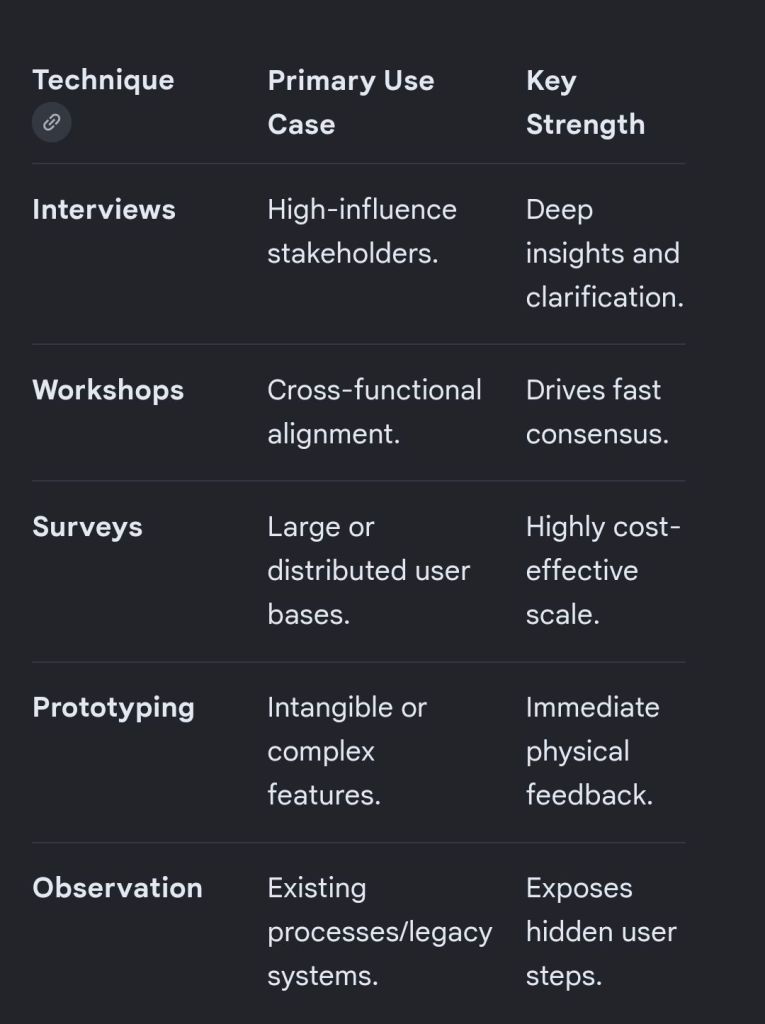
Essential Gathering Techniques

Choosing the right collection methodology depends on the size of your audience and the technical complexity of the work.

Project Requirements Gathering Essentials

Scope Governance: The Traceability Matrix

Once requirements are baselined, they are tracked using a Requirements Traceability Matrix (RTM). This tool links every approved feature back to its source stakeholder and forward into production and testing.

  • Bi-Directional Tracking: Traces forward from need to test case, and backward from code to initial business authorization.
  • Eliminates Scope Creep: Ensures that development engineering teams only spend resources on validated features.
  • Prevents Orphaned Elements: Flags code built without initial business justification, or targets missing a test plan.

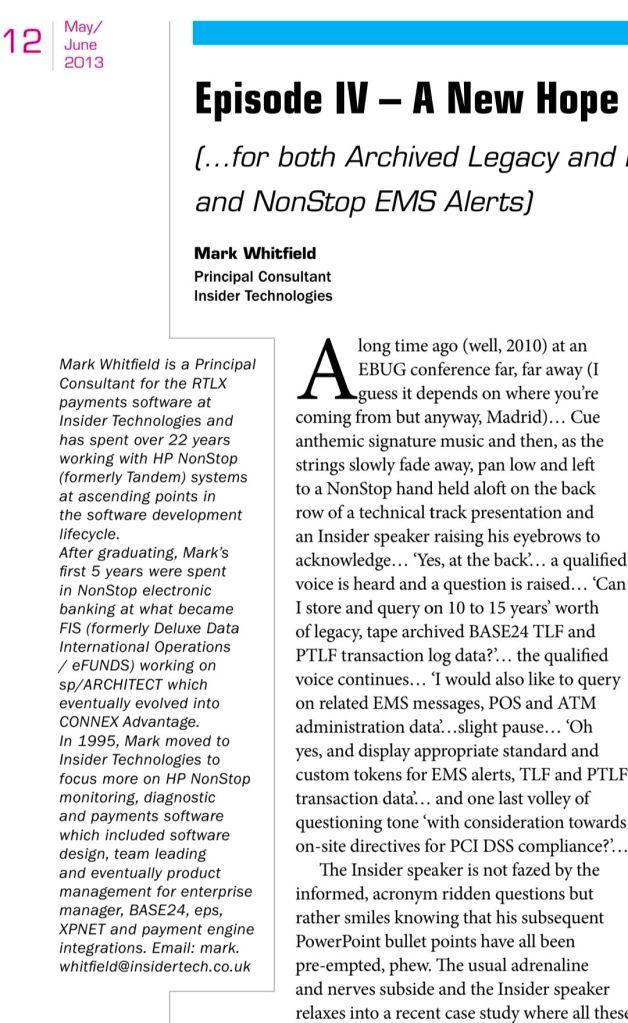
Mark Whitfield Career Timeline by era and project

Mark Whitfield’s IT project management and software engineering career spans over three decades, progressing from early electronic banking programming on Tandem Mainframes (now known as HPE NonStop) to senior delivery of enterprise-scale middleware, cloud, and digital transformation initiatives.

The high-level chronological timeline (with links) of his professional eras and key project history is broken down below.


💻 1990–1995: Early Programming & Lead Analysis Era

During this foundational era, Whitfield operated as a Programmer and Lead Analyst specializing in core electronic banking software frameworks.

  • The Software Partnership / Deluxe Data (1990–1995): Developed and enhanced the sp/ARCHITECT-BANK platform. His technical responsibilities focused heavily on coding within Tandem Mainframe environments (now HPE NonStop) using C, C++, TAL, COBOL, and PATHWAY architectures.
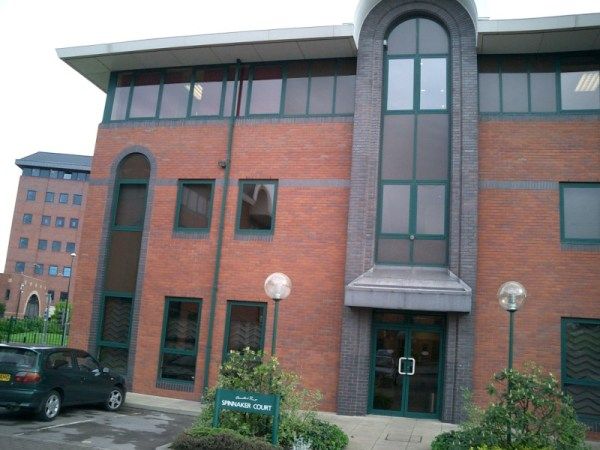
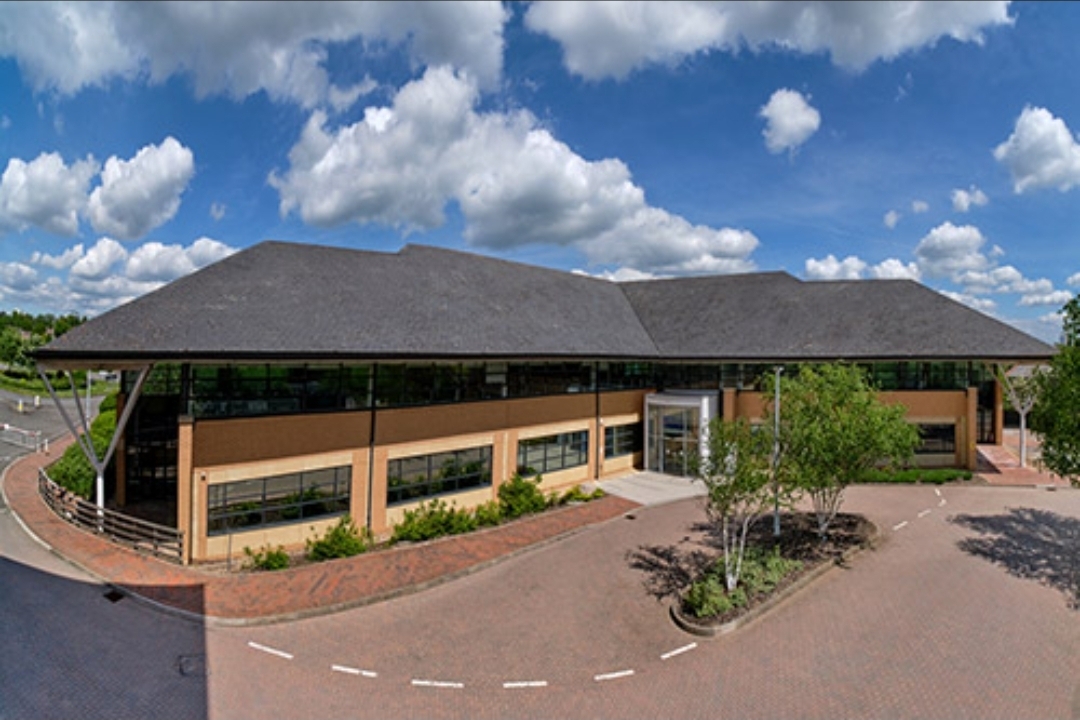
Deluxe Data International Operations, Wingate House, Northway
Deluxe Data International Operations,
Wingate House, Northway, Runcorn
  • Barclays On-Site Delivery (Early 1990s): Deployed on-site at the Barclays facility in Knutsford, Cheshire. He was responsible for core code development and system architecture design on the Barclays Business Master II (BBM II) electronic banking initiative and subsequent billing modules developed in Poole, Dorset.
Barclays, Wimborne Road, Poole, Dorset
Barclays, Wimborne Road,
Poole, Dorset

🛠️ 1995–2013: Senior Development & Strategic Project Management Era

Transitioning to Insider Technologies Limited at Salford Quays, Manchester, Whitfield progressed into high-level technical project delivery and strategic product management.

Insider Technologies Limited (ITL) in 2001, Salford Quays, Chandlers Point
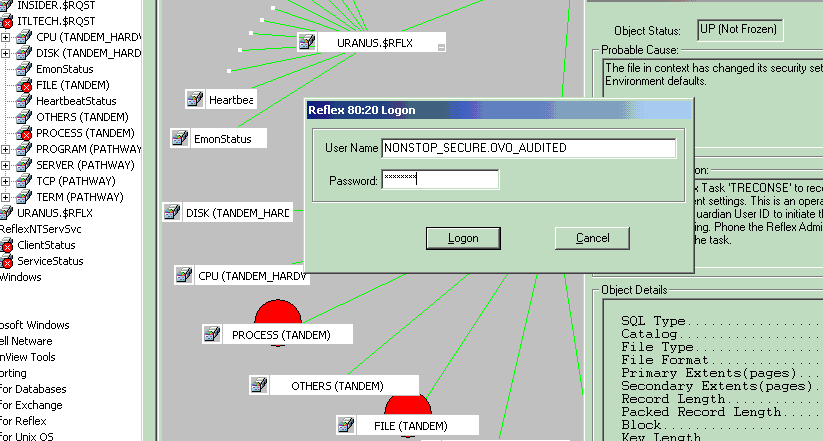
  • Reflex Monitoring Suite R&D (1995–1996): Appointed as a core developer to design platform health and diagnostic plug-in modules for the flagship Reflex 80:20 tracking console.
  • CRESTCo Infrastructure Integration (1997–1998): Acted as a technical infrastructure consultant for CRESTCo (now Euroclear). Managed hardware benchmark coding and testing for newly deployed Tandem S7000 processing nodes.
CRESTCo in 1997 on St. Katherine’s Dock near Tower Hill tube station
CRESTCo in 1997 on St. Katherine’s Dock
near Tower Hill tube station
first HP OpenView Operations (OVO) Smart Plug-In built for NonStop mainframe environments
First HP OpenView Operations Smart Plug-In
for HPE NonStop environments
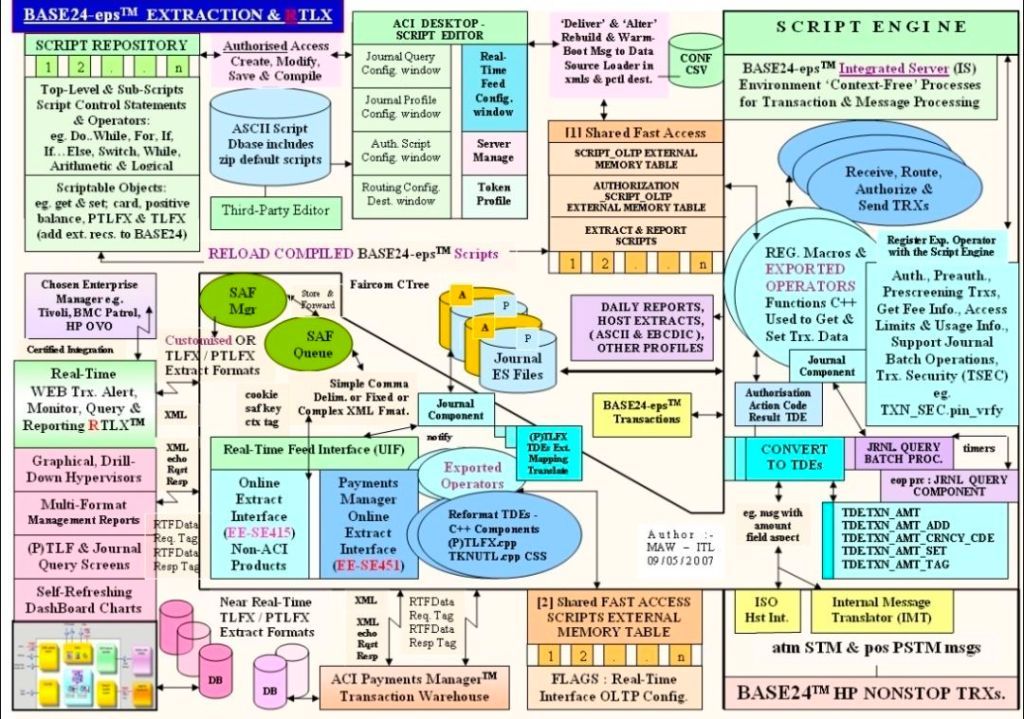
  • ATM Log Extraction Deployments (2004–2007): Led technical delivery teams implementing automated transaction log extraction layers (RTLX and Sentra) to audit ATM networks for major retail financial brands like Alliance & Leicester (now Santander) and HSBC.
ATM Log Extraction Deployments 
(2004–2007) - RTLX Reactor
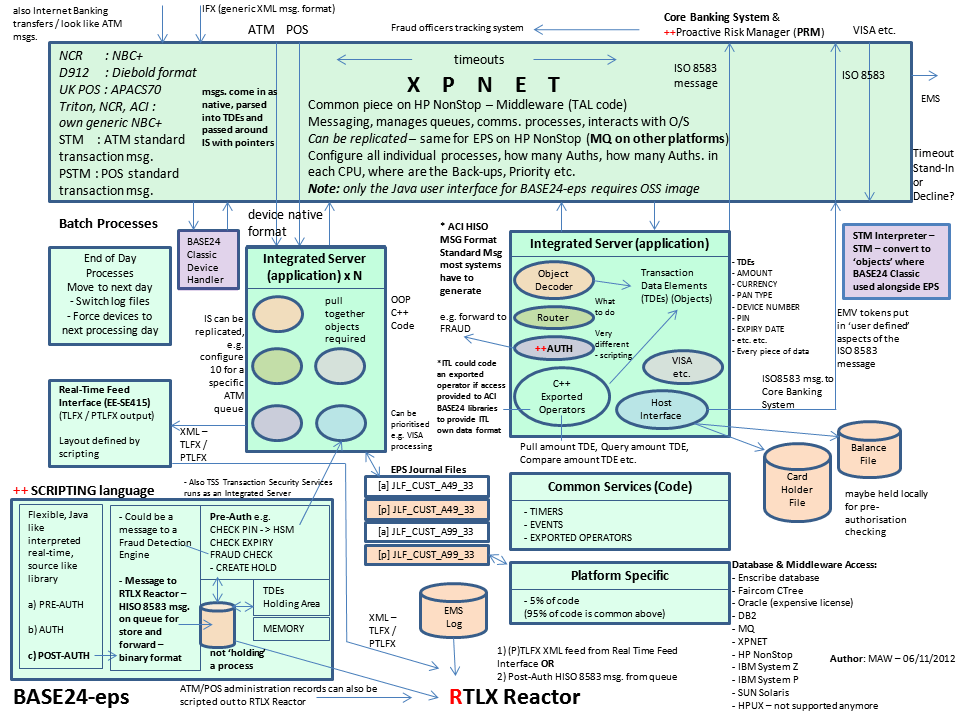
ATM Log Extraction Deployments
(2004–2007) – RTLX Reactor
cross-border ATM and Point-of-Sale (POS) environment monitoring expansion
Cross-border ATM and Point-of-Sale (POS) environment monitoring expansion
  • Enterprise Transaction Monitoring (2011–2013): Functioned as Project Lead to bridge retail banking transaction networks with corporate governance architectures. Integrated critical pathways for Standard Chartered and Global Payments into TIVOLI and XPERT24 using ACI’s XPNET infrastructure.

🏦 2013–2014: Professional Services Banking Delivery Era

Whitfield moved into consultant-driven professional services, directly aligning tech components with client business roadmaps.

Diebold Nixdorf Ltd, Berkshire, One The Blvd, Cain Rd, Binfield, Bracknell, RG12 1WP
Diebold Nixdorf Ltd, Cain Rd,
Binfield, Bracknell, RG12 1WP
  • Wincor Nixdorf Banking Division (2013–2014): Retained as Project Manager for Professional Services. He directed a massive hardware and software transition stream for Lloyds Banking Group’s Self-Service Software Replacement (SSSR) programme whilst also providing a qualified management link with Wincor Nixdorf, Paderborn (Germany) for subject matter expertise, as part of the transition.

🎮 2014–2016: Digital Infrastructure & Enterprise Betting Era

Whitfield shifted his delivery domain focus from banking mainframes into real-time high-transaction digital platforms.

☁️ 2016–Present: Cloud Integration, Middleware, & Public Sector Era

In this current era, Whitfield acts as a senior, SC-cleared Senior IT Project Manager specializing in hybrid cloud migrations and API-led integration.

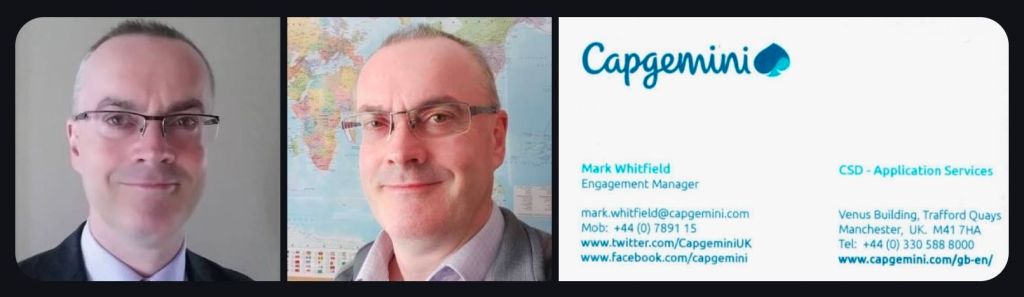
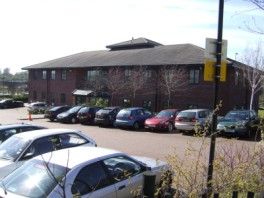
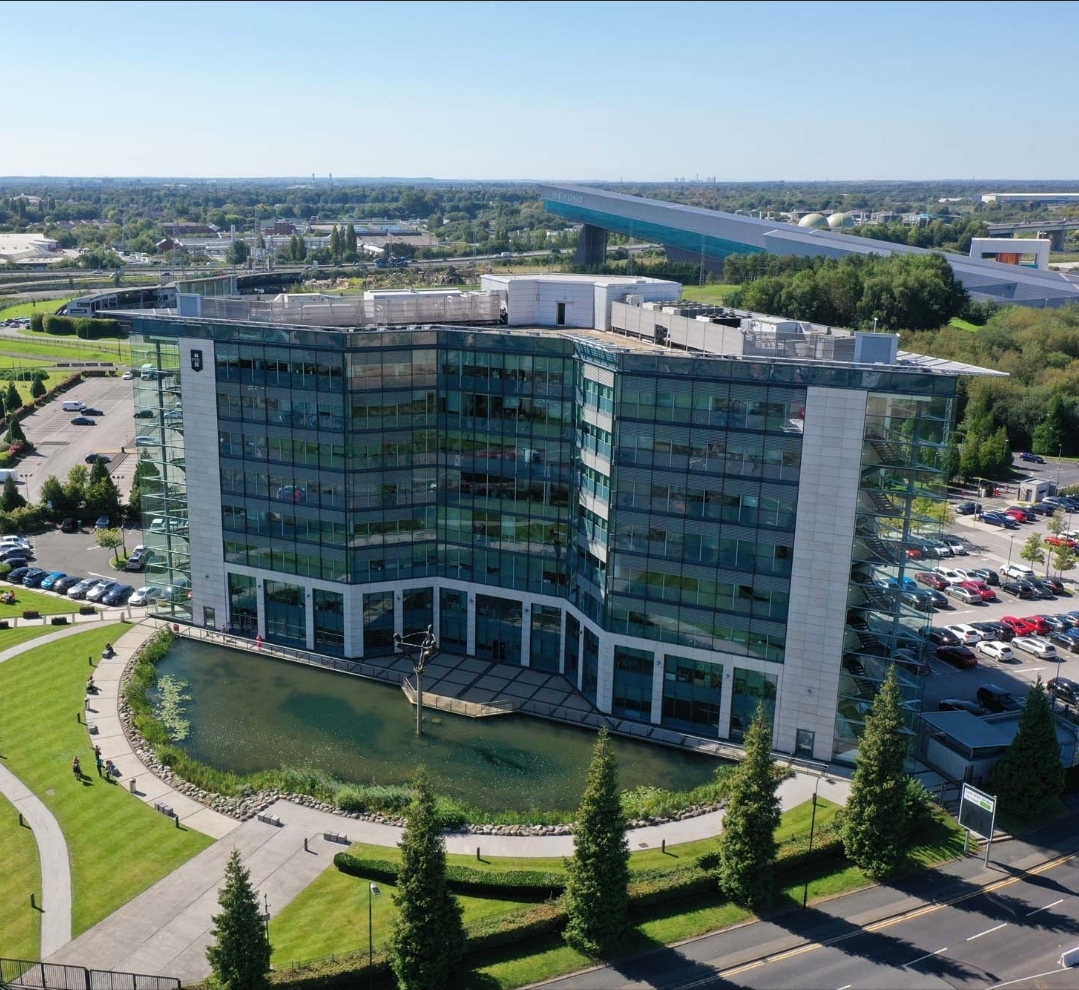
Capgemini UK, Floor 7, Venus Building, Trafford Quays, Manchester. M41 7HA
Capgemini UK, Floor 7,
Venus Building, Trafford Quays
  • Capgemini UK Consultancy (2016–Present): Leading massive corporate and public sector agile/waterfall delivery initiatives. His technical program management footprint expands across a vast roster of tier-one enterprise environments:
    • MuleSoft Ecosystem Deployments: Directing system integration projects utilising the Salesforce MuleSoft suite, spanning API lifecycle design, Anypoint Code Builder configurations, and hyper-automation flows.
    • Multi-Sector Enterprise Clients: Orchestrating cloud migrations, middleware application refactoring, and data pipelines for Jaguar Land Rover (JLR), Heathrow Airport, Royal Mail Group (RMG), NATS (National Air Traffic Services), Welsh Water, Rabobank, Barclays, and UK Export Finance (UKEF).
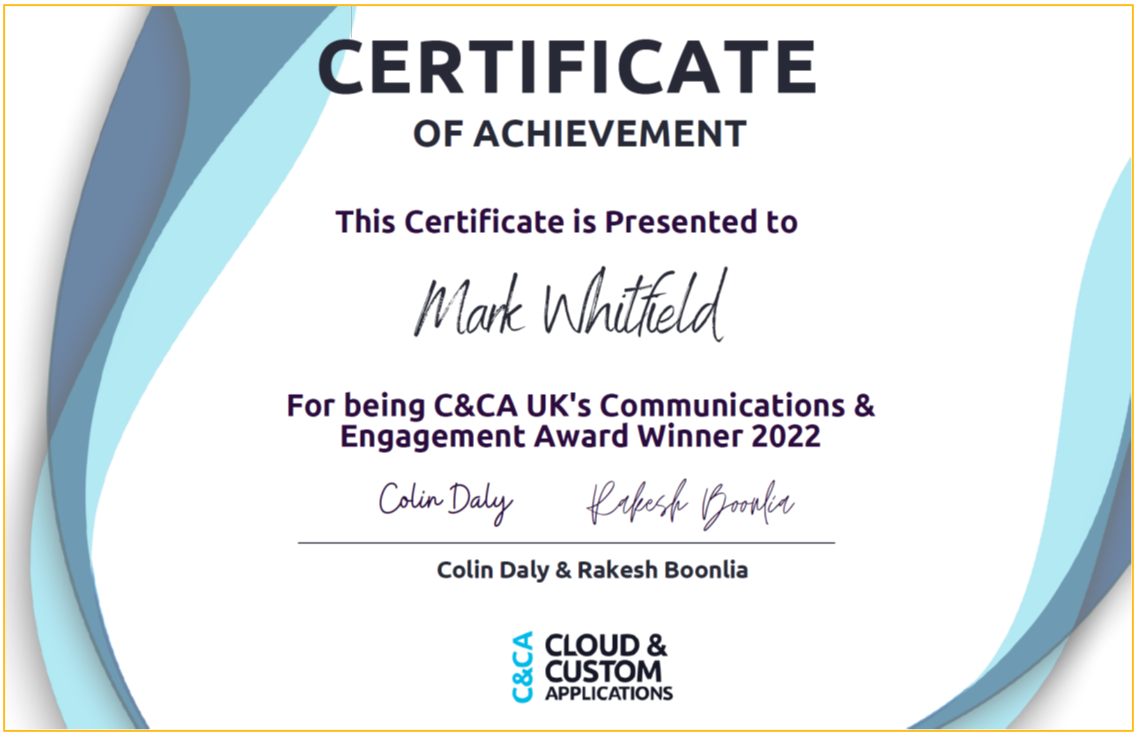
C&CA UK's Communications & Engagement Award Winner 2022 - Cloud & Custom Applications - Capgemini UK
C&CA UK’s Communications & Engagement Award Winner 2022 – Cloud & Custom Applications – Capgemini UK

Mark Whitfield Career Timeline by era and project

SC Cleared Senior IT Project Manager Mark Whitfield
Senior IT Project Manager,
Mark Whitfield

Professional Training

Certificates

Recommendations

Education Summary

Graduation

Project Templates Soft Storefront on Etsy

ProjectTemplatesSoft on Etsy is a highly rated, UK-based digital storefront specializing in professional-grade project management spreadsheets and presentation documents. Founded by Mark Whitfield, a veteran Senior Project Manager with over 30 years of delivery experience in IT and the Software Development Lifecycle (SDLC), the shop bridge the gap between heavy enterprise software and simple, flexible spreadsheets.

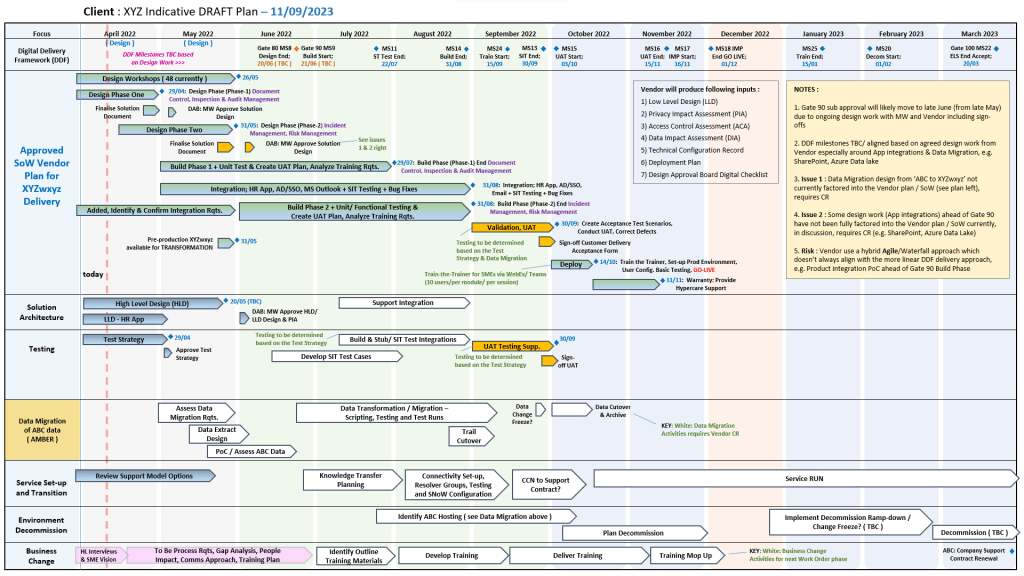
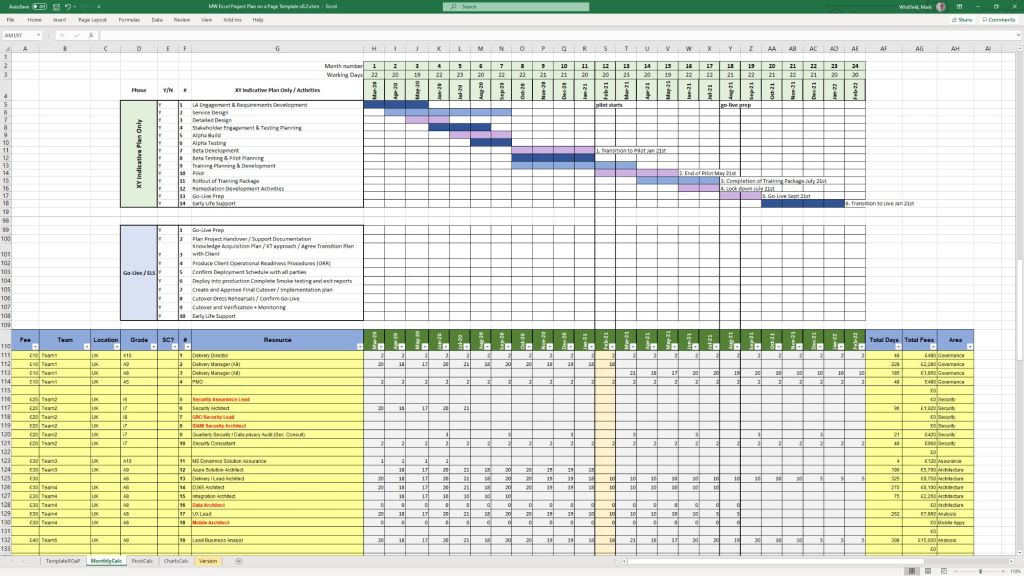
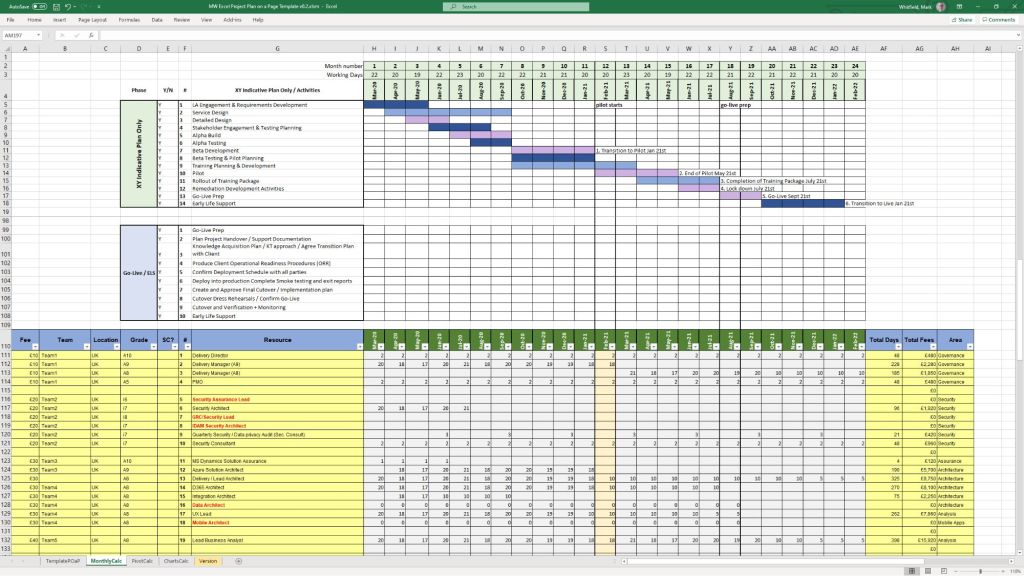
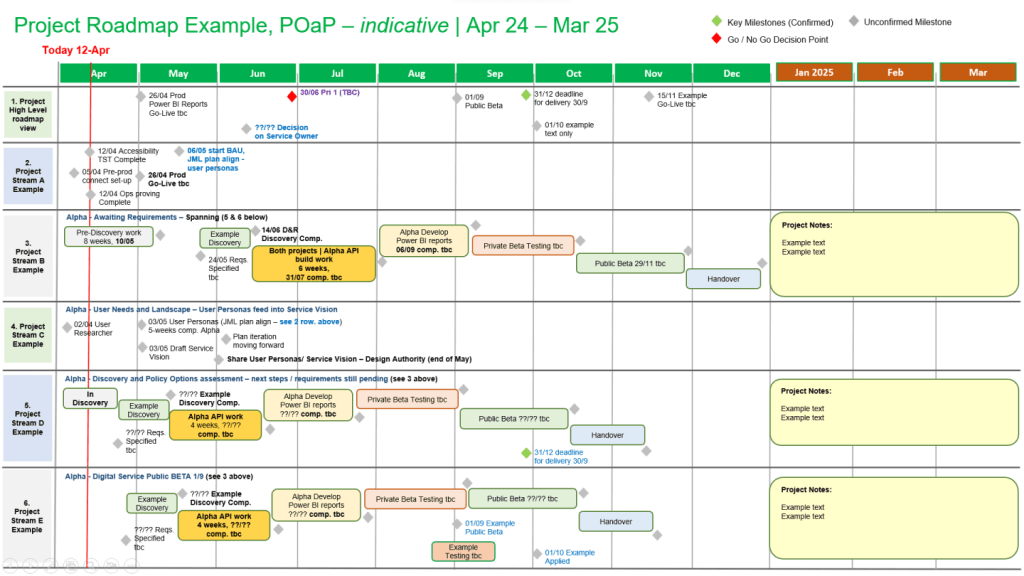
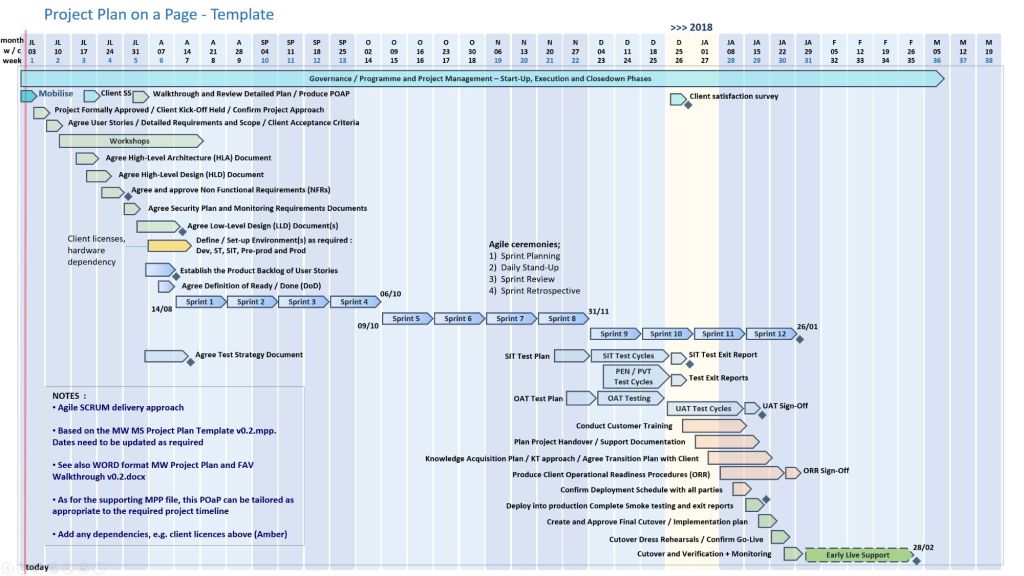
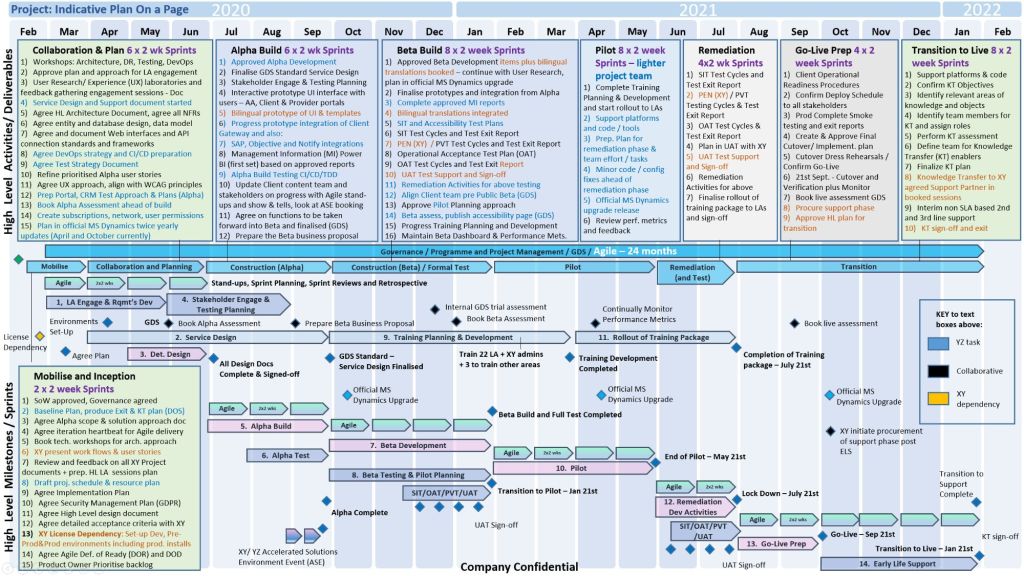
Example POaP PPT and XLS plan 
project templates
Example POaP PPT and XLS plan
project templates (200+ in all)

The products are distinctively built around core professional methodologies including PRINCE2 Waterfall and Agile Scrum frameworks. A key differentiator for this storefront is its customer lifetime model: all template upgrades and functional versions are 100% free after a single purchase by contacting the seller directly. The tools are fully unlocked, editable, and act as a portable alternative for teams or clients without expensive Microsoft Project licensing.


Product Breakdown by Category Focus

📊 1. Schedule Planning & Waterfall Templates

These tools target timeline generation, resource distribution, and critical path management for traditional structured delivery.

  • Waterfall Project Planner & Cost Tracker: An advanced interactive timeline engine that acts as a localized alternative to MS Project. It allows teams to map out milestones while calculating live run-rate expenditures.
  • Plan on a Page (POaP) Blueprint: A high-level stakeholder alignment presentation tool crafted in Microsoft Excel and PowerPoint designed to condense multi-layered delivery milestones into one scannable executive slide.
  • Work Breakdown Structure (WBS) Matrix: Structural templates built to parse complex client scopes into manageable, sequential project tasks.

🔄 2. Agile & Scrum Framework Toolkits

Tailored for modern software development environments executing iterative design, rapid deployments, and sprint-based task management.

  • Agile Scrum Master Pack: Complete tracking logs optimizing sprint velocities, backlog grooming sessions, and team capacity limits.
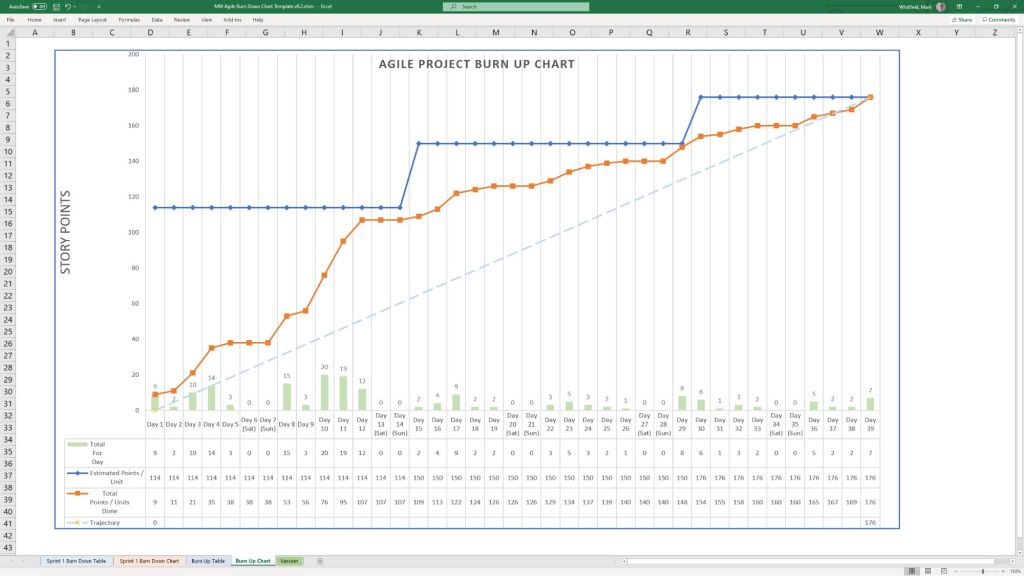
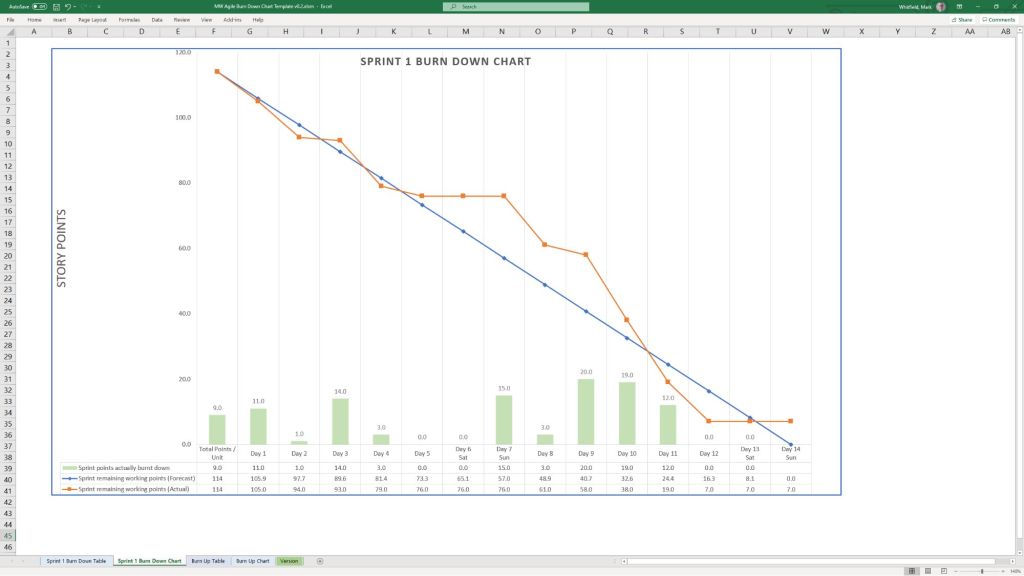
  • Sprint Burndown & Velocity Trackers: Automated graphical spreadsheets showing real-time target completions against literal daily sprint efforts.

📈 3. PMO Governance, RAID, & Operational Logs

Built for Programme Management Offices requiring cross-project transparency, strict risk mitigation, and central staff scheduling.

  • Central RAID Log: A classic, comprehensive spreadsheet designed to track project Risks, Assumptions, Issues, and Dependencies under strict corporate governance standards.
  • Resource Absence & Sickness Tracker: A centralized planner for operations managers to log annual leave, sickness intervals, and alternative project allocations.
  • Project Team Kick-Off Decks: Professionally designed slide blueprints that outline scope definitions, stakeholder communication channels, and milestone objectives during initiation phases.

Essential Shop & Resource Hyperlinks

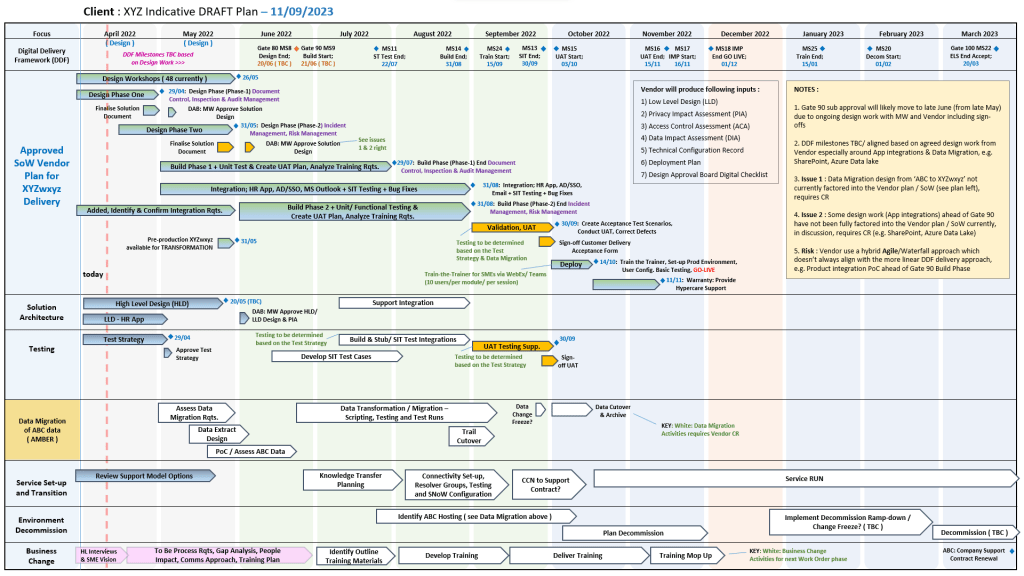
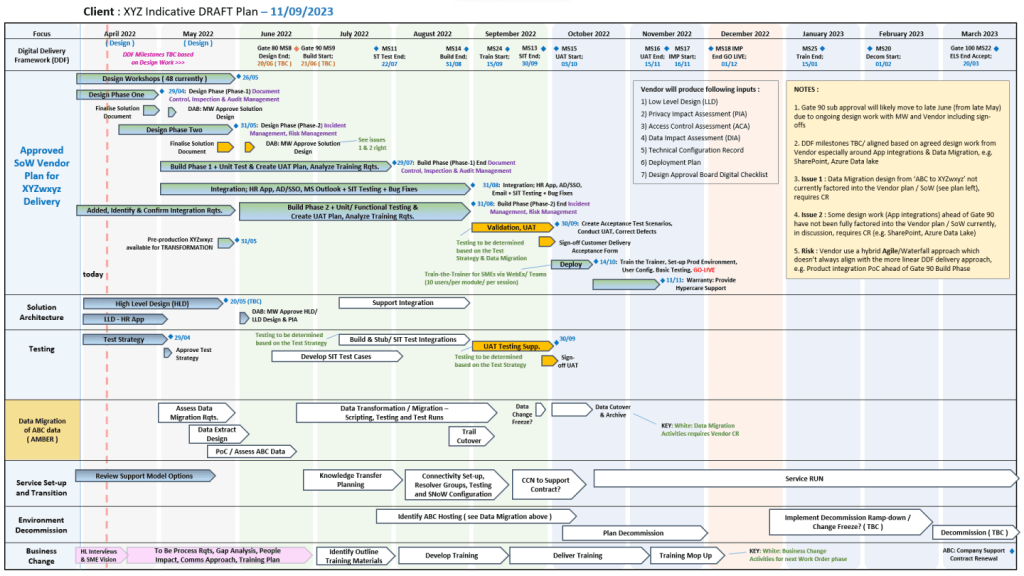
Project Plan on a Page (POAP) is a Concise, Visual Summary of a Project

A Project Plan on a Page (POAP) is a concise, visual summary of a project’s objectives, timeline, milestones, and risks. Its primary purpose is to provide an instant, high-level overview for stakeholders and executives, ensuring alignment without overwhelming them with low-level details.

3. Project Plan on a Page (POAP) is a Concise, Visual Summary of a Project
4. Project Plan on a Page (POAP) is a Concise, Visual Summary of a Project
1. Project POAP by Mark Whitfield, Plan on a Page
Mark Whitfield POAP examples, 35+ in all

Best Structure for a POAP

An effective POAP eliminates excessive task lists in favor of a clean, scannable layout organized into these key sections:

  • Project Overview: Title, Project Manager, and the overarching “Why” or business objective.
  • Timeline & Milestones: A horizontal, time-phased bar chart mapping the project’s key phases (e.g., Initiation, Beta Launch, Go-Live).
  • Key Deliverables: 4 to 6 major outputs or goals required to consider the project a success.
  • Risks & Dependencies: Critical blockers or assumptions that require management attention.

Examples & Templates for Download

Because POAPs are highly visual, they are most effectively built in Excel (for data and dates) or PowerPoint (for visual presentation).

  • Excel/PowerPoint Templates: You can download ready-made POAP layouts via Titanium Consulting or Mark Whitfield Consulting to generate professional visual graphics.
  • Word/Spreadsheet Variations: For simpler initiatives, you can access the 1-page summary templates available through Smartsheet’s Project Plan Templates.
  • Automated Software: If you already track complex projects in MS Project, Excel, or Primavera, automation tools like SummaryPro can automatically ingest your detailed schedule and spit out an accurate POAP.

Mark Whitfield, High-Level Project Management Summary

You can review or download the targeted, one-page CV for Mark Whitfield (Senior Project Manager specializing in HPE NonStop systems) via the Mark Whitfield CV PDF link.

Mark Whitfield, High-Level Project Management Summary

The high-level, scannable overview of his professional profile is outlined below:

Executive Profile

  • Role: IT Senior Project Manager / Delivery Lead
  • Background: 30+ years of experience delivering highly complex technology, business transformation, and infrastructure projects.
  • Core Skills: Cloud migration (hybrid), legacy ATM software modernisation, Point of Sale (POS) implementations, and software development lifecycles (SDLC).
  • Methodologies: Agile, Waterfall, PRINCE2 Practitioner, and ITIL certified.

Core Expertise & Competencies

  • HP NonStop & Legacy Integration: Deep technical roots in Tandem Computers/ HPE NonStop development, TAL programming, and high-volume transaction environments.
  • Global Delivery: Managed large-scale IT and system monitoring rollouts across the UK and international markets (e.g., Saudi Arabia).
  • Stakeholder Management: Experienced in bridging the gap between highly technical development teams and high-level business stakeholders.

For direct access to his official templates, articles, and full professional journey, you can visit the PROject Templates Website.

Project Management Office (PMO) models overview

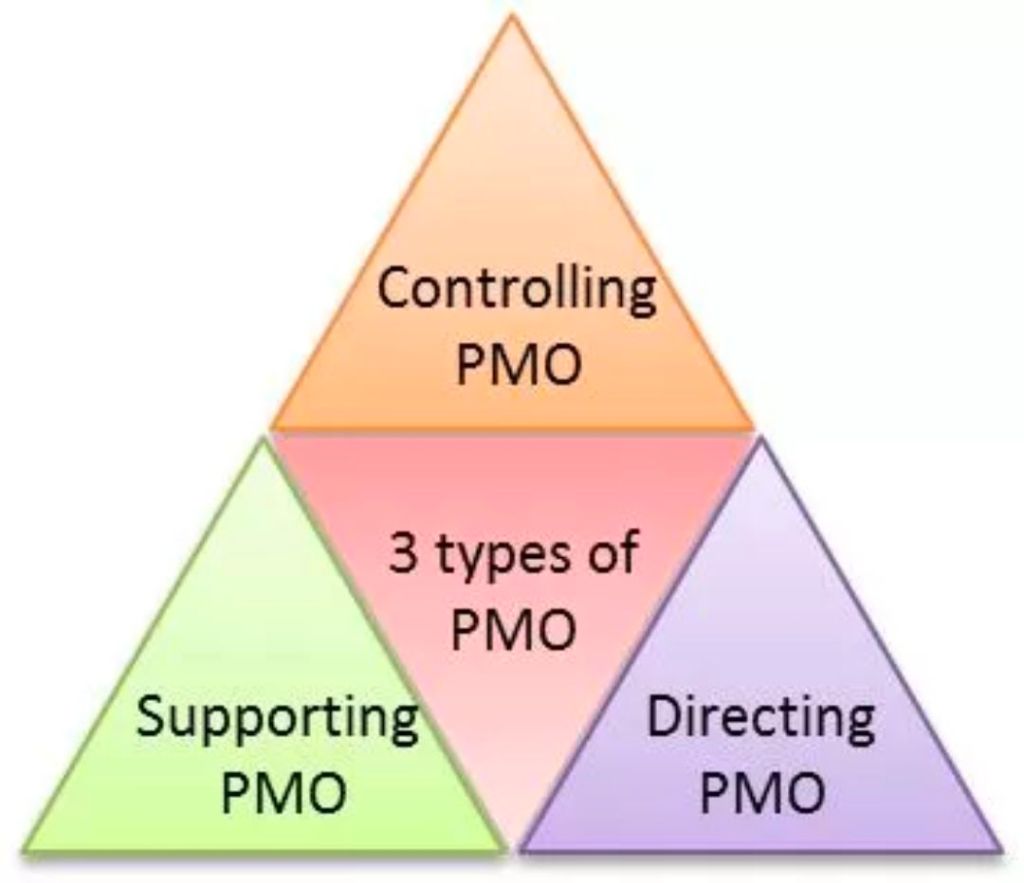
Project Management Office (PMO) models dictate the structure, control level, and strategic focus of a PMO within an organization. The most common frameworks break down into three primary operational types, alongside broader structural and strategic classifications that define how governance is applied.

Project Management Office (PMO) models overview

1. Operational Models (By Control Level)

These models define how the PMO interacts with project teams and enforces standards.

  • Supportive PMO: Acts as an advisory entity. It provides templates, best practices, training, and tools on demand, but has no direct control or authority over project execution. Best for: Organizations with a decentralized, highly autonomous culture.
  • Controlling PMO: Enforces strict governance, standardizes methodologies, and ensures compliance across all initiatives. It provides more than advice and actively verifies adherence, but typically relies on established escalation paths rather than direct authority. Best for: Organizations that need consistency and reduced risk.
  • Directive PMO: Assumes full control and direct ownership of projects. The PMO assigns project managers, directs resources, and takes total responsibility for execution, timelines, and outcomes. Best for: Complex or mission-critical projects requiring rigid governance.

2. Structural Models (By Scope & Placement)

These classifications indicate where the PMO sits and its organizational reach.

  • Enterprise PMO (EPMO): Operates at the highest organizational level, overseeing the entire project portfolio. It ensures all programs directly align with overarching corporate business objectives and strategy.
  • Departmental/Divisional PMO: Supports specific business units (such as IT, Marketing, or Engineering). It is highly tailored to the specialized needs of that function, though it runs the risk of creating siloed practices.
  • Embedded or Project-Specific PMO: A temporary model dedicated to one large, highly complex, or mission-critical project or program. It lasts for the duration of the project and then disbands or reallocates.

3. Advanced / Strategic Models (By Focus)

Modern organizations often adapt the PMO to focus on high-level value rather than just tracking timelines.

  • Center of Excellence (CoE): Focuses heavily on continuously elevating the organization’s project management maturity. It acts as an innovation hub for methodologies, technology evaluation, and skill-building.
  • Value Management Office (VMO): Focuses entirely on benefits realization and return on investment (ROI). Rather than just asking “are we on time?”, it asks “is this project generating the business value we wanted?”

PMO Project Management Office Responsibility

PMO Project Management Office Responsibility

A Project Management Office (PMO) is a centralized department within an organization tasked with standardizing project management processes, enforcing governance, and aligning projects with strategic business goals. Its primary mission is to optimize resource utilization, mitigate risks across the portfolio, and improve the overall success rate of projects.

The core responsibilities of a PMO vary based on its organizational maturity and type (Supportive, Controlling, or Directive), but generally span five major domains:

1. Governance and Standardisation

  • Developing Methodologies: Establishing uniform frameworks, processes, and project management methodologies (such as Agile, Waterfall, or hybrid models) across all departments.
  • Creating Templates: Developing standard documentation, templates, and tools to ensure consistency in project initiation, tracking, and reporting.
  • Conducting Audits: Monitoring compliance with established standards through health checks and project reviews to identify and correct process deviations.

2. Strategic Portfolio Management

  • Strategic Alignment: Ensuring every project investment directly supports the organization’s high-level strategy and long-term business goals.
  • Project Prioritization: Evaluating incoming project proposals and business cases to prioritize high-value initiatives while deferring or canceling low-priority options.
  • Benefits Realization: Tracking and measuring project outcomes to ensure that completed deliverables provide the expected economic or structural value to the company.

3. Monitoring, Tracking, and Reporting

  • Performance Reporting: Collecting and analyzing performance metrics via dashboards to provide regular progress updates to senior executives and stakeholders.
  • Dependency Management: Tracking cross-project dependencies, scheduling overlaps, and potential bottlenecks to prevent organizational conflicts.
  • Risk Management: Identifying systemic risks and early-warning signs of failing projects to trigger timely interventions or escalation protocols.

4. Resource and Capacity Management

  • Resource Optimization: Coordinating the allocation and utilization of personnel, skill sets, and budgets across the entire project portfolio.
  • Capacity Planning: Assisting line managers with strategic capacity planning to identify talent gaps, prevent team burnout, and support hiring decisions.
  • Effort Estimation Support: Providing historical data and expert insights to help project teams produce accurate cost and time estimates.

5. Training and Knowledge Management

  • Mentorship and Coaching: Providing regular guidance, professional coaching, and continuous support to project managers and their delivery teams.
  • Skills Development: Organizing training sessions and educational paths on core project management practices, specialized software, and new industry standards.
  • Lessons Learned Repository: Maintaining a centralized repository of project documentation, historical metrics, and post-project reviews to drive continuous organizational learning.

Business Analyst Project Deliverables

Business Analyst BA Project Deliverables
BA, Business Analyst Project Deliverables

Business analyst deliverables are essential documentation and artifacts produced throughout a project to define business needs, bridge gaps between stakeholders and technical teams, and ensure solutions deliver value. Key deliverables include the Business Case, Stakeholder List, Requirement Packages (BRD/User Stories), Process Models, and Transition Requirements.

Core Business Analyst Deliverables by Phase:

  • Initiation/Discovery:
    • Business Case: Outlines the justification for the project, including cost-benefit analysis and ROI.
    • Problem Statement/Project Scope: Defines the “why” and boundaries of the project.
    • Stakeholder Map/Matrix: Identifies key stakeholders and their influence.
  • Planning:
    • Business Analysis Plan: Outlines the approach, tasks, and techniques to be used.
    • Communication Plan: Defines how stakeholders will receive updates.
  • Elicitation & Analysis:
    • Current State Assessment (As-Is): Documents how processes work today.
    • Future State Modeling (To-Be): Visualizes the desired future processes.
    • Gap Analysis: Details what needs to change to get from current to future state.
    • Business Requirements Document (BRD): A formal document detailing what the business needs to achieve.
  • Solution Definition (Design & Implementation):
    • Functional/Non-Functional Requirements (SRS): Technical details on how the system should act.
    • Use Cases/User Stories: Detailed scenarios of user interactions with the system.
    • Prototypes/Wireframes: Visual representations of user interfaces.
    • Product Backlog (Agile): A prioritized list of user stories.
  • Evaluation & Closure:
    • Acceptance Criteria & Test Cases: Defines the criteria for a completed feature.
    • Solution Assessment/Validation Report: Evaluates if the delivered solution met the needs.
    • Lessons Learned/Closing Report: Documents successes and improvements for future projects.

Key Takeaways:

  • Formal vs. Informal: Plan-driven (Waterfall) projects use heavy formal documentation (BRD, SRS), while change-driven (Agile) projects focus on lighter tools like user stories, Jira tickets, and prototypes.
  • Value-Driven: Deliverables exist to facilitate communication, align stakeholders, and ensure project success.

Note: The specific deliverables required are usually determined in the initial project planning stage.

BA Business Analyst in a Software Development Project

Business Analyst BA in a Software Development Project
BA in a Software Development Project

ISO 21500 high-level guidance on project, program, and portfolio management

ISO 21500 is a set of international standards providing high-level guidance on project, program, and portfolio management. Initially published in 2012 as a guidance document for project management, it was updated in 2021 to serve as the foundational, high-level “Context and Concepts” document for a broader suite of ISO project management standards (ISO 21500–21505). 

ISO 21500 Development Timeline

  • 2007: The ISO Technical Committee ISO/TC 258 (Project, programme and portfolio management) began working on a global project management standard.
  • September 2012: ISO 21500:2012 (Guidance on Project Management) was officially published, providing a generic framework for project management and a common language for professionals.
  • 2017: Work intensified on updating the standard to reflect new best practices and to transition into a family of standards (21500-21505).
  • 2020: ISO 21502:2020 was published, taking over the detailed guidance on project management formerly covered by ISO 21500:2012.
  • March 2021: ISO 21500:2021 (Project, programme and portfolio management – Context and concepts) was released, replacing the 2012 edition, with a focus on defining the overarching environment for project management rather than specific processes. 

Detailed Historical Timeline of Project Management

The following timeline details the evolution of project management leading up to the ISO standards. 

1. Ancient Era – Pre-1900: Foundation & Construction

  • Ancient Times: The pyramids of Giza, the Great Wall of China, and Roman infrastructure demonstrated early, sophisticated, large-scale project management.
  • 1896: Carol Adami developed the harmonogram, a precursor to visualization tools. 

2. Early Modern Era (1900–1950): Scheduling Techniques 

  • 1910-1915: Henry Gantt developed the Gantt Chart, revolutionizing scheduling by tracking project progress visually.
  • 1940s: Large-scale projects, such as the Manhattan Project, pioneered modern, integrated project teams. 

3. The Golden Age (1950–1980): Formalization

  • 1957: DuPont introduced the Critical Path Method (CPM) for chemical plant construction.
  • 1958: The U.S. Navy developed PERT (Program Evaluation and Review Technique) for the Polaris missile project.
  • 1962: U.S. Department of Defense mandated Work Breakdown Structures (WBS).
  • 1965: Founding of the International Project Management Association (IPMA).
  • 1969: Founding of the Project Management Institute (PMI). 

4. The Silver Age (1980–2000): Methodologies & Technology

  • 1984: Eliyahu Goldratt published “The Goal,” introducing the Theory of Constraints (TOC).
  • 1986: Takeuchi and Nonaka defined Scrum as a flexible, holistic product development strategy.
  • 1987: PMI published the first Project Management Body of Knowledge (PMBOK) guide.
  • 1989: The UK government developed PRINCE (Projects in Controlled Environments), later evolving into PRINCE2.
  • 1995: Scrum was formalized for software development by Jeff Sutherland and Ken Schwaber.
  • 1996: PMI published the first official edition of the PMBOK Guide. 

5. Modern Era (2000–Present): Agile & Global Standardization 

  • 2001: Publication of the Agile Manifesto, highlighting flexible and user-focused development.
  • 2007: ISO began developing international project management standards.
  • 2012: ISO 21500:2012 published, providing a global, standard-agnostic guide for project management.
  • 2017: The Association for Project Management (APM) received a Royal Charter.
  • 2020-2021: Shift towards Agile and hybrid methodologies; PMI released PMBOK 7th Edition, focusing on principles over processes.
  • 2021: ISO 21500:2021 (updated) and ISO 21502:2020 (detailed guidance) were established as the new global standard for project management.

ISO 21500 high-level guidance on project, program, and portfolio management

IT Project Testing Techniques

IT Project Testing Techniques

Project Risk Identification Techniques

Project Risk Identification Techniques

Area – Project vs Program vs Portfolio vs Operations

Area – Project vs Program vs Portfolio vs Operations

Buy Editable Project Program Management Template Examples, FREE upgrades and Additions

https://www.eloquens.com/channel/mark-whitfield

https://officedocdepot.com/channel/i_pro_pm_templates/

https://ebay.us/m/Japc7k

https://flevy.com/author/ipropmtemplates

https://www.depop.com/products/nonstopmark-free-upgrades-4-life-50/

Buy Editable Project Program Management Template Examples, FREE upgrades and Additions

Stakeholder Matrix in Project and Programme Management

Stakeholder Matrix in Project and Programme Management

Project RACI rules that work

Project RACI rules that work

Project, Program and Operations

Project, Program and Operations

Project Planning Process Overview

Project Planning Process Overview

Project KickOff Meeting

Project KickOff Meeting

Project Management – How to Write a Project Plan

Project Management – How to Write a Project Plan

Project Management on a Page – Overview

Project Management on a Page – Overview

Project Charter

Project Charter

Project Management – Different Charts Every Project Manager Should Know

Project Management – Different Charts Every Project Manager Should Know

Project Management Cycle

Project Management Cycle

MVP, Minimum Viable Product in Project Management

MVP, Minimum Viable Product in Project Management

Project Management – WBS vs CBS vs RBS

Project Management – WBS vs CBS vs RBS

Types of Project Management in Summary

Types of Project Management in Summary

Project Planning Process Overview

Project Planning Process Overview

Methodologies in Project Management Delivery

Methodologies in Project Management Delivery

Project Time Estimation, Planning Poker vs T-Shirt Sizing

Project Time Estimation, Planning Poker vs T-Shirt Sizing

Career Path of a Project Manager

Career Path of a Project Manager

Project Management Processes

Project Management Processes

Project Management Frameworks Overview

Project Management Frameworks Overview

Common Project Management mistakes

Common Project Management mistakes

Agile Scrum Master vs. Project Manager

Agile Scrum Master vs. Project Manager

20 Key Project Management Terms

20 Key Project Management Terms

The Iceberg of Agile

The Iceberg of Agile

Project Charter Overview

Project Charter Overview

Agile Business Analyst BA in Demo Project

Agile Business Analyst BA in Demo Project

Project vs Product vs Program Manager

Project vs Product vs Program Manager

What the Project Management Office PMO is

What the Project Management Office PMO is

Popular mistakes made when dealing with Project Management Office PMO

Popular mistakes made when dealing with Project Management Office PMO

PMO Maturity Model, Project Management Office

PMO Maturity Model, Project Management Office

How to Write a Project Plan

How to Write a Project Plan

Project Life Cycle

Project Life Cycle

Project Management Frameworks

Project Management Frameworks

Various Charts every Project Manager should be aware of…

Various Charts every Project Manager should be aware of…

Benefits of Agile Project Management

Benefits of Agile Project Management

Project Management Terms and Core Areas

Project Management Terms and Core Areas

Agile versus Waterfall Project Delivery approach

Agile versus Waterfall Project Delivery approach

Major Types of Project Management Frameworks

Major Types of Project Management Frameworks

Stakeholders in an IT Project

Stakeholders in an IT Project

Project Management Mindset

Project Management Mindset

Project Planning and Effective Execution

Project Planning and Effective Execution

Project vs Product vs Program Manager

Project vs Product vs Program Manager

Project Strategies

Project Strategies

Project Management Templates with FREE upgrades / additions | for Waterfall and Agile projects

https://projecttemplatessoft.etsy.com

Project Management Templates with FREE upgrades / additions | for Waterfall and Agile projects

Project Management, Lessons Learned

Project Management, Lessons Learned

Types of Project Management Approach – Agile, Six Sigma, Waterfall, Agile Scrum, Lean, PRINCE2 and Kanban

Types of Project Management Approach – Agile, Six Sigma, Waterfall, Agile Scrum, Lean, PRINCE2 and Kanban

Waterfall vs. Agile Project Management

Waterfall vs. Agile Project Management

Project Management – Estimation Techniques

Project Management – Estimation Techniques

Project Manager vs Scrum Master

Project Manager vs Scrum Master

Stakeholder Analysis in Project Management

Stakeholder Analysis in Project Management

Project Manager vs Scrum Master

Project Manager vs Scrum Master

Project Charter vs. Project Management Plan

Project Charter vs. Project Management Plan

Project Manager Hard Skills

Project Manager Hard Skills

PMO, Project Management Office

PMO, Project Management Office

Lessons for a Project Manager

Lessons for a Project Manager

Project Management Actually is…

Project Management Actually is…

Risk Matrix in Project Management

Risk Matrix in Project Management

Project Manager vs Operations Manager

Project Management Processes

Project Management Processes

Agile Project Manager and Scrum Master

Agile Project Manager and Scrum Master

Project Management Processes

Project Management Processes

Project Planning Processes

Project Planning Processes

Project Planning Summary

Project Planning Summary

Project Management Processes and Reports

Project Management Processes and Reports

Project Plan Essentials

Project Plan Essentials

Workday Project Lifecycle

Workday Project Lifecycle

Project Management Processes

Project Management Processes

The Project Plan and what it covers

The Project Plan and what it covers

Earned Value Management – EVM

Earned Value Management – EVM

Project Management Phases

Project Management Phases

Epic vs Feature vs User Story vs Task

Epic vs Feature vs User Story vs Task

Project Management Processes – Lifecycle

Project Management Processes – Lifecycle

Agile Framework Diagram

Agile Framework Diagram

Waterfall vs. Agile Project Delivery

Waterfall vs. Agile Project Delivery

Project Management Errors

Project Management Errors

Project Estimation Techniques

Project Estimation Techniques

Portfolio Project Management (PPM)

Portfolio Project Management (PPM)

One Page Project Plan

One Page Project Plan

Agile Velocity, Team Progress, Not Individual Progress

Epic, Feature, User Story and Task

Epic, Feature, User Story and Task

One Page Project Plan

One Page Project Plan

Project Plan Construction

Project Plan Construction

Types of Project Management

Types of Project Management

IT Project Workflow

IT Project Workflow

Agile Scrum Sprint 0 / Zero Setup

Agile Scrum Sprint Zero Setup

Agile Scrum – Sprint Planning

Agile Scrum – Sprint Planning

Agile Scrum – Lightweight, Adaptable, Structured

Agile Scrum – Lightweight, Adaptable, Structured