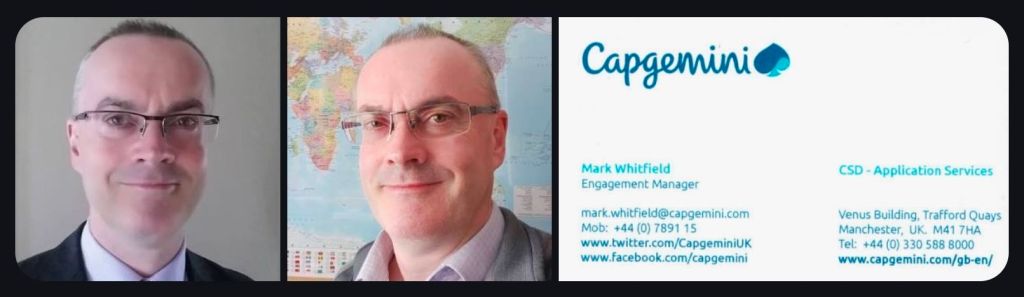
Capgemini Engagement Manager is a senior-level, client-facing role

A Capgemini Engagement Manager is a senior-level, client-facing role responsible for end-to-end delivery of complex business and technology transformation programs. They bridge strategy and execution, acting as a trusted advisor to clients while maintaining operational and financial control over projects.
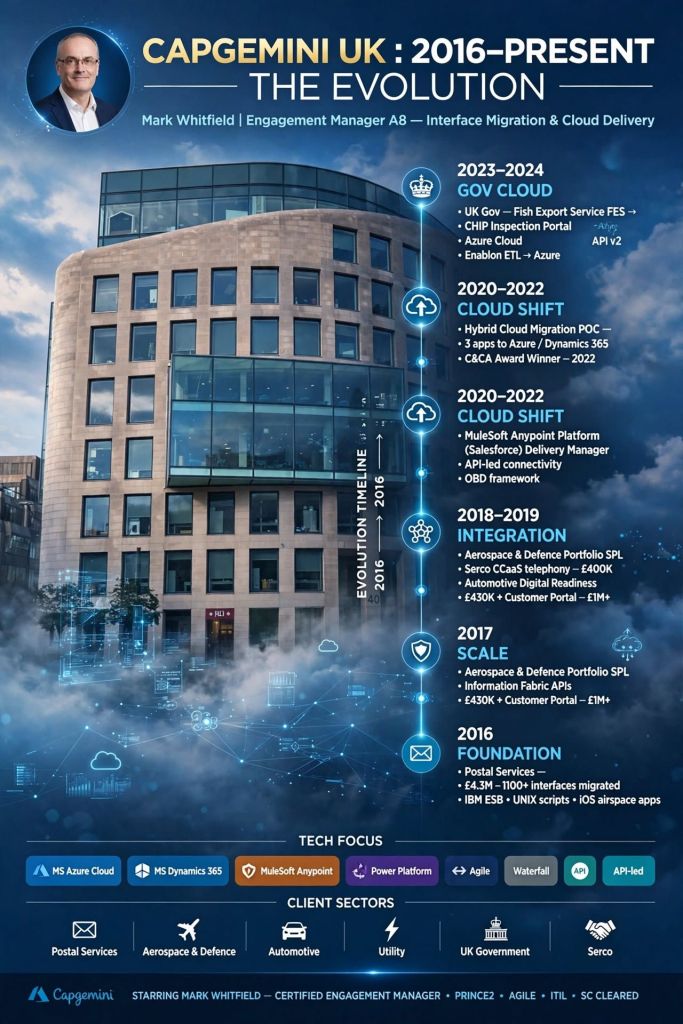
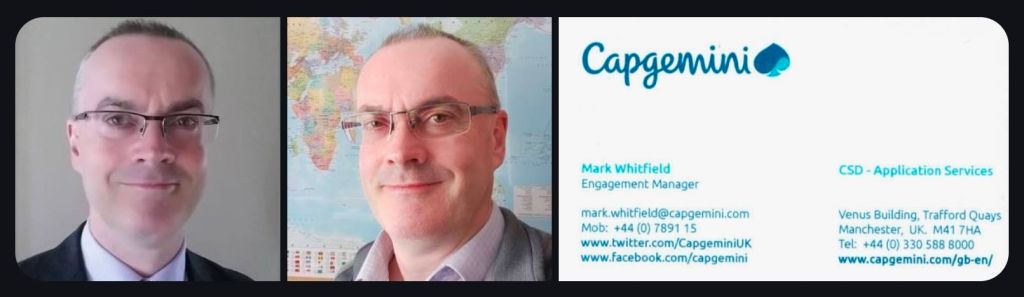
Mark Whitfield Capgemini projects timeline 2016 thru to present
Mark Whitfield | Capgemini projects timeline – 2016 thru to present
Mark Whitfield PM, Capgemini Engagement Manager from 2016
Engagement Manager, from 2016

Key Responsibilities

  • End-to-End Delivery: Overseeing projects from start to finish, ensuring milestones, SLAs, and contractual obligations are met on time and within budget.
  • Financial Accountability: Managing project budgets, revenue tracking, forecasting, invoicing, and contract compliance.
  • Stakeholder Management: Acting as the primary client point of contact while aligning cross-functional and globally distributed delivery teams.
  • Risk & Governance: Identifying potential roadblocks, proactively managing risks, and ensuring strict adherence to project governance standards.
  • Business Growth: Spotting opportunities for additional business and supporting bid activities for account expansion.
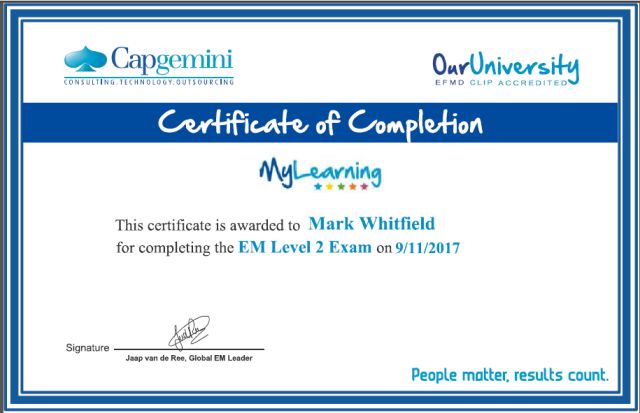
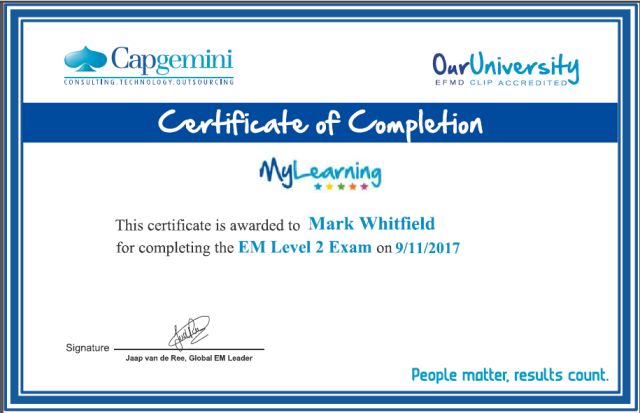
Mark Whitfield, Engagement Management EM Level 2 Exam Passed 2017

Ideal Candidate Profile

  • Experience: Typically requires a degree in Business, Engineering, or IT, combined with at least 5+ years of experience in project management or service delivery within a B2B environment.
  • Skills: Strong commercial acumen, proficiency in formal methodologies (e.g., Agile, ITIL), and the ability to lead diverse, multinational teams.
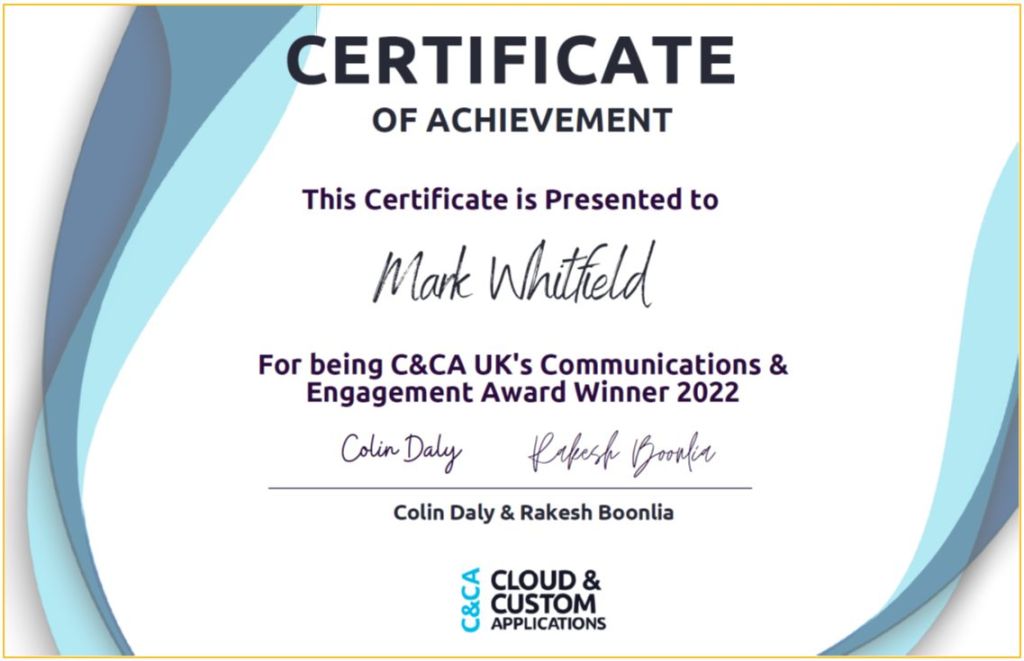
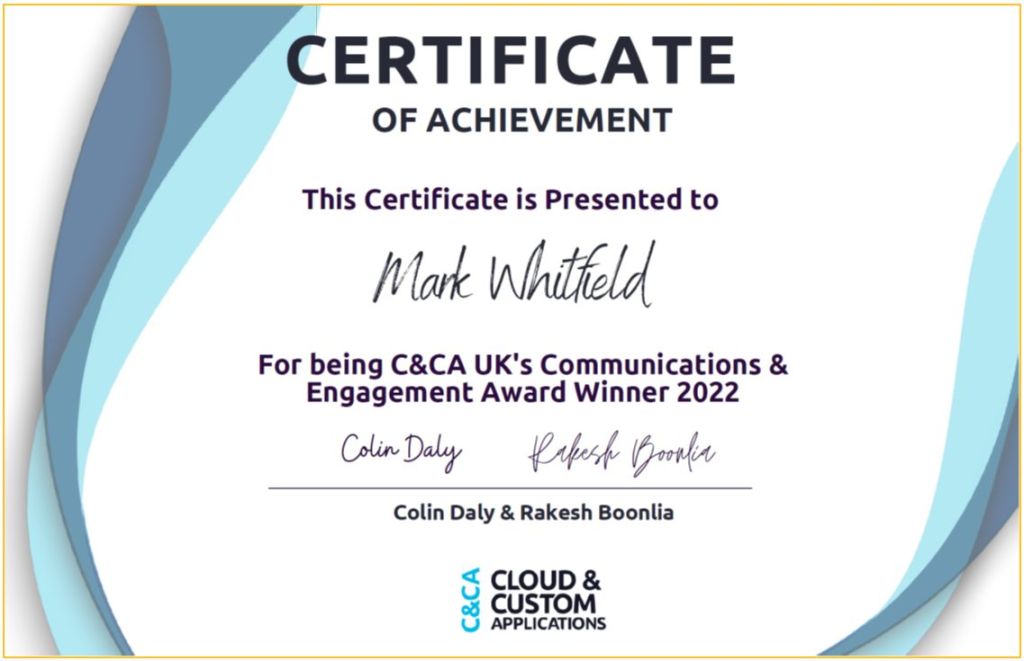
C&CA UK's Communications & Engagement Award Winner 2022, Cloud & Custom Applications, Mark Whitfield
C&CA UK’s Communications & Engagement Award Winner 2022, Cloud & Custom Applications, Mark Whitfield

Explore current vacancies and learn more about the EM community through the Capgemini Careers Portal or their specific Engagement Management Careers overview.

Capgemini Engagement Manager, from 2016.
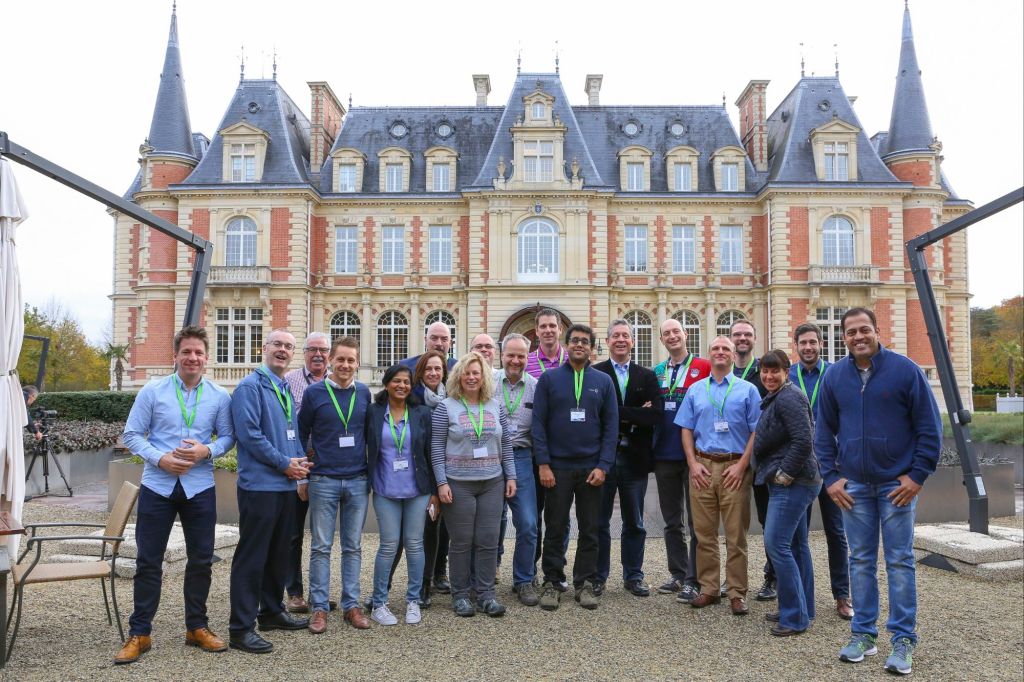
Capgemini Campus – Serge Kampf Les Fontaines, Chantilly, France – Advanced Engagement Management Course – November 2017 Class – 2nd from left, Mark Whitfield
Capgemini Campus – Serge Kampf Les Fontaines, Chantilly, France – Advanced Engagement Management Course – November 2017 Class – 2nd from left

PRINCE2 Overview and Evolution Timeline by year

PRINCE2 (Projects IN Controlled Environments) is a globally recognized, process-driven project management methodology. It provides a structured, scalable approach to manage projects from start to finish. It is built on 7 core principles, 7 themes, and 7 step-by-step processes.

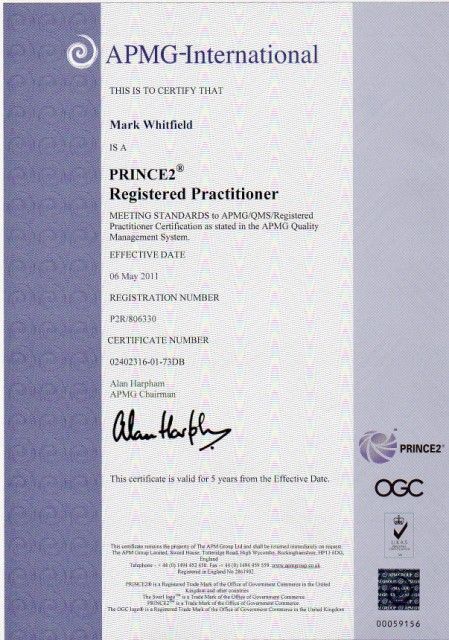
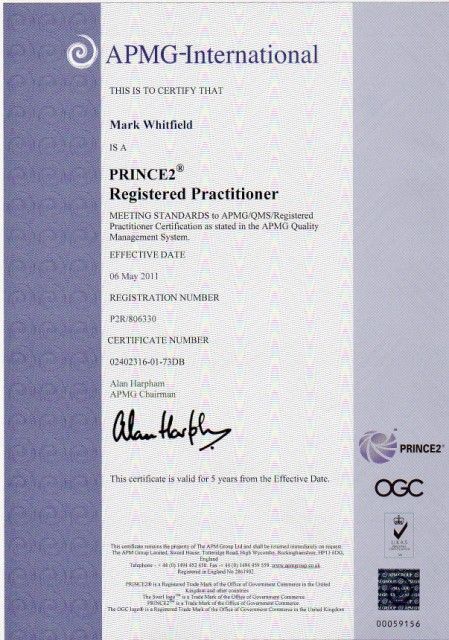
May 2011 – Mark Whitfield, Registered PRINCE2 Practitioner with ILX
May 2011 – Registered PRINCE2 Practitioner with ILX

The 7 Pillars of PRINCE2

To truly grasp PRINCE2, you should be familiar with its three core elements:

  • 7 Principles: Continued business justification, learn from experience, defined roles and responsibilities, manage by stages, manage by exception, focus on products, and tailor to suit the project environment.
  • 7 Themes: Business Case, Organization, Quality, Plans, Risk, Change, and Progress.
  • 7 Processes: Starting Up, Directing, Initiating, Controlling a Stage, Managing Product Delivery, Managing a Stage Boundary, and Closing a Project.
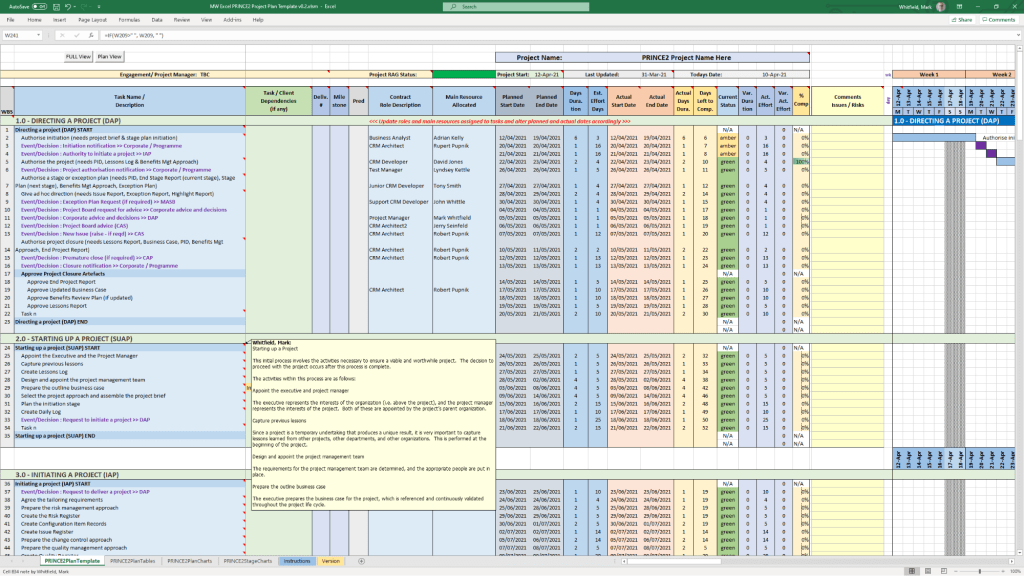
Example MS Excel PRINCE2 template (available on this website)

Detailed Timeline Breakdown by Year

The evolution of PRINCE2 spans over 50 years, transitioning from an internal UK IT standard into a global, flexible methodology.

  • Mid-1970s: Simpact Systems Limited creates the PROMPT methodology (Project, Resource, Organization, Management, and Planning Technique).
  • Early 1980s: The Central Computer and Telecommunications Agency (CCTA) in the UK licenses PROMPT to manage complex IT overruns.
  • 1989: CCTA enhances the PROMPT method, renames it to PRINCE (PROMPT in the CCTA Environment), and mandates it for UK IT projects.
  • 1990: PRINCE is released into the public domain and experiences widespread private and public sector adoption.
  • 1996: The UK Cabinet Office officially publishes PRINCE2 and its global certifications. The acronym is updated to PRojects IN Controlled Environments and adapted to fit any industry or project type (not just IT).
  • 2000: Ownership transfers to the newly formed Office of Government Commerce (OGC) in the UK.
  • 2002/2005: Manual structure undergoes major revisions to strengthen the methodology’s “product-based planning” approach.
  • 2009: A massive “Refresh” is released. This update simplifies the framework, introduces the foundational 7 principles, and significantly improves customization.
  • 2013: Ownership transitions to AXELOS Ltd, a joint venture between the UK Government and Capita.
  • 2017: AXELOS publishes the PRINCE2 2017 Update (later designated the 6th Edition). This update places heavy focus on tailoring the method to project scale, flexibility, and practical execution.
  • 2018: PRINCE2 Agile is launched, combining the traditional, controlled PRINCE2 governance model with agile delivery methods.
  • 2021: PeopleCert, a global examination provider, acquires AXELOS and takes full ownership of the PRINCE2 methodology.
  • 2023–Present: PeopleCert releases the PRINCE2 7th Edition, which brings modernizations, digital improvements, and greater sustainability tracking, branding the framework simply as “PRINCE2 Project Management”.

To explore the latest resources, certification paths, or officially recognized guides, you can visit the PRINCE2 Official Website or the community-driven PRINCE2 Wiki.

PRINCE2 Overview and Evolution Timeline by year

European BASE24 User Group (EBUG) was a prominent, community-led organization

The European BASE24 User Group (EBUG) was a prominent, community-led organization dedicated to the ACI BASE24 payment processing system. It provided a vendor-neutral forum for IT professionals, banks, and processors to collaborate, share knowledge, and discuss technical tracks like HPE NonStop monitoring and payment security.

Conference Timeline

  • 1980s — Establishment: EBUG is formed as a regional community for European financial institutions utilizing the growing BASE24 platform.
  • Early 2000s — Technical Growth: EBUG annual conferences become prominent technical forums featuring specialized tracks focused on Tandem/HP NonStop hardware and payment system security.
  • 2007 — Istanbul Conference: Features heavily attended technical sessions and workshops addressing growing transaction volumes and early EMV (chip card) migrations.
European BASE24 User Group (EBUG) was a prominent, community-led organization
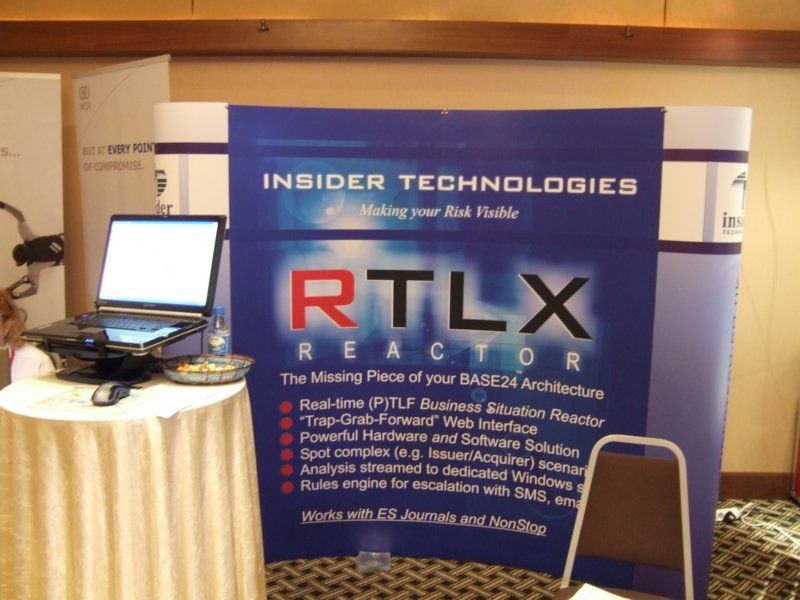
Insider Technologies regularly attended EBUG, booth in 2007
  • 2008 — Vienna Conference: Notable for introducing ACI’s strategic shift to support IBM platforms alongside traditional HPE NonStop environments.
European BASE24 User Group (EBUG) was a prominent, community-led organization
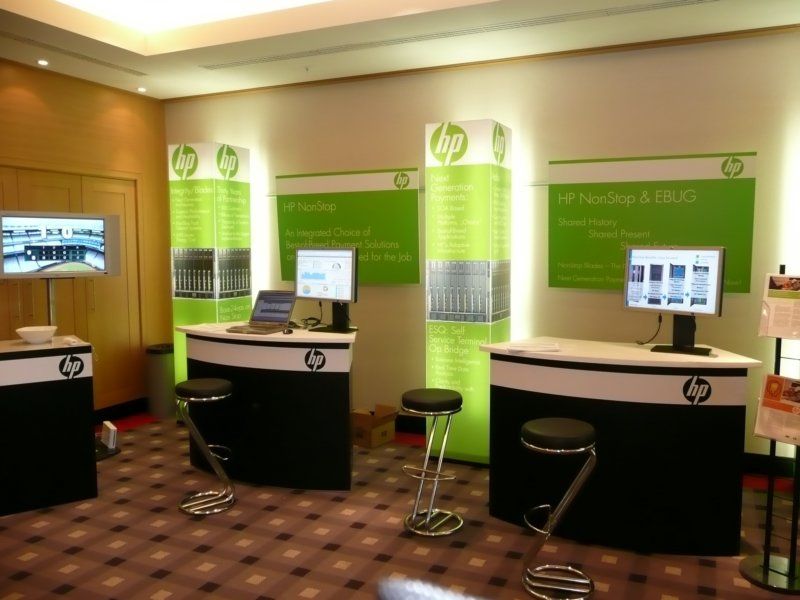
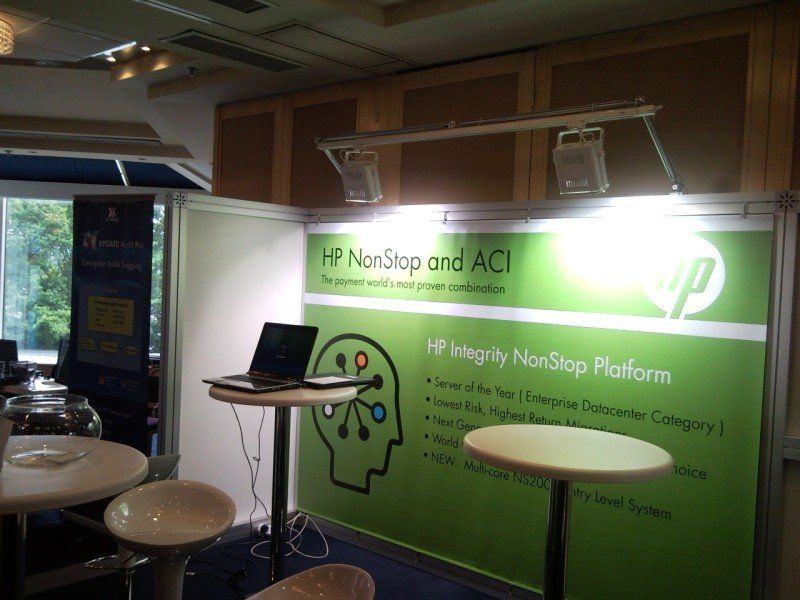
HP booth at Vienna EBUG, 2008
  • 2009 — Prague Conference: Continues strong advocacy and technical troubleshooting for BASE24 on NonStop despite broader industry platform shifts.
European BASE24 User Group (EBUG) was a prominent, community-led organization
HP Booth at Prague conference, 2009
  • 2012 — London TFG: A technical focus group is held in London at Trinity House, bringing together engineers and ACI product managers to debug and refine system architecture.
  • Late 2010s to Present — The “Everybody Belongs” Era: As ACI broadened its product portfolio, the user group expands its scope to include other payment technologies like Postilion. The conference formally rebrands as an independent entity, later transitioning into The Payments Knowledge Forum, to serve all payment systems users inclusively.

European BASE24 User Group (EBUG) was a prominent, community-led organization

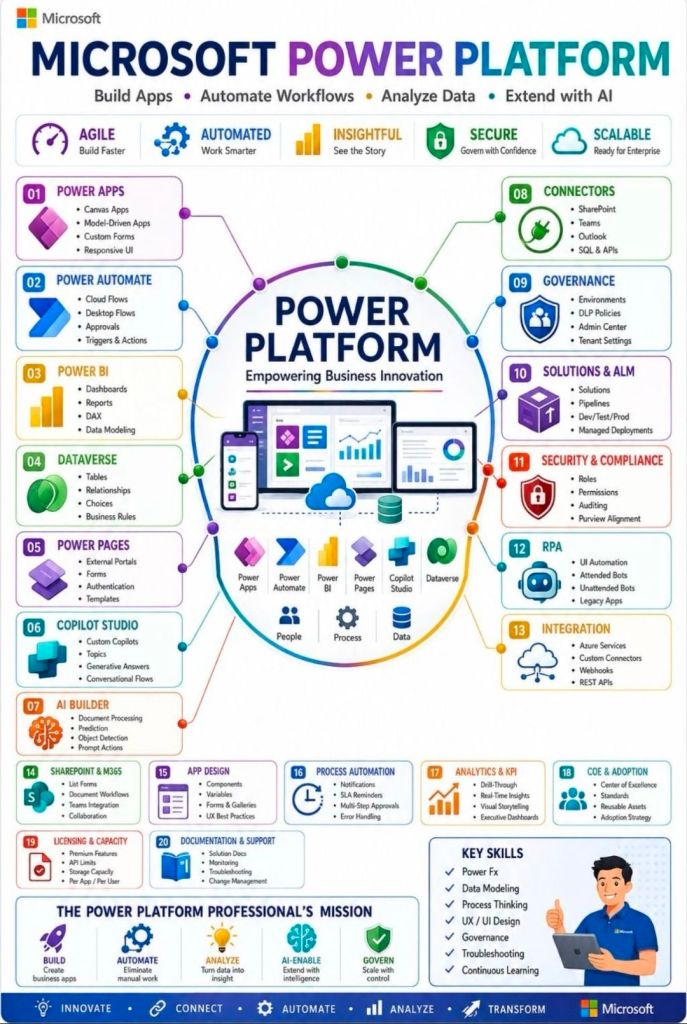
Microsoft Power Platform, Build Apps, Automate Workflows, Analyze Data, Extend with AI

Microsoft Power Platform, Build Apps, Automate Workflows, Analyze Data, Extend with AI

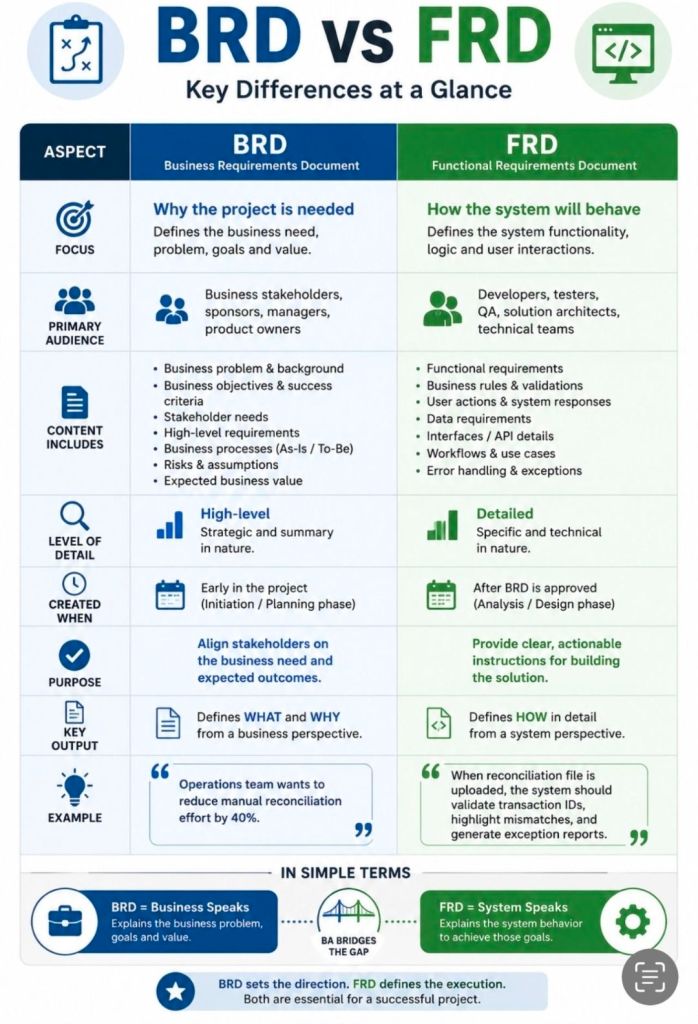
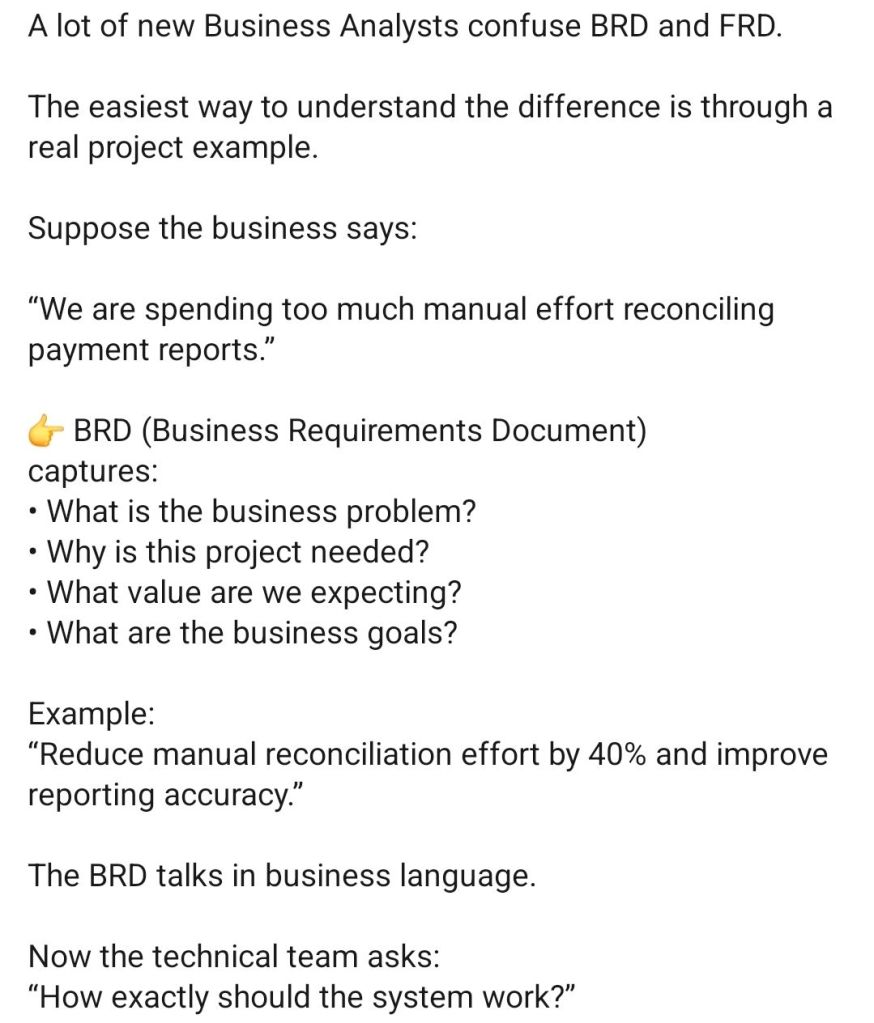
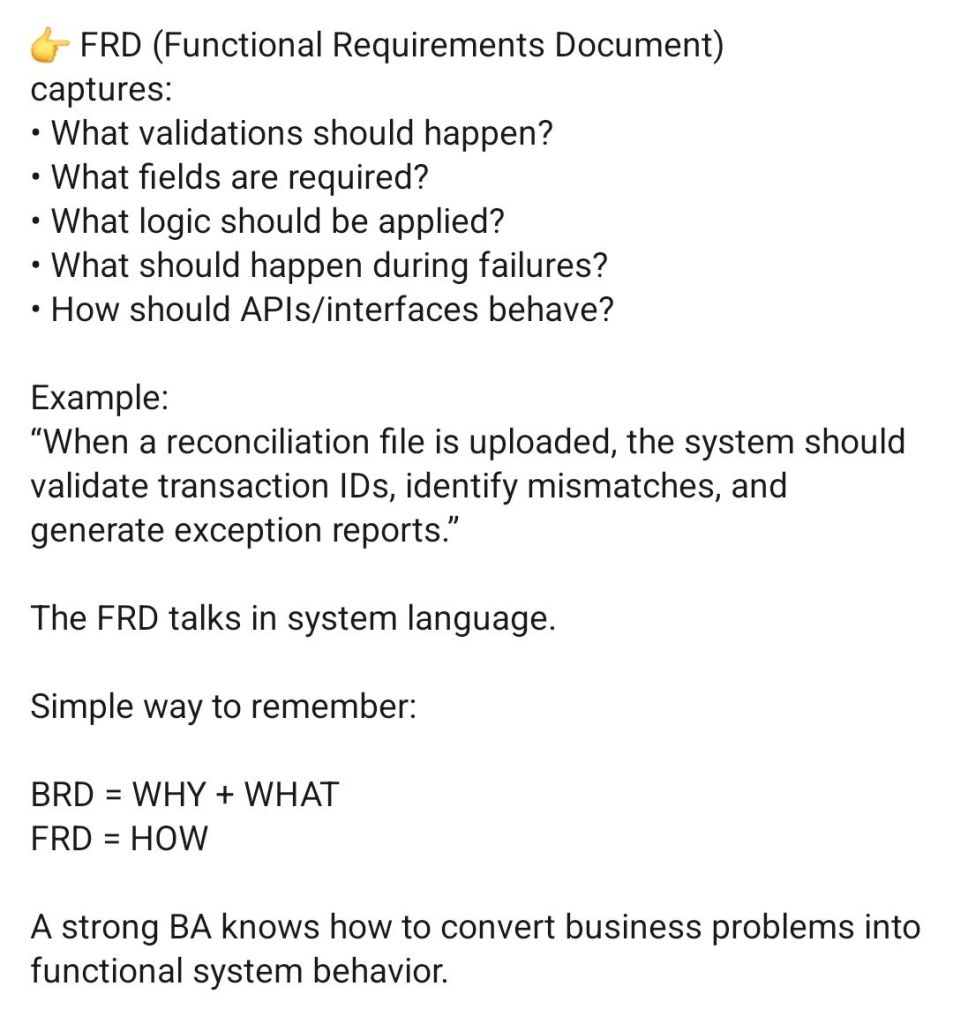
Business Requirements Document BRD vs Functional Requirements Document FRD

Business Requirements Document BRD vs Functional Requirements Document FRD

Mark Whitfield IT, Technical & Project Management Training Overview

Mark Whitfield, a Manchester-based Senior IT Project Manager, has completed extensive professional training throughout his career, focusing on project management methodologies, delivery software, and technical tools.

Core Project Management Methodologies :

  • PRINCE2 Practitioner: Certified as a registered PRINCE2 Practitioner in May 2011 via the ILX Group (Gold e-Learning).
  • Agile SCRUM Training: Attended in-house training with RADTAC in May 2011.
  • Advanced Engagement Management (Level 2): Completed at Capgemini in November 2017.
  • Project Management Fundamentals: Completed “Fundamentals of Successful Project Management” in February 2000 through Skillpath in Manchester.
  • Managing Multiple Projects: Attended “Managing Multiple Projects, Objectives and Deadlines” in October 1999/1998 via Skillpath.

Software & Cloud Platforms :

  • AZ-900 Microsoft Azure Fundamentals: Certified in February 2022.
  • Microsoft Project: Completed the Microsoft Project ’98 Certification Series in May 2000 through the IIL UK Education Centre in Reading.
  • Microsoft Excel Expert Skills: Upgraded skills via a 2017 Expert course and a July 2024 Udemy refresher.

Technical & Programming Courses :

  • Tandem / HP NonStop: Completed Tandem Guardian Principles (1993), Tandem Performance Analysis (1995), and Tandem TAL Programming (1995).
  • C / C++ Programming: Attended “C++ for Non-C Programmers” with Comtec Computer Training in March 1997.
  • Database Querying: Completed “Querying Microsoft SQL 2000 with Transact SQL” via QA Training in March 2009.
  • Web Applications: Attended “Developing MS ASP Web Applications using MS Visual Studio .NET” in January 2007.

Marketing & Communication Training :

  • Writing for the Web: Completed in May 2009 with gbdirect (iTrain Education in London).
  • Brochure & Document Design: Attended a SkillPath Seminar on designing marketing brochures and reports in April 2006.

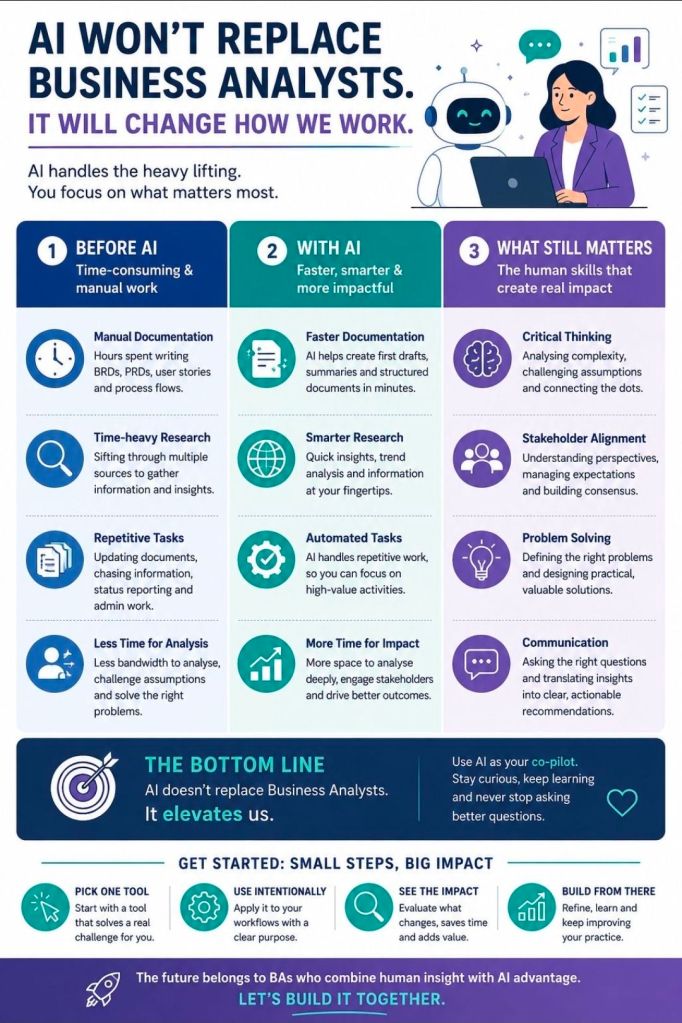
Business Analysts and Artificial Intelligence AI, Future

Business Analysts and Artificial Intelligence AI Future
Business Analysts and Artificial Intelligence AI, future

Artificial Intelligence (AI) is fundamentally shifting the role of the Business Analyst (BA) from a focus on routine data processing and documentation to more strategic, human-centric activities. While AI excels at identifying patterns and automating labor-intensive tasks, it currently lacks the contextual awareness and emotional intelligence required to manage complex stakeholder relationships.

Core AI Applications for Business Analysts

AI functions as a high-speed “copilot” that streamlines the traditional BA lifecycle.

  • Requirement Generation: AI can process meeting transcripts to draft an initial list of requirements, user stories, or a Business Requirements Document (BRD).
  • Data Analysis & Forecasting: Machine learning algorithms can identify subtle trends in large datasets and move analysis from descriptive (what happened) to predictive (what might happen).
  • Visual Modeling: Tools can now generate process flows, data models, and architecture diagrams from simple text descriptions, drastically reducing time spent on manual formatting.
  • Information Elicitation: Analysts can use AI to quickly extract key details from vast document repositories or prepare for stakeholder interviews by anticipating potential questions.

Skills That Remain Uniquely Human

As AI handles the “grunt work,” the most valuable BA skills are those that cannot be easily automated.

  • Strategic Thinking: Connecting big-picture organizational goals to specific technical solutions and defining the “why” behind an initiative.
  • Stakeholder Management: Navigating office politics, facilitating discussions to resolve disagreements, and building trust across teams.
  • Creative Problem Solving: Tackling ambiguous business challenges where there is no clear historical data for an AI to learn from.
  • Critical Evaluation: Fact-checking AI outputs to ensure they are accurate and free from “hallucinations” before they influence business decisions.

The Shift from “AI4BA” to “BA4AI”

A new perspective emerging in the field is that BAs shouldn’t just use AI, but should lead the organization’s AI adoption.

  • Guiding Implementation: BAs act as strategic enablers, ensuring that AI projects solve meaningful problems rather than just chasing technological trends.
  • Managing Risk: Analysts play a critical role in addressing ethical concerns, bias detection, and security risks associated with AI-driven systems.
  • Bridging the Gap: They serve as the essential link between technical AI teams and non-technical business leaders to ensure projects deliver tangible value.

Future Career Outlook

The consensus among industry experts is that AI will transform—rather than eliminate—the BA profession. The market for business analytics is projected to grow significantly through 2031. Analysts who successfully integrate AI into their workflow to enhance productivity are expected to replace those who do not.

Mark Whitfield IT Project Manager, Brief Summary

Mark Whitfield is a highly experienced, SC-cleared Senior Project Manager and IT professional with over 31 years of experience in both public and private sectors, specializing in software development, cloud migration, and IT systems delivery.

He is currently associated with Capgemini (since 2016) and runs a project management resource website, PROject Templates.

Joined Capgemini in 2016 having worked at ascending points in software development lifecycle projects for over 31 years

Key Qualifications & Experience:

  • Roles: Senior Project Manager, Engagement Project Manager, Delivery Manager, and former programmer.
  • Methodologies: PRINCE2 Practitioner, skilled in both Waterfall and Agile (SCRUM) approaches.
  • Sector Experience: Extensive experience in finance and banking, including ATM software swap-outs, cloud migration (Azure, AWS, Power Platform), and POS monitoring systems.
  • Background: Graduated in Computing in 1990; worked as a developer (COBOL, SQL, Tandem / HPE NonStop) before transitioning to project management.
PRINCE2 Practitioner, skilled in both Waterfall and Agile (SCRUM) approaches

Professional Highlights:

  • Delivered major projects for clients such as Barclays, Bank of England, HSBC, Royal Mail Group, UK & Welsh Government, Heathrow, and Jaguar Land Rover.
  • Led complex IT infrastructure projects and business transformations.
  • Maintains mark-whitfield.com, offering over 200 project management templates, trackers (RAID, budget, benefit, cost etc.), and many plans for Agile / Waterfall projects including 30+ Plan On a Page (POaP) and MS Project MPP examples (click on Blog above for a summary).
  • Provides specialized templates for PRINCE2 7th edition and MS Project (MPP).
December 2022 – C&CA UK’s Communications & Engagement Award Winner – Cloud & Custom Applications – Capgemini UK
November 2017 – Advanced Engagement Management Course – Level 2 Exam
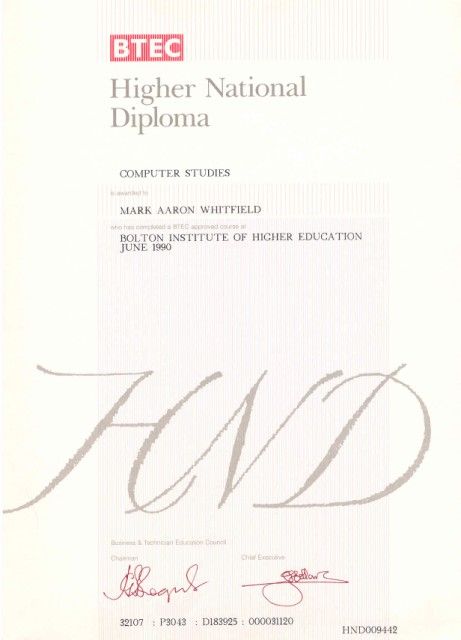
June 1990 – Higher National Diploma in Computer Studies (DISTINCTION – overall top) – BIHE
June 1990 – Higher National Diploma in Computer Studies, Distinction

Read more…