Mark Whitfield is a highly experienced, SC-cleared Senior Project Manager and IT professional with over 31 years of experience in both public and private sectors, specializing in software development, cloud migration, and IT systems delivery.
He is currently associated with Capgemini (since 2016) and runs a project management resource website, PROject Templates.
Joined Capgemini in 2016 having worked at ascending points in software development lifecycle projects for over 31 years
Key Qualifications & Experience:
Roles: Senior Project Manager, Engagement Project Manager, Delivery Manager, and former programmer.
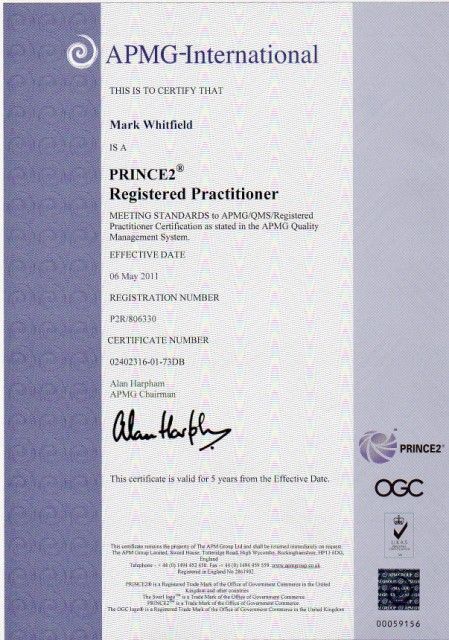
Methodologies: PRINCE2 Practitioner, skilled in both Waterfall and Agile (SCRUM) approaches.
Sector Experience: Extensive experience in finance and banking, including ATM software swap-outs, cloud migration (Azure, AWS, Power Platform), and POS monitoring systems.
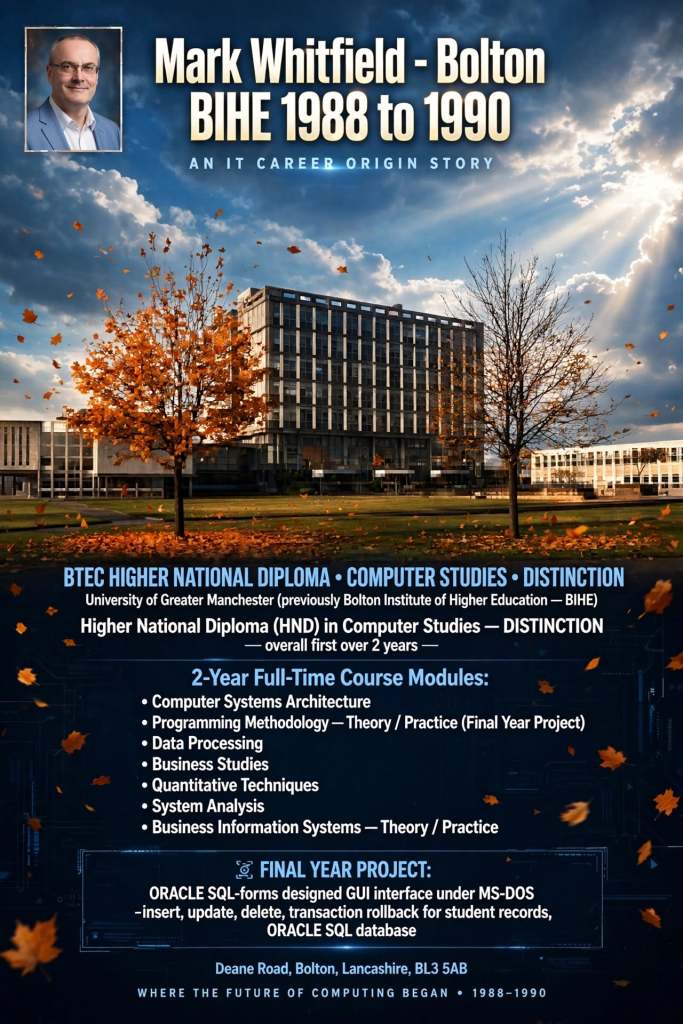
Background: Graduated in Computing in 1990; worked as a developer (COBOL, SQL, Tandem / HPE NonStop) before transitioning to project management.
PRINCE2 Practitioner, skilled in both Waterfall and Agile (SCRUM) approaches
Professional Highlights:
Delivered major projects for clients such as Barclays, Bank of England, HSBC, Royal Mail Group, UK & Welsh Government, Heathrow, and Jaguar Land Rover.
Led complex IT infrastructure projects and business transformations.
Maintains mark-whitfield.com, offering over 200 project management templates, trackers (RAID, budget, benefit, cost etc.), and many plans for Agile / Waterfall projects including 30+ Plan On a Page (POaP) and MS Project MPP examples (click on Blog above for a summary).
Provides specialized templates for PRINCE2 7th edition and MS Project (MPP).
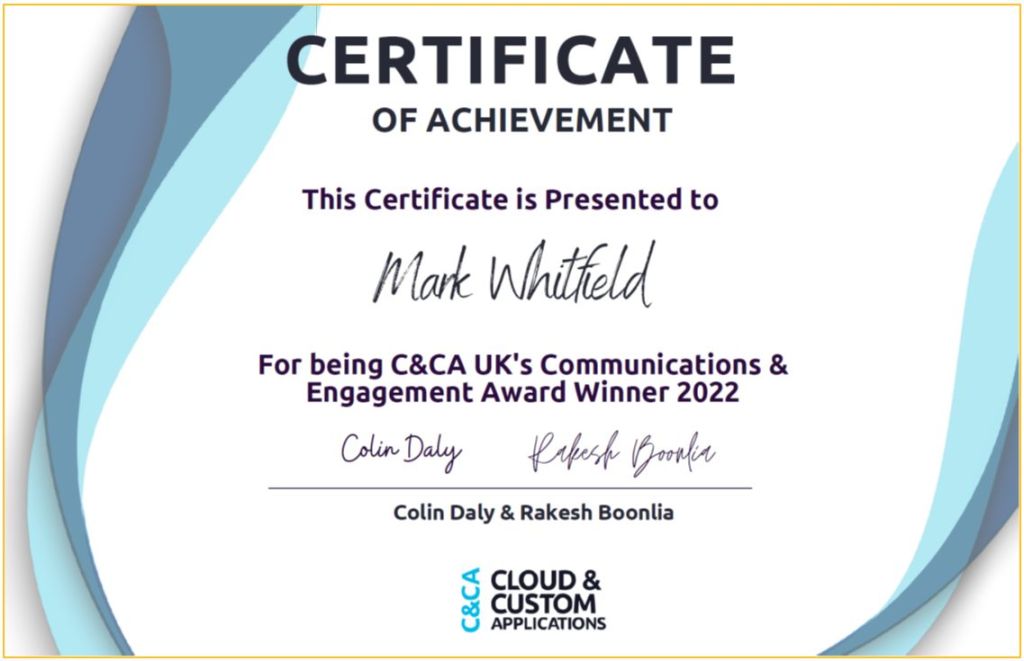
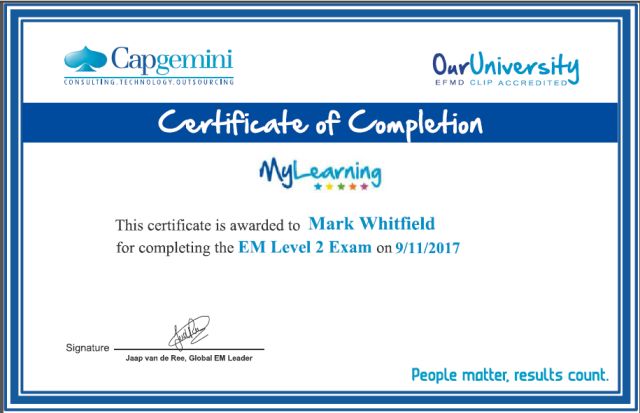
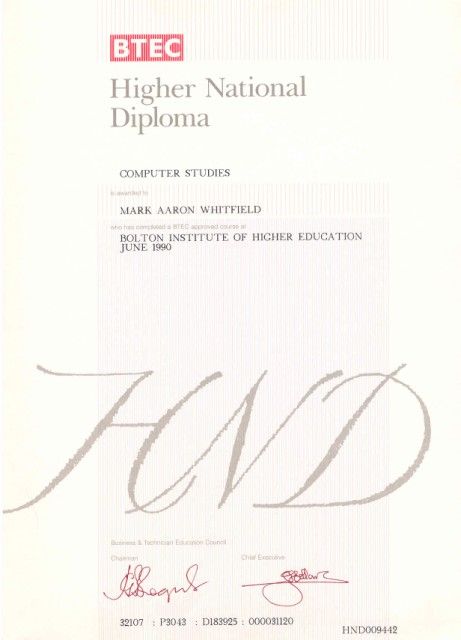
December 2022 – C&CA UK’s Communications & Engagement Award Winner – Cloud & Custom Applications – Capgemini UKNovember 2017 – Advanced Engagement Management Course – Level 2 ExamJune 1990 – Higher National Diploma in Computer Studies, Distinction
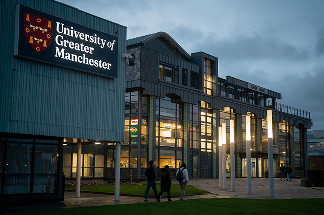
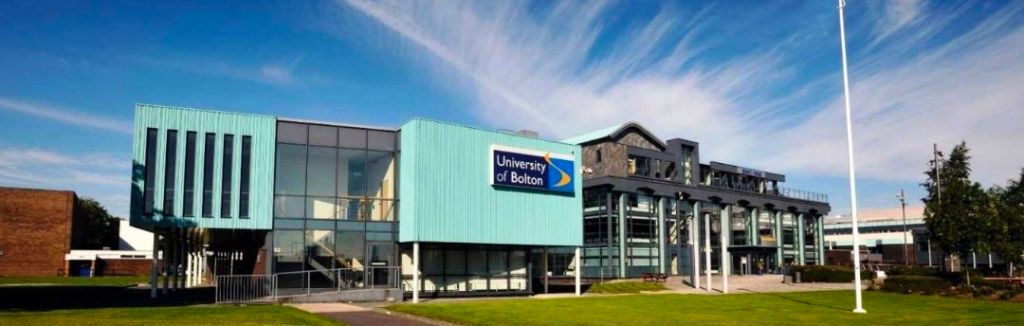
The Bolton Institute of Higher Education (BIHE), which officially existed between 1982 and 2004, is the direct predecessor to the current University of Bolton (now rebranded as the University of Greater Manchester). Its roots extend back to the early 19th century, evolving from a Technical School into a major centre for higher education.
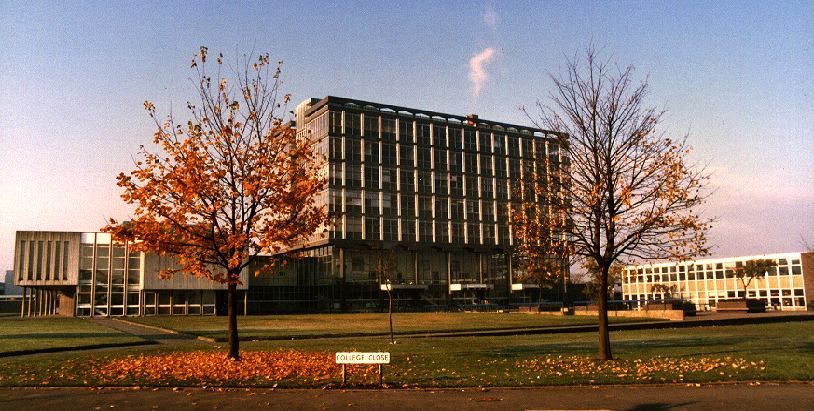
Bolton Institute of Higher Education (BIHE) before the rebuild to the university.
Formation: Established in 1982 through the merger of Bolton Institute of Technology and Bolton College of Education (Technical).
Status: A “post-92” institution that developed from a vocational technical college to a degree-awarding Higher Education body.
Key Powers: Gained taught-degree awarding powers in 1992 and research degree awarding powers in 1995/1996.
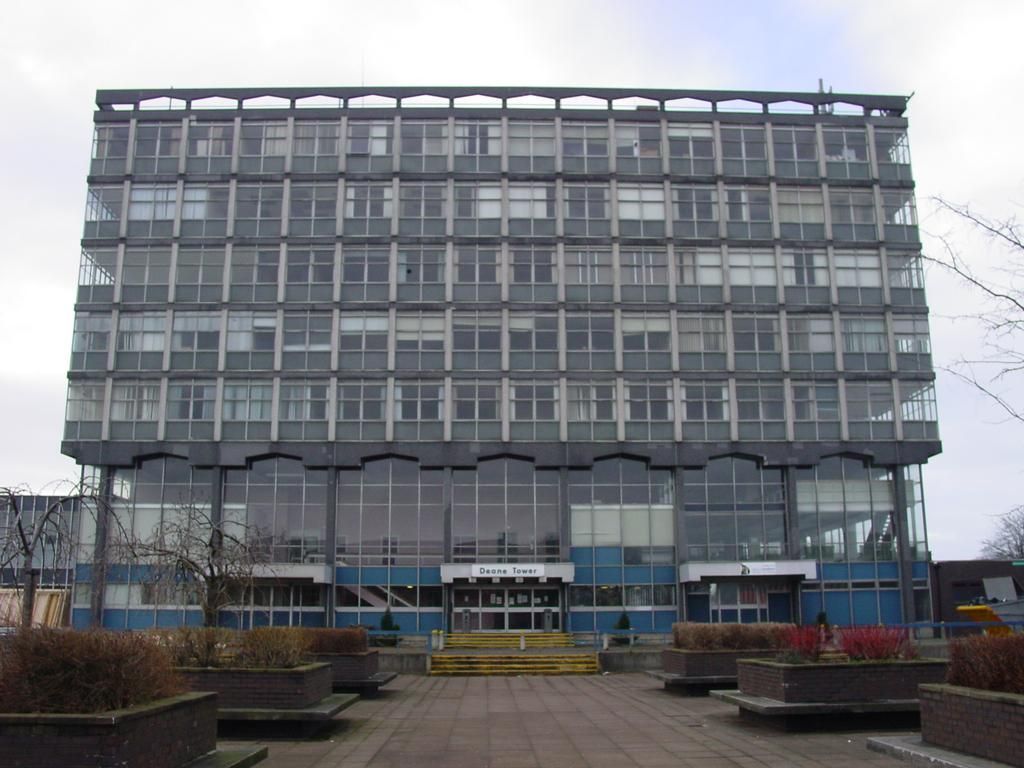
Key Locations: Based at the Deane Campus (Deane Tower completed 1970) and Chadwick Campus.
Final Evolution: Achieved university status in 2004/2005.
Detailed Historic Timeline (1824–2024)
Era 1: Foundations (Mechanics’ Institute to Technical College)
1824-1825: Bolton Mechanics’ Institute is established, marking the educational origins of the institution.
1887: A new Technical School is created with student numbers rising above 1,500.
1926: Bolton Technical School is renamed Bolton Technical College.
1941: A new building is opened for technical and engineering education.
1946: Bolton Training College is approved by the Ministry of Education.
1959: Bolton Training College settles at Chadwick Street.
Era 2: The Technical and Institute Era (1960s–1981)
1960s: Development of Bolton College of Education at Chadwick Street.
1964: Bolton Technical College and Bolton Institute of Technology (BIT) are divided into separate organisations. A.J. Jenkinson serves as principal for both in succession.
1970: Deane Tower (Deane Campus) is completed.
1971: A technology block and sports hall (later the Excel Centre) are added.
Era 3: Formation of BIHE (1982–2004)
1982:Bolton Institute of Technology and Bolton College of Education merge to form Bolton Institute of Higher Education (BIHE). John McKenzie is the first principal.
1990: The Institute gains its own taught-degree awarding powers.
1991: An £8.3 million extension project begins, including the purchase of the former Eagle Factory.
1992: Reorganisation following the Further and Higher Education Act 1992.
1995/1996: Awarded research degree awarding powers.
1998: Mollie Temple becomes the third principal, leading the drive for university status.
2004:BIHE is granted university status.
2005: The institution is officially named the University of Bolton.
Era 4: Modern Era (University of Bolton to University of Greater Manchester)
2009-2010: Rebranding and opening of the new Deane Road campus building.
2018: Bolton College merges with the University of Bolton.
2023: Application made to change the name to the University of Greater Manchester.
2024: The university begins operating as the University of Greater Manchester.
Mark Whitfield | Bolton Institute of Higher Education, BIHE | BTEC HND Computing, Distinction