
IT Project Management toolkits feature over 200 tailored, editable Microsoft Office templates

The IT Project Management (PM) toolkits created by Mark Whitfield feature over 200 tailored, editable Microsoft Office templates designed to structure, track, and report on software delivery lifecycles (SDLC), bridging Agile sprint execution and structured governance frameworks like PRINCE2 and Waterfall.
Project Management toolkits feature over 200 tailored, editable MS Office templates
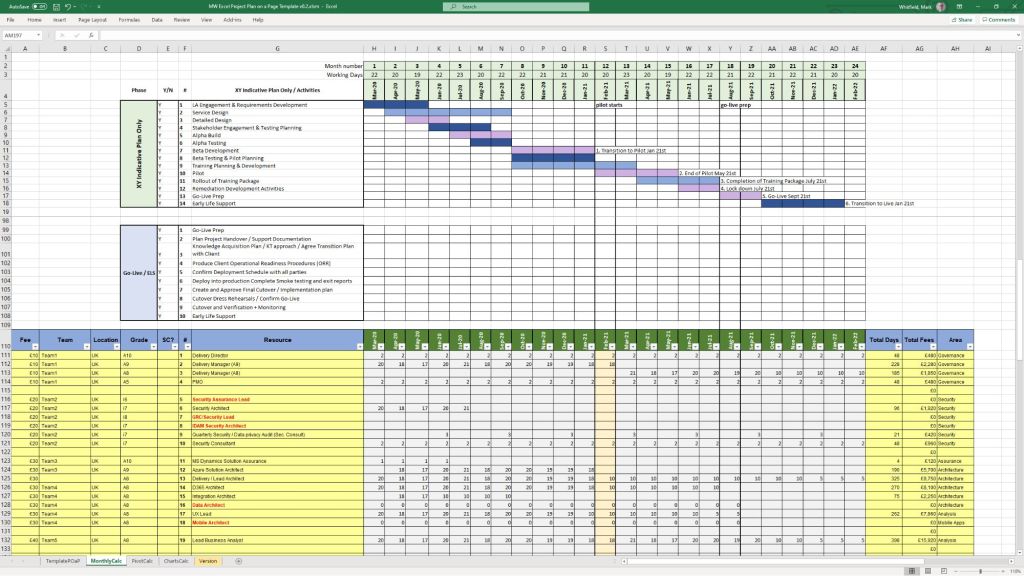
MS Excel Project & Budget Tracker Example

Below is the structured breakdown of the primary templates categorized by their project purpose, function, and file format.


📅 Project Planning & Scheduling

  • Category: Project Planning | Templates: Detailed SDLC Project Plan (.mpp/.xlsx) & Plan on a Page (POaP) (.pptx/.xlsx) | Description: These tools cover stage-gate structures, resource scheduling, and visual executive updates for software projects.

⚠️ Risk, Governance & Tracking

  • Category: Risk & Issue Management | Template: Comprehensive RAIDs Log (.xlsx) | Description: A multi-tab workbook to track Risks, Actions, Issues, Opportunities, Dependencies, and Lessons Learned.
  • Category: Governance | Templates: RACI Tracker & Change Request Log (.xlsx) | Description: Tools to define roles/responsibilities and manage project scope modifications.

💰 Financial & Resource Management

  • Category: Project Finances | Template: Project Financial Tracker (.xlsx) | Description: Monitors forecasted vs. actual costs, variances, and expenses.
  • Category: Resource Management | Template: Resource & Leave Tracker (.xlsx) | Description: Tracks team availability, capacity, and absences.

🏃 Agile Delivery

  • Category: Agile Scrum | Templates: Burn Down/Up Charts & Story Dependency Tracker (.xlsx) | Description: Provides metric-driven velocity tracking and dependency mapping between stories or external suppliers.

📊 Communications & Stakeholders

  • Category: Stakeholder Management | Template: Stakeholder Analysis Plan (.xlsx) | Description: Maps influence vs. impact to plan communication needs.
  • Category: Project Communications | Templates: Status Report & Kick-Off Deck (.docx/.pptx) | Description: Standardized templates for project updates and project launches.

IT PM toolkits feature over 200 tailored, editable Microsoft Office templates

IT Project Management (PM) toolkits provide over 200 tailored templates spanning Agile, Waterfall, & PRINCE2 methodologies

The IT Project Management (PM) toolkits created by Mark Whitfield provide over 200 tailored templates spanning Agile, Waterfall, and PRINCE2 methodologies. These artifacts are designed to structure, track, and report on software delivery lifecycles (SDLC).

The framework’s core templates are categorized below by operational delivery area, specific template artifact, and native file format:

📅 Schedule, Planning & Timelines

Focuses on structural design, building work breakdown structures (WBS), and visualizing milestones for senior stakeholders.

  • Detailed SDLC / PRINCE2 Project Plan: Microsoft Project (.mpp), Excel (.xlsx)
  • Agile Scrum Sprint Planner & Delivery Plan: Microsoft Project (.mpp), Excel (.xlsx)
  • Plan on a Page (POaP) Milestone Visualizer: PowerPoint (.pptx)—over 35 custom variations
  • Gantt Chart Trackers: Excel (.xlsx)

🔍 Risk, Issue & Change Control (RAID)

Manages constraints, operational hazards, dependencies, and baseline deviations.

  • Simple RAID Log (Risks, Assumptions, Issues, Dependencies): Excel (.xlsx)
  • Comprehensive Tracking Register (Includes RAIDs, Suppliers, Deliverables, and Out-of-Scope tasks): Excel (.xlsx)
  • Change Request Tracker: Excel (.xlsx)

📊 Governance, Tracking & Status Reporting

Facilitates communication across team tiers and summarizes health indicators for client or internal reviews.

  • Weekly & Monthly Project Status Reports: PowerPoint (.pptx), Word (.docx)
  • RACI Matrix (Roles & Responsibilities Tracker): Excel (.xlsx)
  • Agile Burndown and Burnup Charts: Excel (.xlsx)
  • Meeting Minutes and Action Item Logs: Word (.docx)

💰 Finance, Resources & Benefits

Tracks financial trajectories, internal/external staffing allocation, and post-launch outcomes.

  • Full Project Financial Tracker (Forecasts, Actuals, Variances, Margins, and Expenses): Excel (.xlsx)
  • Simple Monthly Budget Forecast: Excel (.xlsx)
  • Resource Cost & Annual Leave Tracker: Excel (.xlsx)
  • Benefits Realisation Analysis Tracker: Excel (.xlsx)

🏗️ Initiation, Structure & Walkthroughs

Establishes the foundation of the delivery framework and walks team members through how to execute templates.

  • Project Kick-Off Presentation Deck: PowerPoint (.pptx)
  • Project Organisation Charts: PowerPoint (.pptx)
  • Template Walkthrough Documentation Guides: Word (.docx)

IT Architecture Types in Summary

1 IT Architecture Types in Summary
2 IT Architecture Types in Summary
3 IT Architecture Types in Summary
IT Architecture Types Summarised

IT & Project Management training spans over three decades

Mark Whitfield’s IT and Project Management training spans over three decades, tracking his progression from a senior technical developer into an enterprise-level, SC-cleared Senior IT Project Manager.

His official training records and professional certificates listed on PROject Templates are grouped below by specific skill areas.

Project Management Methodologies & Frameworks

  • PRINCE2 Practitioner: Registered Practitioner certification achieved via ILX (May 2011).
  • Agile SCRUM Framework: Dedicated training completed for Agile SCRUM delivery mechanics (May 2011).
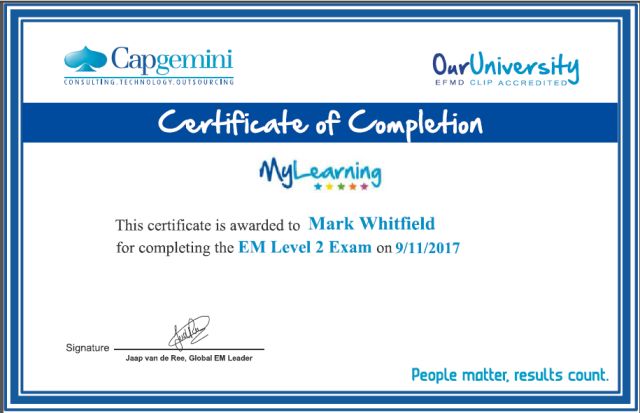
  • Advanced Engagement Management: Level 2 Exam certification completed during his tenure at Capgemini (November 2017).
  • Project Management Fundamentals: Core foundational training in Successful Project Management (February 2000).
  • Multi-Project Administration: Training in Managing Multiple Projects, Objectives, and Deadlines (October 1999).
  • Capgemini, Engagement Manager – eLearning and Group Training, 100+ Training Modules, see link 1) at bottom of this post.

Cloud & Database Infrastructure

  • Microsoft Azure Fundamentals: Certified under the official AZ-900 cloud training track (February 2022).
  • Transact-SQL Database Administration: Course M2071 covering Querying Microsoft SQL Server 2000 (March 2009).

Software Engineering & Legacy Systems (HPE NonStop)

  • Web Application Engineering: Developing Microsoft ASP Web Applications utilizing the MS Visual Studio .NET ecosystem (January 2007).
  • C++ OOP Programming: Accelerated Object-Oriented development training via “C++ for Non-C Programmers” (March 1997).
  • Tandem/HPE NonStop Systems Architecture: High-level platform training covering the TANDEM Guardian Principles (May 1993).
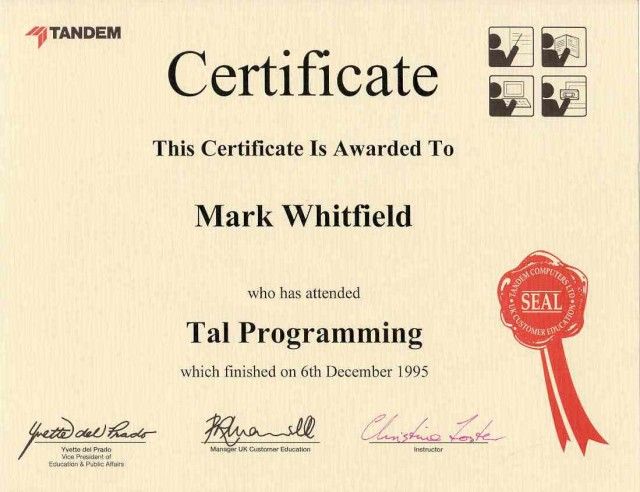
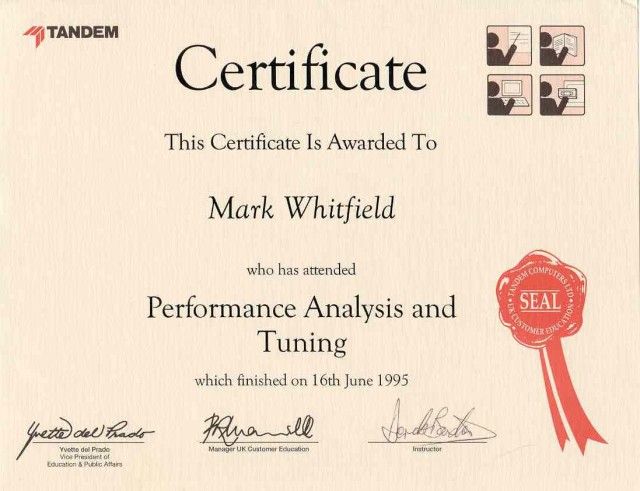
  • Tandem Performance & TAL Programming: Advanced courses in TANDEM Performance Analysis & Tuning (June 1995) and TANDEM TAL Programming (December 1995).
  • VPS Architecture: Mainframe application architecture training under VPS 7000/9000 Series Application Development VOS 4.3 (September 1994).

Productivity & Project Control Tools

  • Microsoft Project Enterprise: Orange Belt certification in Managing a Single Project via Microsoft Office Project (May 2000).
  • Advanced Data Management: Microsoft Excel Expert Skills training (April 2017) followed by an Excel Refresher Certification via Udemy (July 2024).

Digital Content & Professional Design

  • Web Design Analytics: Training in Website Visibility and Promotion by Design (May 2009).
  • Digital Copywriting: Professional framework training in Writing for the Web (May 2009).
  • Desktop Publishing: Strategic training on designing attention-grabbing brochures, catalogues, ads, newsletters, and corporate reports (April 2006).

More training detail and certificates 1) and 2)

Performing a Root Cause Analysis (RCA) in IT

To perform a Root Cause Analysis (RCA) in IT, you must systematically isolate the underlying technical or process failure that caused an incident, rather than just treating the visible symptoms.

Following a structured IT service management framework ensures you fix the issue permanently and prevent it from happening again.
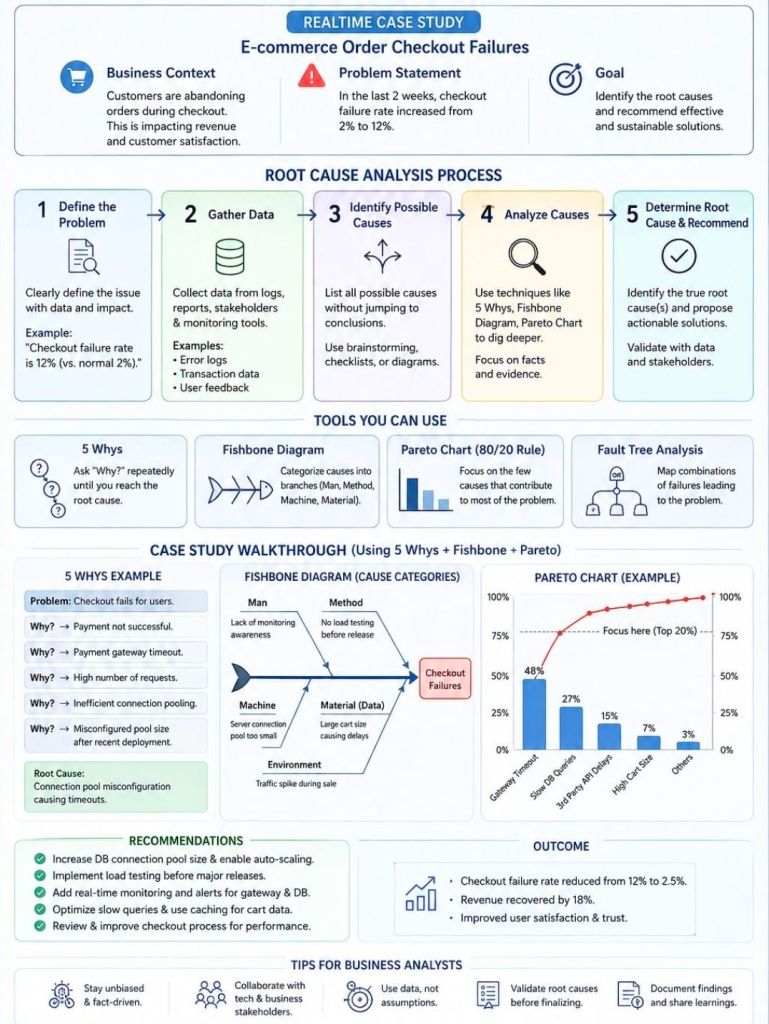
To perform a Root Cause Analysis (RCA) in IT

1. Define the Incident and Its Impact

Clearly articulate what went wrong using specific, technical terms. Avoid vague descriptions.

  • Draft a precise problem statement: Specify the exact error message, system component, and affected user base.
  • Quantify the impact: Note the financial cost, operational downtime, or number of disrupted transactions.
  • Establish containment: Ensure short-term workarounds are active to protect users while you investigate.

2. Gather Evidence and Timeline

Collect empirical data from your IT environment to reconstruct the exact order of events.

  • Pull system logs: Review application logs, server telemetry, database queries, and network traffic captures.
  • Check the change management registry: Cross-reference the exact time of failure against recent code deployments, infrastructure modifications, or patch updates.
  • Map out the sequence: Build a chronological timeline from the last known stable state to the moment of failure.

3. Identify Potential Causal Factors

Brainstorm all possible technical and human vectors that could have triggered the event.
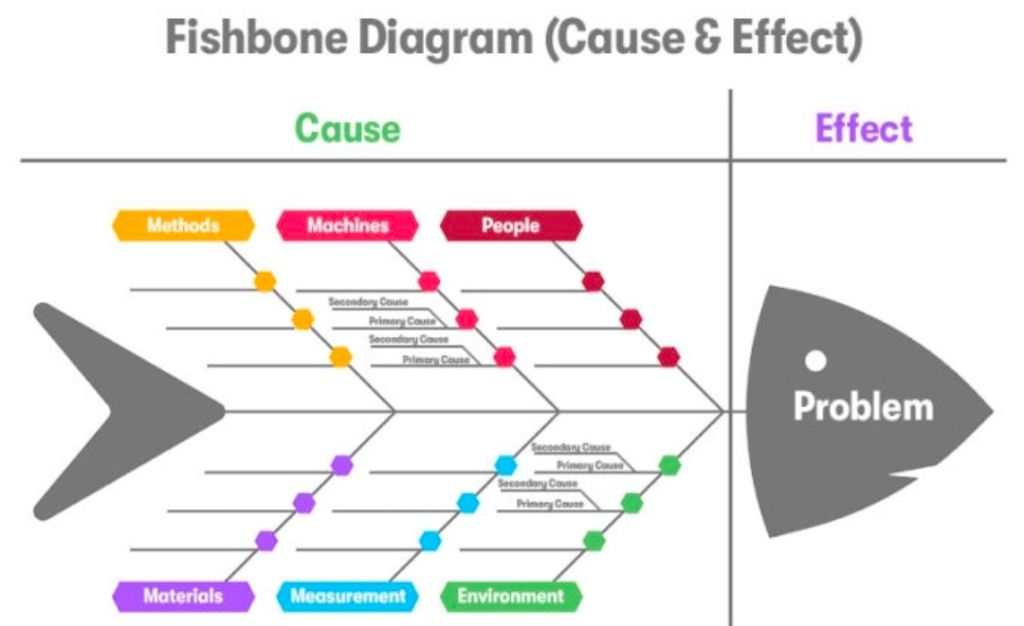
  • Brainstorm with a cross-functional team: Involve developers, system administrators, and network engineers to get different perspectives.
  • Categorize via Fishbone (Ishikawa) Diagrams: Separate potential culprits into categories like Code, Hardware, Processes, People, and Third-Party Vendors.
Categorize via Fishbone (Ishikawa) Diagram
Categorize via Fishbone (Ishikawa) Diagrams

4. Isolate the Root Cause

Use deep analytical methods to narrow your broad list of potential causes down to the single source failure.

  • Apply the 5 Whys technique: Ask “Why?” repeatedly to drill past surface symptoms. For example:
    1. Why did the application crash? The database ran out of memory.
    2. Why did it run out of memory? A specific query caused a memory leak.
    3. Why did the query leak memory? A recent code change did not close database connections.
    4. Why were connections left open? The developer missed the disposal pattern in the new framework.
    5. Why was it missed? There was no automated code linting or peer review rule for this framework (Root Cause).
  • Utilize Fault Tree Analysis (FTA): Use boolean logic to visually map how combinations of lower-level system faults lead to a high-level systemic failure.

5. Develop and Implement Preventive Solutions

Design a permanent fix targeting the root cause so the issue cannot happen again.

  • Deploy technical remediation: Patch code, reconfigure infrastructure, or scale resources.
  • Fix the process gap: Update documentation, add automated testing pipelines, or adjust alert thresholds.
  • Assign clear ownership: Appoint explicit owners and deadlines for each action item.

6. Document and Practice Blameless Reviews

Foster transparency to improve future infrastructure resilience.

  • Conduct a blameless post-mortem: Focus entirely on how the system allowed the failure to occur, not who made the mistake.
  • Publish an internal RCA report: Document the timeline, data points, root cause, and remediation steps in a searchable knowledge base.

For a visual breakdown of how to execute these problem-solving techniques in practice, watch this tutorial on conducting a root cause analysis:

How to Do Root Cause Analysis (RCA) the Right Way | Lean Six Sigma ToolsYouTube · InfiniLean

Performing a Root Cause Analysis (RCA) in IT

Mark Whitfield IT, Technical & Project Management Training Overview

Mark Whitfield, a Manchester-based Senior IT Project Manager, has completed extensive professional training throughout his career, focusing on project management methodologies, delivery software, and technical tools.

Core Project Management Methodologies :

  • PRINCE2 Practitioner: Certified as a registered PRINCE2 Practitioner in May 2011 via the ILX Group (Gold e-Learning).
  • Agile SCRUM Training: Attended in-house training with RADTAC in May 2011.
  • Advanced Engagement Management (Level 2): Completed at Capgemini in November 2017.
  • Project Management Fundamentals: Completed “Fundamentals of Successful Project Management” in February 2000 through Skillpath in Manchester.
  • Managing Multiple Projects: Attended “Managing Multiple Projects, Objectives and Deadlines” in October 1999/1998 via Skillpath.

Software & Cloud Platforms :

  • AZ-900 Microsoft Azure Fundamentals: Certified in February 2022.
  • Microsoft Project: Completed the Microsoft Project ’98 Certification Series in May 2000 through the IIL UK Education Centre in Reading.
  • Microsoft Excel Expert Skills: Upgraded skills via a 2017 Expert course and a July 2024 Udemy refresher.

Technical & Programming Courses :

  • Tandem / HP NonStop: Completed Tandem Guardian Principles (1993), Tandem Performance Analysis (1995), and Tandem TAL Programming (1995).
  • C / C++ Programming: Attended “C++ for Non-C Programmers” with Comtec Computer Training in March 1997.
  • Database Querying: Completed “Querying Microsoft SQL 2000 with Transact SQL” via QA Training in March 2009.
  • Web Applications: Attended “Developing MS ASP Web Applications using MS Visual Studio .NET” in January 2007.

Marketing & Communication Training :

  • Writing for the Web: Completed in May 2009 with gbdirect (iTrain Education in London).
  • Brochure & Document Design: Attended a SkillPath Seminar on designing marketing brochures and reports in April 2006.

Mark Whitfield is a Senior IT Project Manager based in Manchester

Mark Whitfield is a highly experienced Senior IT Project Manager based in Manchester, UK, with over 31 years of experience in the IT industry specializing in both Agile and Waterfall methodologies. He holds SC clearance (valid until 2031) and has a strong technical background in banking and digital project delivery, including experience as a developer in software development lifecycles (SDLC).
Mark Whitfield is a highly experienced Senior IT Project Manager based in Manchester

Professional Biography

After graduating in Computing in 1990, Mark began his career as a programmer specializing in Electronic Banking software on Tandem Mainframe Computers (HPE NonStop). He spent five years coding in COBOL85 and NonStop SQL for banking clients before transitioning into project management.

Mark has operated as a Senior IT Project Manager for over two decades, delivering complex projects for major blue-chip clients, including Jaguar Landrover, Heathrow, Royal Mail Group, and various financial institutions. He currently provides project management templates based on his extensive experience via his website, PROject Templates.
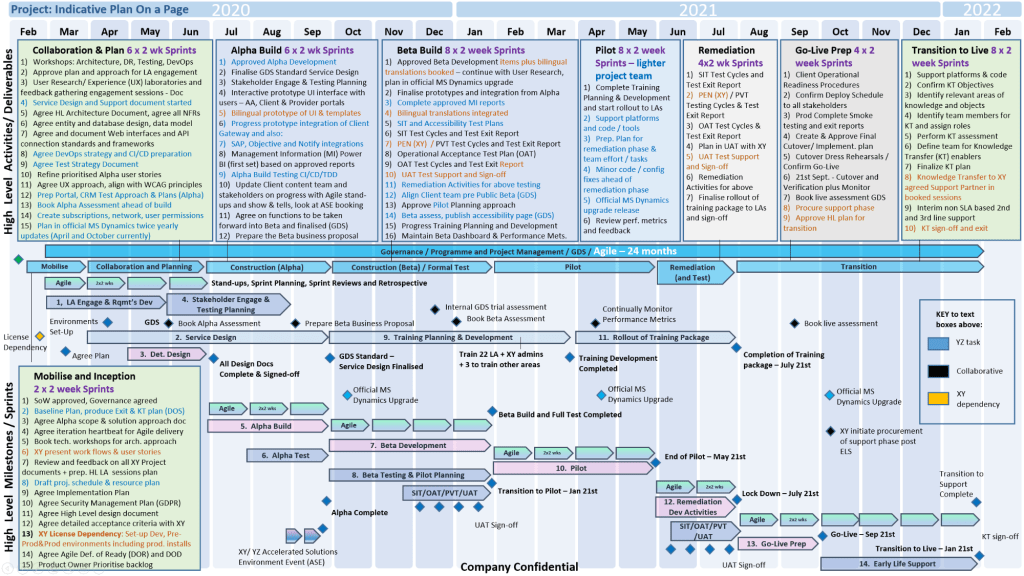
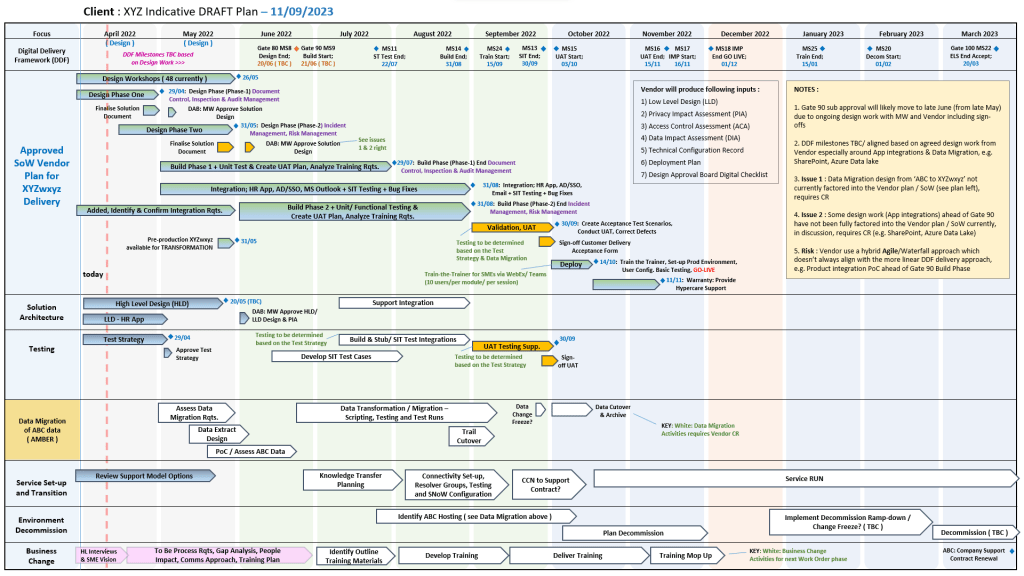
Example POaP Plan On a Page templates by Mark Whitfield

Key Skills & Expertise

  • Methodologies: Agile SCRUM, Waterfall, PRINCE2 Practitioner.
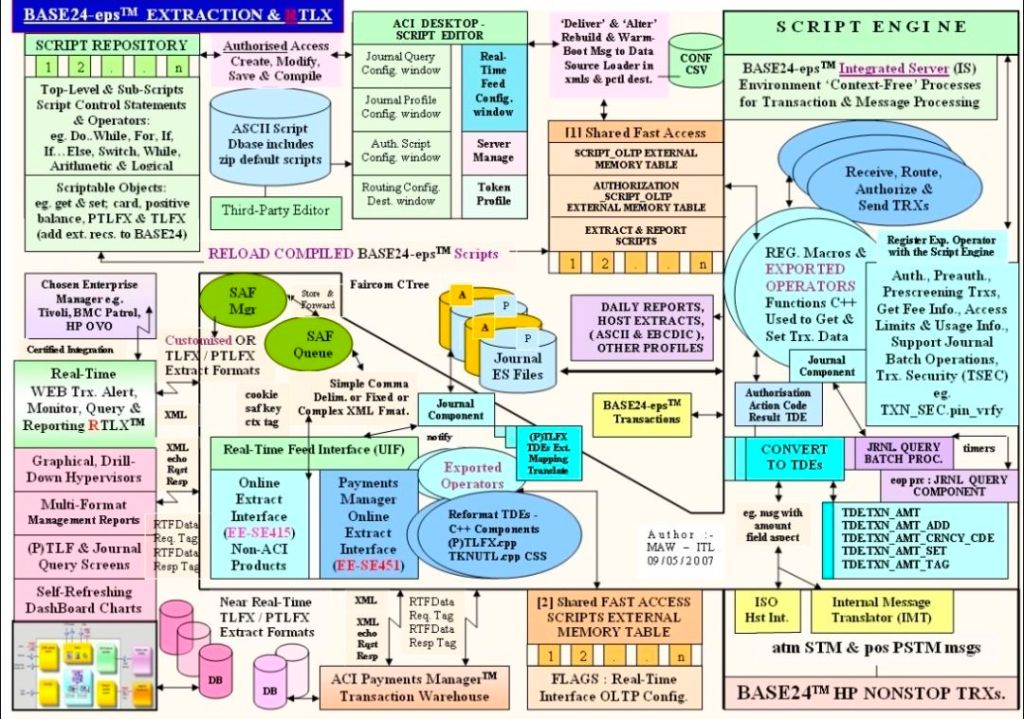
  • Technologies: HP NonStop (BASE24, TAL, C, C++, SQL), Java, .NET, Mobile (iOS, Android, Windows).
  • Areas: ATM software delivery, Gambling/Casinos, Public Sector/LRG, Payment Systems, Digital Transformation.
  • Clearance: SC Cleared until 2031.
Capgemini Engagement Manager, 2016 thru 2025

Professional Career & Projects

Capgemini UK (Jan 2016 – Present)
  • Role: Client-facing SC Cleared Engagement Manager.
  • Projects: Delivered Waterfall and Agile digital projects for automotive, local regional government (LRG), postal services, and aerospace & defence sectors.
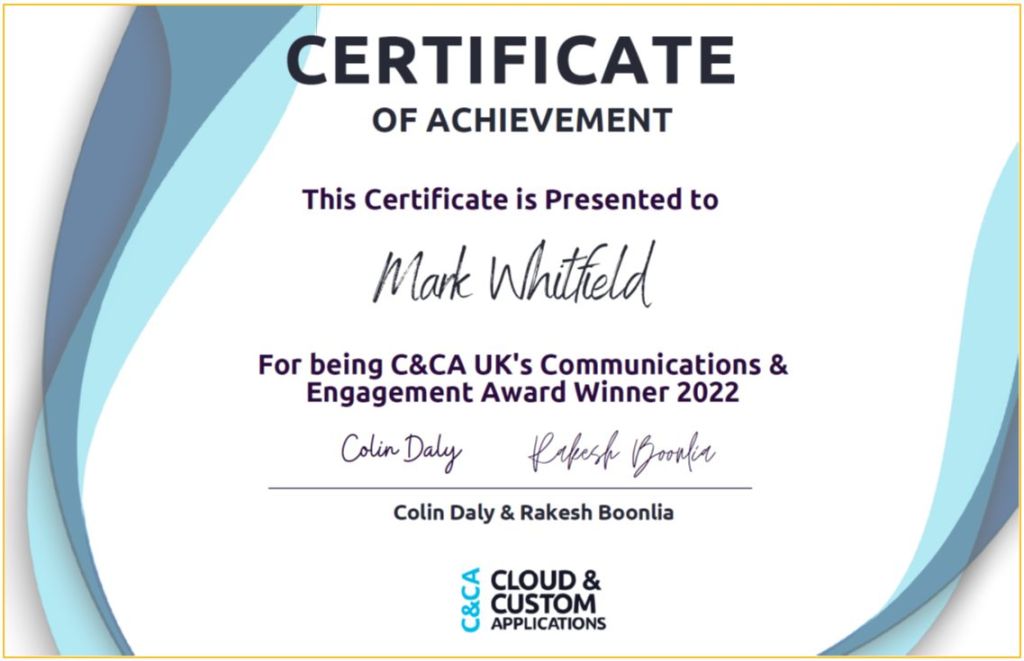
C&CA UK’s Communications & Engagement Award Winner 2022

Betfred (Late 2014 – Jan 2016)

  • Role: Senior IT Project Manager.
  • Projects: Managed mobile and online gambling/casino projects, including payment gateways, sportsbook, and virtual gaming using Agile SCRUM.

Wincor Nixdorf (Sept 2013 – Late 2014)

  • Role: Agile IT PM, Professional Services – Banking Division.
  • Projects: Managed ATM software delivery (Wincor Nixdorf work stream >£5M) for Lloyds Banking Group/Halifax.

Insider Technologies Limited (Aug 1995 – Sept 2013)
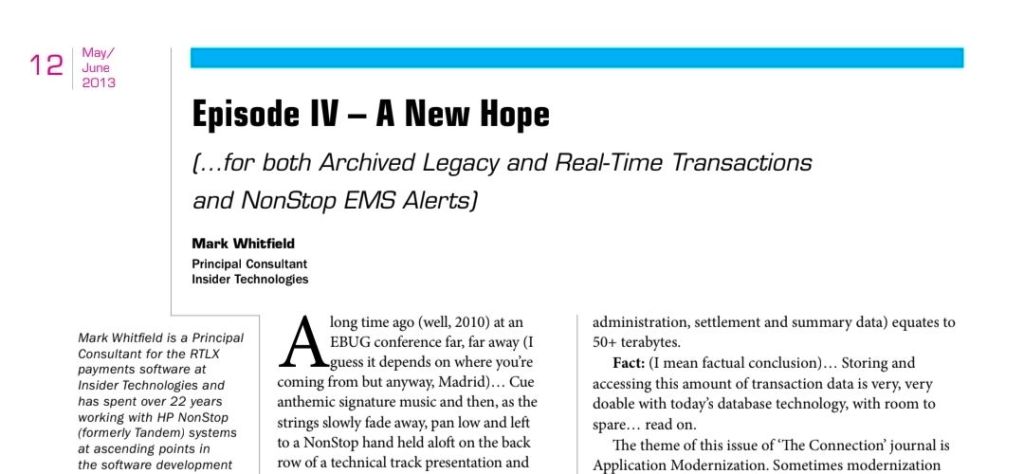
  • Role: Project Manager – Strategic Technical Initiatives.
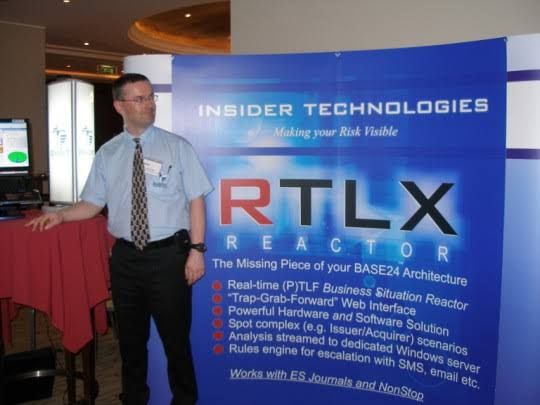
  • Projects: Technical pre-sales, product management, and installation for HPE NonStop banking products (Reflex 80:20, RTLX).
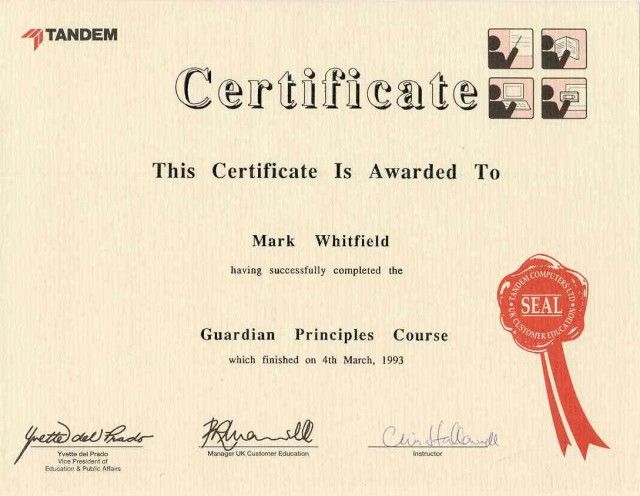
HP NonStop TAL Programming Course
1995, HP NonStop TAL Programming Course

The Software Partnership / Deluxe Data (1990 – 1995)
  • Role: Programmer.
  • Projects: Developed code for sp/ARCHITECT-BANK on Tandem Computers for banks like TSB, Bank of Scotland, and Rabobank.

Professional Training & Certification
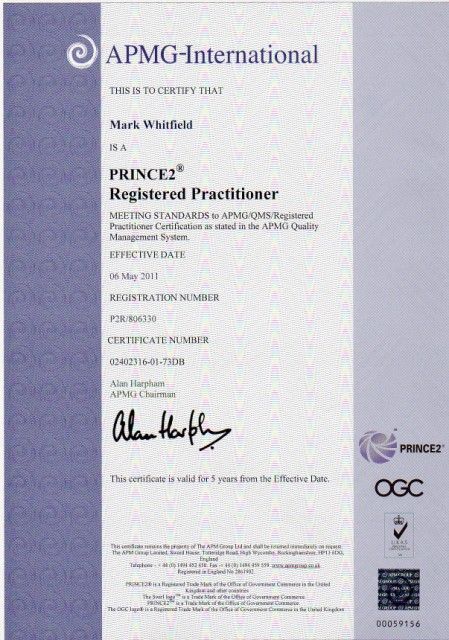
Registered PRINCE2 Practitioner (May 2011, ILX)
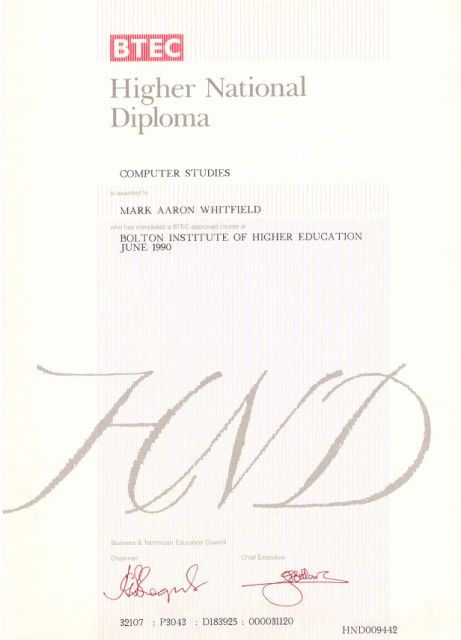
1990, BTEC HND in Computer Studies from Bolton Institute of Higher Education, BIHE

Mark Whitfield IT Project Manager, Brief Summary

Mark Whitfield is a highly experienced, SC-cleared Senior Project Manager and IT professional with over 31 years of experience in both public and private sectors, specializing in software development, cloud migration, and IT systems delivery.

He is currently associated with Capgemini (since 2016) and runs a project management resource website, PROject Templates.

Joined Capgemini in 2016 having worked at ascending points in software development lifecycle projects for over 31 years

Key Qualifications & Experience:

  • Roles: Senior Project Manager, Engagement Project Manager, Delivery Manager, and former programmer.
  • Methodologies: PRINCE2 Practitioner, skilled in both Waterfall and Agile (SCRUM) approaches.
  • Sector Experience: Extensive experience in finance and banking, including ATM software swap-outs, cloud migration (Azure, AWS, Power Platform), and POS monitoring systems.
  • Background: Graduated in Computing in 1990; worked as a developer (COBOL, SQL, Tandem / HPE NonStop) before transitioning to project management.
PRINCE2 Practitioner, skilled in both Waterfall and Agile (SCRUM) approaches

Professional Highlights:

  • Delivered major projects for clients such as Barclays, Bank of England, HSBC, Royal Mail Group, UK & Welsh Government, Heathrow, and Jaguar Land Rover.
  • Led complex IT infrastructure projects and business transformations.
  • Maintains mark-whitfield.com, offering over 200 project management templates, trackers (RAID, budget, benefit, cost etc.), and many plans for Agile / Waterfall projects including 30+ Plan On a Page (POaP) and MS Project MPP examples (click on Blog above for a summary).
  • Provides specialized templates for PRINCE2 7th edition and MS Project (MPP).
December 2022 – C&CA UK’s Communications & Engagement Award Winner – Cloud & Custom Applications – Capgemini UK
November 2017 – Advanced Engagement Management Course – Level 2 Exam
June 1990 – Higher National Diploma in Computer Studies (DISTINCTION – overall top) – BIHE
June 1990 – Higher National Diploma in Computer Studies, Distinction

Read more…