HND Higher National Diploma Overview and Historical Timeline by Year

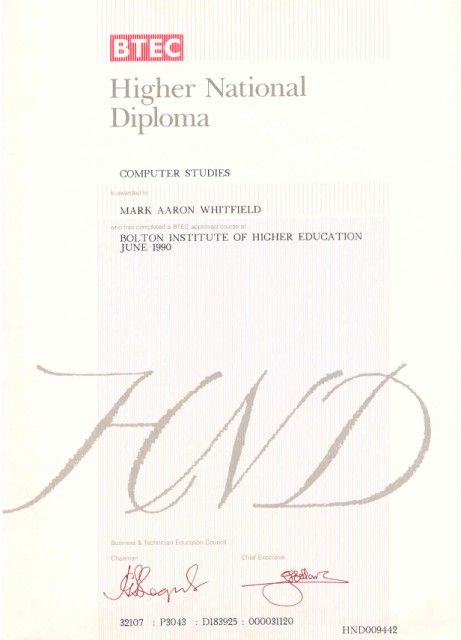
Higher National Diploma (HND) is a Level 5 vocational qualification in the UK, equivalent to the first two years of a university bachelor’s degree. Designed to provide industry-specific practical skills, it typically takes two years of full-time study or three to four years part-time. 

Higher National Diploma HND in Computer Studies (3)

Historical Timeline of the HND

The HND has evolved from a niche engineering credential into a globally recognised vocational standard. 

The Early Era: Origins and Industrial Focus (1920s–1950s)

  • 1920: The Higher National Diploma was first introduced in England and Wales alongside the Ordinary National Diploma (OND) and Higher National Certificate (HNC).
  • 1921–1923: Initial subject frameworks were established, starting with Mechanical Engineering (1921) and Electrical Engineering (1923).
  • 1930s: The qualification expanded into Building (1929) and Commerce (1939) to support a growing industrial economy.
  • Post-WWII: The 1944 Butler Act reorganised secondary education, but HNDs remained the primary route for advanced technical training in colleges. 

The Expansion Era: Growth and New Governance (1960s–1970s)

  • 1960s: HNDs gained prominence in polytechnics, addressing critical skills gaps through a practical approach to higher education.
  • 1968–1969: Awards for HNDs saw a massive 665% increase compared to a decade prior, beginning to rival university “ordinary degrees” in popularity.
  • 1972–1974: Under Margaret Thatcher (then Education Secretary), the Haselgrave Report recommendations led to moving qualifications from the City and Guilds to two new bodies: the Business Education Council (BEC) and the Technician Education Council (TEC)

The BTEC and Modernisation Era (1980s–2000s)

  • 1983: BEC and TEC merged to form the Business and Technician Education Council (BTEC), which became the primary awarding body for HNDs.
  • 1990s: BTEC merged with the University of London Examinations Board to form Edexcel (now part of Pearson).
  • 1980s–90s: The curriculum diversified rapidly into modern sectors such as computing, business, catering, and performing arts.
  • 2000s: Global expansion accelerated; for instance, the HND was formally introduced in Cameroon in 2002
Higher National Diploma HND in Computer Studies (1)

The Contemporary Era: Frameworks and Global Standard (2010s–Present)

  • 2013–2014: Despite a decline in public sector colleges due to the rise of Foundation Degrees, HND student numbers at private providers grew from 13,000 to 30,000 in just one year.
  • 2018: Major global curriculum updates were implemented to integrate digital literacy, sustainability, and entrepreneurship into traditional vocational subjects.
  • 2020s: Current HNDs are positioned at Level 5 on the Regulated Qualifications Framework (RQF) and are delivered in over 60 countries. 

Key Characteristics of the HND

  • Academic Standing: Equivalent to Level 5 (Year 2 of a Degree).
  • Progression: Over 95% of UK universities allow HND graduates to “top up” to a full bachelor’s degree, often entering directly into the final year.
  • Assessment: Focuses on practical projects, case studies, and work placements rather than just theoretical exams. 

HND Higher National Diploma Overview and Historical Timeline by Year

Higher National Diploma HND in Computer Studies (2)

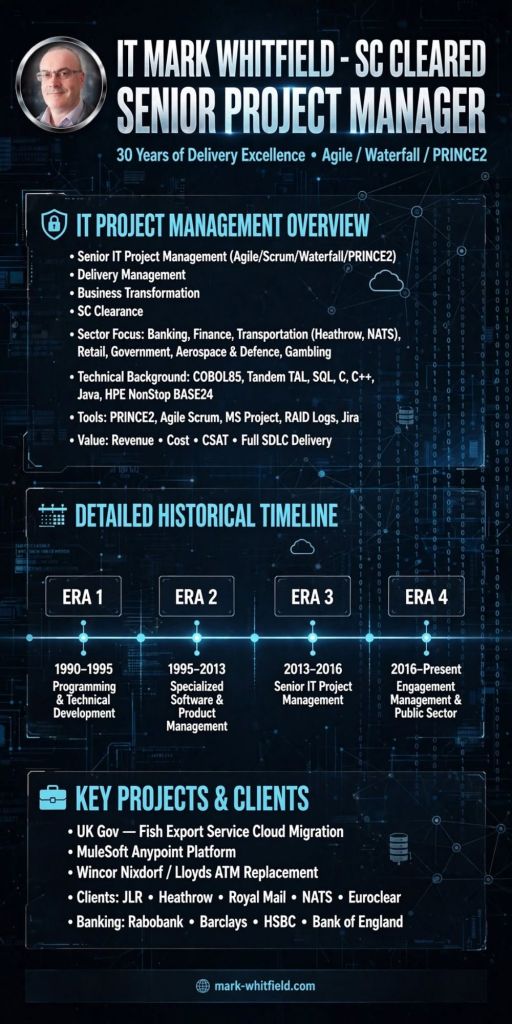
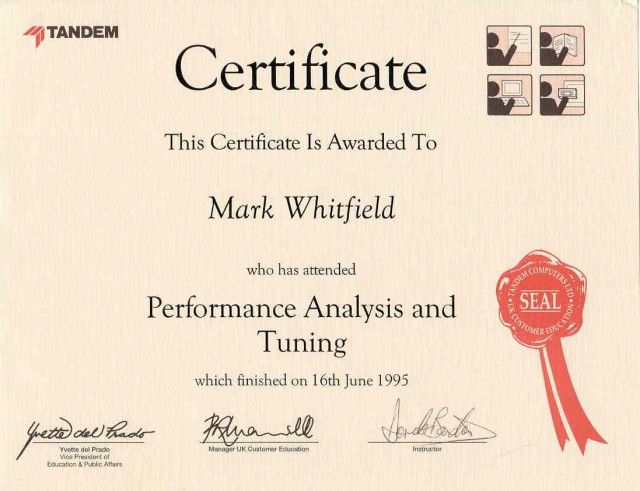
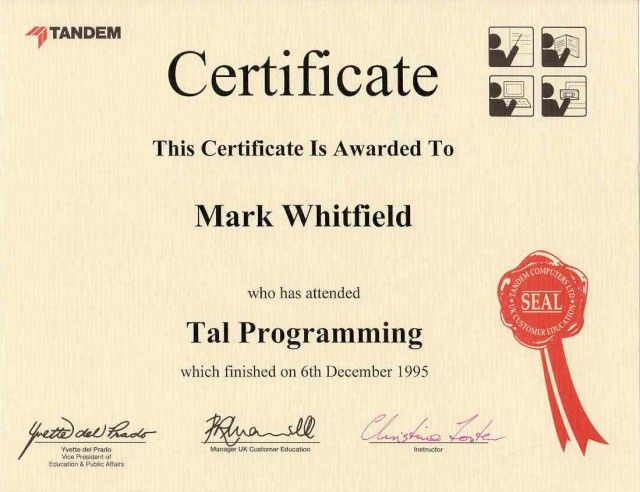
Mark Whitfield HP NonStop Tandem experience & Project Management Templates

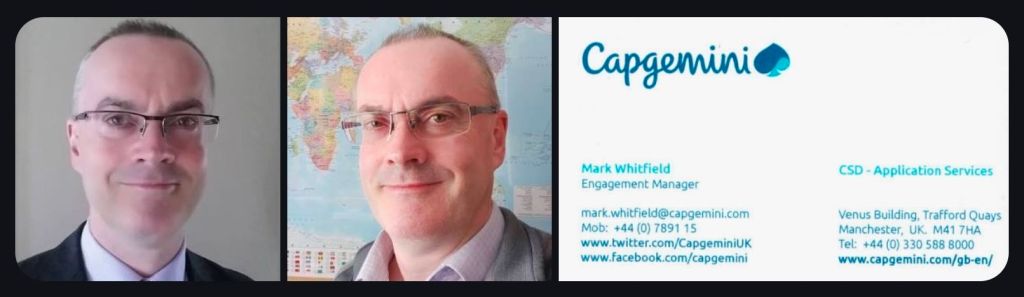
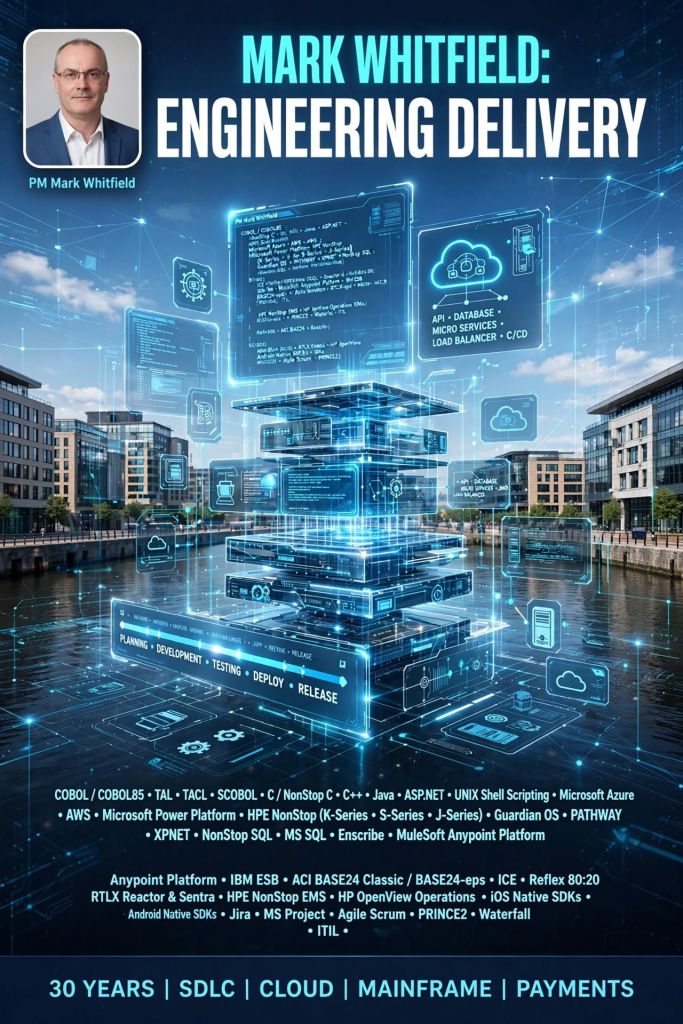
Mark Whitfield is an experienced IT Project Manager and software developer who has spent over 22 years specialising in HP NonStop (formerly Tandem) systems. He is currently an Engagement Project Manager at Capgemini

Career & Expertise

Whitfield’s career in HP NonStop began in 1990 and includes significant technical and leadership roles across the financial and technology sectors: 

  • Software Development: Early in his career, he worked as a programmer for The Software Partnership (later Deluxe Data/FIS), focusing on electronic banking software like sp/ARCHITECT on Tandem mainframes.
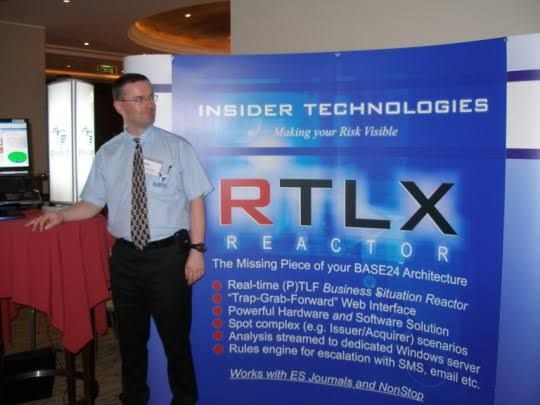
  • Insider Technologies (1995–2013): He spent 18 years at Insider Technologies as a Senior Development Engineer and Project Manager. His work involved:
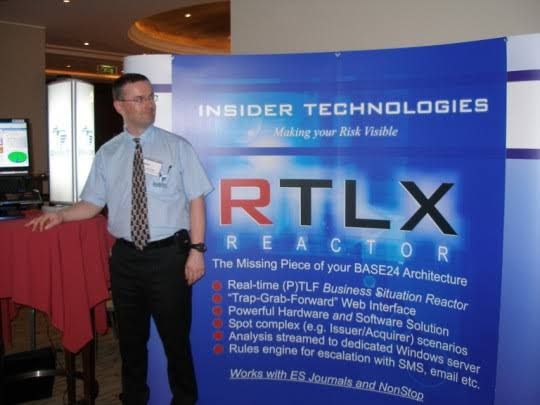
    • Developing monitoring and diagnostic software such as Reflex 80:20Reflex ONE24, and RTLX (Real-Time Log Extraction) for payment systems.
    • Managing the first HP OpenView Operations Smart Plug-In certification for the NonStop platform.
    • Designing XPERT24, a performance tracking product for ACI’s XPNET layer.
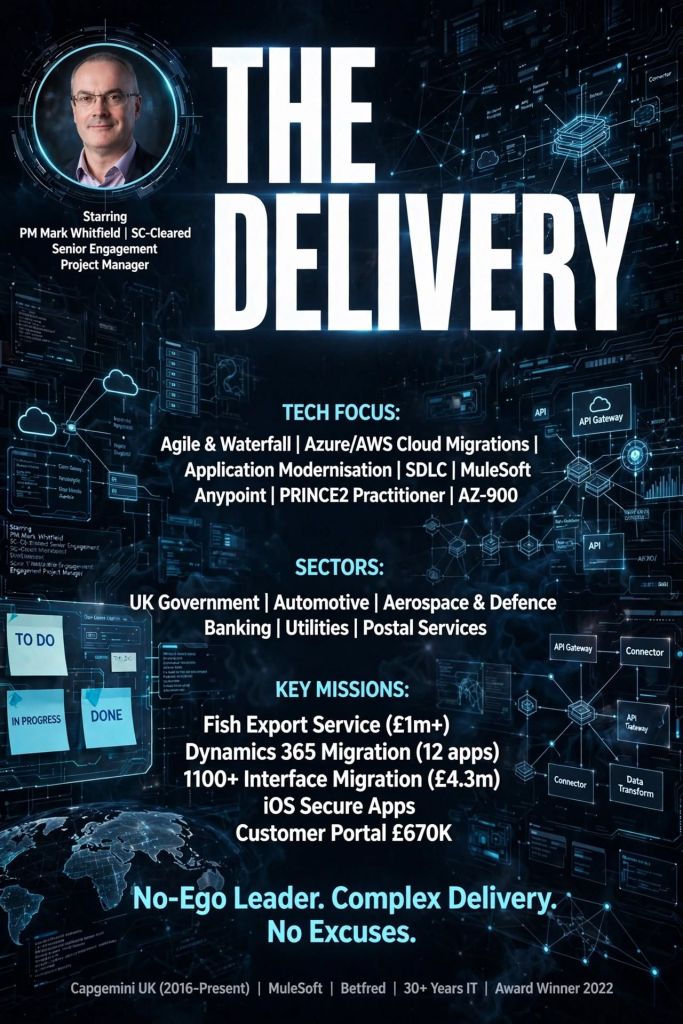
  • Capgemini (2016–Present): As an Engagement Project Manager, he has led digital projects for major clients in the automotive, government, and aerospace sectors, including a cloud migration for UK Government applications. 

Technical Contributions

  • Publications: He has authored articles for globally published journals like The Connection (2013), discussing topics such as querying terabytes of legacy transaction log data from NonStop mainframes.
  • Project History: He has managed high-value projects, including a £5 million initiative to migrate legacy HP NonStop software to AIX-based technologies for a large UK retail bank.
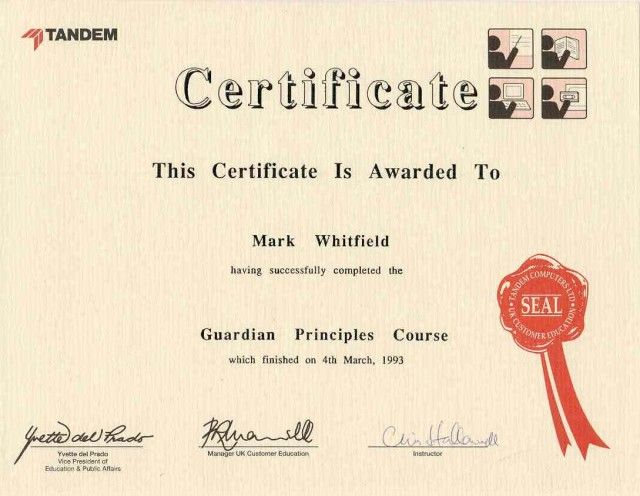
  • Training: He is trained in various NonStop-specific technologies, including TAL (Transaction Application Language), COBOL85PATHWAY, and NonStop SQL

Whitfield also maintains a professional website, mark-whitfield.com, where he provides project management templates and resources related to HP NonStop and Tandem systems. 

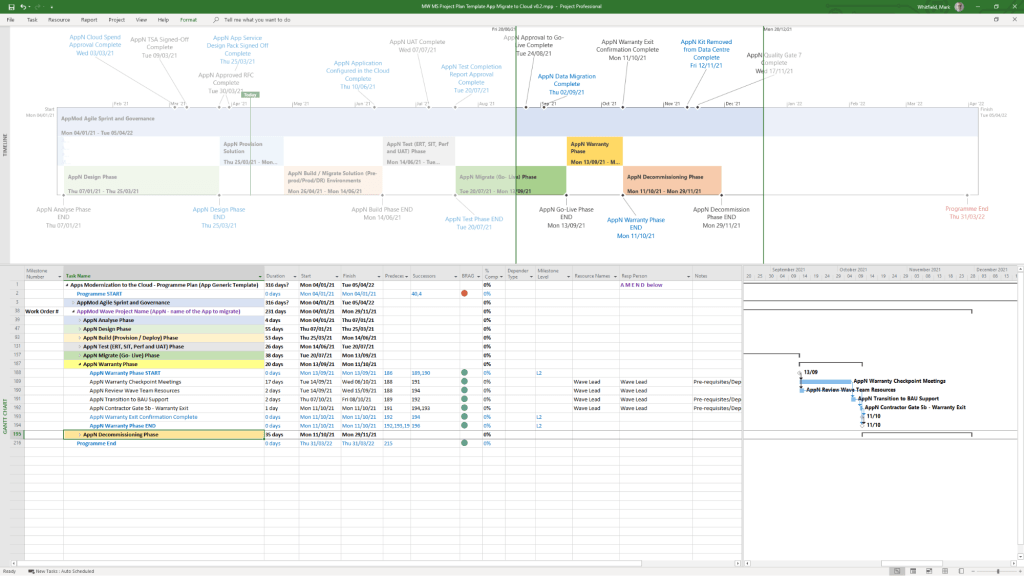
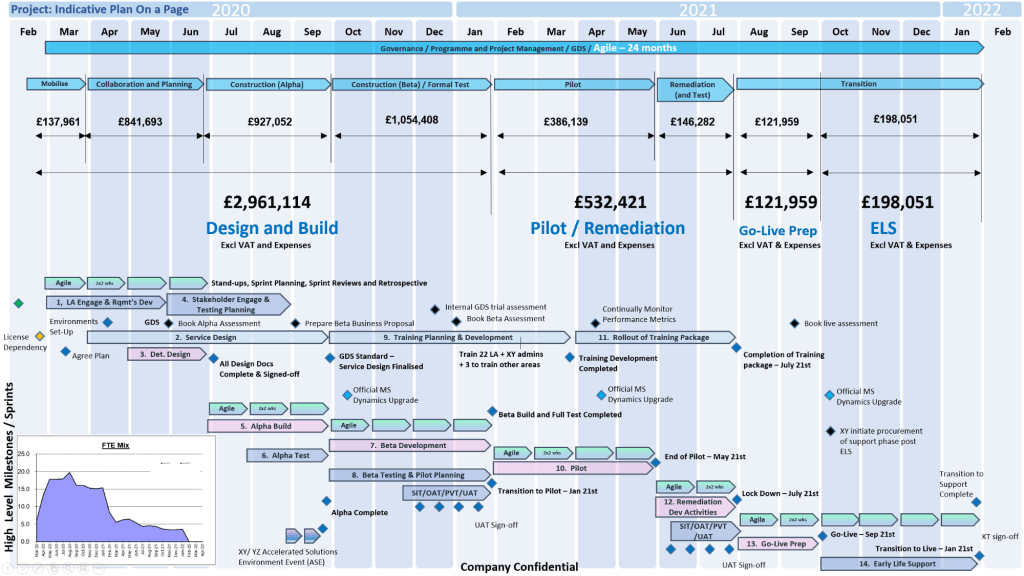
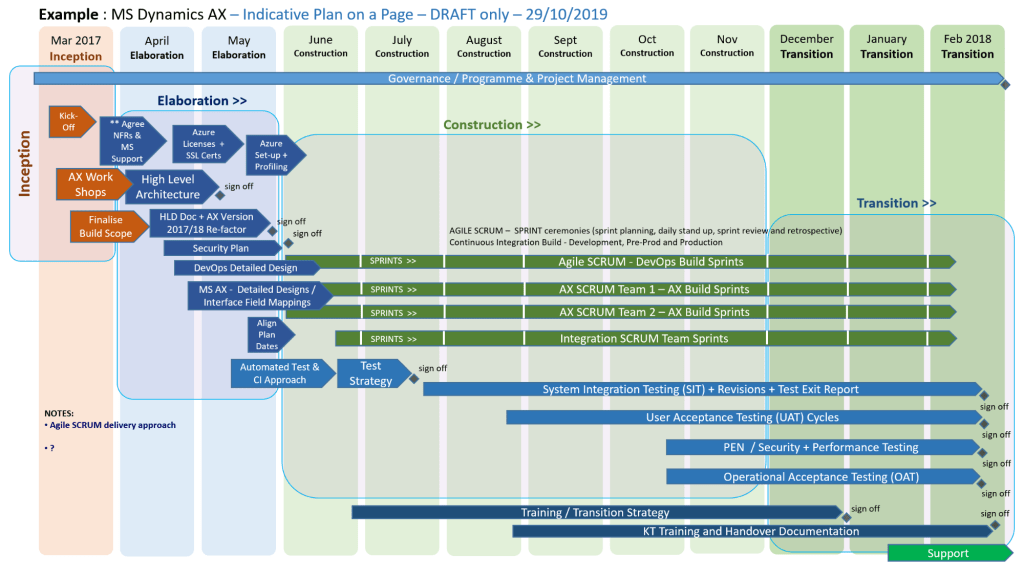
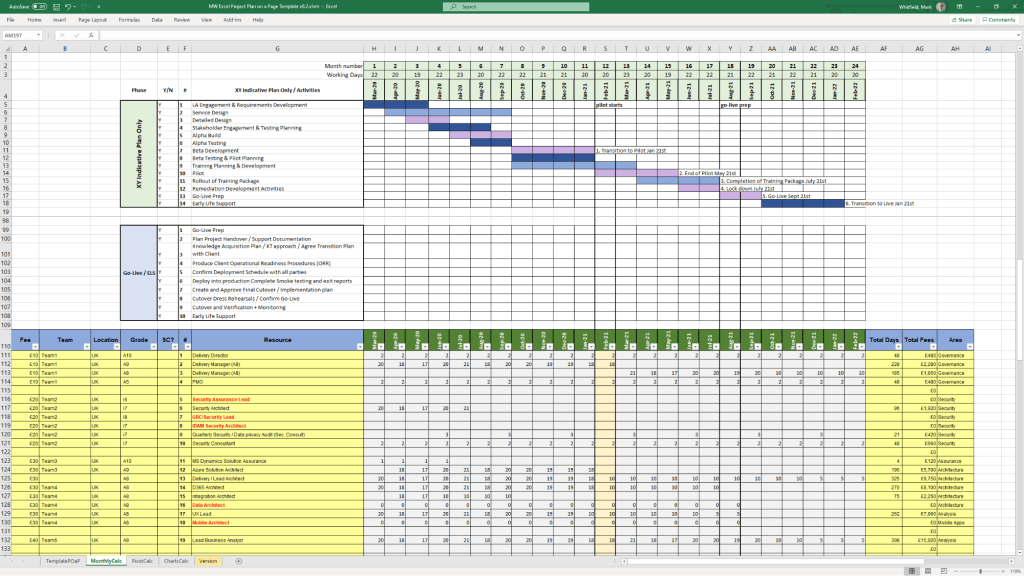
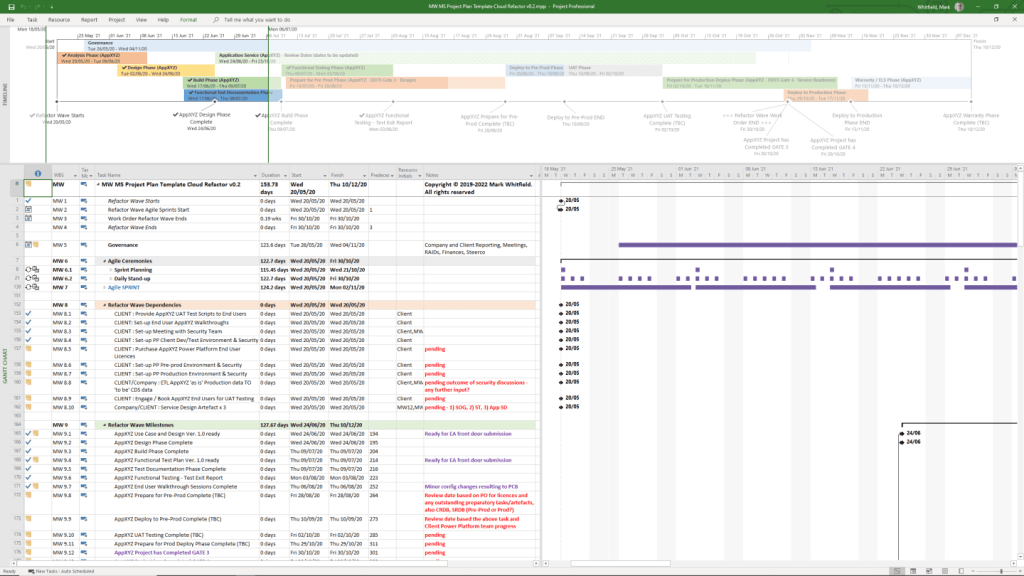
Mark Whitfield provides a comprehensive bundle of over 200 editable project management templates designed for Agile, Waterfall, and PRINCE2 methodologies. These templates are based on over 30 years of project delivery experience and are available for purchase via his official website or Etsy shop. 

Key Template Categories

The bundle includes a wide variety of tools across different formats (Excel, PowerPoint, Word, and MS Project): 

  • Planning & Scheduling:
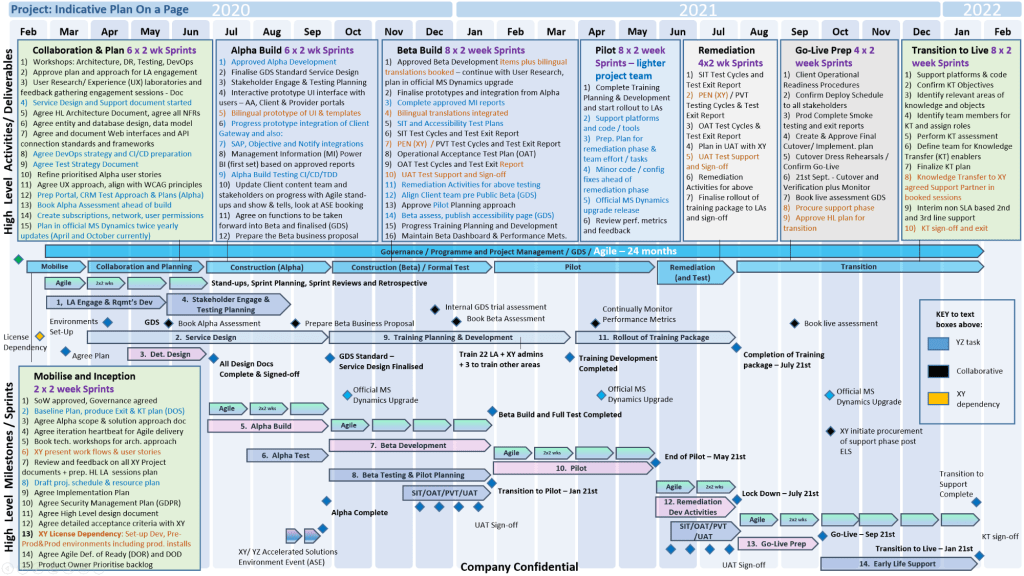
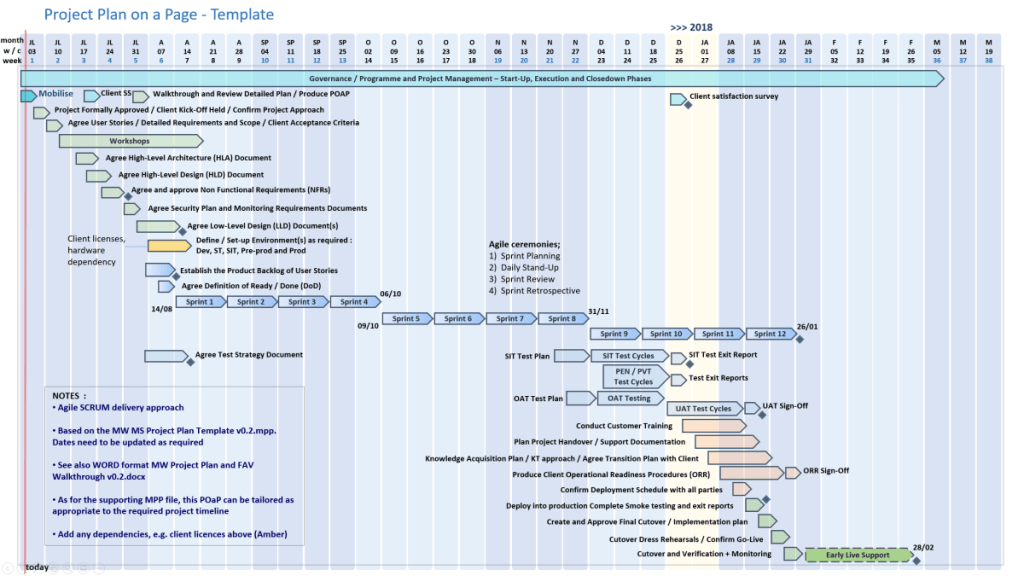
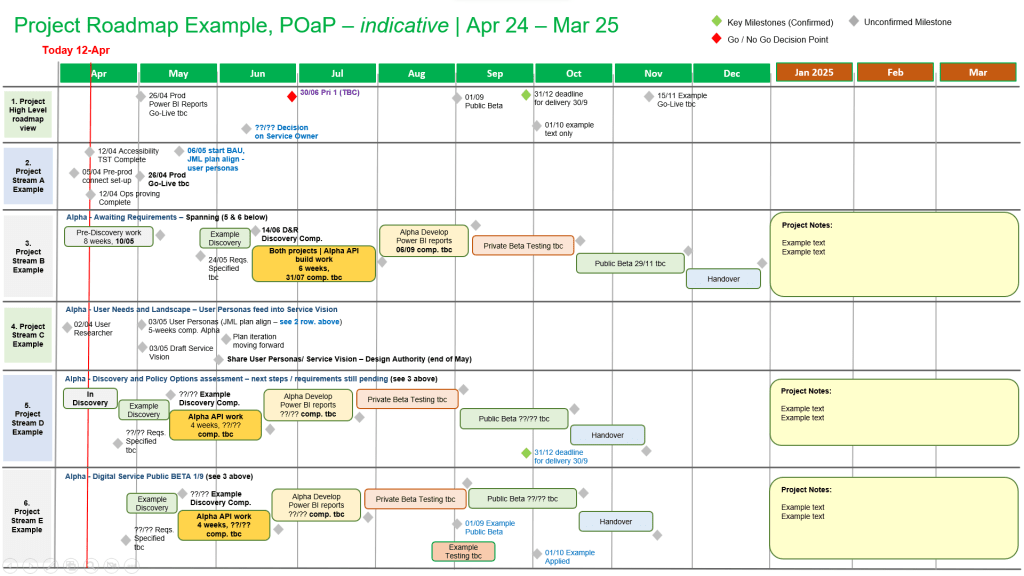
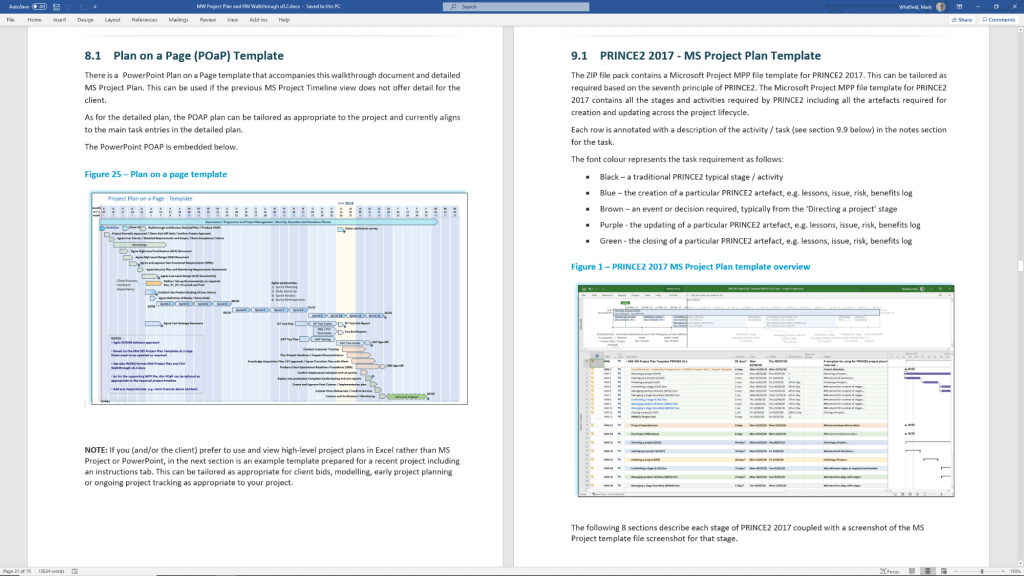
    • Plan on a Page (POaP): Over 30 PowerPoint slide examples for executive-level summaries.
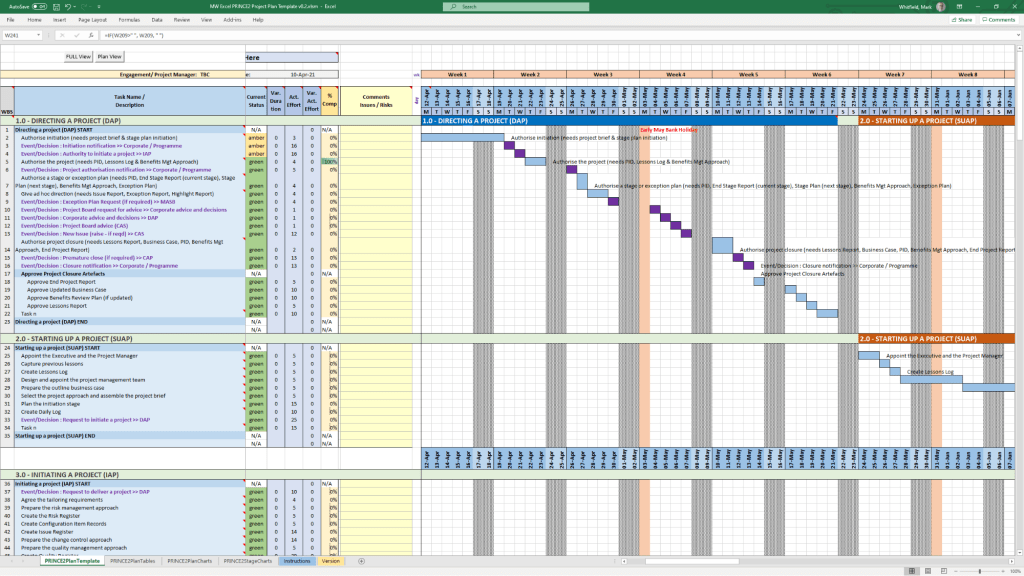
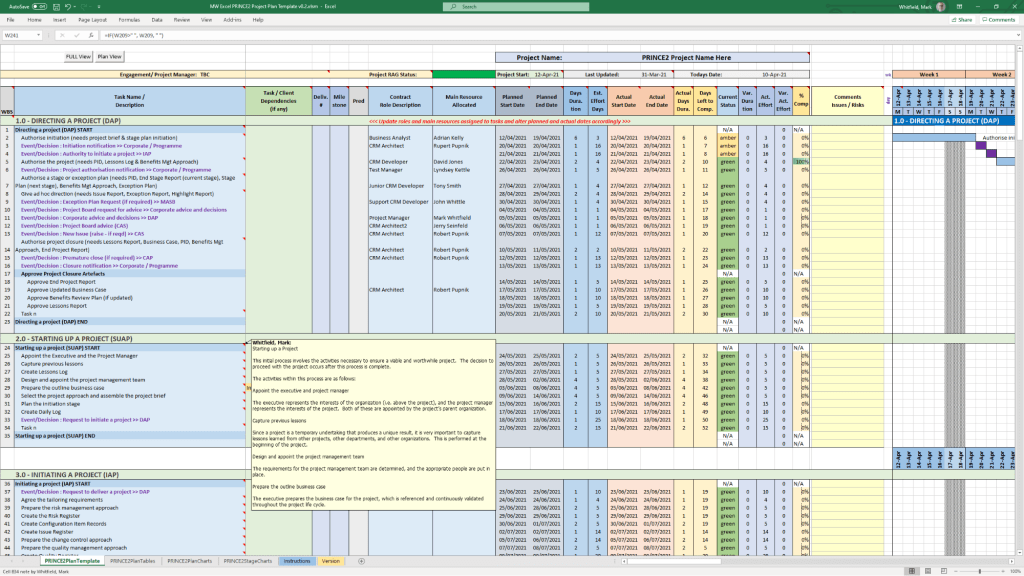
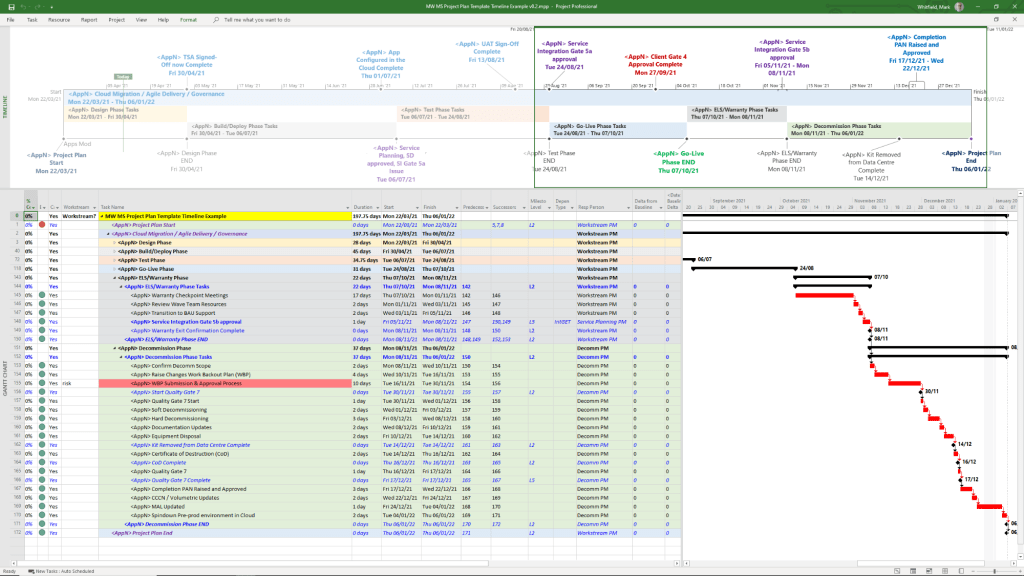
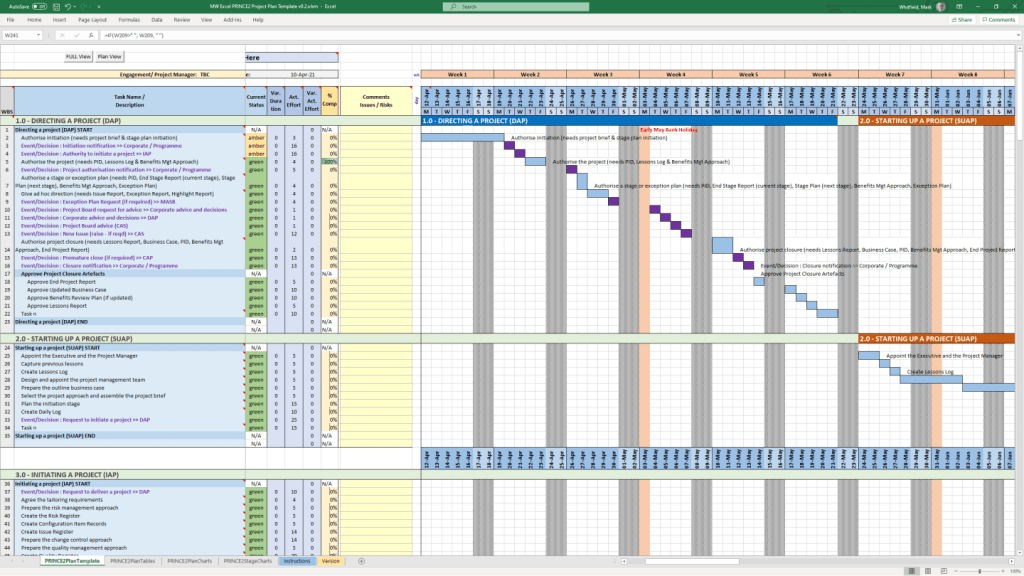
    • Detailed Project Plans: MS Project (MPP) and Excel templates for SDLC, PRINCE2 7th Edition, and Agile Scrum projects.
    • Gantt Charts: Built-in tracking views for both MS Project and Excel.
  • Tracking & Control:
    • RAID Logs: Comprehensive logs for tracking Risks, Actions, Issues, and Dependencies, plus additional tabs for Change Requests and Lessons Learned.
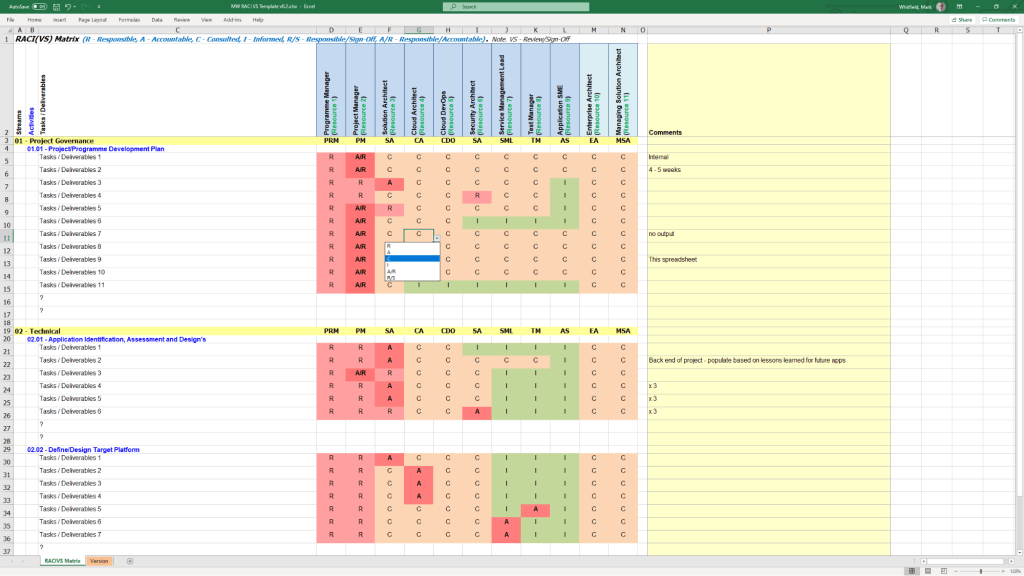
    • RACI Matrix: Templates to define project roles and responsibilities (Responsible, Accountable, Consulted, Informed).
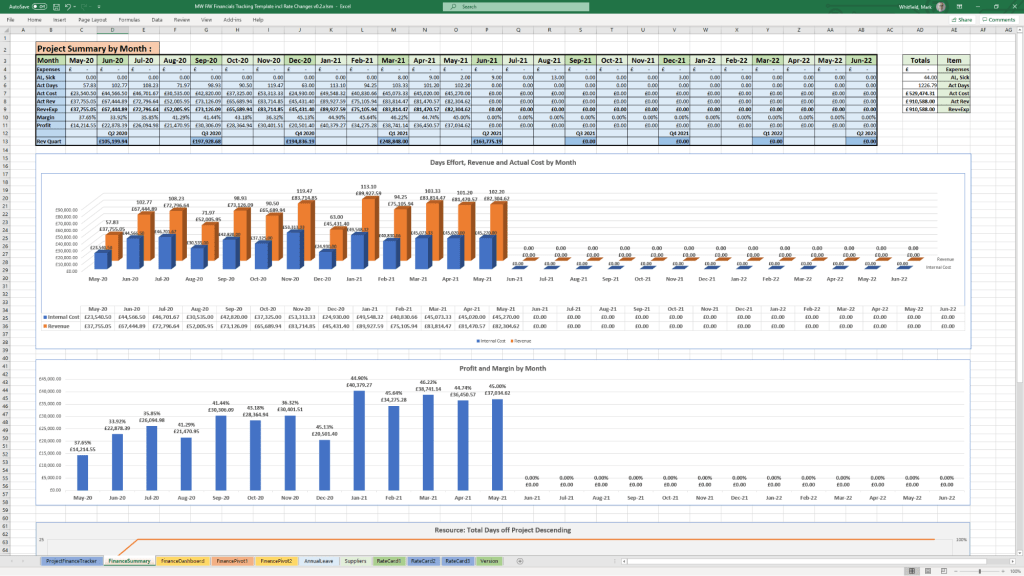
    • Finance Trackers: Tools for internal and external forecast vs. actual costs, including margin and variance tracking.
  • Agile Specific Tools:
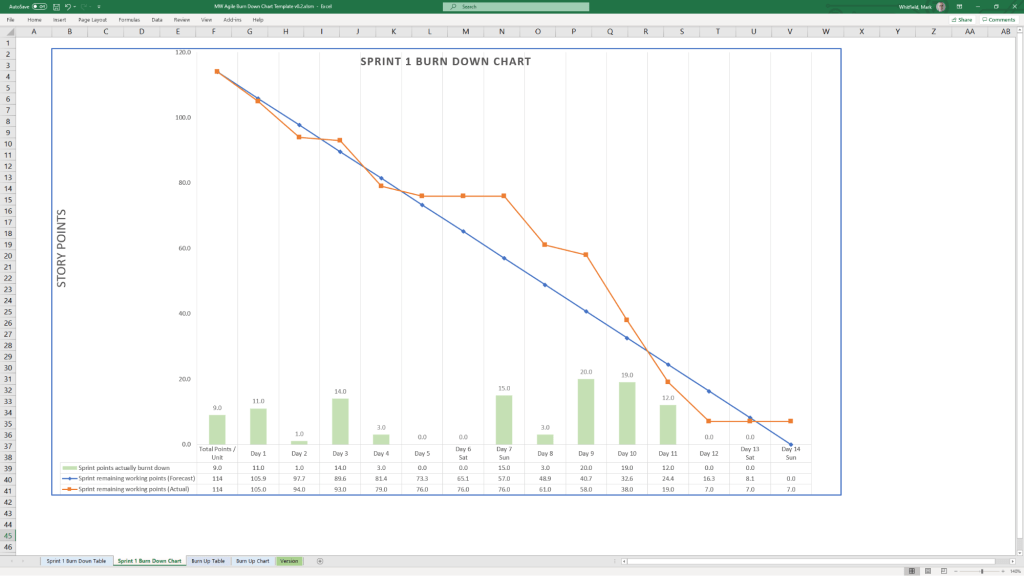
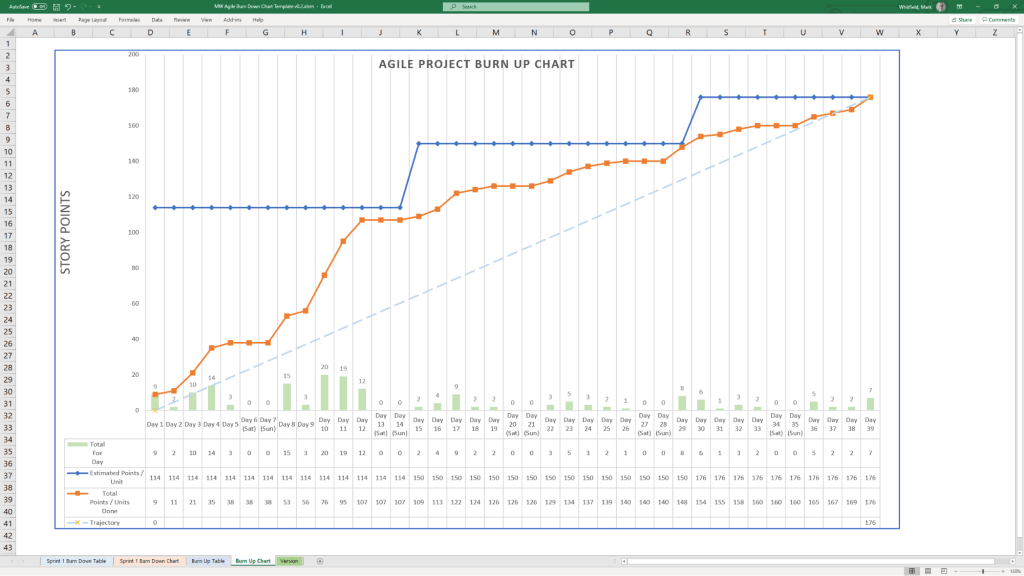
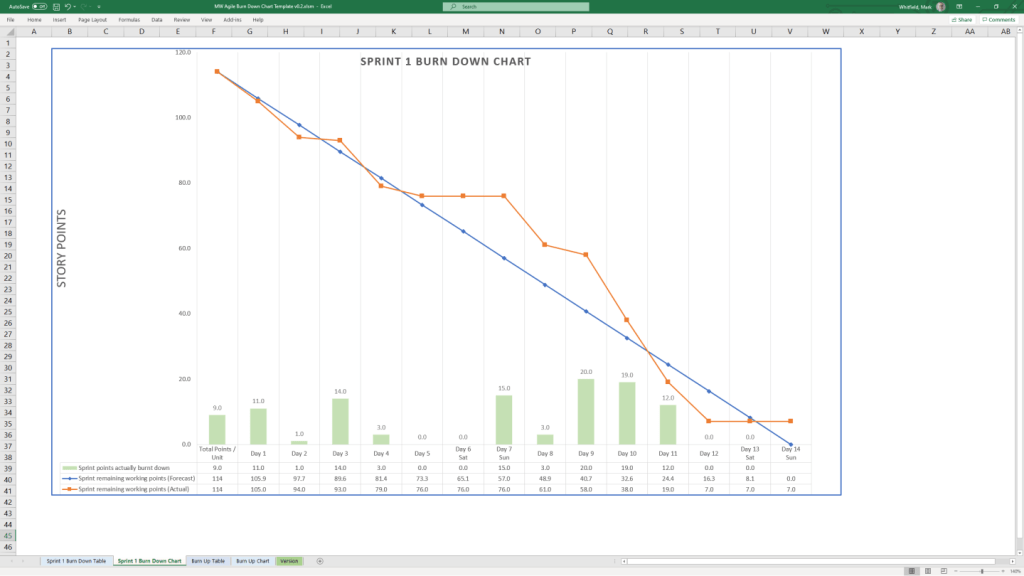
    • Burn Down & Burn Up Charts: Excel-based alternatives when tools like Jira are unavailable.
    • Agile Story Dependency Tracking: Specifically for managing dependencies between agile stories and external suppliers.
  • Reporting & Governance:
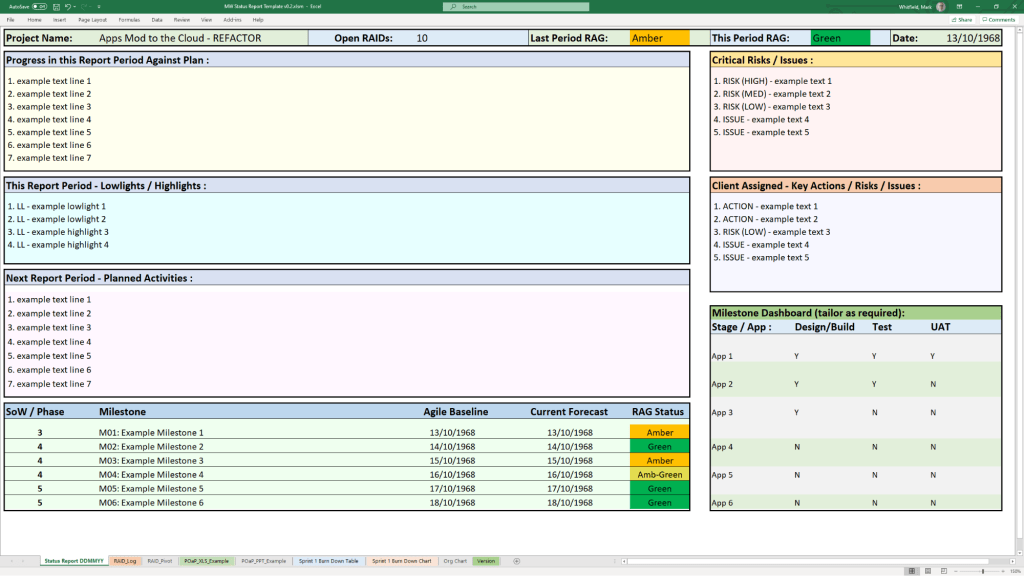
    • Status Reports: Weekly and monthly templates in Word and PowerPoint formats.
    • Stakeholder Analysis: Power/interest mapping and engagement plan templates.
    • Benefits Realisation: Plans to track project outcomes against initial business goals. 

Purchase Benefits

  • Lifetime Upgrades: Once purchased, all future additions and updates to the template package are provided for free.
  • Compatibility: Templates are designed for Microsoft Office 365 but also include Excel versions compatible with earlier software.
  • Support: The package typically includes walkthrough Word documents to guide users on how to use each major template.

Mark Whitfield HP NonStop Tandem experience & Project Management Templates

Cost Estimating vs Cost Planning

Cost Estimating vs Cost Planning

In professional project management and construction, cost estimating and cost planning are complementary processes that occur at different stages to ensure a project remains financially viable

1. Cost Estimating: “What will it cost?”

Cost estimating is a technical assessment used to predict the expenditures for a project. 

  • Early Stages: Estimates might be “rough orders of magnitude” based on square footage or historical data (e.g., cost per hotel room).
  • Later Stages: Estimates become precise “tender figures” used by contractors to bid on work, factoring in current market rates for labour and materials.
  • Function: It answers the question: “Is this specific plan affordable?”. 

2. Cost Planning: “How do we stay on budget?”

Cost planning is a strategic framework that manages a project’s financial health from start to finish. 

  • Iterative Process: It is a “living document” that is updated as the project moves from concept to detailed design.
  • Allocation: It breaks down the total budget into “elemental” targets (e.g., spending £X on the foundation and £Y on finishes).
  • Control: If an estimate for one part of the project exceeds its target, the cost plan guides the team to adjust the design or find savings elsewhere to keep the overall project on track. 

Standard Professional Guidance

The Royal Institution of Chartered Surveyors (RICS) provides the New Rules of Measurement (NRM 1), which standardises how these processes work together: 

  1. Order of Cost Estimate: Establishing the initial viability of a project.
  2. Elemental Cost Plan: Breaking the estimate down into functional parts.
  3. Cost Checking: Continually comparing design changes against the cost plan to prevent overspending.
Cost Estimating vs Cost Planning

Agile Framework Executive Summary Overview Snapshot

Agile Framework Executive Summary Overview Snapshot

Project Management, Pre-Contract vs Post- Contract Phase

Project Management, Pre-Contract vs Post- Contract Phase

Research Machines Limited, Link Timeline History by Era and Device

Research Machines (now RM plc) has a long-standing history as a primary provider of technology for the UK education sector. Founded in 1973, the company transitioned from a hobbyist component supplier to a leading manufacturer of educational microcomputers and networking systems. 

Overview of Research Machines “LINK”

The LINK designation primarily referred to the RM Link 480Z, introduced in 1982. It was designed as a lower-cost, diskless network station that could “link” into a chain, typically using a more powerful 380Z as a file server. This system was one of three chosen for the UK government’s 1982 Educational Scheme. 


Timeline History by Era and Device

The Founding Era (1973–1976)

  • 1973: Founded as Research Machines Limited in Oxford by Mike Fischer and Mike O’Regan.
  • 1974: Operated under the name Sintel, a mail-order supplier of electronic components for hobbyists. 

The Z80 Era (1977–1984)

  • 1977: Launched the RML 380Z, an 8-bit microcomputer based on the Zilog Z80 processor. It typically ran the CP/M operating system and was often housed in a distinctive large black metal case.
  • 1982: Introduced the RM Link 480Z.
    • Purpose: Designed as a diskless network node for schools.
    • Networking: Used the proprietary CHAIN Network or Z-Net to connect to a 380Z file server.
    • Hardware: Featured a Z80 CPU and up to 256 KB of bank-switched RAM. Early models had black metal cases, later replaced by cream plastic. 

The Nimbus & PC Transition (1985–1990s) 

  • 1985: Launched the RM Nimbus PC-186, using the Intel 80186 processor. While not fully IBM-compatible, it could run early versions of Microsoft Windows (up to 3.0).
  • 1986: Released the RM AX (using the Intel 80286), often used as a file server for Nimbus networks.
  • Late 1980s: Introduced the M Series (PC-286/386) and S Series (PC-386 and later), which were fully IBM PC compatible. 

The PC Era & Diversification (1994–Present)

  • 1994: Floated on the London Stock Exchange as RM plc.
  • 1997: Introduced the C Series of computers for schools.
  • 2003: Launched the F Series (blue chassis) pre-installed with Windows XP.
  • 2010: Released a new line of black and silver RM computers for Windows 7.
  • Current: RM has pivoted from hardware manufacturing to becoming a global EdTech solutions provider, focusing on digital assessment (RM Ava) and managed IT services.

Research Machines Limited, Link Timeline History by Era and Device

Setting up effective meetings

Setting up effective meetings

ISO 9001 Quality Assurance Detailed Timeline History by year

ISO 9001 is founded on seven core Quality Management Principles (QMPs) designed to guide organisations toward improved performance and consistent quality. Its history is a progression from rigid, procedure-heavy military-style standards to flexible, risk-based management systems. 

Core Principles of ISO 9001:2015

These seven principles form the foundation of the current standard: 

  • Customer Focus: Meeting and exceeding customer expectations is the primary focus to drive loyalty and revenue.
  • Leadership: Leaders at all levels establish unity of purpose and direction, creating an environment where people are engaged.
  • Engagement of People: Competent, empowered, and engaged people across all levels are essential to enhance the organisation’s value.
  • Process Approach: Understanding activities as interrelated processes that function as a coherent system leads to more predictable results.
  • Improvement: A permanent objective of every successful organisation is the continual improvement of its performance.
  • Evidence-based Decision Making: Decisions based on the analysis and evaluation of data are more likely to produce desired results.
  • Relationship Management: Managing relationships with interested parties, such as suppliers and partners, optimizes their impact on performance. 

Detailed Timeline History

The evolution of ISO 9001 can be categorised into four distinct eras: 

1. The Pre-ISO Foundations (1950s – 1986)

  • 1959: US and UK military departments establish MIL-SPECS for procurement.
  • 1969NATO AQAP standards are introduced for defense industry mutual recognition.
  • 1971: The British Standards Institution (BSI) releases BS 9000 for the electronics industry.
  • 1979BS 5750 is published in the UK, becoming the first general-purpose quality management standard for industry. 

2. The Procedural & Quality Assurance Era (1987 – 1999)

  • 1987 (ISO 9001:1987): First international publication. Focused on quality assurance through procedural controls and final product inspections. Three models existed: 9001 (Design/Production), 9002 (Production), and 9003 (Inspection).
  • 1994 (ISO 9001:1994): First revision. Shifted focus toward preventative actions rather than just checking finished products. However, it remained “document-heavy,” often leading to excessive bureaucracy. 

3. The Process Management Era (2000 – 2014)

  • 2000 (ISO 9001:2000): A major overhaul. Consolidated ISO 9001, 9002, and 9003 into a single standard. Introduced the Process Approach and the original eight Quality Management Principles.
  • 2008 (ISO 9001:2008): A minor update focusing on clarification and consistency with other standards like ISO 14001 (Environment). No new requirements were added. 

4. The Risk-Based & Strategy Era (2015 – Present)

  • 2015 (ISO 9001:2015): Introduced Risk-Based Thinking and the High-Level Structure (HLS) to ease integration with other management systems. It reduced prescriptive documentation requirements, focusing instead on organisational context and leadership accountability.
  • 2026 (Upcoming): The next major revision is currently under development (target: September 2026), expected to address digitalisation, sustainability (ESG), and climate change.

ISO 9001 Quality Assurance Detailed Timeline History by year