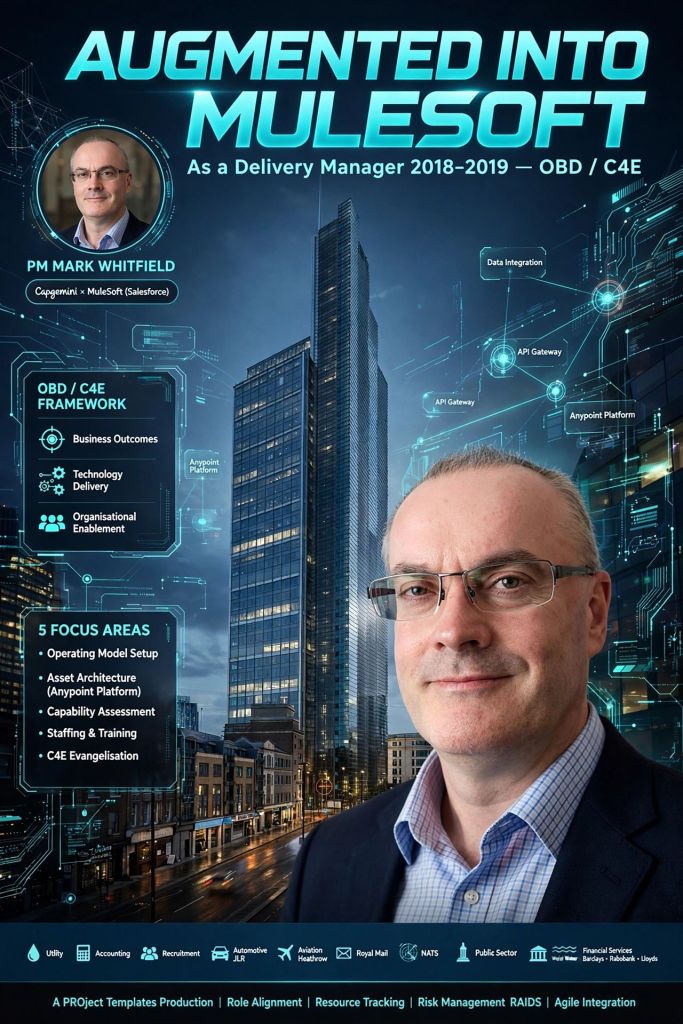
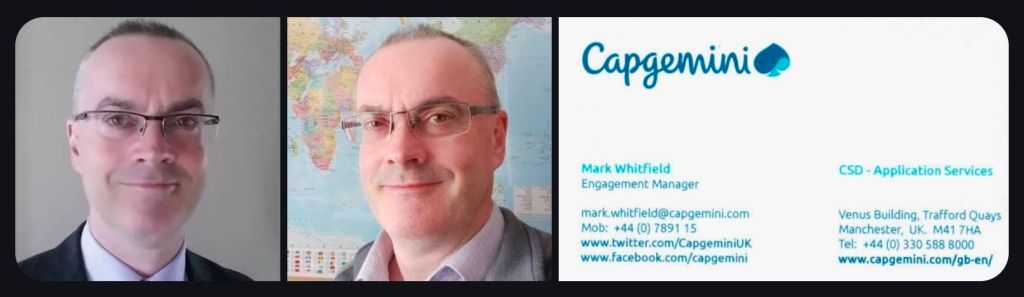
During his tenure as a client-facing Engagement Manager for Capgemini UK, Senior IT Project Manager Mark Whitfield was augmented directly into MuleSoft (a Salesforce company) as a Delivery Manager from October 2018 to June 2019.
Mark Whitfield | Augmented into MuleSoft as a Delivery Manager 2018 – 2019
Operating out of MuleSoft’s London headquarters in the Salesforce Tower, his role mirrored that of a Programme Manager. He aligned client project plans with MuleSoft’s structured delivery frameworks to establish self-sufficient integration capabilities.
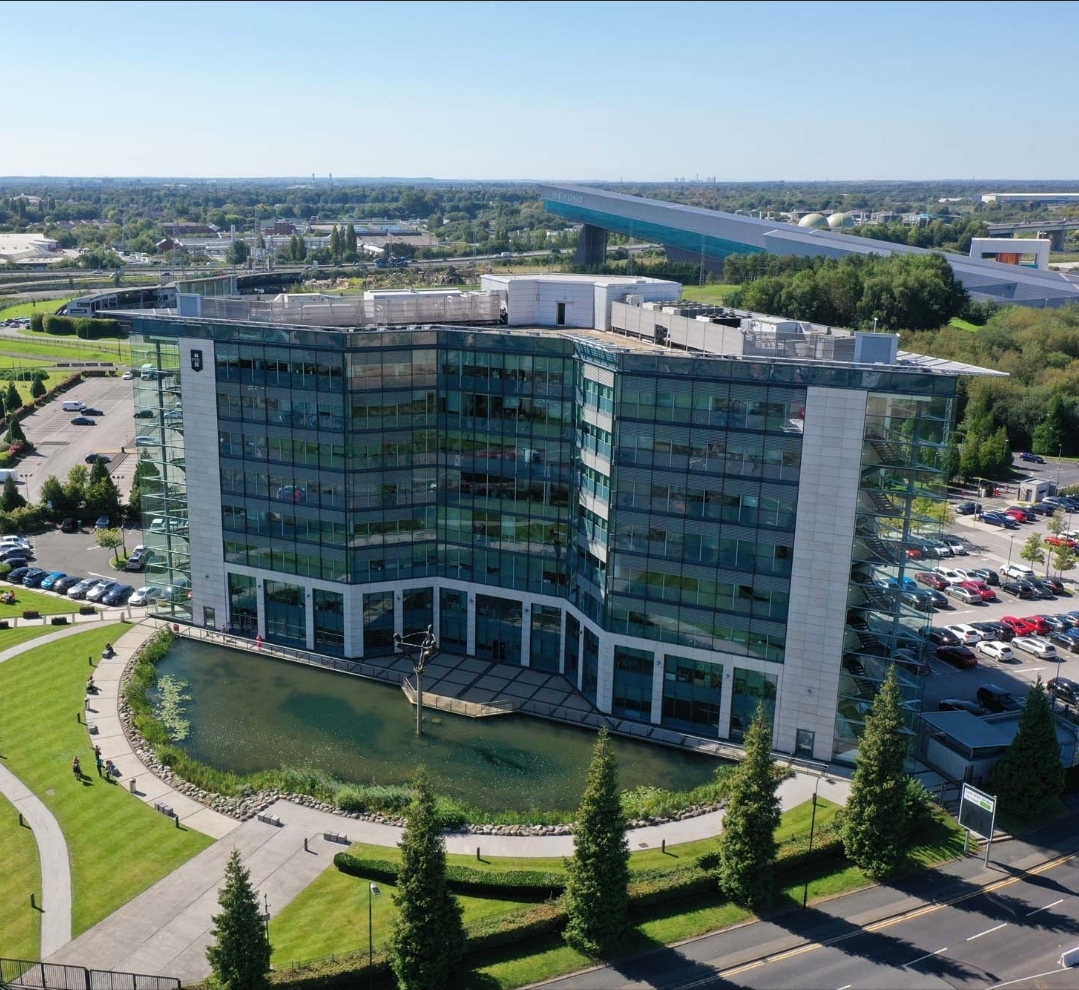
MuleSoft’s London office is located within the Salesforce Tower at 110 Bishopsgate
The focus areas of his augmentation, the Outcome Based Delivery (OBD) / Centre for Enablement (C4E) framework, and the enterprise clients he managed are detailed below.
📋 Overview of MuleSoft Delivery Manager Augmentation
Role Alignment: Linked directly with client-side Project/Programme Managers to align execution timelines with MuleSoft’s implementation standards.
Resource Tracking: Monitored MuleSoft partner and consultant efforts, project costs, and timelines against statements of work (SOW).
Risk Management: Owned and tracked client-side OBD risks, assumptions, issues, and dependencies via specialized OBD RAIDs logs.
Agile Integration: Facilitated the prioritization and assignment of integration tasks into Agile Sprints or structured Waterfall milestones.
🏛️ C4E & OBD Focus Areas
MuleSoft’s Outcome Based Delivery (OBD) framework is built across three primary streams—Business Outcomes, Technology Delivery, and Organisational Enablement—specifically engineered to build a functional client-side Centre for Enablement (C4E).
Whitfield’s delivery focus focused heavily on Organisational Enablement:
Operating Model Setup: Establishing the foundational C4E operating model and internal technical support structures.
Asset Architecture: Guiding teams to build, govern, and publish reusable foundational assets and APIs on the Anypoint Platform.
Capability Assessment: Assessing the client’s existing software integration maturities to benchmark project targets.
Staffing & Training: Creating comprehensive training, onboarding, and experiential learning pathways to upskill client IT and business personnel.
C4E Evangelisation: Promoting self-serve materials and governance guidance across the broader enterprise to eliminate reliance on external MuleSoft SMEs.
🏢 MuleSoft Ecosystem & Enterprise Clients Managed
As part of his broader Capgemini UK Consultancy footprint and his direct MuleSoft delivery assignment, Whitfield spearheaded cross-functional integration deployments for multiple blue-chip, public sector, and utility accounts across the UK:
MuleSoft Accounts: Managed complex software delivery accounts spanning the UK Utility, Accounting, and Recruitment industries during his direct augmentation.
Automotive Integration: Directed the Jaguar Land Rover (JLR) iFAB Middleware Project, coordinating multi-vendor supply chain data pipelines.
Aviation & Logistics: Managed enterprise architecture environments for major infrastructure clients including Heathrow Airport, Royal Mail Group (RMG), and NATS (National Air Traffic Services).
Public Sector & Utilities: Guided digital transformation frameworks for UK Government Agencies, UK Export Finance (UKEF), and water utilities like Welsh Water.
Financial Services: Handled integration and core enterprise ecosystems for banking giants such as Barclays, Rabobank, and Lloyds Banking Group (LBG).
Mark Whitfield | Capgemini Advanced EM Course – November 2017 Class
Key responsibilities for the Engagement Manager (EM) include:
• Deliver against the contract. • Overall responsibility for project success, achieving project targets e.g. margin (as defined in the Internal View) and delivering to agreed timescales. • Management of the project through its complete lifecycle and multiple aspects, as described in the UPM phases and streams. • Author and owner of the Project Governance Plan (PGP) and responsible for compliance to its contents. • Clear and concise status and project reporting, both internal and external, as defined in the PGP. • Management of the monthly financial reporting process. • Work together with the Offshore Project Manager in order to realize the common project targets. • Management and motivation of the project team, including setting of objectives for direct reports and timely completion of their assignment reviews. • Communications to stakeholders and teams about all relevant aspects of the project, in line with contract, project baseline, project status and client feedback. • Ensure compliance with UPM (Group or regional version) and any local quality management system. • Ensure the group mandated tools are utilised. • Meet or exceed client expectations (using client satisfaction process). • Identify and follow-up on opportunities for additional business. • Achieve the Capgemini EM certification level appropriate to level of experience.
The EM should deliver the project against contracts, meet (or exceed) client expectations, achieve project targets, identify and work on opportunities for additional business, and should ensure that these fundamentals are followed on the project.
Usually the EM will report to the Delivery Manager or a Programme Manager if the project is part of a larger programme.
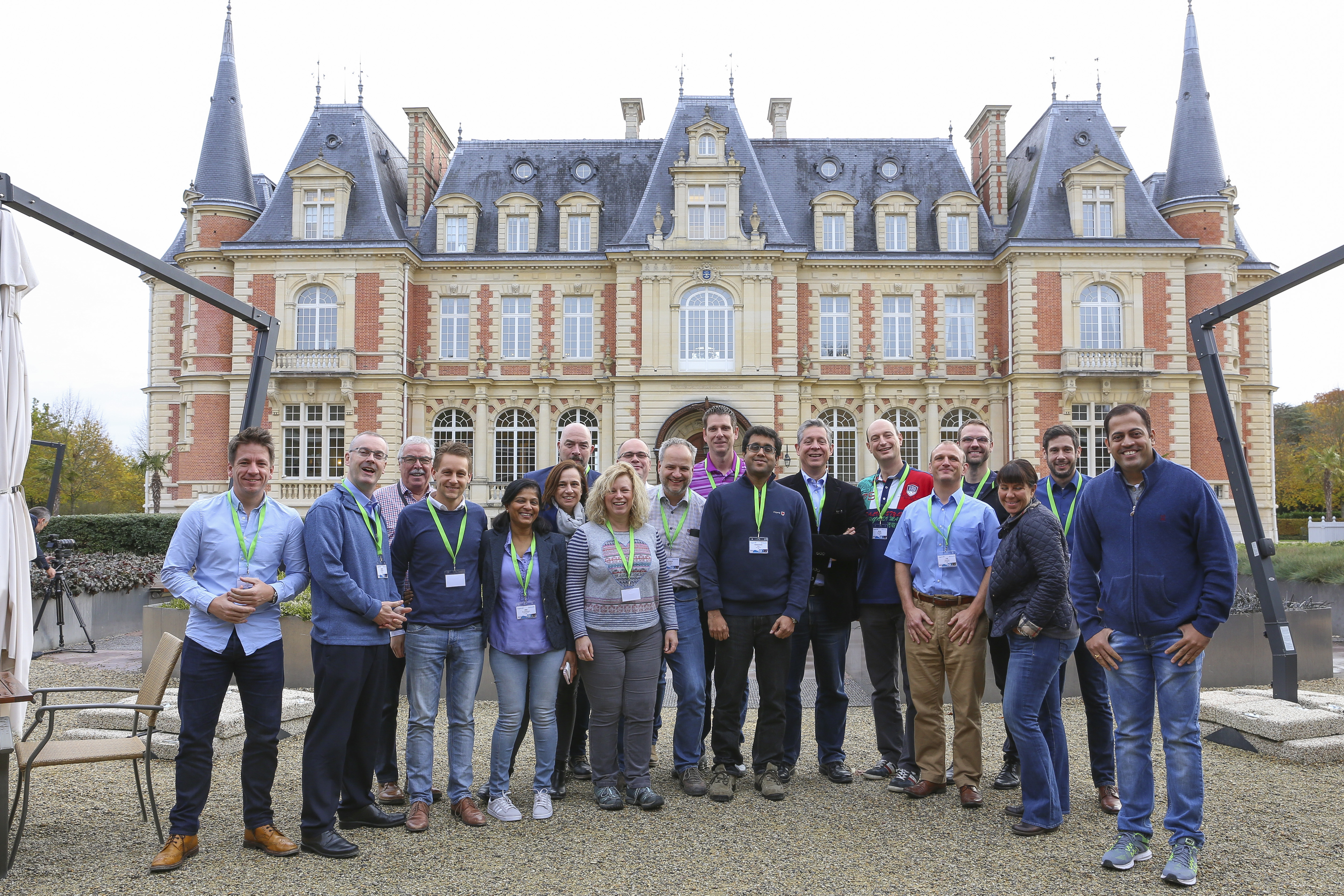
Campus – Serge Kampf Les Fontaines, Chantilly, France – Advanced EM Course – November 2017 Class – 2nd from left
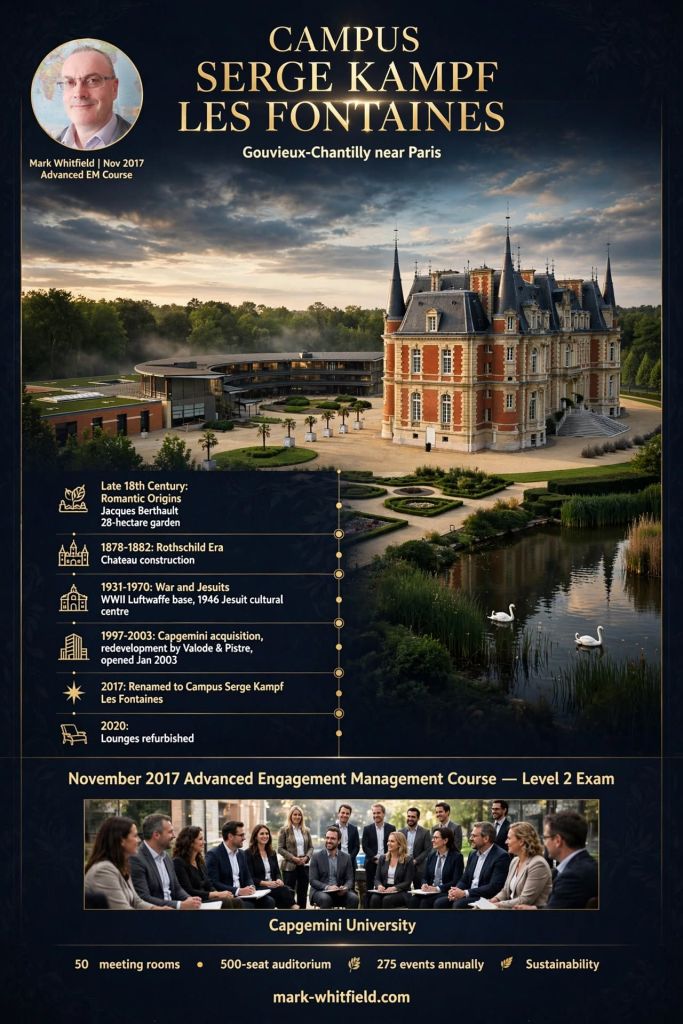
Campus Serge Kampf Les Fontaines, in Gouvieux-Chantilly near Paris
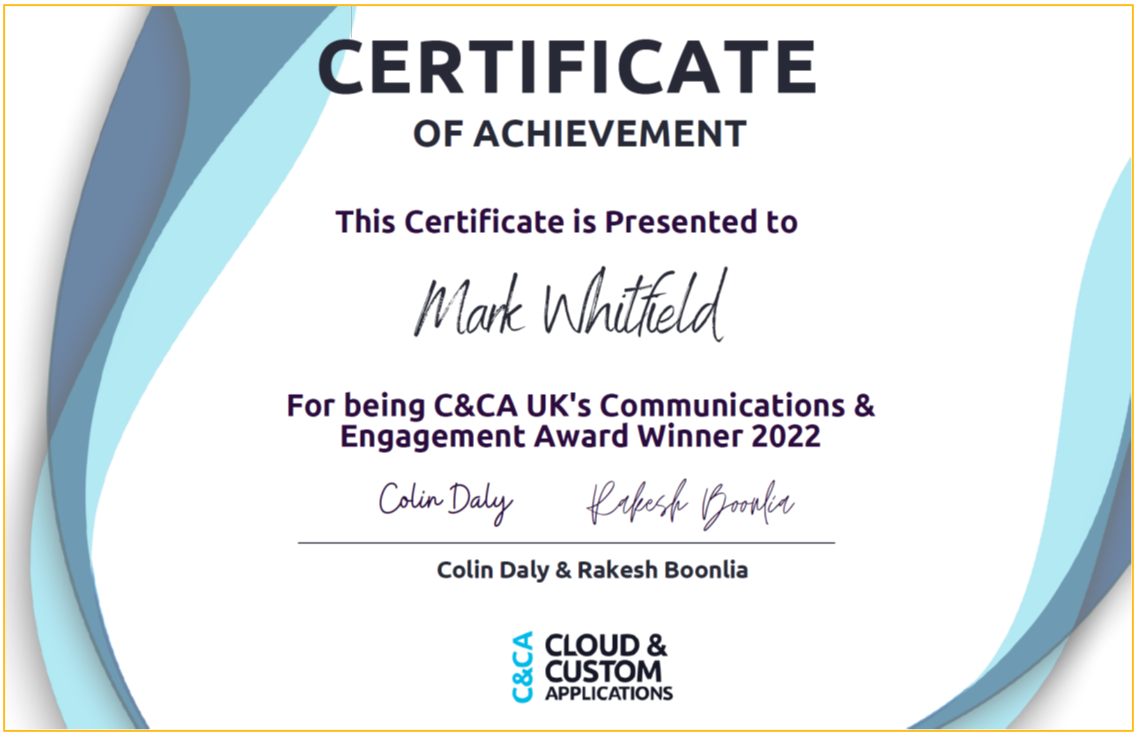
C&CA UK’s Communications & Engagement Award Winner 2022 – Cloud & Custom Applications – Capgemini UK
Serge Kampf Les Fontaines, Chantilly, France – Advanced EM Course
Mark Whitfield, a senior, SC-cleared IT Project Manager based in Manchester, UK, holds a robust foundational education in computer studies combined with extensive professional methodologies and technical certifications.
Spanning over three decades, his academic background and formal training bridge deep technical software engineering with enterprise-level project delivery.
The comprehensive breakdown of his higher education and professional training is structured below:
🎓 Higher Education & Academic Foundations
Mark Whitfield established his technical roots between 1988 and 1990 at the Bolton Institute of Higher Education (BIHE) (now the University of Bolton). He achieved a Distinction and was ranked first in his cohort for the BTEC Higher National Diploma (HND) in Computer Studies, completing modules in system analysis, programming methodology, data processing, and business information systems.
💼 Professional Delivery & Methodology Training
As an enterprise delivery lead, Whitfield is certified in key frameworks to manage hybrid cloud migrations and digital transformations.
PRINCE2 Practitioner: Certified for structured project governance, stage-gate management, and risk frameworks.
Agile SCRUM: Trained in managing Scrum ceremonies, sprints, and velocity tracking.
ITIL Framework: Certified in IT Service Management (ITSM) for aligning IT with business needs.
Capgemini Engagement Management: Completed the advanced program at the Capgemini Campus (Chantilly, France) for managing stakeholder relationships and project finances.
🛠️ Technical & Software Engineering Training
His background includes early-career training in low-level programming and infrastructure management including:
HPE NonStop (Tandem Mainframes): Specialized in TAL (Transaction Application Language) programming for high-volume banking systems.
Microsoft Technology Stack: Trained in ASP.NET development, SQL Server/T-SQL, and project scheduling tools.
Cybersecurity & Infrastructure: Trained in Thales e-SECURITY, cryptographic systems, and C/C++ development.
🛠️ Project Management Toolkit Author
Leveraging this background, he authors PROject Templates, offering over 200 editable resources covering Agile, Waterfall, and PRINCE2 7th Edition methodologies.
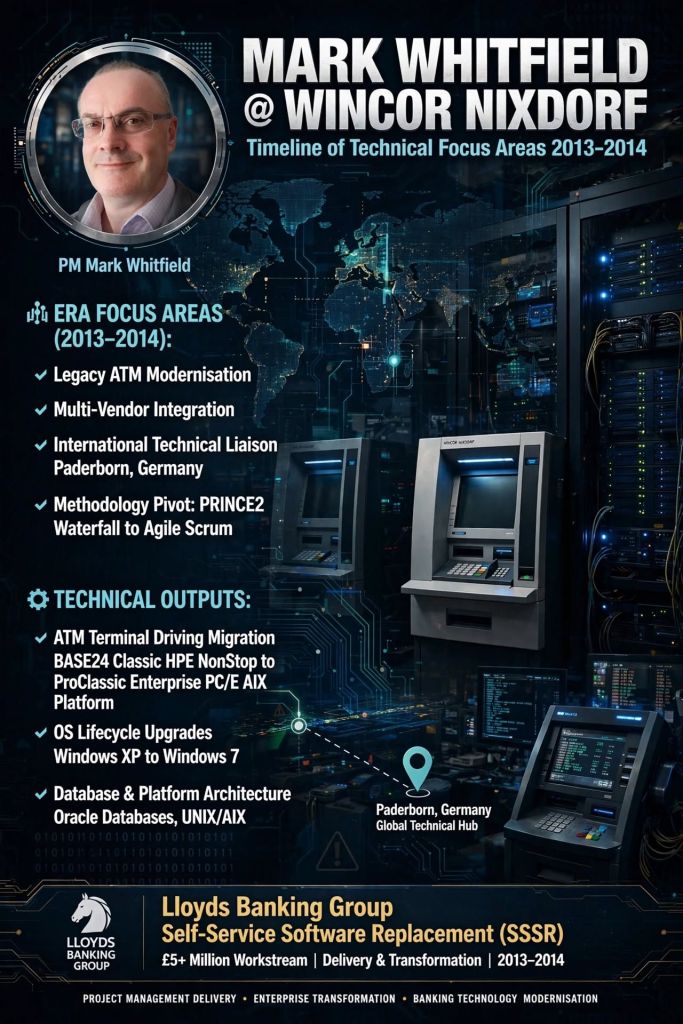
During his tenure as an IT Project Manager at Wincor Nixdorf (Banking Division) from 2013 to 2014, Mark Whitfield focused on large-scale retail banking software modernisation and multi-vendor hardware migrations.
Mark Whitfield @ Wincor Nixdorf – Timeline of technical focus areas
He spearheaded a £5+ million workstream on-site for Lloyds Banking Group (LBG) as part of their Self-Service Software Replacement (SSSR) programme.
The focus areas and technical outputs of his work during this era are detailed below.
🏛️ Era Focus Areas (2013–2014)
Legacy ATM Modernisation: Managing the transition of core banking infrastructure away from legacy terminal systems to prevent service outages and meet stricter post-2008 operational risk regulations.
Multi-Vendor Integration: Directing complex hardware and software integration streams to ensure Wincor Nixdorf solutions successfully paired with third-party banking frameworks.
International Technical Liaison: Acting as a qualified management link between the local UK delivery teams and Wincor Nixdorf’s central engineering base in Paderborn, Germany, for advanced subject matter expertise.
Methodology Pivot: Implementing project governance frameworks that bridged strict PRINCE2 Waterfall structures with Agile Scrum delivery models.
💻 Technical Outputs
ATM Terminal Driving Migration: Transferred critical automated teller machine (ATM) driving responsibilities away from legacy BASE24 Classic running on HPE NonStop mainframes over to Wincor’s ProClassic Enterprise (PC/E) product suite deployed on an AIX platform.
OS Lifecycle Upgrades: Successfully planned and executed the infrastructure upgrade of the Lloyds Banking Group ATM hardware estate from the end-of-life Windows XP operating system to Windows 7.
Database & Platform Architecture: Delivered backend systems alignment leveraging Oracle databases integrated across distributed UNIX/AIX environments.
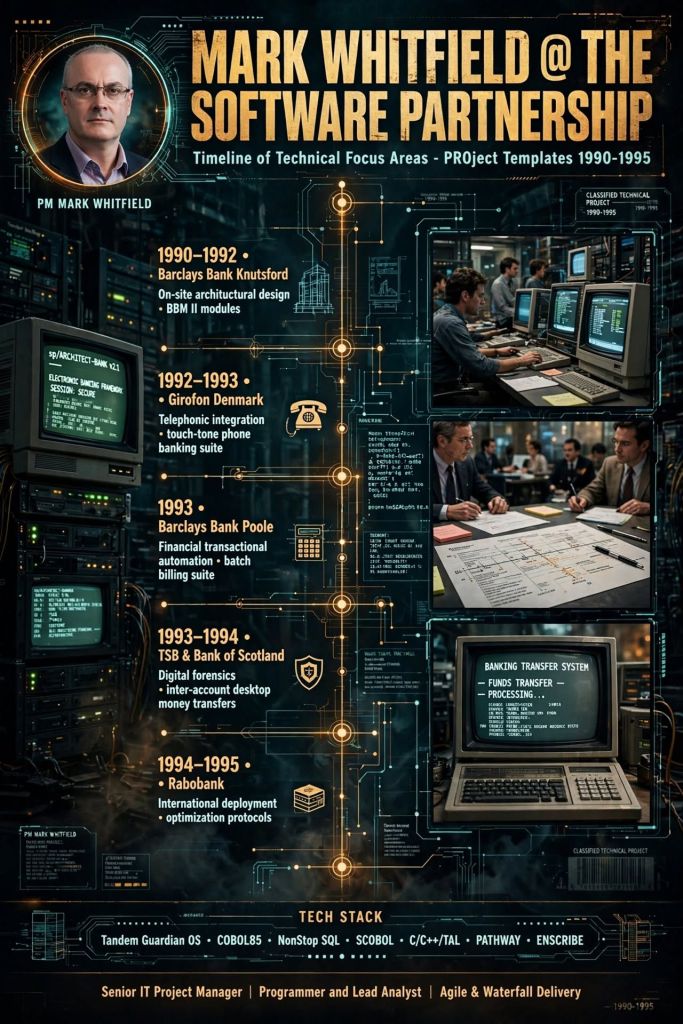
During his time at The Software Partnership (acquired by Deluxe Data International in 1994), Senior IT Project Manager Mark Whitfield operated as a Programmer and Lead Analyst. This era lasted from 1990 to 1995 and focused on foundational electronic banking software frameworks, specifically the sp/ARCHITECT-BANK platform.
Mark Whitfield @ The Software Partnership – Timeline of technical focus areas
The key projects and focus areas within this era are structured below by client timeline, focus areas, and technical outputs:
🏦 1990–1992: Barclays Bank (Knutsford, Cheshire)
Focus Area: On-site architectural design and core mainframe development for high-profile business banking.
Technical Output: Designed and coded back-end software modules for the Barclays Business Master II (BBM II) desktop banking project.
📞 1992–1993: Girofon (Denmark)
Focus Area: Telephonic integration and automated remote banking solutions.
Technical Output: Developed an automated, menu-driven touch-tone phone banking suite. This allowed voice commands to dial into a Periphonics VRAM device to fetch live customer balances directly from back-end mainframes.
📊 1993: Barclays Bank (Poole, Dorset)
Focus Area: Financial transactional automation and corporate service invoicing.
Technical Output: Created and integrated a custom batch billing suite of modules that attached to the BBM II application to automate client usage invoicing.
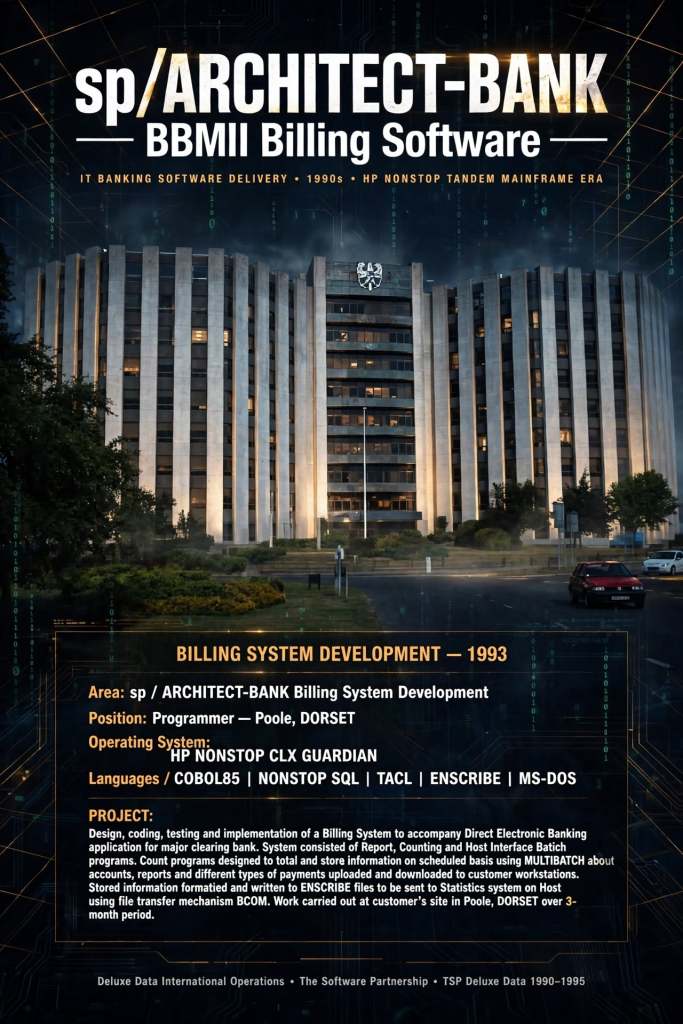
Mark Whitfield | Barclays, BBM II Billing Software
💻 1993–1994: TSB & Bank of Scotland
Focus Area: Early digital forensics, fund movements, and logic architecture.
Technical Output: Conducted digital investigations and engineered logic design and mainframe code to support early inter-account desktop money transfers.
🌍 1994–1995: Rabobank
Focus Area: International systems deployment, optimization, and validation.
Technical Output: Led software optimization protocols, wrote custom electronic coding patches, and validated on-site deployments for global operations.
⚙️ Core Technical Stack & Environment Summary
Across all eras at The Software Partnership, the standardized environment utilized for these outputs included:
Hardware & Operating Systems: Tandem Mainframe Computers (now HPE NonStop) operating on the Tandem Guardian O/S.
Programming Languages: COBOL85, NonStop SQL, SCOBOL (Screen COBOL for “green screen” terminal emulations), C, C++, and TAL.
Subsystems & Tools: PATHWAY, PATHMAKER, ENSCRIBE, EMS, and INSPECT.
Methodologies: Early iterative development and structured Waterfall lifecycles.
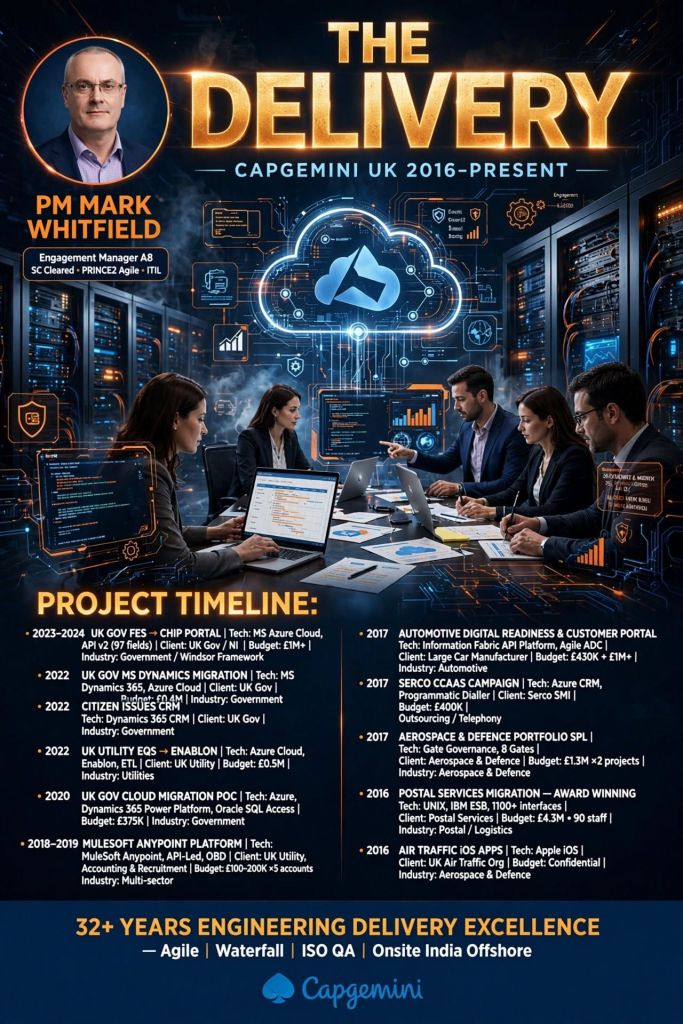
As a client-facing, SC-cleared Engagement Manager and Senior Project Manager for Capgemini UK (2016–Present), Mark Whitfield’s focus areas and project outputs fall into Phase 5 (Enterprise Cloud, Integration & Public Sector Delivery) of his overall professional trajectory.
Mark Whitfield | Engagement Manager
His tenure at Capgemini UK is marked by managing complex hybrid migrations, enterprise system integrations, and multi-million-pound public and private sector contracts using hybrid Agile and PRINCE2 methodologies.
🌐 Era 1: Public Sector & Cloud Migration (2019–Present)
This era aligns with the UK government’s “Digital by Default” mandate and a nationwide public sector transition toward highly secure, cost-optimized, and green cloud platforms.
Re-hosting, re-platforming, and refactoring legacy software architectures.
Cross-functional alignment with rigid government data privacy guidelines (GDPR).
Coordinating large-scale onshore and offshore engineering delivery resources.
Project Outputs:
Directed a massive £13.5 million programme to migrate over 130 public sector legacy applications onto Microsoft Azure and AWS platforms.
Delivered a Proof of Concept (POC) indicator project worth £375k ahead of the wider national public infrastructure cloud framework rollout.
🔌 Era 2: MuleSoft Ecosystem & Enterprise API Integration (2018–2019)
During this phase, Whitfield was augmented as a Delivery Manager into MuleSoft (a Salesforce company) operating out of the London Salesforce Tower.
Focus Areas:
API-led connectivity frameworks and microservices architecture deployment.
Hyper-automation and multi-site enterprise system integrations.
API lifecycle design and Anypoint Code Builder configurations.
Guiding high-influence blue-chip clients through API connectivity governance.
Project Outputs:
Successful deployment of production-ready APIs to unlock siloed, legacy back-end system data.
Delivered complex data pipelines to support modernized, interconnected digital applications for tier-one global brands.
🛫 Era 3: Major Corporate Infrastructure & Sector Delivery (2016–2018)
Upon joining Capgemini in January 2016, Whitfield initially spearheaded highly secure, custom bespoke solutions across critical commercial and defensive sectors.
Focus Areas:
High-security, multi-site project tracking, financial forecasting, and stakeholder governance.
Automated manufacturing, aerospace, defense, and logistics supply chain data tracking.
Complex Agile SCRUM sprint ceremonies with heavy cross-team interdependencies.
Project Outputs:
Aerospace & Defence (NATS): Oversaw the secure delivery of custom Apple iOS apps providing real-time, public-facing, and military airspace data.
Postal Services (Royal Mail Group): Managed an award-winning £4.3 million project utilizing 90 Capgemini engineers to safely migrate over 1,100 system interfaces across dual data centers.
Automotive Integration (Jaguar Land Rover): Directed extensive enterprise architecture planning, pipeline resource mapping, and Scrum team management for a major supply chain initiative.
Mark maintains an unranked Top 30 Movies collection, alongside a broader list of favorite movie clips, which span the Golden Age of cinema to modern blockbusters.
His selected top favorites across different cinematic eras showcase a deep appreciation for classic epics, suspenseful westerns, war dramas, and high-octane modern sci-fi, some examples below:
Mark Whitfield is a UK-based, SC-cleared Senior IT Project Manager, Engagement Manager (Capgemini), and technology executive with over 35 years of hands-on and leadership experience across the Software Development Lifecycle (SDLC).
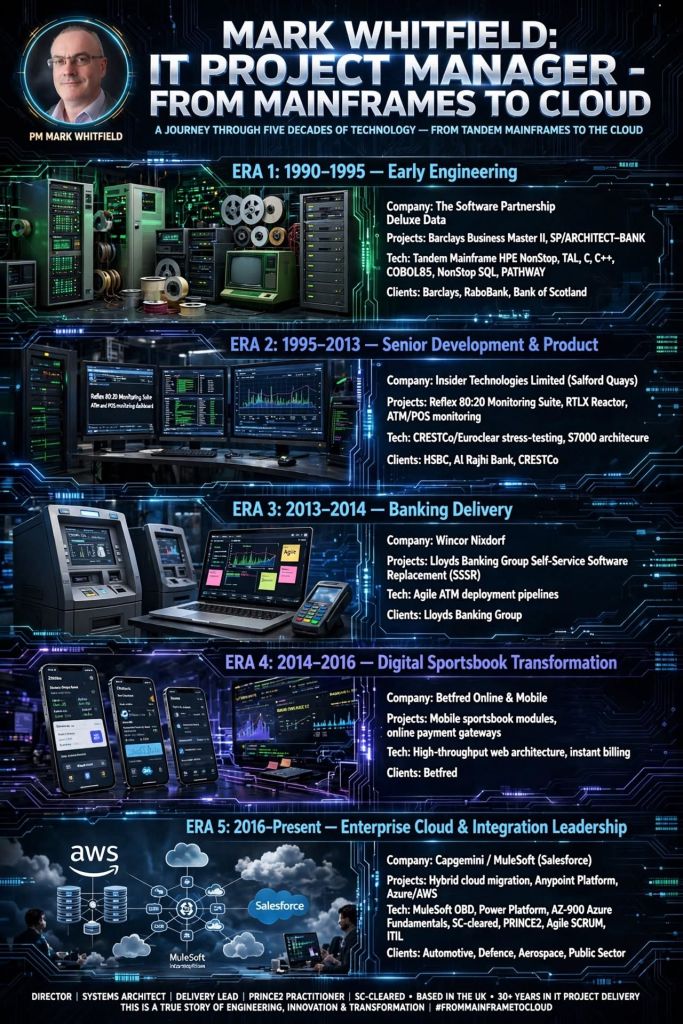
Mark Whitfield, High-Level Career Summary from 1990 thru 2026
Specialising in complex digital transformation, hybrid cloud migrations, and API-led system integrations, Mark graduated with an HND (Distinction) in Computing in 1990 and has delivered major enterprise solutions for clients such as Barclays Bank, Jaguar Land Rover (JLR), Royal Mail Group (RMG), Lloyds Banking Group, and the Bank of England. He is also the author of the PROject Templates resource platform, which provides project management toolkits.
Mark Whitfield | Career Summary Timeline from Mainframes to Cloud
The following comprehensive biography and career timeline breakdown details his professional trajectory by era.
Phase 1: Early Programming & Lead Analysis Era
Era Focus: Electronic banking software development, establishing foundational desktop access to company accounts.
Deluxe Data International, Wingate House, Northway, Runcorn
Main Focus Items: Core software design, coding, and back-end integration for electronic desktop banking.
Project Outputs: Software design, coding, and back-end integration for electronic desktop banking. Developed batch billing suite modules (NonStop SQL embedded COBOL85) to attach to the BBM II application, in Poole, Dorset (1993).
Milestones: Transitioned banking from purely paper-based to electronic systems. Made early remote banking a reality.
Methodology: Early iterative development & structured Waterfall lifecycles.
Highlights: Helped in the design and development of the Barclays Business Master II application while on-site in Knutsford, and later successfully developed and deployed a batch-billing suite for the bank in Poole, Dorset (1993).
Political Landscape: Early post-deregulation European banking markets. The Single European Act drove a need for cross-border electronic financial transparency and transaction systems.
Technology Landscape: Desktop PCs were novel; banking was driven by mainframe computing, specifically Tandem NonStop systems (now HPE NonStop).
Phase 2: Technical Consultancy & Product Management Era
Era Focus: Transitioning to product management, system and transaction monitoring, and SLA monitoring for critical-path financial hardware/ software.
Insider Technologies Limited, Salford Quays, Greater Manchester (UK)
Locations: Salford Quays, UK (head office); London, UK; International client sites
Clients included: Global Payments, Standard Chartered, Girofon, Rabobank, CRESTCo (Euroclear), Alrajhi Bank, LloydsTSB, HSBC, Santander, Bank of Ireland, Bank of Valletta (Malta) and both Commercial and Piraeus Bank (Greece)
Budget: Internal operational budgets and R&D capital expenditure
Main Focus Items: Infrastructure consulting, volume testing, system management & monitoring, and Service Level Agreement (SLA) monitoring for critical path payment applications. Attending related conferences, EBUG, ITUG, BITUG, SATUG
Project Outputs: Developed platform health and diagnostic modules for the Reflex monitoring product. Successfully delivered BASE24 ATM/ POS/ transaction Cross-border monitoring.
Milestones: Achieved the first HP OpenView Operations Enterprise Manager 2-way Smart Plug-In (SPI) certification for HPE NonStop in 2002.
Highlights:Consultant for CRESTCo in 1997, producing volume testing/benchmark software to test Stock Settlement applications on the newly introduced S7000 HPE NonStop systems.
Political Landscape: The late 1990s and 2000s saw the creation of the Eurozone, demanding high-capacity regional clearing and settlement networks that required robust transaction monitoring.
Technology Landscape: Market expansion of ATM and Point-of-Sale (POS) devices; ACI BASE24 Classic payments; move toward centralized, multi-platform GUI monitoring.
Also: Designer and author of a new company website using an Open Content Management framework identified as part of a Research phase. Authored a major technical summary published globally in the recognized HPE NonStop industry journal, The Connection, defining payment software lifecycles.
Phase 3: Professional Services Banking Delivery
Era Focus: IT Project Management and delivery of legacy migrations to primary UK high-street banks.
Project Outputs: Managed the Wincor Nixdorf workstream for Lloyds Banking Group’s Self-Service Software Replacement (SSSR) programme. Modernising legacy ATM software and directing hardware/ software transitions. Implementing ProClassic/Enterprise and PC/E SmartClient (Win 7) to replace the existing ProCash/NDC (Win XP) Stacks on a variety of multivendor devices.
Milestones: Transferred ATM driving responsibility away from BASE24 Classic on HPE NonStop to Wincor’s PC/E product on the AIX platform. Managed international rollout and off-shore resources.
IT Training: Agile, ITIL methodologies.
Methodology: Wincor project management methodology, with regard to planning, control, status reporting, documentation, quality, change control, risk analysis and management.
Highlights: Successfully upgraded LBG ATM hardware estate from Windows XP to Windows 7.
Political Landscape: Post-2008 financial crisis regulations brought stricter compliance and operational risk rules, accelerating the modernisation of core legacy banking systems to prevent service outages.
Technology Landscape: Transition from proprietary mainframe terminal driving to AIX, Oracle, and Windows-based banking environments.
Technology Areas: Multi-vendor hardware & software integration for ATMs.
Supplier Management: for external software suppliers like Degree53, Playtech, Onionsack, Intelligent Payments (Myriad), Inspired, iovation, StreamUK, Finsoft, Ineda, OtherLevels, Appsflyer, Income Access, Activewin, Virgo, Virtue Fusion, In Game Media, Satellite Information Services (SIS) and IGT
Budget: Managed multiple project budgets for Betfred apps, tracking via weekly effort burn rates
Programming Methodologies: Agile SCRUM in conjunction with Degree53
IT Products: iOS, Android, and Windows native apps, Football/ Horse Racing Sportsbook platforms
Main Focus Items: Taking new sports and virtual gaming components live, integrating payment gateways, managing app release cycles, and handling regulatory compliance.
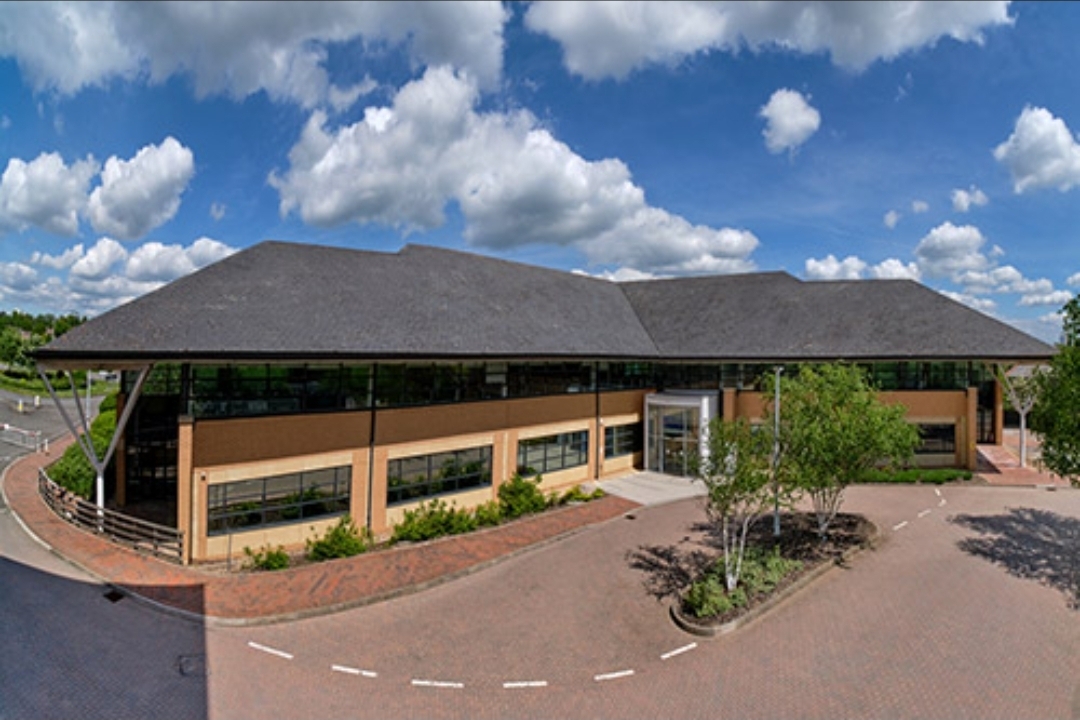
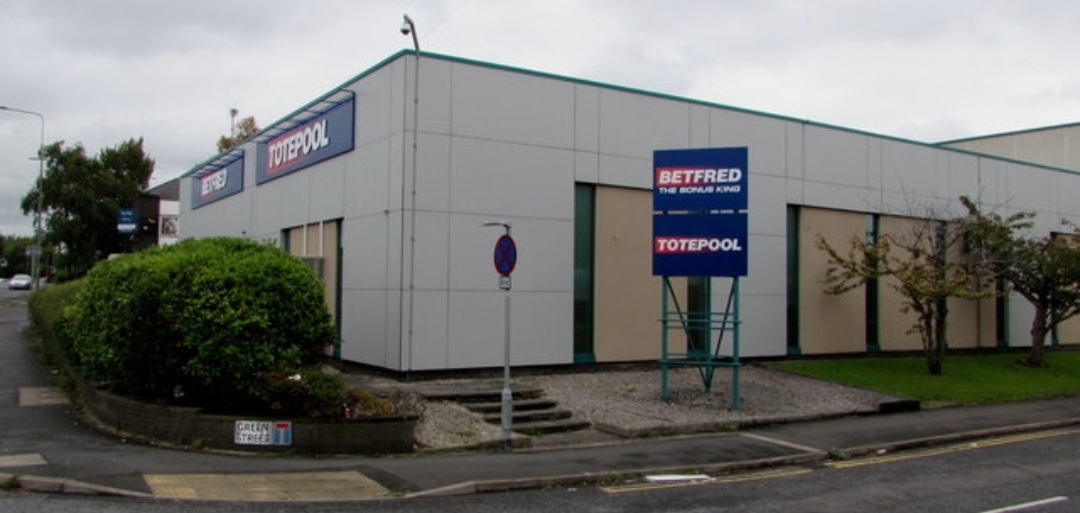
Locations: Manchester (local office above), London, Birmingham, UK
Clients included: Jaguar Land Rover (JLR), Heathrow Airport, Royal Mail Group (RMG), National Air Traffic Services (NATS), UK Export Finance (UKEF), Welsh Water
Budget: Managed multi-million pound digital transformation and cloud refactoring contracts
Highlights: Maintained full SC Clearance. Authored and managed comprehensive Project Governance Plans (PGPs) to realize project targets, streamline margins, and successfully navigate complex off-shore delivery models.
Political Landscape: The government focus on “Digital by Default” for public services, coupled with significant public and corporate drives for green IT and cloud adoption to optimize operating costs.