Augmented into MuleSoft as a Delivery Manager 2018 – 2019

During his tenure as a client-facing Engagement Manager for Capgemini UK, Senior IT Project Manager Mark Whitfield was augmented directly into MuleSoft (a Salesforce company) as a Delivery Manager from October 2018 to June 2019.

Operating out of MuleSoft’s London headquarters in the Salesforce Tower, his role mirrored that of a Programme Manager. He aligned client project plans with MuleSoft’s structured delivery frameworks to establish self-sufficient integration capabilities.

MuleSoft's London office is located within the Salesforce Tower (formerly known as Heron Tower) at 110 Bishopsgate.
MuleSoft’s London office is located within the Salesforce Tower at 110 Bishopsgate

The focus areas of his augmentation, the Outcome Based Delivery (OBD) / Centre for Enablement (C4E) framework, and the enterprise clients he managed are detailed below.

📋 Overview of MuleSoft Delivery Manager Augmentation

  • Role Alignment: Linked directly with client-side Project/Programme Managers to align execution timelines with MuleSoft’s implementation standards.
  • Resource Tracking: Monitored MuleSoft partner and consultant efforts, project costs, and timelines against statements of work (SOW).
  • Risk Management: Owned and tracked client-side OBD risks, assumptions, issues, and dependencies via specialized OBD RAIDs logs.
  • Agile Integration: Facilitated the prioritization and assignment of integration tasks into Agile Sprints or structured Waterfall milestones.

🏛️ C4E & OBD Focus Areas

MuleSoft’s Outcome Based Delivery (OBD) framework is built across three primary streams—Business Outcomes, Technology Delivery, and Organisational Enablement—specifically engineered to build a functional client-side Centre for Enablement (C4E).

Whitfield’s delivery focus focused heavily on Organisational Enablement:

  1. Operating Model Setup: Establishing the foundational C4E operating model and internal technical support structures.
  2. Asset Architecture: Guiding teams to build, govern, and publish reusable foundational assets and APIs on the Anypoint Platform.
  3. Capability Assessment: Assessing the client’s existing software integration maturities to benchmark project targets.
  4. Staffing & Training: Creating comprehensive training, onboarding, and experiential learning pathways to upskill client IT and business personnel.
  5. C4E Evangelisation: Promoting self-serve materials and governance guidance across the broader enterprise to eliminate reliance on external MuleSoft SMEs.

🏢 MuleSoft Ecosystem & Enterprise Clients Managed

As part of his broader Capgemini UK Consultancy footprint and his direct MuleSoft delivery assignment, Whitfield spearheaded cross-functional integration deployments for multiple blue-chip, public sector, and utility accounts across the UK:

  • MuleSoft Accounts: Managed complex software delivery accounts spanning the UK Utility, Accounting, and Recruitment industries during his direct augmentation.
  • Automotive Integration: Directed the Jaguar Land Rover (JLR) iFAB Middleware Project, coordinating multi-vendor supply chain data pipelines.
  • Aviation & Logistics: Managed enterprise architecture environments for major infrastructure clients including Heathrow Airport, Royal Mail Group (RMG), and NATS (National Air Traffic Services).
  • Public Sector & Utilities: Guided digital transformation frameworks for UK Government Agencies, UK Export Finance (UKEF), and water utilities like Welsh Water.
  • Financial Services: Handled integration and core enterprise ecosystems for banking giants such as Barclays, Rabobank, and Lloyds Banking Group (LBG).
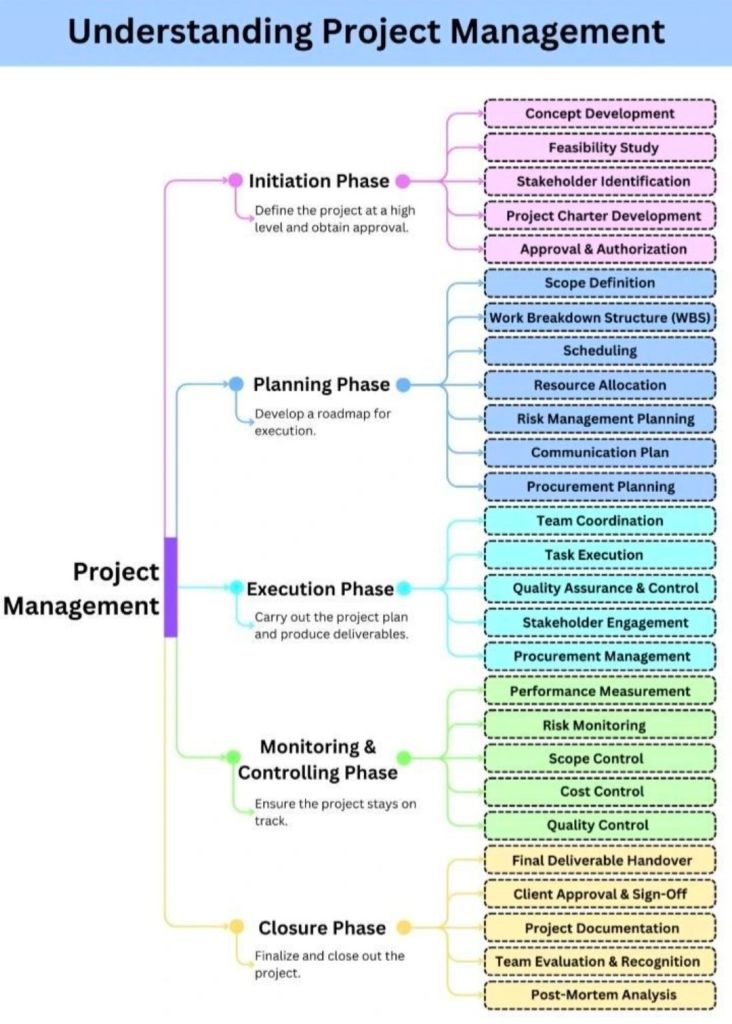
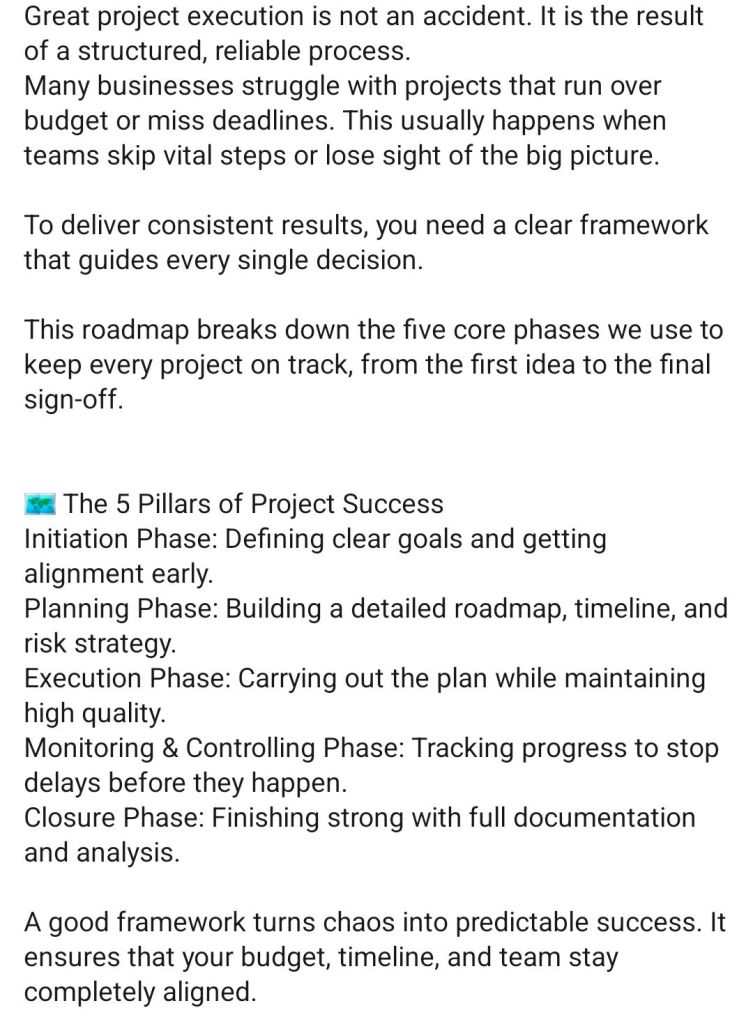
The 5 Pillars of Project Success Framework

The 5 Pillars of Project Success Framework
Five Pillars of Project Success Framework

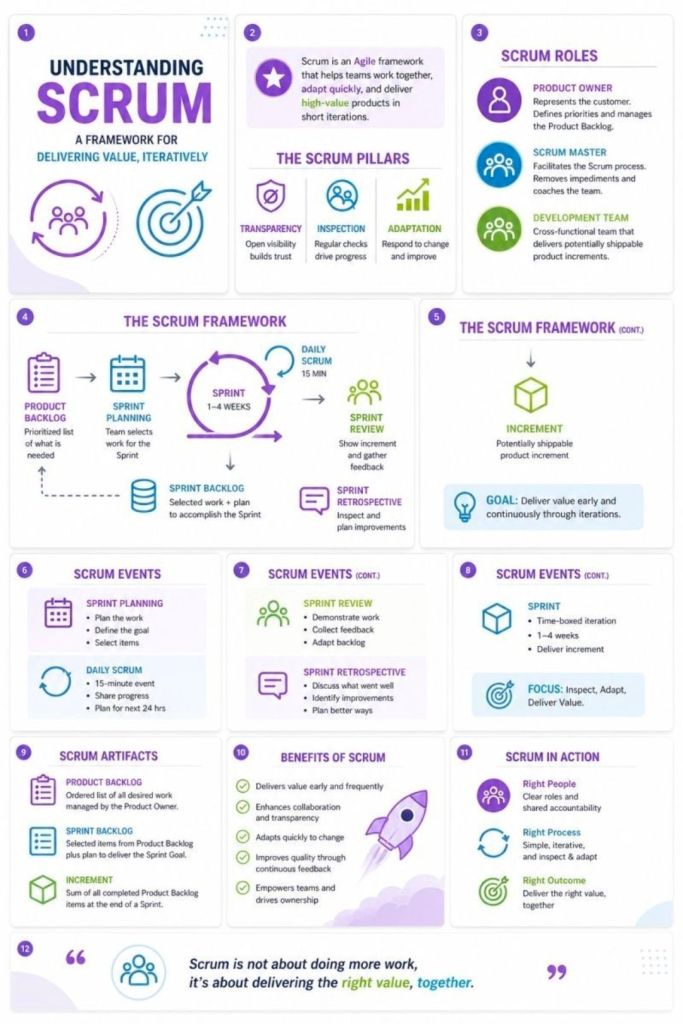
Understanding Agile Scrum, A Framework for Delivering Value, Iteratively

Understanding Agile Scrum, A Framework for Delivering Value, Iteratively

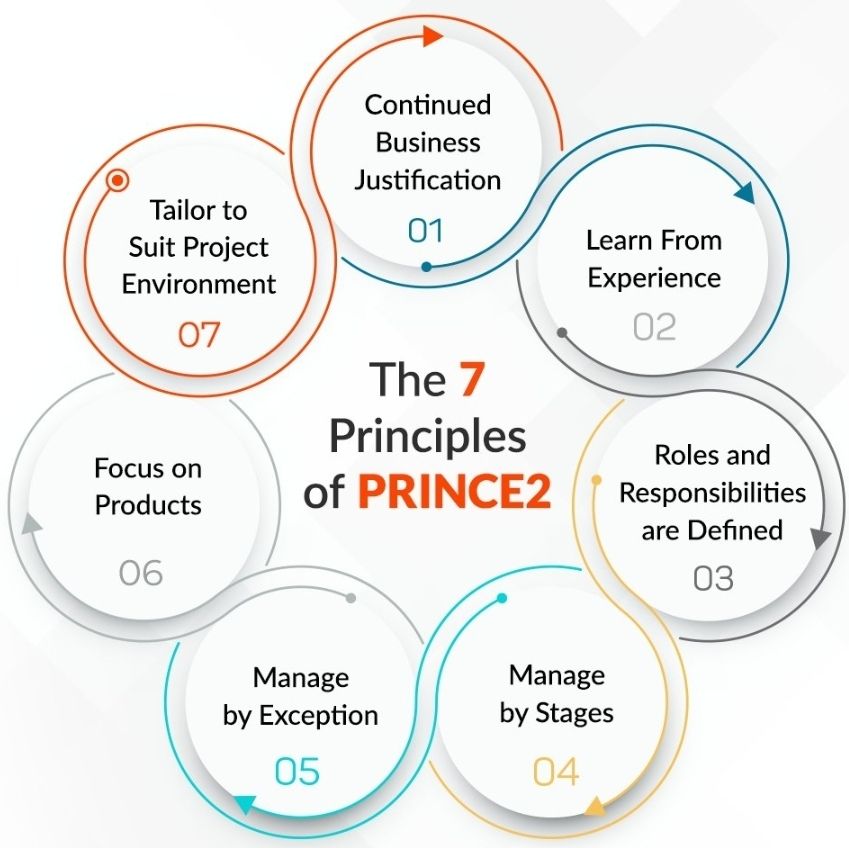
PRINCE2 (PRojects IN Controlled Environments) framework is built on seven core principles

PRINCE2 framework is built on seven core principles

The PRINCE2 (PRojects IN Controlled Environments) framework is built on seven core principles that serve as guiding obligations for any project using this methodology. For a project to be considered a “PRINCE2 project,” all seven must be applied. 

  • Continued Business Justification: A project must have a valid reason to start and must remain justified throughout its lifecycle. This is documented in a Business Case, which is regularly reviewed to ensure the project remains viable, desirable, and achievable.
  • Learn from Experience: Project teams are required to seek out lessons from previous projects and record new lessons as the current project progresses. A Lessons Log is typically used to capture these insights.
  • Defined Roles and Responsibilities: Every person involved must understand what is expected of them and who is responsible for specific tasks. PRINCE2 defines a clear management hierarchy: Project Board (Direction), Project Manager (Management), and Team Manager (Delivery).
  • Manage by Stages: Projects are broken down into manageable chunks called management stages. Each stage acts as a “stop/continue” decision point for the Project Board to assess progress before committing more resources.
  • Manage by Exception: Senior management (Project Board) only intervenes when the project deviates beyond agreed tolerances for time, cost, quality, scope, risk, or benefits. This empowers the Project Manager while ensuring efficient use of executive time.
  • Focus on Products: The methodology prioritizes the definition and delivery of high-quality products (outputs) rather than just completing activities. Product descriptions specify the quality criteria and requirements for each deliverable.
  • Tailor to Suit the Project: PRINCE2 is not a rigid “one-size-fits-all” approach; it must be adapted to the project’s specific scale, complexity, and environment. Tailoring ensures that the controls are appropriate for the level of risk involved. 

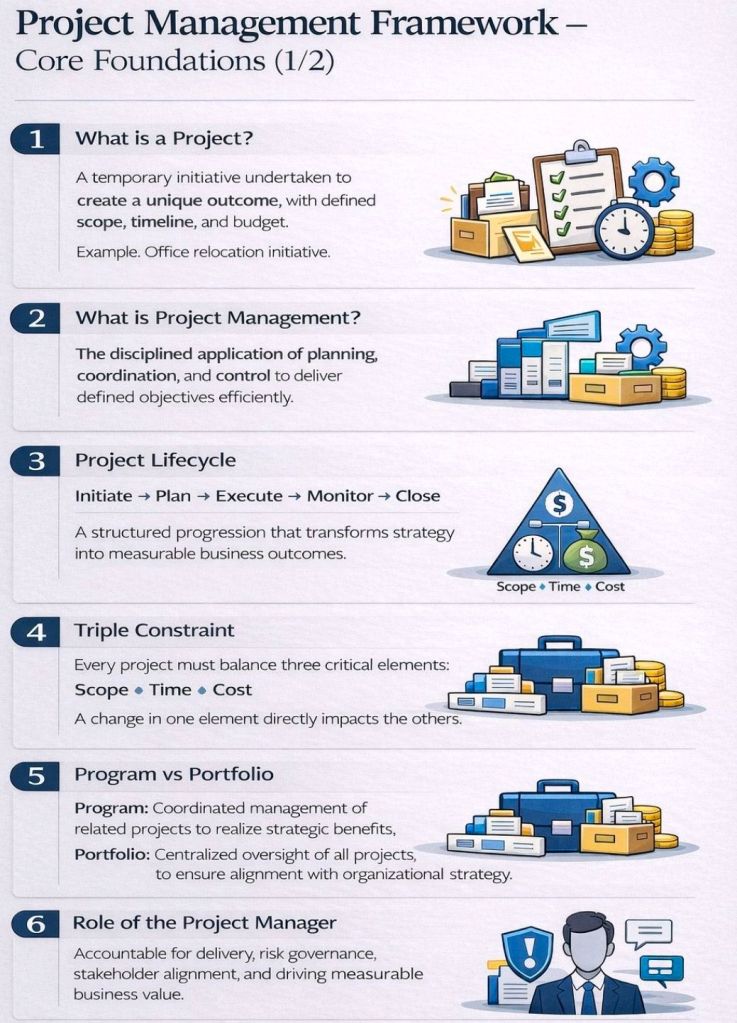
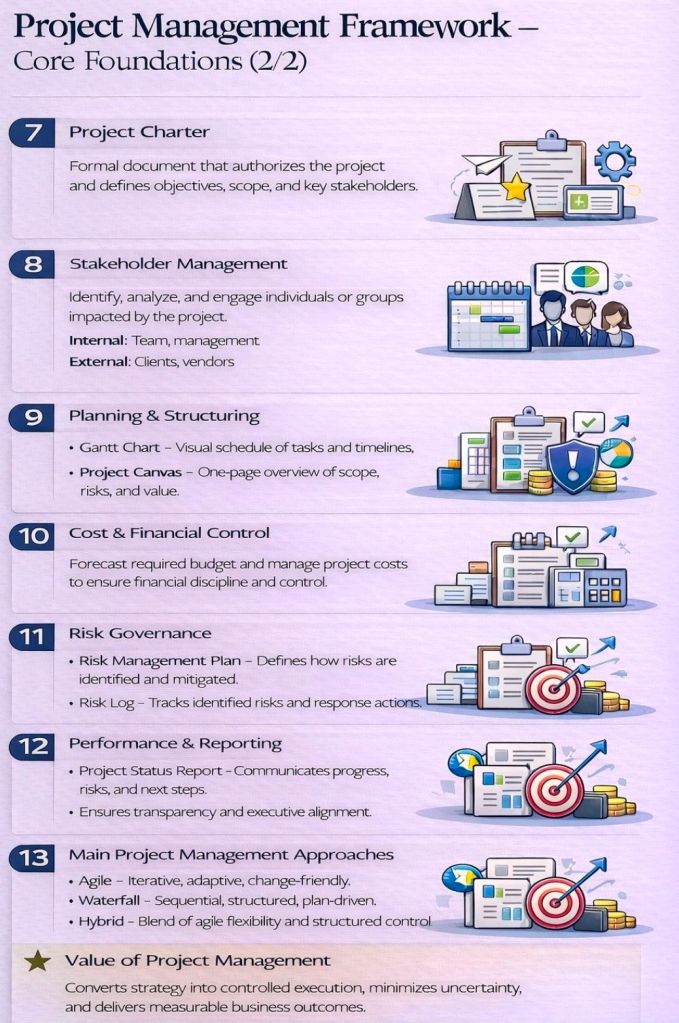
Project Management Framework – Core Foundations

Project Management Framework – Core Foundations

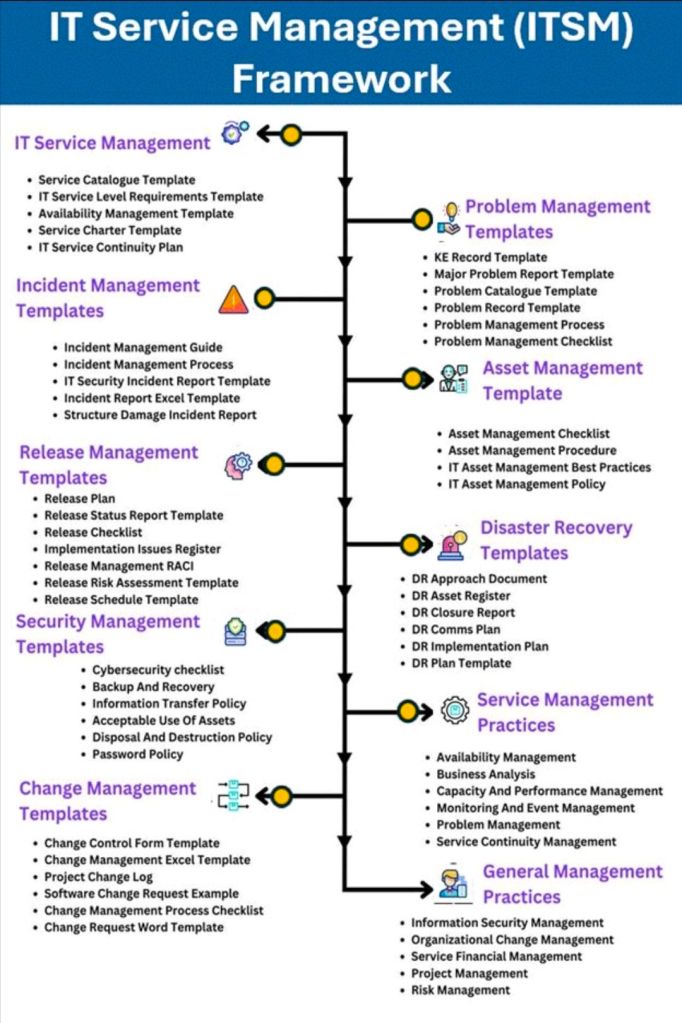
ITSM IT Service Management Framework Overview

ITSM IT Service Management Framework Overview

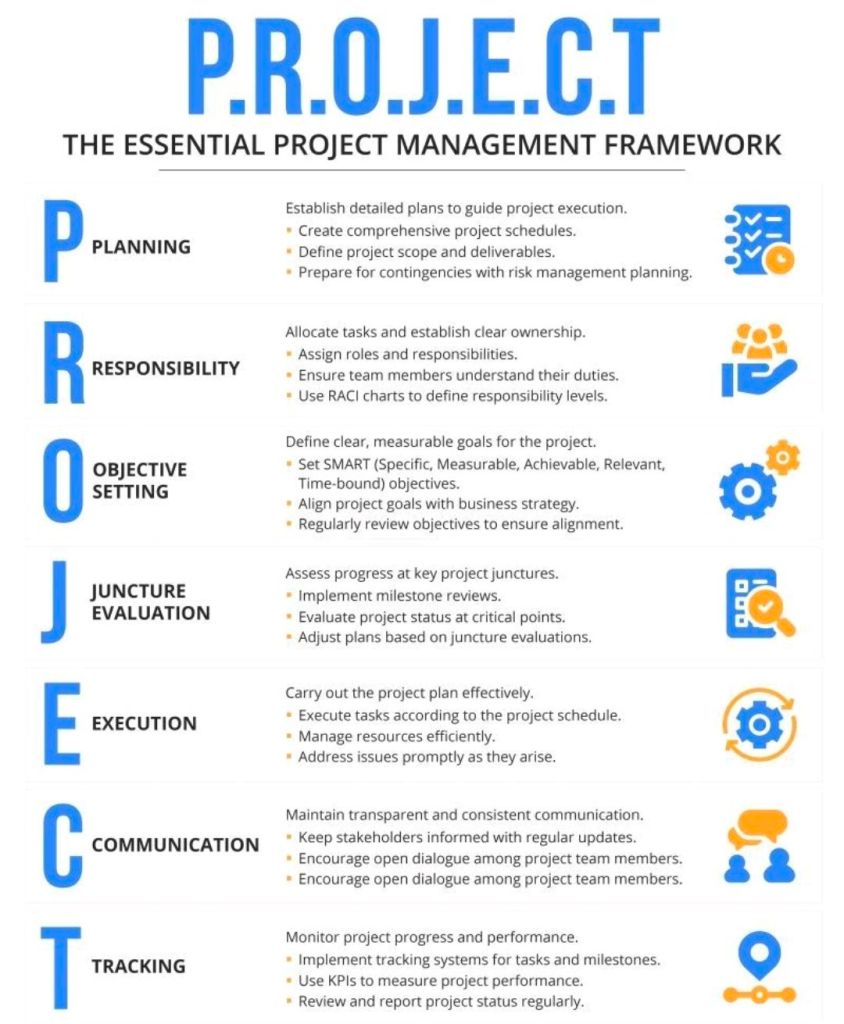
Essential Project Management Framework

Essential Project Management Framework

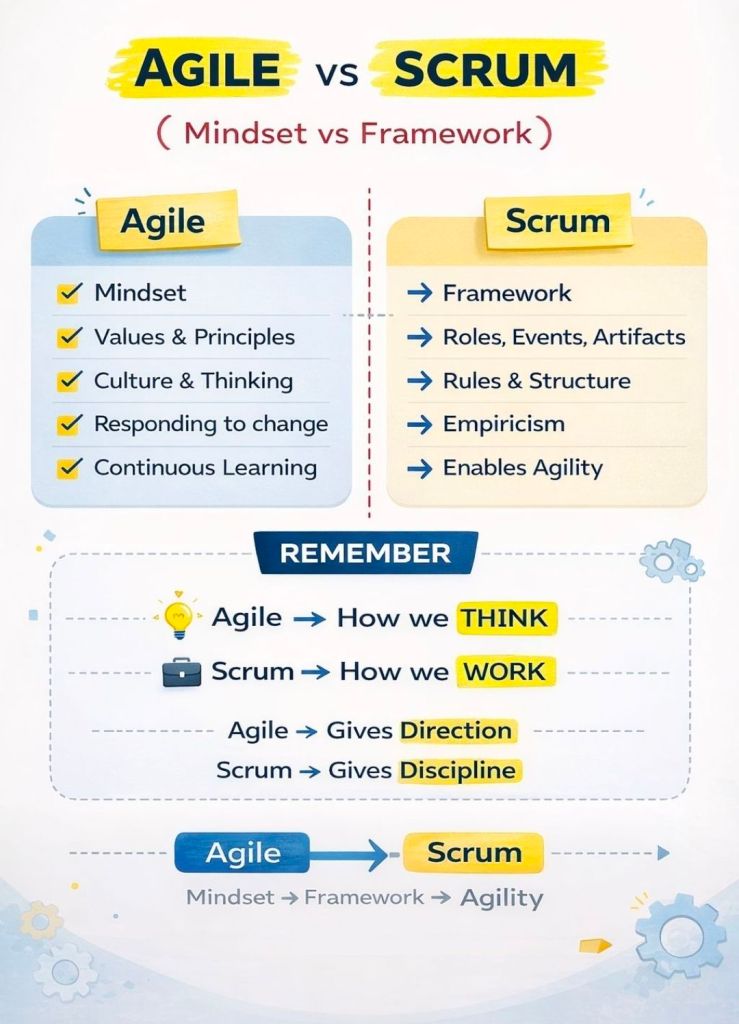
Agile vs Scrum, Mindset vs Framework

Agile vs Scrum, Mindset vs Framework

Agentic Artificial Intelligence AI, a Complete Framework

Agentic Artificial Intelligence AI, a Complete Framework

Choosing the right methodology and framework for successful project delivery

Choosing the right methodology and framework for successful project delivery

IT Service Management ITSM Framework Overview

IT Service Management ITSM Framework Overview

Agile Scrum Framework Overview

Agile Scrum Framework Overview

Six Sigma 101, DMAIC, A Framework for data-driven operations

Six Sigma 101, DMAIC, A Framework for data-driven operations

Agile Sprint Prioritisation Framework

Agile Sprint Prioritization Framework

Agile Sprint Prioritization Framework

Agile Sprint Prioritization Framework

Acceptance Criteria Framework

Acceptance Criteria Framework

Agile Scrum Framework

Agile Scrum Framework

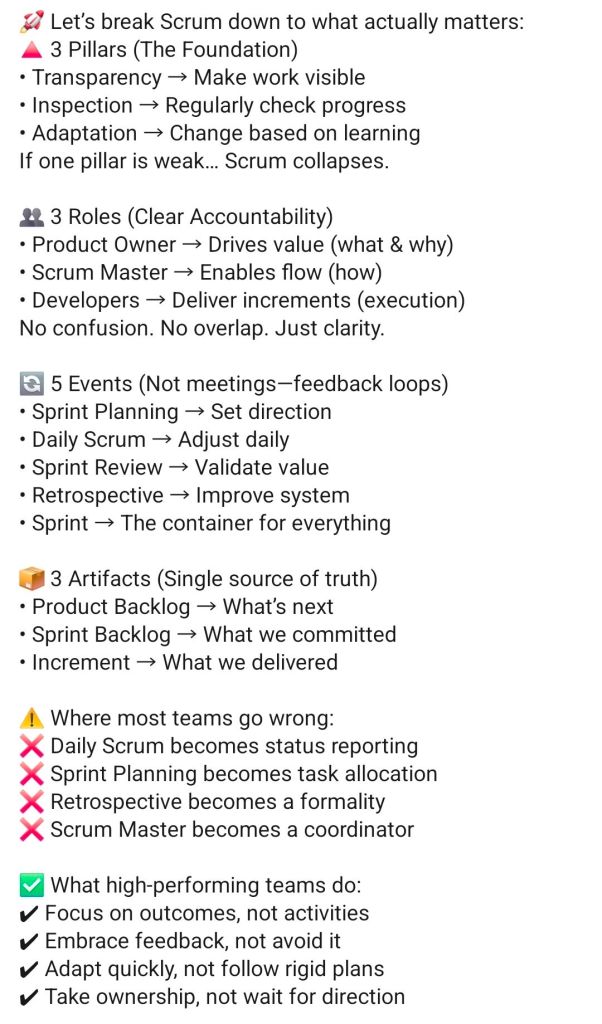
Agile Scrum Simplified, the 3-5-3 Framework

Agile Scrum Simplified, the 3-5-3 Framework

Key Criteria for Selecting an Agile Framework

Key Criteria for Selecting an Agile Framework