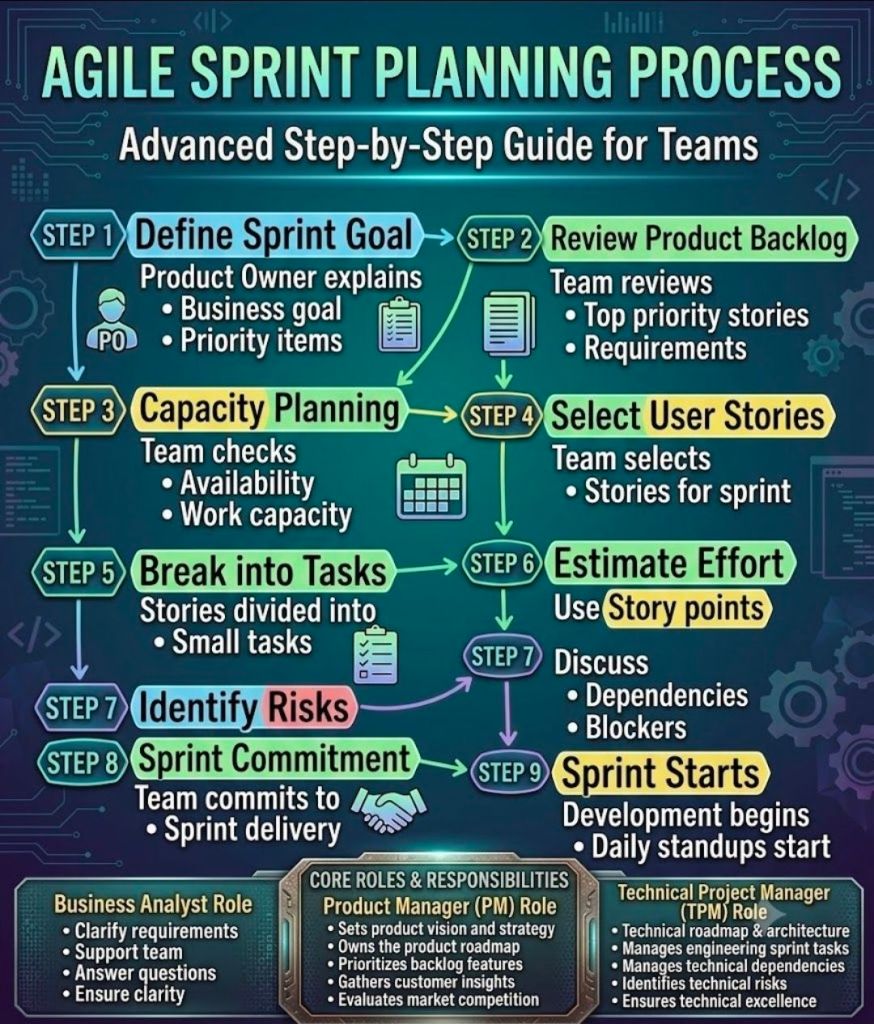
Key responsibilities for the Engagement Manager (EM) include:
• Deliver against the contract. • Overall responsibility for project success, achieving project targets e.g. margin (as defined in the Internal View) and delivering to agreed timescales. • Management of the project through its complete lifecycle and multiple aspects, as described in the UPM phases and streams. • Author and owner of the Project Governance Plan (PGP) and responsible for compliance to its contents. • Clear and concise status and project reporting, both internal and external, as defined in the PGP. • Management of the monthly financial reporting process. • Work together with the Offshore Project Manager in order to realize the common project targets. • Management and motivation of the project team, including setting of objectives for direct reports and timely completion of their assignment reviews. • Communications to stakeholders and teams about all relevant aspects of the project, in line with contract, project baseline, project status and client feedback. • Ensure compliance with UPM (Group or regional version) and any local quality management system. • Ensure the group mandated tools are utilised. • Meet or exceed client expectations (using client satisfaction process). • Identify and follow-up on opportunities for additional business. • Achieve the Capgemini EM certification level appropriate to level of experience.
The EM should deliver the project against contracts, meet (or exceed) client expectations, achieve project targets, identify and work on opportunities for additional business, and should ensure that these fundamentals are followed on the project.
Usually the EM will report to the Delivery Manager or a Programme Manager if the project is part of a larger programme.
Campus – Serge Kampf Les Fontaines, Chantilly, France – Advanced EM Course – November 2017 Class – 2nd from left
Campus Serge Kampf Les Fontaines, in Gouvieux-Chantilly near Paris
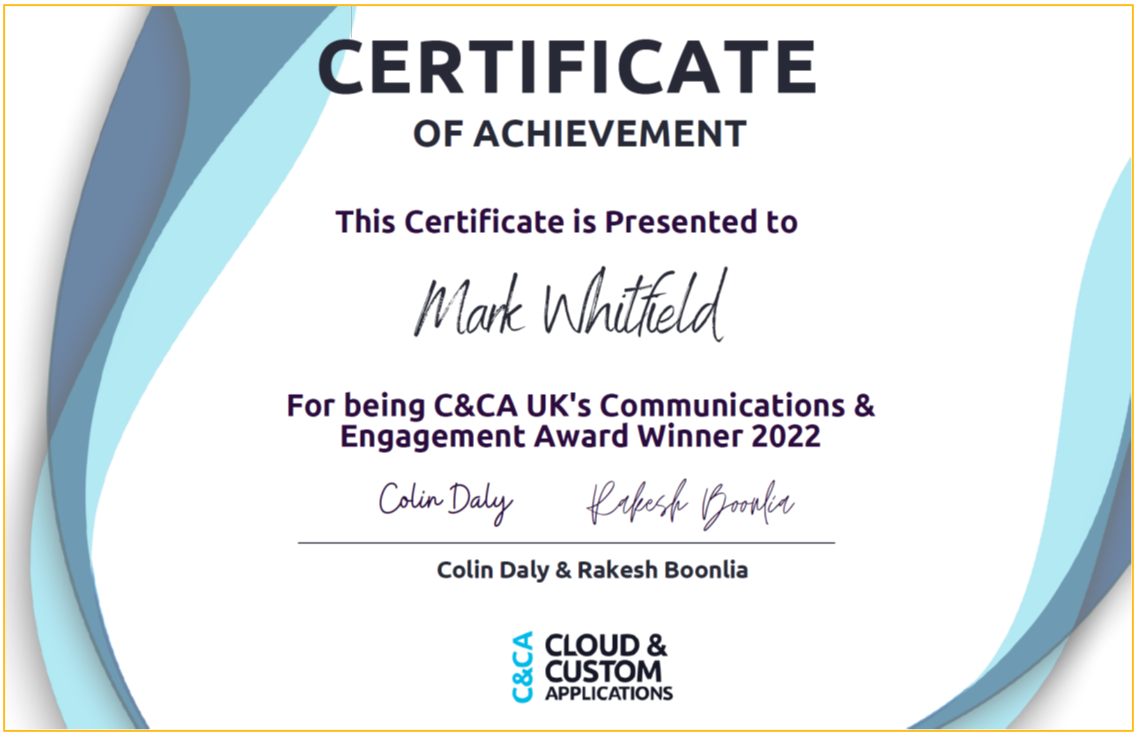
C&CA UK’s Communications & Engagement Award Winner 2022 – Cloud & Custom Applications – Capgemini UK
Serge Kampf Les Fontaines, Chantilly, France – Advanced EM Course
HPE NonStop MultiBatch is an advanced workload automation and scheduling manager designed explicitly for mission-critical HPE NonStop environments. Originally created to support complex scheduling needs in banking and finance, it automates job flows and parallel processing across multiple CPUs.
Detailed Description
The original NonStop batch scheduler (NetBatch) was built for basic sequential job queues. As large enterprises required deeper integration with databases, real-time events, and complex parallel schedules, MultiBatch (developed originally by Insider Technologies, now part of ETI-NET) emerged.
Core Functions: It automates job submission, tracks job flow, handles conditional parameters, manages event timers, and triggers jobs “On Demand” based on real-time system events.
High Availability: Like the underlying HPE NonStop system, MultiBatch is engineered for fault tolerance, ensuring automated workflows do not fail due to hardware or software interruptions.
Enterprise Integration: It supports Open System Services (OSS) and standardizes auditing, security, and menu-based operations across distributed NonStop systems.
Breakdown by Year / Era
The evolution of MultiBatch parallels the architectural changes of the HPE NonStop platform.
1985–1990s: Tandem Era & Origin
1985: Conceived. MultiBatch was developed by Insider Technologies specifically to meet the complex batch schedule demands of large financial institutions that exceeded native NetBatch capabilities.
Early 1990s: The system was officially rolled out for Tandem processors to automate transaction data loads and daily reconciliation tasks for ATMs and financial ledgers.
1997–2014: Compaq & Early HP Era
1997: Following Compaq’s acquisition of Tandem, MultiBatch was adapted to support the NonStop Himalaya systems and server software, which expanded data and network scaling.
2000s: During the HP Itanium and MIPS Era, MultiBatch evolved to support more dynamic processing pools and expanded job limits, increasing fault tolerance under the HP-UX integrated environment.
2014–2020: Transition to NonStop X & Modernization
2014: As HPE shifted the platform to standard Intel x86-64 processors (NonStop X), MultiBatch was updated for L-series operating systems to run efficiently on high-speed InfiniBand fabrics.
2019: Insider Technologies made significant updates to MultiBatch to modernize the GUI and improve code stability for the new generation of NonStop users transitioning to X-series hardware.
2020–Present: MultiBatch 10 & 10.2
2023: MultiBatch 10 was released. It included a new Operations GUI Server, significantly increased configuration limits (e.g., supporting up to 2,500 jobs), enhanced conditional parameters, improved processing of Open System Services (OSS), and “On Demand” job capabilities.
2025: MultiBatch 10.2 was released by ETI-NET. This update focused heavily on digital resilience, providing deep alignment with the NIST Cybersecurity Framework to protect against operational and cyber threats.
Current Status: Fully integrated into modern systems supporting the HPE GreenLake consumption-based cloud model, MultiBatch 10.2 serves as the primary automation engine for large enterprises executing complex HTAP (Hybrid Transaction/Analytical Processing) workloads.