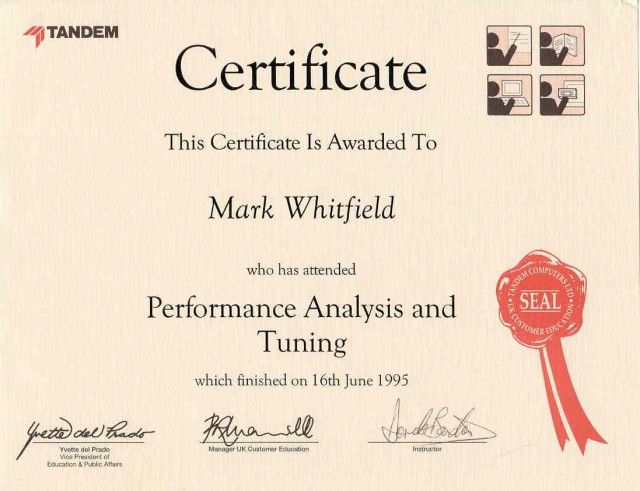
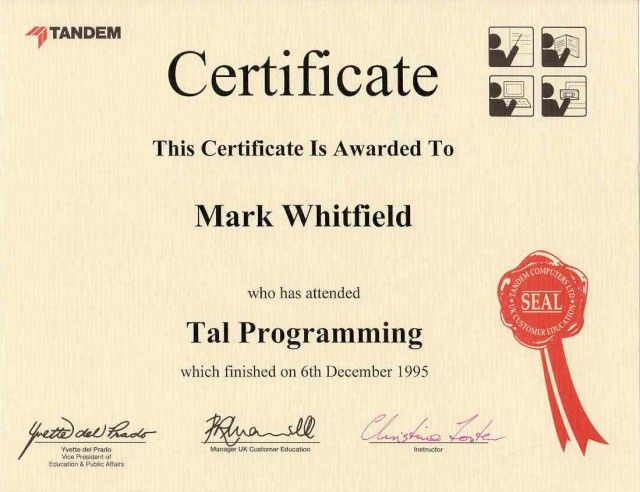
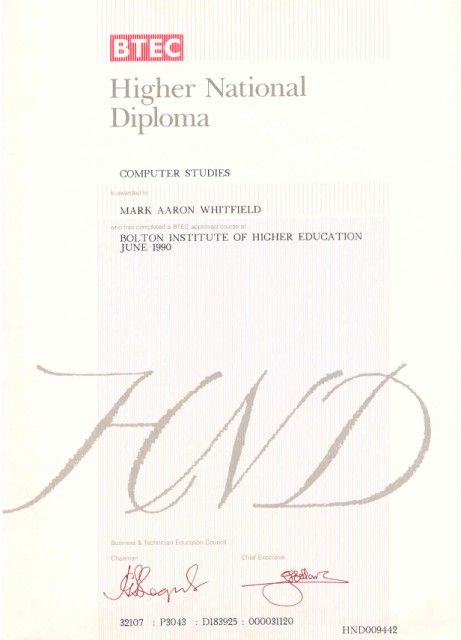
During his time at The Software Partnership (acquired by Deluxe Data International in 1994), Senior IT Project Manager Mark Whitfield operated as a Programmer and Lead Analyst. This era lasted from 1990 to 1995 and focused on foundational electronic banking software frameworks, specifically the sp/ARCHITECT-BANK platform.
The key projects and focus areas within this era are structured below by client timeline, focus areas, and technical outputs:
🏦 1990–1992: Barclays Bank (Knutsford, Cheshire)
Focus Area: On-site architectural design and core mainframe development for high-profile business banking.
Technical Output: Designed and coded back-end software modules for the Barclays Business Master II (BBM II) desktop banking project.
📞 1992–1993: Girofon (Denmark)
Focus Area: Telephonic integration and automated remote banking solutions.
Technical Output: Developed an automated, menu-driven touch-tone phone banking suite. This allowed voice commands to dial into a Periphonics VRAM device to fetch live customer balances directly from back-end mainframes.
📊 1993: Barclays Bank (Poole, Dorset)
Focus Area: Financial transactional automation and corporate service invoicing.
Technical Output: Created and integrated a custom batch billing suite of modules that attached to the BBM II application to automate client usage invoicing.
💻 1993–1994: TSB & Bank of Scotland
Focus Area: Early digital forensics, fund movements, and logic architecture.
Technical Output: Conducted digital investigations and engineered logic design and mainframe code to support early inter-account desktop money transfers.
🌍 1994–1995: Rabobank
Focus Area: International systems deployment, optimization, and validation.
Technical Output: Led software optimization protocols, wrote custom electronic coding patches, and validated on-site deployments for global operations.
⚙️ Core Technical Stack & Environment Summary
Across all eras at The Software Partnership, the standardized environment utilized for these outputs included:
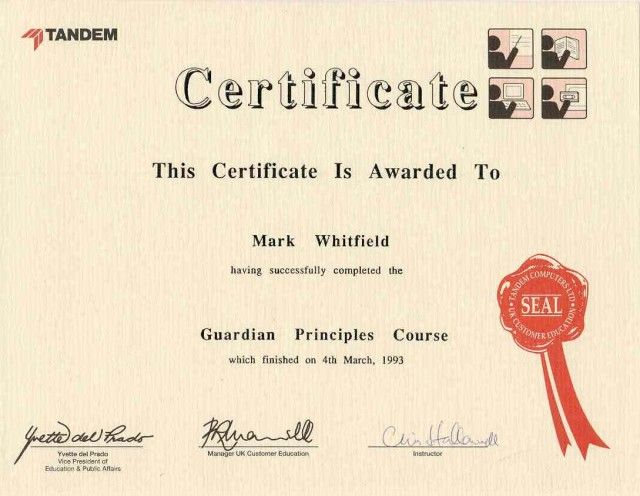
Hardware & Operating Systems: Tandem Mainframe Computers (now HPE NonStop) operating on the Tandem Guardian O/S.
Programming Languages: COBOL85, NonStop SQL, SCOBOL (Screen COBOL for “green screen” terminal emulations), C, C++, and TAL.
Subsystems & Tools: PATHWAY, PATHMAKER, ENSCRIBE, EMS, and INSPECT.
Methodologies: Early iterative development and structured Waterfall lifecycles.
During his 18-year tenure (1995–2013) at Insider Technologies Limited (ITL) in Salford Quays, UK, Senior IT Project Manager Mark Whitfield advanced from a core technical engineer into strategic product and project management.
His time at the company is defined by two distinct operational eras, marked by a clear shift from code development to enterprise delivery:
🛠️ 1. The Engineering & Technical Development Era (1995–2004)
During this period, Whitfield operated primarily as a Senior Programmer, focusing on platform health, system diagnostics, and transaction log extraction architectures for highly critical financial systems.
Main Focus Areas:
Infrastructure consulting, automated system management, and volume stress-testing.
Service Level Agreement (SLA) monitoring for critical path payment pipelines.
HPE NonStop (formerly Tandem Computers via Compaq) platform optimization and software engineering.
Technical & Project Outputs:
Reflex (Reflex 80:20) Co-Development: Designed and authored platform health and core diagnostic plug-in modules, including Console (for EMS event viewing and filtering), Status Monitor (for tracking HPE NonStop platform components including CPU, Disk, Process, Enscribe Files, MQ, XPNET, TCP/IP, MultiBatch jobs), and Service Monitor (multi-line, rule-based multi-component analysis).
CRESTCo Infrastructure Benchmark (1997): Contracted on-site to CRESTCo (now Euroclear) to write custom benchmarking software evaluating stock settlement software performance on newly introduced S7000 HPE NonStop systems.
HP OpenView Certification (2002): Successfully engineered and secured the industry’s first HP OpenView Operations Enterprise Manager 2-way Smart Plug-In (SPI) certification for HPE NonStop environments.
📈 2. The Strategic Product & Project Management Era (2004–2013)
In this phase, Whitfield transitioned into a Product Manager and Project Manager role (Strategic Technical Initiatives), taking charge of complete software development lifecycles (SDLC) using structured PRINCE2 and early Agile Scrum frameworks.
Main Focus Areas:
ATM/POS transaction monitoring and real-time electronic payments tracking.
Web-enabled client-server browser monitoring frameworks and middleware solutions.
Pre-sales technical bidding, executive demos, and client deployment validation across Europe and the Middle East.
Technical & Project Outputs:
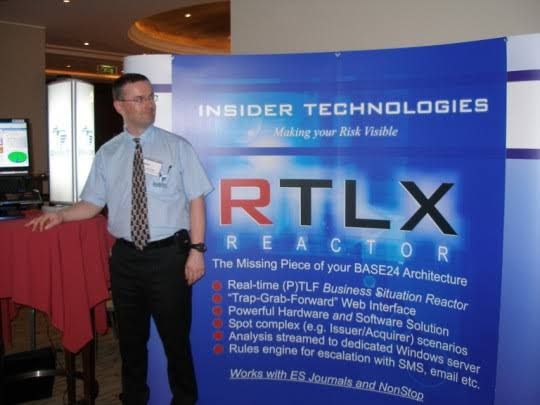
RTLX Reactor & Sentra Suites: Managed the commercial rollout and high-volume deployment of the browser-enabled Real-Time Log Extraction (RTLX) suite and Sentra monitoring solutions to capture and parse ATM/POS logs.
Enterprise Bank Implementations: Directed mission-critical payments monitoring integrations (notably processing ACI BASE24 Classic and BASE24-eps transactions over XPNET middleware) for tier-1 financial heavyweights including HSBC, Alliance & Leicester, Standard Chartered, and Al Rajhi Bank (Saudi Arabia).
Open CMS Corporate Re-platforming: Researched, designed, and authored a complete overhaul of Insider Technologies’ public corporate website using an Open Content Management framework (DotNetNuke).
💻 Core Technology Stack (1995–2013)
Across both eras at Insider Technologies, Whitfield’s environment relied on high-availability, fault-tolerant ecosystems:
Platforms & Operating Systems: HPE NonStop (Tandem K-Series, S-Series, and Itanium J-Series), Guardian O/S, Windows 2000/XP, Linux, and Unix.
Languages & Toolsets: Pathway, INSPECT, SPOOLCOM, Peruse, TAL (Tandem Application Language), NonStop C, C++, COBOL85, SCOBOL, NonStop SQL, TACL, and Enscribe.
Enterprise Software Interfaced: ACI BASE24 Classic, BASE24-eps, XPNET, ICE (Insession), TIVOLI, COMMAND/POST, and HP OpenView Operations (HP OVO).
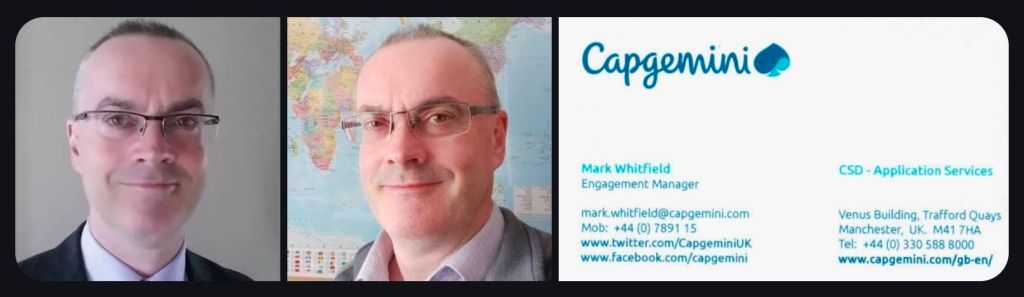
Mark Whitfield is a UK-based, SC-cleared Senior IT Project Manager, Engagement Manager (Capgemini), and technology executive with over 35 years of hands-on and leadership experience across the Software Development Lifecycle (SDLC).
Mark Whitfield, High-Level Career Summary from 1990 thru 2026
Specialising in complex digital transformation, hybrid cloud migrations, and API-led system integrations, Mark graduated with an HND (Distinction) in Computing in 1990 and has delivered major enterprise solutions for clients such as Barclays Bank, Jaguar Land Rover (JLR), Royal Mail Group (RMG), Lloyds Banking Group, and the Bank of England. He is also the author of the PROject Templates resource platform, which provides project management toolkits.
The following comprehensive biography and career timeline breakdown details his professional trajectory by era.
Phase 1: Early Programming & Lead Analysis Era
Era Focus: Electronic banking software development, establishing foundational desktop access to company accounts.
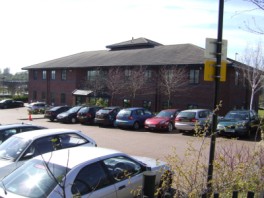
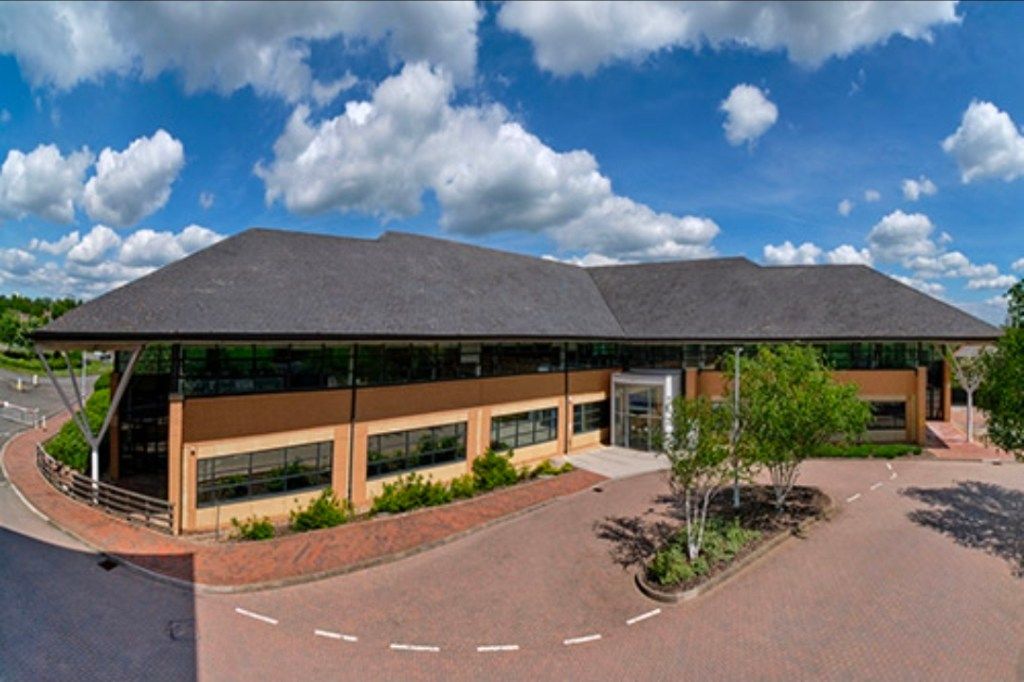
Deluxe Data International, Wingate House, Northway, Runcorn
Main Focus Items: Core software design, coding, and back-end integration for electronic desktop banking.
Project Outputs: Software design, coding, and back-end integration for electronic desktop banking. Developed batch billing suite modules (NonStop SQL embedded COBOL85) to attach to the BBM II application, in Poole, Dorset (1993).
Milestones: Transitioned banking from purely paper-based to electronic systems. Made early remote banking a reality.
Methodology: Early iterative development & structured Waterfall lifecycles.
Highlights: Helped in the design and development of the Barclays Business Master II application while on-site in Knutsford, and later successfully developed and deployed a batch-billing suite for the bank in Poole, Dorset (1993).
Political Landscape: Early post-deregulation European banking markets. The Single European Act drove a need for cross-border electronic financial transparency and transaction systems.
Technology Landscape: Desktop PCs were novel; banking was driven by mainframe computing, specifically Tandem NonStop systems (now HPE NonStop).
Phase 2: Technical Consultancy & Product Management Era
Era Focus: Transitioning to product management, system and transaction monitoring, and SLA monitoring for critical-path financial hardware/ software.
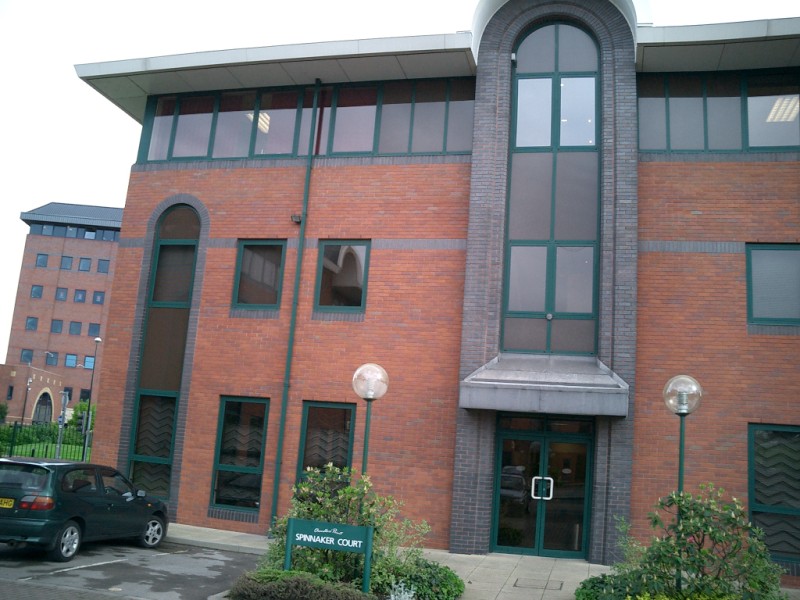
Insider Technologies Limited, Salford Quays, Greater Manchester (UK)
Locations: Salford Quays, UK (head office); London, UK; International client sites
Clients included: Global Payments, Standard Chartered, Girofon, Rabobank, CRESTCo (Euroclear), Alrajhi Bank, LloydsTSB, HSBC, Santander, Bank of Ireland, Bank of Valletta (Malta) and both Commercial and Piraeus Bank (Greece)
Budget: Internal operational budgets and R&D capital expenditure
Main Focus Items: Infrastructure consulting, volume testing, system management & monitoring, and Service Level Agreement (SLA) monitoring for critical path payment applications. Attending related conferences, EBUG, ITUG, BITUG, SATUG
Project Outputs: Developed platform health and diagnostic modules for the Reflex monitoring product. Successfully delivered BASE24 ATM/ POS/ transaction Cross-border monitoring.
Milestones: Achieved the first HP OpenView Operations Enterprise Manager 2-way Smart Plug-In (SPI) certification for HPE NonStop in 2002.
Highlights:Consultant for CRESTCo in 1997, producing volume testing/benchmark software to test Stock Settlement applications on the newly introduced S7000 HPE NonStop systems.
Political Landscape: The late 1990s and 2000s saw the creation of the Eurozone, demanding high-capacity regional clearing and settlement networks that required robust transaction monitoring.
Technology Landscape: Market expansion of ATM and Point-of-Sale (POS) devices; ACI BASE24 Classic payments; move toward centralized, multi-platform GUI monitoring.
Also: Designer and author of a new company website using an Open Content Management framework identified as part of a Research phase. Authored a major technical summary published globally in the recognized HPE NonStop industry journal, The Connection, defining payment software lifecycles.
Phase 3: Professional Services Banking Delivery
Era Focus: IT Project Management and delivery of legacy migrations to primary UK high-street banks.
Project Outputs: Managed the Wincor Nixdorf workstream for Lloyds Banking Group’s Self-Service Software Replacement (SSSR) programme. Modernising legacy ATM software and directing hardware/ software transitions. Implementing ProClassic/Enterprise and PC/E SmartClient (Win 7) to replace the existing ProCash/NDC (Win XP) Stacks on a variety of multivendor devices.
Milestones: Transferred ATM driving responsibility away from BASE24 Classic on HPE NonStop to Wincor’s PC/E product on the AIX platform. Managed international rollout and off-shore resources.
IT Training: Agile, ITIL methodologies.
Methodology: Wincor project management methodology, with regard to planning, control, status reporting, documentation, quality, change control, risk analysis and management.
Highlights: Successfully upgraded LBG ATM hardware estate from Windows XP to Windows 7.
Political Landscape: Post-2008 financial crisis regulations brought stricter compliance and operational risk rules, accelerating the modernisation of core legacy banking systems to prevent service outages.
Technology Landscape: Transition from proprietary mainframe terminal driving to AIX, Oracle, and Windows-based banking environments.
Technology Areas: Multi-vendor hardware & software integration for ATMs.
Supplier Management: for external software suppliers like Degree53, Playtech, Onionsack, Intelligent Payments (Myriad), Inspired, iovation, StreamUK, Finsoft, Ineda, OtherLevels, Appsflyer, Income Access, Activewin, Virgo, Virtue Fusion, In Game Media, Satellite Information Services (SIS) and IGT
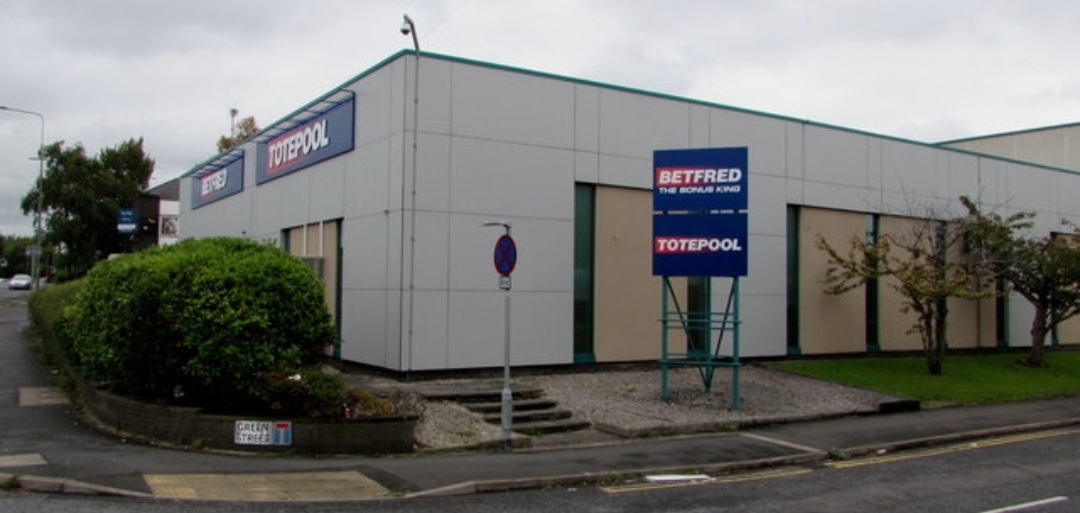
Budget: Managed multiple project budgets for Betfred apps, tracking via weekly effort burn rates
Programming Methodologies: Agile SCRUM in conjunction with Degree53
IT Products: iOS, Android, and Windows native apps, Football/ Horse Racing Sportsbook platforms
Main Focus Items: Taking new sports and virtual gaming components live, integrating payment gateways, managing app release cycles, and handling regulatory compliance.
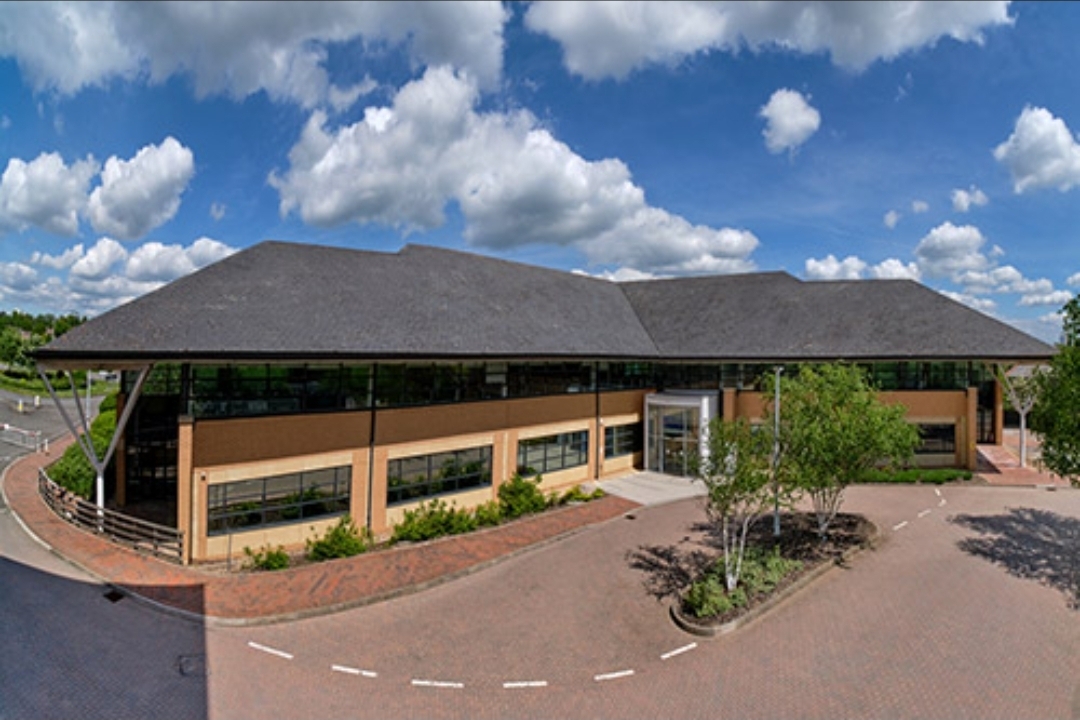
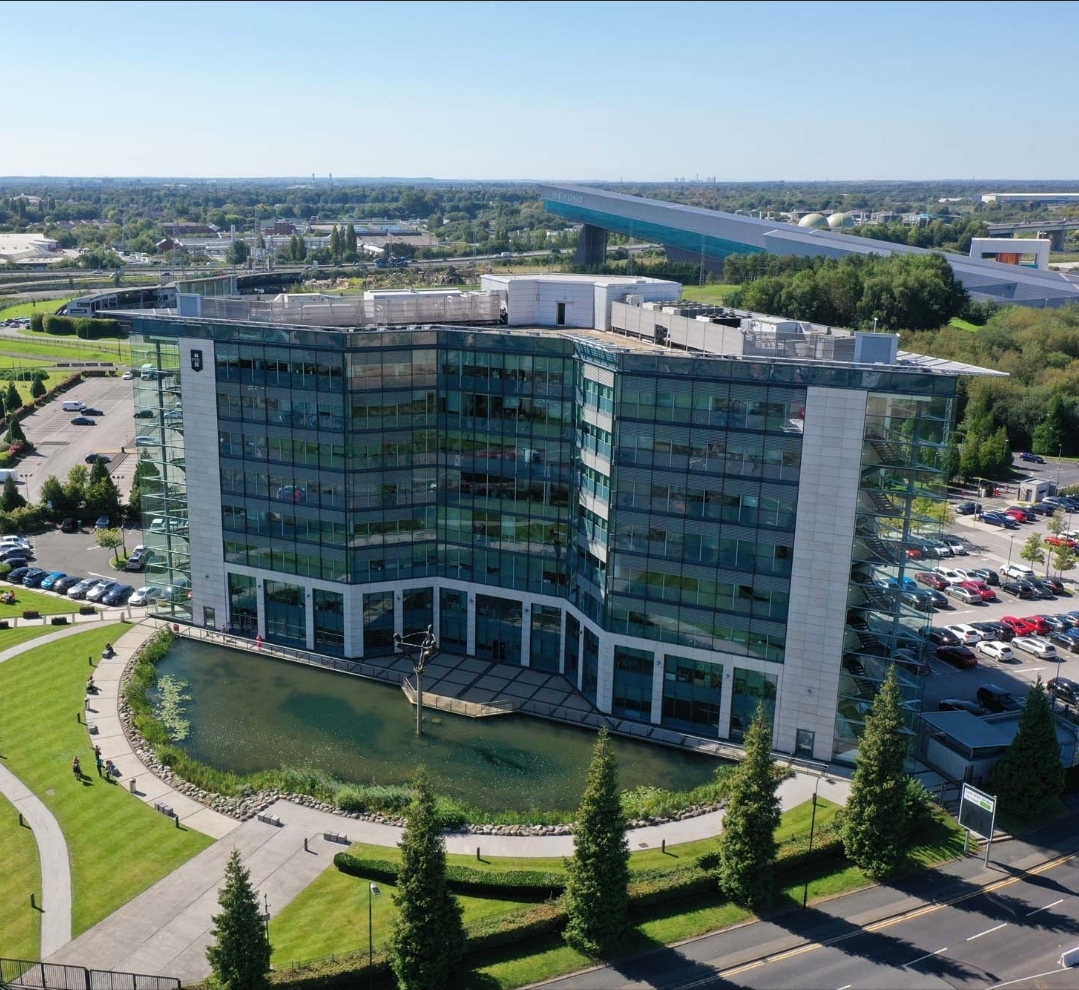
Locations: Manchester (local office above), London, Birmingham, UK
Clients included: Jaguar Land Rover (JLR), Heathrow Airport, Royal Mail Group (RMG), National Air Traffic Services (NATS), UK Export Finance (UKEF), Welsh Water
Budget: Managed multi-million pound digital transformation and cloud refactoring contracts
Highlights: Maintained full SC Clearance. Authored and managed comprehensive Project Governance Plans (PGPs) to realize project targets, streamline margins, and successfully navigate complex off-shore delivery models.
Political Landscape: The government focus on “Digital by Default” for public services, coupled with significant public and corporate drives for green IT and cloud adoption to optimize operating costs.
Focus: Electronic banking programming and development on Tandem Mainframe Computers.
Projects: Wrote, developed, and maintained software like sp/ARCHITECT-BANK and associated billing software (in Poole, 1993). This involved building early electronic banking systems for desktops long before internet banking was prevalent.
Location: Insider Technologies, Salford Quays, Manchester, UK
Focus: NonStop product management, software design, and real-time event monitoring.
Projects: Product managed software lifecycles for four monitoring products (two NonStop based). This included creating health and diagnostic tools (RTLX, Reflex 80:20, Reflex ONE24,XPERT24) for mission-critical NonStop environments. He also deployed volume testing on early HP NonStop S7000 nodes for CRESTCo in London in 1997.
Insider Technologies, Salford Quays, Manchester, UK
Location: Wincor Nixdorf & ATM/POS Financial Services, UK
Focus: Modernization and migration of legacy systems.
Projects: Managed a £5M+ replacement of legacy HP NonStop software systems at a large UK retail bank, migrating functionalities to AIX-based J2EE and Oracle architectures.
Focus: Delivery of enterprise-scale middleware, digital transformation, and cloud.
Projects: Acts as an Engagement Manager and SC-Cleared Project Manager. Focus includes Agile software delivery for Air Traffic organisations (e.g., iOS applications for military and public-facing airspace tracking) and rolling out middleware solutions.
The development of programming languages on the HPE NonStop platform (originally founded as Tandem Computers) is tightly bound to its architectural hardware transitions: from custom CISC stack machines to MIPS RISC, Intel Itanium, and eventually standard Intel x86-64 infrastructures.
Detailed List of NonStop Programming Languages
1. Core Proprietary & System Languages
TAL (Transaction Application Language): The foundational system programming language for Tandem. It is a block-structured, machine-dependent procedural language designed to compile directly into highly efficient machine instructions. It features ALGOL/Pascal-like syntax but implements C-like semantics, structural pointers, and weak data typing.
pTAL & epTAL: Specialized evolutions of TAL. Rather than rewriting legacy codebases from scratch during architecture shifts, pTAL was introduced to compile existing TAL code natively into MIPS RISC architectures. Later, epTAL was developed to target Intel Itanium microprocessors.
TACL (Tandem Advanced Command Language): A built-in command interpreter and interpreted scripting language. It functions like a Unix Bash shell but features highly complex macro capacities used to orchestrate system configurations, monitor processes, and automate failover procedures.
2. Enterprise & Enterprise Legacy Languages
COBOL85 (and older COBOL74): The undisputed workhorse of NonStop commercial workloads. HPE’s tailored implementation of the COBOL85 standard natively interfaces with the Guardian OS. It allows programmers to embed SQL/MP statements and program fault-tolerant Process Pairs through HPE NonStop Pathway (TS/MP).
SCOBOL (Screen COBOL): A specialized, high-level structural derivative of COBOL utilized exclusively to build blocks for character-cell terminal interfaces (such as the 6530 terminal environments) running within Pathway architectures.
NonStop SQL (SQL/MP and SQL/MX): While technically a database system, its embedded syntax acts as a declarative language integrated into C and COBOL. SQL/MP works with the legacy Guardian file system, while SQL/MX brings ANSI-compliant SQL closely bound with the Open System Services (OSS) environment.
3. Standard Mainstream Languages
C & C++: Heavily introduced during the RISC transition to allow software portability. Mainstream development on modern NonStop systems uses standard C/C++ cross-compilers. They run in either the native fault-tolerant Guardian personality or the standard POSIX-compliant Open System Services (OSS) environment.
Java: A first-class language layer deployed natively on NonStop. HPE optimizes the Java Virtual Machine (JVM) to scale across multi-CPU shared-nothing frameworks, allowing modern enterprise web apps to run with out-of-the-box system availability.
4. Modern Open-Source Options
Python, Go, & JavaScript (Node.js): Modern procedural and script utilities provided by HPE. These environments leverage the OSS POSIX platform layer, running modern DevOps orchestration, microservices, and hybrid-cloud pipelines alongside the native database engines.
Detailed Timeline Breakdown by Era and Year
The evolution of NonStop languages maps directly across distinct engineering ownership eras.
The Proprietary Foundation Era (Tandem Computers: 1974–1989)
1976: Tandem ships the original Tandem/16 (NonStop I). TAL is the only available language on the platform. The entire Guardian Operating System is written completely in TAL.
1981: The NonStop II hardware is introduced. Tandem expands language support to include COBOL74, FORTRAN, and BASIC to attract mainstream banking clients.
1983: Tandem releases the Transaction Monitoring Facility (TMF) and Pathway application management software. SCOBOL is introduced alongside them to program secure terminal entry interfaces.
1985: TACL is deployed, completely modernizing the command line shell ecosystem with scalable macros and structured operational control.
1986: Tandem launches NonStop SQL, the first linearly scalable, fault-tolerant relational database engine. Embedded SQL syntax is integrated directly into TAL and COBOL compilers.
1988: Compilers undergo a major update to natively support the newly established COBOL85 standard, which quickly replaces COBOL74 for all mission-critical banking transactions.
The Open Systems & Hardware Transition Era (Compaq: 1990–2001)
1991: Hardware migrates from CISC stacks to MIPS RISC architectures with systems like the Cyclone/R. To protect client software assets, Tandem delivers the pTAL compiler to translate TAL source code into native RISC binaries.
1995: Tandem introduces Open System Services (OSS), a POSIX-compliant UNIX subsystem running over the Guardian kernel. This brings full-scale, native native compliance for standard ANSI C and C++ programming.
1997: Compaq acquires Tandem Computers. Engineering shifts heavily toward implementing Java on NonStop, targeting cross-platform, enterprise internet-banking codebases.
2000: NonStop SQL/MX is released. It allows developers to use embedded SQL statements within standard C, C++, and emerging Java applications inside the OSS runtime environment.
The Corporate Alignment & Itanium Era (Hewlett-Packard: 2002–2014)
2002: HP merges with Compaq. Java is designated as a first-class citizen on the platform, receiving deeper optimization to tie into native clusters seamlessly.
2005: HP releases the Integrity “NonStop i” servers, moving processors away from MIPS onto Intel Itanium architectures. The epTAL compiler is rolled out alongside standard C/C++ updates to seamlessly compile older environments onto Itanium.
2011: Open-source scripting engines, including early ports of modern Python, are introduced to the OSS environment, easing the system-management burden for engineers unfamiliar with legacy TACL.
The Modern Enterprise Era (Hewlett Packard Enterprise: 2015–2026)
2015: HP splits, and the platform transitions to HPE. Standard Intel x86-64 hardware dominates with the NonStop X architecture. Compilers utilize an standard GCC/LLVM-based back end, allowing normal Linux/Unix C++ programs to build on NonStop with minimal alteration.
2020: Sales of Itanium systems officially terminate. Legacy languages like TAL are deprecated for new software creation but are preserved to support older, foundational logic.
2023–2024: HPE rolls out modern cloud-ready DevOps Starter Kits. Full, native support is added for modern languages such as Go, modern Python 3.x, and Node.js, allowing them to integrate into modern automated CI/CD build environments.
HPE NonStop Tandem Programming Languages and Development Timeline
sp/ARCHITECT was a pioneering electronic banking and funds-transfer software suite. Originally built by the UK-based Software Partnership (TSP), it ran natively on fault-tolerant Tandem (now HPE NonStop) systems. It provided highly available transaction routing and real-time electronic book-keeping for major international financial institutions.
Detailed Timeline by Era and Year
1. The Genesis & Independent Era (Mid-1980s – 1989)
Mid-1980s: The Software Partnership (TSP) is co-founded in Timperley, UK. Development begins on sp/ARCHITECT, designed with a client-server architecture.
1986: Tandem launches NonStop SQL, providing the underlying high-availability relational database foundation that sp/ARCHITECT relied upon to ensure absolute data integrity for banks.
2. Mainstream Banking Adoption Era (1990 – 1994)
1990: TSP relocates to Norton House in Runcorn, UK. sp/ARCHITECT achieves production deployment and is widely utilized for inter-account transfers and book-keeping by major banks like TSB and Bank of Scotland.
1992: Due to rapid expansion, the Runcorn operations relocate to Wingate House.
1994: Deluxe Electronic Payment Systems (a subsidiary of Deluxe Corporation) acquires TSP to expand its global electronic funds transfer (EFT) footprint. The platform is globally marketed and supported, expanding to clients like Rabobank.
1990: TSP relocates to Norton House in Runcorn
1992: Due to rapid expansion, the Runcorn operations relocate to Wingate House.
3. Global Expansion & Compaq Transition Era (1995 – 2005)
1995 – 1997: The Runcorn-based team (operating as Deluxe Data) codes additional regional adaptations of sp/ARCHITECT for banks worldwide (e.g., Girofon in Denmark).
1997: Compaq acquires Tandem Computers, placing sp/ARCHITECT on Compaq’s enterprise roadmap.
2002: Hewlett-Packard (HP) acquires Compaq, absorbing the Tandem platform into the HP Integrity server line. The application undergoes adaptation to integrate modern Windows-based management systems (like DSM/NOW).
4. The HPE Modernization & Hybrid Era (2014 – 2026)
2014: HPE (Hewlett Packard Enterprise) is formed, spinning off from HP. NonStop shifts to Intel x86-64 architecture (NonStop X), requiring sp/ARCHITECT and related Tandem subsystems (like Pathway, COBOL, and TAL) to modernize for TNS/X processing.
2020: Legacy Itanium-based environments are phased out. sp/ARCHITECT systems, if still active, are migrated to virtualized NonStop (vNS) and operated within private cloud infrastructures.
2025/2026: HPE NonStop celebrates its 50th Anniversary. Applications originally designed on the sp/ARCHITECT schema are heavily evaluated for AI integration, continuous cyber resilience, and consumption-based models like HPE GreenLake.
Tandem Computers, founded in 1974 by James (Jimmy) Treybig, revolutionized the computing industry by pioneering fault-tolerant computer systems. Designed specifically for online transaction processing (OLTP) in banking, stock exchanges, and telephone switching, Tandem’s “NonStop” systems provided near-zero downtime by utilizing redundant, modular processors and a “shared-nothing” architecture.
Tandem remained an independent, rapidly growing company until it was acquired by Compaq in 1997, later becoming part of Hewlett Packard Enterprise (HPE).
Overview of Key Technologies
NonStop Architecture: The core design featured multiple independent processors, each with its own memory and I/O bus, interconnected by a redundant inter-CPU bus called the Dynabus.
Guardian OS: A message-based operating system designed to detect faults immediately (“fail-fast”) and mirror process states to a backup processor, allowing seamless failover.
NonStop SQL (1986): The first fault-tolerant SQL database, known for linear scalability.
ServerNet (1995): A high-speed, scalable, point-to-point network system that replaced the Dynabus and influenced modern InfiniBand standards.
Detailed Historic Timeline by Era and Year
The Founding Era (1974–1979)
1974: Tandem Computers is founded in Cupertino, California, by Jimmy Treybig, formerly of HP. Initial venture capital investment comes from Kleiner & Perkins.
1975: Design of the Tandem/16 (T/16) is completed.
1976: The first T/16 NonStop system is shipped to Citibank.
1977: Tandem goes public; sales begin rapid, exponential growth.
1978: Introduction of the ENCOMPASS database management system.
The Growth and Competition Era (1980–1989)
1980:Inc. magazine ranks Tandem as the fastest-growing public company in America.
1981:NonStop II is introduced, supporting 32-bit addressing to allow for larger applications.
1982: Competition intensifies as Stratus Technologies enters the fault-tolerant market. Tandem faces its first quarter of declining growth.
1983: Introduction of the NonStop TXP, the first entirely new implementation of the TNS architecture with cache memory.
1985: Attempted entry into the PC market with the MS-DOS-based Dynamite PC, which fails commercially and is withdrawn.
1986: Introduction of the NonStop VLX (32-bit datapath) and the revolutionary NonStop SQL database.
1987: Introduction of the low-cost NonStop CLX for small office environments.
1988: Tandem acquires Ungermann-Bass, Inc. to strengthen networking capabilities.
1989: Introduction of the NonStop Cyclone, a high-end ECL-based processor aimed at mainframe markets.
The Open Standards & MIPS Transition Era (1990–1996)
1990: Tandem introduces the Integrity line of fault-tolerant Unix systems.
1991:Cyclone/R (CLX/R) is released, marking the start of the migration from proprietary stack machines to MIPS R3000 RISC microprocessors.
1993: Introduction of the NonStop Himalaya K-series using faster MIPS R4400 processors.
1994: NonStop Kernel (NSK) is extended with Open System Services (OSS), a POSIX-compliant Unix environment.
1995: Introduction of ServerNet, designed for extremely low-latency inter-processor communication.
1995–1997: Partnered with Microsoft on the “Wolfpack” project, which becomes Microsoft Cluster Server.
Acquisition and Integration Era (1997–Present)
1997:Compaq acquires Tandem Computers for roughly $3 billion. The Himalaya S-Series is introduced.
1998: Compaq acquires DEC, leading to a shift in engineering strategy towards Alpha/Itanium instead of MIPS.
2002:Hewlett-Packard acquires Compaq. Tandem becomes the core of the HP Integrity NonStop Server division.
2005: The first HP Integrity NonStop servers (TNS/E) based on Itanium processors are released.
2014: Completion of the migration to Intel x86 architecture (NonStop X).
Note: Following the split of HP into Hewlett Packard Enterprise (HPE) and HP Inc., the NonStop product line continues to be developed and supported by HPE.
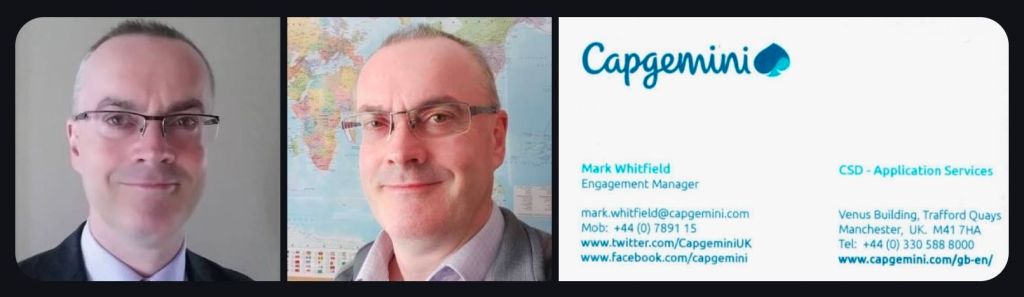
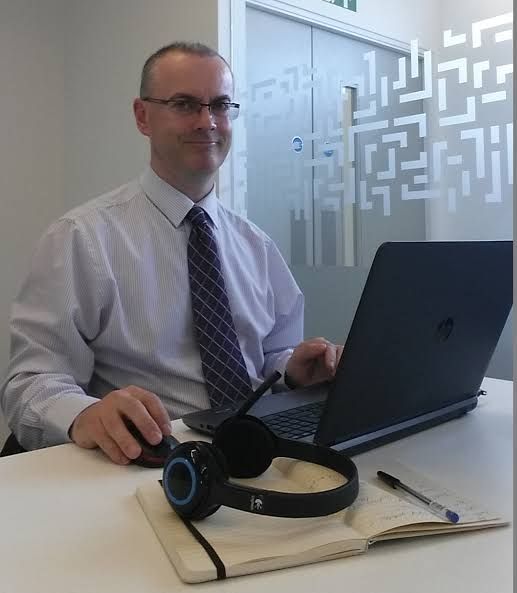
Mark Whitfield is a highly experienced SC-cleared Senior IT Project Manager and Engagement Manager with over 30 years of experience in the software development lifecycle (SDLC), specializing in Agile and Waterfall delivery for financial, automotive, and public sector clients. He has a strong background in HP NonStop (Tandem) systems and currently works for Capgemini.
Mark Whitfield, Senior IT PM and Project templates author
1990–1994: The Software Partnership (Runcorn): Programmer specializing in electronic banking software (sp/ARCHITECT-BANK) on Tandem Computers.
1994–1995: Deluxe Data (formerly TSP): Lead Analyst/Programmer, focusing on software investigation, design, coding, and on-site installation for clients like TSB, Bank of Scotland, and Rabobank.
Development & Technical Specialization (1995–2013)
1995–2013: Insider Technologies Limited: Spent 18 years progressing from Senior Development Engineer to Project Manager for Strategic Technical Initiatives.
Key Roles: Managed Reflex 80:20 and Reflex ONE24 product development, technical pre-sales, and consultancy. Developed diagnostic software for monitoring payment systems (BASE24).
Notable Project: Managed a bid to replace legacy ATM tools at LloydsTSB (5000 ATMs) with Reflex ONE24.
Banking & Digital Project Management (2013–2016)
2013–2014: Wincor Nixdorf: Project Manager in the Professional Services Banking Division, managing a £5m+ work stream for Lloyds Banking Group’s Self-Service Software Replacement (SSSR) programme.
2014–2016: Betfred: Senior Digital Project Manager for the Online and Mobile Division, delivering payment gateways and sportsbooks for iOS, Android, and Windows.
Senior Engagement Management (2016–Present)
2016–Present: Capgemini UK: Engagement Project Manager responsible for delivering both Waterfall and Agile digital projects.
2016 (Approx.): Assigned to a UK-wide Air Traffic organization (NATS) for Apple iOS app delivery.
2018–2019: MuleSoft (Secondment): Served as a Delivery Manager for the Anypoint Platform.
Current Focus: Cloud Migration (Hybrid) of 130 apps for UK Government.
Agile Management: “Mark provided an excellent barrier between us (developers) and a difficult client…ensuring that we followed the agile principles” — Callum Marriage (Developer).
MuleSoft/Capgemini Engagement: “Customers loved him. His was extremely detailed oriented and understood the often-complex needs…never became flustered in high pressure situations” — Delivery Manager, MuleSoft.
Betfred (2015): “I would highly recommend Mark for his ability to successfully multi-task under significant pressure… [he] produced a very comprehensive handover document” — IT Compliance Analyst, Betfred.
Capgemini/JLR Project: “Mark was able to do a good planning, with the correct resources, on time delivery and with good relationship between stakeholders” — Head of Integration Development.
Mark Whitfield’s website (mark-whitfield.com) serves as a professional portfolio and resource hub for his 30+ year career as a SC-cleared Senior IT Project Manager. It offers over 200 editable project management templates for Agile, Waterfall, and PRINCE2 methodologies, alongside career insights and project experience.
Website & Content Overview
Project Management Resources: The site, often known as PROject Templates, provides downloadable templates for planning, scheduling (Gantt charts), project initiation (PID), and project control.
Methodology Focus: Resources are tailored for PRINCE2 (including Agile Scrum), and Agile/Waterfall delivery methods.
Career Portfolio: Features his work history as a Senior IT Project Manager, including roles at Capgemini, Betfred, and various financial institutions.
Technical Specialization: Highlights expertise in HP NonStop systems, digital projects, and payment/transaction systems.
Professional Background: Mentions his experience with major clients such as Jaguar Landrover, Heathrow, Royal Mail, and various banks.
The site is designed for project managers looking for templates to speed up project documentation and for clients looking to review his career accomplishments.
Senior IT Project Manager & Project Templates author – Mark Whitfield
Templates sold on this website are designed for Microsoft Office (Excel, Word, PowerPoint) and MS Project (MPP) and are used for tracking and planning software development lifecycle (SDLC) projects.
Template Breakdown
The templates, often sold in a bundle, include over 200+ editable items aimed at project delivery. Key components include:
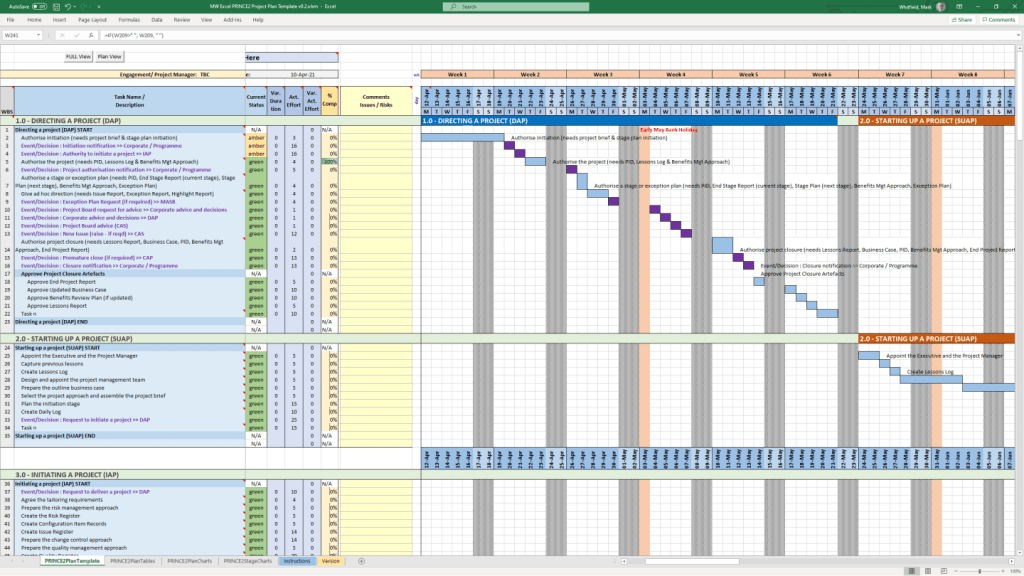
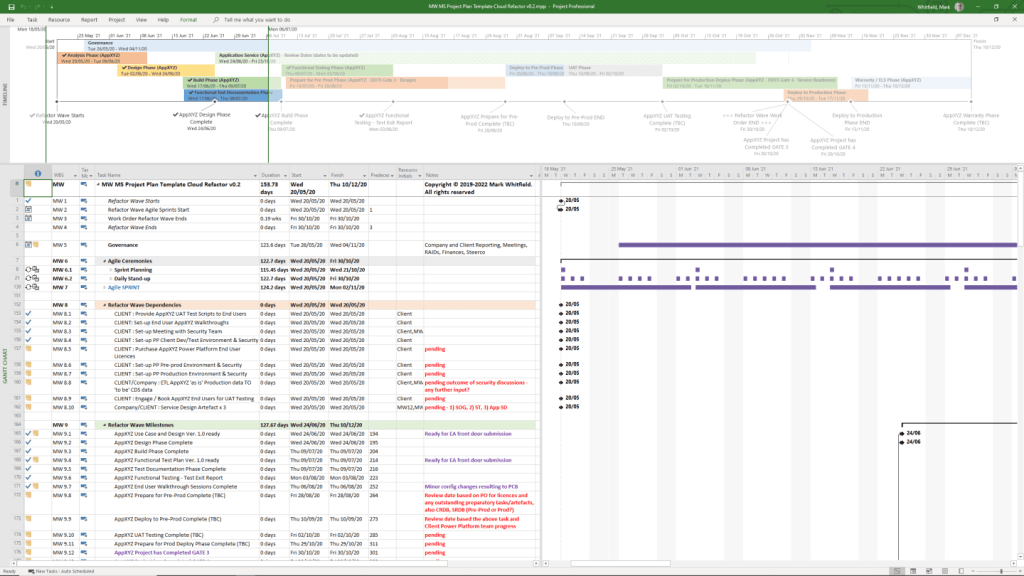
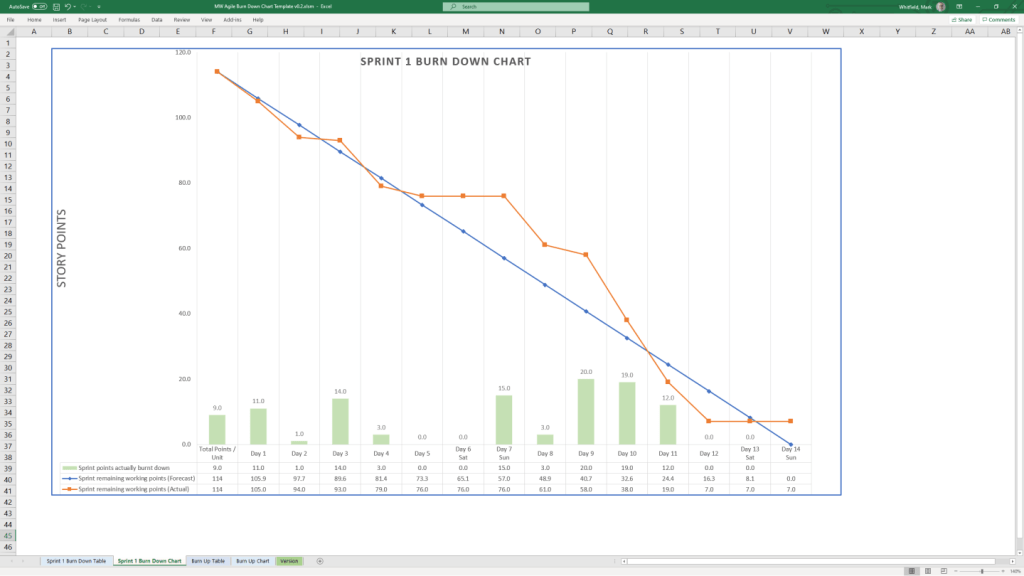
Project Planning (MS Project & Excel): Detailed Waterfall project planners with Gantt views, Agile Sprint plans, and Plan on a Page (POaP) examples.
RAID Logs (Risk, Action, Issue, Dependency): Comprehensive Excel trackers for managing risks, issues, assumptions, and dependencies.
Financial & Resource Management: Project finance trackers (forecasts, actuals, variance) and resource trackers for tracking team members and costs.