The Higher National Diploma (HND) is a cornerstone of the British vocational education system. Introduced over a century ago to address gaps in industrial and technical training, it has evolved into a globally recognized Level 5 qualification equivalent to the first two years of a bachelor’s degree.
📅 The Comprehensive Timeline of the HND
🏭 1920s: Origins and the Industrial Revolution Response
1920: The Higher National Diploma (HND) and Ordinary National Diploma (OND) were first introduced in England and Wales. They were created on an industry-by-industry basis to fix perceived inadequacies in traditional “Science and Art” technical exams.
1921–1923: Initial subject frameworks were established. Mechanical Engineering launched in 1921, followed by Electrical Engineering in 1923, setting a trend for heavy technical specialization.
🏗️ 1930s–1950s: Expansion and Post-War Reorganization
1929–1939: The qualification expanded rapidly to support the growing industrial economy, adding Building (1929) and Commerce (1939).
1944: The Butler Act reorganized secondary and further education in the UK. HNDs remained the primary route for advanced, hands-on technical training within local colleges.
💼 1960s–1970s: The Shift to Business and Standardized Awarding
Early 1960s: Recognizing a shifting economy, Business Studies was introduced to replace older, outdated commerce frameworks.
1974: The UK government established the Technician Education Council (TEC) and the Business Education Council (BEC) to standardize vocational curriculums. These bodies took over validation of HNDs to ensure national quality.
🎓 1980s–1990s: The BTEC Era and Globalization
1983: BEC and TEC merged to form the Business & Technology Education Council (BTEC). From this point on, HNDs became widely known as “BTEC HNDs.”
1996: BTEC merged with the University of London Examinations and Assessment Council to form Edexcel, scaling the qualification globally.
🌍 2000s–2010s: Pearson Takeover and International Adoption
2002: The HND model was adopted internationally by other countries. For instance, Cameroon officially introduced the HND into its professional university pipeline by ministerial order.
2003–2005: Global education giant Pearson fully acquired Edexcel.
2015: HNDs were officially mapped to Level 5 on the UK’s Regulated Qualifications Framework (RQF), formally certifying them as equivalent to a Foundation Degree or the second year of a Bachelor’s degree.
🚀 2020s–Present: Modernization and Academic “Top-Ups”
2020s: Pearson modernized HND frameworks into “Higher Nationals,” optimizing them for remote learning, portfolio assessments, and direct workplace entry.
Today: The HND is taught across more than 60 countries. It serves as a popular flexible option, allowing students to either enter the workforce immediately or pursue a one-year university “top-up” program to graduate with a full Bachelor’s Honours Degree in just three years total.
Higher National Diploma HND detailed timeline from introduction
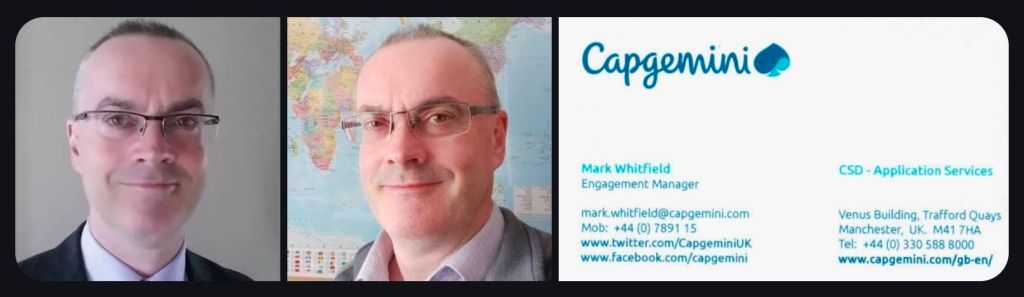
Mark Whitfield is a UK-based, SC-cleared Senior IT Project Manager, Engagement Manager (Capgemini), and technology executive with over 35 years of hands-on and leadership experience across the Software Development Lifecycle (SDLC).
Mark Whitfield, High-Level Career Summary from 1990 thru 2026
Specialising in complex digital transformation, hybrid cloud migrations, and API-led system integrations, Mark graduated with an HND (Distinction) in Computing in 1990 and has delivered major enterprise solutions for clients such as Barclays Bank, Jaguar Land Rover (JLR), Royal Mail Group (RMG), Lloyds Banking Group, and the Bank of England. He is also the author of the PROject Templates resource platform, which provides project management toolkits.
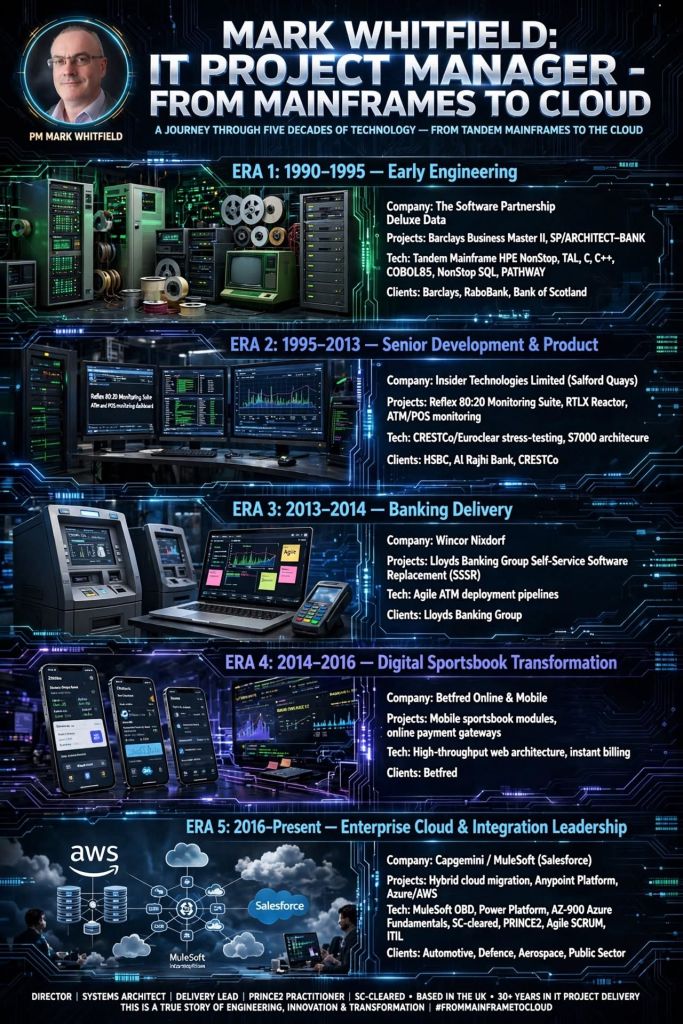
Mark Whitfield | Career Summary Timeline from Mainframes to Cloud
The following comprehensive biography and career timeline breakdown details his professional trajectory by era.
Phase 1: Early Programming & Lead Analysis Era
Era Focus: Electronic banking software development, establishing foundational desktop access to company accounts.
Deluxe Data International, Wingate House, Northway, Runcorn
Main Focus Items: Core software design, coding, and back-end integration for electronic desktop banking.
Project Outputs: Software design, coding, and back-end integration for electronic desktop banking. Developed batch billing suite modules (NonStop SQL embedded COBOL85) to attach to the BBM II application, in Poole, Dorset (1993).
Milestones: Transitioned banking from purely paper-based to electronic systems. Made early remote banking a reality.
Methodology: Early iterative development & structured Waterfall lifecycles.
Highlights: Helped in the design and development of the Barclays Business Master II application while on-site in Knutsford, and later successfully developed and deployed a batch-billing suite for the bank in Poole, Dorset (1993).
Political Landscape: Early post-deregulation European banking markets. The Single European Act drove a need for cross-border electronic financial transparency and transaction systems.
Technology Landscape: Desktop PCs were novel; banking was driven by mainframe computing, specifically Tandem NonStop systems (now HPE NonStop).
Phase 2: Technical Consultancy & Product Management Era
Era Focus: Transitioning to product management, system and transaction monitoring, and SLA monitoring for critical-path financial hardware/ software.
Insider Technologies Limited, Salford Quays, Greater Manchester (UK)
Locations: Salford Quays, UK (head office); London, UK; International client sites
Clients included: Global Payments, Standard Chartered, Girofon, Rabobank, CRESTCo (Euroclear), Alrajhi Bank, LloydsTSB, HSBC, Santander, Bank of Ireland, Bank of Valletta (Malta) and both Commercial and Piraeus Bank (Greece)
Budget: Internal operational budgets and R&D capital expenditure
Main Focus Items: Infrastructure consulting, volume testing, system management & monitoring, and Service Level Agreement (SLA) monitoring for critical path payment applications. Attending related conferences, EBUG, ITUG, BITUG, SATUG
Project Outputs: Developed platform health and diagnostic modules for the Reflex monitoring product. Successfully delivered BASE24 ATM/ POS/ transaction Cross-border monitoring.
Milestones: Achieved the first HP OpenView Operations Enterprise Manager 2-way Smart Plug-In (SPI) certification for HPE NonStop in 2002.
Highlights:Consultant for CRESTCo in 1997, producing volume testing/benchmark software to test Stock Settlement applications on the newly introduced S7000 HPE NonStop systems.
Political Landscape: The late 1990s and 2000s saw the creation of the Eurozone, demanding high-capacity regional clearing and settlement networks that required robust transaction monitoring.
Technology Landscape: Market expansion of ATM and Point-of-Sale (POS) devices; ACI BASE24 Classic payments; move toward centralized, multi-platform GUI monitoring.
Also: Designer and author of a new company website using an Open Content Management framework identified as part of a Research phase. Authored a major technical summary published globally in the recognized HPE NonStop industry journal, The Connection, defining payment software lifecycles.
Phase 3: Professional Services Banking Delivery
Era Focus: IT Project Management and delivery of legacy migrations to primary UK high-street banks.
Project Outputs: Managed the Wincor Nixdorf workstream for Lloyds Banking Group’s Self-Service Software Replacement (SSSR) programme. Modernising legacy ATM software and directing hardware/ software transitions. Implementing ProClassic/Enterprise and PC/E SmartClient (Win 7) to replace the existing ProCash/NDC (Win XP) Stacks on a variety of multivendor devices.
Milestones: Transferred ATM driving responsibility away from BASE24 Classic on HPE NonStop to Wincor’s PC/E product on the AIX platform. Managed international rollout and off-shore resources.
IT Training: Agile, ITIL methodologies.
Methodology: Wincor project management methodology, with regard to planning, control, status reporting, documentation, quality, change control, risk analysis and management.
Highlights: Successfully upgraded LBG ATM hardware estate from Windows XP to Windows 7.
Political Landscape: Post-2008 financial crisis regulations brought stricter compliance and operational risk rules, accelerating the modernisation of core legacy banking systems to prevent service outages.
Technology Landscape: Transition from proprietary mainframe terminal driving to AIX, Oracle, and Windows-based banking environments.
Technology Areas: Multi-vendor hardware & software integration for ATMs.
Supplier Management: for external software suppliers like Degree53, Playtech, Onionsack, Intelligent Payments (Myriad), Inspired, iovation, StreamUK, Finsoft, Ineda, OtherLevels, Appsflyer, Income Access, Activewin, Virgo, Virtue Fusion, In Game Media, Satellite Information Services (SIS) and IGT
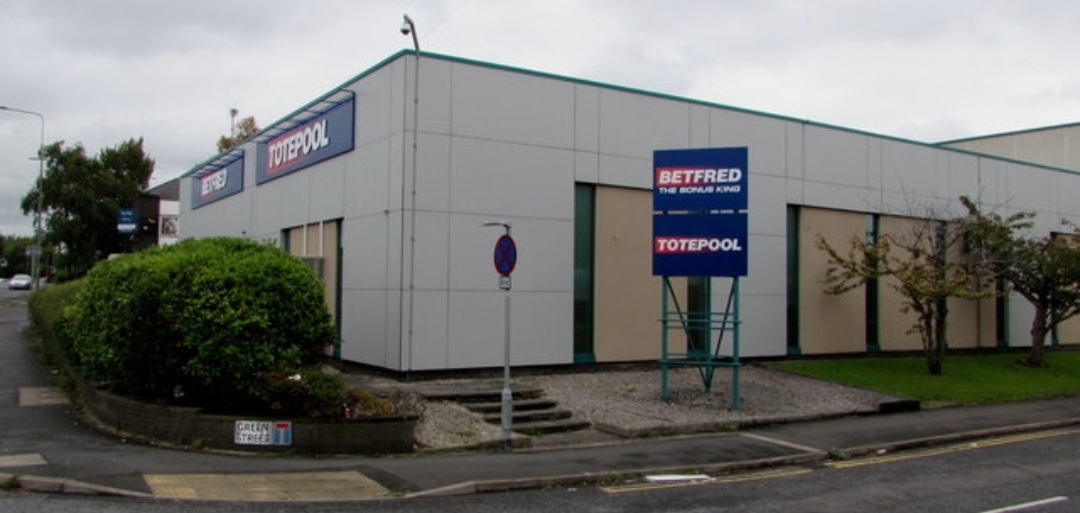
Budget: Managed multiple project budgets for Betfred apps, tracking via weekly effort burn rates
Programming Methodologies: Agile SCRUM in conjunction with Degree53
IT Products: iOS, Android, and Windows native apps, Football/ Horse Racing Sportsbook platforms
Main Focus Items: Taking new sports and virtual gaming components live, integrating payment gateways, managing app release cycles, and handling regulatory compliance.
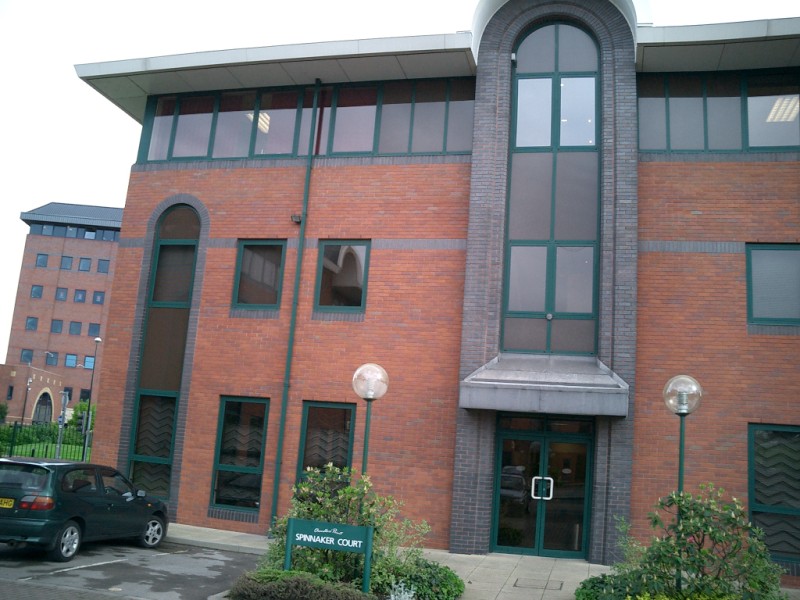
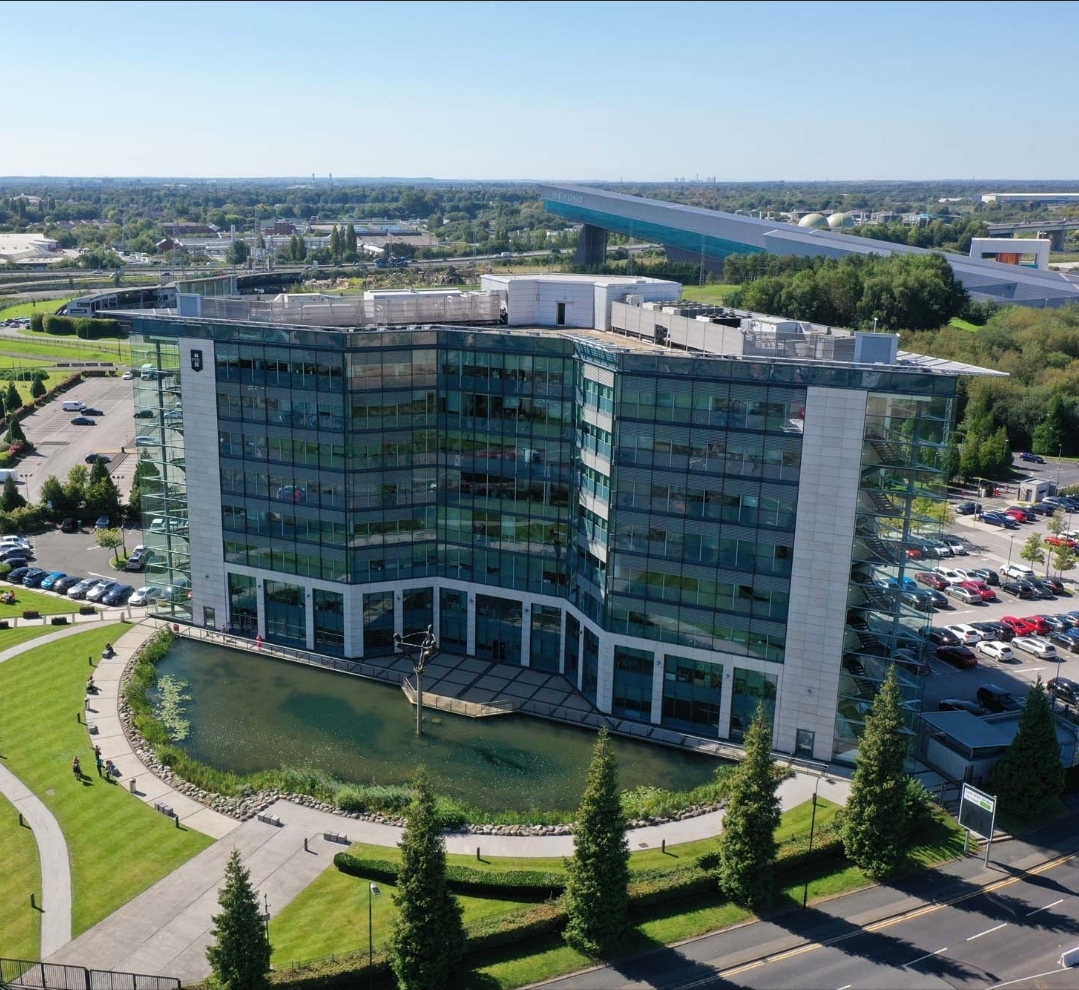
Locations: Manchester (local office above), London, Birmingham, UK
Clients included: Jaguar Land Rover (JLR), Heathrow Airport, Royal Mail Group (RMG), National Air Traffic Services (NATS), UK Export Finance (UKEF), Welsh Water
Budget: Managed multi-million pound digital transformation and cloud refactoring contracts
Highlights: Maintained full SC Clearance. Authored and managed comprehensive Project Governance Plans (PGPs) to realize project targets, streamline margins, and successfully navigate complex off-shore delivery models.
Political Landscape: The government focus on “Digital by Default” for public services, coupled with significant public and corporate drives for green IT and cloud adoption to optimize operating costs.
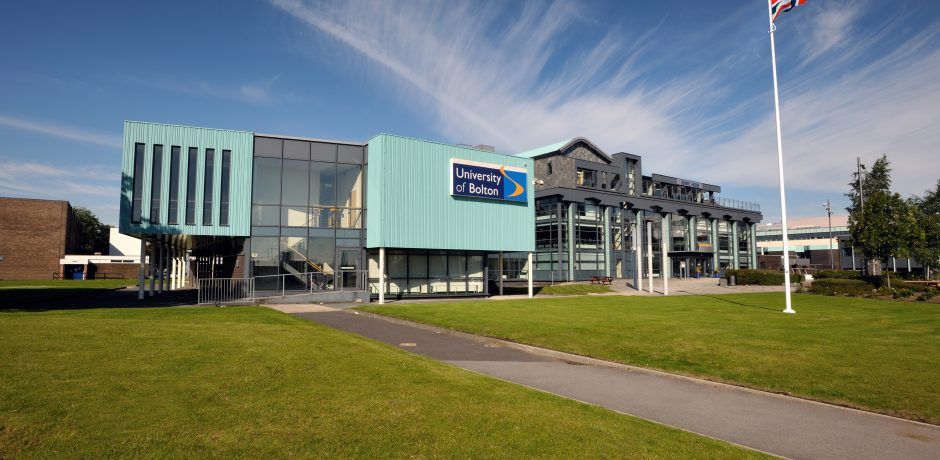
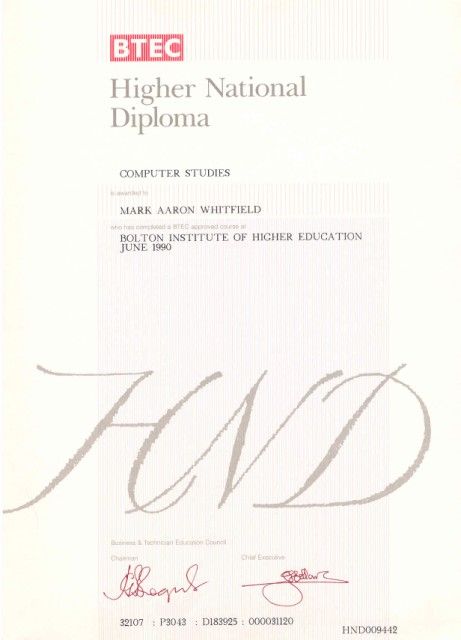
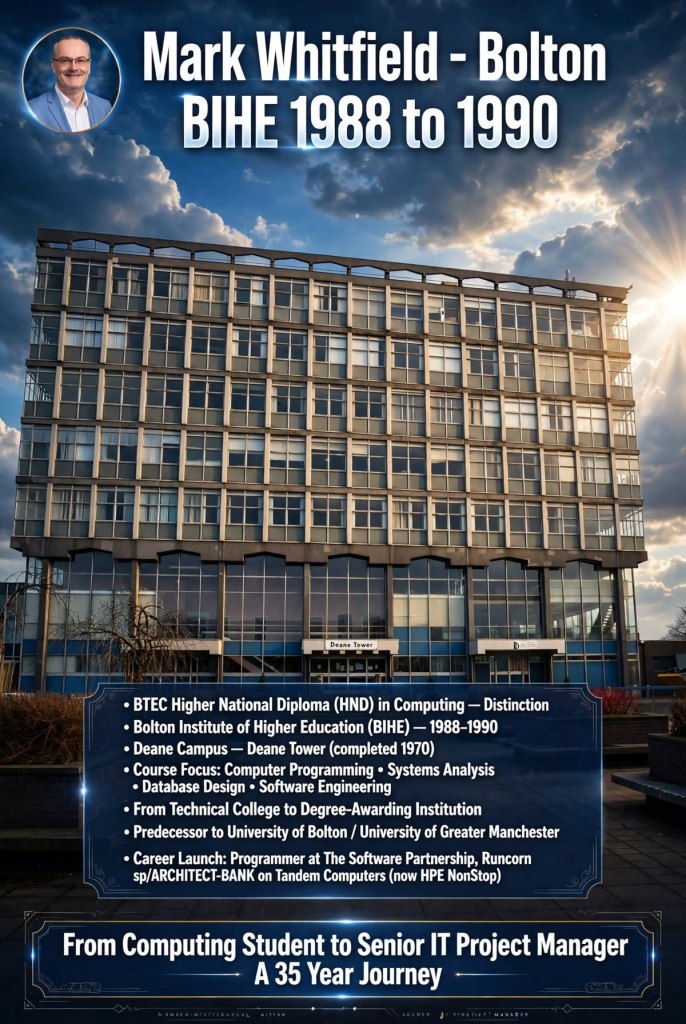
Between 1988 and 1990, IT Project Manager Mark Whitfield completed a BTEC Higher National Diploma (HND) in Computer Studies at the Bolton Institute of Higher Education (BIHE). He graduated with a Distinction and achieved the overall first place across the entire two years of the course.
Bolton Institute of Higher Education now University of Greater Manchester
The institution has since evolved, later becoming the University of Bolton and subsequently rebranding as the University of Greater Manchester.
Mark Whitfield’s IT conference attendance timeline spans over three decades, highlighted by his presentations at international HPE NonStop (Tandem) and BASE24 transaction monitoring forums.
As a core developer, Product Manager, and Technical Project Manager at Insider Technologies Limited (ITL) from 1995 to 2013, he regularly showcased enterprise monitoring suites like Reflex and RTLX across Europe, the US, and South Africa.
The comprehensive, chronological timeline of his detailed IT conference attendance and speaking engagements is broken down below:
The Early Product Manager & Infrastructure Era (1995–1999)
Late 1990s (BITUG and EBUG): Following his transition to Product Manager for the Reflex 80:20 monitoring system, Whitfield began speaking at the British Isles Tandem User Group (BITUG) and the European BASE24 User Group (EBUG). He presented technical tracks regarding how Reflex managed complex Guardian operating system procedures and automated automated Y2K code auditing.
1999 (SATUG – South Africa): Whitfield traveled to South Africa to represent ITL at the South African Tandem User Group (SATUG) conference. He delivered presentations focused on real-time ATM/POS transaction monitoring and system infrastructure tracking ahead of the millennium date rollover.
Global Expansion & Peak Product Promotion (2000–2009)
Early 2000s (EBUG Expansion): As EBUG annual conferences grew in industry prestige, Whitfield frequently traveled across Europe to give technical track sessions. His presentations focused on BASE24 classic transaction logging, Point-of-Sale (POS) networks, and software resilience utilities.
2003 (ITUG – San Jose, USA): He attended and spoke at the high-profile International Tandem User Group (ITUG) conference in San Jose, California. He presented a specialized technical track detailing ITL’s strategic approaches to HP NonStop Enterprise Management integration.
2005 (BITUG SIG): Whitfield attended the BITUG Special Interest Group (SIG) event in the UK, engaging with regional banking stakeholders and system engineers to showcase platform diagnostics.
2007 (EBUG – Istanbul, Turkey): Whitfield managed the ITL corporate footprint and product presentations at the international EBUG meeting in Istanbul. This event highlighted the extraction capabilities of their next-generation RTLX tracking software.
2008 (SATUG – South Africa): He marked his second attendance at SATUG. He paired this international trip with presentations on high-availability monitoring for African financial networks.
2008 (EBUG – Vienna, Austria): At this pivotal European summit, Whitfield presented amid a massive industry transition. His sessions addressed real-time transaction tracking options as immediate payments emerged in Europe and ACI announced the retirement of legacy BASE24 Classic systems.
2009 (EBUG – Prague, Czech Republic): He attended the Prague conference to champion continued technical support, monitoring solutions, and software extensions for banking platforms still utilizing Tandem servers.
Miscellaneous European EBUG Presentations
Throughout his 18-year career at ITL, Whitfield also consistently attended and delivered product update presentations at EBUG chapters across other major European capital cities. These locations included:
Madrid, Spain
Lisbon, Portugal
Malta
Budapest, Hungary
Athens, Greece
Edinburgh, Scotland
Senior Leadership & Agile Training Era (2010–Present)
November 2017 (Capgemini Campus – Chantilly, France): Following a career shift toward cloud transformations, Digital Delivery, and enterprise architecture, Whitfield attended the intensive Advanced Engagement Manager (EM) Course at the Capgemini Campus (Serge Kampf Les Fontaines). This event focused on high-scale Agile Scrum project management frameworks rather than legacy hardware engineering.
The 139th edition of the Wimbledon Championships takes place from Monday 29 June to Sunday 12 July 2026 at the All England Lawn Tennis and Croquet Club in London.
Wimbledon Championships 2026 29 June to 12 July 2026
The main draw begins tomorrow morning, bringing significant tournament structural overhauls, massive financial updates, and major player storylines.
📅 Full Tournament Schedule
Wimbledon continues its 14-day schedule without the traditional Middle Sunday rest period.
🏆 Key Player Storylines & Field Status
🧔 Men’s Draw
The Favorites: Defending champion Jannik Sinner enters as the top target, opening play on Centre Court on Day 1. He is heavily pressured by seven-time champion Novak Djokovic—still chasing an elusive 25th Major—and Roland Garros champion Alexander Zverev.
The Major Absence: Two-time champion Carlos Alcaraz withdrew from the tournament due to an ongoing wrist injury (tenosynovitis).
The Coaching Box: British legend Andy Murray returns to SW19, transitioning into a coaching role for British No. 1 Jack Draper.
👩 Women’s Draw
Serena’s Shock Comeback: At 44 years old, 23-time Grand Slam champion Serena Williams returns to singles action on a wildcard. She faces teenager Maya Joint in the first round and is also playing doubles with her sister, Venus Williams.
The Title Contenders: Defending champion Iga Świątek and World No. 1 Aryna Sabalenka headline the field alongside 2022 champion Elena Rybakina and rising French Open champion Mirra Andreeva.
💰 Record-Breaking Prize Money
Total prize money rises 20% to a record £64.2 million, making it the largest year-on-year financial bump in tournament history.
Singles Champions: £3,600,000
Singles Runners-Up: £1,800,000
First-Round Losers: £80,000
⚙️ Historical and On-Site Innovations
Electronic Video Review: For the first time in Wimbledon history, electronic video reviews are active for chair-umpire line calls (such as ‘not-up’ or ‘foul shot’) on Centre Court, No. 1 Court, and courts 2, 3, 12, and 18.
Scoreboard Transparency: Following spectator feedback, electronic court scoreboards will now explicitly flag “Out” and “Fault” calls visually.
Climate Accommodations: Following forecasts of record-breaking high temperatures, organizers expanded shade and shelter infrastructure around the Tea Lawn and The Hill.
📺 Broadcast Information
United Kingdom: Extended coverage is hosted on the BBC, which secured free-to-air rights through 2033.
United States: Live matches stream on ESPN and the Tennis Channel.
Wimbledon Championships, 139th edition from Monday 29 June to Sunday 12 July 2026
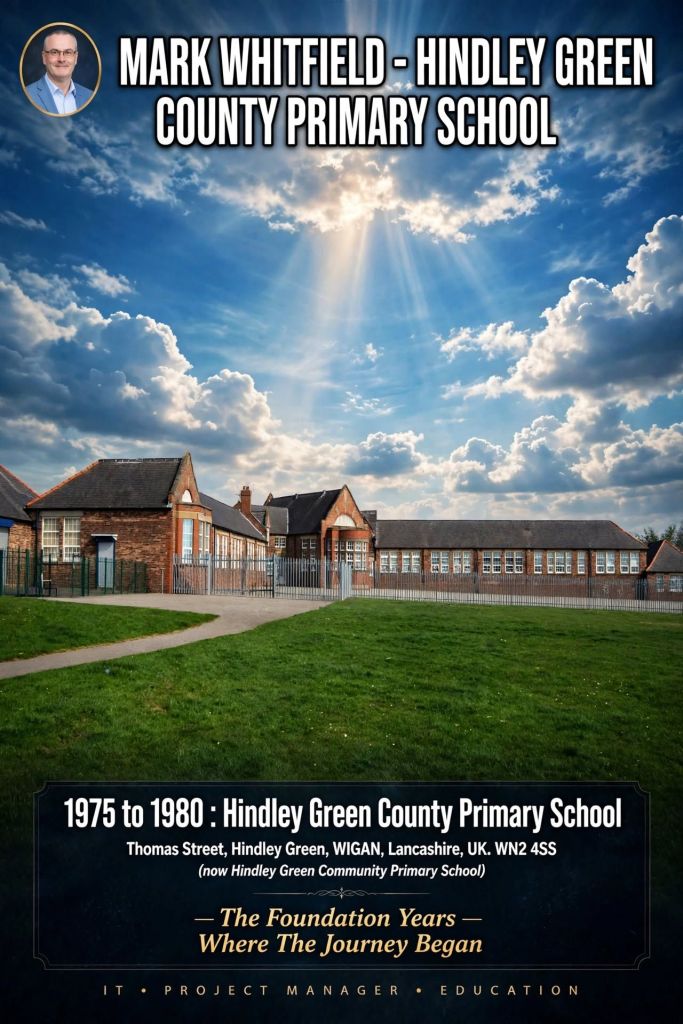
Hindley Green Community Primary School (formerly known as Hindley Green County Primary School), located on Thomas Street, Hindley Green, Wigan, has a rich history transitioning from a traditional local authority “Council” school into a modern 21st-century academy.
Mark Whitfield | Hindley Green County Primary School, Thomas Street
The detailed chronological timeline of the school, organized by major administrative and historical eras, is structured below.
1. The Early Council School Era (Pre-1950s)
Originally established as the local “Council” school, this era marked the establishment of the school grounds on Thomas Street as Hindley Green expanded.
Early 20th Century: The open field that would eventually become the footprint of Thomas Street and the extended school boundaries was initially a standard play plot used by local children, bound by hawthorn hedges.
Interwar / Post-WWII Expansion: A dedicated school structure was built to accommodate Hindley Green’s growing population. Iron boundary rails were erected, replacing the older hedges as the school football field and permanent structures took shape.
1947: Freddie Hardman served as the prominent Headteacher during the post-war reconstruction period.
2. The Late County Primary Era (1950s – 1990s)
During this period, the school operated officially as Hindley Green County Primary School (CP) under the Lancashire (and later Wigan) Local Education Authority.
1953: The school continued to feed local academic pathways, with eligible students sitting the historical 11+ examinations to transition into the nearby Hindley and Abram Grammar School (HAGS).
1977: The school held extensive community celebrations to mark the Queen’s Silver Jubilee, a major milestone preserved in the school’s historical photographic archives.
Hindley Green County Primary School, Thomas Street
myself, bottom row, 2nd from right (1975/ 76)
3. The Modern Community Primary Era (2000s – 2014)
The school dropped the “County” designation to become Hindley Green Community Primary School, expanding its infrastructure and early years provisions.
2002: The school community hosted a massive historical dress-up party to celebrate the Queen’s Golden Jubilee.
2004: The school underwent a full inspection by Ofsted on 21 June 2004, securing its educational frameworks for the new decade.
2008: Another comprehensive Ofsted inspection took place on 6 November 2008.
2009: Ofsted conducted a targeted interim monitoring visit on 12 May 2009.
2010: A major modern infrastructure expansion began. In September 2010, construction firm Eric Wright Group initiated on-site work to build vibrant new facilities and structural updates for the primary school.
2012: Following the structural expansions, Ofsted conducted a full framework inspection on 3 October 2012.
2014: On 10 June 2014, the school achieved a “Good” rating from Ofsted under its local authority architecture. This marked the final year the school operated in its original legal structure before closing its local authority registry on 31 December 2014 to prepare for conversion.
4. The Academy Trust & QUEST Era (2015 – Present)
To secure independent funding and collaborative governance, the school transitioned into an academy.
2015: On 1 January 2015, the school officially converted into an academy. It joined QUEST (A Church of England Schools Trust) under the sponsorship of The Keys Federation.
2017: As a newly established academy, the school underwent its first short Ofsted inspection on 12 September 2017, maintaining its robust standards.
2023: A full-scale school inspection was carried out by Ofsted on 19 January 2023. This same year, the school unveiled a prominent community superhero and princess mural to establish a lasting legacy for late pupil Holly Prince.
2026: Operating at a healthy co-educational capacity of roughly 381 to 410 pupils (ranging from ages 3 to 11), the school provides crucial early years funded childcare alongside its standard Key Stage 1 and Key Stage 2 primary curriculum.
Hindley Green County Primary School, Thomas Street
BASE24 is an enterprise-grade electronic funds transfer (EFT) software suite developed by Applied Communications Inc. (now ACI Worldwide). It handles real-time transaction acquiring, authenticating, routing, switching, and authorization across ATMs, Point-of-Sale (POS) networks, and digital payment channels.
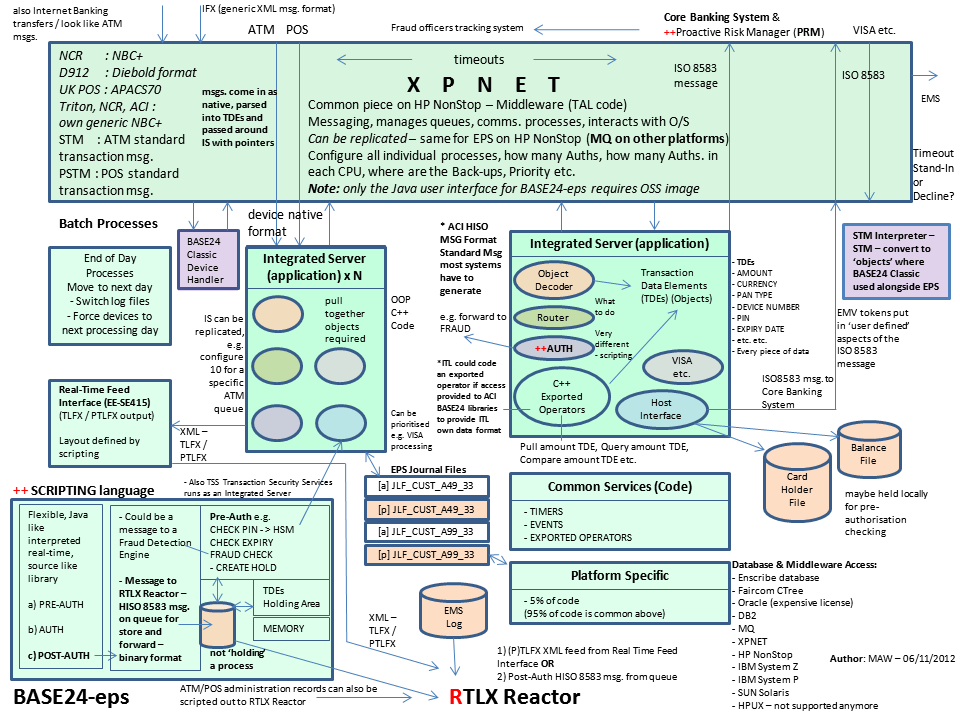
XPNET (Exchange Protocol Network) is the fundamental communications middleware layer designed explicitly for BASE24 on fault-tolerant systems. It acts as an abstraction layer managing interprocess communications (IPC), network protocols (e.g., Bisync, X.25, TCP/IP), line management, device messaging, and high-volume transaction routing. Together, they form the transactional backbone for a majority of the world’s top financial institutions.
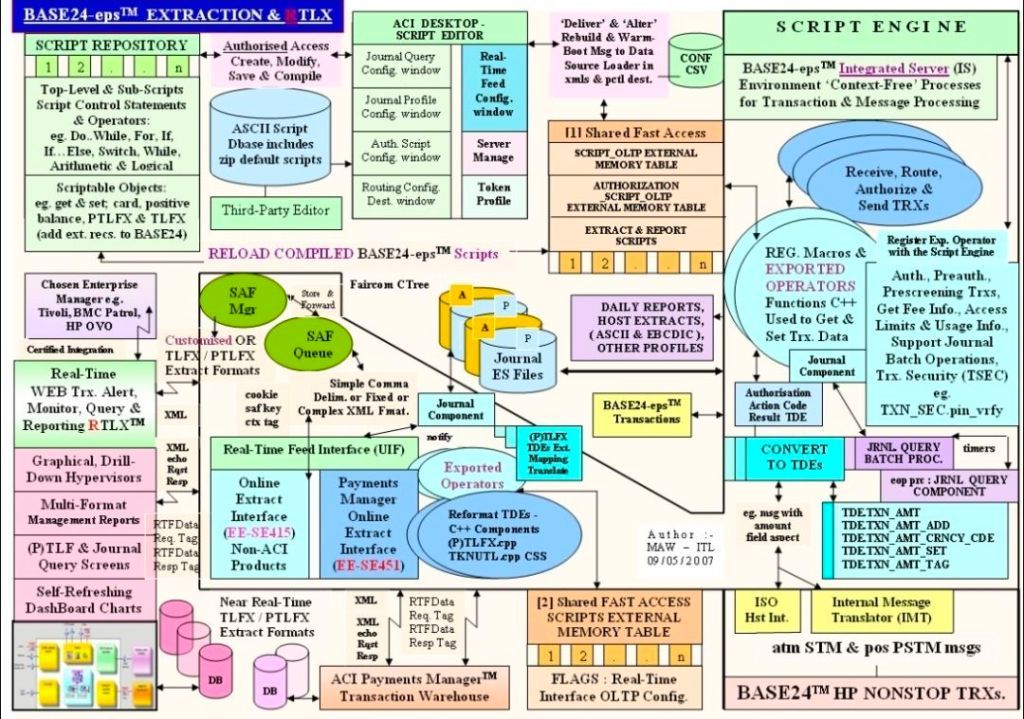
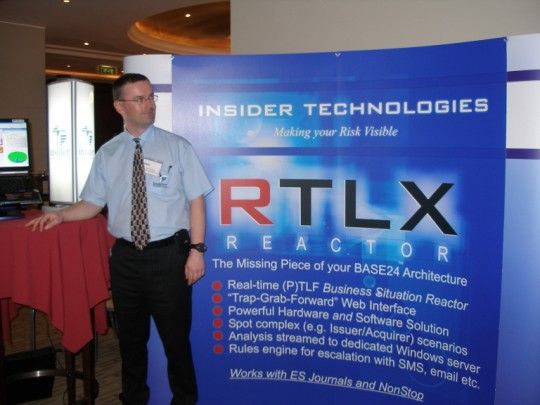
RTLX Reactor (in 2012) for tracking BASE24-eps & BASE24 XPNET transactions
Deep-Dive Architecture and Technology Stack
1. BASE24 Core Design
Process Pair Architecture: Designed natively around Tandem’s process pairs. A Primary Process performs the active transaction switching while a Backup Process remains synchronized in a standby state. If the hardware or primary process fails, the backup takes over instantly with zero data loss or session drops.
Functional Modules: Divided into specific transactional entities:
ATM (Automated Teller Machine Device Handler): Direct control and state management of physical terminals using custom message streams (e.g., Diebold, NCR).
POS (Point of Sale): Merchant terminal management and merchant accounting integration.
Auth (Authorization Processor): Internal validation scripts against account records or stand-in limits.
2. XPNET Middleware Engine
Line and Station Infrastructure: XPNET maps communication through abstract configurations. A Line represents a physical or logical network pipe, and a Station represents an endpoint (e.g., an interchange gateway or terminal node).
Dynamic Load Buffering: Employs internal memory queue structures to absorb traffic spikes from international card networks (such as Visa and Mastercard) without spilling into disk storage.
Protocol Multi-threading: It decouples low-level link dynamics (e.g., CRC checking, dropouts) from core business logic, converting legacy and modern network formats into standardized internal transaction tokens.
Application Development Timeline & Political Breakdown
The timeline below details how geopolitical, regulatory, and corporate ownership developments directly shaped versioning and core code changes in BASE24 and XPNET.
Era 1: The Tandem & Expansionist Era (1975–1992)
Geopolitical & Industry Context: The rise of consumer credit card networks, personal checking accounts, and the physical expansion of banking via ATMs. Regional networks were fragmented, necessitating specialized software to cross-connect them.
Corporate Dynamics: Applied Communications Inc. (ACI) operated as an independent software house in Omaha, Nebraska, forming a deep partnership with Tandem Computers before being acquired by US West (1988) and later Tandem directly (1991).
Year-by-Year Code & Technical Milestones:
1975–1981: Initial exploration of high-availability banking systems on Tandem NonStop computers. Developers laid the groundwork using Tandem Screen COBOL and low-level communication drivers.
1982:BASE24 v1.0 officially launches. The original codebase was written in TAL (Tandem Application Language), a high-performance, structured system programming language designed specifically for NonStop systems.
1985: A primitive version of XPNET is spun out from early shared-memory messaging code to support multi-protocol lines (Bisync, Async) without forcing restarts of the core application.
1987: Introduction of early ISO 8583 message formatting engines within the core routing code. This allowed the software to natively interpret standard financial messaging frames across distinct interbank networks.
1991: Tandem acquires ACI. Code refactoring focused heavily on optimizing interactions with Tandem’s native file system (Enscribe) and expanding the XPNET process memory layout to take advantage of new Tandem CLX architecture performance.
Era 2: The TSA Corporate & Public Market Era (1993–2000)
Geopolitical & Industry Context: Globalization of financial services, the consolidation of national card switches, and the commercial explosion of internet banking and POS devices.
Corporate Dynamics: Tandem divested ACI to a private holding company, leading to the creation of Transaction Systems Architects (TSA) in late 1993. TSA went public on NASDAQ in 1995, pushing development velocity to meet Wall Street expectations.
Year-by-Year Code & Technical Milestones:
1993–1994: Standardized compilation routines moved to Tandem’s pTAL (portable TAL) to bridge code execution compatibility between older CISC-based architectures and the newly emerging MIPS RISC processors.
1995–1996: BASE24 version 4.x introduces advanced multi-institution handling inside a single logical codebase, allowing multi-tenant processing for third-party credit card consolidators.
1997: Release of BASE24 v5.x, featuring significant expansions in XPNET (v2.x) to accommodate native TCP/IP sockets alongside aging X.25 line infrastructures.
1998–1999: Heavy investment into Y2K compliance remediation. Code changes involved updating binary-coded decimal (BCD) date configurations, expanding date-storage windows across Enscribe files, and deploying the BASE24 Year 2000 System Assessment frameworks globally.
Era 3: Enterprise Platform Shift & Consolidation (2001–2014)
Geopolitical & Industry Context: Post-9/11 regulatory changes (e.g., USA PATRIOT Act), the implementation of modern security standards like Triple DES (TDES), and the birth of the PCI-DSS (Payment Card Industry Data Security Standard). Mainframes and alternative hardware processors (IBM, HP-UX) became fierce competitors to Tandem.
Corporate Dynamics: TSA officially rebranded to ACI Worldwide, Inc. (ACIW) in 2007. A strategic decision was made to rewrite the platform to break vendor lock-in and provide cross-platform flexibility.
Year-by-Year Code & Technical Milestones:
2001–2002: Standard cryptographic layers within BASE24 are systematically modified to enforce Triple DES compliance across automated teller machines.
2003: ACI introduces BASE24-eps (Enterprise Payments System). This marked a foundational architecture shift, moving away from TAL/pTAL entirely to an object-oriented paradigm written in C++ and designed to execute cross-platform (HPE NonStop, IBM z/OS, AIX, Linux).
2005–2006: BASE24-es/eps code integrates with enterprise middleware layers such as IBM WebSphere MQ, using CICS containers on z/OS to deliver modern service-oriented architecture (SOA) web services wrappers.
2008–2010:ACI shocks the banking industry by announcing the sunsetting of standard maintenance for classic Tandem NonStop BASE24 by late 2011. Millions of lines of legacy TAL code are effectively frozen, forcing major migrations toward BASE24-eps.
2011–2013: Code enhancements center around PA-DSS validation and securing encryption pathways to ensure tokenized processing. XPNET 3.x is deployed onto newer HP Integrity Itanium-based J-Series and H-Series blades.
Era 4: Modernization, Cloud-Native, and Open Systems (2015–Present)
Geopolitical & Industry Context: The dominance of Real-Time Payments (RTP, FedNow, ISO 20022 formats), cloud computing mandates, and aggressive cost-reduction pushes away from high-maintenance legacy hardware configurations.
Corporate Dynamics: ACI pivots sharply to open-ecosystem SaaS delivery, cloud partnerships (AWS, Microsoft Azure, Google Cloud), and co-development with IBM to optimize cross-platform throughput.
Year-by-Year Code & Technical Milestones:
2015–2016: BASE24-eps code is successfully ported to Red Hat Enterprise Linux (RHEL) on standard x86 processors. This architectural pivot offered a reduction in total cost of ownership (TCO) compared to legacy hardware by providing massive processing scaling.
2018–2020: The introduction of standard ISO 20022 messaging libraries into the switching matrix to support instant transaction settlement schemes globally.
2021–2024: Legacy middleware systems are phased down. Modern releases feature direct REST API hooks, cloud-adaptor hooks, containerised microservices integration, and extended configuration capabilities via the ACI Desktop GUI.
2025–2026: ACI partners with IBM to launch native 64-bit deployment optimizations for BASE24-eps running on IBM Z mainframes (including z16/z17 configurations), incorporating hardware-driven AI fraud analysis models and full PCI-SSF (PCI 4.0) certification.
Overview of BASE24 and XPNET plus application timeline by era
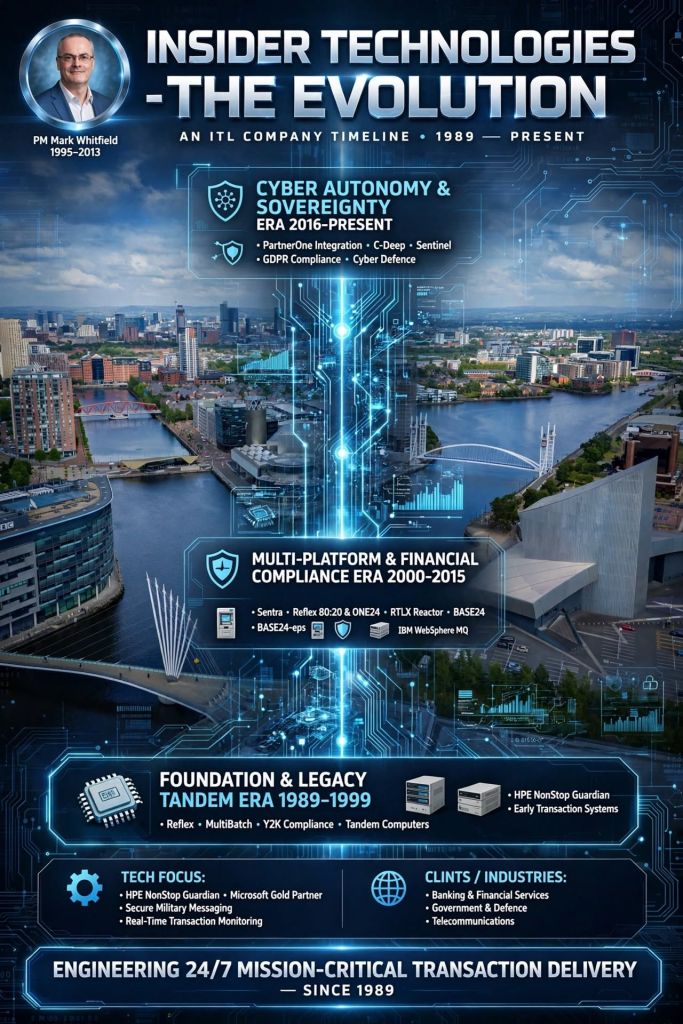
Insider Technologies Limited is a specialized UK-based software house and service provider that engineers high-availability monitoring, tracking, and cybersecurity solutions for business-critical, 24/7 mission-critical architectures.
Mark Whitfield | Insider Technologies Evolution Timeline
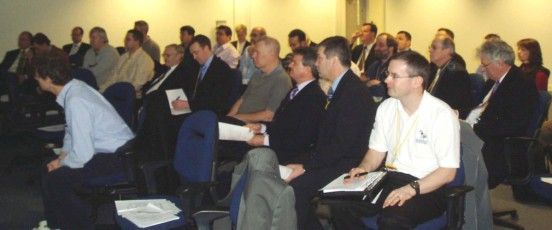
Attending an EBUG conference (European BASE24 User Group)
Foreground, attending a British Isles TANDEM User Group (BITUG)
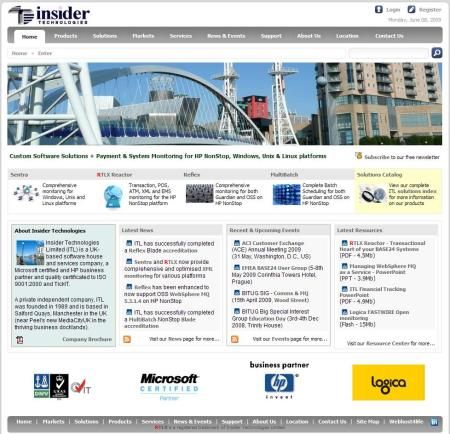
Insider Technologies Limited (website author in 2009)
CompanyOverview
🏢 Corporate Identity & Status
Legal Name: Insider Technologies Limited
Founded:27 February 1989
Headquarters: Manchester, UK (Albert Street, Eccles)
Ownership: Operating as a private independent software company, recently integrated as part of PartnerOne.
Strategic Partnerships: Certified Microsoft Gold Partner for Application Development and long-standing Hewlett Packard Enterprise (HPE) partner.
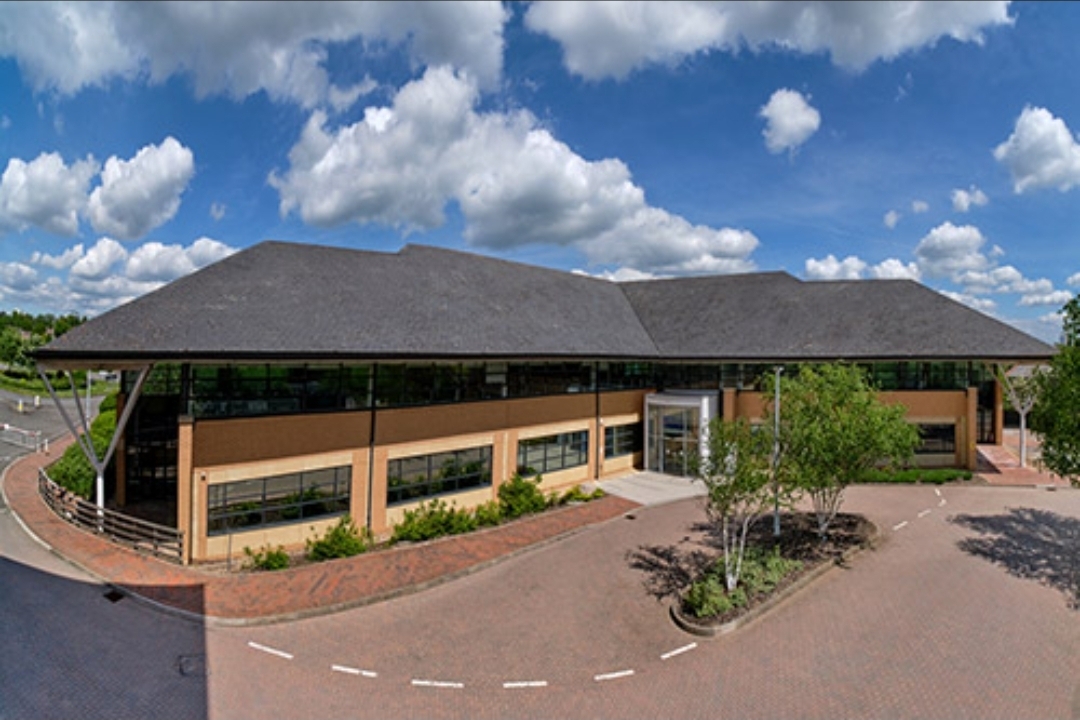
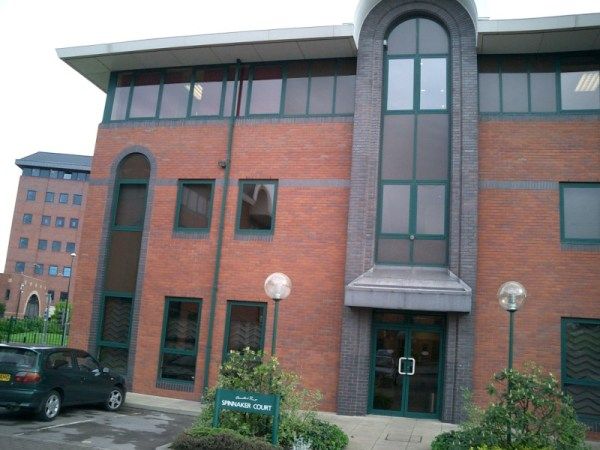
Insider Technologies Limited (ITL) in 2001, Salford Quays, Chandlers Point
🌐 Core Domain & Industries Served
The company delivers real-time, event-driven diagnostic, tracking, and compliance middleware solutions across three main highly-regulated global verticals:
Government & Defence: Secure enterprise military messaging tracking and digital evidence handling.
Telecommunications: Tracking data traffic and critical infrastructure middleware.
🛠️ Core Technology Stack & Competencies
Insider Technologies specializes in niche high-availability operating environments—specifically HPE NonStop (historically Tandem Computers and HP NonStop) running Guardian and Open System Services (OSS) environments—alongside enterprise Windows, Linux, and Unix systems. Their expertise spans database transaction management, BASE24 XPNET monitoring, IBM WebSphere MQ tracking, and low-level development (SQL, TAL, TACL, COBOL85, C++, Pathway).
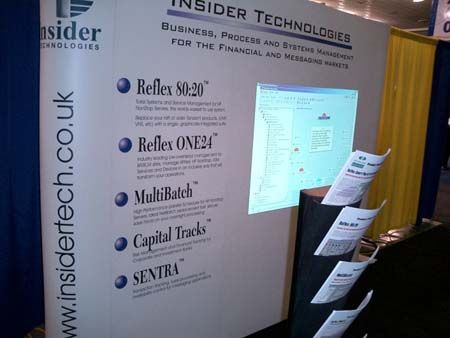
Insider Technologies – Core products in 2003
In-Depth Product & Political-Technical Timeline
This timeline breaks down how Insider Technologies evolved its software suite. It demonstrates how their technical development directly responded to shifting geopolitical landscapes—ranging from late-Cold War military messaging security to post-9/11 financial regulations and modern European cloud autonomy initiatives.
🔹 The Foundation & Legacy Tandem Era (1989–1999)
Political Context: The final years of the Cold War and the 1990s globalization boom demanded high-security, fault-tolerant mainframes for NATO-aligned military communications and early global banking clearing networks.
Technical Context: Tandem Computers dominated the un-interruptible 24/7 market. Software was required to monitor these platforms without causing processing overhead.
1989
Company Incorporation: Insider Technologies is incorporated in the UK to engineer bespoke software for highly robust technical ecosystems.
1990–1995
Reflex (Core Release): Release of Reflex, a foundational service management and real-time transaction diagnostic tool built specifically for the Tandem Guardian operating system.
1996–1999
MultiBatch Software: Further Develop and Extend MultiBatch to orchestrate and safely automate complex batch processing on Tandem machines alongside the evolution into HP NonStop computing frameworks.
Y2K Compliance Focus: Technical adjustments were deployed across Reflex and MultiBatch to assure financial institutions that automated transaction logging would not fail during the millennium rollover.
🔸 The Multi-Platform & Financial Compliance Era (2000–2015)
Political Context: Following the September 11 attacks, global anti-money laundering (AML) and counter-terrorism financing (CTF) frameworks heavily expanded. Financial regulators demanded exact, audible end-to-end payment tracking.
Technical Context: Enterprises began migrating away from single-architecture mainframes toward heterogeneous IT environments, requiring tools that could jump across Windows, Unix, and Linux simultaneously.
2002–2004
Sentra Development: Launch of Sentra, expanding the firm’s portfolio beyond HPE NonStop into cross-platform environment monitoring for Windows, Linux, and Unix systems.
Reflex 80:20 & Reflex ONE24: Advanced variations of the Reflex tracking system were built to cater to specialized real-time electronic payment flows like BASE24 with XPNET.
2005–2010
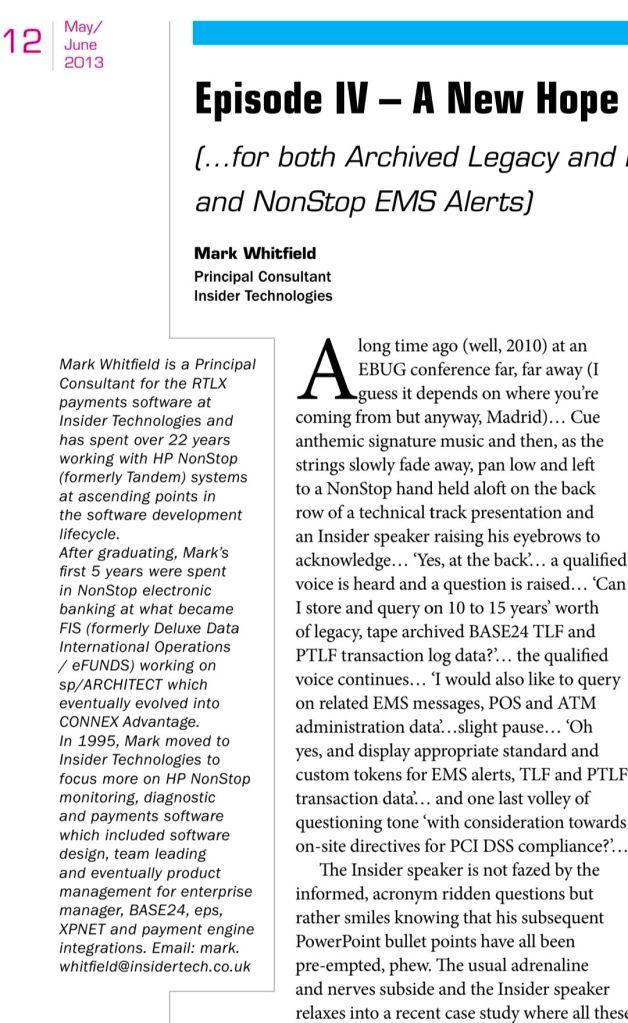
RTLX Reactor (page 12) and Middleware Monitoring: The release of RTLX Reactor provided message tracking capabilities tailored for IBM WebSphere MQ, allowing institutions to trace various payment and other data through complex middleware chains.
Corporate Structuring: The creation of Insider Technologies (Holdings) Limited reinforced corporate expansion as the company deepened its footprint in secure military messaging for government defense bodies.
🔹 The Cyber Autonomy & Sovereignty Era (2016–Present)
Political Context: Escalating nation-state cyber warfare, strict GDPR regulations, and the UK/EU push for technological sovereignty and domestic digital ecosystem resilience heightened the reliance on trusted, onshore technology suppliers.
Technical Context: High-threat environments demand zero-trust visualization, time-accurate logging across digital evidence files, and advanced protection against internal exfiltration vectors.
2019
30-Year Milestone & Modernization: The company celebrates its 30th year, accelerating development on modern mobile application extensions to permit real-time, remote secure alerts for operations teams.
2022–2025
PartnerOne Integration: Insider Technologies aligns its operations under the PartnerOne portfolio, preserving its UK identity while supercharging its enterprise-scale data infrastructure solutions.
Corporate Integration combines Insider’s expertise with PartnerOne’s portfolio to deliver advanced analytics and secure messaging systems to banking, defence, and telecommunications markets.
Defense and Public Safety Porting: Technical deployment of specialized capabilities covering digital evidence security, timekeeping tracking, and legacy virtualization modules aimed explicitly at helping the UK Government maintain its historical tech stacks safely.
RTLX Reactor (in 2012) for tracking BASE24-eps & BASE24 XPNET transactions
Insider Technologies Limited (ITL), Company Overview and Timeline by Year
The Insider RTLX product at ETI-NET is now called C-Deep for Transaction Monitoring;