ProjectTemplatesSoft on Etsy is a highly rated, UK-based digital storefront specializing in professional-grade project management spreadsheets and presentation documents. Founded by Mark Whitfield, a veteran Senior Project Manager with over 30 years of delivery experience in IT and the Software Development Lifecycle (SDLC), the shop bridge the gap between heavy enterprise software and simple, flexible spreadsheets.
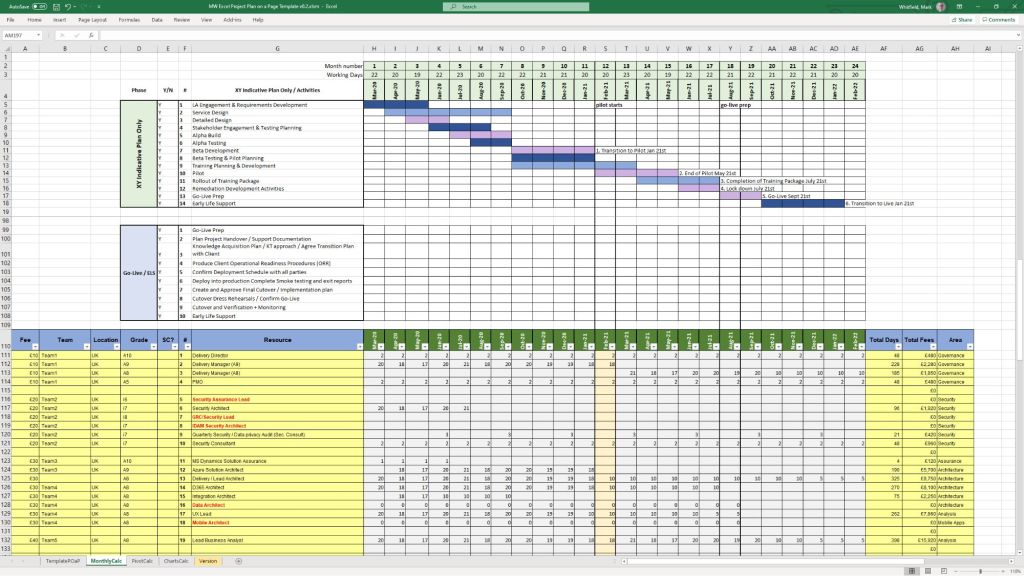
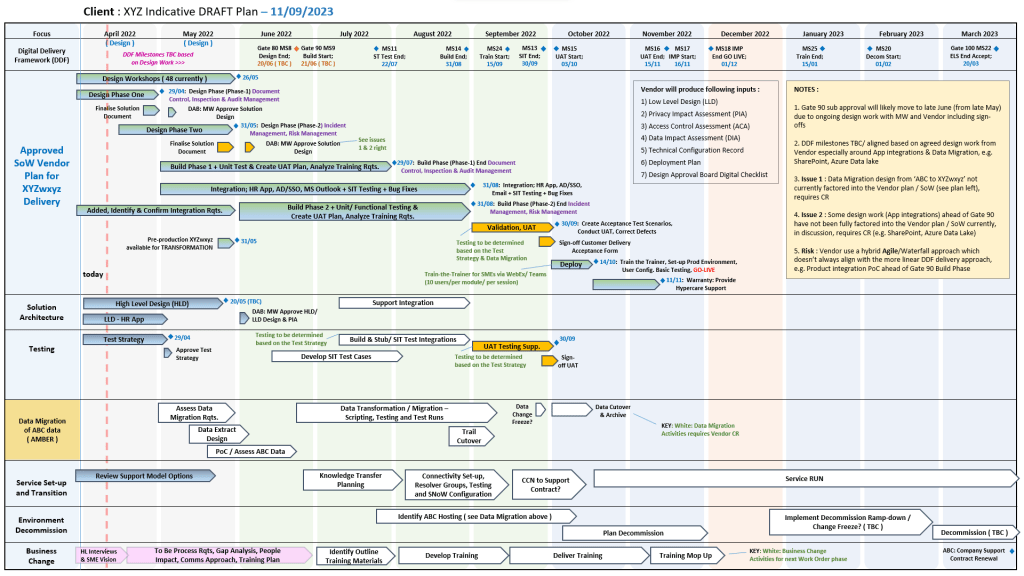
Example POaP PPT and XLS plan project templates (200+ in all)
The products are distinctively built around core professional methodologies including PRINCE2 Waterfall and Agile Scrum frameworks. A key differentiator for this storefront is its customer lifetime model: all template upgrades and functional versions are 100% free after a single purchase by contacting the seller directly. The tools are fully unlocked, editable, and act as a portable alternative for teams or clients without expensive Microsoft Project licensing.
Product Breakdown by Category Focus
📊 1. Schedule Planning & Waterfall Templates
These tools target timeline generation, resource distribution, and critical path management for traditional structured delivery.
Waterfall Project Planner & Cost Tracker: An advanced interactive timeline engine that acts as a localized alternative to MS Project. It allows teams to map out milestones while calculating live run-rate expenditures.
Plan on a Page (POaP) Blueprint: A high-level stakeholder alignment presentation tool crafted in Microsoft Excel and PowerPoint designed to condense multi-layered delivery milestones into one scannable executive slide.
Work Breakdown Structure (WBS) Matrix: Structural templates built to parse complex client scopes into manageable, sequential project tasks.
🔄 2. Agile & Scrum Framework Toolkits
Tailored for modern software development environments executing iterative design, rapid deployments, and sprint-based task management.
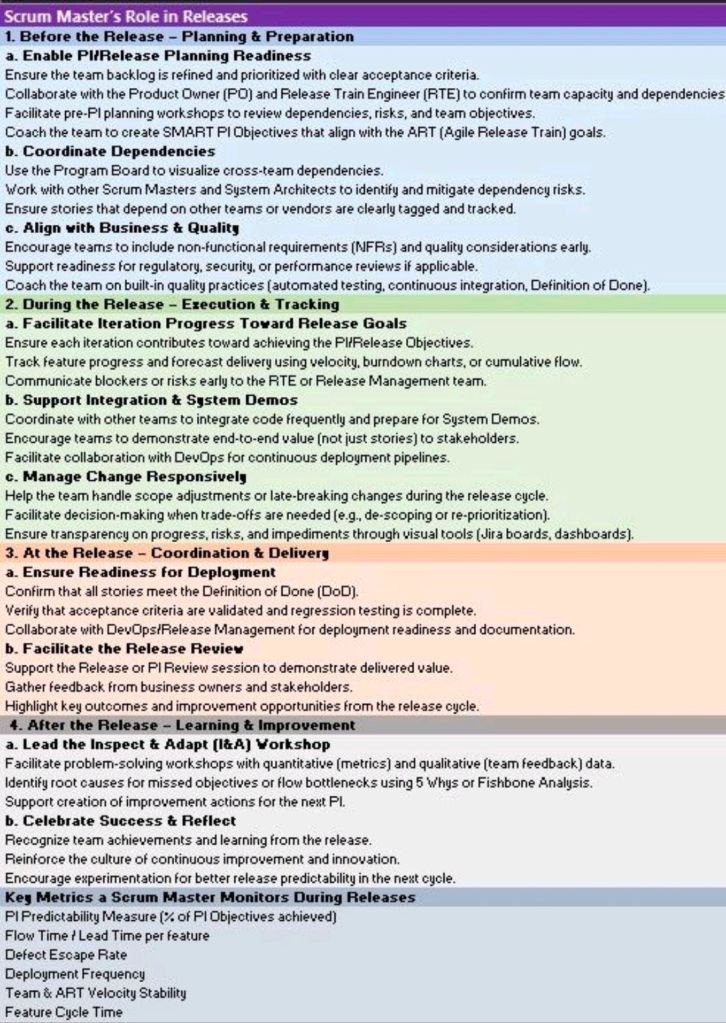
Agile Scrum Master Pack: Complete tracking logs optimizing sprint velocities, backlog grooming sessions, and team capacity limits.
Built for Programme Management Offices requiring cross-project transparency, strict risk mitigation, and central staff scheduling.
Central RAID Log: A classic, comprehensive spreadsheet designed to track project Risks, Assumptions, Issues, and Dependencies under strict corporate governance standards.
Resource Absence & Sickness Tracker: A centralized planner for operations managers to log annual leave, sickness intervals, and alternative project allocations.
Project Team Kick-Off Decks: Professionally designed slide blueprints that outline scope definitions, stakeholder communication channels, and milestone objectives during initiation phases.
Essential Shop & Resource Hyperlinks
To explore the complete range of toolkits, check out the official ProjectTemplatesSoft Etsy Shop Page.
To access detailed execution frameworks, read customer documentation, or seek professional delivery guidance, visit the developer’s hub at Mark Whitfield’s Project Management Blog.
sp/ARCHITECT was a pioneering electronic banking and funds-transfer software suite. Originally built by the UK-based Software Partnership (TSP), it ran natively on fault-tolerant Tandem (now HPE NonStop) systems. It provided highly available transaction routing and real-time electronic book-keeping for major international financial institutions.
Detailed Timeline by Era and Year
1. The Genesis & Independent Era (Mid-1980s – 1989)
Mid-1980s: The Software Partnership (TSP) is co-founded in Timperley, UK. Development begins on sp/ARCHITECT, designed with a client-server architecture.
1986: Tandem launches NonStop SQL, providing the underlying high-availability relational database foundation that sp/ARCHITECT relied upon to ensure absolute data integrity for banks.
2. Mainstream Banking Adoption Era (1990 – 1994)
1990: TSP relocates to Norton House in Runcorn, UK. sp/ARCHITECT achieves production deployment and is widely utilized for inter-account transfers and book-keeping by major banks like TSB and Bank of Scotland.
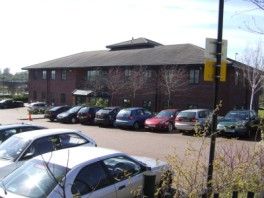
1992: Due to rapid expansion, the Runcorn operations relocate to Wingate House.
1994: Deluxe Electronic Payment Systems (a subsidiary of Deluxe Corporation) acquires TSP to expand its global electronic funds transfer (EFT) footprint. The platform is globally marketed and supported, expanding to clients like Rabobank.
1990: TSP relocates to Norton House in Runcorn
1992: Due to rapid expansion, the Runcorn operations relocate to Wingate House.
3. Global Expansion & Compaq Transition Era (1995 – 2005)
1995 – 1997: The Runcorn-based team (operating as Deluxe Data) codes additional regional adaptations of sp/ARCHITECT for banks worldwide (e.g., Girofon in Denmark).
1997: Compaq acquires Tandem Computers, placing sp/ARCHITECT on Compaq’s enterprise roadmap.
2002: Hewlett-Packard (HP) acquires Compaq, absorbing the Tandem platform into the HP Integrity server line. The application undergoes adaptation to integrate modern Windows-based management systems (like DSM/NOW).
4. The HPE Modernization & Hybrid Era (2014 – 2026)
2014: HPE (Hewlett Packard Enterprise) is formed, spinning off from HP. NonStop shifts to Intel x86-64 architecture (NonStop X), requiring sp/ARCHITECT and related Tandem subsystems (like Pathway, COBOL, and TAL) to modernize for TNS/X processing.
2020: Legacy Itanium-based environments are phased out. sp/ARCHITECT systems, if still active, are migrated to virtualized NonStop (vNS) and operated within private cloud infrastructures.
2025/2026: HPE NonStop celebrates its 50th Anniversary. Applications originally designed on the sp/ARCHITECT schema are heavily evaluated for AI integration, continuous cyber resilience, and consumption-based models like HPE GreenLake.
“sp/architect nonstop tandem” refers to SP/ARCHITECT-BANK, an electronic banking software that ran on the highly available, fault-tolerant Tandem NonStop servers (now part of the Hewlett Packard Enterprise, or HPE, NonStop product line).
SP/ARCHITECT-BANK Software
Function: Developed as an electronic banking software package, it enabled functions like desktop access to company accounts, inter-account transfers, and bookkeeping, which was considered cutting-edge in the early 1990s.
Users: Various banks, including TSB, Bank of Scotland, Rabobank, and Girofon (Denmark), used the software.
Tandem NonStop Servers
The NonStop servers, originally from Tandem Computers Inc., are known for their extreme reliability and scalability, making them suitable for mission-critical applications in finance, telecommunications, and retail.
Key architectural features include:
Fault Tolerance: The systems use redundant components (processors, storage, controllers, power supplies) with a “shared-nothing” architecture to ensure continuous operation even if a component fails.
Operating System: They use a proprietary, message-based operating system, the NonStop Kernel (NSK, originally Guardian), which manages fault detection and failover automatically, without human intervention.
Current Status: Tandem was acquired by Compaq in 1997, and Compaq was subsequently acquired by HP in 2002. The NonStop product line is now offered by Hewlett Packard Enterprise (HPE). More information is available on the HPE website.