The history of project management has evolved from ancient manual coordination to highly sophisticated, digital-first methodologies.
Pre-20th Century: The Era of Ancient Marvels
During this era, project management was characterized by massive labour forces and basic resource coordination without standardized scheduling tools.
- 2570 BC: Completion of the Great Pyramid of Giza. Documentation shows managers were assigned to each of the four faces to oversee progress.
- 208 BC: Construction of the Great Wall of China. Labour was systematically organized into groups of soldiers, civilians, and criminals.
- 1850s: Construction of the Pacific Railroad. This is often cited as one of the first large-scale industrial project management undertakings in the U.S..
1900–1950: The Birth of Modern Project Management
This era introduced scientific management principles and the first visual scheduling tools.
- 1911: Frederick Taylor publishes The Principles of Scientific Management, focusing on efficiency and unskilled labour training.
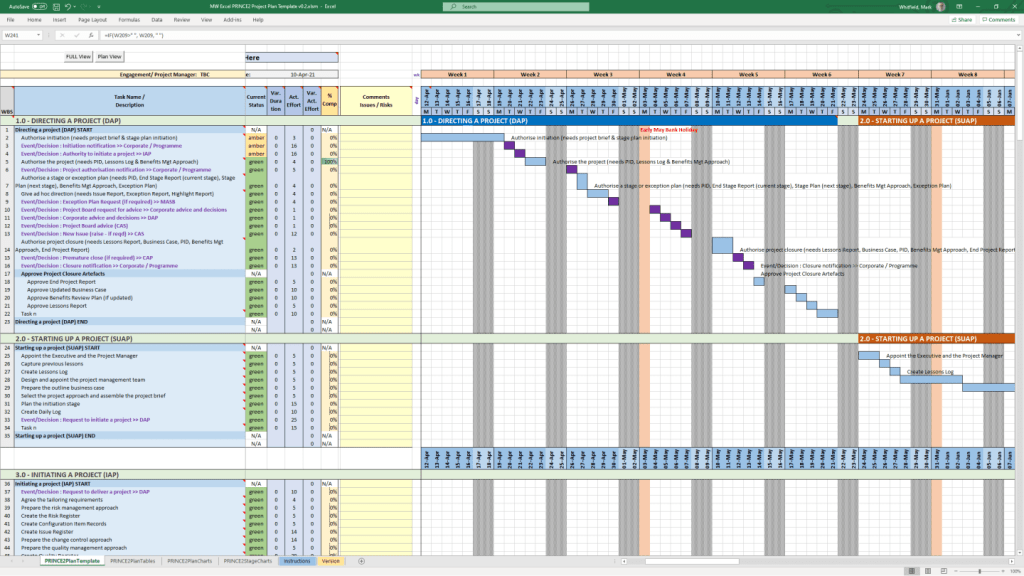
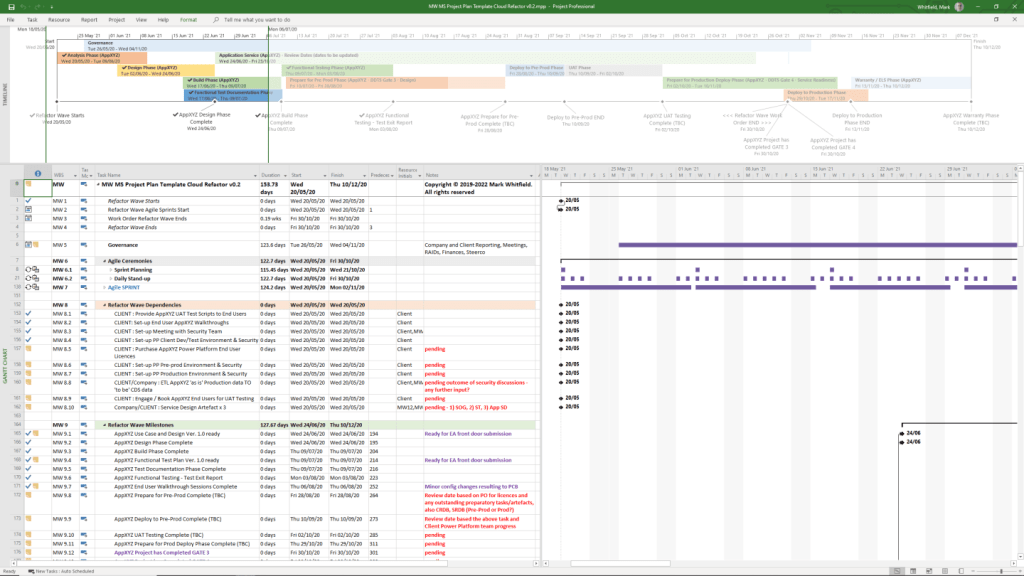
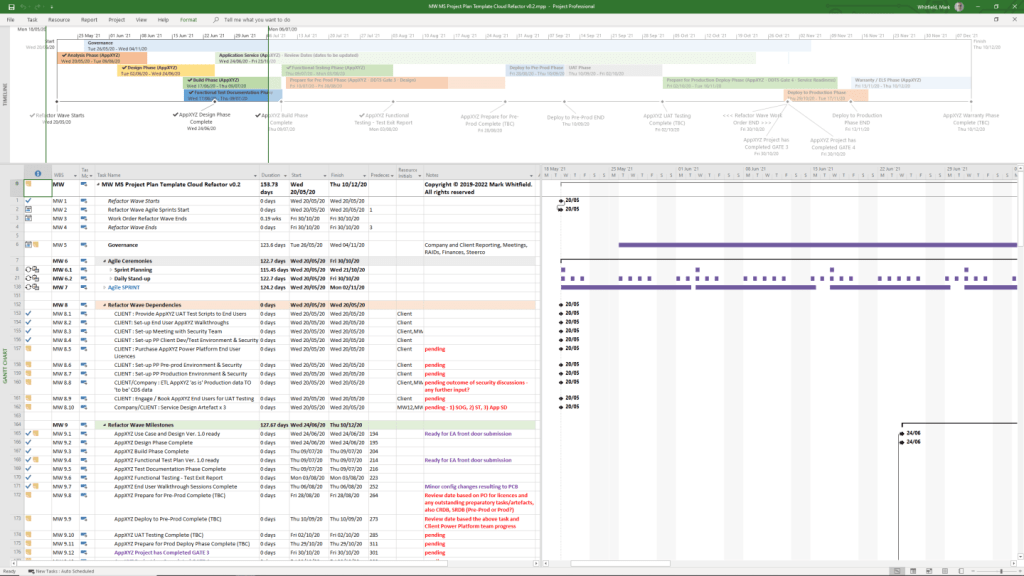
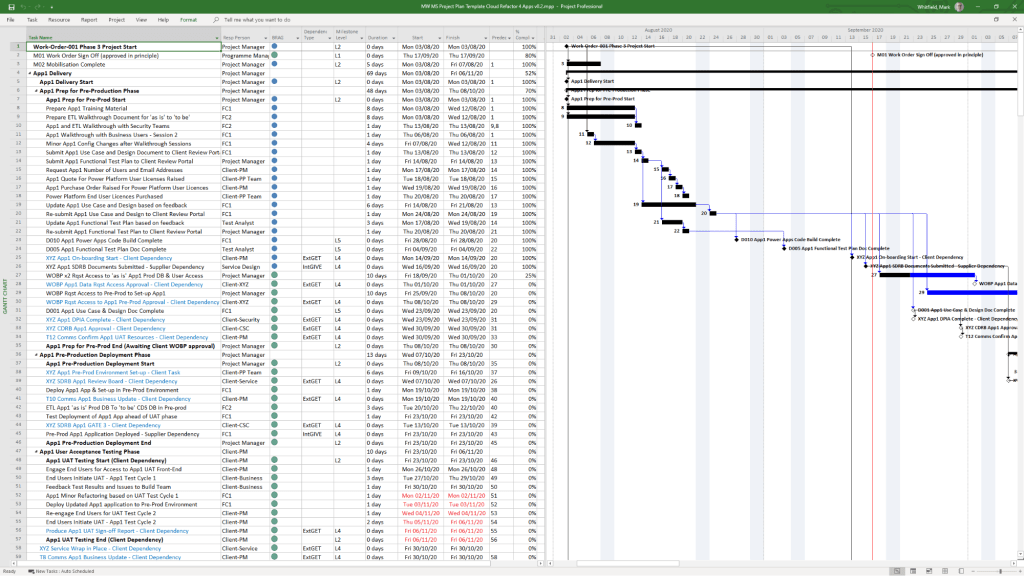
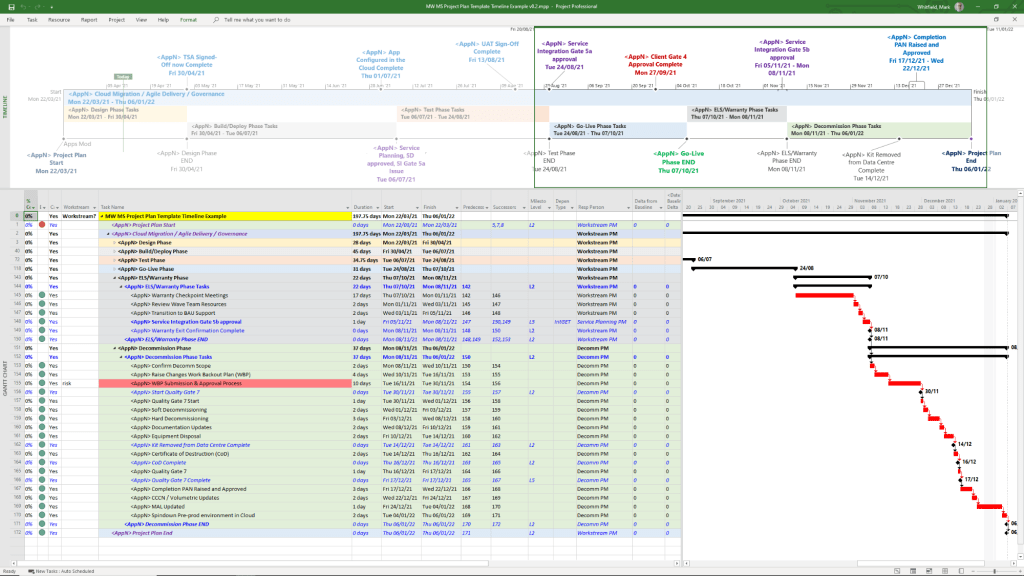
- 1917: Henry Gantt develops the Gantt Chart, a radical tool for visualising schedules that remains a global standard today.
- 1931–1936: Construction of the Hoover Dam. This project was a major early adopter of Gantt’s scheduling techniques.
- 1942–1945: The Manhattan Project. This complex R&D effort pioneered the use of large-scale task coordination and resource management.
1950–1980: The Era of Management Science
Driven by the Cold War and space race, this period saw the creation of mathematical scheduling techniques.
- 1956: AACE International is formed, focusing on cost engineering.
- 1957–1958: Development of Critical Path Method (CPM) by DuPont and Program Evaluation and Review Technique (PERT) by the U.S. Navy.
- 1962–1975: Introduction of Work Breakdown Structure (WBS) by the DoD, founding of IPMA and PMI, and development of PROMPT (later PRINCE).
1980–2000: The Computing Revolution
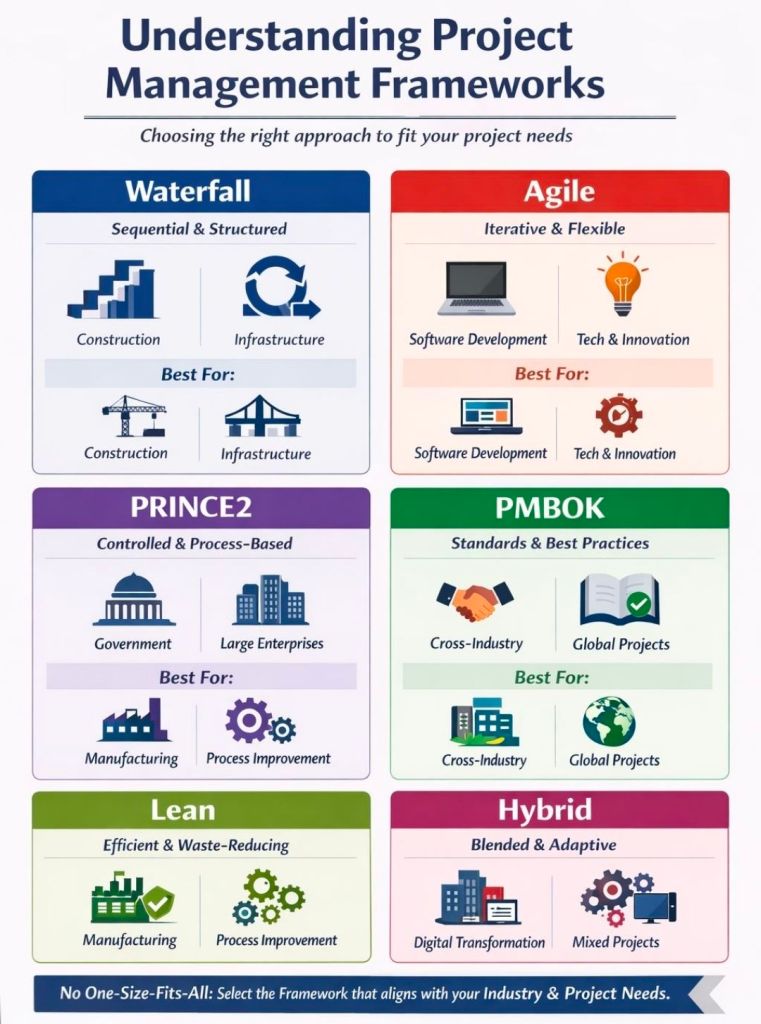
Personal computers allowed project management software to proliferate into the private sector. Key milestones included the early Scrum framework and the initial PMBOK Guide release.
- 1989–1997: Widespread adoption of Earned Value Management (EVM), release of PRINCE2, and development of Critical Chain Project Management (CCPM).
2000–Present: The Agile and Digital Era
Modern project management emphasizes flexibility, speed, and digital tools.
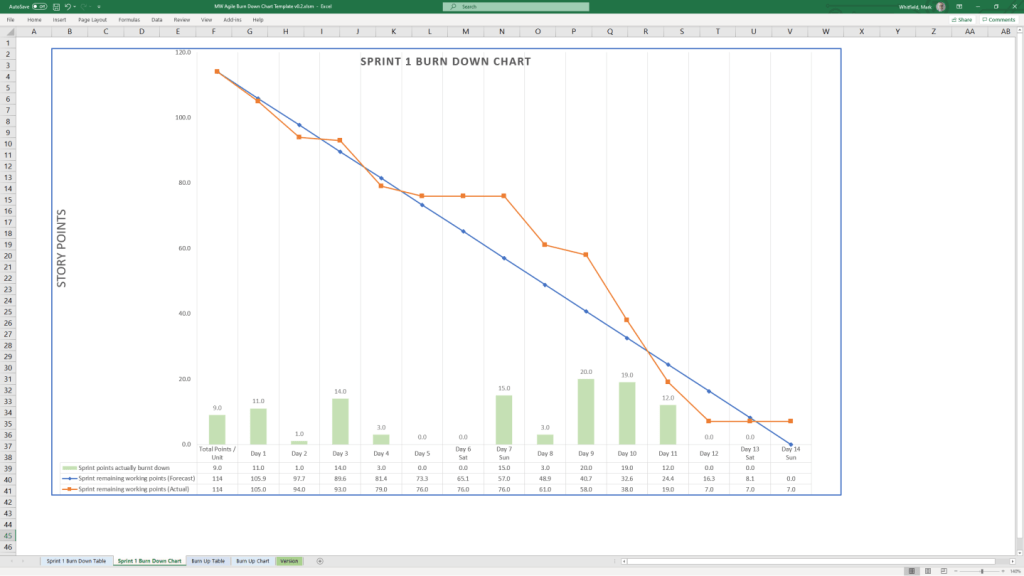
- 2001: The Agile Manifesto is published.
- 2012–2021: Release of ISO 21500, major updates to PRINCE2 and PMBOK to integrate Agile, and the shift to performance-based standards in PMBOK 7th Ed.
Project Management evolution timeline by era
Project management has evolved from ancient engineering feats to a highly structured, data-driven discipline. Below is a comprehensive timeline of its historical development and the evolution of its core methodologies.
Ancient & Early Eras
- 2570 BC: The Great Pyramid of Giza – Completed with record-keeping and oversight for each of the four faces, demonstrating early forms of planning and control.
- 208 BC: The Great Wall of China – Built with a massive labour force organised into specific groups: soldiers, ordinary people, and criminals.
- 1917: Gantt Chart – Developed by Henry Gantt, this scheduling diagram became a radical innovation for tracking project tasks chronologically.
The Mid-20th Century: Formalization
- 1956: AACE International Formed – Early practitioners of cost engineering and scheduling founded what is now the leading society for project control specialists.
- 1957: Critical Path Method (CPM) – Invented by DuPont to address chemical plant maintenance; it saved the company $1 million in its first year.
- 1958: PERT (Program Evaluation Review Technique) – Developed for the U.S. Navy’s Polaris project to analyse the minimum time needed for task completion.
- 1962: Work Breakdown Structure (WBS) – Mandated by the U.S. Department of Defense as a hierarchical tree structure for project deliverables.
- 1965: IPMA Founded – The world’s first project management association was started in Vienna as a global forum for networking.
- 1969: Project Management Institute (PMI) Launched – Founded to advance the profession, PMI has since become the primary publisher of global standards.
Late 20th Century: Methodology Proliferation
- 1975: PROMPTII & “The Mythical Man-Month” – Guidelines were created for computer projects, while Fred Brooks’s Brooks’s law observed that adding manpower to late software projects makes them later.
- 1984: Theory of Constraints (TOC) – Introduced by Dr. Eliyahu M. Goldratt, focusing on identifying system bottlenecks.
- 1986: Scrum – First named as a project management style for software development in a Harvard Business Review paper.
- 1987: PMBOK Guide First Published – PMI published the first “A Guide to the Project Management Body of Knowledge” as a white paper to standardise practices.
- 1989: PRINCE & Earned Value Management – The PRINCE method was developed for UK government IT projects; meanwhile, Earned Value Management (EVM) became an essential part of procurement.
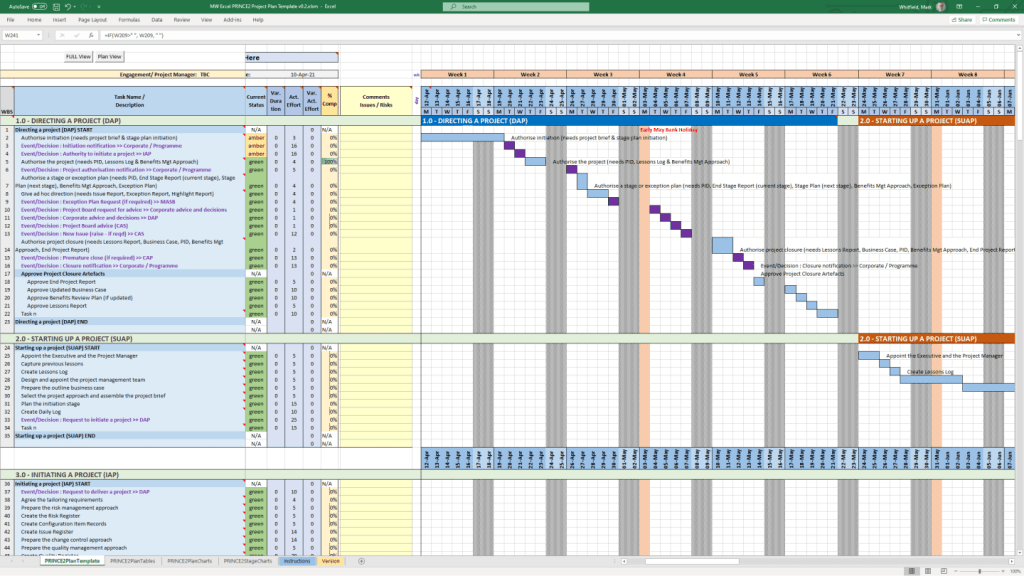
- 1996: PRINCE2 – A more generic revision of PRINCE was published, applicable to any project type.
- 1997: Critical Chain Project Management (CCPM) – Invented to keep resources levelly loaded and flexible.
21st Century: Agile & Global Standards
- 2001: The Agile Manifesto – Written by 17 developers in Utah, codifying the principles of lightweight, iterative software development.
- 2006: Total Cost Management Framework – Released by AACE International as the first integrated process for portfolio and project management.
- 2012: ISO 21500:2012 – The International Organisation for Standardisation released its global guidance on project management.
- 2017: PMBOK 6th Edition & PRINCE2 Update – Updates reflected the integration of Agile practices into traditional project settings.
- 2021: PMBOK 7th Edition – Shifted toward a principle-based approach to help practitioners be more proactive and innovative.