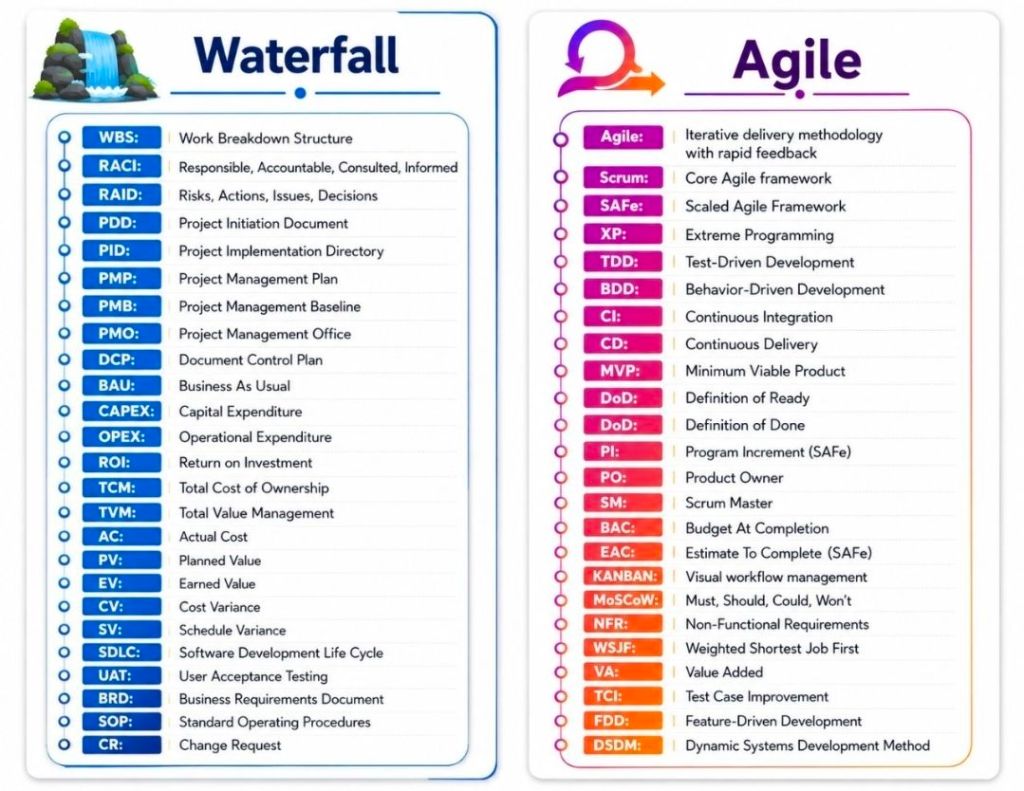
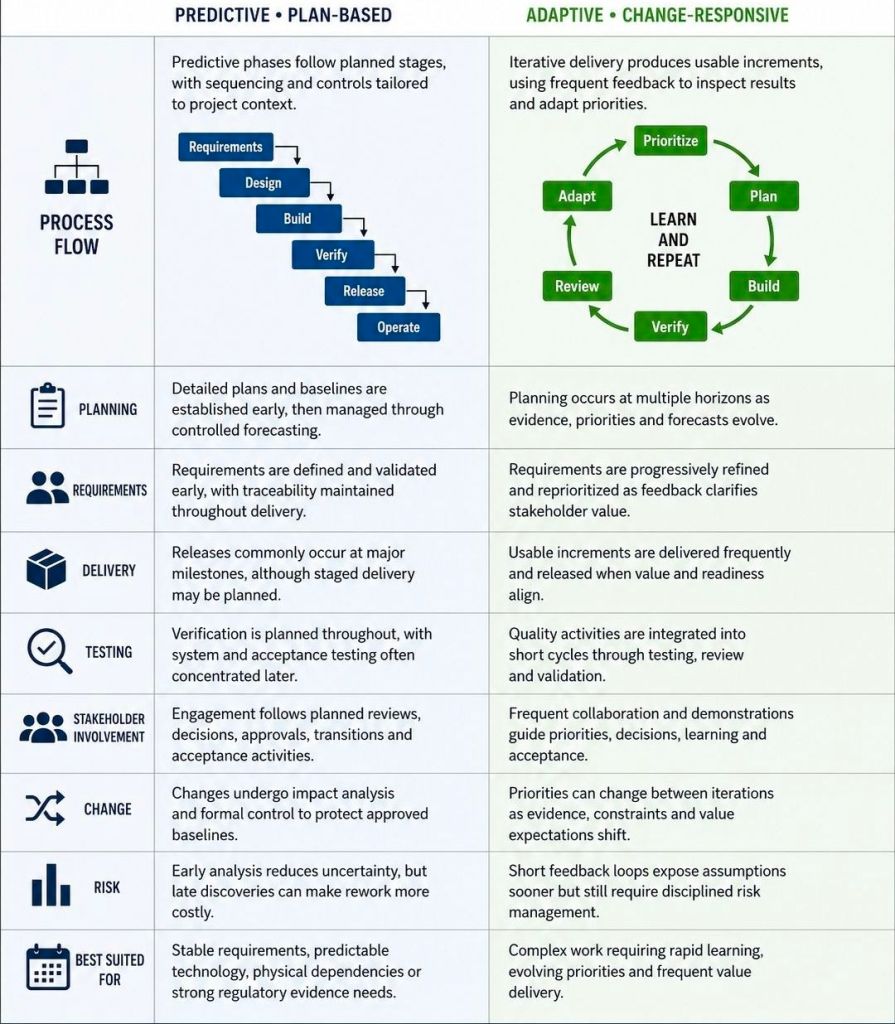
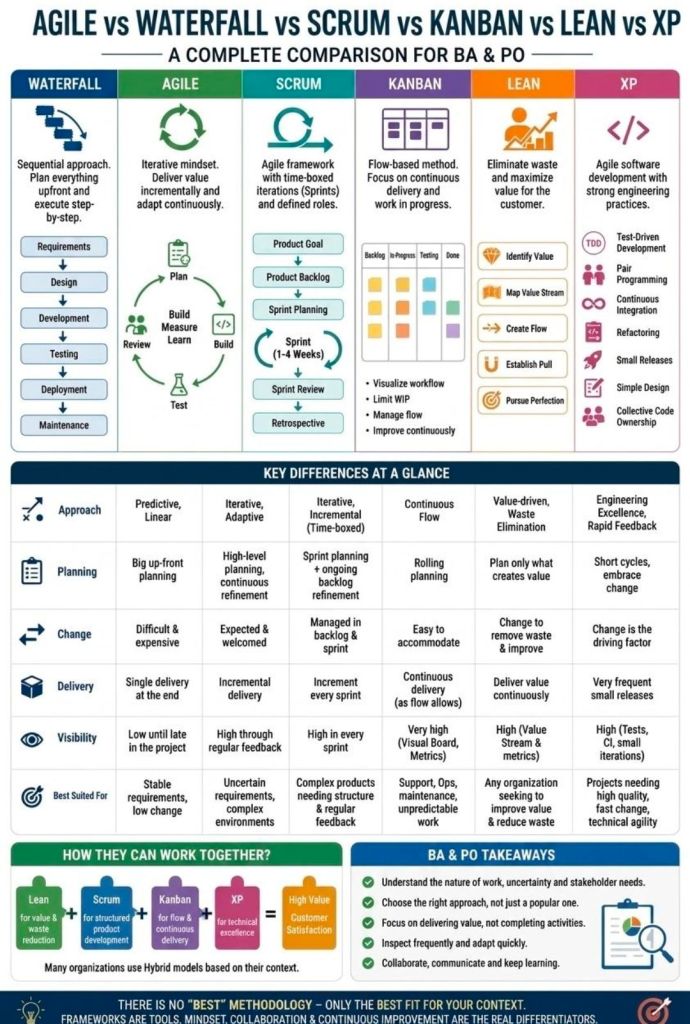
The IT Project Management (PM) toolkits created by Mark Whitfield provide over 200 tailored templates spanning Agile, Waterfall, and PRINCE2 methodologies. These artifacts are designed to structure, track, and report on software delivery lifecycles (SDLC).
The framework’s core templates are categorized below by operational delivery area, specific template artifact, and native file format:
📅 Schedule, Planning & Timelines
Focuses on structural design, building work breakdown structures (WBS), and visualizing milestones for senior stakeholders.
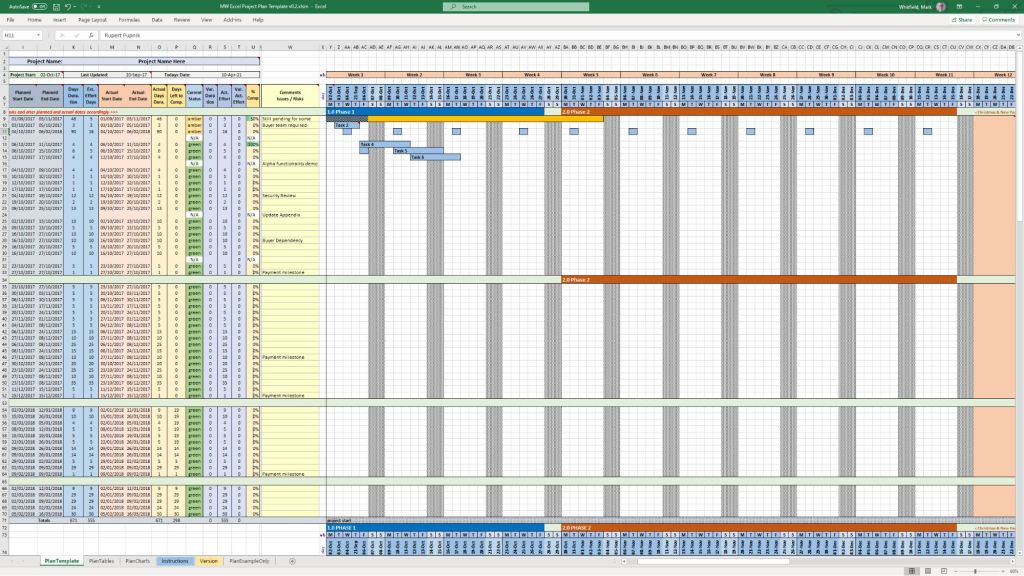
- Detailed SDLC / PRINCE2 Project Plan: Microsoft Project (
.mpp), Excel (.xlsx)
- Agile Scrum Sprint Planner & Delivery Plan: Microsoft Project (
.mpp), Excel (.xlsx)
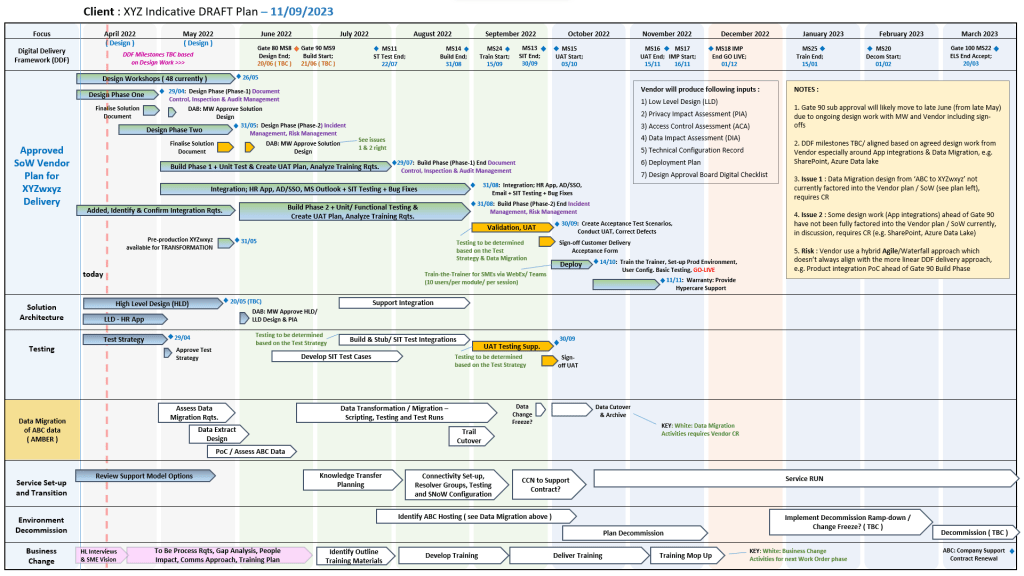
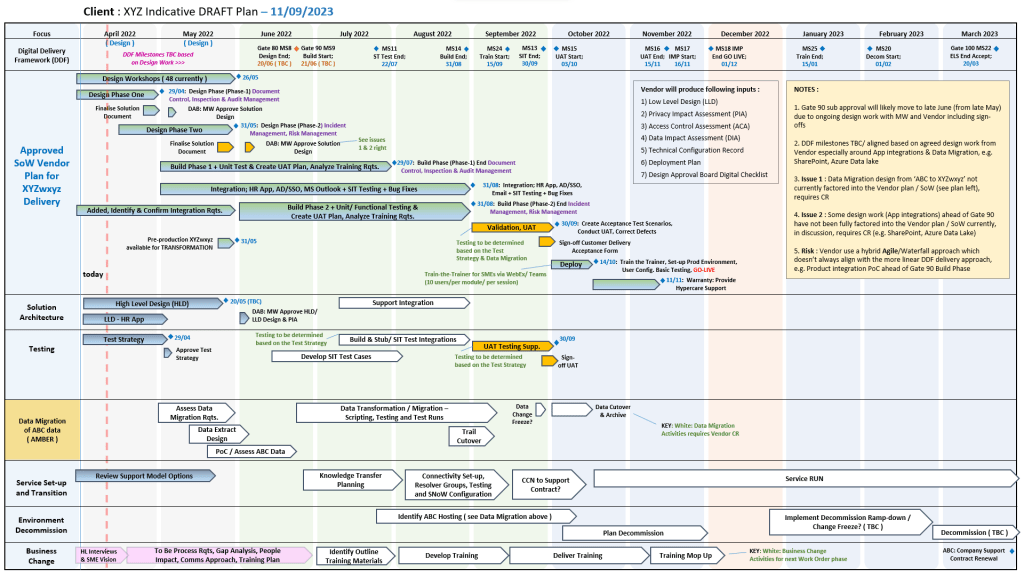
- Plan on a Page (POaP) Milestone Visualizer: PowerPoint (
.pptx)—over 35 custom variations
- Gantt Chart Trackers: Excel (
.xlsx)
🔍 Risk, Issue & Change Control (RAID)
Manages constraints, operational hazards, dependencies, and baseline deviations.
- Simple RAID Log (Risks, Assumptions, Issues, Dependencies): Excel (
.xlsx)
- Comprehensive Tracking Register (Includes RAIDs, Suppliers, Deliverables, and Out-of-Scope tasks): Excel (
.xlsx)
- Change Request Tracker: Excel (
.xlsx)
📊 Governance, Tracking & Status Reporting
Facilitates communication across team tiers and summarizes health indicators for client or internal reviews.
- Weekly & Monthly Project Status Reports: PowerPoint (
.pptx), Word (.docx)
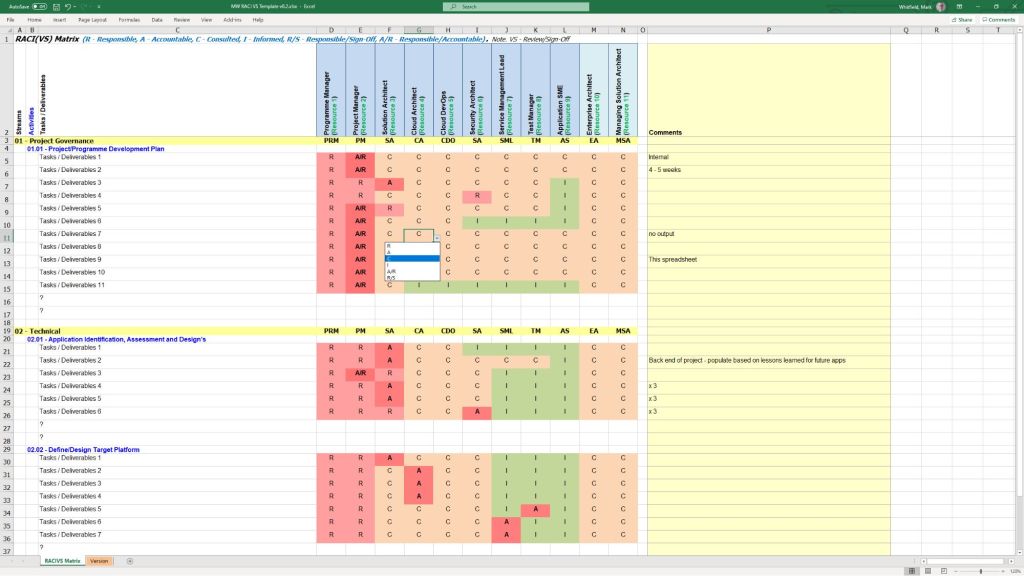
- RACI Matrix (Roles & Responsibilities Tracker): Excel (
.xlsx)
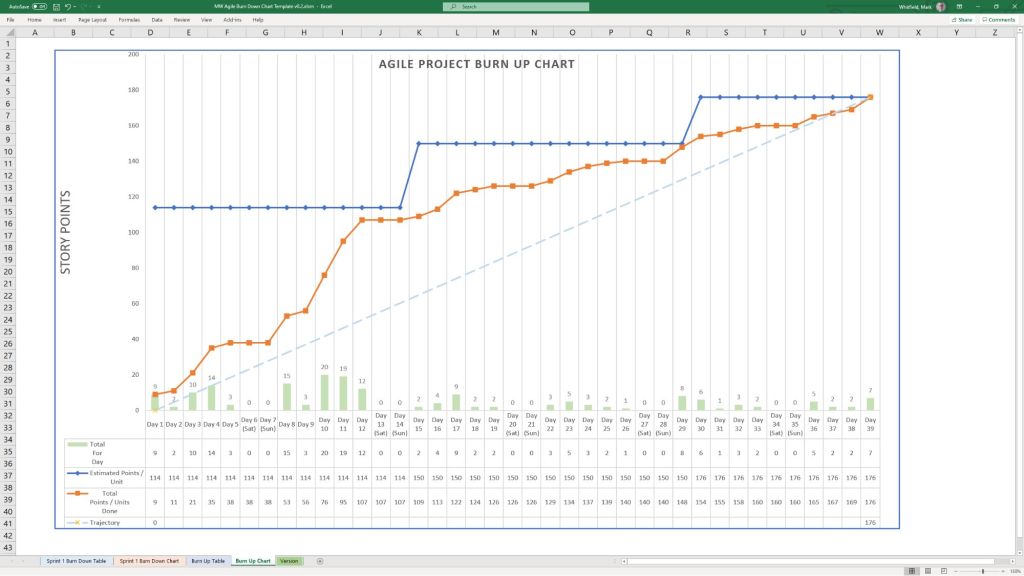
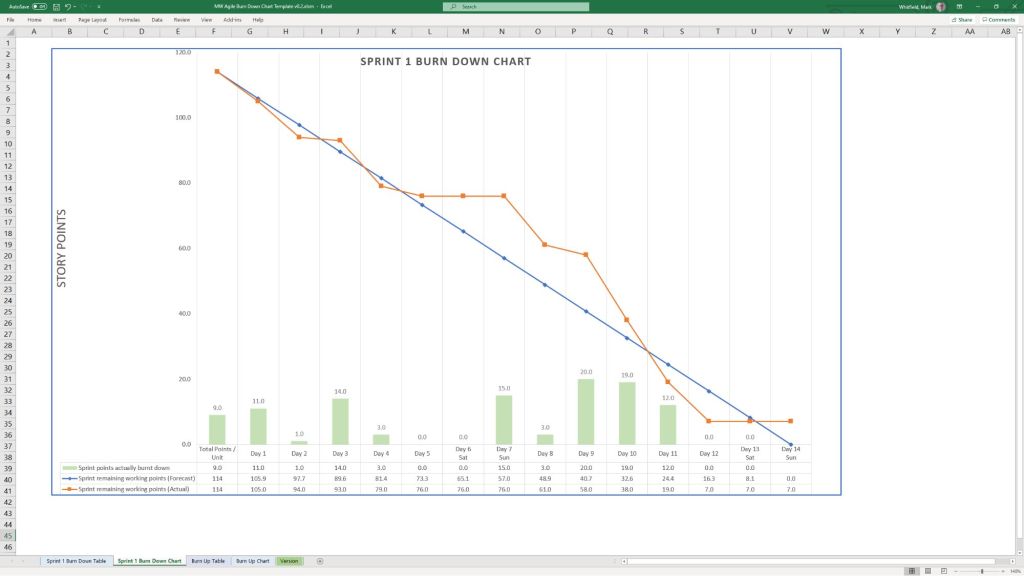
- Agile Burndown and Burnup Charts: Excel (
.xlsx)
- Meeting Minutes and Action Item Logs: Word (
.docx)
💰 Finance, Resources & Benefits
Tracks financial trajectories, internal/external staffing allocation, and post-launch outcomes.
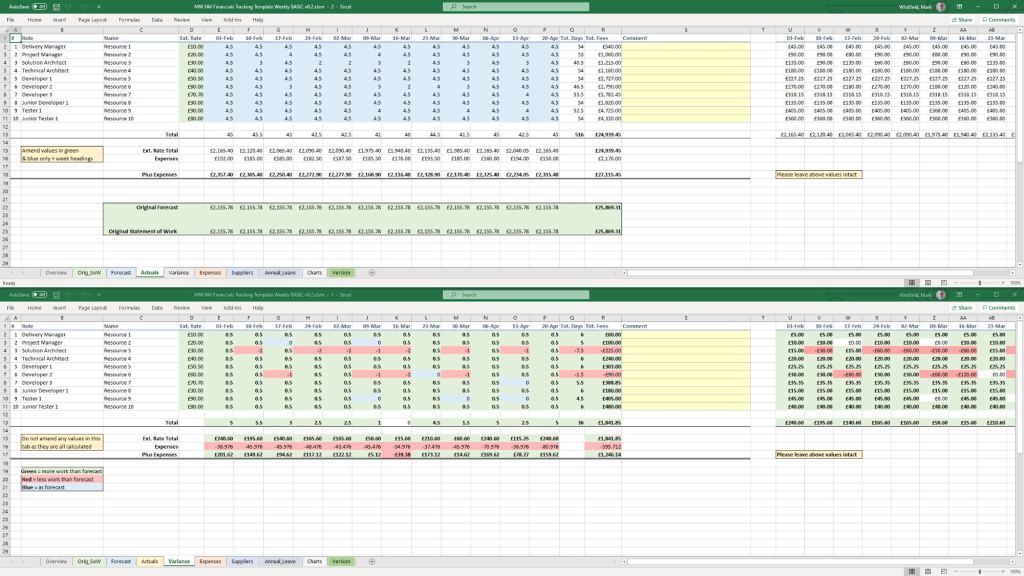
- Full Project Financial Tracker (Forecasts, Actuals, Variances, Margins, and Expenses): Excel (
.xlsx)
- Simple Monthly Budget Forecast: Excel (
.xlsx)
- Resource Cost & Annual Leave Tracker: Excel (
.xlsx)
- Benefits Realisation Analysis Tracker: Excel (
.xlsx)
🏗️ Initiation, Structure & Walkthroughs
Establishes the foundation of the delivery framework and walks team members through how to execute templates.
- Project Kick-Off Presentation Deck: PowerPoint (
.pptx)
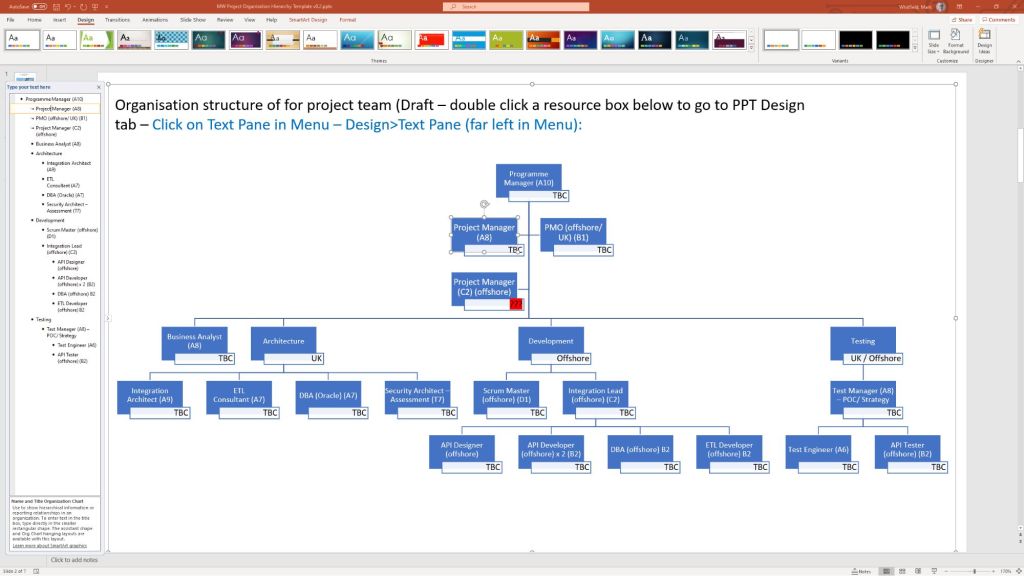
- Project Organisation Charts: PowerPoint (
.pptx)
- Template Walkthrough Documentation Guides: Word (
.docx)