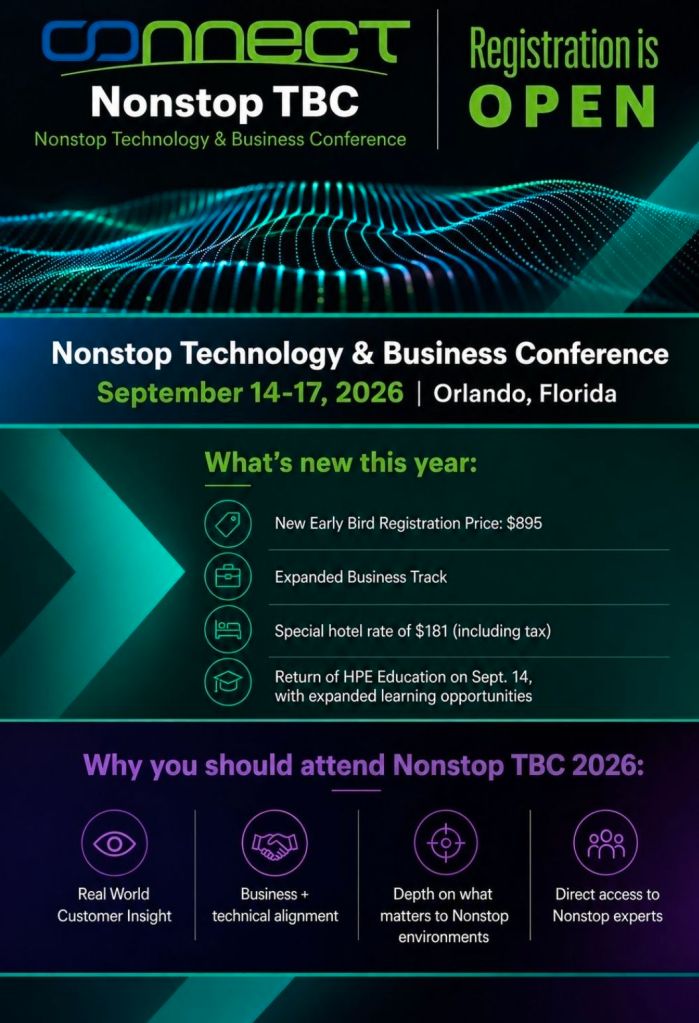
The HPE NonStop Technology & Business Conference (Nonstop TBC 2026)—hosted by Connect Worldwide—will take place from September 14 to September 17, 2026, at The Rosen Plaza in Orlando, Florida.
This signature annual event brings together enterprise IT leaders, software engineers, and solution architects to explore innovations shaping mission-critical environments.
Core Event Schedule
The four-day conference partitions its educational and collaborative tracks as follows:
September 14: Dedicated exclusively to HPE Education Day, featuring expanded deep-dive technical pre-conference courses.
September 15–17: The primary conference technical program and breakout sessions.
Key Focus Areas & Tracks
The 2026 event focuses heavily on bridging mission-critical legacy stability with modern software frameworks:
AI-Driven Transformation: Adapting continuous availability to the demands of modern artificial intelligence and machine learning workloads.
Digital Resilience & Security: Mitigating modern risks, modernising backup systems, and maintaining absolute runtime security.
FinTech & Payments: Real-world operational strategies from global peers managing transaction-heavy workloads.
Expanded Business Track: New for 2026, this track aligns executive business drivers with technical architectures for practical IT roadmap building.
Logistics and Pricing
Venue: The Rosen Plaza Hotel, situated at 9700 International Drive, Orlando, Florida.
Pricing: A newly reduced Early Bird Registration ticket is available for $895.
Accommodations: Registered attendees gain access to a dedicated Connect block rate of $181 per night (including tax).
Sponsorships: Major industry partners, such as comforte, sponsor the event, granting enterprise buyers direct visibility into third-party NonStop infrastructure add-ons.
XPNET (often distributed as part of the NET24 suite) is a proprietary, mission-critical Message-Oriented Middleware (MOM) and network management infrastructure developed by ACI Worldwide.
It is designed to run primarily on fault-tolerant HPE NonStop (Tandem) systems. XPNET acts as the foundational layer for ACI’s globally dominant payment engines, BASE24 and BASE24-eps.
It provides the multi-node network architecture, data routing, inter-process communication, and transaction logging required to safely process hundreds of millions of ATM, Point of Sale (POS), and mobile payments daily.
Key Architectural Technical Description
Core Function: XPNET acts as the vital gateway between terminal devices (ATMs, POS terminals), regional interchanges (Visa, MasterCard), and a bank’s back-end host system.
Network Environment File (NEF): All physical and logical configurations of an XPNET deployment—including nodes, links, processes, stations, and communications lines—are centrally defined inside the NEF.
Fault Isolation: XPNET monitors processes using a distributed architecture. If an interface process or line drops, XPNET safely queues or reroutes transactions to achieve “five-nines” (99.999%) financial system uptime.
Audit and Tracing: XPNET intercepts all systemic message traffic, managing the core Transaction Log File (TLF) and generating event messaging for fraud monitoring and performance profiling.
Detailed XPNET Historical Timeline Breakdown
The evolution of XPNET is deeply intertwined with ACI’s flagship software, scaling alongside the transformation of global electronic funds transfers (EFT).
1982 – 1989: The Genesis Era
1982: ACI launches BASE24 to manage early ATM networks. To handle low-level Tandem interprocess communication, ACI designs precursor communication layers.
1986: ACI scales internationally to 131 major clients across 14 countries, increasing the demand for a standard, highly secure, policy-driven message-switching architecture to accommodate disparate global telecommunication protocols.
1990 – 1999: NET24 and XPNET Standardisation
1993: ACI is reorganised under Transaction Systems Architects (TSA). The communications infrastructure is formalised as NET24-XPNET, decoupled cleanly from application logic.
1995: ACI goes public on NASDAQ. XPNET becomes the mandatory structural platform for any financial institution deploying BASE24 “Classic”.
1998: ACI acquires IntraNet. XPNET is updated to handle wholesale wire transfers and high-value Automated Clearing House (ACH) data alongside retail consumer swipes.
2000 – 2009: The Next-Gen Transition (BASE24-eps)
2002: ACI launches BASE24-eps (Enterprise Payments System). XPNET is radically re-engineered to support both classic structural architecture and next-generation message formats, utilizing its Common Transport Subsystem (CTS) to act as a Tandem Pathway client/server.
2008: ACI optimises BASE24-eps for IBM System z architectures, but updates the NonStop-native XPNET to Version 08.2 to handle expansive regional payment networks across Europe and Asia.
2010 – 2019: Litigation and Global Footprint Consolidation
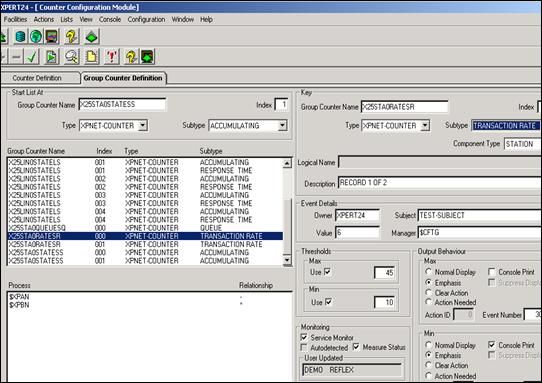
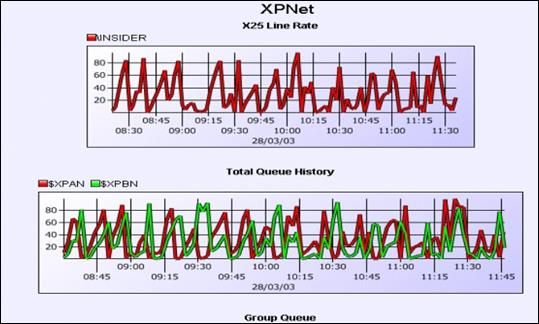
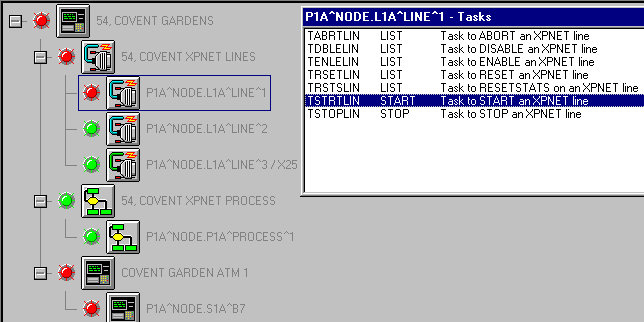
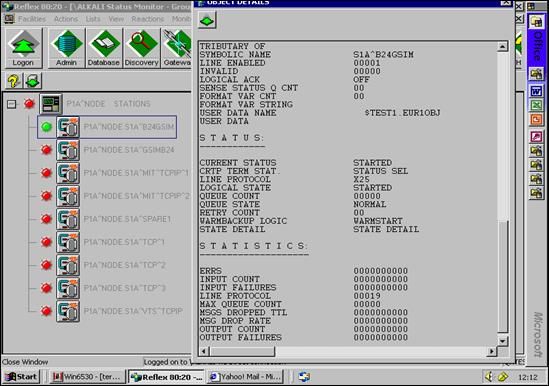
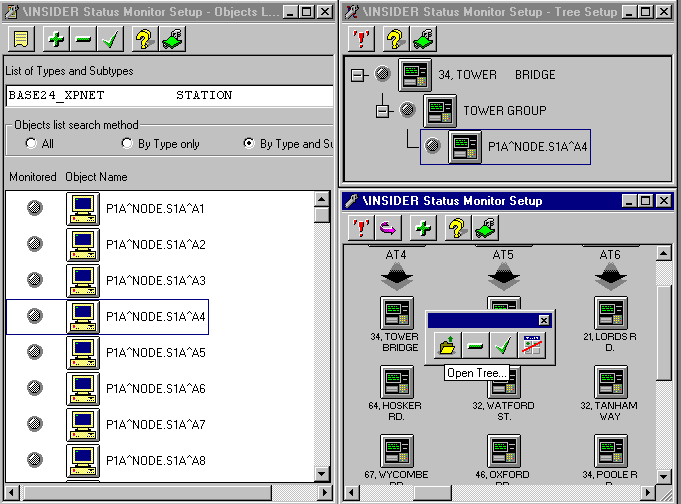
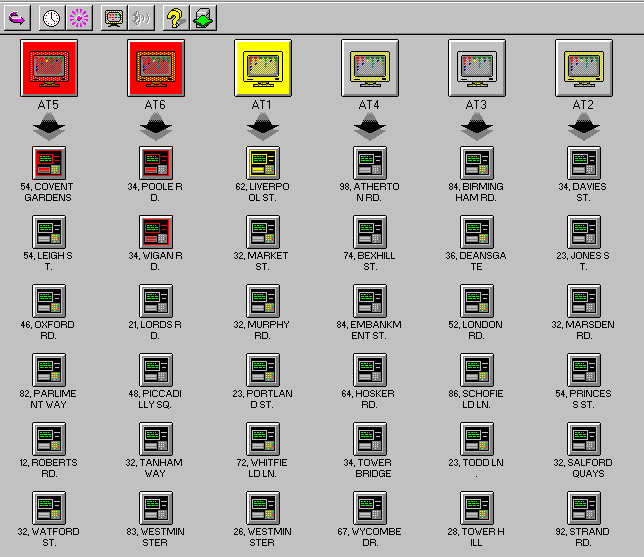
2011 – 2014: Third-party performance suites, such as IR Prognosis XPNET Manager,Insider Technologies XPERT24 and Reflex ONE24 explode in popularity, allowing banks to map live visual diagnostics of their XPNET lines and queues.
2017: ACI and MasterCard reach an agreement to resolve a massive legal dispute. As part of the settlement, MasterCard purchases a perpetual components license for NET24-XPNET middleware to legally fuel its core debit-switching network infrastructure.
2020 – 2026: Legacy Modernisation & The API Era
2021: With financial institutions pivoting toward digital microservices, ACI introduces hybrid compatibility layers. Companies like NuWave introduce direct API bindings to XPNET, allowing legacy HP NonStop payment architectures to map to modern REST web services without rewriting base COBOL/C code.
2025 – 2026: ACI celebrates 50 years of enterprise infrastructure engineering. While cloud-native solutions like ACI Connetic roll out for real-time rails, NET24-XPNET Version 4.x remains a heavily maintained, actively running baseline layer across tier-1 legacy banking systems worldwide.
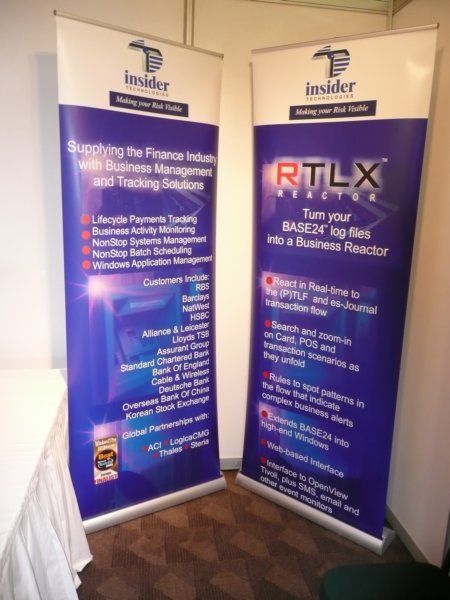
XPERT24 (XPNET Performance Monitoring and Tracking) is a specialised financial middleware software product developed by Insider Technologies Limited. It provides real-time transaction tracking and operational counter monitoring for the BASE24™ transaction processing infrastructure.
Product Description
XPERT24 functions as a critical diagnostics layer for companies running BASE24 bank card payment systems. Built to sit on HP NonStop systems, the software uses PATHWAY servers to automatically detect, capture, and analyse data points from the underlying network. Its core features include:
XPNET Counter Monitoring: Tracks infrastructure health via rate, state, and data queue counters.
Interchange Performance: Monitors live transaction metrics, including approval and denial rates for ATM and POS transactions.
Throughput Optimization: Provides clear system visibility to avoid high-volume traffic jams or transaction delays.
Detailed Timeline Breakdown
The lifecycle of the XPERT24 software package moved from initial technical specification into corporate ecosystem expansions:
2001 — Initial System Baseline & Prep
Training and Scoping:Insider Technologies Limited launched internal Sales & Marketing campaigns to map mid-market banking software demands.
System Language Adaptation: Engineering teams refined core HP NonStop transaction tracking metrics.
2006 — Structural Architecture Layout
Design Initiatives: Product groups commenced documentation guidelines to build customer-facing technical literature.
Database Modeling: Initial designs mapped how transaction records could safely pass without lagging the live bank engine.
2007 — Server Logic Creation
Server Infrastructure Setup: Developers initiated building structural frameworks inside development kits.
Pathway Server Logic: Logic was written to make sure the software query scripts safely gathered data without interrupting processing.
2008 — Production Release & Launch Era
Official Software Launch: Insider Technologies launched the operational XPERT24 system to production status.
Hypervisor UI Integration: The company produced dedicated BASE24-eps™ and XPNET layer Hypervisor graphical displays.
Industry Showcase: Technical user interfaces were presented directly to the Electronic Banking User Group (EBUG) and the Satellite Transaction User Group (SATUG).
Web Monitoring Foundations: Teams rolled out technical requirements to present live transaction counters into standard web browsers.
2011 — Project Management & Standardization
Agile Shift: Development pipelines migrated entirely onto the Scrum framework.
Process Alignment: The product management structure was retrofitted to follow strict PRINCE2 guidelines to help service major government and banking institutions.
HPE NonStop MultiBatch is an advanced workload automation and scheduling manager designed explicitly for mission-critical HPE NonStop environments. Originally created to support complex scheduling needs in banking and finance, it automates job flows and parallel processing across multiple CPUs.
Detailed Description
The original NonStop batch scheduler (NetBatch) was built for basic sequential job queues. As large enterprises required deeper integration with databases, real-time events, and complex parallel schedules, MultiBatch (developed originally by Insider Technologies, now part of ETI-NET) emerged.
Core Functions: It automates job submission, tracks job flow, handles conditional parameters, manages event timers, and triggers jobs “On Demand” based on real-time system events.
High Availability: Like the underlying HPE NonStop system, MultiBatch is engineered for fault tolerance, ensuring automated workflows do not fail due to hardware or software interruptions.
Enterprise Integration: It supports Open System Services (OSS) and standardizes auditing, security, and menu-based operations across distributed NonStop systems.
Breakdown by Year / Era
The evolution of MultiBatch parallels the architectural changes of the HPE NonStop platform.
1985–1990s: Tandem Era & Origin
1985: Conceived. MultiBatch was developed by Insider Technologies specifically to meet the complex batch schedule demands of large financial institutions that exceeded native NetBatch capabilities.
Early 1990s: The system was officially rolled out for Tandem processors to automate transaction data loads and daily reconciliation tasks for ATMs and financial ledgers.
1997–2014: Compaq & Early HP Era
1997: Following Compaq’s acquisition of Tandem, MultiBatch was adapted to support the NonStop Himalaya systems and server software, which expanded data and network scaling.
2000s: During the HP Itanium and MIPS Era, MultiBatch evolved to support more dynamic processing pools and expanded job limits, increasing fault tolerance under the HP-UX integrated environment.
2014–2020: Transition to NonStop X & Modernization
2014: As HPE shifted the platform to standard Intel x86-64 processors (NonStop X), MultiBatch was updated for L-series operating systems to run efficiently on high-speed InfiniBand fabrics.
2019: Insider Technologies made significant updates to MultiBatch to modernize the GUI and improve code stability for the new generation of NonStop users transitioning to X-series hardware.
2020–Present: MultiBatch 10 & 10.2
2023: MultiBatch 10 was released. It included a new Operations GUI Server, significantly increased configuration limits (e.g., supporting up to 2,500 jobs), enhanced conditional parameters, improved processing of Open System Services (OSS), and “On Demand” job capabilities.
2025: MultiBatch 10.2 was released by ETI-NET. This update focused heavily on digital resilience, providing deep alignment with the NIST Cybersecurity Framework to protect against operational and cyber threats.
Current Status: Fully integrated into modern systems supporting the HPE GreenLake consumption-based cloud model, MultiBatch 10.2 serves as the primary automation engine for large enterprises executing complex HTAP (Hybrid Transaction/Analytical Processing) workloads.
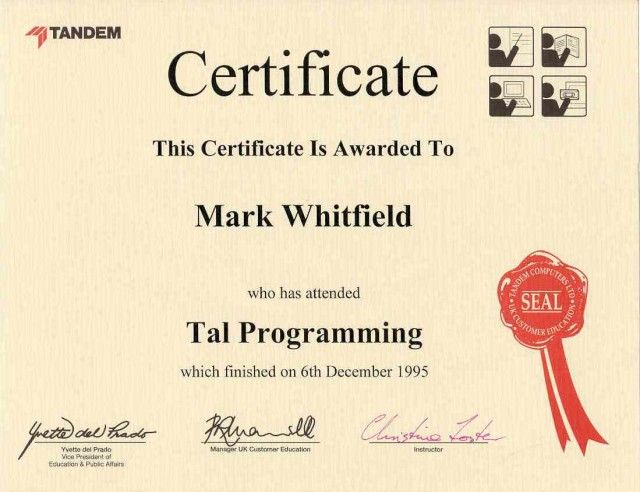
Mark Whitfield invested many years in the HPE NonStop field from 1990. The HPE NonStop architecture (originally Tandem Computers) is a legendary fault-tolerant system known for 100% continuous availability. The platform’s hardware and software execution evolved across six distinct eras and processor transitions:
Architecture: The foundational “shared-nothing” parallel architecture. Featured redundant components (processors, disks, power supplies) connected by a proprietary dual-bus (Dynabus). The operating system provided instant automated failover.
Architecture: Expanded into 32-bit computing. To keep pace with industry performance, Tandem transitioned from proprietary processors to off-the-shelf MIPS RISC processors while heavily emulating the original instruction set for compatibility.
3. The Himalaya/ServerNet Era (1997–2004)
Years: 1997–2004
Processors: MIPS R-series
Architecture: Replaced the legacy Dynabus with ServerNet, a high-speed system interconnect that served as an early precursor to modern networking fabrics. (Compaq acquired Tandem in 1997, which subsequently merged with HP in 2002).
4. The Integrity Itanium Era (2005–2013)
Years: 2005–2013
Processors: Intel Itanium (TNS/E)
Architecture: Branded as HP Integrity NonStop (NonStop i). The platform moved off proprietary silicon to standard Intel Itanium processors. This was driven by the “NonStop Advanced Architecture” (NSAA), lowering hardware costs while maintaining Availability Level 4 (AL4) standards.
5. The NonStop X (x86-64) Era (2014–Present)
Years: 2014–2026
Processors: Intel Xeon x86-64 (TNS/X)
Architecture: Fully decoupled the OS from proprietary hardware by shifting to standard Intel x86-64 processors and InfiniBand fabric. The latest compute nodes (such as the NS5 X5 and NS9 X5) utilize modern Intel Xeon Scalable processors to maintain maximum Availability Level 4 (AL4) workloads.
6. The Virtualized NonStop Era (Present)
Years: 2015–Present
Processors: Virtual Machines / Cloud / x86
Architecture: HPE extended the platform to support Virtualized NonStop Software, allowing fault-tolerant enterprise workloads to run entirely in private clouds via standard VMware or hybrid architectures, independent of specific physical servers.
The BASE24 electronic payment system developed by ACI Worldwide exists in two primary architectural generations:
BASE24 Classic (historically deployed on HPE NonStop / Tandem fault-tolerant hardware) and
BASE24-eps (Enterprise Payments System, built using an object-oriented C++ framework deployable across open systems, z/OS, and cloud infrastructure).
Despite structural differences, both share a highly optimized, component-based transaction routing engine.
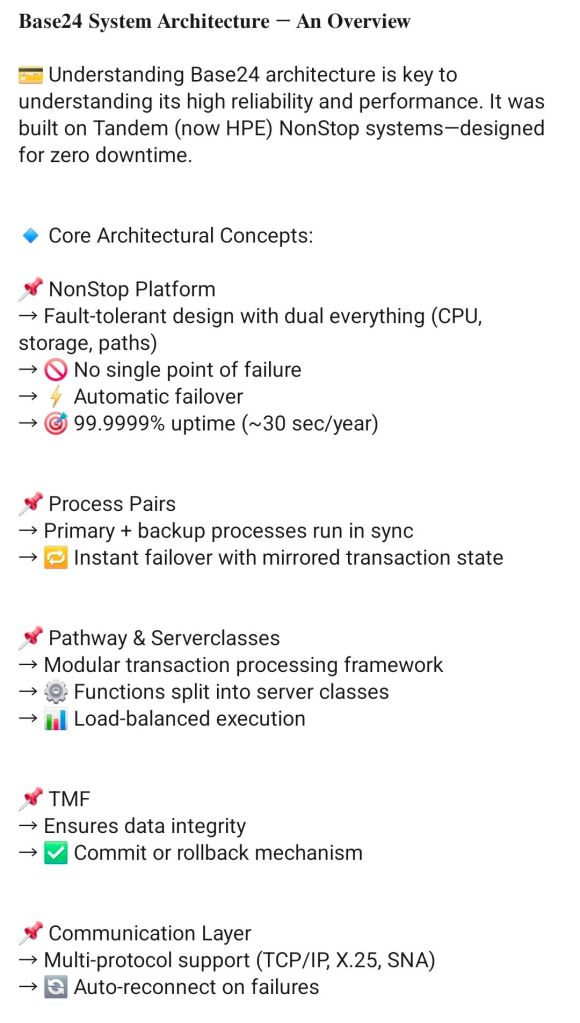
BASE24 architecture overview
Core Structural Component Layers
The component architecture maps the complete end-to-end lifecycle of a financial message (such as ISO 8583) through five distinct functional sub-systems:
1. Network & Message Routing Component (XPNET)
Purpose: Coordinates all message traffic across internal processes and physical network nodes.
Function: Operates as a specialized middleware network manager that decouples low-level communication links from upper transaction routing layers.
Configuration: Relies on a Logical Network Configuration File (LCONF) to define active execution nodes, hardware lines, and physical stations.
2. Perimeter Access Layer (Device Handlers)
Purpose: Translates device-specific message protocol formats into the system’s unified internal format.
ATM Device Handlers (ATMDH): Manage direct connectivity to automated teller machines, unpack specific vendor dialects (such as Diebold or NCR states), and track terminal hardware statuses.
POS Device Handlers (POSDH): Interface with point-of-sale acquirer terminals and merchants.
Security Operations: Triggers immediate payload encryption/decryption and Hardware Security Module (HSM) PIN-block translation directly within this ingestion ring.
3. Core Transaction Logic (Authorization System)
Purpose: Determines whether a payment request should be accepted, rejected, or modified.
Full On-Us Authorization: Inspects internal databases for matching account records, positive balances, and velocity thresholds to issue real-time decisions.
Parametric/Negative Checks: Validates card status against offline negative files, usage restrictions, or custom risk parameters.
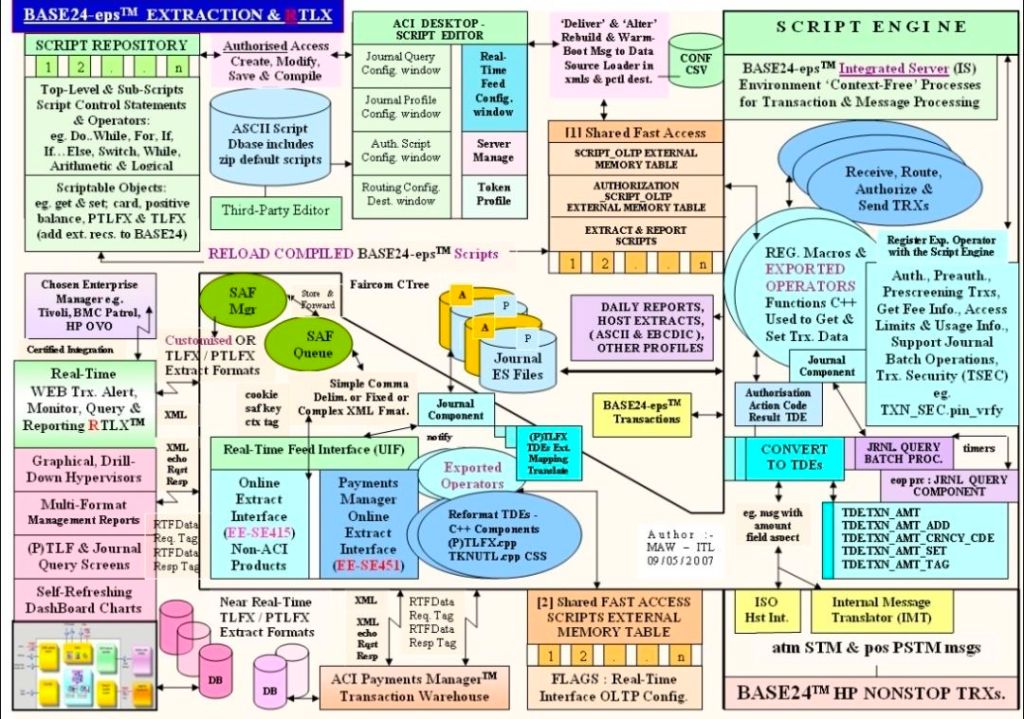
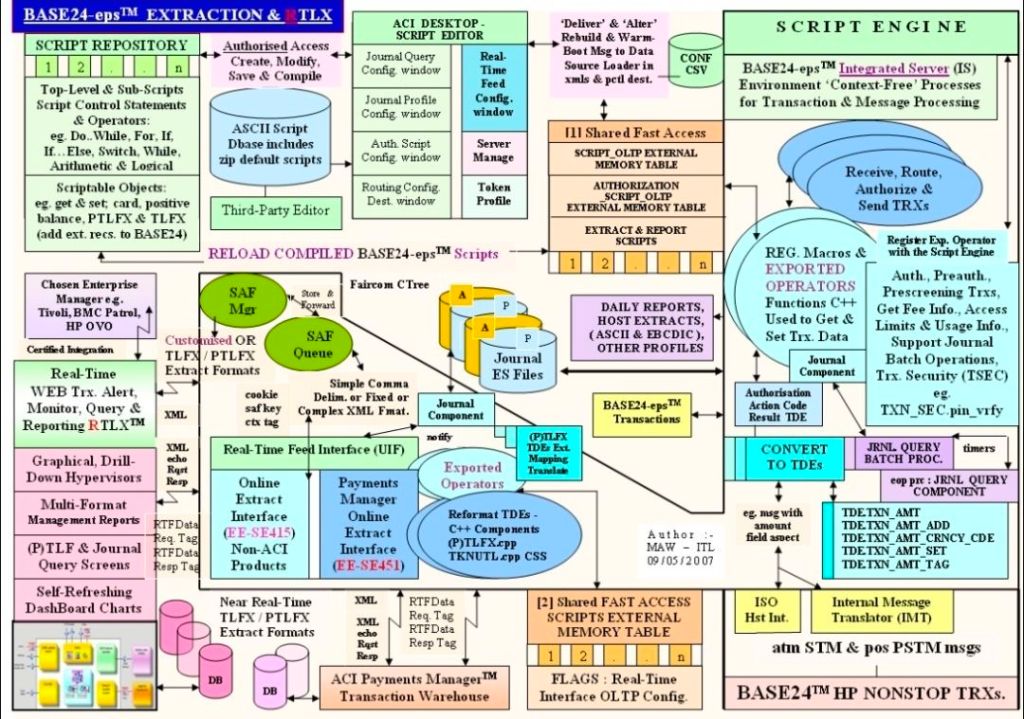
Scripting Engine: Modern BASE24-eps variants execute localized transaction routing scripts via customized operators without forcing a compile rewrite of the core engine core.
Interchange Interfaces (ICH): Package and transform the transaction payload into international network profiles (e.g., Visa, Mastercard, regional switches). It handles strict message mapping and regional network check requirements.
Host Interfaces (HIF): Create synchronous links back to an institution’s underlying Core Banking system to apply ledger adjustments, check balances, or execute real-time holds.
5. Offline & Administrative Subsystems
Extract Component: Gathers active transaction logs and streams filtered payloads out to analytical reporting databases.
Refresh Component: Updates terminal operational data, key packages, and card exclusion lists from parent systems down to active execution nodes.
Settlement Initiator: Groups, cleanses, and batches net-clearing totals to finalize payment entries into regional clearinghouses.
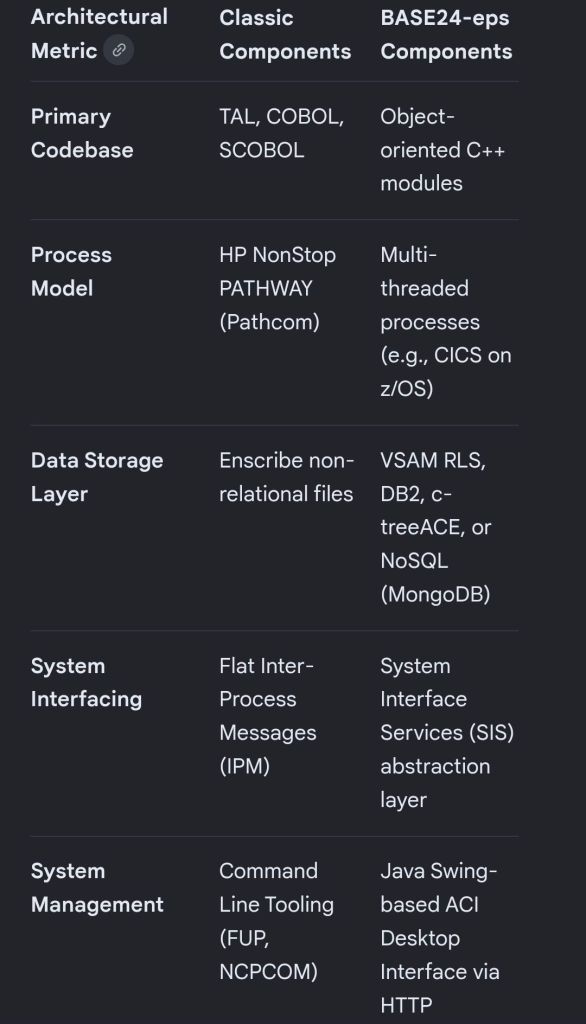
Architectural Divergence: Classic vs. EPS
The structural design varies significantly depending on the generation of the software deployment:
BASE24 and BASE24-eps architecture overview
End-to-End Component Transaction Flow
An ATM transaction arrives at the network interface layer managed by XPNET.
The message is routed to the Device Handler, which strips hardware packaging and requests translation from the HSM.
The clean internal message passes to the Authorization Engine.
If it is a “Not-On-Us” card, the engine identifies the destination BIN and transfers routing control to the Interchange Interface.
The Interchange Interface maps the payload to the external scheme standard (such as Visa) and transmits it to the external network.
The outbound network response is unwrapped by the Interchange component and tracked through the core engine to log final response codes.
The transaction safely records inside the active log file, allowing the Extract / Settlement components to pick it up later during batch processing.
The official HPE Nonstop Technology Architecture is a specialized, 100% fault-tolerant infrastructure built with a tightly integrated hardware and software stack designed to eliminate any single point of failure. Formal instruction and architectural frameworks have been modernized under the newly relaunched HPE Nonstop Compute Training Portfolio curriculum.
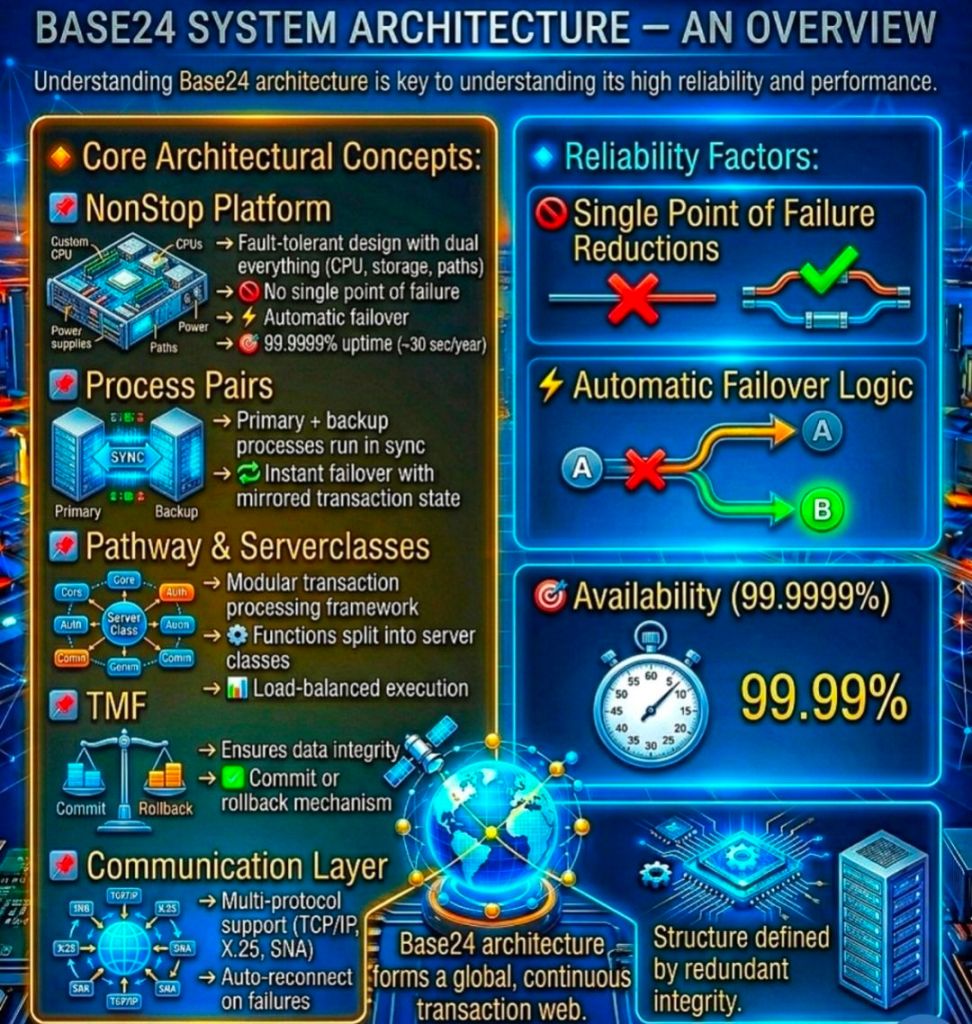
Originally developed by Tandem Computers in 1976, the platform eventually became part of Hewlett Packard Enterprise (HPE). Unlike standard servers that can crash due to a single component failure, NonStop uses a tightly integrated, “shared-nothing” architecture to ensure that if a hardware or software component fails, another instantly takes over with zero downtime or data loss.
Core Architectural Features
To understand how HPE NonStop works, you need to understand its unique design principles:
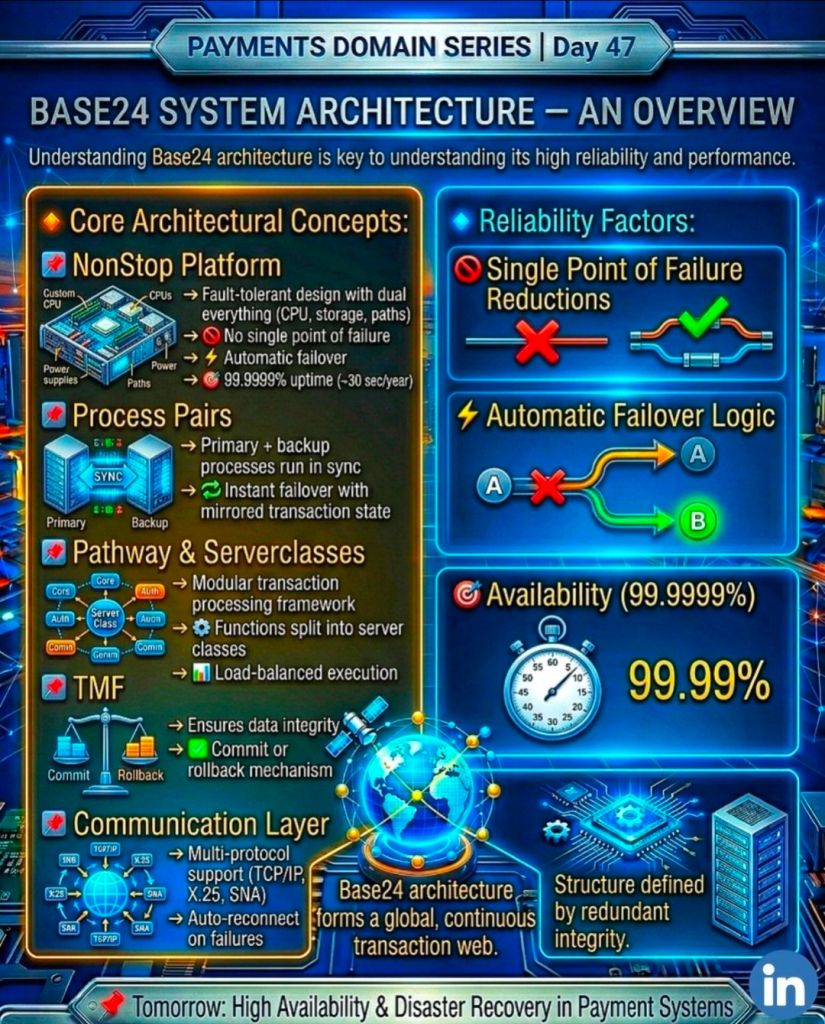
Shared-Nothing Architecture: Every processor has its own dedicated memory, I/O channels, and copy of the operating system. No single component is shared, eliminating any single point of failure.
Process Pairs: Applications run using a primary process and a backup process on a different processor. The primary process constantly copies its state to the backup. If the primary fails, the backup immediately takes over.
Massive Scalability: Systems can scale up seamlessly from small distributed environments to massive clusters containing up to 24,000 processor cores without interrupting running operations.
Hardware Platform: The modern software environment runs on industry-standard x86 architectures, available as physical server racks (like the HPE NonStop NS9 X5) or as virtualized instances in hybrid cloud environments.
Dual Operating Environments
HPE NonStop runs a specialized operating system called NonStop OS. Inside this OS, developers and administrators interact with two distinct environments:
Guardian Environment: The native, proprietary environment optimized for high-volume Online Transaction Processing (OLTP). It handles tasks sequentially through process-oriented manually-started jobs rather than traditional automated queues.
Open System Services (OSS): A UNIX-like, POSIX-compliant environment built on top of the NonStop kernel. This allows organizations to run standard open-source applications, tools, and scripts natively alongside Guardian.
Ecosystem and Use Cases
HPE NonStop is rarely used for standard office automation or basic web hosting. Instead, it serves as the backbone for global industries where an hour of downtime could cost millions of dollars:
Financial Transactions: Powers global stock exchanges, automated teller machines (ATMs), and retail point-of-sale credit card processing, eg. BASE24.
Travel and Logistics: Runs critical airline reservation systems and real-time cargo routing infrastructure.
Database Management: Features its own highly secure, distributed database engine called NonStop SQL, which guarantees absolute data integrity across all transactions.
Modern Development: Supports traditional languages like COBOL85 and ANSI C, alongside modern DevOps integrations like Git, Ansible, and Eclipse-based IDE environments.
An architectural blueprint of an HPE NonStop environment typically separates the layout into three core interdependent layers:
Hardware & Fabric Layer: Consists of independent, loosely-coupled Processor Nodes (handling up to 24,000 cores globally) connected via an ultra-fast InfiniBand or ServerNet system fabric backbone.
I/O & Subsystem Layer: Utilizes Cluster I/O Protocols (CLIMs), splitting tasks between Storage CLIMs (SCLIMs) and Network CLIMs (NCLIMs) to isolate external communication from main processing.
Operating System & DB Layer: Runs the NonStop OS, which simultaneously manages the traditional Guardian environment, Open System Services (OSS) for UNIX/Linux paradigms, and the NonStop SQL distributed database engine.
Recommended Architecture Training Curriculum
HPE organizes its technical blueprints into structured educational paths for engineers.
1. Foundational Blueprint Concepts
Course Code: U4147S (HPE Nonstop Compute System Fundamentals).
Focus: Delivers a top-down view of system goals, transaction processing, and fundamental architecture.
Key Modules: Explores Guardian vs OSS, Pathway application management, and basic database interaction.
2. System Operations & Administration
Course Code: H1SC3S (HPE Nonstop Compute System Administration I).
Focus: Maps physical and virtual components to real-world deployment.
BASE24 is a foundational electronic payments software suite developed by ACI Worldwide, first launched in 1982 to provide “always-on” (24/7/365) transaction processing, primarily on HP NonStop servers.
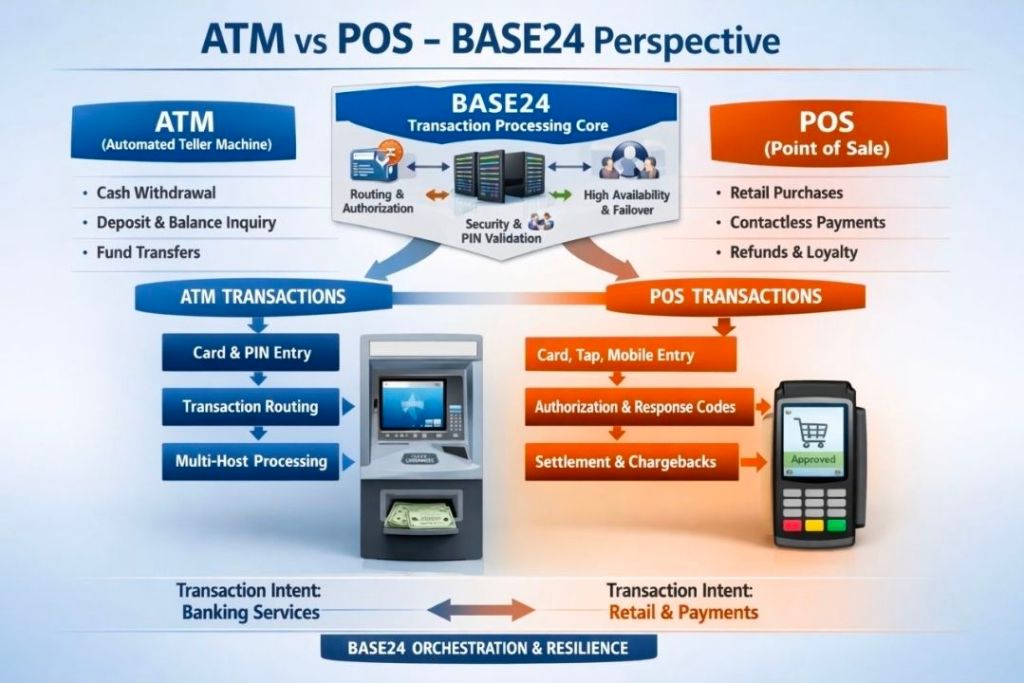
It is used by large financial institutions to acquire, authenticate, route, switch, and authorize card- and non-card-based financial transactions across multiple channels, including ATMs, point-of-sale (POS) terminals, and mobile/internet banking.
The product has evolved from “Base24 Classic” into BASE24-eps (formerly BASE24-es), a modern, object-oriented, platform-independent payments engine designed to support high-volume, real-time transaction processing in hybrid or cloud-based environments.
Comprehensive Historical Timeline of BASE24
The Foundation Era (1975–1981): ACI (Applied Communications, Inc.) was founded in Omaha, Nebraska, in 1975, initially developing software for fault-tolerant Tandem NonStop computers. The focus was on connecting the first wave of ATMs to bank systems.
The Launch and Global Expansion (1982–1990):
1982: BASE24 product family is officially launched, serving as the “baseline” software for 24-hour operations.
1986: By 1986, ACI has 131 customers in 14 countries, expanding globally.
1987: ACI receives the U.S. President’s “E” Award for Excellence in Export.
Public Company and Modernization (1995–2000):
1995: ACI becomes a public company.
1997: Adopts the name ACI Worldwide.
1996–2000: Initial expansion of support to platforms beyond Tandem, including IBM mainframes and UNIX, to support rising internet commerce.
The Transition to Open Systems: BASE24-eps (2001–2010):
Early 2000s: Introduction of BASE24-es (later renamed BASE24-eps), a Next-Gen, C++ based engine.
2003: BASE24-eps is live on HP NonStop, IBM zSeries, and IBM pSeries/Sun Solaris.
2006: ACI announces a version of BASE24-es to support UK Faster Payments.
2008–2010: ACI moves toward a unified strategy, with BASE24-eps becoming the mainstream offering while Classic matured.
Modernization and Cloud Era (2011–Present):
2011: BASE24-eps wins the Most Innovative Financial Product Award.
2015: ACI celebrates 40 years of operation and introduces advanced fraud detection (Proactive Risk Manager) integrated with BASE24-eps.
2023: ACI goes live as an early adopter of the Federal Reserve’s FedNow Service, using modernized BASE24-eps technology.
2024–2025: BASE24-eps becomes fully PCI-SSF compliant (PCI 4.0), running on Red Hat Enterprise Linux and supporting hybrid cloud deployments.
Key Features of BASE24-eps
Fault Tolerance: Designed for high availability with near-zero downtime.
Multi-Channel Support: Manages ATM (NCR, Diebold Nixdorf), POS, and Mobile/Web traffic in a single engine.
Scripting Engine: Uses JavaScript-like scripts to allow customers to define authorization logic without modifying the core system.
Universal Connectivity: Supports 40+ global and regional network interfaces (Visa, Mastercard, etc.).
Platform Independence: Runs on HPE NonStop, IBM z/OS (CICS), and Linux/x86_64.
Real-time Fraud Prevention: Integrated with ACI Proactive Risk Manager.