The corporate history of The Software Partnership (TSP), its acquisition by Deluxe Data International, and its subsequent integrations form a foundational timeline in early UK fintech and mission-critical corporate remote banking.
The detailed historical timeline by era and year for the Runcorn-based software house is structured below:
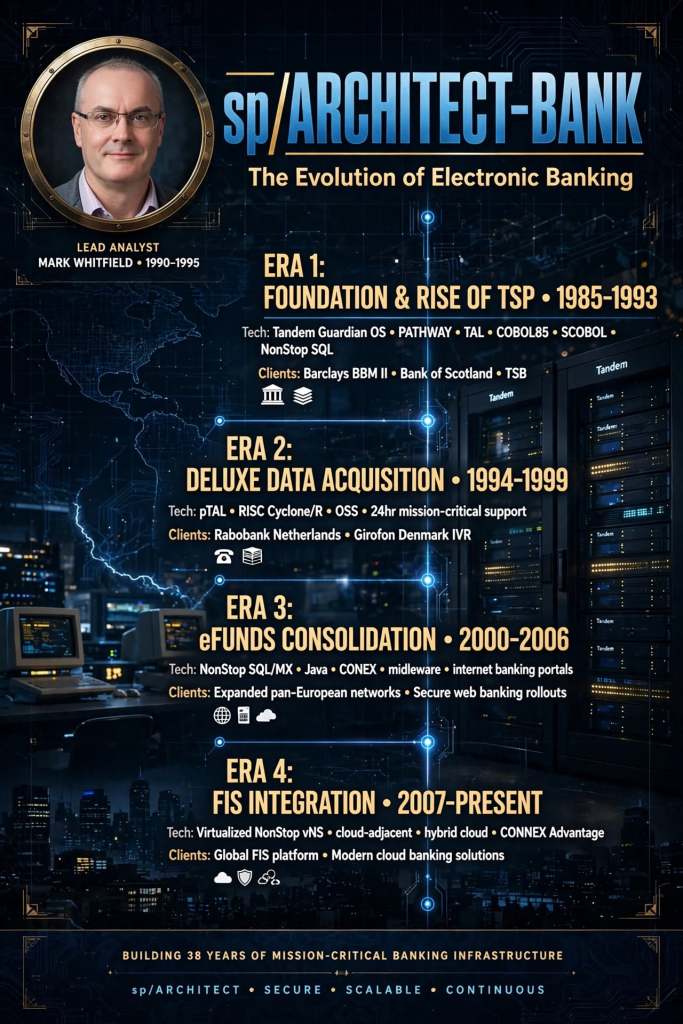
🌅 Era 1: The Foundation and Rise of TSP (1985–1993)
This era covers the establishment of the independent software house, moving from early terminal solutions into specialized development on Tandem Computers fault-tolerant architectures (now HPE NonStop).
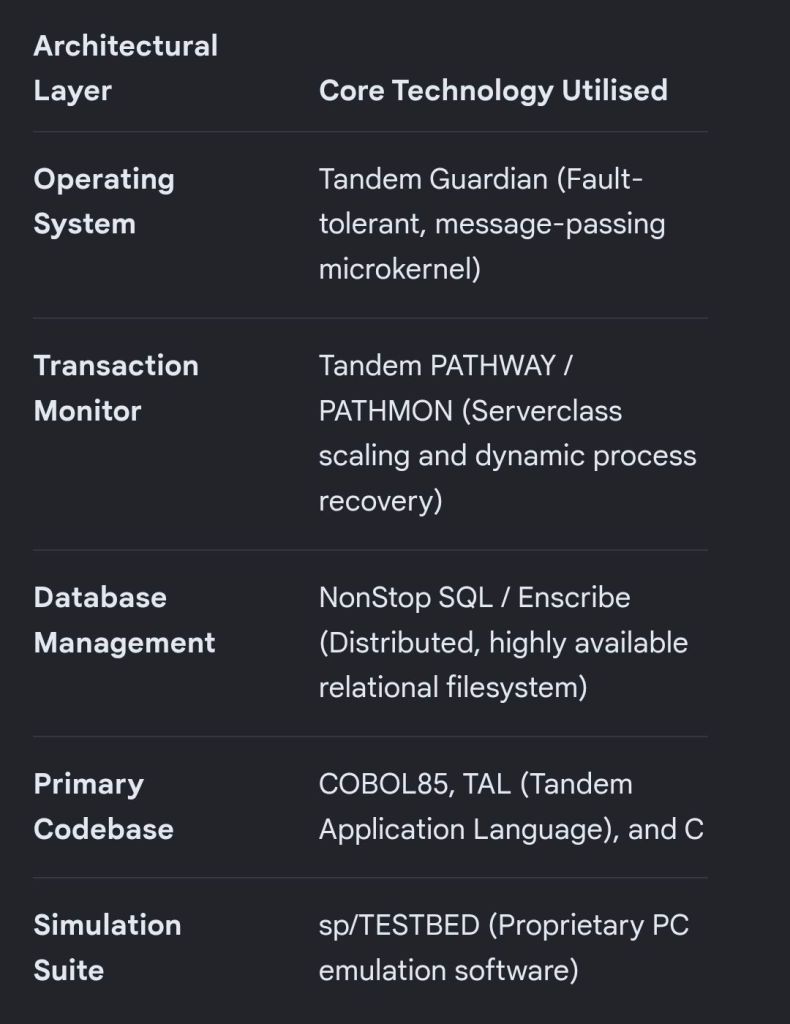
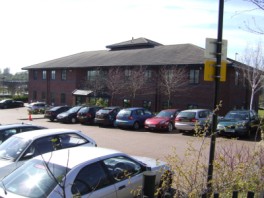
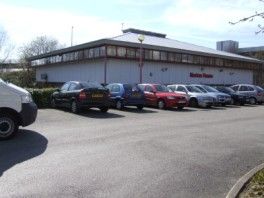
- 1985: The Software Partnership (TSP) is co-founded by Nigel Walsh. The office begins its lifespan at Wingate Drive in Timperley before eventually establishing its core headquarters at Norton House, Crowngate, and subsequently Wingate House in Runcorn, Cheshire.
- 1986–1989: Development focuses heavily on terminal-to-mainframe corporate banking solutions. Initial conceptual designs emerge for standard financial messaging and ledger interfaces.
- 1990: Development scales heavily around sp/ARCHITECT-BANK, a highly specialized desktop banking integration platform. It bridges corporate accountants securely to back-end ledger platforms.
- 1991–1993: Major client deployments expand across tier-1 UK and international institutions, including Barclays Bank (BBM II – Barclays Business Master II), Bank of Scotland, and TSB. Technical stacks rely on monolithic Transaction Application Language (TAL), COBOL85, and SCOBOL green screens running over Tandem Guardian OS pathways.
🤝 Era 2: Deluxe Data Acquisition and Global Remote Banking (1994–1999)
This period marks the transition to a global subsidiary model, driving early remote electronic corporate banking solutions.
- 1994: Deluxe Data International acquires The Software Partnership. The Runcorn office rebrands operations under Deluxe Data, coupling local development with global financial networks.
- 1994 (Technical): Architectures begin moving away from monolithic TAL foundations toward distributed client-server frameworks and pTAL migrations to support evolving RISC architectures (like Tandem Cyclone/R systems).
- 1995: Major expansion into European markets. The Runcorn office delivers software design, coding, and 24-hour mission-critical support for key global accounts like Rabobank (Netherlands) and interactive voice menu (IVR) gateways for Girofon (Denmark).
- 1996–1999: High-volume transaction frameworks mature. Client installations shift configurations toward early open-system compliance as Tandem introduces Open System Services (OSS) frameworks.
🚀 Era 3: The eFunds & Corporate Consolidation Era (2000–2006)
A period of intense corporate consolidation as internet banking begins replacing classical dedicated corporate dial-up desk terminals.
- 2000: Deluxe Data’s broader software arms are synthesized into eFunds Corporation. Runcorn’s legacy code assets scale to modern middleware, integrating NonStop SQL/MX databases.
- 2001–2006: Migration programs transition legacy platforms toward Java and web-adjacent internet banking infrastructures. The core banking engines originally written at TSP remain operational beneath corporate frameworks due to their structural fault tolerance.
🏢 Era 4: The FIS Integration and Legacy Modernisation Era (2007–Present)
The final stage of integration into global fintech conglomeration and cloud architectures.
- 2007: Fidelity National Information Services (FIS) acquires eFunds for $1.8 billion, fully absorbing the intellectual property, client contracts, and product lines evolved from the original sp/ARCHITECT platform.
- 2010s–2020s: The core application logic moves into virtualized, cloud-adjacent, and hybrid cloud infrastructures (such as Virtualized NonStop / vNS architectures), decoupling the legacy fintech capabilities from physical mainframe stacks.
The product lifecycle of the sp/ARCHITECT banking platform (specifically sp/ARCHITECT-BANK) is a landmark case study in early electronic home and corporate desktop banking.
Originally engineered by The Software Partnership (TSP) in Runcorn, Cheshire, the platform was custom-built to exploit the native fault-tolerant infrastructure of Tandem NonStop mainframes.
The detailed timeline of the sp/ARCHITECT platform is broken down below by operational era and year:
1. The Foundational & Conceptual Era (1985–1989)
This era focused on the structural architecture design of custom online financial engines, transitioning banking services from terminal-to-mainframe environments into standardized software modules.
- 1985: The Software Partnership (TSP) is co-founded by Nigel Walsh. The engineering team begins design blueprints for a standard, high-availability product architecture built explicitly to run within the Tandem Computers Guardian OS and PATHWAY transaction processing monitor environments.
- 1986–1987: Heavy development maps terminal-to-mainframe pathways. Initial conceptual frameworks for standard electronic financial message routing and parsing modules are drafted.
- 1988–1989: The product line is formally established under the sp/ARCHITECT brand banner. Its landmark module, sp/ARCHITECT-BANK, is positioned as a premier, high-volume client-server base package for remote corporate and home-office electronic desktop banking.
2. The Systematic Framework & Production Scaling Era (1990–1993)
During this period, the product was fully engineered into a rigorous, production-grade standard release, utilizing fault-tolerant databases and specialized back-end simulation tools.
- 1990: The engineering division scales up significantly. Structured, systematic framework engineering begins on sp/ARCHITECT-BANK to process high-volume, real-time banking requests natively on Tandem NonStop computers. The engineering team develops sp/TESTBED, a proprietary testing utility used to simulate physical PC-to-mainframe interfaces.
- 1991: Code optimization migrates heavily toward COBOL85 and NonStop SQL relational databases to execute high-performance transactional back-ends. Major commercial deployments begin, notably building the complex, functional back-end modules for the Barclays Business Master II (BBM II) desktop corporate application.
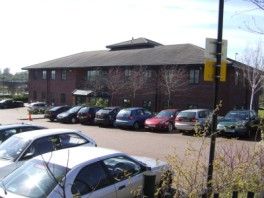
- 1992: TSP expands out of its original Norton House office into massive new headquarters at Wingate House in Runcorn to house the expanding product engineering teams.
- 1993: Dedicated batch host interfaces, automated file balancing, and system logic designs are integrated into the primary sp/ARCHITECT standard product release. Concurrently, developers write an integrated sp/ARCHITECT-BANK Billing System module used to handle automated batch-billing pipelines for commercial customer accounts.
3. The Acquisition & Enterprise Integration Era (1994–1995)
The platform matures into an internationally recognized corporate banking suite, attracting cross-border mergers and acquisitions.
- 1994: Due to the global success of the sp/ARCHITECT system architecture, Deluxe Data International acquires The Software Partnership. The codebase is integrated into Deluxe Data’s international software catalogue.
- 1994–1995: The product’s deployment reach scales across several top-tier global financial institutions. Modified, multi-language variants of the sp/ARCHITECT platform are successfully delivered to international clients, including TSB, Bank of Scotland, Rabobank (Netherlands), and Girofon (Denmark).
Technical Architecture Overview
The reason sp/ARCHITECT remained resilient throughout its timeline was its direct dependency on the Tandem/HPE NonStop architecture: