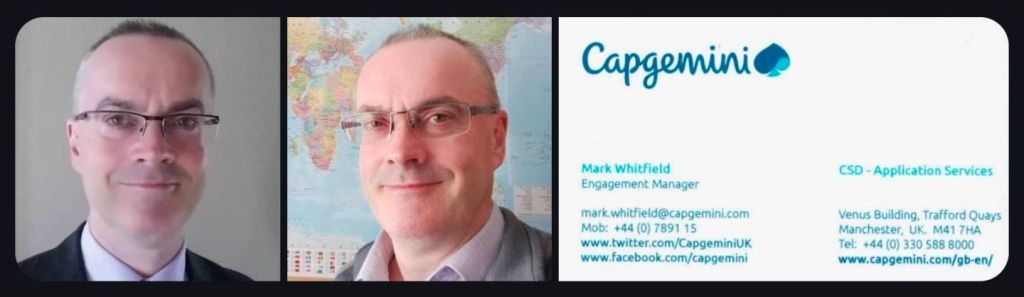
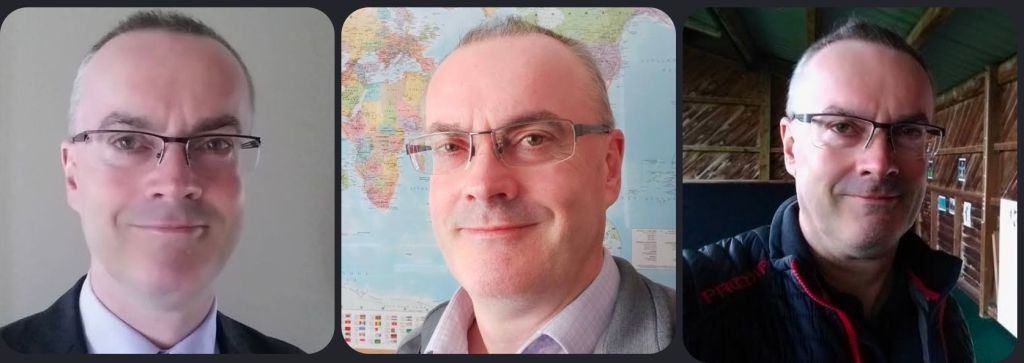
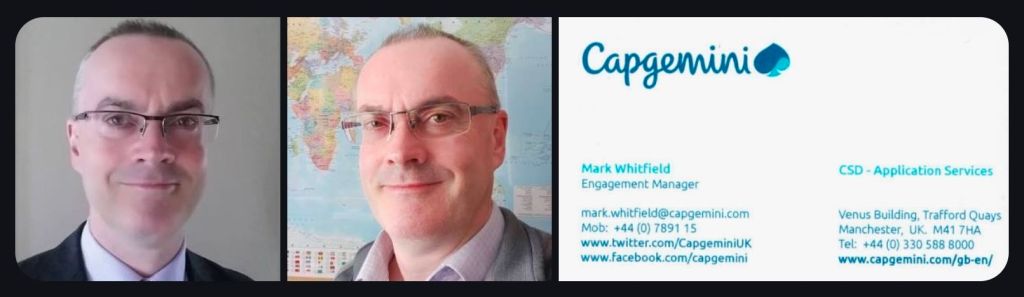
Mark Whitfield is a highly prominent, SC-cleared Senior IT Project Manager, Engagement Manager, and technology executive based in the UK.
Over a career spanning more than 35 years, he has successfully transitioned from deep technical software engineering on legacy banking mainframes to steering multi-million-pound enterprise-scale cloud migrations and API-led digital transformations.
He is also the author of the widely used PROject Templates platform.
🎓 Foundational Era & Education (1975–1990)
- Focus Areas: Logic systems, structural systems analysis, programming methodology, and corporate data processing.
- Timeline Milestones:
- 1975–1980: Attended Hindley Green County Primary School, developing an early interest in computing logic.
- 1980–1985: Attended Park High Secondary School (Wigan), completing 8 GCE ‘O’ Levels including a focus on Computer Studies.
- 1985–1988: Attended Leigh College for ‘A’ Levels in Computer Science and Biology. He built a custom ad-revenue tracking solution in Turbo Pascal on an Amstrad PC 1512.
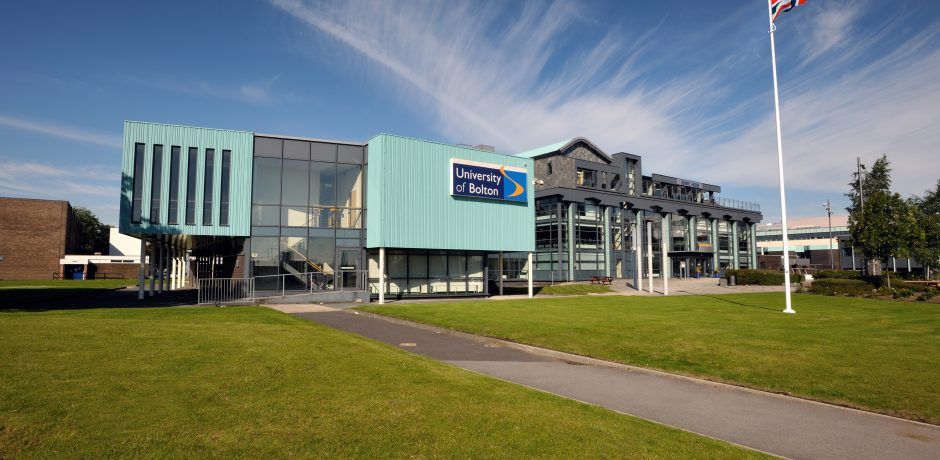
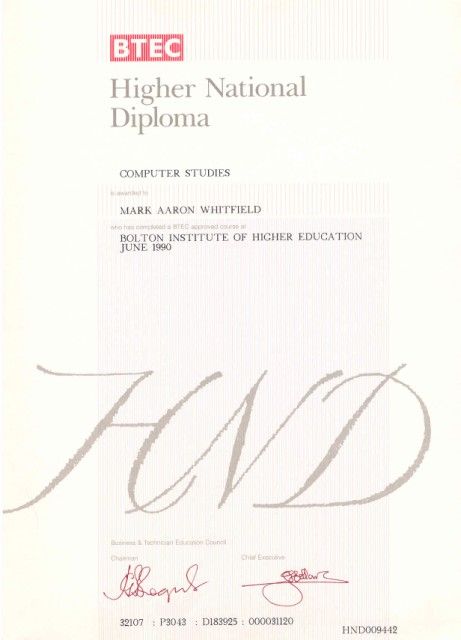
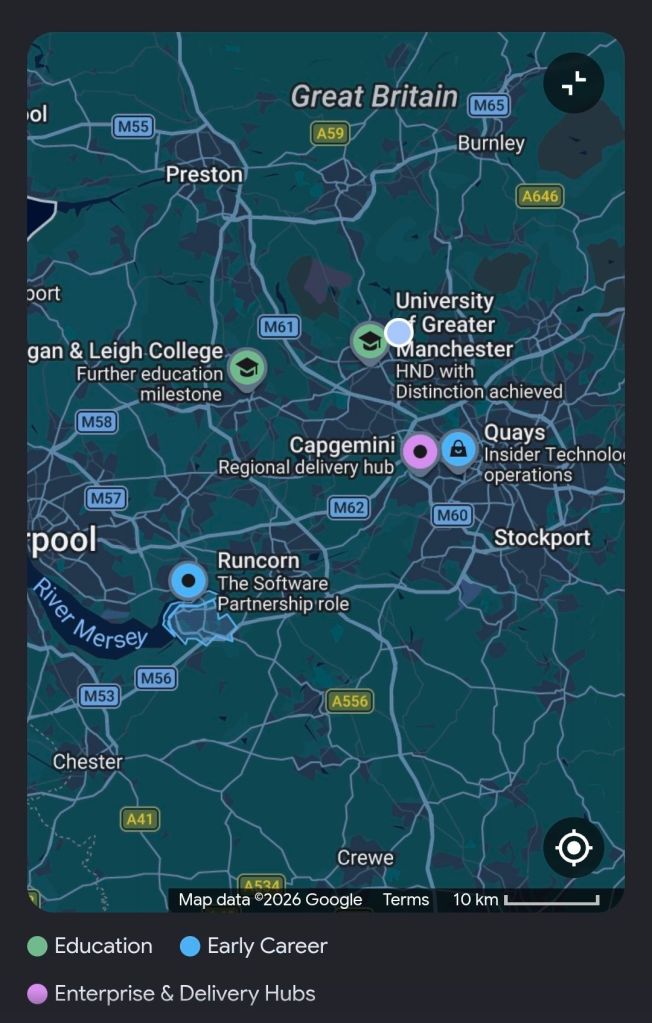
- 1988–1990: Attended the Bolton Institute of Higher Education (now the University of Greater Manchester).
- Outcomes: Graduated with a BTEC Higher National Diploma (HND) in Computer Studies with Distinction, finishing first in his class.
💾 The 1990s: Core Software Engineering & Infrastructure Benchmarking
- Focus Areas: Electronic banking software systems, legacy Tandem Mainframes (HPE NonStop), code architecture, and high-availability volume benchmarking.
- Timeline Milestones:
- 1990–1995: Core Programmer at The Software Partnership (acquired by Deluxe Data in 1994) in Runcorn.
- 1995–1996: Joined Insider Technologies Limited (ITL) in Salford Quays as a core developer.
- 1997–1998: Stepped up as a Technical Infrastructure Consultant for CRESTCo (now Euroclear) at St. Katharine’s Dock, London.
- Outcomes: Built cutting-edge mainframe software packages like
sp/ARCHITECT-BANKfor blue-chip clients such as Barclays Bank, TSB, and Bank of Scotland. He successfully architected platform diagnostics for the flagship Reflex 80:20 tracking console and executed critical benchmark testing on Tandem S7000 nodes to secure European equity settlement pathways.
💳 The 2000s: Technical Consulting & High-Volume Transaction Monitoring
- Focus Areas: Automated Teller Machine (ATM) and Point-of-Sale (POS) electronic transaction tracking, telemetry engines, SLA monitoring suites, and project coordination.
- Timeline Milestones:
- 1999–2001: Headed vital telemetry initiatives for Tier-1 institutions including the Bank of England and Deutsche Bank.
- 2001–2009: Escalated into a Lead Consultant and Project Manager at Insider Technologies Limited, regularly representing the group across international stages like the European BASE24 User Group (EBUG).
- Outcomes: Oversaw the delivery of complex mainframe transaction security architectures for high-volume banking institutions (including HSBC and Al Rajhi Bank). Successfully guarded SLA tracking parameters for national central banking ecosystems using specialized ACI XPNET software configurations.
📱 The 2010s: Transition to Agile Delivery & Enterprise Engagement Leadership
- Focus Areas: Transitioning from Waterfall frameworks to hybrid Agile SCRUM models, e-commerce, consumer betting application releases, and client-facing stakeholder relationship management.
- Timeline Milestones:
- 2013–2014: Recruited as an Agile IT Project Manager at Wincor Nixdorf, standardizing ATM pipeline delivery structures for major UK retail banks.
- 2014–2016: Appointed Senior IT Project Manager at Betfred, heading high-throughput transaction, sportsbook, and gaming release cycles.
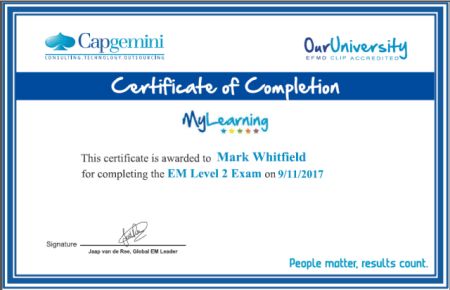
- 2016–2019: Scaled into enterprise-tier leadership by joining Capgemini as an SC-cleared, client-facing Engagement Project Manager.
- Outcomes: Successfully deployed high-traffic native mobile apps (iOS & Android) and online payment gateways for Betfred. At Capgemini, he orchestrated the massive Royal Mail Group Core Interface Migration, which won Capgemini’s Project of the Year Award and earned Mark an individual PM recognition award.
☁️ The 2020s: Enterprise Cloud Migrations & API-Led Ecosystems (Present Day)
- Focus Areas: Hybrid cloud overhauls (AWS and Microsoft Azure), API middleware architectures, large-scale public sector governance frameworks, and executive project tracking tooling.
- Timeline Milestones:
- 2018–2020: Directed large-scale Microsoft Dynamics enterprise platform upgrade modules.
- 2020–2023: Spearheaded a multi-million-pound Public Sector Enterprise Application Estate Migration.
- 2023–2024: Managed the high-profile UK Government CHIP Framework under stringent active UK Security Check (SC) protocols.
- 2024–Present (2026): Formally augmented into MuleSoft (a Salesforce company) as a Delivery Manager overseeing the Anypoint Platform portfolio. [1]
- Outcomes: Successfully directed total cloud infrastructure modernizations for top-tier defense and public sector branches. Concurrently, he packaged his 24+ years of delivery logic into the widely acclaimed Premium PM Delivery Templates Suite, which provides visual Plan on a Page (POaP) layouts and RAID tracking dashboards to thousands of digital project leaders worldwide.