

HPE NonStop EMSDIST (Event Management Service Distributor) is a critical component within the HPE NonStop operating system responsible for distributing and managing event messages (logs) generated by the system, subsystems, or applications. It is part of the Event Management Service (EMS), which is essential for fault-tolerant monitoring.
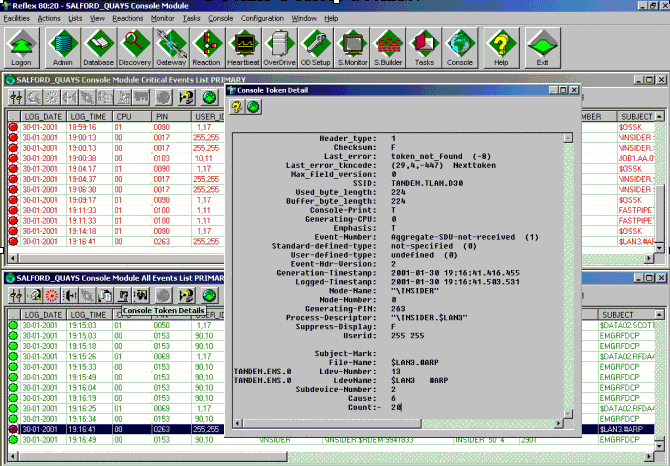
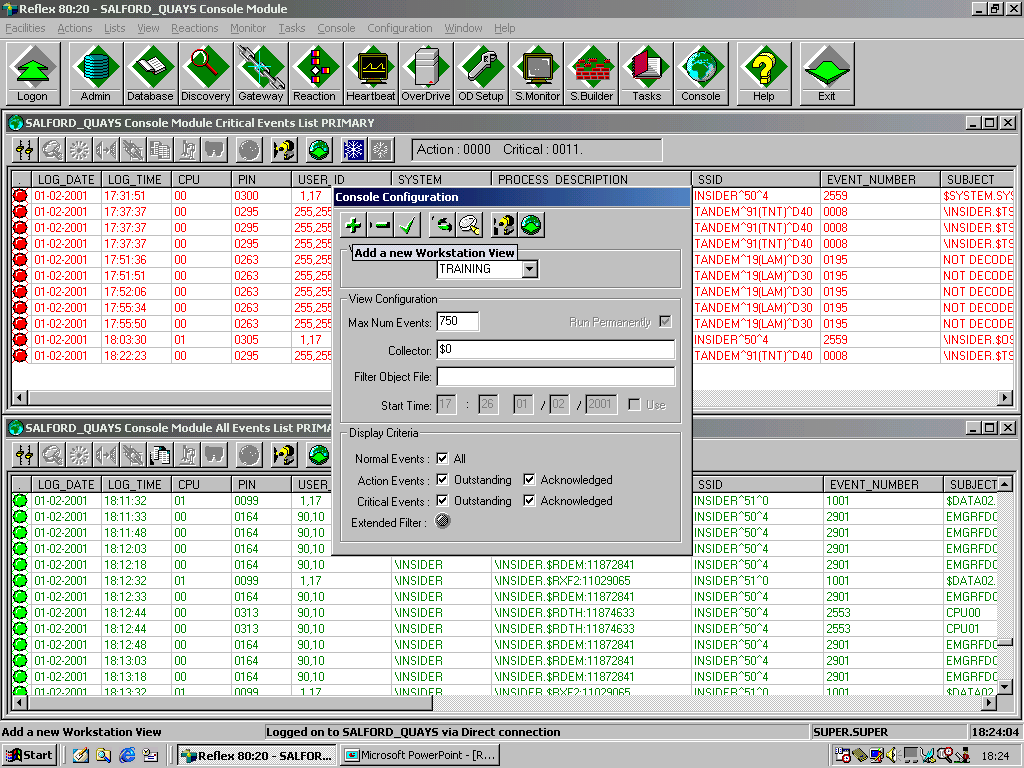
EMSDist Overview
- Purpose: EMSDIST reads events from an EMS collector process ($0, $ZLOG, etc.) or a collector logfile, filters them based on user criteria, and sends them to a user-specified destination (such as a terminal, printer, or another file).
- Key Functionality: It enables both real-time monitoring and historical analysis of events.
- Event Handling: It handles EMS messages, including those generated by the EMS subsystem itself (messages 513-999) and those from EMS distributors (messages > 1000).
- Integration: Often used in conjunction with TACL (Tandem Advanced Command Language) for automated event management scripts.
Detailed Historic Timeline and Evolution
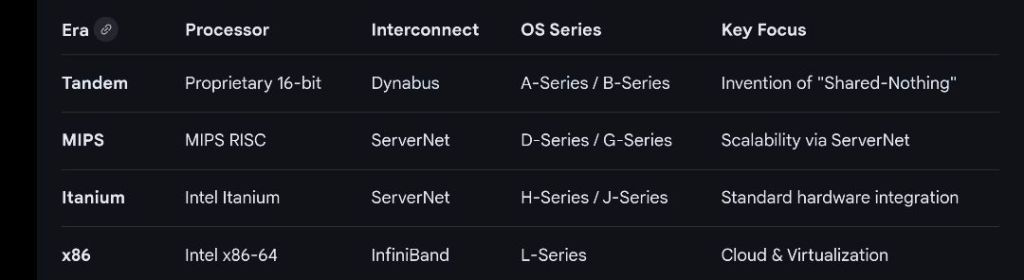
EMSDIST has evolved alongside Tandem / Compaq / HPE NonStop systems, transitioning from basic console management to complex distributed management systems.
1. The Tandem Guardian Era (Late 1970s – 1980s)
- Context: The emergence of Tandem NonStop systems focused on continuous availability.
- EMS Origins: Initial event handling was largely via console messages. As systems grew, the need to manage logs across multiple processors led to early Event Management Service components.
- Role of EMSDist: Early distributors primarily moved messages from local collectors to a central console or tape log.
2. The D-Series & TMF Era (1990s)
- Context: Introduction of sophisticated transaction monitoring and distributed databases.
- 1996: A significant EMS Reference Summary was released (PN 114754), formalizing the structure of EMS collectors and distributors.
- Capabilities: EMSDIST became capable of filtering high-volume events, separating critical errors from warning messages (513-1019).
- Evolution: Began integrating with the Distributed Systems Management (DSM) suite for better network-wide event visibility.
3. The Compaq & Integrity (J-Series/H-Series) Era (2000s – 2010s)
- Context: Shift from MIPS-based processors to Intel Itanium (Integrity) servers.
- 2003-2005: Integration with Windows-based management systems (DSM/NOW) and improvements to the Multi Event Viewer (MEV).
- 2014: HP Integrity NonStop Operations Guides emphasized using EMSDIST alongside modern tools like OSM (Open System Management) Event Viewer, especially for H-Series and J-Series systems.
- Key Capability: Improved handling of large logs, with better time-based querying (TIME and STOP options) for auditing and troubleshooting.
4. The HPE NonStop X & Modern Era (2015 – Present)
- Context: Adoption of x86 architecture and cloud-ready systems (L-Series).
- 2015: HPE takes over the portfolio, accelerating integration with HPE InfoSight for AI-driven log analysis.
- Modernization: While EMSDIST remains, modern environments heavily leverage NS Software Essentials and third-party tools for advanced analytics.
- Continued Importance: EMSDIST remains essential for analyzing historical logs via the
LOGFILEoption, especially when dealing with cold-standby or restored logs from tape/disk.
Key Functional Milestones
- Message Categorization: Formalization of messages 513-999 (collectors) and >1000 (distributors) for structured analysis.
- Filtering Efficiency: Implementation of complex FILTER parameters allowed operators to filter events by process, user, or time.
- Logfile Access: The ability for EMSDIST to process archived or older
LOGFILEentries independently of the live $0 collector. - Template Support: Ability to use specific
=_EMS_TEMPLATESfor customizable output formatting.
HPE NonStop EMSDIST, Event Management Service Distributor Timeline by year



















 PROject Templates