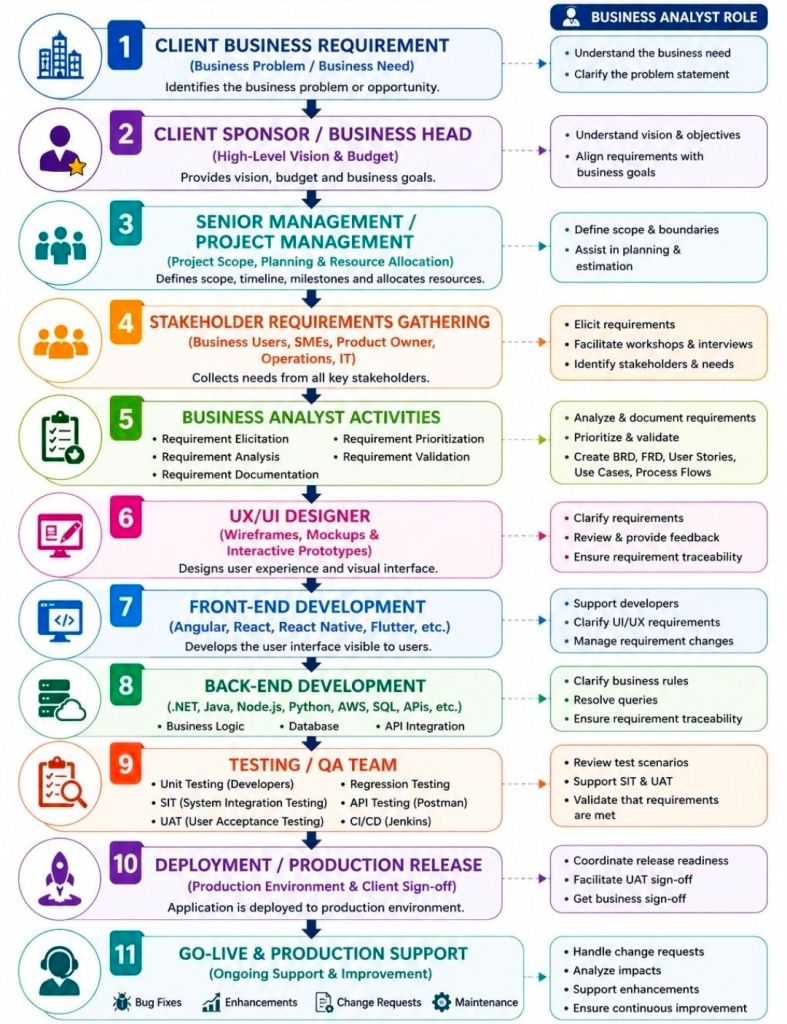
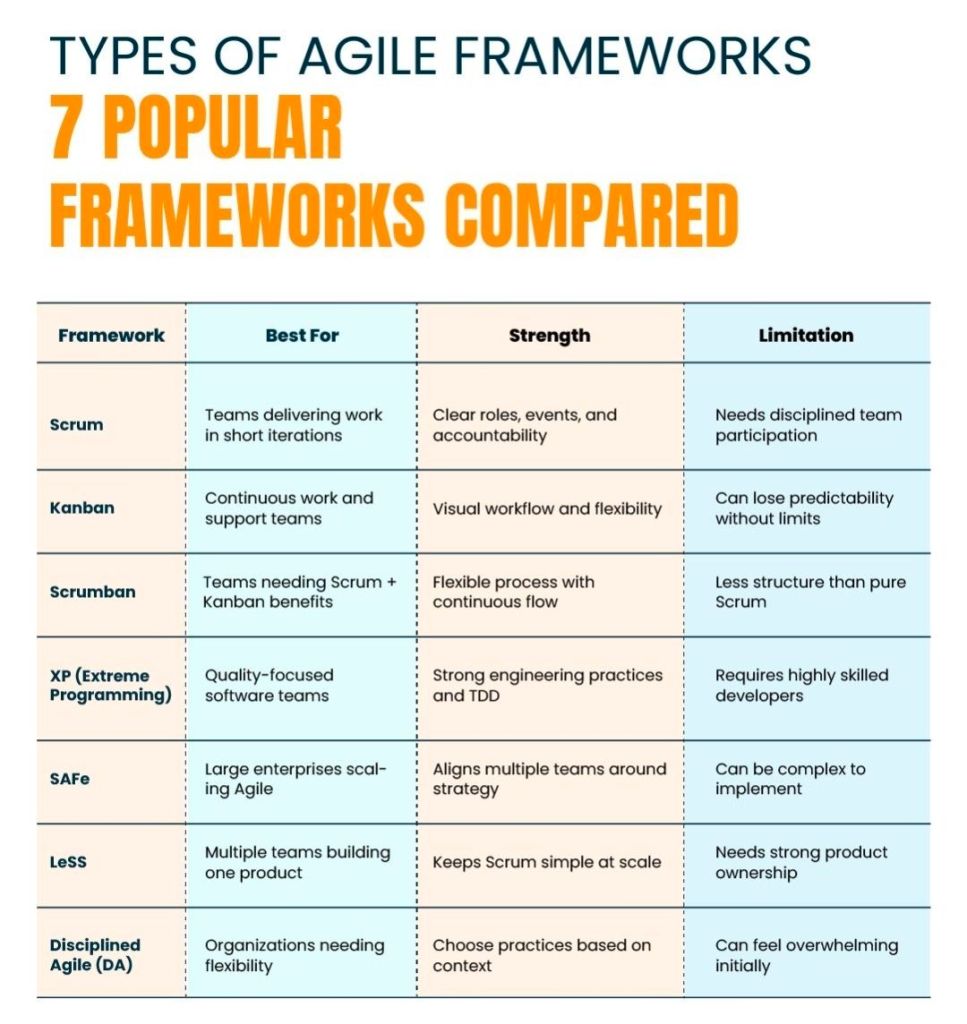
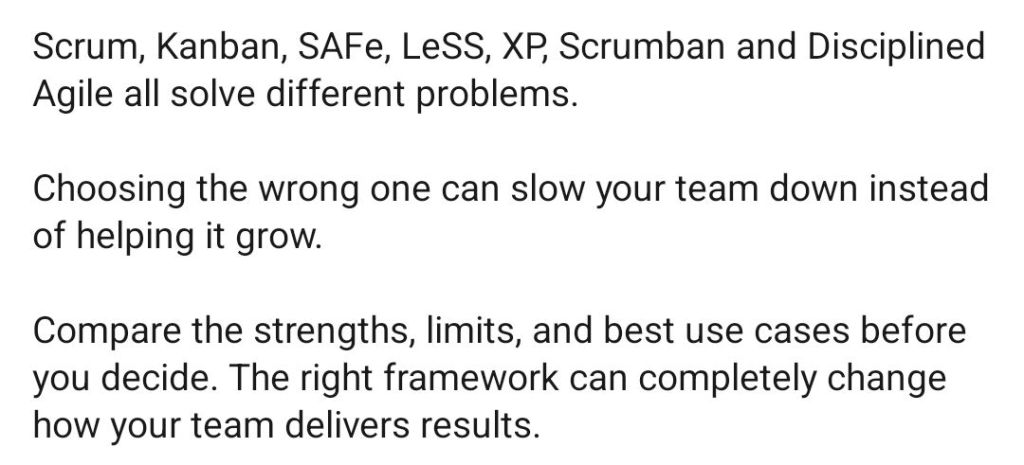
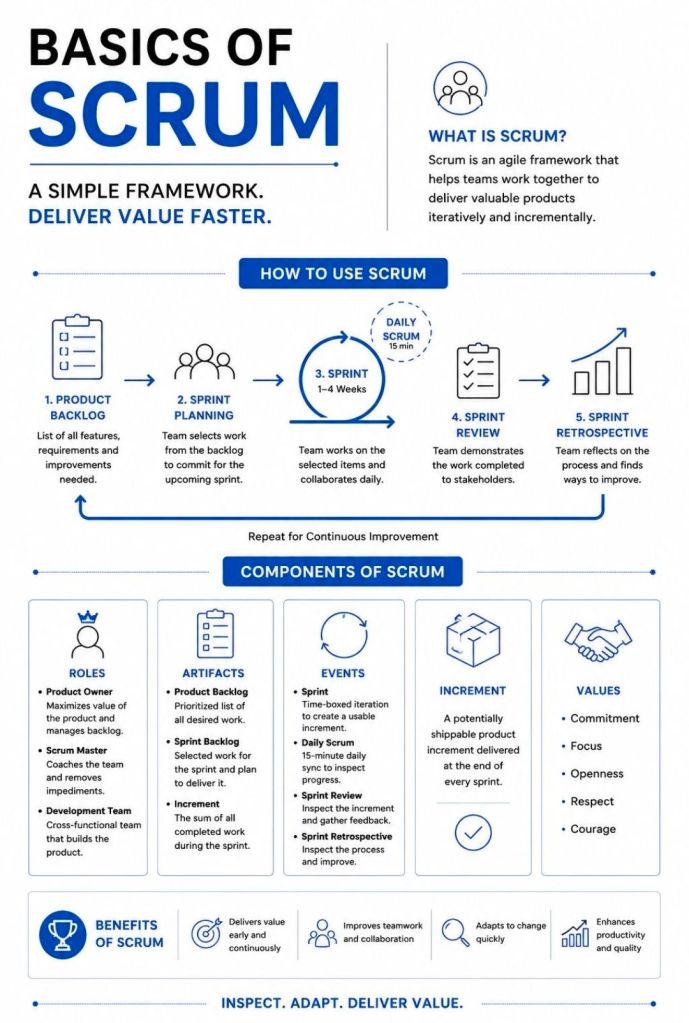
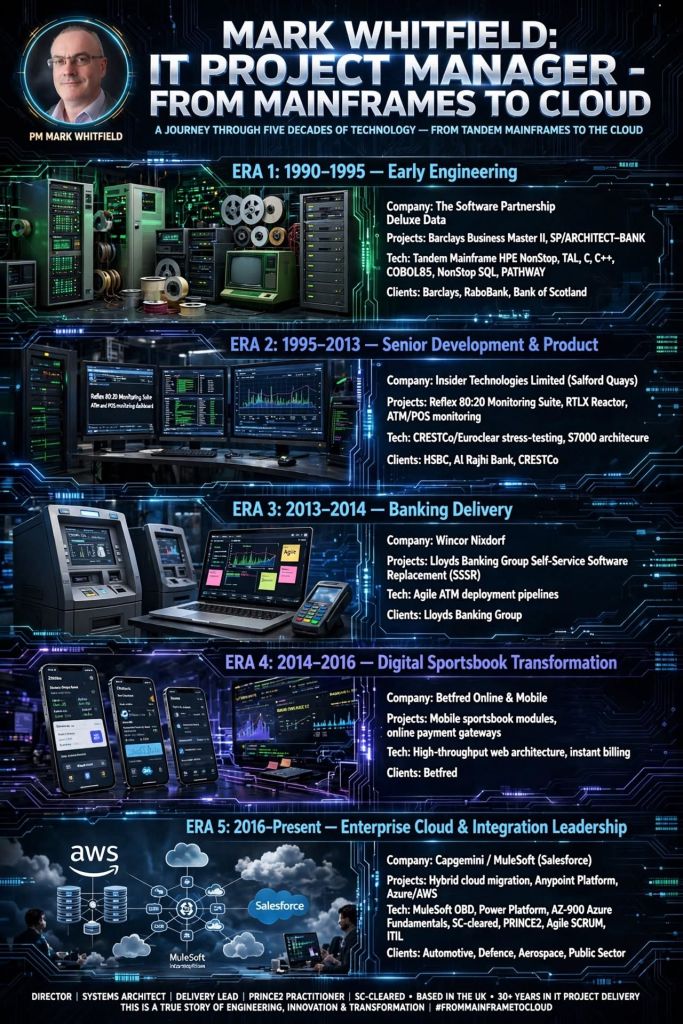
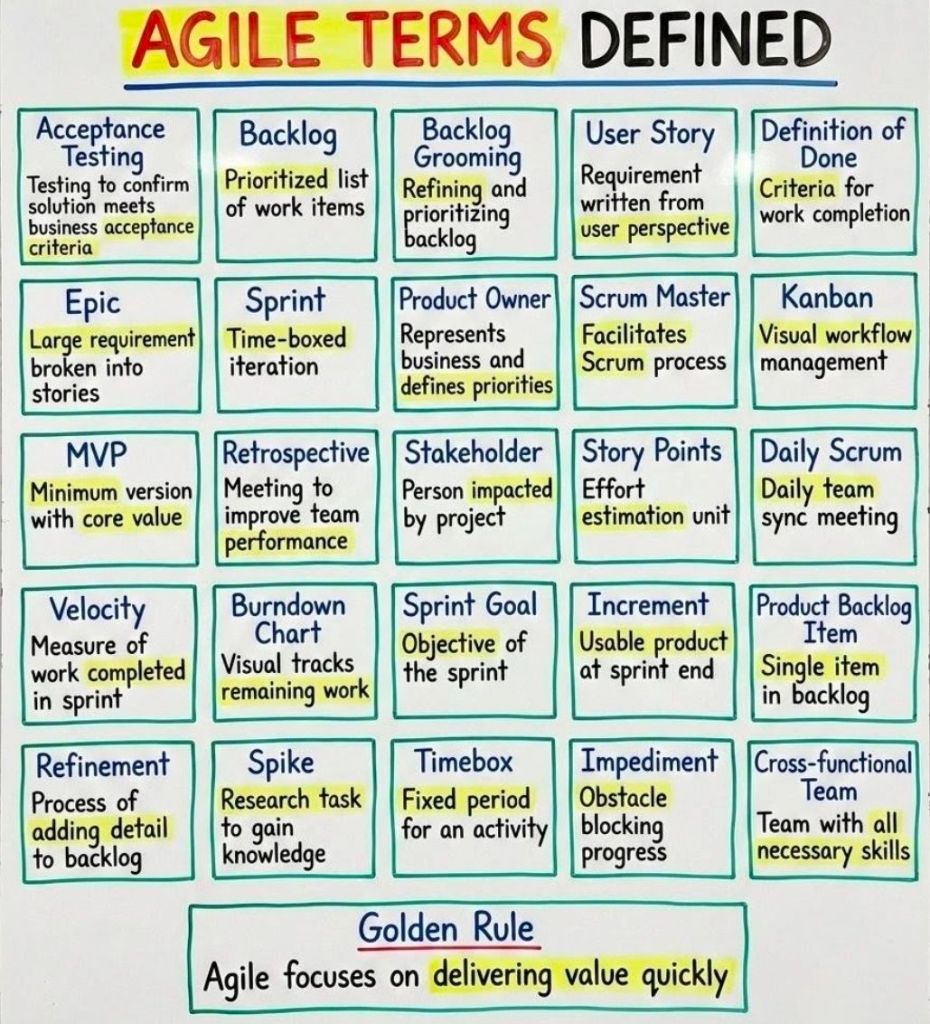
Agile Team Techniques Overview

Agile Team Techniques Overview

Evolution of C++ on HPE NonStop Tandem systems

The evolution of C++ on HPE NonStop systems traces the platform’s transition from proprietary Tandem architectures to modern x86-64 standards.

HPE NonStop C++ Evolution Timeline

  • Early 1990s: Introduction of Native C/C++ (TNS/R)
    With the move to MIPS-based TNS/R architecture, Tandem introduced native C and C++ compilers. These supported the Guardian and the then-new Open System Services (OSS) personalities.
  • 2005: Itanium Transition (TNS/E)
    As the platform migrated to Intel Itanium processors (J-Series), the C++ compiler was updated to support the TNS/E (Tandem Native Stack / EPOC) architecture. This era introduced more robust Standard C++ Library support, though it required specific header management (e.g., CPATHEQ pragmas).
  • 2015: x86 Migration (TNS/X)
    The launch of NonStop X (L-Series) on Intel x86-64 marked a major shift. The compiler suite was re-engineered to leverage the x86-64 Instruction Set Architecture, providing significantly higher performance for C++ applications.
  • 2017: 64-Bit Addressing Support
    HPE introduced comprehensive 64-bit support for OSS processes (LP64 data model). This allowed C++ applications to access massive memory heaps beyond the previous 32-bit (ILP32) limits.
  • 2020–2022: Modern C++ Standards (C++11/14/17)
    HPE updated its toolchains to support modern language standards. The NonStop Development Environment for Eclipse (NSDEE) 13.x versions specifically introduced a dedicated UI for setting the C++17 Language Standard.
  • 2024: Kernel-Level Threading (KLT)
    The release of the L25.09 RVU brought Kernel-Level Threading to native C++ applications. This allowed C++ threads to execute concurrently across different IPUs, moving beyond the older POSIX User Threads (PUT) model.
  • 2025: Cloud-Native Development
    HPE now offers the HPE NonStop Development Environment (NSDevEnv) in the public cloud, allowing developers to build fault-tolerant C++ applications using a cross-compiler model without on-premise hardware. 

Evolution of C++ on HPE NonStop Tandem systems

HPE NonStop Pathway (now often part of NonStop TS/MP) – Detailed Timeline

HPE NonStop Pathway (now often part of NonStop TS/MP) has a legacy spanning nearly five decades, evolving from a terminal management system into a sophisticated middleware for high-scale, fault-tolerant Online Transaction Processing (OLTP)

Comprehensive Evolution Timeline

  • 1976: Genesis (Tandem Computers)
    The HP NonStop platform was originally introduced by Tandem Computers Inc. as the first fault-tolerant commercial computer. Pathway was soon developed to manage the distribution of transaction requests across multiple server processes.
  • 1980s: The Classic Pathway Era
    Pathway became the standard for “Screen COBOL” applications. It introduced the PATHMON process to monitor and manage serverclasses, ensuring that if one process failed, another would immediately take its place.
  • 1997: Compaq Acquisition
    Compaq acquired Tandem, integrating the NonStop technology into its enterprise portfolio. During this time, Pathway began adapting to newer networking protocols and client-server architectures.
  • 2002: Hewlett-Packard (HP) Acquisition
    HP merged with Compaq, and the platform was rebranded as HP NonStop. Pathway evolved into NonStop TS/MP (Transaction Services/Massive Parallelism), allowing for even greater scalability across massive clusters of processors.
  • 2014–2015: The x86 Revolution
    HP announced the NonStop X architecture, moving the platform from Itanium processors to standard Intel x86 hardware. Pathway (TS/MP) was optimized to run on this new architecture, providing the same high availability with modern hardware performance.
  • 2015–Present: HPE and Modern Middleware
    Following the split of HP, Hewlett Packard Enterprise (HPE) continued developing Pathway. Modern versions (like NonStop TS/MP 2.8) support advanced features like:
    • Dynamic Server Processes: Automatically scaling server instances based on load.
    • Heterogeneous Interoperability: Allowing TUXEDO or Java clients to access Pathway servers.
    • Virtualization: Deployment via HPE NonStop Virtual Enterprise (vNS). 

Core Components Over Time

  • PATHMON: The “manager” process that monitors all objects in the environment.
  • PATHCOM: The command-line interface used to configure and start Pathway objects.
  • Serverclasses: Groups of identical server processes that distribute transaction load for fault tolerance. 

HPE NonStop Pathway (now often part of NonStop TS/MP) – Detailed Timeline

TACL for HPE NonStop Tandem, Detailed Timeline

Tandem Advanced Command Language (TACL) is the interpreted, high-level command and programming language for HPE NonStop (formerly Tandem) systems. Its timeline follows the evolution of Tandem hardware and the Guardian operating system. 

Comprehensive TACL Timeline

  • 1974–1976: Foundation of Tandem
    • Tandem Computers Inc. was founded. The initial operating system, Guardian, was designed for fault-tolerant computing.
  • Late 1970s: Initial Release
    • TACL was introduced in the 1970s as the primary command interface, replacing or augmenting earlier, more primitive command interpreters. It was written in TAL (Tandem Application Language).
  • 1980s: Mature Programming Capabilities
    • TACL evolved from a simple shell into a powerful programming language. Key features like MacrosRoutines, and Variables (TEXT, ALIAS, STRUCT) were solidified during this era to automate complex system tasks.
  • 1994: D-Series (D30.00) Release
    • A significant update was documented in the TACL Programming Guide for D30.00, which detailed advanced features like Nowait I/OPathway Server integration, and SPI/EMS programmatic interfaces.
  • 1997–2000s: Corporate Transitions (Compaq & HP)
    • 1997: Compaq acquired Tandem.
    • 2002: HP merged with Compaq, and TACL development continued under the HP NonStop banner.
    • 2000: Updated reference manuals detailed TACL’s environment customization and the use of the _EXECUTE variable for program flow.
  • 2010s: H-Series and HPE Era
    • 2013: Comprehensive Reference Manuals were released, refining built-in functions for the H-Series architecture.
    • 2015: Hewlett Packard Enterprise (HPE) was formed. TACL is now maintained as part of the HPE NonStop software stack.
  • Current: Legacy & Automation
    • TACL remains the essential tool for administrative tasks and system-level automation on modern HPE NonStop X (x86) platforms.

TACL for HPE NonStop Tandem, Detailed Timeline

HPE NonStop Tandem TAL Detailed Timeline

TAL (Tandem Application Language) is the original system programming language for the HPE NonStop (formerly Tandem) platform. Developed by Tandem Computers in the mid-1970s, it was designed to provide high-level efficiency while allowing low-level machine access, similar to C but with a syntax influenced by ALGOL. 

Detailed Development Timeline

  • Mid-1970s: The Genesis
    • Tandem Computers, founded by James Treybig, introduces the first NonStop I system in 1976.
    • TAL is released as the primary language for writing the Guardian Operating System and system-level utilities.
    • The Tandem Advanced Command Language (TACL) is initially developed during this decade using TAL.
  • 1980s: Growth and Maturity
    • 1981–1983: Introduction of the NonStop II and TXP systems. TAL becomes the standard for developing mission-critical transaction applications like banking and point-of-sale systems.
    • 1985: The TAL Reference Manual is updated (March 1985), formalising advanced features like DEFINEsLITERALs, and complex pointer arithmetic.
  • 1990s: Transition to RISC
    • Tandem introduces TNS/R (RISC) systems based on MIPS processors.
    • pTAL (Portable TAL) is introduced to allow TAL code to run “natively” on RISC hardware, offering better performance than the emulated TNS environment.
  • 2000s–Present: Modernisation and Maintenance
    • 2003–2005: HP (which acquired Compaq, who had bought Tandem) migrates NonStop to Intel Itanium (TNS/E) and later x86 architectures (TNS/X).
    • 2006: The Common Run-Time Environment (CRE) is enhanced to support mixed-language programs (C, COBOL, pTAL) seamlessly.
    • Current Status: TAL is considered a legacy language, with most new development occurring in C/C++ or Java. However, it remains vital for maintaining the core Guardian OS and legacy banking kernels. 

Typical Program Development Workflow

According to the TAL Programmer’s Guide, a developer follows this “timeline” to create a program:

  1. Source Code Creation: Writing statements, removing comments, and defining PROCs and SUBPROCs.
  2. Compilation: Running the TAL Compiler to generate an object file.
  3. Binding: Using the Binder Program to link the object file with the TALLIB Run-Time Library.
  4. Acceleration: Running the Accelerator (for TNS code) to optimise it for native hardware execution.
  5. Execution: Deploying via the TACL interface. 

HPE NonStop Tandem TAL Detailed Timeline

COBOL Development Detailed Timeline Overview

COBOL (Common Business-Oriented Language) has evolved from a 1959 “stopgap” experiment into a cornerstone of global finance, currently powering approximately 95% of ATM swipes and 80% of in-person credit card transactions

The Early Years (1959–1965)

  • 1959 (Origins): Following a meeting at the Pentagon in May, the Conference on Data Systems Languages (CODASYL) was formed to create a machine-independent language for business. It was heavily influenced by Grace Hopper’s FLOW-MATIC.
  • 1960 (First Release): The COBOL-60 specifications were published. In December, the same program was successfully run on two different manufacturers’ computers (RCA and Univac), proving portability.
  • 1961–1965 (Rapid Revisions): Successive updates included COBOL-61 and COBOL-65, which introduced critical features like the SORT and REPORT WRITER facilities. 

Standardisation & Dominance (1968–1985) 

  • 1968 (COBOL-68): The American National Standards Institute (ANSI) published the first official standard, making COBOL the industry benchmark.
  • 1974 (COBOL-74): This update added file organisation methods and the DELETE statement, further refining data management capabilities.
  • 1985 (COBOL-85): A major milestone that introduced structured programming (e.g., END-IFEVALUATE) to improve code readability and maintainability. 

Modernisation & Object-Orientation (2002–Present) 

  • 2000 (The Y2K Crisis): COBOL regained global attention as programmers rushed to fix the “Millennium Bug” in legacy systems.
  • 2002 (COBOL-2002): The first major update in 17 years introduced Object-Oriented (OO) features, Unicode support, and XML processing.
  • 2014 (COBOL-2014): Simplified the language by making several niche features (like the SCREEN SECTION) optional and adopting IEEE 754 floating-point math.
  • 2023 (COBOL-2023): The current ISO/IEC 1989:2023 standard added modern programming comforts like asynchronous messaging (SEND/RECEIVE), transaction processing (COMMIT/ROLLBACK), and bitwise operators. 

Today, despite its age, an estimated 800 billion lines of COBOL remain in active use, with modernization efforts focusing on cloud integration and interoperability with Java and .NET.

COBOL Development Detailed Timeline Overview

WordPress Content Management System (CMS) Timeline Overview

WordPress has evolved from a basic blogging tool in 2003 into a dominant Content Management System (CMS) that powers over 43% of the internet including this https://mark-whitfield.com website. Its history is defined by major version releases, often named after jazz musicians, and shifts toward “Full Site Editing”. 

This WordPress website started around 2021

The Early Years (2001–2005)

  • 2001: French developer Michel Valdrighi launches b2/cafelog, the PHP/MySQL-based blogging software that served as the foundation for WordPress.
  • 2003 (May 27): Matt Mullenweg and Mike Little release WordPress Version 0.7, a fork of b2/cafelog.
  • 2004: Version 1.0 (“Miles Davis”) introduces SEO-friendly permalinks and comment moderation. Version 1.2 (“Mingus”) debuts the plugin architecture, allowing for external extensibility.
  • 2005: Version 1.5 (“Strayhorn”) introduces the Themes system and static Pages, moving WordPress beyond just chronological blog posts. Automattic is founded by Matt Mullenweg in August. 

Expansion and Ecosystem Growth (2006–2010)

  • 2006: The first WordCamp is held in San Francisco. Automattic registers the WordPress trademark.
  • 2007: Version 2.1 (“Ella”) adds autosave and spell-check. Version 2.2 (“Getz”) introduces Widgets.
  • 2008: Version 2.7 (“Coltrane”) revamps the dashboard, moving the menu to the sidebar where it remains today.
  • 2010: Version 3.0 (“Thelonious”) is a major milestone, introducing Custom Post Types and Multisite capabilities. The WordPress trademark is transferred to the non-profit WordPress Foundation

The “Modern” Dashboard & Visual Improvements (2011–2017)

  • 2011: WooCommerce is released (later acquired by Automattic in 2015), revolutionising WordPress e-commerce.
  • 2013: Version 3.7 (“Basie”) introduces automatic background updates for security patches. Version 3.8 (“Parker”) gives the admin dashboard the modern, flat design used today.
  • 2014: Version 4.0 (“Benny”) focuses on media management with a new grid view.
  • 2016: The REST API is integrated into core (v4.4), allowing WordPress to interact with other web applications. 

The Gutenberg & Site Editing Era (2018–Present)

  • 2018 (Dec 6): Version 5.0 (“Bebo”) launches the Gutenberg block-based editor, fundamentally changing content creation from text-heavy to visual blocks.
  • 2022: Version 6.0 introduces Full Site Editing (FSE), enabling users to edit headers, footers, and templates visually without code.
  • 2024: WordPress continues to refine the site editing experience with Version 6.7 (“Rollins”). In late 2024, a public legal conflict began between Automattic and WP Engine over trademark usage and contributions.
  • 2025–2026: Version 6.8 (April 2025) and future Version 7.0 roadmap focus on real-time collaboration (Phase 3 of Gutenberg) and AI integration.

WordPress Content Management System (CMS) Timeline Overview

This WordPress website selling Project Management templates – see banner above

RACI and DACI in Project Management

RACI and DACI in Project Management

Microsoft Word Development Timeline History

Microsoft Word has evolved from a niche tool for Xerox programmers into the world’s most dominant word processor. Below is the comprehensive history of its development and key milestones

Templates available for download at website banner

The Early Years (1980s)

  • 1981: Microsoft hires Charles Simonyi and Richard Brodie, former Xerox PARC developers, to create a word processor.
  • 1983 (October): The first version, Multi-Tool Word, is released for Xenix and MS-DOS.
  • 1985: Word for Macintosh is released, introducing the GUI (Graphical User Interface) that would define its future.
  • 1989: The first version of Word for Windows debuts, setting the stage for its commercial dominance. 

The Rise to Dominance (1990s)

Templates available for download at website banner
  • 1990: With the release of Windows 3.0, Word becomes a massive commercial success.
  • 1993: Word 6.0 is released, skipping versions 3, 4, and 5 to synchronise version numbers across platforms.
  • 1995: Word 95 launches as part of the first Microsoft Office suite, moving to a year-based naming convention.
  • 1997: Word 97 introduces the infamous “Clippy” assistant and the standard .doc format that would last for a decade. 

Modernisation & The Ribbon (2000s) 

  • 2003: Word 2003 introduces XML-based formats and better collaboration tools.
  • 2007: A massive overhaul introduces the Fluent User Interface (the Ribbon) and the new .docx (Office Open XML) file format.
  • 2010: Word 2010 adds more customisation to the Ribbon and introduces the Backstage view for file management. 

Cloud & AI Era (2011–Present)

  • 2011: Office 365 is launched, shifting Word toward a subscription-based, cloud-first model.
  • 2013: Introduces better PDF editing and Read Mode.
  • 2014-2016: Real-time collaboration and Smart Lookup are added, allowing users to research directly within the document.
  • 2021: AI-powered writing suggestions and better dark mode are introduced.
  • 2024: Integration with Microsoft Copilot allows for AI-generated drafts, summaries, and advanced editing.

Microsoft Word Development Timeline History

Microsoft PowerPoint Development Timeline History

Microsoft PowerPoint was originally developed as “Presenter” by Forethought, Inc. in 1987 for the Apple Macintosh. Microsoft acquired it just three months later for $14 million, marking their first major acquisition. 

MS PowerPoint Plan On a Page POaP templates downloaded at website banner

Foundational Years (1984–1990) 

  • 1984: The idea for a presentation program is conceived by Robert Gaskins.
  • 1987 (April): PowerPoint 1.0 launches for Macintosh, supporting only black and white slides.
  • 1987 (July): Microsoft acquires Forethought.
  • 1990 (May): The first Windows version (PowerPoint 2.0) is released, coinciding with Windows 3.0. 

Office Integration (1992–2003) 

MS PowerPoint Plan On a Page POaP templates downloaded at website banner
  • 1992: PowerPoint 3.0 introduces video transitions and sound.
  • 1994: PowerPoint 4.0 begins deep integration with the Microsoft Office suite, sharing interface components with Word and Excel.
  • 1997: PowerPoint 97 brings significant upgrades like “Custom Animation” and the “Office Assistant” (Clippy).
  • 2003: PowerPoint 2003 focuses on collaboration and improved “Package for CD” features. 

Modernization & Cloud (2007–Present)

MS PowerPoint Plan On a Page POaP templates downloaded at website banner
  • 2007: Introduces the Ribbon interface and the XML-based .pptx file format.
  • 2010: Adds video export, section organization, and co-authoring capabilities.
  • 2013: PowerPoint for Web is released, alongside the first dedicated mobile apps for iOS and Android.
  • 2016–2021: Features focus on AI-driven design (PowerPoint Designer), Morph transitions, and real-time collaboration via Microsoft 365.
  • 2023+: Integration of AI tools like Copilot for automated slide generation and DALL-E 2 for image creation. 

Microsoft PowerPoint Development Timeline History

MS PowerPoint Plan On a Page POaP templates downloaded at website banner

Microsoft Excel Development Timeline History

Microsoft Excel has evolved from a niche Apple Macintosh tool into the world’s most dominant spreadsheet software. Its history is marked by strategic shifts, such as jumping from the MS-DOS era to graphical interfaces to outmanoeuvre then-leader Lotus 1-2-3

Timeline of Major Excel Milestones

Agile Templates available at download link at website banner
  • 1982: Multiplan (The Predecessor) – Microsoft’s first spreadsheet program. While popular on CP/M systems, it struggled against Lotus 1-2-3 on MS-DOS.
  • 1985: Excel 1.0 (Macintosh Exclusive) – Realising they couldn’t beat Lotus on DOS, Microsoft built a graphical spreadsheet for the new Mac. It introduced the ability to adjust cell heights, widths, and fonts.
  • 1987: Excel 2.0 (First Windows Version) – Launched alongside the first Windows environments, it introduced color support (like red for negative numbers) and was significantly faster than competitors.
  • 1990: Excel 3.0 – Added 3D charts, toolbars, and drawing tools, helping Excel finally overtake Lotus 1-2-3 as the market leader.
  • 1993: Excel 5.0 – A major turning point that introduced Visual Basic for Applications (VBA), allowing users to automate tasks with macros.
  • 1997: Excel 8.0 (Office 97) – Introduced the Paperclip Assistant (“Clippy”) and the first version of the modern VBA environment.
  • 2007: Excel 12.0 (The Ribbon Era) – Replaced menus with the Ribbon interface and dramatically increased grid capacity to 1,048,576 rows by 16,384 columns.
  • 2010: Excel 14.0 – Introduced Slicers for PivotTables and Sparklines (mini charts inside cells).
  • 2013-2016: Data Intelligence – Added Power Query, Power Pivot, and new chart types like Waterfall, Pareto, and Treemap to support advanced data modeling.
  • 2019-Present: AI & Cloud Integration – Modern versions focus on seamless collaboration, dynamic arrays (like XLOOKUP), and AI-powered insights that can extract data directly from images. 

Technological Evolution Highlights

MS Excel templates available on bundle download at website banner
  • Architecture: Shifted from 16-bit to 32-bit with Excel 95, greatly improving stability.
  • Collaborative Features: Modern Version History and “Show Changes” now allow teams to track every edit in real-time.
  • Visualisation: Excel now supports complex timelines via SmartArt or custom Scatter charts with error bars for professional project tracking.

Microsoft Excel Development Timeline History

Microsoft Excel templates available at banner above, FREE upgrades

Microsoft Project Timeline, Development History Overview

Microsoft Project has evolved from a DOS-based tool in the 1980s into a cloud-integrated platform. Its “Timeline” feature specifically has transitioned from a simple static view to a multi-layered, interactive reporting tool. 

Template included in package – see website banner

Timeline Feature Development History

  • Early Era (1984–2007): For decades, the “timeline” was synonymous with the Gantt Chart. Users had to rely on complex print-outs or third-party tools to create high-level summaries for executives.
  • The dedicated Timeline View (2010): Microsoft introduced a native Timeline view in Project 2010, allowing users to cherry-pick specific tasks and milestones to display on a single horizontal bar.
  • Multi-Timeline Support (2016): Project 2016 expanded this by allowing multiple timeline bars in a single view. This enabled managers to represent different project phases or workstreams with independent start and end dates.
  • Cloud & Web Integration (2019–Present): With the launch of Project for the web, timelines became more interactive, supporting drag-and-drop adjustments and real-time co-authoring.
  • Task History Tracking (2023): Microsoft added a Task History pane to the web version, allowing users to see a chronological log of changes to specific timeline items. 

Key Components of a Modern MS Project Timeline

Templates included in download bundle – see website banner
  • Gantt-Style Visualization: Displays tasks as horizontal bars against a calendar timescale.
  • Milestones & Callouts: Important dates appear as diamonds or labels that can be dragged above or below the main bar to avoid clutter.
  • Dependencies: Visual links between tasks that illustrate the sequence of work and the Critical Path.
  • Copy for Presentation: A dedicated formatting tool that allows users to export the timeline directly to Microsoft PowerPoint or email at various sizes (Small, Medium, Full Size). 

Future Outlook

Template included in download bundle – see website banner

Microsoft has announced that Project Online will be officially retired on 30 September 2026, with development focus shifting entirely to the new Microsoft Planner and Project for the web ecosystem.

Microsoft Project Timeline, Development History Overview

ITSM IT Service Management Framework Overview

ITSM IT Service Management Framework Overview

Manchester Technical Timeline History

Manchester’s technical history is defined by its evolution from the world’s first industrial city to a global hub for computing and material science

18th Century: The Birth of Industry

  • 1733: John Kay invented the Fly Shuttle, a key advancement in weaving.
  • 1761: The Bridgewater Canal opened as Britain’s first man-made waterway independent of rivers, drastically reducing coal costs.
  • 1764–1779: James Hargreaves invented the Spinning Jenny (1764), and Samuel Crompton created the Spinning Mule (1779), allowing for mass textile production.
  • 1783: Richard Arkwright established Manchester’s first steam-powered mill.
  • 1790: Piccadilly Mill became the first in the city to be powered directly by a steam engine. 

19th Century: Engineering & Precision 

20th Century: The Computing Revolution 

  • 1904: Frederick Royce and Charles Rolls met at the Midland Hotel to form Rolls-Royce.
  • 1908: A.V. Roe designed and flew the first British plane; he later founded the Avro aircraft factory.
  • 1917: Ernest Rutherford became the first to split the atom at the University of Manchester.
  • 1948: Professors Tom Kilburn and Fred Williams ran the first program on the Manchester Baby, the world’s first stored-program electronic computer.
  • 1953: The University of Manchester built the world’s first transistorised computer prototype.
  • 1962: The Ferranti Atlas was commissioned; it was the world’s most powerful computer at the time and pioneered virtual memory.
  • 1992: Metrolink began operations, becoming the UK’s first modern street-running light rail system. 

21st Century: Advanced Materials & Media

  • 2004: Professors Andre Geim and Kostya Novoselov isolated graphene, the world’s first 2D material.
  • 2005: The University of Manchester developed a 3D printer for human tissue.
  • 2011: MediaCityUK opened as Europe’s largest purpose-built digital and media hub.
  • 2018: The SpiNNaker project was completed, creating a million-processor machine that mimics the human brain’s neural networks. 

Manchester’s technical history is defined by its rise as the world’s first industrial city, followed by a century of pioneering achievements in computingnuclear physics, and materials science

18th – 19th Century: The Industrial Revolution 

  • 1761: The Bridgewater Canal opens as Britain’s first man-made waterway, triggering “Canal Mania”.
  • 1783: Richard Arkwright establishes the first steam-powered mill, paving the way for mass production.
  • 1803: John Dalton publishes Atomic Theory in Manchester, providing the foundation for modern chemistry.
  • 1830: The Liverpool and Manchester Railway commences, the world’s first inter-city passenger railway using only steam locomotives.
  • 1841: Sir Joseph Whitworth standardises the screw thread, a critical milestone for precision engineering.
  • 1894: The Manchester Ship Canal opens, turning an inland city into one of the world’s largest seaports. 

20th Century: Computing and Nuclear Physics

  • 1917: At the University of Manchester, Ernest Rutherford performs the first artificially induced nuclear reaction, splitting the atom.
  • 1948: “The Baby” (SSEM) runs the world’s first electronically stored program, marking the birth of modern computing.
  • 1950: Alan Turing publishes “Computing Machinery and Intelligence,” introducing the Turing Test for AI.
  • 1953: The world’s first transistorised computer prototype becomes operational at the University.
  • 1957: The Lovell Telescope at Jodrell Bank is completed, then the world’s largest steerable radio telescope.
  • 1962: The Atlas computer, the world’s first supercomputer, is commissioned. 

21st Century: Advanced Materials and Digital Growth

  • 2004: Professors Andre Geim and Kostya Novoselov isolate graphene, the world’s first 2D material.
  • 2011: MediaCityUK opens in Salford, becoming a major international hub for digital and broadcast technology.
  • 2018: The SpiNNaker project activates a million-processor machine designed to model the human brain’s neural networks.
  • 2024: Manchester Metropolitan University celebrates its 200th anniversary with the opening of the Dalton Building for Science and Engineering.
  • 2026: Manchester Digital hosts the annual Digital Skills Festival in February to connect emerging tech talent with industry leaders.

Manchester Technical Timeline History

Bill Bryson’s A Short History of Nearly Everything

Bill Bryson’s A Short History of Nearly Everything

Bill Bryson’s A Short History of Nearly Everything is a journey from the Big Bang to the rise of humanity, focusing not just on what happened, but how we figured it all out. 

Here is a condensed timeline of the major milestones covered in the book, divided by the “Big Ideas” that shaped our understanding of the universe.

1. The Deep Past (The Universe and Earth)

This era covers the transition from “nothing” to a habitable rock.

  • 13.8 Billion Years Ago: The Big Bang. In a fraction of a second, the universe expands from a singularity to a vast expanse.
  • 4.5 Billion Years Ago: The Earth forms from a spinning cloud of gas and dust. Shortly after, a Mars-sized object strikes Earth, creating the Moon.
  • 3.8 Billion Years Ago: The first signs of microbial life appear in the oceans.
  • 700 Million Years Ago: “Snowball Earth”—a period where the planet may have been entirely encased in ice. 

2. The Great Discoveries (17th – 19th Century)


3. The Atomic and Relativistic Age (20th Century)

In this era, science moved from the “visible” world to the subatomic and the cosmic.

  • 1905: Albert Einstein publishes his papers on Special Relativity, proving that E = mc squared.
  • 1911: Ernest Rutherford discovers the nucleus of the atom, realising that atoms are mostly empty space.
  • 1930s: The discovery of Neutrons and the start of the “Particle Zoo.”
  • 1953: Watson, Crick, and Franklin decipher the structure of DNA, the blueprint of life.
  • 1960s: The theory of Plate Tectonics is finally accepted, explaining how continents move. 

4. The Rise of Us (The Biological Timeline)

Bryson highlights how incredibly lucky we are to exist at all, given the history of extinctions. 

  • 540 Million Years Ago: The Cambrian Explosion. A massive burst of complex life forms.
  • 250 Million Years Ago: The Permian Extinction. The “Great Dying” where 95% of all species vanished.
  • 65 Million Years Ago: The KT Event. An asteroid hits the Yucatan Peninsula, ending the reign of the dinosaurs.
  • 100,000 Years Ago: Homo sapiens begin to emerge as the dominant homid species.
  • Present Day: Humans have become a “geological force,” capable of altering the planet’s climate and future. 

Key Themes to Remember

  • Human Fallibility: Much of the “history” is about scientists being wrong, arguing, or losing their notes.
  • The Size of the Void: We live on a tiny, fragile speck in a universe that is mostly “nothing.”
  • The Miracle of Existence: If any one of a billion variables had been slightly different, life as we know it wouldn’t exist. 

“We are an impossibly lucky accident.” — Summary of Bryson’s core philosophy.

A Short History of Nearly Everything by Bill Bryson

Observable Universe and Beyond

Observable Universe and Beyond

Bolton Town, Greater Manchester, UK – Timeline History

Bolton’s evolution from a small moorland settlement to a world-leading industrial powerhouse and modern metropolitan borough is marked by these key milestones:

Early History & Foundations

Civil War & Growth (17th–18th Century) 

Industrial Revolution (19th Century)

  • 1828: The Bolton and Leigh Railway opens, becoming the oldest in Lancashire.
  • 1838: Bolton is incorporated as a municipal borough.
  • 1839: Chartist riots lead to the reading of the Riot Act.
  • 1873: The current Bolton Town Hall is officially opened.
  • 1889: Bolton is granted County Borough status, making it self-governing and independent of Lancashire County Council. 

Modern Era (20th Century–Present)

Bolton Town, Technical Timeline History

Bolton’s technical and industrial evolution shifted it from a medieval market town to a global leader in cotton spinning and engineering, before transitioning into a modern educational and service hub. 

Industrial Revolution & Engineering (1700s – 1800s)

Bolton’s transformation was driven by local inventors whose technical breakthroughs redefined the textile industry. 

  • 1779: Samuel Crompton invented the Spinning Mule at Hall i’ th’ Wood, combining earlier technologies to produce high-quality yarn.
  • 1780: The town’s first spinning mill opened, marking the start of large-scale mechanised production.
  • 1820: Thomas Bonsor Crompton patented a method for continuously drying paper, a major technical breakthrough for the local paper industry.
  • 1828: One of the world’s first railways, the Bolton and Leigh Railway, opened using George Stephenson’s locomotive “The Witch”.
  • 1873: The Bolton Town Hall opened, a massive Victorian architectural project reflecting the town’s industrial wealth. 

Modern Infrastructure & Power (1880 – 1950)

Technical focus shifted toward municipal services, electricity, and the zenith of the cotton industry. 

  • 1880: Horse-drawn municipal transport began, followed by a telephone connection between Bolton and Manchester.
  • 1894: The first electric power station opened at Spa Road on October 31st.
  • 1899: The town launched its first electric tram service.
  • 1914: The Back o’ th’ Bank electricity generating station began supplying the town.
  • 1929: Bolton reached its industrial peak with 216 cotton mills in operation. 

Education & Re-development (1960s – Present)

As the cotton industry declined, Bolton pivoted toward technical education and retail-led regeneration. 

  • 1963: The Bolton Technical College split into Bolton Technical College and the Bolton Institute of Technology (the precursor to the University of Bolton).
  • 1971: The Crompton Place Shopping Centre opened as part of modern town-centre re-development.
  • 1980s: Cotton manufacturing virtually ceased, and the town’s industrial structure diversified into general engineering.
  • 2026: Planning is underway for the demolition of Crompton Place to create a new pedestrian link and modern mixed-use development, scheduled for 2027. 

Bolton Town, Greater Manchester, UK – Timeline History

Leigh Town, Lancashire – Timeline History

Leigh, a historic market town in South Lancashire, evolved from a collection of medieval agricultural townships into a powerhouse of the Industrial Revolution. Below is a timeline of its development. 

Early History & Foundations

  • Ancient Origins: Neolithic stone axes and Bronze Age spearheads suggest activity as early as 1500–1000 BC.
  • Medieval Growth: The name “Leigh” (Saxon for “meadow” or “pasture”) was recorded as Leech in 1264. The town was the centre of an ecclesiastical parish including the townships of Bedford, Pennington, and Westleigh.
  • 1642: During the English Civil War, local “Chowbenters” (men from nearby Atherton) defeated Royalist troops in a battle at Leigh on 2nd December.
  • 1651: The Earl of Derby spent his final night at the King’s Arms in Leigh before his execution in Bolton. 

Industrial Revolution & Expansion

  • 1795: The Bridgewater Canal was extended to Leigh, linking the town to Manchester’s industrial network.
  • 1820: The Leigh Branch Canal opened, connecting the town to the Leeds and Liverpool Canal.
  • 1828: The Bolton and Leigh Railway opened—the first public railway in Lancashire.
  • 1839: The “Leigh Feight” occurred on 14th August, a major Chartist protest and riot involving over 2,000 people.
  • 1850s: The Leigh Union Workhouse was established at Atherleigh.
  • Late 19th Century: Large multi-storey cotton mills like Leigh Spinners (Grade II*) and Mather Lane Mill (Grade II) transformed the skyline. 

Civic Development

  • 1875: The townships of Bedford, Pennington, and Westleigh merged to form the Leigh Local Board.
  • 1894: Leigh became an Urban District.
  • 1899: Leigh was granted a Royal Charter, becoming a Municipal Borough.
  • 1907: The current Leigh Town Hall was completed on Market Street.
  • 1920: Pennington Hall and its grounds were gifted to the people of Leigh, eventually becoming Pennington Park. 

Modern Era

  • 1974: Under the Local Government Act 1972, the Municipal Borough was abolished and Leigh became part of the Metropolitan Borough of Wigan in Greater Manchester.
  • 1992: The last coal mines in the area, Bickershaw and Parsonage Collieries, closed on 13th March.
  • 2008: Leigh Sports Village was officially opened by Queen Elizabeth II.
  • 2016: The Leigh-Salford-Manchester Guided Busway opened to provide rapid transit to Manchester city centre.
  • 2023: The Leigh Leopards rugby league team won the Challenge Cup for the first time in 52 years.

Leigh’s history is a classic Lancashire tale of transition from a rural collection of townships to an industrial powerhouse. Here is a timeline of its most significant milestones: 

Early Origins & Medieval Period

  • Stone Age & Roman Era: Archaeological finds in the area include a Stone Age axe in Pennington and a Roman coin in Bedford.
  • 12th Century: The name “Leigh” (from the Old English leah, meaning a woodland clearing) appears in records. The ancient parish originally consisted of six townships: AstleyAtherton, Bedford, Pennington, Tyldesley cum Shakerley, and Westleigh.
  • 1189–1199: Higher Hall, the manor house of Westleigh, dates back to the reign of Richard I. 

Conflict & Industrial Revolution

  • 1642: During the English Civil War, local Parliamentarians (the “Chowbenters”) defeated Royalist troops in the Battle of Leigh.
  • 1760s: Local legend attributes the invention of the spinning jenny and the water frame to Thomas Highs of Leigh, marking the start of its textile dominance.
  • 1795–1820: The Bridgewater Canal was extended to Leigh (1795), followed by the Leigh branch of the Leeds and Liverpool Canal (1820), making the town a critical hub for coal and textiles.
  • 1828: The Bolton and Leigh Railway opened for freight, becoming the first public railway in Lancashire.
  • 1839: The “Leigth Feight” occurred on 14 August, when a mob of 2,000 Chartist strikers clashed with troops over high unemployment and living costs.

Civic Development & Modern Era

  • 1875: The townships of Bedford, Pennington, and Westleigh merged to form the Leigh Local Board, officially adopting “Leigh” as the town’s name.
  • 1899: Leigh was granted a Royal Charter to become a Municipal Borough.
  • 1907: The current Leigh Town Hall, designed by J.C. Prestwich, was completed.
  • 1911: The textile industry peaked, with over 6,000 people employed in the town’s mills.
  • 1974: Under local government reorganisation, Leigh ceased to be an independent borough and became part of the Metropolitan Borough of Wigan in Greater Manchester.
  • 2008: The Leigh Sports Village opened, providing a modern home for the Leigh Leopards rugby league team.
  • 2016: The Leigh-Salford-Manchester guided busway opened, re-establishing a rapid transport link to Manchester. 

Leigh College, Marshall Street, Leigh, Lancs

Building below demolished 2007 and now rebuilt at the Leigh Sports Village – 1234 article by Julie McKiernan courtesy of PastForward, produced by Wigan Archives & Museums, Issue No. 97, August – November 2024, Marking 50 years of the borough, Wigan and Leigh’s local history magazine – Address: Past Forward, Archives, Wigan & Leigh, Leigh Town Hall, Mark Street, Leigh, WN7 1DY

mark whitfield DSCF0519
Leigh College, Marshall Street, Leigh, Lancs