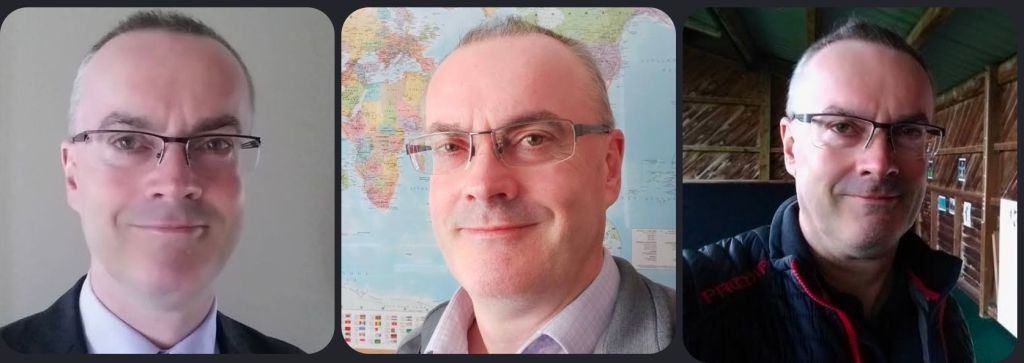

Mark Whitfield is a Senior IT Project Manager based in Manchester

Mark Whitfield is a highly experienced Senior IT Project Manager based in Manchester, UK, with over 31 years of experience in the IT industry specializing in both Agile and Waterfall methodologies. He holds SC clearance (valid until 2031) and has a strong technical background in banking and digital project delivery, including experience as a developer in software development lifecycles (SDLC).
Mark Whitfield is a highly experienced Senior IT Project Manager based in Manchester

Professional Biography

After graduating in Computing in 1990, Mark began his career as a programmer specializing in Electronic Banking software on Tandem Mainframe Computers (HPE NonStop). He spent five years coding in COBOL85 and NonStop SQL for banking clients before transitioning into project management.

Mark has operated as a Senior IT Project Manager for over two decades, delivering complex projects for major blue-chip clients, including Jaguar Landrover, Heathrow, Royal Mail Group, and various financial institutions. He currently provides project management templates based on his extensive experience via his website, PROject Templates.
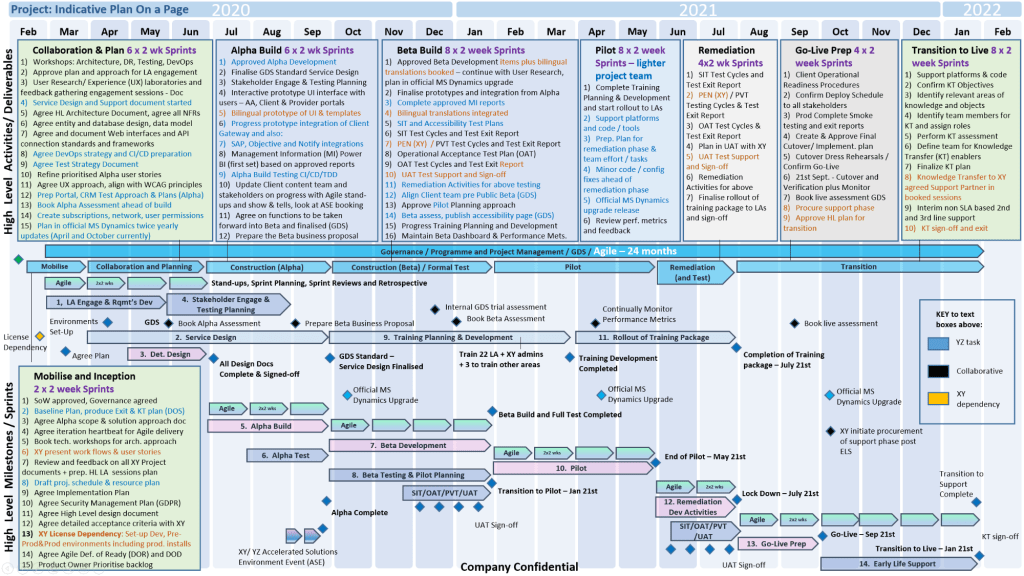
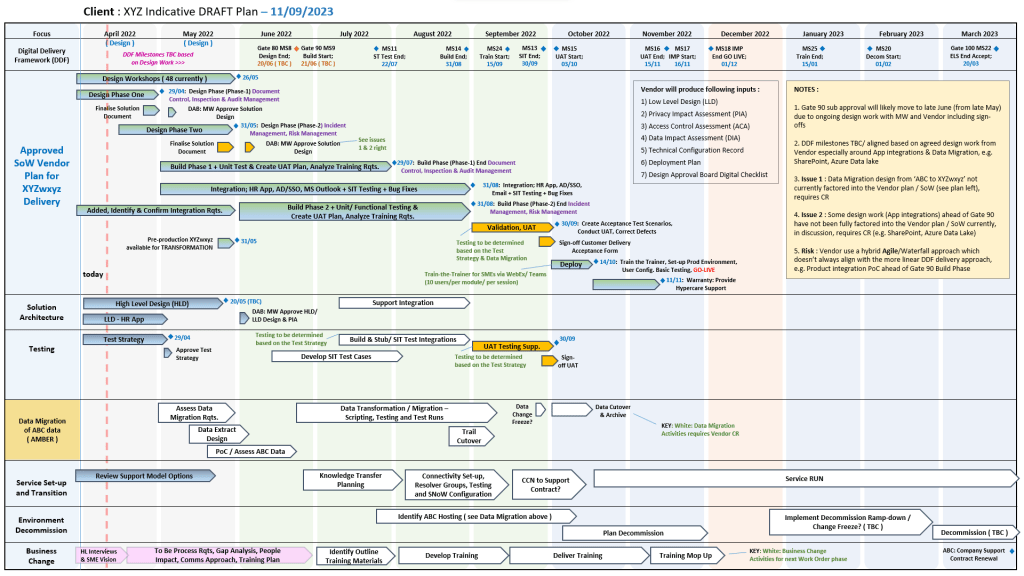
Example POaP Plan On a Page templates by Mark Whitfield

Key Skills & Expertise

  • Methodologies: Agile SCRUM, Waterfall, PRINCE2 Practitioner.
  • Technologies: HP NonStop (BASE24, TAL, C, C++, SQL), Java, .NET, Mobile (iOS, Android, Windows).
  • Areas: ATM software delivery, Gambling/Casinos, Public Sector/LRG, Payment Systems, Digital Transformation.
  • Clearance: SC Cleared until 2031.
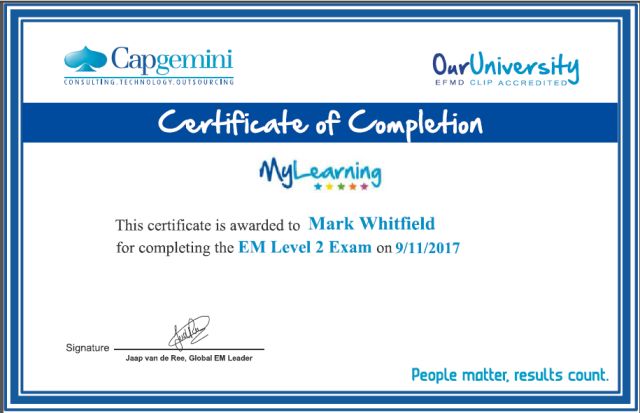
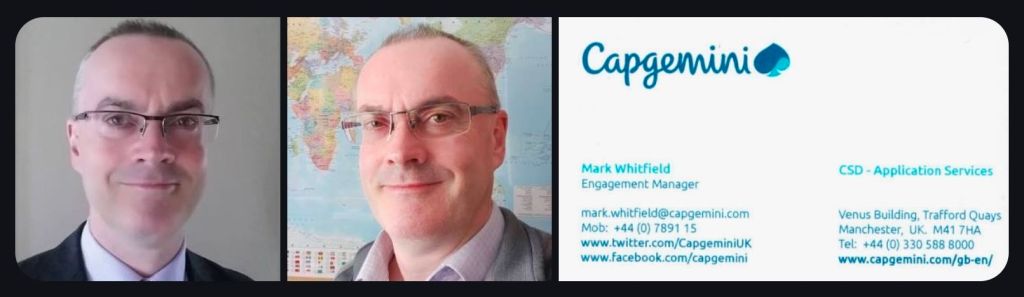
Capgemini Engagement Manager, 2016 thru 2025

Professional Career & Projects

Capgemini UK (Jan 2016 – Present)
  • Role: Client-facing SC Cleared Engagement Manager.
  • Projects: Delivered Waterfall and Agile digital projects for automotive, local regional government (LRG), postal services, and aerospace & defence sectors.
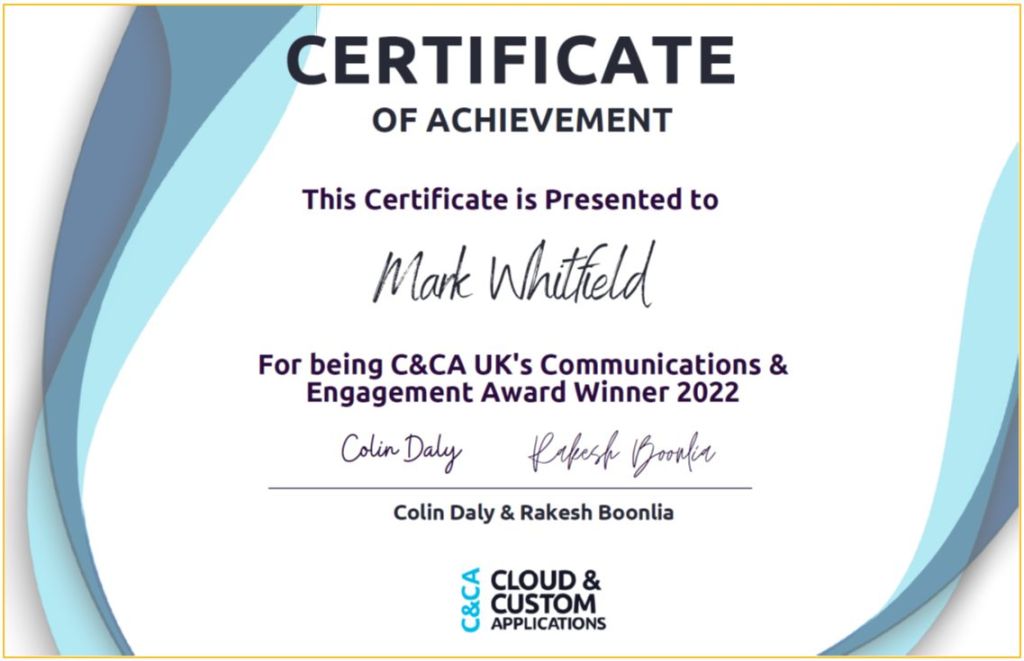
C&CA UK’s Communications & Engagement Award Winner 2022

Betfred (Late 2014 – Jan 2016)

  • Role: Senior IT Project Manager.
  • Projects: Managed mobile and online gambling/casino projects, including payment gateways, sportsbook, and virtual gaming using Agile SCRUM.

Wincor Nixdorf (Sept 2013 – Late 2014)

  • Role: Agile IT PM, Professional Services – Banking Division.
  • Projects: Managed ATM software delivery (Wincor Nixdorf work stream >£5M) for Lloyds Banking Group/Halifax.

Insider Technologies Limited (Aug 1995 – Sept 2013)
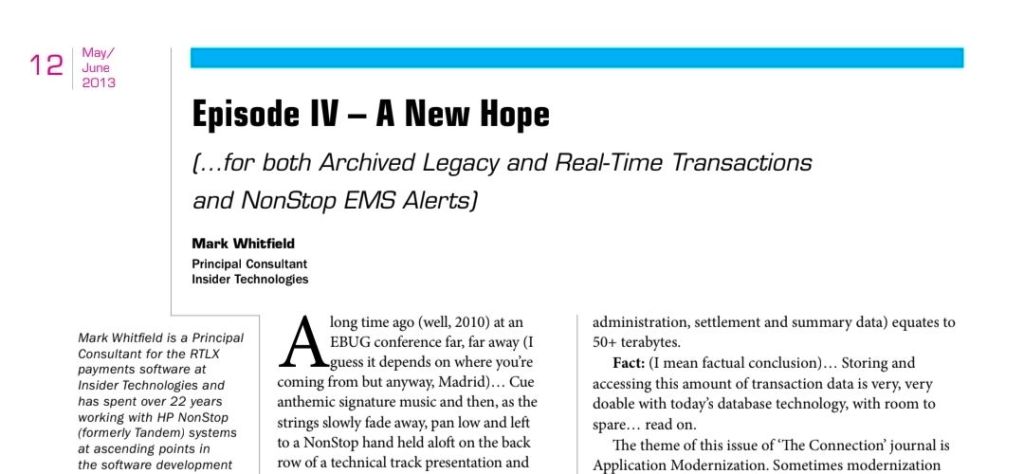
  • Role: Project Manager – Strategic Technical Initiatives.
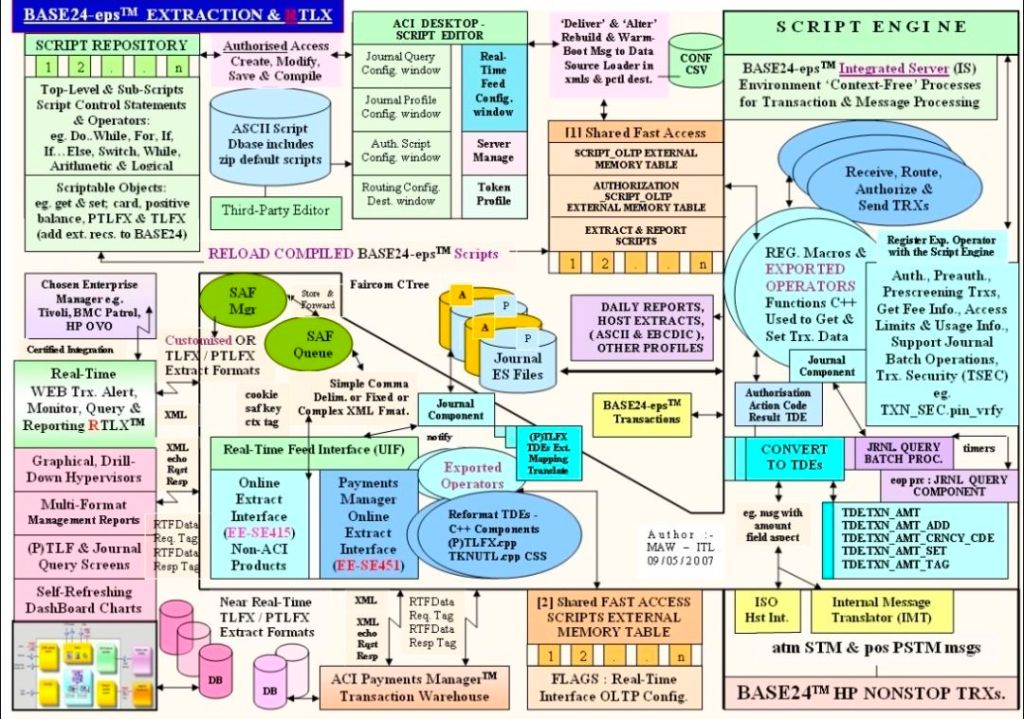
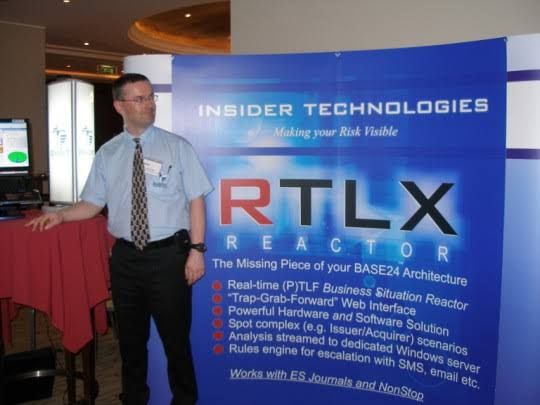
  • Projects: Technical pre-sales, product management, and installation for HPE NonStop banking products (Reflex 80:20, RTLX).
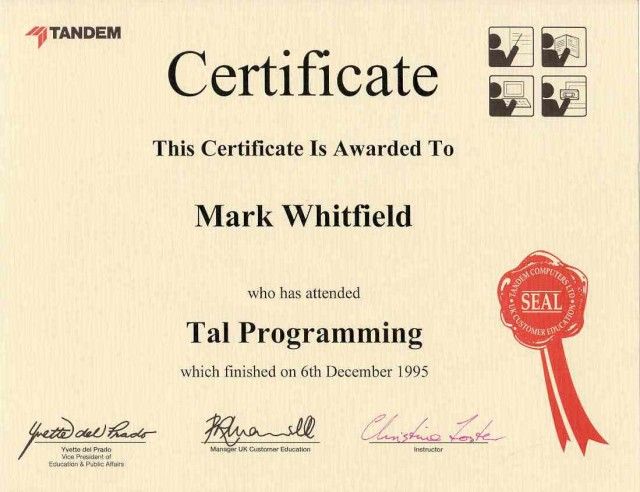
HP NonStop TAL Programming Course
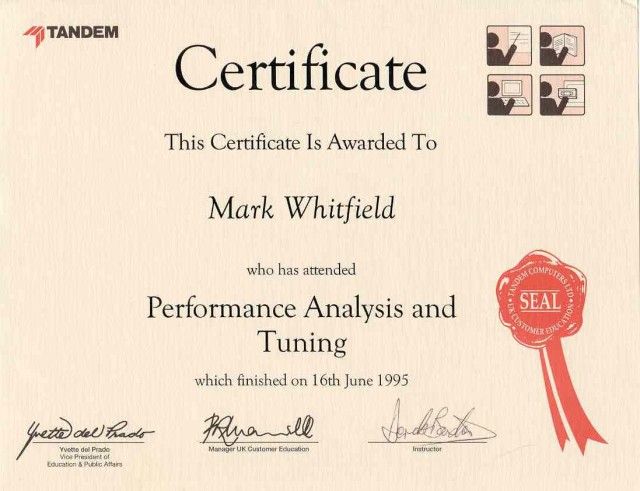
1995, HP NonStop TAL Programming Course

The Software Partnership / Deluxe Data (1990 – 1995)
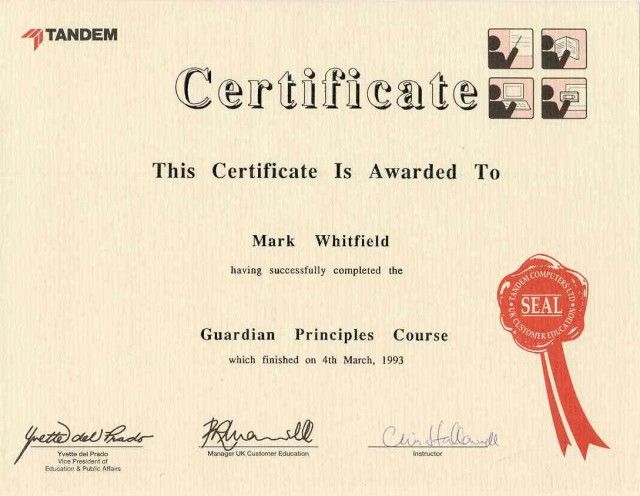
  • Role: Programmer.
  • Projects: Developed code for sp/ARCHITECT-BANK on Tandem Computers for banks like TSB, Bank of Scotland, and Rabobank.

Professional Training & Certification
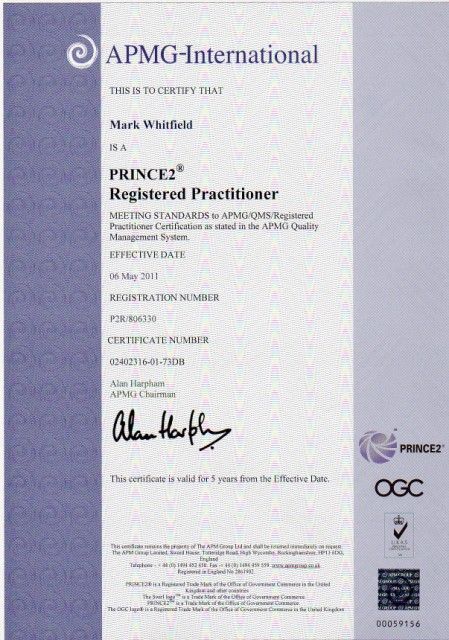
Registered PRINCE2 Practitioner (May 2011, ILX)
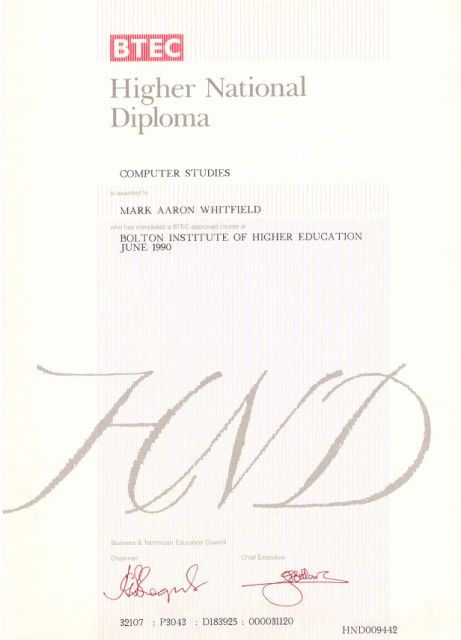
1990, BTEC HND in Computer Studies from Bolton Institute of Higher Education, BIHE

Mark Whitfield, SC Cleared Senior Project Manager, Manchester

Mark Whitfield is a highly experienced, SC-cleared Senior Project Manager and Engagement Manager specializing in complex IT software development lifecycle (SDLC) projects, digital transformation, and cloud migrations.
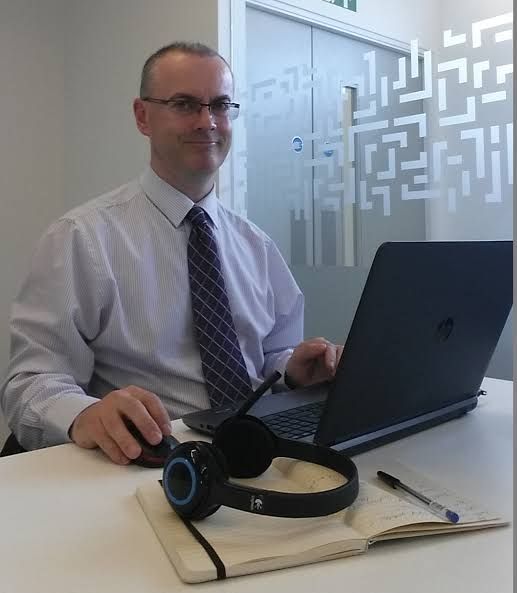
Currently based in Greater Manchester, UK, he has over 31 years of experience in the IT industry, working with major blue-chip companies across various sectors, including UK Government, retail banking, aerospace, and utilities.

He is a certified PRINCE2 Practitioner, skilled in both Agile SCRUM and Waterfall methodologies.

Website Links:

Professional Biography:

Mark specializes in bridging technical teams and business stakeholders, delivering complex IT systems under challenging conditions.

His career spans from early roles as a developer on Tandem Mainframe Computers (HPE NonStop) to senior management positions focusing on cloud resources, API integrations, and CRM platform implementations.

  • Key Skills: Project Planning, Stakeholder Management, Financial Forecasting, Risk Management (RAID), Agile Scrum, PRINCE2, ITIL.
  • Key Strengths: Cloud Migration (Azure/Dynamics 365), Payment Systems (ATM/POS), and API-led connectivity.

Detailed Career Timeline:

  • Nov 2023 – Feb 2024 (UK Government – Capgemini): Acted as Client-Side Technical Delivery Manager for a £1m+ Fish Export Service (FES) to CHIP project, facilitating Azure-based API updates for UK-Northern Ireland trade.
  • Nov 2022 (UK Government – Capgemini): Managed two Microsoft Dynamics 365 Azure Cloud projects, including a £0.4m Dynamics 2016 migration and a £0.54m CRM platform discovery/build.
  • Feb 2022 (UK Utility Industry – Capgemini): Managed a £0.5M project migrating legacy document management systems to an Azure-based Enablon product.
  • 2020 (UK Gov – Capgemini): Senior PM for a £375k Agile proof-of-concept (POC) project migrating legacy applications (MS Access/Oracle) to Microsoft Azure and Dynamics 365.
  • Oct 2018 – June 2019 (MuleSoft): Served as Delivery Manager overseeing 5+ UK accounts for MuleSoft Anypoint Platform (API-led connectivity) implementations.
  • Oct 2017 (Automotive Industry – Capgemini): Managed a £430k Digital Readiness project and a £670k Customer Portal/Online Sales project (Agile).
  • May 2017 (Local Govt – Capgemini): Led a £400k telecommunications project (CCaaS) for the Support for Mortgage Interest (SMI) program.
  • Jan 2017 (Aerospace/Def – Capgemini): Senior Project Lead for two £1.3M projects with high-governance and gated deliverables.
  • Jan 2016 – Present (Capgemini UK): Joined as an Engagement Manager (A8), working on projects including Apple iOS app development for UK Air Traffic (NATS) and a £4.3M data center migration for Postal Services.
  • Dec 2014 – Jan 2016 (Betfred Limited): IT Senior Digital Project Manager for online/mobile payment gateways and sports book platforms.
  • Sep 2013 – Dec 2014 (Wincor Nixdorf): Senior Project Manager for a £5+ million ATM/POS software swap-out at a UK retail bank.
  • 2013 (Retail Banking – Riyadh): Delivered an RTLX transaction tracking project (BASE24 Classic) at a Saudi Arabian bank.
  • 1995 – 2013 (Insider Technologies): Worked on Strategic Technical Initiatives and bank-facing projects on the HPE NonStop platform (Tandem) for products Reflex 80:20, Reflex ONE24, RTLX and XPERT24.
  • 1990 – 1995 (The Software Partnership/Deluxe Data): Commenced career as a programmer specializing in electronic banking software on Tandem Computers (HPE NonStop), sp/ARCHITECT-BANK

Education:

  • 1988 – 1990: Higher National Diploma (HND) in Computing, Distinction/Overall First, Bolton Institute of Higher Education (now University of Greater Manchester from 2024).

Mark Whitfield, SC Cleared Senior Project Manager, Manchester

Manchester Technical Timeline History

Manchester’s technical history is defined by its evolution from the world’s first industrial city to a global hub for computing and material science

18th Century: The Birth of Industry

  • 1733: John Kay invented the Fly Shuttle, a key advancement in weaving.
  • 1761: The Bridgewater Canal opened as Britain’s first man-made waterway independent of rivers, drastically reducing coal costs.
  • 1764–1779: James Hargreaves invented the Spinning Jenny (1764), and Samuel Crompton created the Spinning Mule (1779), allowing for mass textile production.
  • 1783: Richard Arkwright established Manchester’s first steam-powered mill.
  • 1790: Piccadilly Mill became the first in the city to be powered directly by a steam engine. 

19th Century: Engineering & Precision 

20th Century: The Computing Revolution 

  • 1904: Frederick Royce and Charles Rolls met at the Midland Hotel to form Rolls-Royce.
  • 1908: A.V. Roe designed and flew the first British plane; he later founded the Avro aircraft factory.
  • 1917: Ernest Rutherford became the first to split the atom at the University of Manchester.
  • 1948: Professors Tom Kilburn and Fred Williams ran the first program on the Manchester Baby, the world’s first stored-program electronic computer.
  • 1953: The University of Manchester built the world’s first transistorised computer prototype.
  • 1962: The Ferranti Atlas was commissioned; it was the world’s most powerful computer at the time and pioneered virtual memory.
  • 1992: Metrolink began operations, becoming the UK’s first modern street-running light rail system. 

21st Century: Advanced Materials & Media

  • 2004: Professors Andre Geim and Kostya Novoselov isolated graphene, the world’s first 2D material.
  • 2005: The University of Manchester developed a 3D printer for human tissue.
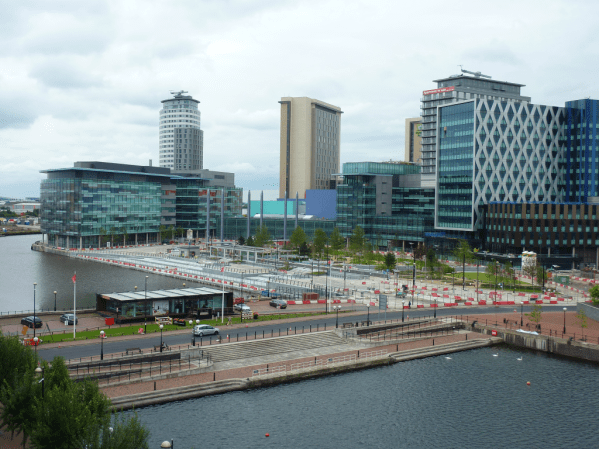
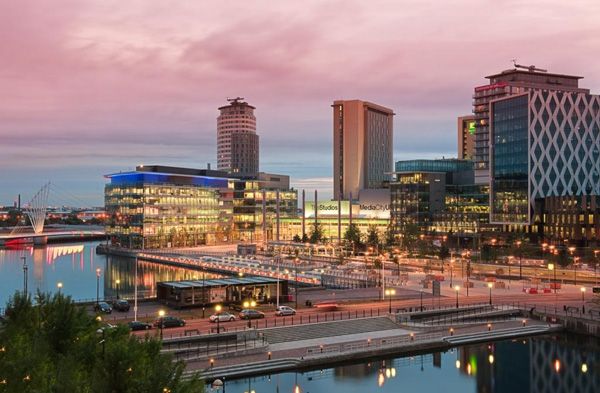
  • 2011: MediaCityUK opened as Europe’s largest purpose-built digital and media hub.
  • 2018: The SpiNNaker project was completed, creating a million-processor machine that mimics the human brain’s neural networks. 

Manchester’s technical history is defined by its rise as the world’s first industrial city, followed by a century of pioneering achievements in computingnuclear physics, and materials science

18th – 19th Century: The Industrial Revolution 

  • 1761: The Bridgewater Canal opens as Britain’s first man-made waterway, triggering “Canal Mania”.
  • 1783: Richard Arkwright establishes the first steam-powered mill, paving the way for mass production.
  • 1803: John Dalton publishes Atomic Theory in Manchester, providing the foundation for modern chemistry.
  • 1830: The Liverpool and Manchester Railway commences, the world’s first inter-city passenger railway using only steam locomotives.
  • 1841: Sir Joseph Whitworth standardises the screw thread, a critical milestone for precision engineering.
  • 1894: The Manchester Ship Canal opens, turning an inland city into one of the world’s largest seaports. 

20th Century: Computing and Nuclear Physics

  • 1917: At the University of Manchester, Ernest Rutherford performs the first artificially induced nuclear reaction, splitting the atom.
  • 1948: “The Baby” (SSEM) runs the world’s first electronically stored program, marking the birth of modern computing.
  • 1950: Alan Turing publishes “Computing Machinery and Intelligence,” introducing the Turing Test for AI.
  • 1953: The world’s first transistorised computer prototype becomes operational at the University.
  • 1957: The Lovell Telescope at Jodrell Bank is completed, then the world’s largest steerable radio telescope.
  • 1962: The Atlas computer, the world’s first supercomputer, is commissioned. 

21st Century: Advanced Materials and Digital Growth

  • 2004: Professors Andre Geim and Kostya Novoselov isolate graphene, the world’s first 2D material.
  • 2011: MediaCityUK opens in Salford, becoming a major international hub for digital and broadcast technology.
  • 2018: The SpiNNaker project activates a million-processor machine designed to model the human brain’s neural networks.
  • 2024: Manchester Metropolitan University celebrates its 200th anniversary with the opening of the Dalton Building for Science and Engineering.
  • 2026: Manchester Digital hosts the annual Digital Skills Festival in February to connect emerging tech talent with industry leaders.

Manchester Technical Timeline History

At Trafford Centre, Manchester for Xmas Shopping, 03/12

At Trafford Centre, Manchester for Xmas Shopping, 03/12

Trafford Centre, Manchester, early hours

Trafford Centre, Manchester, early hours

Trafford Centre, Manchester, today

Trafford Centre, Manchester, today

At Trafford Centre, Manchester – 10/11

At Trafford Centre, Manchester – 10/11

At Manchester, Piccadilly Train Station – 29/10

At Manchester, Piccadilly Train Station – 29/10

At Trafford Centre, 14/10

At Trafford Centre, 14/10

Ambling around the Trafford Centre before shops open at 10am, 08/10

Ambling around the Trafford Centre before shops open at 10am, 08/10