Mark Whitfield is an SC-cleared Senior IT Project and Engagement Manager with over 30 years of experience. His career spans from early mainframe programming to leading multi-million-pound cloud migrations and digital transformations for major financial, utility, and government clients.
The chronological breakdown of his professional project portfolio, structured by his definitive career eras, is detailed below:
1. The Technical Era (1990–1995)
During this foundational era, Mark worked as a Programmer and Lead Analyst for The Software Partnership (acquired by Deluxe Data in 1994). He focused strictly on the development, optimization, and deployment of the sp/ARCHITECT-BANK electronic banking solution on Tandem Mainframe Computers.
- Project: Barclays Business Master II (BBM II)
- Year: 1990–1992
- Client: Barclays (On-site at Knutsford, Cheshire)
- Budget: Internal banking operational budget
- Details: Handled the custom design and backend coding for a high-profile desktop electronic business banking application.
- Project: Automated Touch-Tone Phone Banking Suite
- Year: 1992–1993
- Client: Girofon (Denmark)
- Budget: Client-retained vendor contract
- Details: Coded automated, menu-driven voice solutions operating on a Periphonics VRAM device to fetch live customer balances directly from mainframes.
- Project: Early Digital Inter-Account Transfers
- Year: 1993–1994
- Client: TSB & Bank of Scotland
- Budget: Internal product development
- Details: Directed logic design and mainframe coding to support pioneering inter-account electronic funds transfers.
- Project: International Banking Optimization
- Year: 1994–1995
- Client: Rabobank
- Budget: Vendor-driven custom development framework
- Details: Managed localized software optimization, custom patches, and deployment testing for global banking operations.
2. The Infrastructure & Monitoring Era (1995–2014)
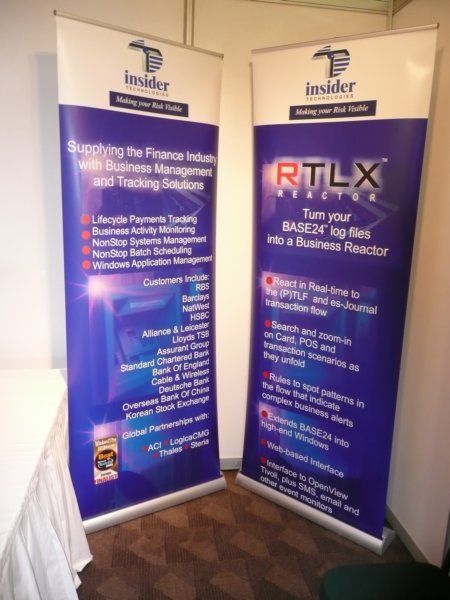
Mark transitioned into a Product and Project Manager role at Insider Technologies Limited (and later a brief stint at Wincor Nixdorf). His focus shifted heavily toward platform diagnostics, high-availability transaction monitoring, and financial hardware software integrations.
- Project: Reflex (Reflex 80:20) System Co-Development
- Year: 1995–2004
- Client: Multiple Tier-1 Investment Banks (including Euroclear/Crestco, Bank of England, and Deutsche Bank)
- Budget: Part of a broader £3M Management Buyout (MBO) product portfolio
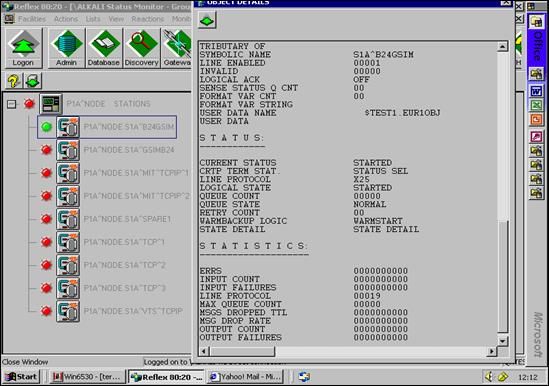
- Details: Acted as Senior Programmer and Technical Lead to co-develop diagnostic monitoring modules for high-availability mainframes.
- Project: ATM & Point-of-Sale (POS) Transaction Monitoring
- Year: 2005–2013
- Client: Barclays, HSBC, and Alliance & Leicester (now Santander)
- Budget: Multi-year strategic technical vendor account
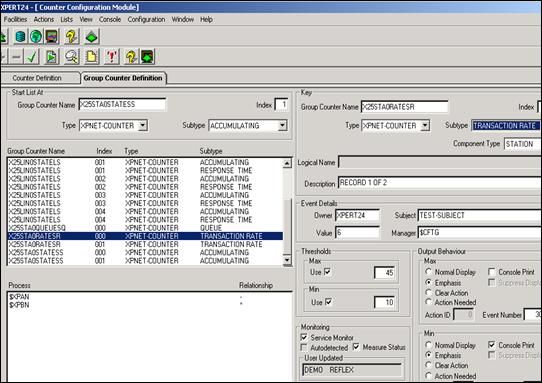
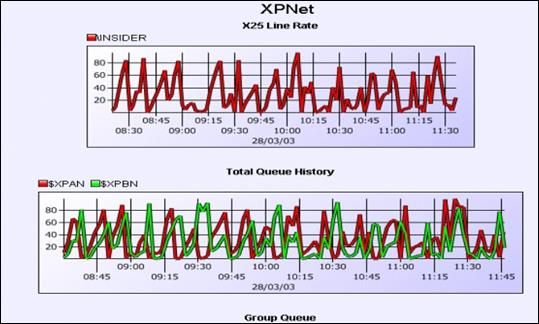
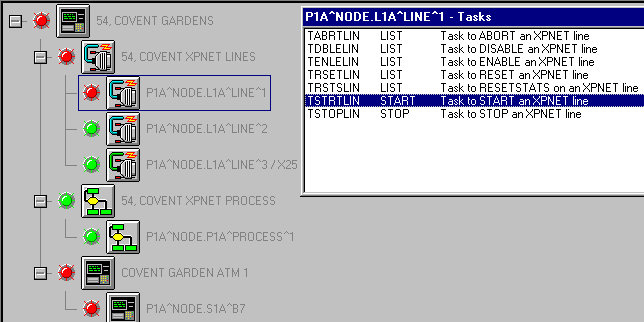
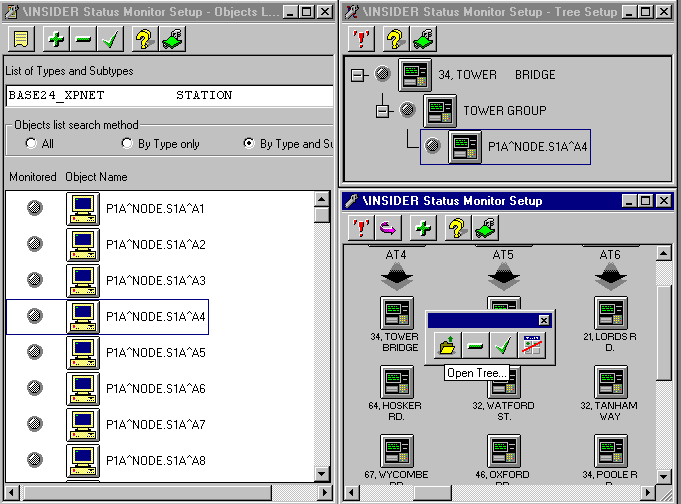
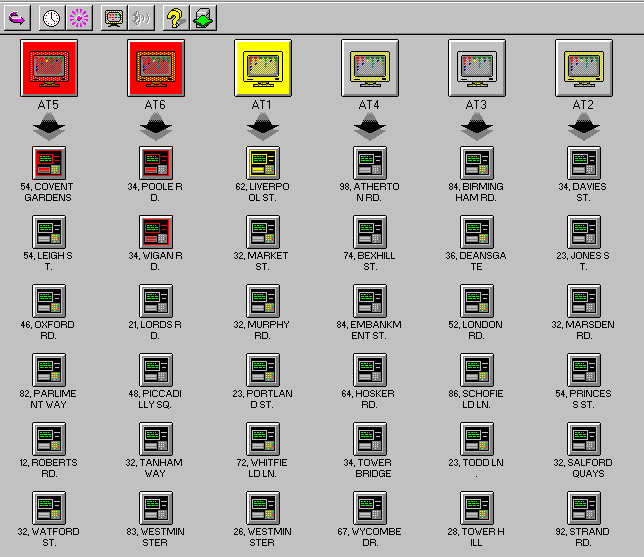
- Details: Managed the integration of transaction tracking across ATM networks using ACI’s XPNET and HP NonStop architecture.
- Project: Legacy ATM Software Modernisation
- Year: 2013–2014
- Client: Major UK Retail Bank (via Wincor Nixdorf Professional Services)
- Budget: Corporate financial service transformation
- Details: Served as Project Manager executing the swap-out of outdated, legacy ATM client systems for modernized software stacks.
3. The Digital and Cloud Era (2014–Present)
This era highlights Mark’s leadership of large-scale Agile and Waterfall digital delivery frameworks, moving from corporate gambling technology to complex, high-budget UK public sector programs.
- Project: Mobile & Online Gaming Sportsbook Platforms
- Year: 2014–2016
- Client: Betfred Limited (Online & Mobile Division)
- Budget: Multi-million phased agile commercial releases
- Details: Led Agile Scrum development teams to upgrade payment gateways, implement fraud detection, and roll out football/horse racing mobile interfaces.
- Project: National Air Space Real-Time Mobile Applications
- Year: 2016
- Client: NATS (UK-wide Air Traffic Organisation)
- Budget: Corporate custom applications initiative
- Details: Managed the secure Agile delivery of Apple iOS applications displaying live military and public airspace information.
- Project: Core Systems Interface Data Centre Migration
- Year: 2016 (May–October)
- Client: Royal Mail Group (RMG) / Postal Services
- Budget: £4.3 Million
- Details: Led a massive cross-functional team of 90 Capgemini engineers to migrate over 1,100 platform data interfaces ahead of peak annual trading.
- Project: Automated Call Centre CCaaS Telephony Implementation
- Year: 2017 (May onwards)
- Client: Local Regional Government
- Budget: £400,000
- Details: Deployed a programmatic dialler system linked with Microsoft Azure CRM to facilitate the “Support for Mortgage Interest” campaign.
- Project: Automotive Online Car Sales and Digital Readiness
- Year: 2017 (October)
- Client: Jaguar Land Rover (JLR) / Aston Agile Delivery Centre
- Budget: £1.1 Million (Split into a £670k Customer Sales Portal and a £430k Readiness project)
- Details: Engagement Manager implementing a new-car ecommerce vehicle pipeline.
Project: Middleware & MuleSoft Anypoint Integrations
- Year: 2018–2019
- Client: UK Utility, Accounting, and Recruitment Industries (via MuleSoft augmentation)
- Budget: Enterprise-wide technology vendor accounts
- Details: Delivery Manager structuring API integration architectures across multi-million-pound client portfolios.
Project: Multi-App Cloud Migration Proof-of-Concept
- Year: 2020 (Feb–May)
- Client: UK Government
- Budget: £375,000
- Details: Directed a 3-month proof of concept migrating legacy Access, Oracle, and SQL databases to Microsoft Azure and Dynamics 365.
Project: Document Management Cloud Transformation
- Year: 2021–2022
- Client: UK Utility Industry (e.g., Welsh/Scottish Water)
- Budget: £500,000+
- Details: Managed the platform decommissioning and cloud modernization from legacy EQS document storage over to Azure Enablon.
Project: Enterprise Dynamics 365 Online Cloud Migration
- Year: 2022 (November onwards)
- Client: UK Government
- Budget: £1 Million+ (Part of a larger £13.5M cloud program moving 130 apps)
- Details: Orchestrated the launch and configuration of Azure Cloud frameworks migrating 12 historical Dynamics 2016 platforms to Dynamics 365 Online.
Project: Fish Export Service (FES) to CHIP Inspection Portal
- Year: 2023–2024 (Nov–Feb)
- Client: UK Government / Northern Ireland Trading Framework
- Budget: £1 Million+
- Details: Served as Technical Delivery Manager directing Agile Scrum teams to build cloud-hosted APIs supporting catch verification under the Windsor Framework.