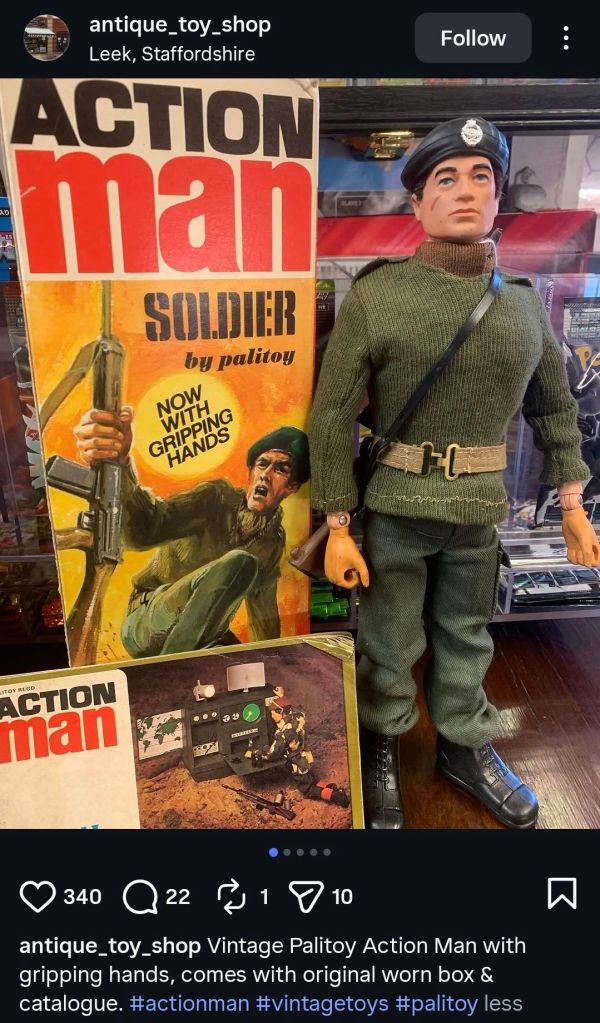
Action Man Soldier by parity, with gripping hands, 1970s
The Action Man Soldier with Gripping Hands is a legendary 12-inch military action figure produced in the UK by Palitoy under license from Hasbro. First introduced in 1973, this milestone version of the classic Action Soldier replaced the previous “hard hand” iterations with a new, soft plastic compound designed to realistically hold rifles, pistols, and equipment.
Era & Key Innovations
1973 Debut: Palitoy launched the updated figure in a freshly illustrated box featuring the text “Now with Gripping Hands”.
Flock Hair: This era retained the realistic fuzzy blonde, brown, or auburn flock hair originally introduced in 1970.
Signature Details: The figure featured Action Man’s distinctive square jaw and the iconic copyrighted battle scar on the right cheek.
Body Construction: Built using the standard 1960s/70s articulation setup featuring internal elastic stringing, crimped metal eyelets, and metal rivets.
Equipment & Box Variations
The standard 1973 Action Man Soldier package underwent several production tweaks throughout the mid-1970s:
The 1973 Box: Early printings mistakenly listed “Gaitors” in the contents list on the packaging, though they were not actually included in the box.
The 1975 Update: Palitoy corrected the box text to remove the mention of gaiters, updated the artwork, and added a revised “made in Hong Kong” manufacturing credit.
Standard Gear: The standard uniform typically included olive green army denim fatigues (jacket and trousers), a flat black plastic beret, tall brown boots with dished soles, a life-size replica dog tag, and an Army Manual.
Collector’s Note on Condition
When seeking a vintage 1970s figure on marketplaces like eBay, pay close attention to the hands. The early 1973 flexible hand compound (often made of Kraton) is notoriously prone to perishing over time. It is highly common to find vintage figures where the hands have turned dark orange, gone completely hard, become brittle, or disintegrated entirely. Intact, supple original hands significantly drive up the figure’s valuation.
sp/ARCHITECT was a pioneering electronic banking and funds-transfer software suite. Originally built by the UK-based Software Partnership (TSP), it ran natively on fault-tolerant Tandem (now HPE NonStop) systems. It provided highly available transaction routing and real-time electronic book-keeping for major international financial institutions.
Detailed Timeline by Era and Year
1. The Genesis & Independent Era (Mid-1980s – 1989)
Mid-1980s: The Software Partnership (TSP) is co-founded in Timperley, UK. Development begins on sp/ARCHITECT, designed with a client-server architecture.
1986: Tandem launches NonStop SQL, providing the underlying high-availability relational database foundation that sp/ARCHITECT relied upon to ensure absolute data integrity for banks.
2. Mainstream Banking Adoption Era (1990 – 1994)
1990: TSP relocates to Norton House in Runcorn, UK. sp/ARCHITECT achieves production deployment and is widely utilized for inter-account transfers and book-keeping by major banks like TSB and Bank of Scotland.
1992: Due to rapid expansion, the Runcorn operations relocate to Wingate House.
1994: Deluxe Electronic Payment Systems (a subsidiary of Deluxe Corporation) acquires TSP to expand its global electronic funds transfer (EFT) footprint. The platform is globally marketed and supported, expanding to clients like Rabobank.
1990: TSP relocates to Norton House in Runcorn
1992: Due to rapid expansion, the Runcorn operations relocate to Wingate House.
3. Global Expansion & Compaq Transition Era (1995 – 2005)
1995 – 1997: The Runcorn-based team (operating as Deluxe Data) codes additional regional adaptations of sp/ARCHITECT for banks worldwide (e.g., Girofon in Denmark).
1997: Compaq acquires Tandem Computers, placing sp/ARCHITECT on Compaq’s enterprise roadmap.
2002: Hewlett-Packard (HP) acquires Compaq, absorbing the Tandem platform into the HP Integrity server line. The application undergoes adaptation to integrate modern Windows-based management systems (like DSM/NOW).
4. The HPE Modernization & Hybrid Era (2014 – 2026)
2014: HPE (Hewlett Packard Enterprise) is formed, spinning off from HP. NonStop shifts to Intel x86-64 architecture (NonStop X), requiring sp/ARCHITECT and related Tandem subsystems (like Pathway, COBOL, and TAL) to modernize for TNS/X processing.
2020: Legacy Itanium-based environments are phased out. sp/ARCHITECT systems, if still active, are migrated to virtualized NonStop (vNS) and operated within private cloud infrastructures.
2025/2026: HPE NonStop celebrates its 50th Anniversary. Applications originally designed on the sp/ARCHITECT schema are heavily evaluated for AI integration, continuous cyber resilience, and consumption-based models like HPE GreenLake.
The official HPE Nonstop Technology Architecture is a specialized, 100% fault-tolerant infrastructure built with a tightly integrated hardware and software stack designed to eliminate any single point of failure. Formal instruction and architectural frameworks have been modernized under the newly relaunched HPE Nonstop Compute Training Portfolio curriculum.
Originally developed by Tandem Computers in 1976, the platform eventually became part of Hewlett Packard Enterprise (HPE). Unlike standard servers that can crash due to a single component failure, NonStop uses a tightly integrated, “shared-nothing” architecture to ensure that if a hardware or software component fails, another instantly takes over with zero downtime or data loss.
Core Architectural Features
To understand how HPE NonStop works, you need to understand its unique design principles:
Shared-Nothing Architecture: Every processor has its own dedicated memory, I/O channels, and copy of the operating system. No single component is shared, eliminating any single point of failure.
Process Pairs: Applications run using a primary process and a backup process on a different processor. The primary process constantly copies its state to the backup. If the primary fails, the backup immediately takes over.
Massive Scalability: Systems can scale up seamlessly from small distributed environments to massive clusters containing up to 24,000 processor cores without interrupting running operations.
Hardware Platform: The modern software environment runs on industry-standard x86 architectures, available as physical server racks (like the HPE NonStop NS9 X5) or as virtualized instances in hybrid cloud environments.
Dual Operating Environments
HPE NonStop runs a specialized operating system called NonStop OS. Inside this OS, developers and administrators interact with two distinct environments:
Guardian Environment: The native, proprietary environment optimized for high-volume Online Transaction Processing (OLTP). It handles tasks sequentially through process-oriented manually-started jobs rather than traditional automated queues.
Open System Services (OSS): A UNIX-like, POSIX-compliant environment built on top of the NonStop kernel. This allows organizations to run standard open-source applications, tools, and scripts natively alongside Guardian.
Ecosystem and Use Cases
HPE NonStop is rarely used for standard office automation or basic web hosting. Instead, it serves as the backbone for global industries where an hour of downtime could cost millions of dollars:
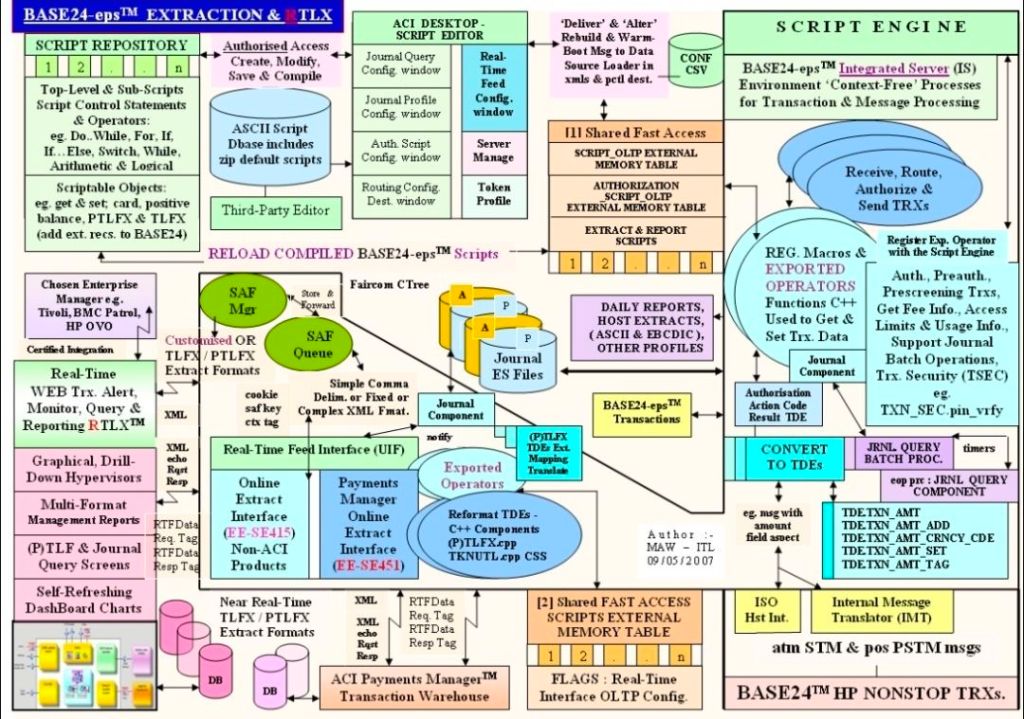
Financial Transactions: Powers global stock exchanges, automated teller machines (ATMs), and retail point-of-sale credit card processing, eg. BASE24.
Travel and Logistics: Runs critical airline reservation systems and real-time cargo routing infrastructure.
Database Management: Features its own highly secure, distributed database engine called NonStop SQL, which guarantees absolute data integrity across all transactions.
Modern Development: Supports traditional languages like COBOL85 and ANSI C, alongside modern DevOps integrations like Git, Ansible, and Eclipse-based IDE environments.
An architectural blueprint of an HPE NonStop environment typically separates the layout into three core interdependent layers:
Hardware & Fabric Layer: Consists of independent, loosely-coupled Processor Nodes (handling up to 24,000 cores globally) connected via an ultra-fast InfiniBand or ServerNet system fabric backbone.
I/O & Subsystem Layer: Utilizes Cluster I/O Protocols (CLIMs), splitting tasks between Storage CLIMs (SCLIMs) and Network CLIMs (NCLIMs) to isolate external communication from main processing.
Operating System & DB Layer: Runs the NonStop OS, which simultaneously manages the traditional Guardian environment, Open System Services (OSS) for UNIX/Linux paradigms, and the NonStop SQL distributed database engine.
Recommended Architecture Training Curriculum
HPE organizes its technical blueprints into structured educational paths for engineers.
1. Foundational Blueprint Concepts
Course Code: U4147S (HPE Nonstop Compute System Fundamentals).
Focus: Delivers a top-down view of system goals, transaction processing, and fundamental architecture.
Key Modules: Explores Guardian vs OSS, Pathway application management, and basic database interaction.
2. System Operations & Administration
Course Code: H1SC3S (HPE Nonstop Compute System Administration I).
Focus: Maps physical and virtual components to real-world deployment.
You can review or download the targeted, one-page CV for Mark Whitfield (Senior Project Manager specializing in HPE NonStop systems) via the Mark Whitfield CV PDF link.
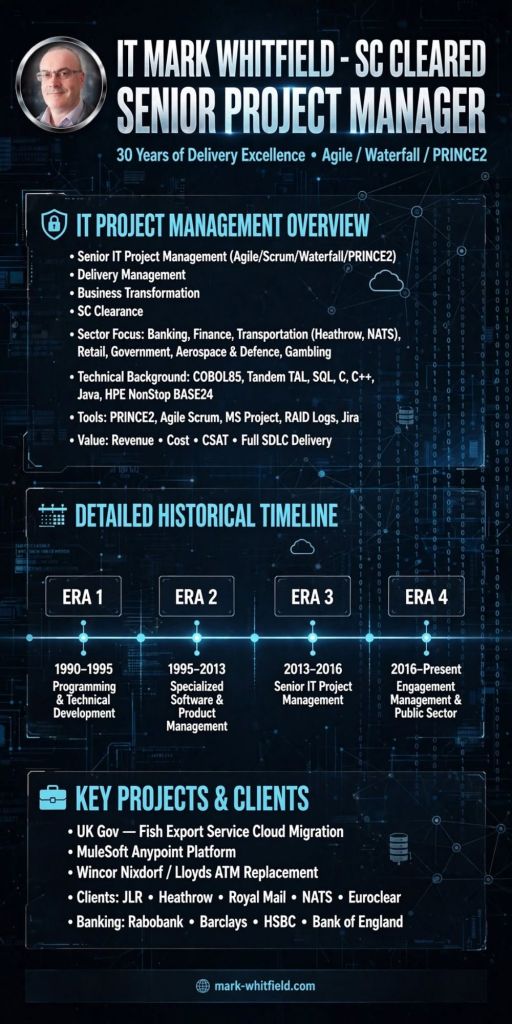
Mark Whitfield, High-Level Project Management Summary
The high-level, scannable overview of his professional profile is outlined below:
Executive Profile
Role: IT Senior Project Manager / Delivery Lead
Background:30+ years of experience delivering highly complex technology, business transformation, and infrastructure projects.
Core Skills: Cloud migration (hybrid), legacy ATM software modernisation, Point of Sale (POS) implementations, and software development lifecycles (SDLC).
Methodologies: Agile, Waterfall, PRINCE2 Practitioner, and ITIL certified.
Core Expertise & Competencies
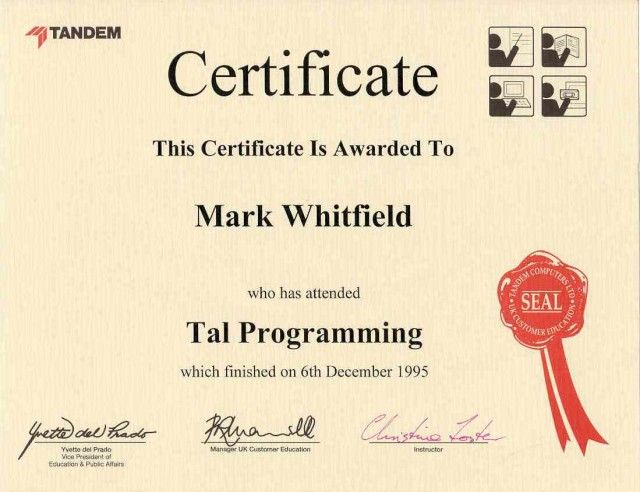
HP NonStop & Legacy Integration: Deep technical roots in Tandem Computers/ HPE NonStop development, TAL programming, and high-volume transaction environments.
Global Delivery: Managed large-scale IT and system monitoring rollouts across the UK and international markets (e.g., Saudi Arabia).
Stakeholder Management: Experienced in bridging the gap between highly technical development teams and high-level business stakeholders.
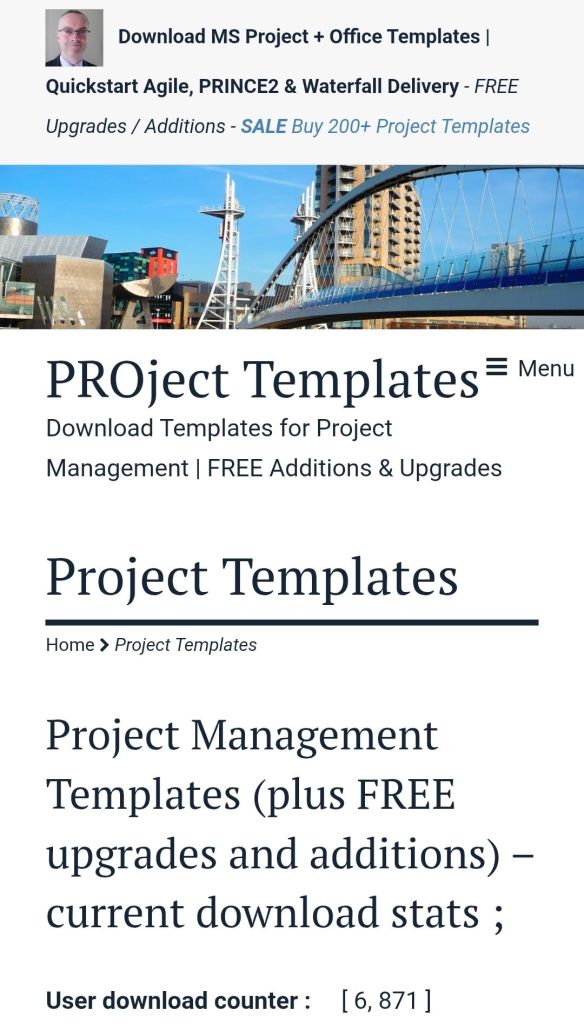
For direct access to his official templates, articles, and full professional journey, you can visit the PROject Templates Website.
Mark Whitfield is a highly experienced, SC-cleared Senior Project Manager and IT professional with over 31 years of experience in both public and private sectors, specializing in software development, cloud migration, and IT systems delivery.
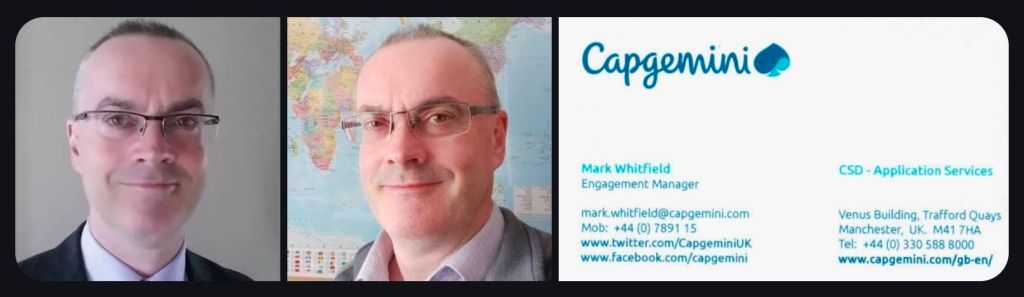
He is currently associated with Capgemini (since 2016) and runs a project management resource website, PROject Templates.
Joined Capgemini in 2016 having worked at ascending points in software development lifecycle projects for over 31 years
Key Qualifications & Experience:
Roles: Senior Project Manager, Engagement Project Manager, Delivery Manager, and former programmer.
Methodologies: PRINCE2 Practitioner, skilled in both Waterfall and Agile (SCRUM) approaches.
Sector Experience: Extensive experience in finance and banking, including ATM software swap-outs, cloud migration (Azure, AWS, Power Platform), and POS monitoring systems.
Background: Graduated in Computing in 1990; worked as a developer (COBOL, SQL, Tandem / HPE NonStop) before transitioning to project management.
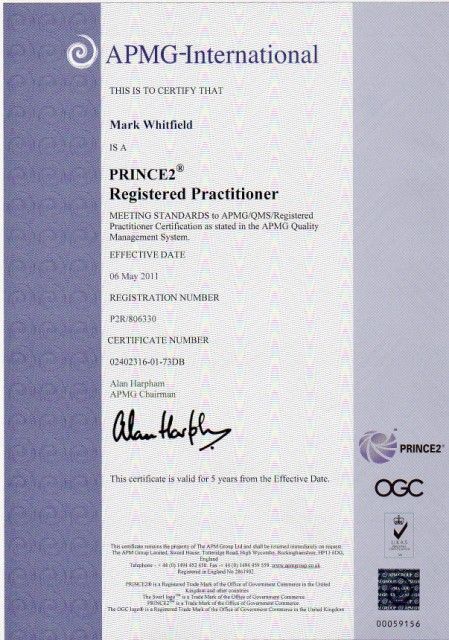
PRINCE2 Practitioner, skilled in both Waterfall and Agile (SCRUM) approaches
Professional Highlights:
Delivered major projects for clients such as Barclays, Bank of England, HSBC, Royal Mail Group, UK & Welsh Government, Heathrow, and Jaguar Land Rover.
Led complex IT infrastructure projects and business transformations.
Maintains mark-whitfield.com, offering over 200 project management templates, trackers (RAID, budget, benefit, cost etc.), and many plans for Agile / Waterfall projects including 30+ Plan On a Page (POaP) and MS Project MPP examples (click on Blog above for a summary).
Provides specialized templates for PRINCE2 7th edition and MS Project (MPP).
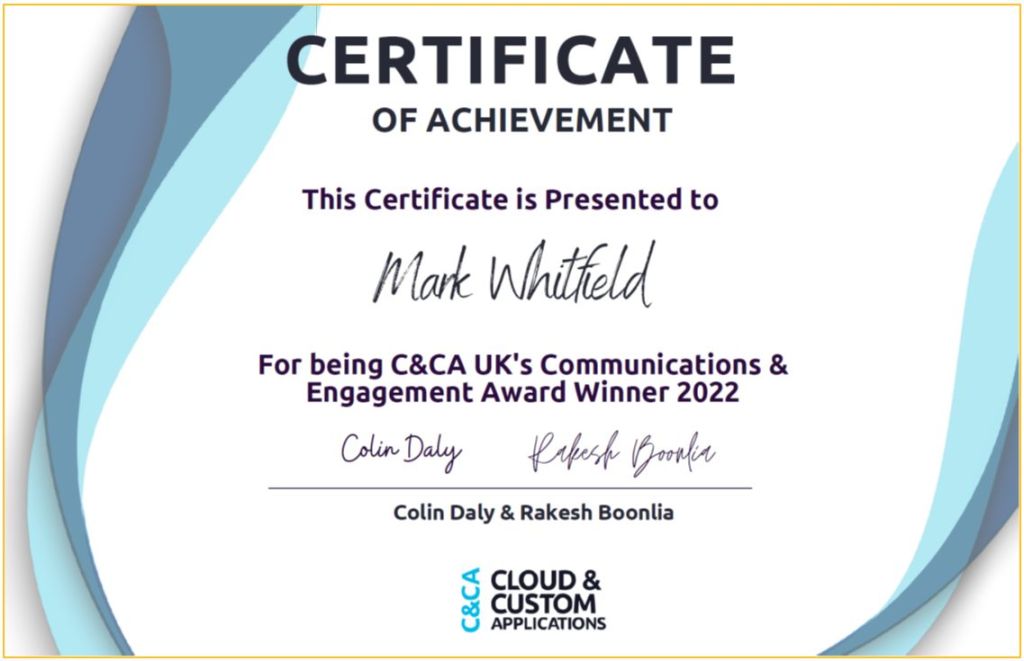
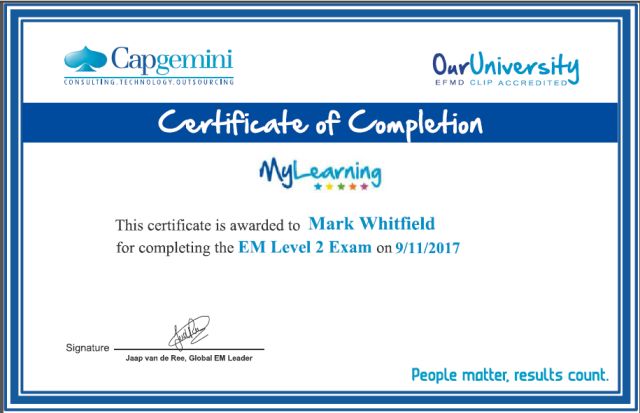
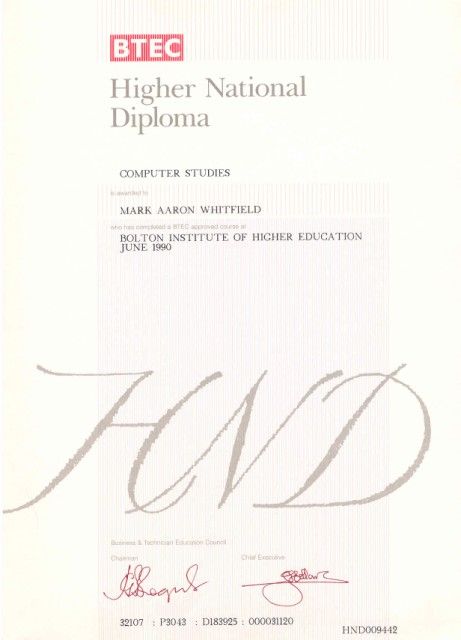
December 2022 – C&CA UK’s Communications & Engagement Award Winner – Cloud & Custom Applications – Capgemini UKNovember 2017 – Advanced Engagement Management Course – Level 2 ExamJune 1990 – Higher National Diploma in Computer Studies, Distinction
Mark Whitfield is a highly experienced, SC-cleared Senior Project Manager and Engagement Manager specializing in complex IT software development lifecycle (SDLC) projects, digital transformation, and cloud migrations.
Currently based in Greater Manchester, UK, he has over 31 years of experience in the IT industry, working with major blue-chip companies across various sectors, including UK Government, retail banking, aerospace, and utilities.
Mark Whitfield | SC Cleared Senior Project Manager
He is a certified PRINCE2 Practitioner, skilled in both Agile SCRUM and Waterfall methodologies.
Mark specializes in bridging technical teams and business stakeholders, delivering complex IT systems under challenging conditions.
His career spans from early roles as a developer on Tandem Mainframe Computers (HPE NonStop) to senior management positions focusing on cloud resources, API integrations, and CRM platform implementations.
Key Strengths: Cloud Migration (Azure/Dynamics 365), Payment Systems (ATM/POS), and API-led connectivity.
Detailed Career Timeline:
Nov 2023 – Feb 2024 (UK Government – Capgemini): Acted as Client-Side Technical Delivery Manager for a £1m+ Fish Export Service (FES) to CHIP project, facilitating Azure-based API updates for UK-Northern Ireland trade.
Nov 2022 (UK Government – Capgemini): Managed two Microsoft Dynamics 365 Azure Cloud projects, including a £0.4m Dynamics 2016 migration and a £0.54m CRM platform discovery/build.
Feb 2022 (UK Utility Industry – Capgemini): Managed a £0.5M project migrating legacy document management systems to an Azure-based Enablon product.
2020 (UK Gov – Capgemini): Senior PM for a £375k Agile proof-of-concept (POC) project migrating legacy applications (MS Access/Oracle) to Microsoft Azure and Dynamics 365.
Oct 2018 – June 2019 (MuleSoft): Served as Delivery Manager overseeing 5+ UK accounts for MuleSoft Anypoint Platform (API-led connectivity) implementations.
Oct 2017 (Automotive Industry – Capgemini): Managed a £430k Digital Readiness project and a £670k Customer Portal/Online Sales project (Agile).
May 2017 (Local Govt – Capgemini): Led a £400k telecommunications project (CCaaS) for the Support for Mortgage Interest (SMI) program.
Jan 2017 (Aerospace/Def – Capgemini): Senior Project Lead for two £1.3M projects with high-governance and gated deliverables.
Jan 2016 – Present (Capgemini UK): Joined as an Engagement Manager (A8), working on projects including Apple iOS app development for UK Air Traffic (NATS) and a £4.3M data center migration for Postal Services.
Dec 2014 – Jan 2016 (Betfred Limited): IT Senior Digital Project Manager for online/mobile payment gateways and sports book platforms.
Sep 2013 – Dec 2014 (Wincor Nixdorf): Senior Project Manager for a £5+ million ATM/POS software swap-out at a UK retail bank.
2013 (Retail Banking – Riyadh): Delivered an RTLX transaction tracking project (BASE24 Classic) at a Saudi Arabian bank.
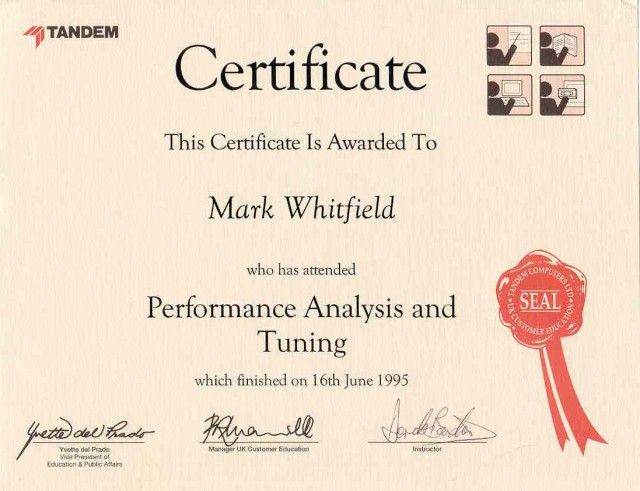
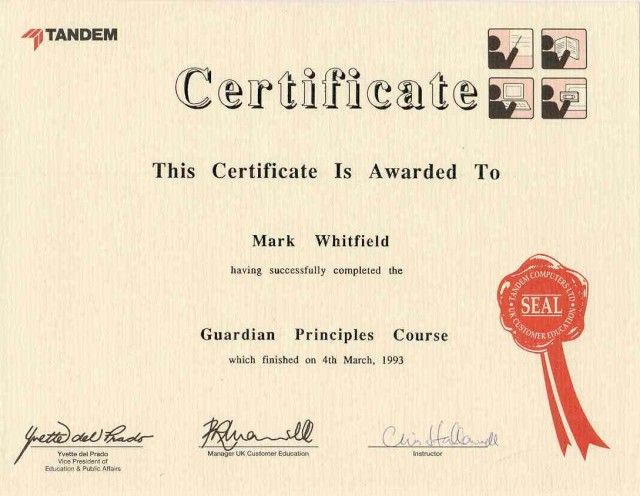
1995 – 2013 (Insider Technologies): Worked on Strategic Technical Initiatives and bank-facing projects on the HPE NonStop platform (Tandem) for products Reflex 80:20, Reflex ONE24, RTLX and XPERT24.
1990 – 1995 (The Software Partnership/Deluxe Data): Commenced career as a programmer specializing in electronic banking software on Tandem Computers (HPE NonStop), sp/ARCHITECT-BANK
Education:
1988 – 1990: Higher National Diploma (HND) in Computing, Distinction/Overall First, Bolton Institute of Higher Education (now University of Greater Manchester from 2024).
Mark Whitfield, SC Cleared Senior Project Manager, Manchester
WordPress has evolved from a niche blogging tool in 2003 into the dominant Content Management System (CMS), powering over 43% of all websites on the internet as of 2026. Its history is defined by consistent innovation, transitioning from simple blogging to a block-based full-site editing platform. This https://mark-whitfield.com website is WordPress.
This personal website has been built using WordPress
✨ The Eras of WordPress Evolution
2003–2004: The Birth (Fork of b2/cafelog): Started as a solution for a stalled project by Matt Mullenweg and Mike Little, focusing on typography and ease of use.
2005–2010: The Plugin & Theme Era: The introduction of plugins (1.2), themes (1.5), and the dashboard (2.0) turned it into a flexible platform rather than just a blog.
2011–2017: The CMS & Mobile Era: Focus on custom post types, multisite capabilities, responsive admin interfaces, and the REST API made it a true CMS.
2018–Present: The Gutenberg/Block Era: The shift from a classic editor to the block editor (Gutenberg) in version 5.0 (2018) revolutionized content creation toward “what you see is what you get” (WYSIWYG) site building.
📜 Detailed Historical Timeline by Era and Year
Phase 1: Foundations and Early Growth (2003–2007)
2003:WordPress 0.70 (May 27) is released, a fork of b2/cafelog.
2004:WordPress 1.0 (Davis) is released (Jan), adding search-engine-friendly permalinks. WordPress 1.2 (Mingus) (May) introduces the plugin architecture, enabling developers to extend functionality without modifying the core.
2005:WordPress 1.5 (Strayhorn) debuts the Theme system and static Pages. Version 2.0 (Duke) launches the first modern dashboard, image uploading, and faster editing.
2006: First WordCamp is organized. WordPress receives its official logo.
2007:Version 2.1 (Ella) introduces auto-save, spell check, and a cleaner UI. Version 2.3 (Dexter) adds native tagging support.
Phase 2: Expanding to a CMS (2008–2014)
2008:Version 2.5 (Brecker) launches a major dashboard redesign. Version 2.7 (Coltrane) streamlines the admin interface and adds automatic updates.
2009:Version 2.9 (Carmen) adds built-in image editing (crop/rotate) and global undo (trash functionality).
2010:Version 3.0 (Thelonious) is a landmark release, merging WordPress MU (Multisite) with the core, introducing Custom Post Types, and the first “Twenty Ten” default theme.
2011:Version 3.1 (Reinhardt) adds the Admin Bar and Post Formats. Version 3.3 (Sonny) focuses on tablet usability and drag-and-drop media uploads.
2012:Version 3.4 (Green) improves theme customization. Version 3.5 (Elvin) launches a simplified media manager.
2013:Version 3.7 (Basie) introduces automatic background updates for security. Version 3.8 (Parker) updates the admin design to be fully responsive.
2014:Version 4.0 (Benny) improves media management with grid views and better embed handling.
Phase 3: The Block Editor & Full Site Editing (2015–Present)
2015–2016:Versions 4.2–4.7 focus on Emoji support, the REST API (crucial for headless WordPress), and Custom CSS in the Live Preview.
2017:Version 4.9 (Tipton) introduces major improvements to the Customizer, including scheduling and draft capabilities.
2018:Version 5.0 (Bebo) launches, introducing the Gutenberg Block Editor as the default editor, replacing the TinyMCE classic editor.
2019–2020:Versions 5.1–5.6 polish the block editor. Version 5.5 adds lazy-loading images and native XML sitemaps.
2021:Version 5.8 (Tatum) introduces Block Widgets and the Template Editor, marking the beginning of Full Site Editing (FSE).
2022:Version 5.9 (Joséphine) debuts Twenty Twenty-Two, the first default block theme, allowing users to edit site-wide templates. Version 6.0 (Arturo) enhances styling and block-locking capabilities.
2023:Version 6.2 (Dolphy) brings the Site Editor out of beta and introduces a distraction-free mode. Version 6.4 introduces the Twenty Twenty-Four theme, designed to be highly versatile.
2024:Version 6.5 (Regina) adds a native Font Library and enhanced data views. Version 6.6/6.7 focus on performance, block binding APIs, and zoom-out previews.
2025–2026 (Projections/Recent): Continued emphasis on AI integration, faster page loads (averaging 3.4s, which is a key competitive challenge), and deeper WooCommerce integration.
📊 Key Insight Metrics (2026)
Web Usage: ~43.5% of all websites.
CMS Market Share: ~62.8% of the CMS market (9x the closest competitor, Shopify).
WooCommerce: Powers over 33% of all online stores.
Gutenberg Adoption: ~72% of WordPress sites use the Gutenberg block editor.
The platform continues to grow, with roughly 660 new WordPress sites created daily.
WordPress Overview and Detailed Timeline by Era and Year
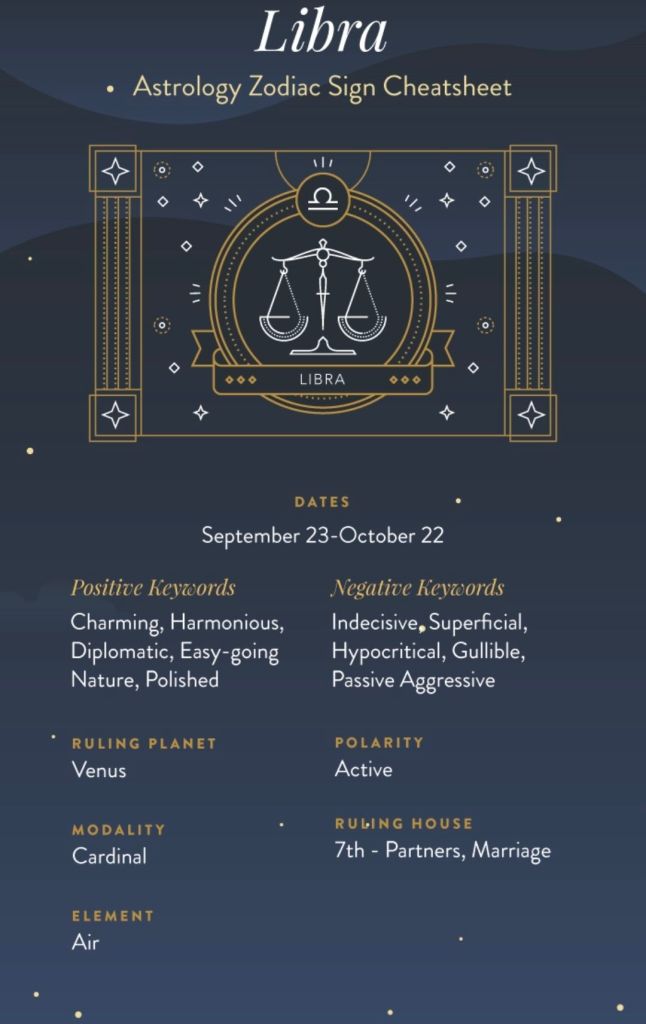
Libra is the seventh star sign of the zodiac, governing the period from approximately September 23 to October 22. As a cardinal air sign ruled by Venus, Libra is symbolized by the Scales, representing a deep commitment to balance, justice, and harmony.
7th Star Sign of the Zodiac, governing period from approximately Sept 23 to Oct 22
Full Insight: Personality and Traits
Core Characteristics: Libra is cooperative, diplomatic, gracious, and fair-minded, with a strong preference for partnership.
The “Scales” Energy: They are driven by a need for equilibrium in all aspects of life, particularly in relationships. They are the only sign represented by an inanimate object.
Strengths: Highly social, intellectual, charming, and adept at mediation.
Weaknesses: Indecisive, prone to avoiding conflict at all costs, and can hold grudges.
Interests: They value beauty, art, fashion, and intellectual conversation.
Detailed Historical Timeline
Ancient Beginnings (Sumerian & Roman Times): The constellation was originally seen by Sumerians as Zib-ba An-na (“balance of heaven”). Roman astronomers developed the sign in the first century BCE, identifying the scales as the ones held by the goddess of justice.
Astronomical Origins: It was previously considered part of Scorpius, which is why the brightest stars, Zubeneschamali and Zubenelgenubi, translate to “northern claw” and “southern claw”.
Medieval Representation: In the 14th-15th centuries, Libra was heavily featured in European manuscripts (e.g., Book of Hours) and utilized in royal courts for horoscope readings.
1995-1997: The North Node was in Libra, bringing a period of focus on creating new partnerships, fairness, and a shift in social structures.
2018–April 2026: Uranus was in Taurus, acting in Libra’s eighth house, bringing significant shifts, sudden changes, and, in some cases, upheavals regarding money, investments, and deep partnerships.
Current Timeline: 2025-2026
October 2024–April 2025: A six-month cycle began with a new moon solar eclipse in Libra (October 2). This cycle forced a re-evaluation of personal identity, relationships, and how Libras “show up” in partnerships.
March 29, 2026: A new moon solar eclipse in Aries begins a new six-month cycle of relationship changes, acting as a “golden buzzer” moment for growth.
April 2, 2026: A Full Moon in Libra occurred, bringing awareness to the balance between personal needs and partnership demands.
End of April 2026: Uranus moves into Gemini, beginning a 7-year journey in Libra’s 9th house, sparking a shift toward expanding horizons, learning, and fresh mental landscapes.
Key 2026 Themes for Libra
Relationship Recalibration: Balancing personal independence with partnership needs is the main focus, influenced by the Aries/Libra eclipse axis.
The “Golden Buzzer” Era: Early April 2026 is a high-frequency, lucky period due to a stellium in Aries (Sun) and Venus in Taurus, promoting major life-changing opportunities.
Shifting Focus: The focus moves from intense financial or deep psychological change (Uranus in 8th) to intellectual and expansive growth (Uranus in 9th).