Global state awards are divided into military decorations and civilian honors

Global state awards are divided into military decorations (for combat gallantry) and civilian honors (for exceptional public service or achievements). While countries do not share a single ranking scale, the US Congressional Medal of Honor, the UK Victoria Cross, and France’s Legion of Honour represent the pinnacle of global prestige.

Top Military Awards (For Gallantry)

Military medals awarded for bravery “in the face of the enemy” are universally regarded as the hardest to earn, with many given posthumously.

  • The Victoria Cross (VC) [UK & Commonwealth]: Widely considered the most prestigious and difficult military medal to receive globally, primarily due to exceptionally stringent requirements. Since the end of World War II, only 15 have been awarded.
The Victoria Cross (VC) [UK & Commonwealth]: Widely considered the most prestigious and difficult military medal to receive globally
  • The Medal of Honor [USA]: Also known as the Congressional Medal of Honor, this is the highest military decoration awarded by the United States. It is presented by the U.S. President in the name of Congress for conspicuous gallantry and intrepidity at the risk of life above and beyond the call of duty.
The Medal of Honor [USA]: Also known as the Congressional Medal of Honor, this is the highest military decoration awarded by the United States
  • Param Vir Chakra (PVC) [India]: India’s highest wartime military decoration, equivalent to the Medal of Honor, awarded for the most conspicuous bravery or some daring or pre-eminent act of valour or self-sacrifice in the presence of the enemy.
Param Vir Chakra (PVC) [India]: India’s highest wartime military decoration, equivalent to the Medal of Honor
  • Nishan-e-Haider [Pakistan]: The highest military award in Pakistan, which takes precedence over all other civil and military awards, exclusively given for acts of extraordinary heroism in battle.
Nishan-e-Haider [Pakistan]: The highest military award in Pakistan
Nishan-e-Haider: The highest military award in Pakistan

Top Civilian Awards & Orders of Merit

Civilian honors typically recognise lifelong public service, lifetime achievement, or national contribution.

  • Legion of Honour (Légion d’honneur) [France]: Established by Napoleon Bonaparte in 1802, it is France’s highest order of merit, recognizing eminent civil or military conduct. It can be awarded to both French citizens and foreigners.
Legion of Honour (Légion d'honneur) [France]
Legion of Honour (Légion d’honneur) [France]
  • Presidential Medal of Freedom [USA]: Along with the Congressional Gold Medal, this is the highest civilian award in the United States, recognizing exceptional contributions to the security, national interests, or culture of the U.S..
Presidential Medal of Freedom [USA]: Along with the Congressional Gold Medal
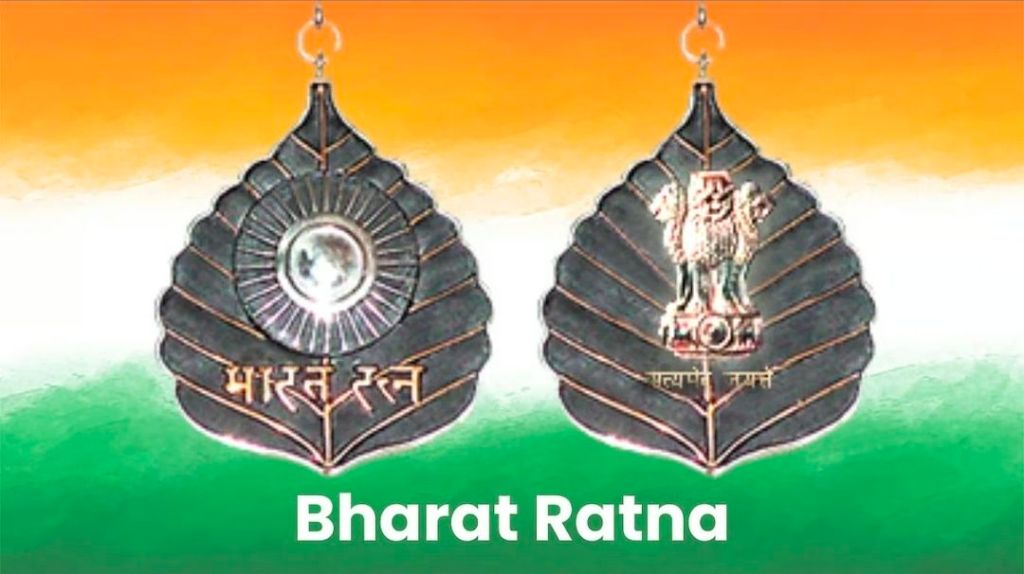
  • Bharat Ratna [India]: The highest civilian award of the Republic of India, conferred in recognition of exceptional service or performance of the highest order.
Bharat Ratna [India]
  • The Order of Merit [UK]: A highly exclusive, prestigious order restricted to just 24 living members, personally bestowed by the British Sovereign to individuals who have rendered exceptionally meritorious service in the arts, learning, science, and military.
The Order of Merit [UK]
  • Order of the Golden Eagle [Kazakhstan]: Noted as one of the most exclusive and dazzling awards globally, it is decorated with gold and diamonds and is typically reserved for heads of state.
Order of the Golden Eagle [Kazakhstan]

Academic and Global Scientific Honours

Outside of state honors, global academic and humanitarian achievement uses a different tier of prestige:

  • The Nobel Prize: Generally considered the pinnacle of global achievement in Physics, Chemistry, Physiology or Medicine, Literature, and Peace.
The Nobel Prize: Generally considered the pinnacle of global achievement
  • The Order of the Republic [China]: The highest state honorary title, recognizing individuals who have made outstanding contributions to the socialist modernization and peace of China.
The Order of the Republic [China]: The highest state honorary title

Global state awards are divided into military decorations and civilian honors

PRINCE2 Overview and Evolution Timeline by year

PRINCE2 (Projects IN Controlled Environments) is a globally recognized, process-driven project management methodology. It provides a structured, scalable approach to manage projects from start to finish. It is built on 7 core principles, 7 themes, and 7 step-by-step processes.

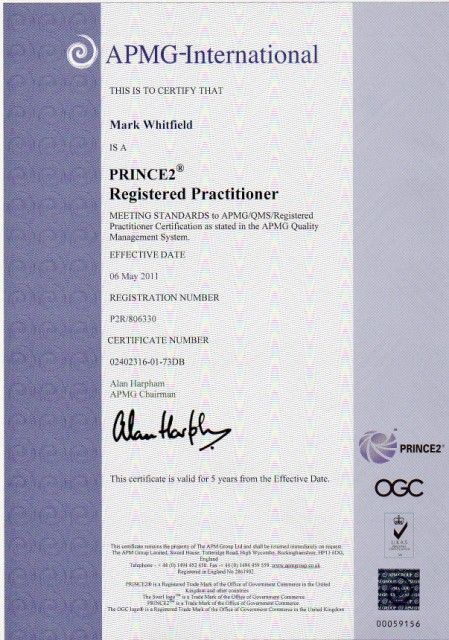
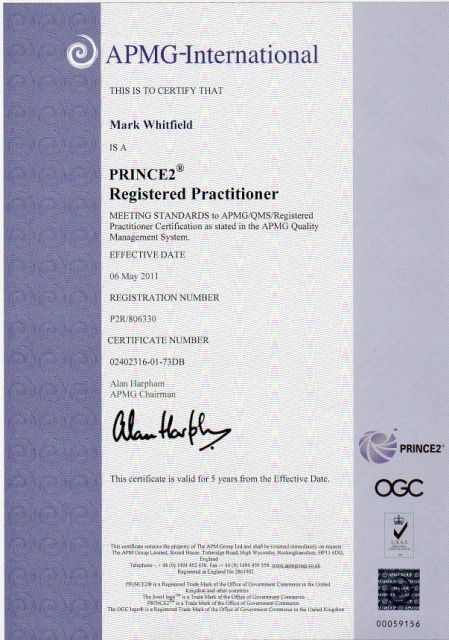
May 2011 – Mark Whitfield, Registered PRINCE2 Practitioner with ILX
May 2011 – Registered PRINCE2 Practitioner with ILX

The 7 Pillars of PRINCE2

To truly grasp PRINCE2, you should be familiar with its three core elements:

  • 7 Principles: Continued business justification, learn from experience, defined roles and responsibilities, manage by stages, manage by exception, focus on products, and tailor to suit the project environment.
  • 7 Themes: Business Case, Organization, Quality, Plans, Risk, Change, and Progress.
  • 7 Processes: Starting Up, Directing, Initiating, Controlling a Stage, Managing Product Delivery, Managing a Stage Boundary, and Closing a Project.
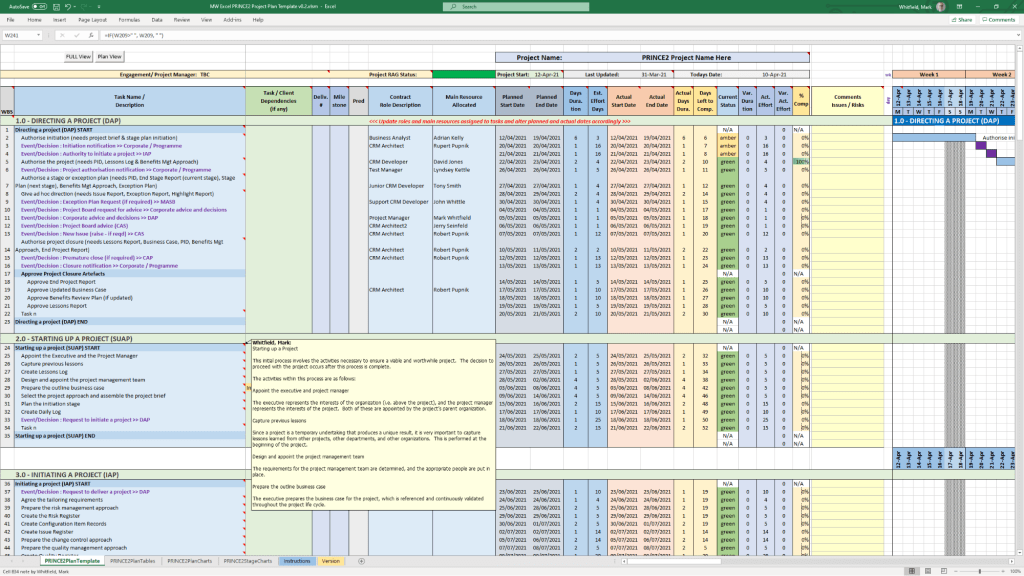
Example MS Excel PRINCE2 template (available on this website)

Detailed Timeline Breakdown by Year

The evolution of PRINCE2 spans over 50 years, transitioning from an internal UK IT standard into a global, flexible methodology.

  • Mid-1970s: Simpact Systems Limited creates the PROMPT methodology (Project, Resource, Organization, Management, and Planning Technique).
  • Early 1980s: The Central Computer and Telecommunications Agency (CCTA) in the UK licenses PROMPT to manage complex IT overruns.
  • 1989: CCTA enhances the PROMPT method, renames it to PRINCE (PROMPT in the CCTA Environment), and mandates it for UK IT projects.
  • 1990: PRINCE is released into the public domain and experiences widespread private and public sector adoption.
  • 1996: The UK Cabinet Office officially publishes PRINCE2 and its global certifications. The acronym is updated to PRojects IN Controlled Environments and adapted to fit any industry or project type (not just IT).
  • 2000: Ownership transfers to the newly formed Office of Government Commerce (OGC) in the UK.
  • 2002/2005: Manual structure undergoes major revisions to strengthen the methodology’s “product-based planning” approach.
  • 2009: A massive “Refresh” is released. This update simplifies the framework, introduces the foundational 7 principles, and significantly improves customization.
  • 2013: Ownership transitions to AXELOS Ltd, a joint venture between the UK Government and Capita.
  • 2017: AXELOS publishes the PRINCE2 2017 Update (later designated the 6th Edition). This update places heavy focus on tailoring the method to project scale, flexibility, and practical execution.
  • 2018: PRINCE2 Agile is launched, combining the traditional, controlled PRINCE2 governance model with agile delivery methods.
  • 2021: PeopleCert, a global examination provider, acquires AXELOS and takes full ownership of the PRINCE2 methodology.
  • 2023–Present: PeopleCert releases the PRINCE2 7th Edition, which brings modernizations, digital improvements, and greater sustainability tracking, branding the framework simply as “PRINCE2 Project Management”.

To explore the latest resources, certification paths, or officially recognized guides, you can visit the PRINCE2 Official Website or the community-driven PRINCE2 Wiki.

PRINCE2 Overview and Evolution Timeline by year

Action Man Soldier by parity, with gripping hands, 1970s – used to have one 😀

Action Man Soldier by parity, with gripping hands, 1970s

The Action Man Soldier with Gripping Hands is a legendary 12-inch military action figure produced in the UK by Palitoy under license from Hasbro. First introduced in 1973, this milestone version of the classic Action Soldier replaced the previous “hard hand” iterations with a new, soft plastic compound designed to realistically hold rifles, pistols, and equipment.

Era & Key Innovations

  • 1973 Debut: Palitoy launched the updated figure in a freshly illustrated box featuring the text “Now with Gripping Hands”.
  • Flock Hair: This era retained the realistic fuzzy blonde, brown, or auburn flock hair originally introduced in 1970.
  • Signature Details: The figure featured Action Man’s distinctive square jaw and the iconic copyrighted battle scar on the right cheek.
  • Body Construction: Built using the standard 1960s/70s articulation setup featuring internal elastic stringing, crimped metal eyelets, and metal rivets.

Equipment & Box Variations

The standard 1973 Action Man Soldier package underwent several production tweaks throughout the mid-1970s:

  • The 1973 Box: Early printings mistakenly listed “Gaitors” in the contents list on the packaging, though they were not actually included in the box.
  • The 1975 Update: Palitoy corrected the box text to remove the mention of gaiters, updated the artwork, and added a revised “made in Hong Kong” manufacturing credit.
  • Standard Gear: The standard uniform typically included olive green army denim fatigues (jacket and trousers), a flat black plastic beret, tall brown boots with dished soles, a life-size replica dog tag, and an Army Manual.

Collector’s Note on Condition

When seeking a vintage 1970s figure on marketplaces like eBay, pay close attention to the hands. The early 1973 flexible hand compound (often made of Kraton) is notoriously prone to perishing over time. It is highly common to find vintage figures where the hands have turned dark orange, gone completely hard, become brittle, or disintegrated entirely. Intact, supple original hands significantly drive up the figure’s valuation.

sp/ARCHITECT was a pioneering electronic banking & funds-transfer software suite

sp/ARCHITECT was a pioneering electronic banking and funds-transfer software suite. Originally built by the UK-based Software Partnership (TSP), it ran natively on fault-tolerant Tandem (now HPE NonStop) systems. It provided highly available transaction routing and real-time electronic book-keeping for major international financial institutions.

Detailed Timeline by Era and Year

1. The Genesis & Independent Era (Mid-1980s – 1989)

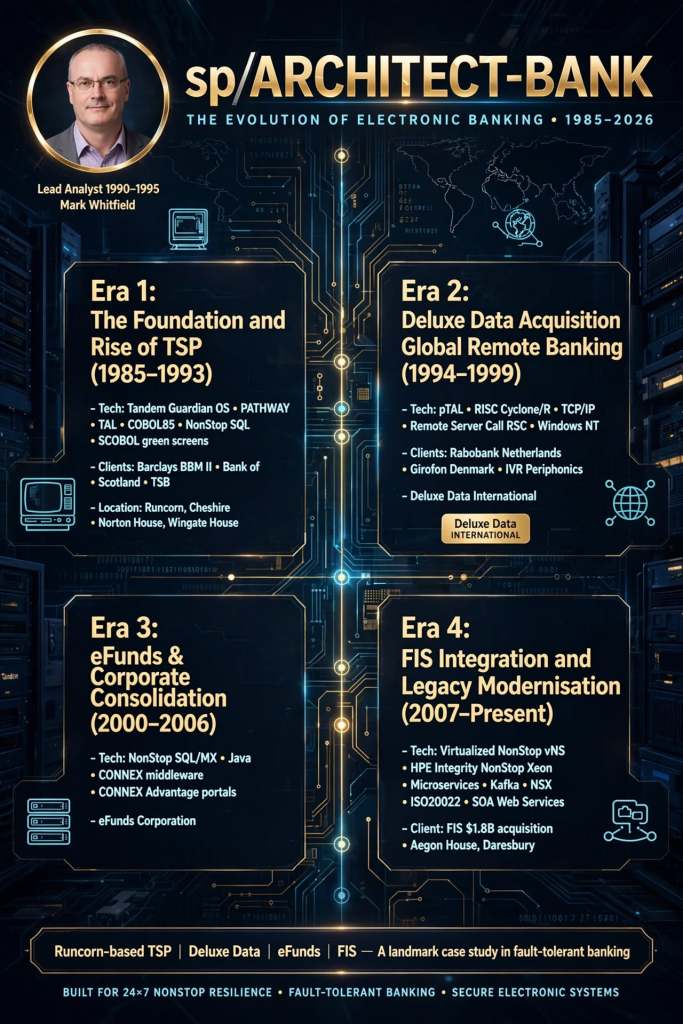
  • Mid-1980s: The Software Partnership (TSP) is co-founded in Timperley, UK. Development begins on sp/ARCHITECT, designed with a client-server architecture.
  • 1986: Tandem launches NonStop SQL, providing the underlying high-availability relational database foundation that sp/ARCHITECT relied upon to ensure absolute data integrity for banks.

2. Mainstream Banking Adoption Era (1990 – 1994)

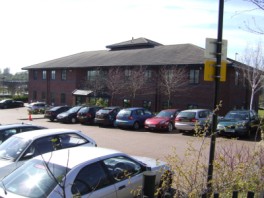
  • 1990: TSP relocates to Norton House in Runcorn, UK. sp/ARCHITECT achieves production deployment and is widely utilized for inter-account transfers and book-keeping by major banks like TSB and Bank of Scotland.
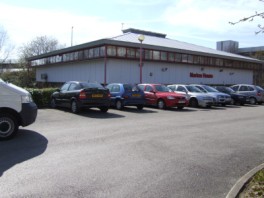
  • 1992: Due to rapid expansion, the Runcorn operations relocate to Wingate House.
  • 1994: Deluxe Electronic Payment Systems (a subsidiary of Deluxe Corporation) acquires TSP to expand its global electronic funds transfer (EFT) footprint. The platform is globally marketed and supported, expanding to clients like Rabobank.
1990: TSP relocates to Norton House in Runcorn
1992: Due to rapid expansion, the Runcorn operations relocate to Wingate House.

3. Global Expansion & Compaq Transition Era (1995 – 2005)

  • 1995 – 1997: The Runcorn-based team (operating as Deluxe Data) codes additional regional adaptations of sp/ARCHITECT for banks worldwide (e.g., Girofon in Denmark).
  • 1997: Compaq acquires Tandem Computers, placing sp/ARCHITECT on Compaq’s enterprise roadmap.
  • 2002: Hewlett-Packard (HP) acquires Compaq, absorbing the Tandem platform into the HP Integrity server line. The application undergoes adaptation to integrate modern Windows-based management systems (like DSM/NOW).

4. The HPE Modernization & Hybrid Era (2014 – 2026)

  • 2014: HPE (Hewlett Packard Enterprise) is formed, spinning off from HP. NonStop shifts to Intel x86-64 architecture (NonStop X), requiring sp/ARCHITECT and related Tandem subsystems (like Pathway, COBOL, and TAL) to modernize for TNS/X processing.
  • 2020: Legacy Itanium-based environments are phased out. sp/ARCHITECT systems, if still active, are migrated to virtualized NonStop (vNS) and operated within private cloud infrastructures.
  • 2025/2026: HPE NonStop celebrates its 50th Anniversary. Applications originally designed on the sp/ARCHITECT schema are heavily evaluated for AI integration, continuous cyber resilience, and consumption-based models like HPE GreenLake.

HPE Nonstop Technology Architecture – specialized, 100% fault-tolerant infrastructure

The official HPE Nonstop Technology Architecture is a specialized, 100% fault-tolerant infrastructure built with a tightly integrated hardware and software stack designed to eliminate any single point of failure. Formal instruction and architectural frameworks have been modernized under the newly relaunched HPE Nonstop Compute Training Portfolio curriculum.

Originally developed by Tandem Computers in 1976, the platform eventually became part of Hewlett Packard Enterprise (HPE). Unlike standard servers that can crash due to a single component failure, NonStop uses a tightly integrated, “shared-nothing” architecture to ensure that if a hardware or software component fails, another instantly takes over with zero downtime or data loss.

Core Architectural Features

To understand how HPE NonStop works, you need to understand its unique design principles:

  • Shared-Nothing Architecture: Every processor has its own dedicated memory, I/O channels, and copy of the operating system. No single component is shared, eliminating any single point of failure.
  • Process Pairs: Applications run using a primary process and a backup process on a different processor. The primary process constantly copies its state to the backup. If the primary fails, the backup immediately takes over.
  • Massive Scalability: Systems can scale up seamlessly from small distributed environments to massive clusters containing up to 24,000 processor cores without interrupting running operations.
  • Hardware Platform: The modern software environment runs on industry-standard x86 architectures, available as physical server racks (like the HPE NonStop NS9 X5) or as virtualized instances in hybrid cloud environments.

Dual Operating Environments

HPE NonStop runs a specialized operating system called NonStop OS. Inside this OS, developers and administrators interact with two distinct environments:

  • Guardian Environment: The native, proprietary environment optimized for high-volume Online Transaction Processing (OLTP). It handles tasks sequentially through process-oriented manually-started jobs rather than traditional automated queues.
  • Open System Services (OSS): A UNIX-like, POSIX-compliant environment built on top of the NonStop kernel. This allows organizations to run standard open-source applications, tools, and scripts natively alongside Guardian.

Ecosystem and Use Cases

HPE NonStop is rarely used for standard office automation or basic web hosting. Instead, it serves as the backbone for global industries where an hour of downtime could cost millions of dollars:

  • Financial Transactions: Powers global stock exchanges, automated teller machines (ATMs), and retail point-of-sale credit card processing, eg. BASE24.
  • Travel and Logistics: Runs critical airline reservation systems and real-time cargo routing infrastructure.
  • Database Management: Features its own highly secure, distributed database engine called NonStop SQL, which guarantees absolute data integrity across all transactions.
  • Modern Development: Supports traditional languages like COBOL85 and ANSI C, alongside modern DevOps integrations like Git, Ansible, and Eclipse-based IDE environments.

If you plan to work directly with these systems, you can explore formal pathways like the Concepts and Facilities for HPE NonStop Systems course provided by HPE Education Services.


Core Architectural Layers (Diagram Blueprint)

An architectural blueprint of an HPE NonStop environment typically separates the layout into three core interdependent layers:

  • Hardware & Fabric Layer: Consists of independent, loosely-coupled Processor Nodes (handling up to 24,000 cores globally) connected via an ultra-fast InfiniBand or ServerNet system fabric backbone.
  • I/O & Subsystem Layer: Utilizes Cluster I/O Protocols (CLIMs), splitting tasks between Storage CLIMs (SCLIMs) and Network CLIMs (NCLIMs) to isolate external communication from main processing.
  • Operating System & DB Layer: Runs the NonStop OS, which simultaneously manages the traditional Guardian environment, Open System Services (OSS) for UNIX/Linux paradigms, and the NonStop SQL distributed database engine.

Recommended Architecture Training Curriculum

HPE organizes its technical blueprints into structured educational paths for engineers.

1. Foundational Blueprint Concepts

  • Course Code: U4147S (HPE Nonstop Compute System Fundamentals).
  • Focus: Delivers a top-down view of system goals, transaction processing, and fundamental architecture.
  • Key Modules: Explores Guardian vs OSS, Pathway application management, and basic database interaction.

2. System Operations & Administration

  • Course Code: H1SC3S (HPE Nonstop Compute System Administration I).
  • Focus: Maps physical and virtual components to real-world deployment.
  • Key Modules: Covers Processor Nodes, configuring SCLIMs/NCLIMs, and hands-on fault-scenario testing.

3. Low-Level OS Internals

  • Course Code: U8609S (HPE Integrity Nonstop Operating System Architecture).
  • Focus: Deep dive into runtime architecture, process control, and memory allocation.
  • Key Modules: Focuses on Inter-process Message Systems, synchronization mechanisms, and system debugging.

Training Delivery Options

Enrolling via HPE Education Services grants access to various professional development features:

  • HPE vLabs: Direct sandbox access to practice configuration and live fault injection inside virtual environments.
  • Digital Learner Credits: Flexible licensing options to assign corporate learning units across teams.
  • Modernized Tracks: Courses have been fully overhauled to support contemporary cloud paradigms and hybrid integration via HPE GreenLake frameworks.

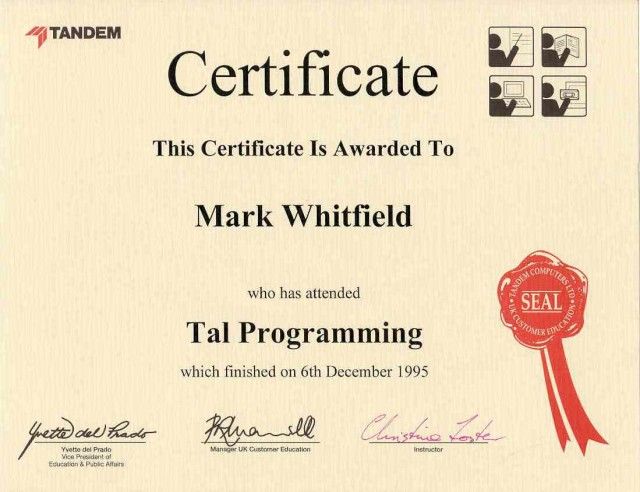
My HPE NonStop (Tandem Computers) Certificates :

HPE NonStop (Tandem) Career Experience at Insider Technologies Limited, ITL
BASE24 eps monitoring

Mark Whitfield, High-Level Project Management Summary

You can review or download the targeted, one-page CV for Mark Whitfield (Senior Project Manager specializing in HPE NonStop systems) via the Mark Whitfield CV PDF link.

Mark Whitfield, High-Level Project Management Summary

The high-level, scannable overview of his professional profile is outlined below:

Executive Profile

  • Role: IT Senior Project Manager / Delivery Lead
  • Background: 30+ years of experience delivering highly complex technology, business transformation, and infrastructure projects.
  • Core Skills: Cloud migration (hybrid), legacy ATM software modernisation, Point of Sale (POS) implementations, and software development lifecycles (SDLC).
  • Methodologies: Agile, Waterfall, PRINCE2 Practitioner, and ITIL certified.

Core Expertise & Competencies

  • HP NonStop & Legacy Integration: Deep technical roots in Tandem Computers/ HPE NonStop development, TAL programming, and high-volume transaction environments.
  • Global Delivery: Managed large-scale IT and system monitoring rollouts across the UK and international markets (e.g., Saudi Arabia).
  • Stakeholder Management: Experienced in bridging the gap between highly technical development teams and high-level business stakeholders.

For direct access to his official templates, articles, and full professional journey, you can visit the PROject Templates Website.

Mark Whitfield IT Project Manager, Brief Summary

Mark Whitfield is a highly experienced, SC-cleared Senior Project Manager and IT professional with over 31 years of experience in both public and private sectors, specializing in software development, cloud migration, and IT systems delivery.

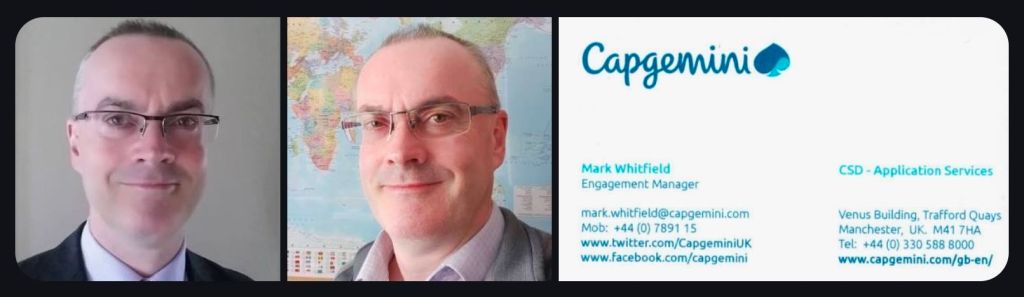
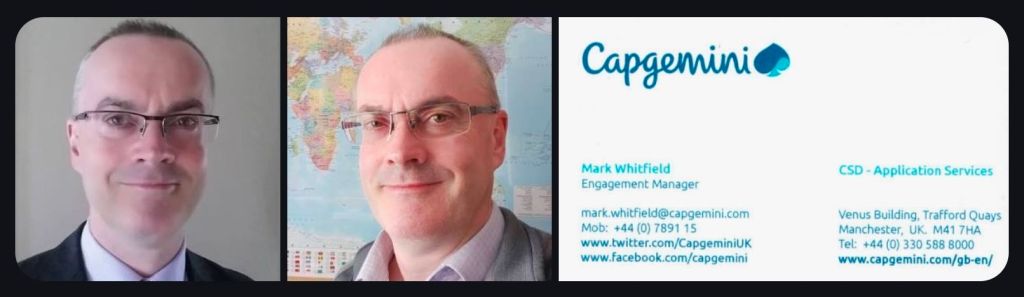
He is currently associated with Capgemini (since 2016) and runs a project management resource website, PROject Templates.

Joined Capgemini in 2016 having worked at ascending points in software development lifecycle projects for over 31 years

Key Qualifications & Experience:

  • Roles: Senior Project Manager, Engagement Project Manager, Delivery Manager, and former programmer.
  • Methodologies: PRINCE2 Practitioner, skilled in both Waterfall and Agile (SCRUM) approaches.
  • Sector Experience: Extensive experience in finance and banking, including ATM software swap-outs, cloud migration (Azure, AWS, Power Platform), and POS monitoring systems.
  • Background: Graduated in Computing in 1990; worked as a developer (COBOL, SQL, Tandem / HPE NonStop) before transitioning to project management.
PRINCE2 Practitioner, skilled in both Waterfall and Agile (SCRUM) approaches

Professional Highlights:

  • Delivered major projects for clients such as Barclays, Bank of England, HSBC, Royal Mail Group, UK & Welsh Government, Heathrow, and Jaguar Land Rover.
  • Led complex IT infrastructure projects and business transformations.
  • Maintains mark-whitfield.com, offering over 200 project management templates, trackers (RAID, budget, benefit, cost etc.), and many plans for Agile / Waterfall projects including 30+ Plan On a Page (POaP) and MS Project MPP examples (click on Blog above for a summary).
  • Provides specialized templates for PRINCE2 7th edition and MS Project (MPP).
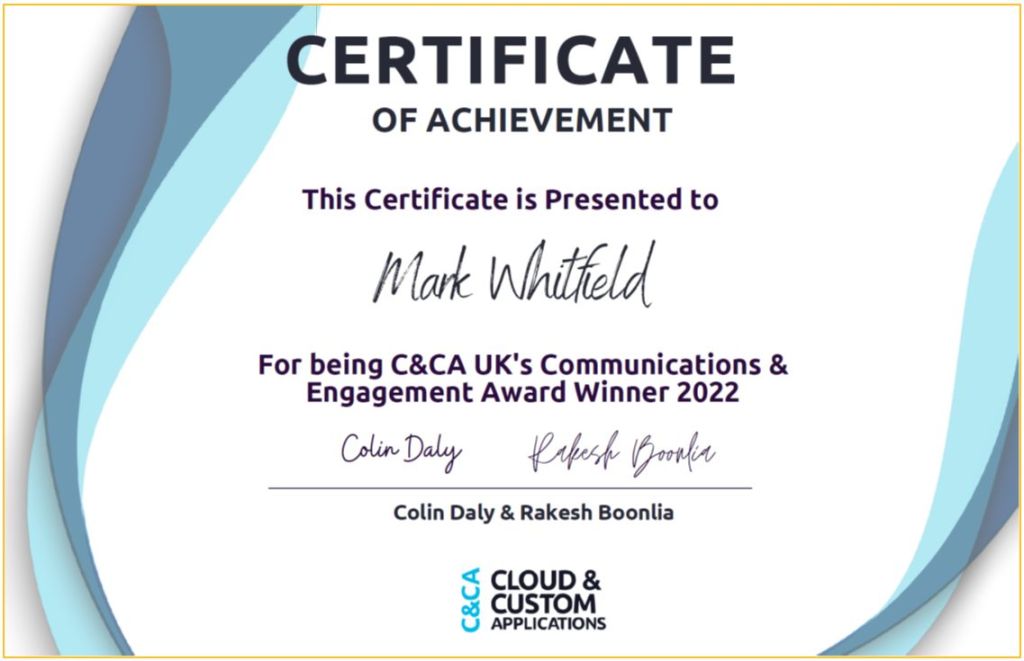
December 2022 – C&CA UK’s Communications & Engagement Award Winner – Cloud & Custom Applications – Capgemini UK
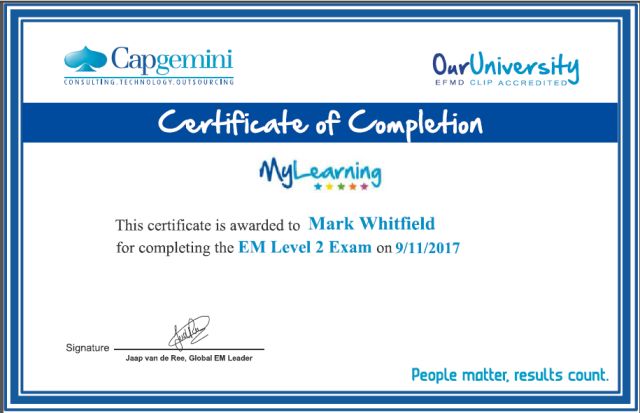
November 2017 – Advanced Engagement Management Course – Level 2 Exam
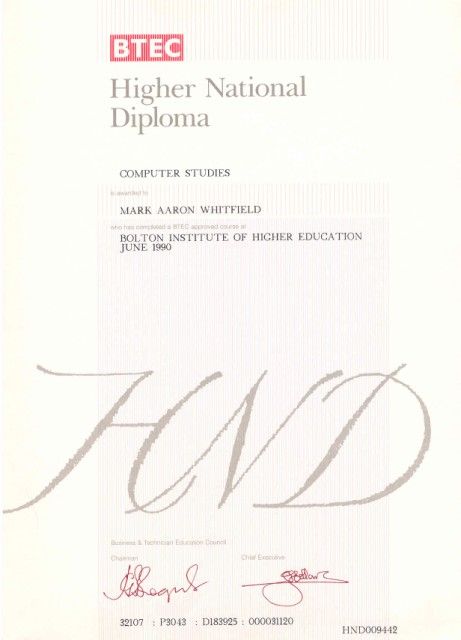
June 1990 – Higher National Diploma in Computer Studies (DISTINCTION – overall top) – BIHE
June 1990 – Higher National Diploma in Computer Studies, Distinction

Read more…

Mark Whitfield, SC Cleared Senior Project Manager, Manchester

Mark Whitfield is a highly experienced, SC-cleared Senior Project Manager and Engagement Manager specializing in complex IT software development lifecycle (SDLC) projects, digital transformation, and cloud migrations.

Currently based in Greater Manchester, UK, he has over 31 years of experience in the IT industry, working with major blue-chip companies across various sectors, including UK Government, retail banking, aerospace, and utilities.

He is a certified PRINCE2 Practitioner, skilled in both Agile SCRUM and Waterfall methodologies.

Website Links:

Professional Biography:

Mark specializes in bridging technical teams and business stakeholders, delivering complex IT systems under challenging conditions.

His career spans from early roles as a developer on Tandem Mainframe Computers (HPE NonStop) to senior management positions focusing on cloud resources, API integrations, and CRM platform implementations.

  • Key Skills: Project Planning, Stakeholder Management, Financial Forecasting, Risk Management (RAID), Agile Scrum, PRINCE2, ITIL.
  • Key Strengths: Cloud Migration (Azure/Dynamics 365), Payment Systems (ATM/POS), and API-led connectivity.

Detailed Career Timeline:

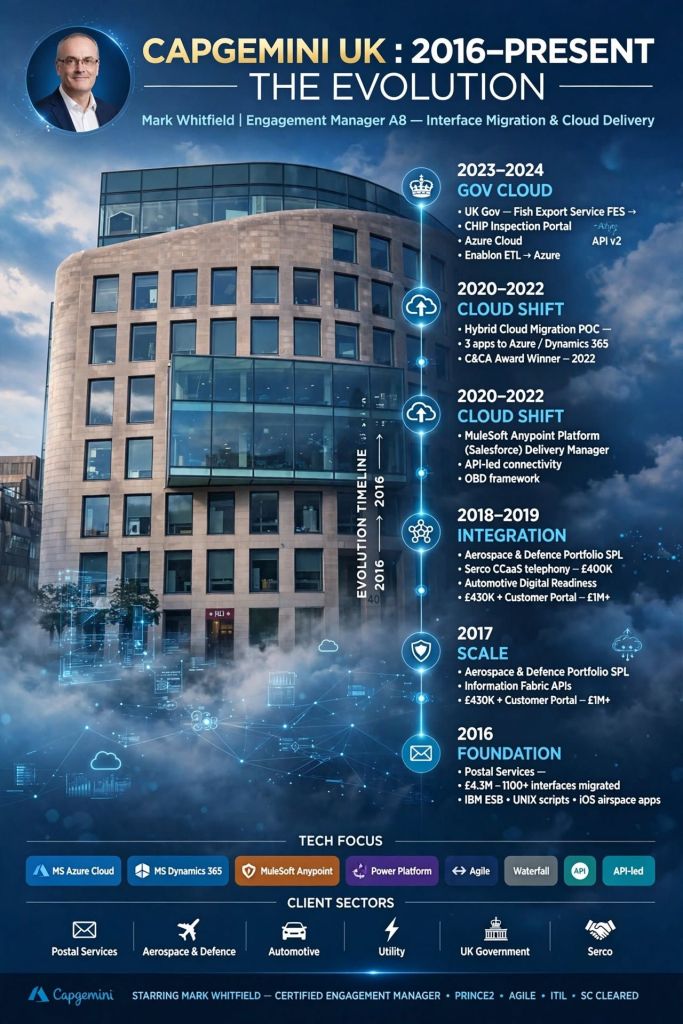
  • Nov 2023 – Feb 2024 (UK Government – Capgemini): Acted as Client-Side Technical Delivery Manager for a £1m+ Fish Export Service (FES) to CHIP project, facilitating Azure-based API updates for UK-Northern Ireland trade.
  • Nov 2022 (UK Government – Capgemini): Managed two Microsoft Dynamics 365 Azure Cloud projects, including a £0.4m Dynamics 2016 migration and a £0.54m CRM platform discovery/build.
  • Feb 2022 (UK Utility Industry – Capgemini): Managed a £0.5M project migrating legacy document management systems to an Azure-based Enablon product.
  • 2020 (UK Gov – Capgemini): Senior PM for a £375k Agile proof-of-concept (POC) project migrating legacy applications (MS Access/Oracle) to Microsoft Azure and Dynamics 365.
  • Oct 2018 – June 2019 (MuleSoft): Served as Delivery Manager overseeing 5+ UK accounts for MuleSoft Anypoint Platform (API-led connectivity) implementations.
  • Oct 2017 (Automotive Industry – Capgemini): Managed a £430k Digital Readiness project and a £670k Customer Portal/Online Sales project (Agile).
  • May 2017 (Local Govt – Capgemini): Led a £400k telecommunications project (CCaaS) for the Support for Mortgage Interest (SMI) program.
  • Jan 2017 (Aerospace/Def – Capgemini): Senior Project Lead for two £1.3M projects with high-governance and gated deliverables.
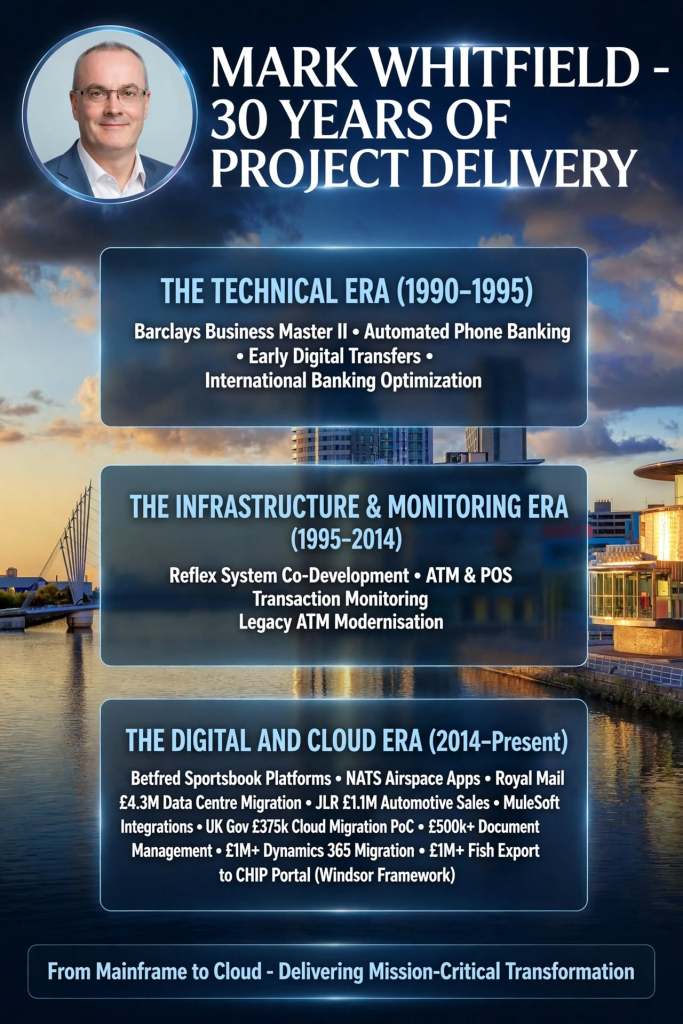
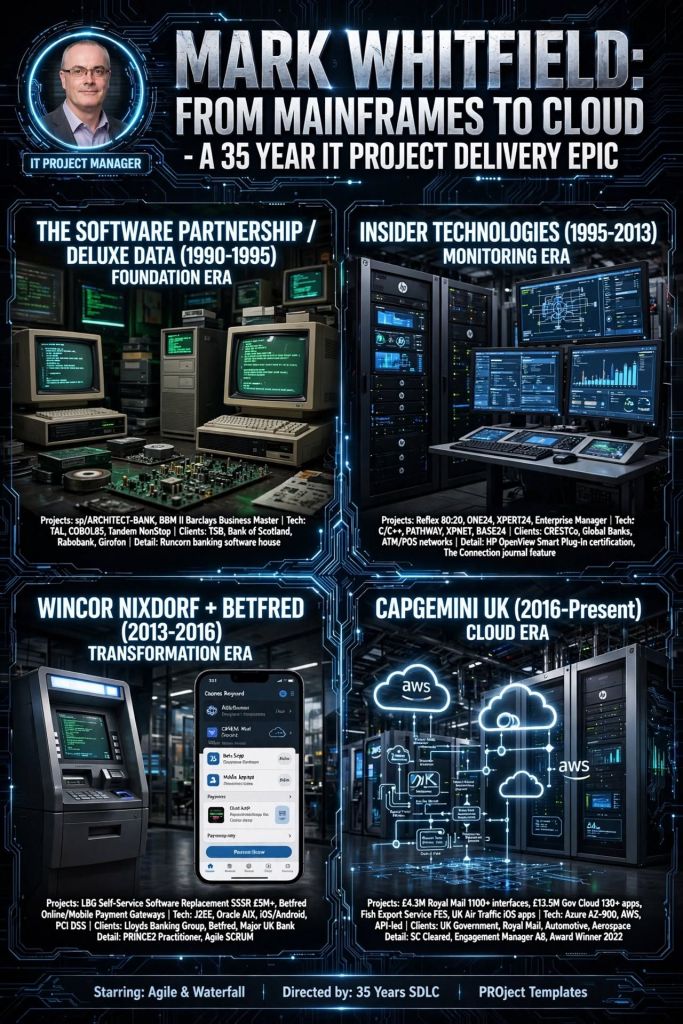
  • Jan 2016 – Present (Capgemini UK): Joined as an Engagement Manager (A8), working on projects including Apple iOS app development for UK Air Traffic (NATS) and a £4.3M data center migration for Postal Services.
  • Dec 2014 – Jan 2016 (Betfred Limited): IT Senior Digital Project Manager for online/mobile payment gateways and sports book platforms.
  • Sep 2013 – Dec 2014 (Wincor Nixdorf): Senior Project Manager for a £5+ million ATM/POS software swap-out at a UK retail bank.
  • 2013 (Retail Banking – Riyadh): Delivered an RTLX transaction tracking project (BASE24 Classic) at a Saudi Arabian bank.
  • 1995 – 2013 (Insider Technologies): Worked on Strategic Technical Initiatives and bank-facing projects on the HPE NonStop platform (Tandem) for products Reflex 80:20, Reflex ONE24, RTLX and XPERT24.
  • 1990 – 1995 (The Software Partnership/Deluxe Data): Commenced career as a programmer specializing in electronic banking software on Tandem Computers (HPE NonStop), sp/ARCHITECT-BANK

Education:

  • 1988 – 1990: Higher National Diploma (HND) in Computing, Distinction/Overall First, Bolton Institute of Higher Education (now University of Greater Manchester from 2024).

Mark Whitfield, SC Cleared Senior Project Manager, Manchester