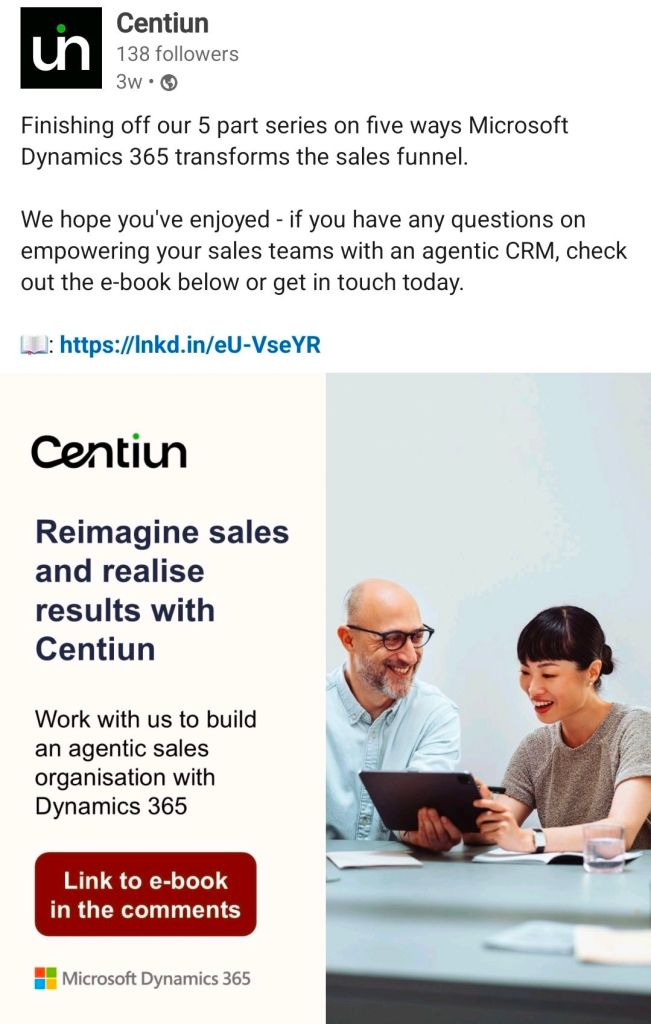
Centiun, Ebook Microsoft Dynamics 365 Agentic Sales PDF

Centiun, Ebook Microsoft Dynamics 365 Agentic Sales PDF

Click to access Ebook-Dynamics-365-Agentic-Sales.pdf

Centiun Overview and Current Timeline

Centiun is a British IT services consultancy and Microsoft Solutions Partner that focuses on digital transformation through the Microsoft Cloud. The company specialises in Microsoft Dynamics 365Power Platform, and Microsoft 365, providing services ranging from CRM transformation and business process automation to AI-enabled innovation. Centiun positions itself as a “SME” partner, offering a more personalised service compared to larger competitors. 

Company Overview

  • Business Model: Expert consultancy, solution architecture, implementation, and managed services for public and private sector organisations.
  • Key Focus Areas:
    • Modernisation: Moving legacy on-premise systems to the cloud and updating out-of-support applications.
    • AI Integration: Identifying and implementing AI-driven solutions (like Microsoft Copilot) to improve workflow efficiency.
    • Governance: Setting up secure frameworks for low-code/no-code development (Power Apps) to ensure compliance and security.
  • Partnership Status: Official Microsoft AI Cloud Partner

Company Timeline (Monthly Expansion)

The following timeline tracks Centiun’s recent growth and strategic milestones, particularly throughout 2025 and 2026.

2025

  • October:
    • Incorporation: Centiun Limited was officially incorporated as a private limited company on 30 October 2025.
  • November:
    • Government Appointment: On 16 November 2025, Centiun was appointed as a supplier for the Crown Commercial Service (CCS), a major milestone enabling the firm to provide services to the UK public sector.
  • December:
    • AI Community Engagement: On 10 December 2025, the company published its “Microsoft Ignite 2025 Wrapped” report, detailing its focus on deep AI integration.
    • Strategic Partnership: On 29 December 2025, Centiun announced a new partnership with Pax8, a leading cloud marketplace provider, to expand its service delivery capabilities. 

2026

  • January:
  • February:
  • October (Projected/Planned):
    • Reporting Milestone: The company’s first confirmation statement is due by 29 October 2026.
    • Fiscal Year End: The first set of accounts will be made up to 31 October 2026

How to Run User Acceptance Testing UAT as a Business Analyst

How to Run User Acceptance Testing UAT as a Business Analyst

Henry Ford Mastered Leadership in 8 Ways

Henry Ford Mastered Leadership in 8 Ways

Building a Product on Paper and in Reality

Building a Product on Paper and in Reality

Project Management LinkedIn Group

Project Management LinkedIn Group

https://www.linkedin.com/groups/163300

Project Management Café, PRINCE2 Agile SCRUM Kanban MPP MSP Templates ITIL LEAN DevOps PMP Six Sigma

This is a Project Management Group Café for PM students, graduates and professionals looking to either locate, discuss or contribute ideas for PM templates for; Agile, Scrum, Kanban, PRINCE2 Waterfall projects, e.g. Plan on a Page (POaP), RACI, MPP, RAID logs, finance trackers, status reports, org charts etc. etc.

Project Management LinkedIn Group

PRINCE2 and Agile Project Management Templates Gallery

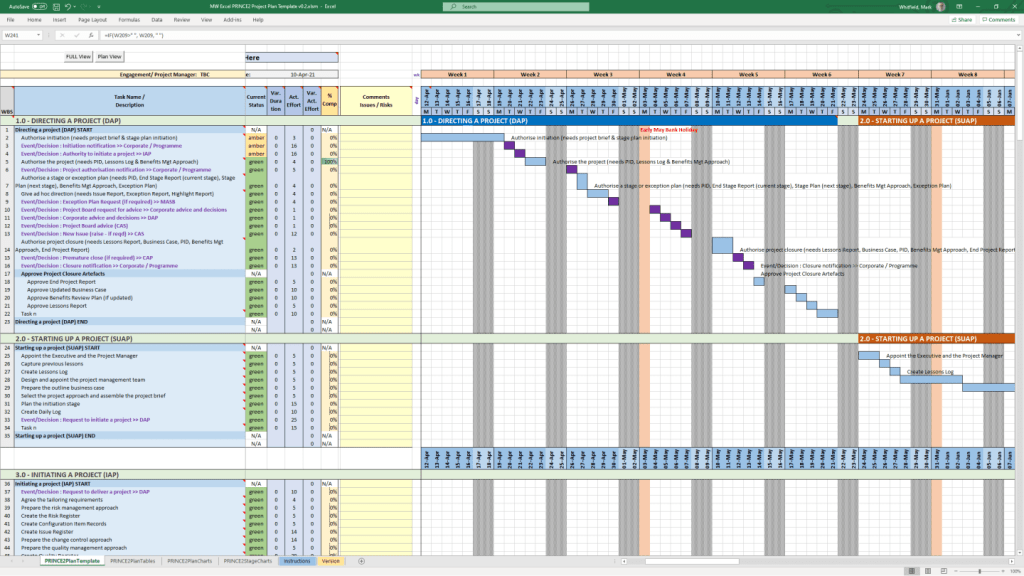
A gallery and inventory of screenshots for the Project Management Templates (both Agile and PRINCE2 waterfall projects) that are all available to be purchased as a bundle from this website link (note: upgrades to the latest template package after purchase, are totally FREE).

PRINCE2 & Agile PM Templates Gallery

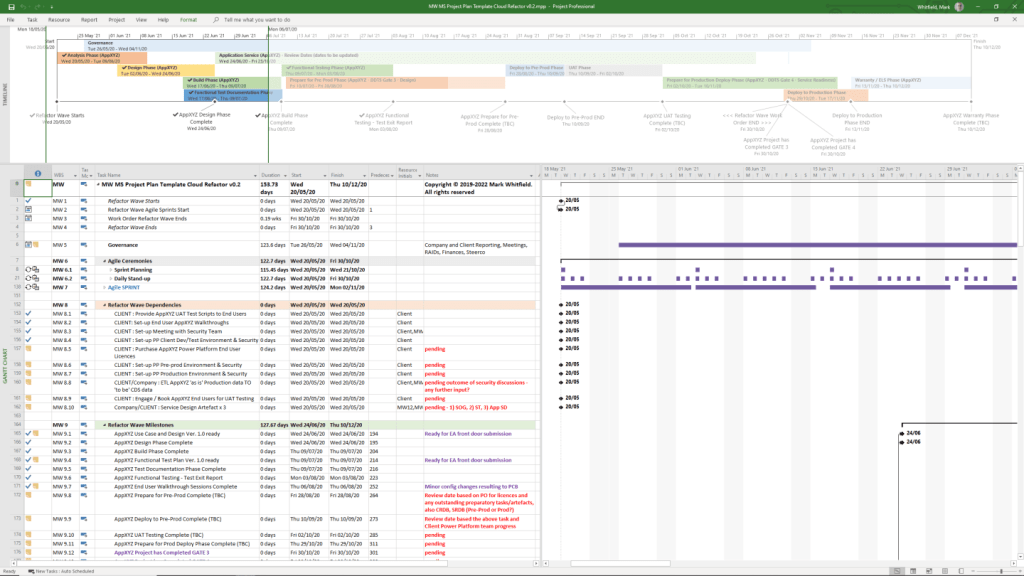
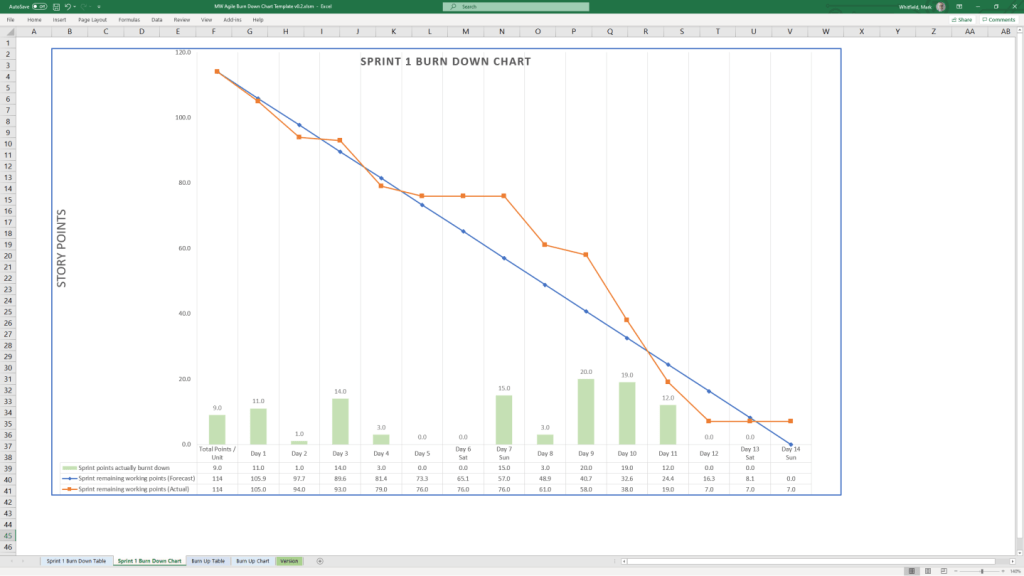
PM templates include MS Project MPP and MS Excel detailed plans including PRINCE2 and Agile delivery, Gantt Plan on a Page examples (POaP), finance trackers, status reports, RAID logs (Risk, Issue, Assumption, Dependency log), RACI tracker (Responsible, Accountable, Consulted, Informed), agile burn down chart and burn up chart, resource tracker, benefits realization plan etc. etc.

(Download the Template Inventory PDF file – 15MB)

Join the FREE PM templates related Facebook Group (LIKE Facebook page) and LinkedIn Group.

PRINCE2 and Agile Project Management Templates Gallery examples

MPP Microsoft Project Plan Examples
Agile Scrum Burn Down (and Up) Chart in Microsoft Excel
Example Microsoft Excel Spreadsheet Examples for Project Planning

PRINCE2 & Agile PM Templates Gallery

Principles of Agile

Principles of Agile

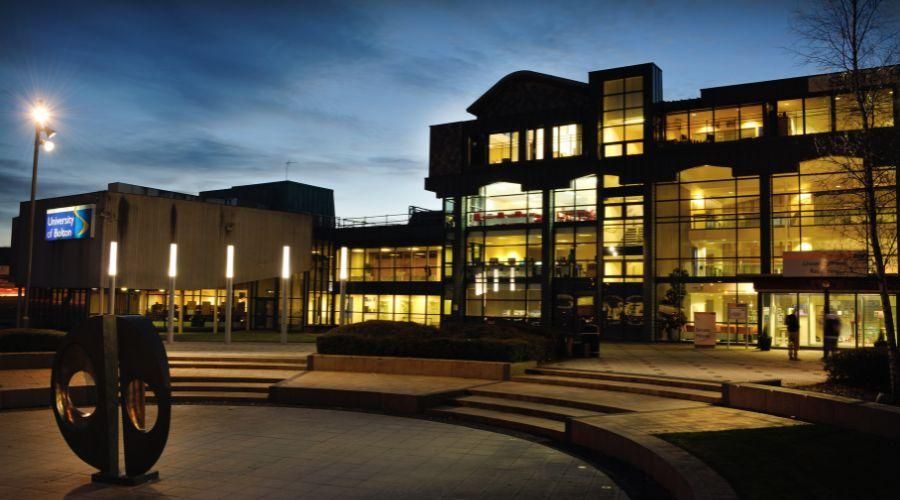
Barclays locations worked at for Tandem HP NonStop code development

Radbroke Hall is a 64-acre “Innovation Campus” in Cheshire that serves as the global technology and operations hub for Barclays. Originally built as a French chateau-style private residence in 1917, it transitioned through use by a nuclear research group before Barclays acquired it in 1972. Today, it employs approximately 4,000–6,500 staff and has been the development site for pioneering banking technology, including the first ATMs, debit cards, and mobile banking platforms. 

Radbroke Hall History Timeline

Era 1: Private Residence (1914–1956)

  • 1914: Construction begins on the Hall for Manchester textile manufacturer Claude Hardy and his wife Olga.
  • 1916: Claude Hardy dies; Olga oversees the completion of the Portland stone building alone.
  • 1917: The Hall is completed as a private residence.
  • 1920s–1930s: The Hall remains largely unoccupied during these decades. 

Era 2: Industrial & Nuclear Research (1956–1972)

  • 1956: The Hardy family sells the estate to The Nuclear Power Group.
  • 1956–1972: The site is used for nuclear energy research, with offices and a testing tower constructed on the grounds. 

Era 3: The Barclays Transformation (1972–1990s)

  • 1972: Barclays purchases the site from The Nuclear Power Group to reduce high rental costs in London.
  • 1972 (Relocation): Approximately 1,400 staff are relocated from London or hired locally; many find the move from London to the “rural North” a significant culture shock.
  • 1970s–1980s: The site begins its role as an IT hub, instrumental in developing the first cash machines (ATMs) and debit cards.
  • 1985: Barclays reorganises its UK and International banks into a single entity, further centralising tech and staff services at Radbroke. 

Era 4: Global Tech & Modernisation (2000s–Present)

  • Early 2000s: The campus leads the development of Barclays’ online and mobile banking applications.
  • 2012: Barclays celebrates the 40th anniversary of its presence at Radbroke Hall.
  • 2017: The original Hall building marks its 100th anniversary.
  • 2021: Barclays announces a major redevelopment plan to modernise the campus, including the demolition of older buildings (Kilburn, Lovelace, and Brooker Houses) to create a new central “town square” and “re-green” 80,000 sq. ft. of land.
  • 2024: Investment continues to transform Radbroke into a “world-class campus” focused on the future of work and advanced banking APIs.

Barclays House, located at 1 Wimborne Road, was a dominant fixture of the Poole skyline for 46 years. Originally built to decentralise Barclays Bank International operations from London, the nine-storey brutalist structure served as a major regional headquarters from 1976 until its closure in 2022. Following its vacancy, the building was earmarked for conversion into a residential complex featuring 362 apartments

Historical Overview

  • Purpose: The building was commissioned to move staff away from high London costs and boost local employment in Poole.
  • Architecture: Designed by Wilson, Mason and Partners, it features three interlinked octagonal/hexagonal towers in the brutalist style.
  • Landmark Features: A massive 14-foot aluminium eagle logo (the Barclays emblem) adorned the front of the building for decades. 

Detailed Timeline Breakdown

The Development Era (1960s – 1975) 

  • Late 1960s: Poole is selected as the primary location for Barclays Bank DCO (Dominion, Colonial and Overseas) decentralisation.
  • 1971 (August): Planning permission is granted for the project after a public inquiry, with an estimated cost of £5 million.
  • 1972 (September): Construction begins, led by the John Laing Group.
  • 1975 (June): Construction is officially completed. 

The Operational Era (1976 – 2021) 

  • 1976 (January): Barclays first occupies the building.
  • 1976 – 1980s: Workforce grows rapidly; in its first year, it employed 800 people, eventually peaking at roughly 2,500 employees.
  • 2007 (January): A planning bid to demolish the building for flats is refused due to its scale and lack of amenity space.
  • 2008: Barclays announces plans to build a new HQ in Poole, though these did not result in immediate relocation from the Wimborne Road site.
  • 2016: The building undergoes a major refurbishment to celebrate its 40th anniversary

The Closure & Transition Era (2022 – Present) 

  • 2022 (January 26): Barclays officially closes its doors at Wimborne Road after 46 years.
  • 2022 (October 27): The iconic Barclays eagle logo is removed from the building’s facade by cranes.
  • 2022 (December): Remaining staff (approximately 700) are relocated to new offices in Bournemouth.
  • 2023: VCRE Four Poole submits a planning bid to convert the structure into 362 homes.
  • 2024 (March 8): The separate Poole High Street branch also closes.
  • 2024 (June 10): Bournemouth, Christchurch and Poole (BCP) Council grants final approval for the conversion of Barclays House into residential apartments.

Barclays locations worked at for Tandem HP NonStop code development