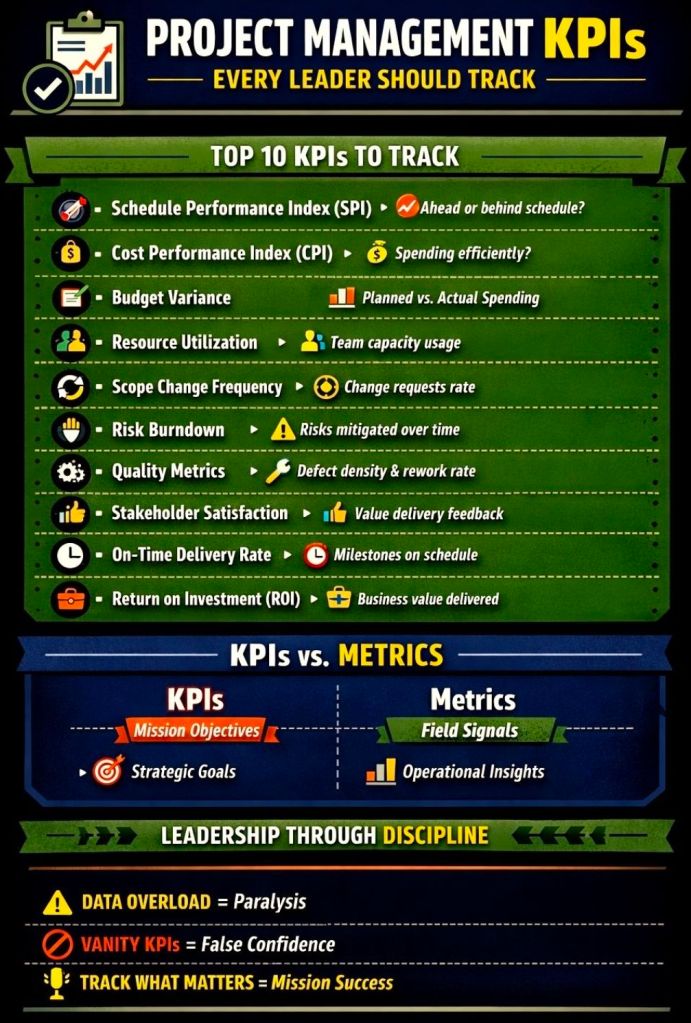
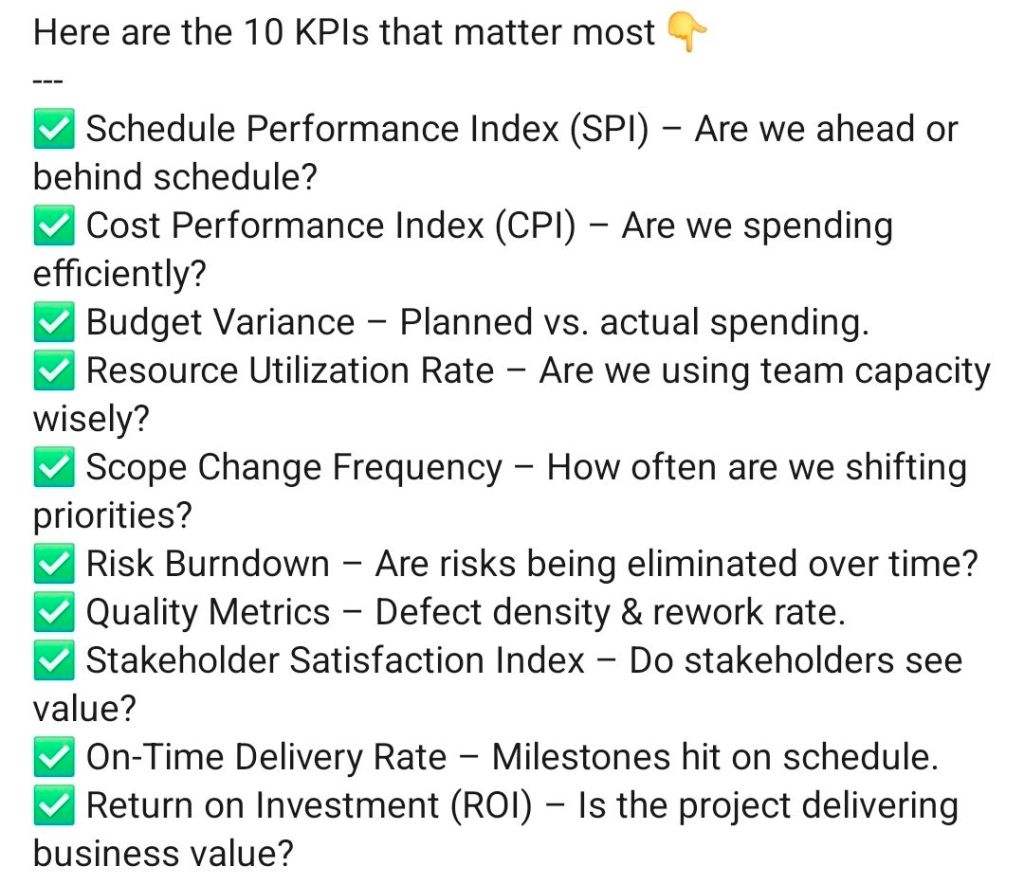
Project Management KPIs to track

Project Key Performance Indicators KPIs
Key Performance Indicators KPI overview

Project Management KPIs to track

Roger Federer Overview and Detailed Timeline History by Era

Roger Federer is a Swiss former professional tennis player who is widely regarded as one of the greatest of all time, having won 20 Grand Slam singles titles and held the world No. 1 ranking for 310 weeks. Known for his effortless playing style and versatile shot-making, he revolutionized the sport during a career that spanned over two decades from 1998 to 2022. 

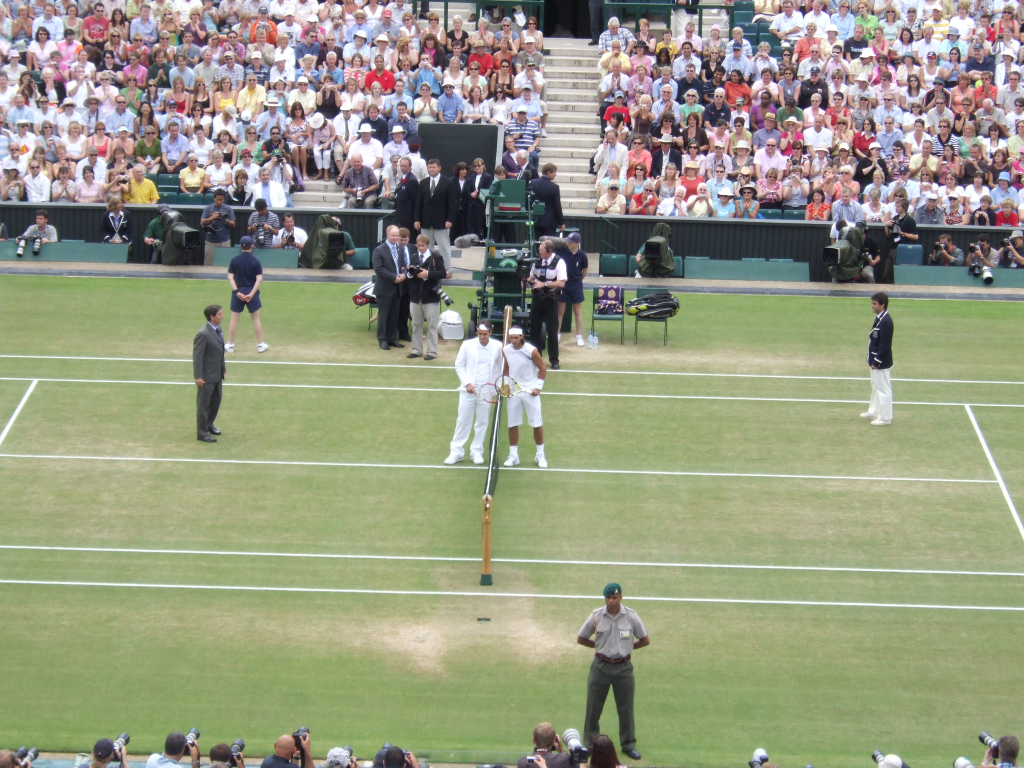
Won by Roger Federer for the fifth consecutive time, a feat only before achieved in the Open Era by Björn Borg.

Career Overview Statistics

Won by Roger Federer for the 5th time

According to ATP Tour statistics, Federer concluded his career with the following major achievements:
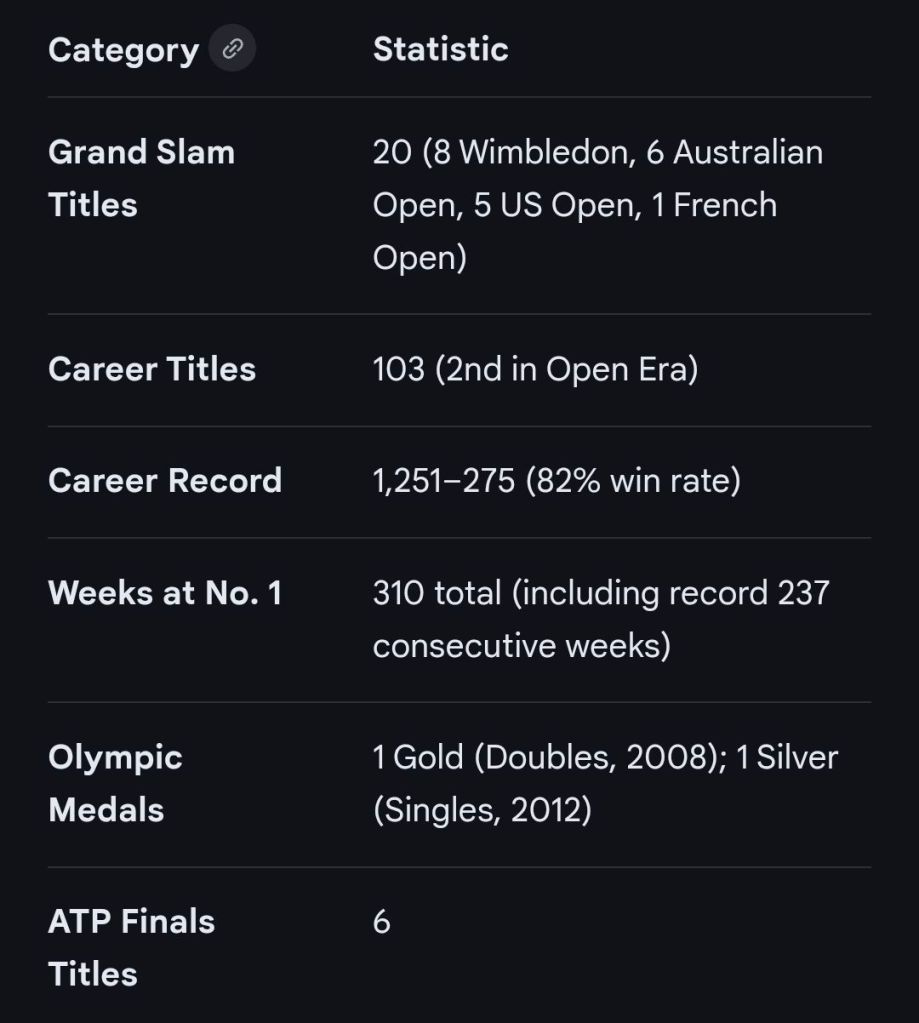
Federer concluded his career with the following major achievements

Detailed Timeline by Era

1. Early Career & Breakthrough (1998–2002)

Federer transitioned from a dominant junior—finishing 1998 as the world No. 1 junior—to a rising star on the ATP Tour. 

  • 1998: Turned professional; won Wimbledon junior singles and doubles titles.
  • 1999: Youngest player to finish the year in the Top 100 (ranked 64th).
  • 2001: Won first ATP title in Milan; defeated 7-time champion Pete Sampras at Wimbledon to reach his first major quarter-final.
  • 2002: Won first Masters title in Hamburg and entered the world Top 10 for the first time. 

2. Peak Dominance Era (2003–2007) 

This period marked Federer’s absolute peak, where he reached all four Grand Slam finals in a single calendar year twice (2006, 2007). 

  • 2003: Won first Grand Slam title at Wimbledon and his first Year-End Championship.
  • 2004: Won three of four majors (Australian Open, Wimbledon, US Open) and became world No. 1 on 2 February.
  • 2006: Career-best season with a 92–5 record, reaching all four major finals and winning three.
  • 2007: Defended three major titles and beat Rafael Nadal to win his fifth consecutive Wimbledon. 

3. The Rivalry Era & Career Slam (2008–2012)

Federer faced intense competition from the emergence of the “Big Four” (Nadal, Djokovic, and Murray). 

  • 2008: Battled mononucleosis; won fifth consecutive US Open; won Olympic Gold in doubles with Stan Wawrinka.
  • 2009: Won first French Open to complete the Career Grand Slam; passed Sampras’ record with a 15th major at Wimbledon.
  • 2010: Won fourth Australian Open.
  • 2012: Won 7th Wimbledon title and Olympic Silver in singles; reclaimed world No. 1 to break the record for total weeks at the top. 

4. Injury Struggles & Renaissance (2013–2019)

After several years plagued by back and knee injuries, Federer staged a remarkable late-career comeback. 

  • 2014: Led Switzerland to its first Davis Cup title.
  • 2016: Underwent first knee surgery; missed the second half of the season for recovery.
  • 2017: Returned after a 6-month hiatus to win the Australian Open (defeating Nadal) and a record 8th Wimbledon title.
  • 2018: Won 20th Grand Slam at the Australian Open; became the oldest No. 1 in history at age 36.
  • 2019: Won 100th career title in Dubai; reached 12th Wimbledon final. 

5. Final Years & Retirement (2020–2022)

Persistent knee issues eventually forced the conclusion of his competitive career. 

  • 2020–21: Underwent multiple knee surgeries; reached Wimbledon quarter-finals in 2021 as the oldest man in the Open Era to do so.
  • 2022: Officially retired on 23 September at the Laver Cup in London, playing his final match in doubles alongside long-time rival and friend Rafael Nadal.

Roger Federer Overview and Detailed Timeline History by Era

Mark Whitfield HP NonStop Tandem experience & Project Management Templates
Mark Whitfield is an experienced IT Project Manager and software developer who has spent over 22 years specialising in HP NonStop (formerly Tandem) systems. He is currently an Engagement Project Manager at Capgemini. 

Career & Expertise

Whitfield’s career in HP NonStop began in 1990 and includes significant technical and leadership roles across the financial and technology sectors: 

  • Software Development: Early in his career, he worked as a programmer for The Software Partnership (later Deluxe Data/FIS), focusing on electronic banking software like sp/ARCHITECT on Tandem mainframes.
  • Insider Technologies (1995–2013): He spent 18 years at Insider Technologies as a Senior Development Engineer and Project Manager. His work involved:
    • Developing monitoring and diagnostic software such as Reflex 80:20, Reflex ONE24, and RTLX (Real-Time Log Extraction) for payment systems.
    • Managing the first HP OpenView Operations Smart Plug-In certification for the NonStop platform.
    • Designing XPERT24, a performance tracking product for ACI’s XPNET layer.
  • Capgemini (2016–Present): As an Engagement Project Manager, he has led digital projects for major clients in the automotive, government, and aerospace sectors, including a cloud migration for UK Government applications. 

Technical Contributions

  • Publications: He has authored articles for globally published journals like The Connection (2013), discussing topics such as querying terabytes of legacy transaction log data from NonStop mainframes.
  • Project History: He has managed high-value projects, including a £5 million initiative to migrate legacy HP NonStop software to AIX-based technologies for a large UK retail bank.
  • Training: He is trained in various NonStop-specific technologies, including TAL (Transaction Application Language), COBOL85, PATHWAY, and NonStop SQL. 

Whitfield also maintains a professional website, mark-whitfield.com, where he provides project management templates and resources related to HP NonStop and Tandem systems. 

Mark Whitfield provides a comprehensive bundle of over 200 editable project management templates designed for Agile, Waterfall, and PRINCE2 methodologies. These templates are based on over 30 years of project delivery experience and are available for purchase via his official website or Etsy shop. 

Key Template Categories

The bundle includes a wide variety of tools across different formats (Excel, PowerPoint, Word, and MS Project): 

  • Planning & Scheduling:
    • Plan on a Page (POaP): Over 30 PowerPoint slide examples for executive-level summaries.
    • Detailed Project Plans: MS Project (MPP) and Excel templates for SDLC, PRINCE2 7th Edition, and Agile Scrum projects.
    • Gantt Charts: Built-in tracking views for both MS Project and Excel.
  • Tracking & Control:
    • RAID Logs: Comprehensive logs for tracking Risks, Actions, Issues, and Dependencies, plus additional tabs for Change Requests and Lessons Learned.
    • RACI Matrix: Templates to define project roles and responsibilities (Responsible, Accountable, Consulted, Informed).
    • Finance Trackers: Tools for internal and external forecast vs. actual costs, including margin and variance tracking.
  • Agile Specific Tools:
    • Burn Down & Burn Up Charts: Excel-based alternatives when tools like Jira are unavailable.
    • Agile Story Dependency Tracking: Specifically for managing dependencies between agile stories and external suppliers.
  • Reporting & Governance:
    • Status Reports: Weekly and monthly templates in Word and PowerPoint formats.
    • Stakeholder Analysis: Power/interest mapping and engagement plan templates.
    • Benefits Realisation: Plans to track project outcomes against initial business goals. 

Purchase Benefits

  • Lifetime Upgrades: Once purchased, all future additions and updates to the template package are provided for free.
  • Compatibility: Templates are designed for Microsoft Office 365 but also include Excel versions compatible with earlier software.
  • Support: The package typically includes walkthrough Word documents to guide users on how to use each major template.

Mark Whitfield HP NonStop Tandem experience & Project Management Templates
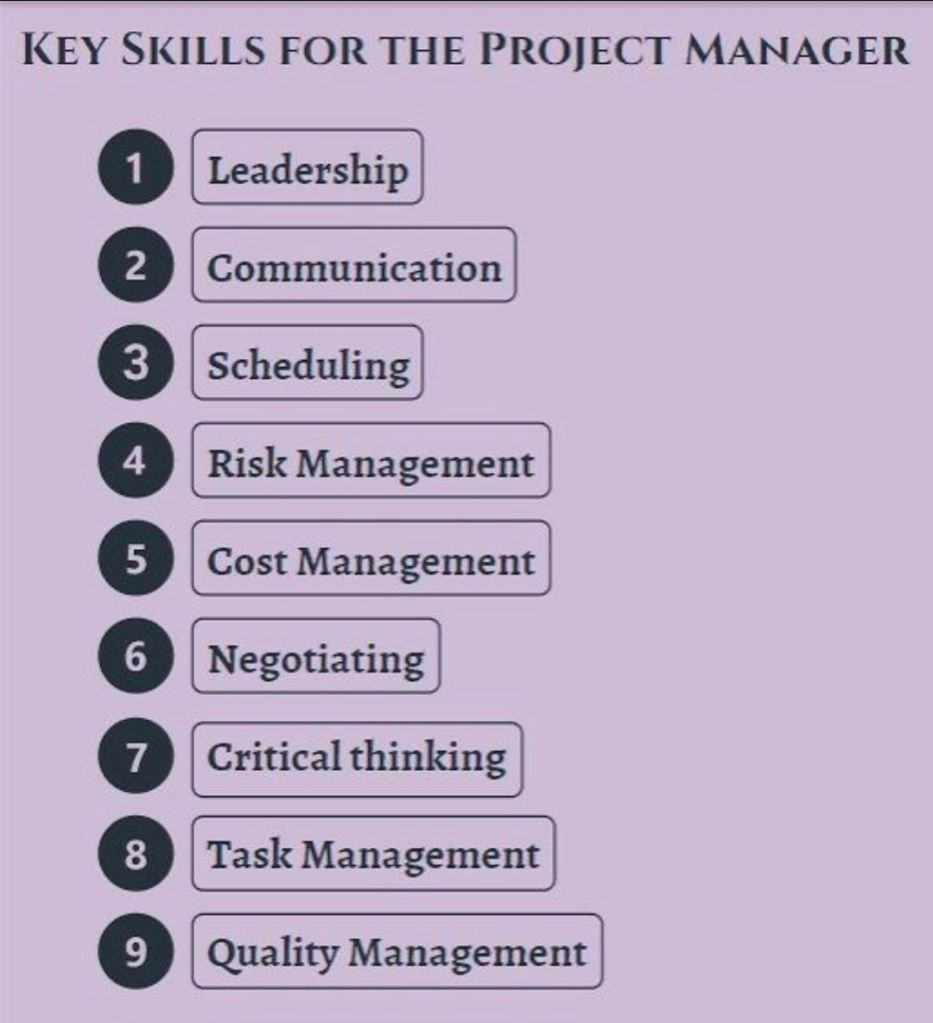
Key Skills for the Project Manager

Key Skills for the Project Manager

An amble around Manchester, 17th March 2026

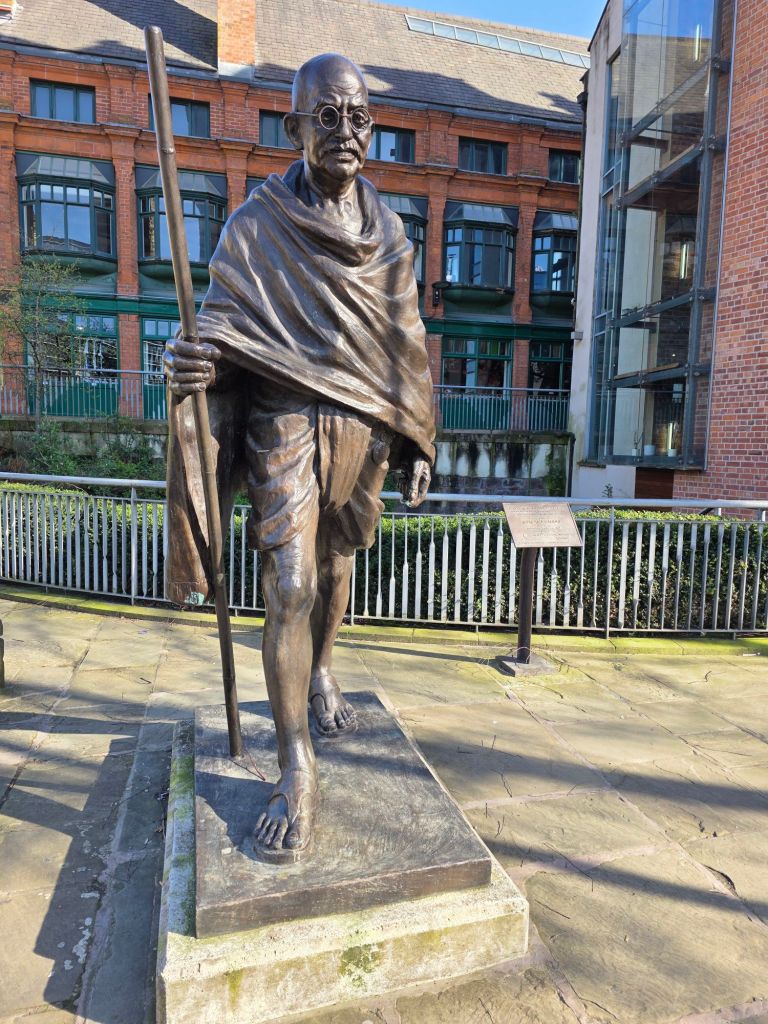
Ghandi, Manchester City Centre
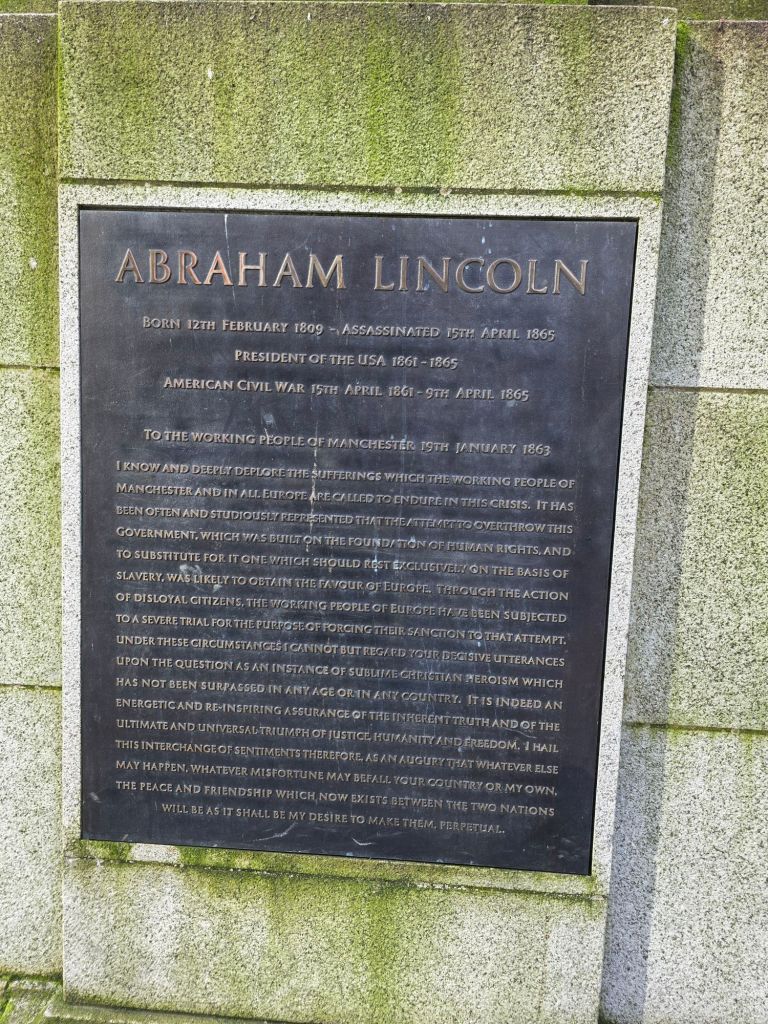
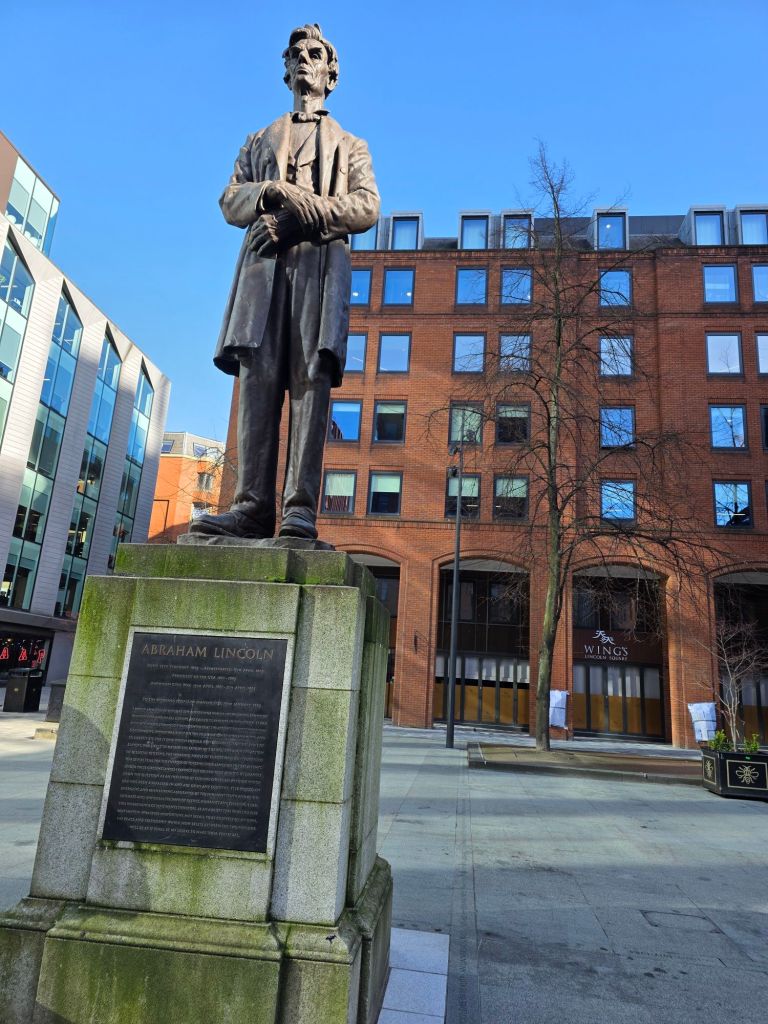
Abraham Lincoln 1, Manchester City centre
Abraham Lincoln 2, Manchester City centre
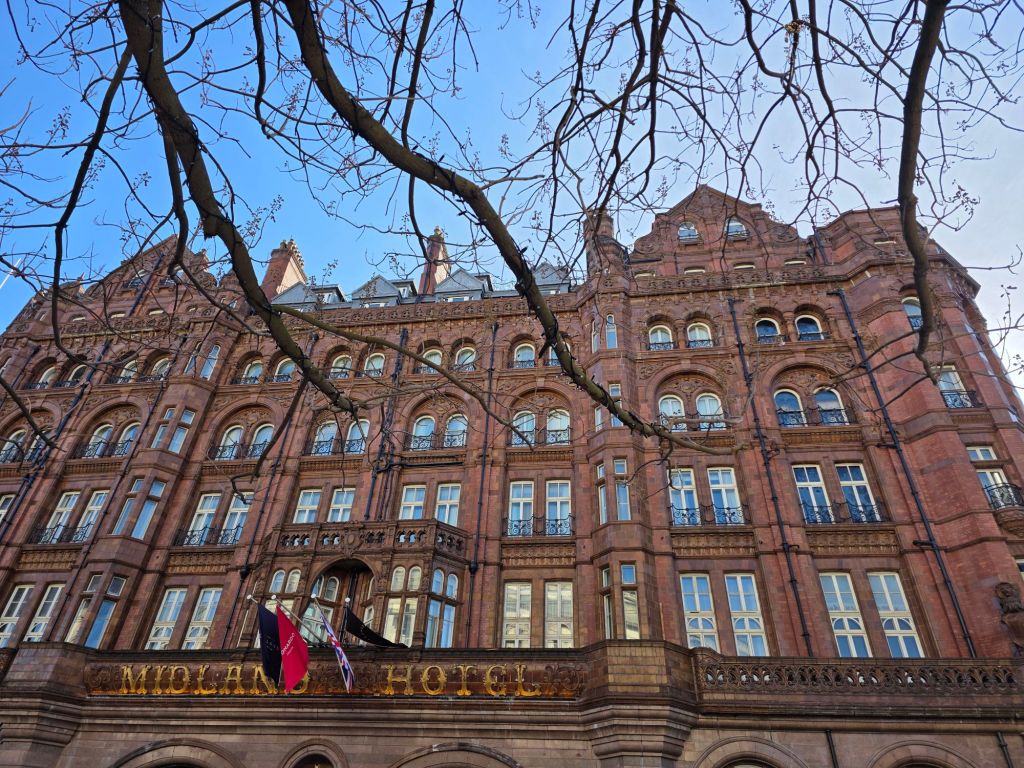
Midland Hotel, Manchester

An amble around Manchester, 17th March 2026

Middlebrook Retail Park, Horwich, Bolton Detailed Timeline by Era

Middlebrook Retail Park, located in Horwich, Bolton, is one of the largest integrated retail and leisure destinations in the UK. Covering approximately 200 acres at Junction 6 of the M61, it serves as a mixed-use complex combining over 60 high-street stores with major leisure facilities, two hotels, and the home of Bolton Wanderers F.C.. 
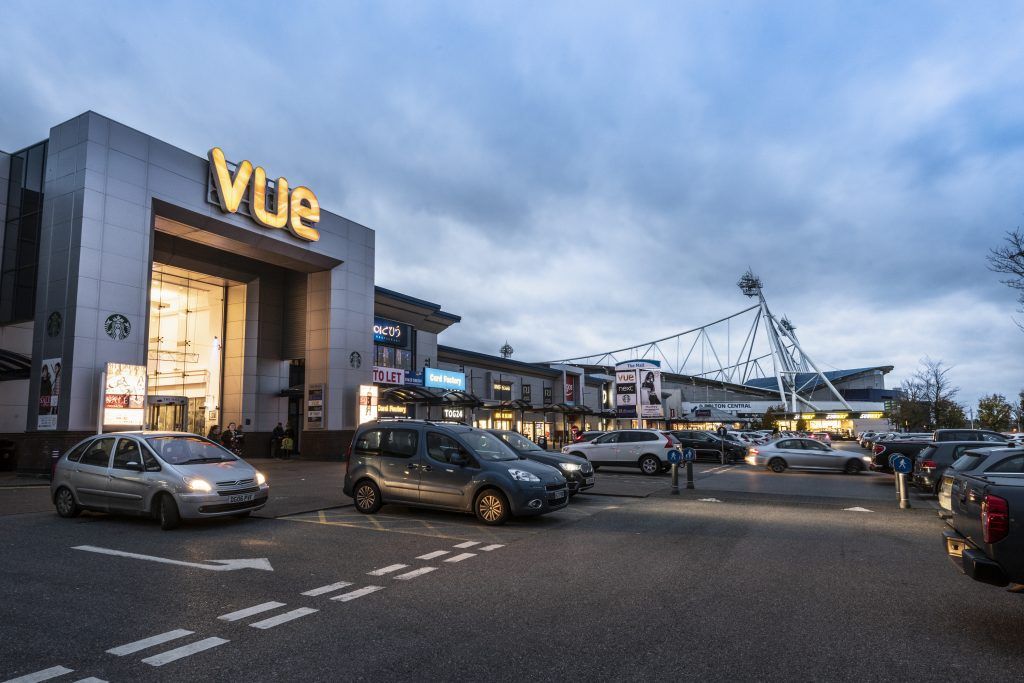
Middlebrook Retail Park, Horwich, Bolton Detailed Timeline by Era
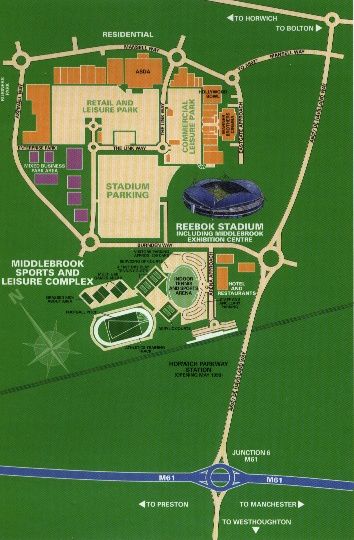
Historical Timeline of Middlebrook

Pre-Development Era (16th Century – 1994) 

  • 16th Century: The site was originally home to Sefton Fold Farm, a three-bay timber-framed farmhouse.
  • Late Medieval: Archaeological digs later revealed a moated site and pottery from this era.
  • Pre-1994: Much of the land consisted of open fields and the former Red Moss tip. 

Inception & Construction Era (1994 – 1997)

  • 1994: Plans for the ambitious scheme were first announced, including a 25,000-seater stadium and 6,000-seater indoor arena.
  • 1995: Outline planning applications for the football stadium were approved in July.
  • 1996: Orbit Developments (part of The Emerson Group) began physical construction. By Christmas, many key buildings were already constructed.
  • 1997: The Reebok Stadium (now Toughsheet Community Stadium) was inaugurated on 1 September with a match between Bolton and Everton.
  • 1997 (Summer): Initial food outlets like McDonald’s, Pizza Hut, and KFC opened for business. 

Establishment & Expansion Era (1998 – 2005)

  • 1998: The first retail businesses officially began operating.
  • 2001: Bolton Arena (USN Bolton Arena) opened in the spring after winning a development grant.
  • 2001: Annual visitor numbers reached 12.5 million for the first time.
  • 2002: The site hosted events for the Manchester Commonwealth Games at the sports arena.
  • 2005: Marks & Spencer (M&S) secured planning permission to occupy a vacant store, marking a significant shift toward major non-food retail. 

Modern Maturity Era (2006 – Present)

  • 2006: A time capsule was buried by schoolchildren to celebrate a decade of development.
  • 2006 (October): Several high-profile stores opened, including HMV and Clarks.
  • 2020s: The park continues to house over 62 high-street brands including ASDA Supercentre, Vue Cinema, and Hollywood Bowl.
  • Present: It remains a top-ranked UK retail park, attracting over 910,000 shoppers per month. 

Middlebrook Retail Park, Horwich, Bolton Detailed Timeline by Era
Middlebrook Retail Park, Horwich, Bolton Detailed Timeline by Era

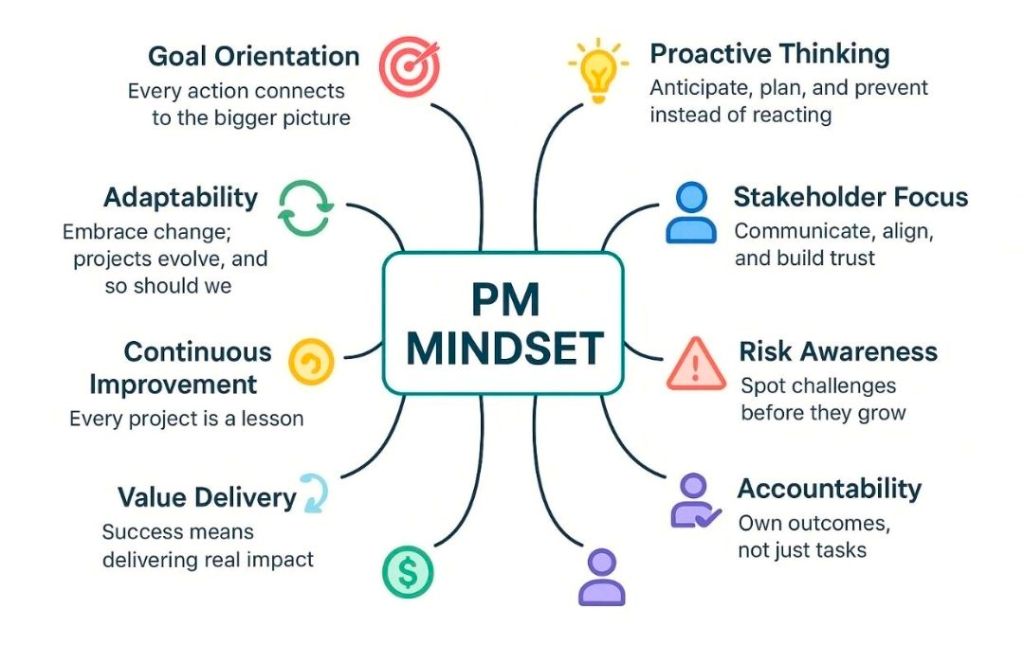
Project Management mindset, 8 thought processes

Project Management mindset, 8 thought processes

Llandudno Pier Overview and Historical Timeline by Era

Llandudno Pier, often called the “Queen of Welsh Piers”, is the longest pier in Wales at 2,295 feet (700 metres). It is a Grade II* listed structure renowned for its Victorian and Edwardian elegance, featuring ornate ironwork and classic kiosks. 

Llandudno Pier, often called the “Queen of Welsh Piers”, is the longest pier in Wales

Historical Timeline by Era

Early Origins (The Pre-Pier Era)

  • 1858: A short wooden pier (242 ft) was built by the St George’s Harbour and Railway Company to export limestone.
  • 1859: This original structure was severely damaged by the “Royal Charter Storm”.
  • 1860–1875: Though repaired, the wooden pier was too short for steamships except at high tide. 

Victorian Era: Construction and Growth

  • 1875: The Llandudno Pier Company was formed to build a new, modern structure.
  • 1876: Construction began in June/July. The first pile was driven on 16 September 1876.
  • 1877: The pier officially opened on 1 August, initially measuring 1,234 feet.
  • 1878: Construction was fully completed; the first steamboat (Prince Arthur) landed in May.
  • 1884: A landward extension was added, bringing the pier to its current length of 2,295 feet.
  • 1886: The Pier Pavilion opened on 16 September as a 2,000-seat theatre and concert hall.
  • 1887: Renowned conductor Jules Rivière took charge of the pier’s orchestra, which eventually grew to symphony proportions.
  • 1891: A new landing stage was added to accommodate increased steamship traffic. 

Edwardian and Mid-20th Century

  • 1905: A pier-head pavilion was constructed.
  • 1910: Extensive improvements were made, including widening most of the pier.
  • 1938: Major alterations were carried out on the landing stage.
  • 1968: The pier was purchased by the Trust House Forte Group.
  • 1969: The landing stage was totally rebuilt in concrete and steel to handle large Isle of Man steamers. 

Modern Era: Challenges and Restoration

  • 1983: The pier became part of the First Leisure Corporation.
  • 1984: The Pier Pavilion theatre closed.
  • 1994: A major fire destroyed the Pier Pavilion on 13 February, leaving only the iron supports.
  • 1998: Purchased by Leisure Parks Ltd (Trevor Hemmings) along with several other UK piers.
  • 2005: Voted “Pier of the Year” by the National Piers Society.
  • 2015: Purchased by local entrepreneur Adam Williams (Tir Prince Leisure Group) for £4.5 million.
  • 2021: Adam Williams purchased the derelict Pavilion site to protect the pier’s future.
  • 2025: Voted “Pier of the Year” for the second time following major restoration efforts. 

Llandudno Pier Overview and Historical Timeline by Era