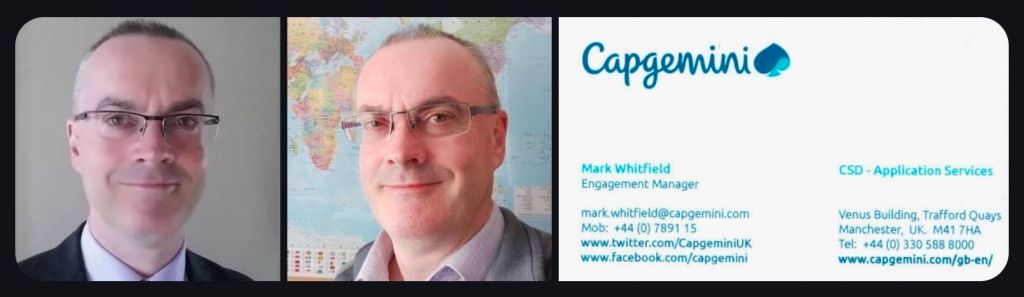
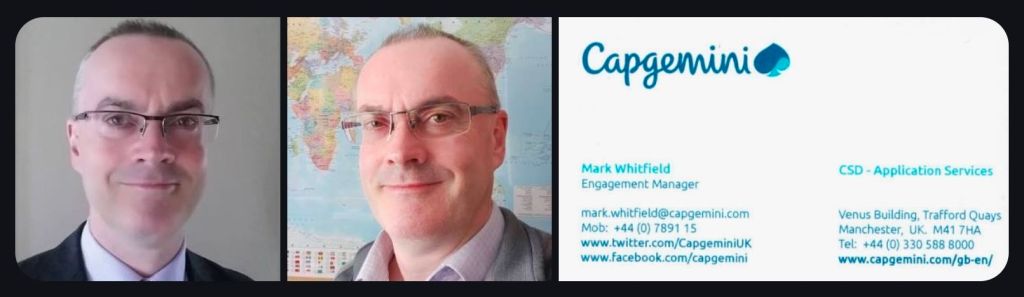
Mark Whitfield is a Greater Manchester-based Senior IT Project and Engagement Manager.
With over 30 years in the IT and software development industry, he has continuously upskilled in project delivery, Agile methodologies, cloud platforms, and cyber security.
Phase 1: Foundational Education
1985 – 1988: Leigh College, UK
Focus: Computer Science and Biology (‘A’ Levels)
1988 – 1990: University of Greater Manchester (formerly Bolton Institute of Higher Education, BIHE)
Focus: Higher National Diploma (HND) in Computer Studies (Graduated with Distinction; First overall in the year)
Key Modules: System Analysis, Programming Methodology, Database Architecture, and Business Information Systems
Phase 2: Project Management & Professional Training
2000 – 2006: Industry Integration & Early Methodologies
Focus: Service-Oriented Architecture (SOA), Agile, Sales, and early project management
Courses/Certifications: Sales and Marketing (In-house Outsource, 2001), Web Services and SOA (Insider Technologies, 2005), PRINCE2 Foundation (2006), Designing Good Marketing Literature (SkillPath Seminars, 2006)
2009: Digital & Communications
Focus: Digital marketing and content
Courses: Writing for the Web, and Website Promotion and Visibility by Design (iTrain Education)
2011: Structured Frameworks
Focus: Formal project frameworks and delivery methodologies
Courses/Certifications: PRINCE2 Foundation & Practitioner (ILX Group), Agile Scrum (RADTAC)
2012: Operational Management
Focus: Service management best practices
Courses/Certifications: ITIL Foundation
Phase 3: Advanced Engagement & Enterprise Training
2017 – 2019: Capgemini Engagement & Compliance
Focus: High-level engagement management and corporate governance
Courses/Certifications: Advanced Engagement Management Certification (Level 2), Group Anti-Corruption, and Intellectual Property Rights (IPR) Training
2022: Cloud Modernization
Focus: Enterprise cloud computing fundamentals
Courses/Certifications: AZ-900 Microsoft Certified Azure Fundamentals
The blog posts by Mark Whitfield, a Senior IT Project and Engagement Manager, primarily focus on practical project management (PM) frameworks, methodology implementation, and digital delivery execution.
Hosted on his platform, PROject Templates, the blog acts as an extension of his 30+ year career transitioning from mainframe engineering to leading large-scale Agile and Waterfall digital transformations.
Blog Overview and Key Topics
The core purpose of the blog is to guide project professionals through real-world deployment challenges while showcasing an ecosystem of over 200 editable Microsoft Office templates.
The main content focus areas include:
Framework Implementation: In-depth overviews on aligning project lifecycles with PRINCE2 (7th Edition), Agile Scrum, and Kanban methodologies.
Detailed Project Planning: Actionable steps for setting up Software Development Life Cycles (SDLC), defining dependencies, establishing milestones, and handling project baselines.
Risk and Governance Control: Best practices on organizing and managing RAIDs logs (Risks, Actions, Issues, Dependencies), change requests, and corporate project governance.
High-Level Reporting: Frameworks for structural communication with stakeholders, utilizing Plan on a Page (POaP) examples, dashboard designs, and financial budget tracking templates.
Digital & Cloud Delivery Lessons: Real-world insights drawn from his corporate and public sector experiences, covering topics like middleware architecture deployments and hybrid cloud application refactoring.
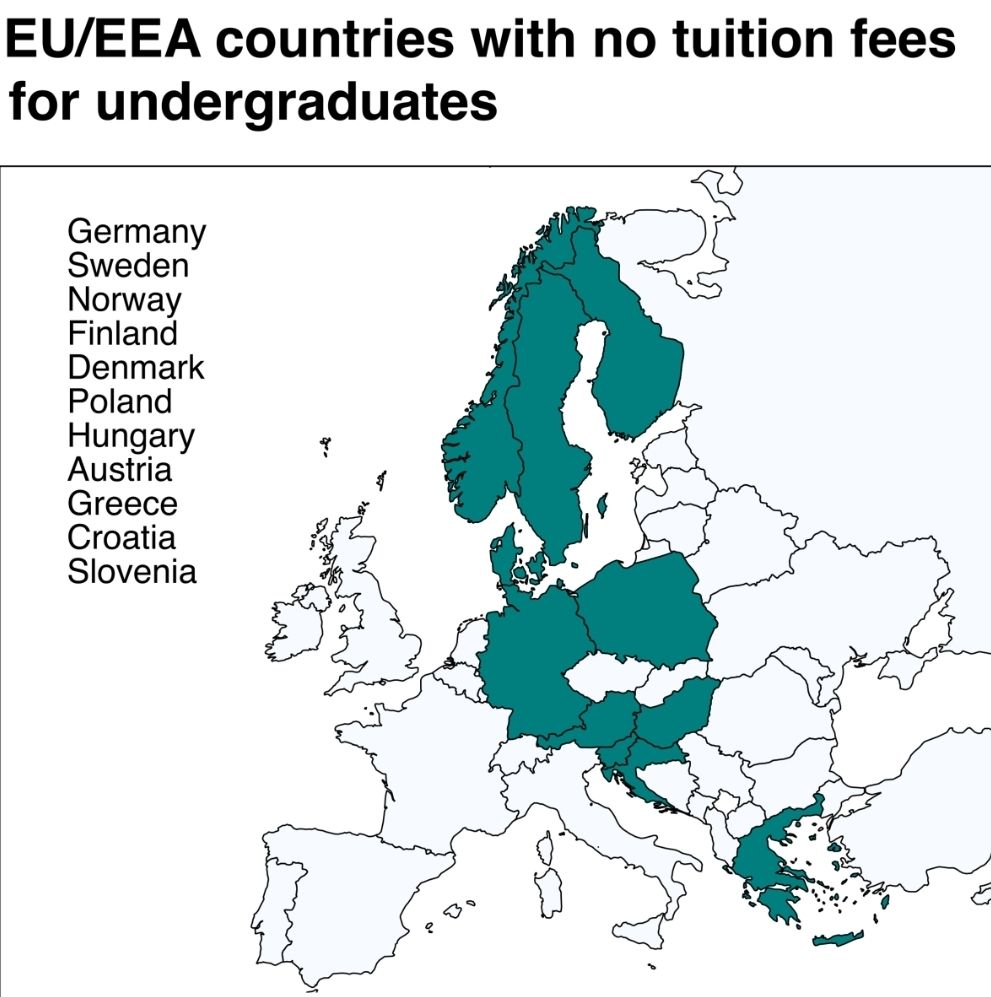
In Europe, “free” higher education almost always refers to zero tuition fees at public universities, though you will still need to pay for living expenses (rent, food, books). No European country requires student loans; rather, loans are an optional choice to fund living costs.
Use the regional breakdown below to see which countries offer zero tuition and which generally require you to pay.
Countries with Free (or Almost Free) Tuition
Countries with Free (or Almost Free) Tuition
These countries charge no tuition fees (or very minimal administrative fees) for eligible students:
Germany: Public universities are completely tuition-free for both domestic and international students, including those from outside the EU. You only pay a small semester fee (approx. €150-€350).
Norway: Free of charge for all students, regardless of nationality.
Austria: Free for EU/EEA students. For non-EU students, the fee is generally a very low €727 per semester.
France: Public university tuition is heavily subsidized and extremely low (approx. €170 to €2,700 per year, depending on the degree).
Iceland: Free tuition at public universities, though a registration fee of roughly €400-€600 is required.
Czech Republic: Public universities are free if you study a program taught in the Czech language. English programs require tuition.
Greece: Free tuition for EU/EEA nationals; non-EU students pay very low fees (around €1,500/year).
Poland: Tuition is free for Polish citizens and EU/EEA students.
Countries with Free Tuition for EU/EEA Students Only
These countries offer free degrees if you are a European citizen, but charge international (non-EU/EEA) students:
Denmark: Free for EU/EEA students; international students pay up to €16,000 per year.
Sweden: Free for EU/EEA students; international students pay full tuition.
Finland: Free for EU/EEA students. Non-EU students pay tuition for English-taught programs.
Slovenia: Free for full-time undergraduate students from the EU.
Countries That Generally Require Tuition (and Potential Loans)
In these countries, you will pay tuition fees ranging from a few hundred to several thousand Euros per year, making student loans or personal savings more necessary:
United Kingdom: In England and Wales, tuition fees can cost up to £9,250 a year for domestic students, and higher for international students. Students heavily utilize the government’s Student Loans Company to cover both fees and maintenance.
The Netherlands: Yearly tuition fees for EU students are around €2,500, with higher fees for international students. Dutch citizens and eligible EU students can take out loans through DUO.
Italy & Spain: Both charge moderate tuition fees for public universities based on family income or the specific region, making it much more affordable than the UK but rarely entirely free without scholarships.
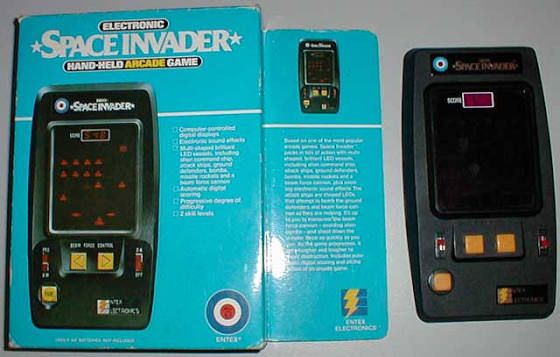
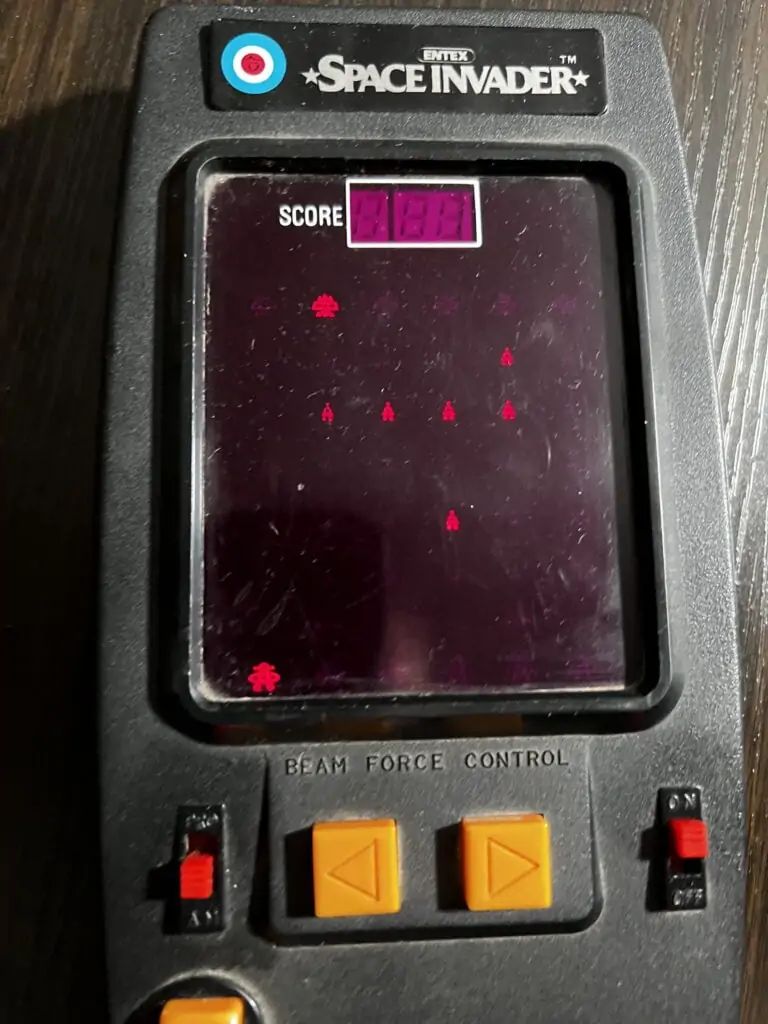
The Entex Space Invader handheld electronic game is a classic VHF-style portable arcade unit released in 1980. It is highly sought after by collectors of vintage 1980s electronics. I used to have one in the early eighties, my first taste of computing technology and gaming.
Design & Hardware
Entex Space Invader handheld electronic game
Form Factor: Large wedge-shaped black plastic tabletop/handheld console designed by Entex Tokyo.
Objective: Move your laser cannon horizontally across the bottom of the screen to shoot down descending waves of alien invaders.
Layout: Displays four distinct lanes of action with columns of moving digital alien targets.
Scoring System: Tracks and displays electronic numeric scoring up to a maximum of 1,000 points.
Audio: Features simple built-in, synthesized electronic space sound effects for firing lasers and alien tracking.
Known Product Variants
1980 Black Model: The original release featuring a dark case, designed and programmed natively in Japan by Entex Tokyo.
1981 Grey Model: A re-programmed version developed by Rick Dyer & AMS featuring slightly adjusted gameplay. The distinct grey casing was actually the result of a factory paperwork typo that swapped two Pantone color codes.
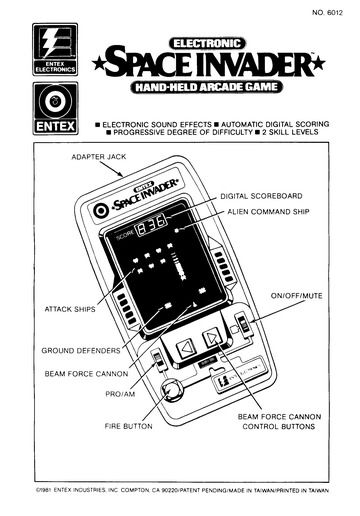
Entex Space Invader handheld electronic game, back of box
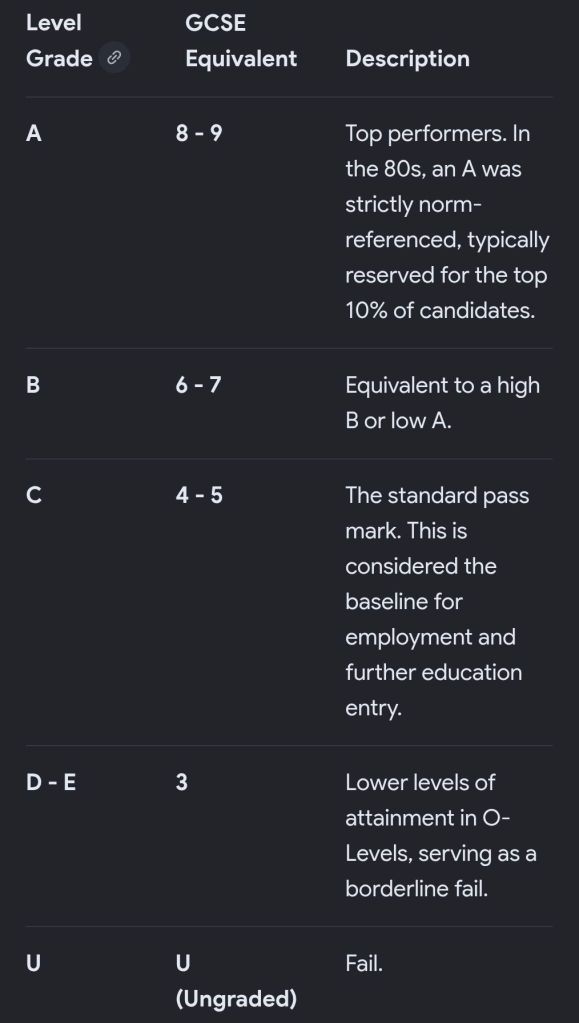
In the 1980s, GCE O-Level grades ranged from A to E (where A, B, and C were considered passing). Due to grade inflation and changes in the curriculum over the decades, an O-Level grade C is roughly equivalent to a Grade 4 in the current numerical GCSE system, while an O-Level grade A equates to a Grade 7 or 8.
A direct, point-by-point comparison between the O-Level system of the 1980s and today’s numerical GCSE grades reveals the following equivalence:
O-Level grade C is equivalent to Grade 4, while O-Level grade A equates to Grade 7/8
Important Differences in System Design
Grading Method: O-Levels were norm-referenced, meaning a fixed percentage of students received each grade every year, regardless of the overall score. Today’s GCSEs are criterion-referenced, meaning grades are awarded based strictly on the skills and knowledge the student demonstrates, with grade boundaries adjusted accordingly.
Cohort Reach: In the 1980s, O-Levels were designed for the top 20–25% of the academic cohort, while the next 40% took CSE (Certificate of Secondary Education) exams. The modern GCSE is designed to cater to the vast majority of all abilities.
Assessment & Breadth: O-Levels were almost entirely dependent on final, high-stakes written exams, whereas modern GCSEs require more breadth across a wider range of subjects and rely heavily on 9-1 scoring.
Direct comparison between O-Level system of 1980s and today’s numerical GCSE grades
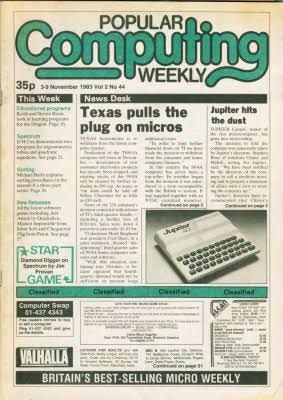
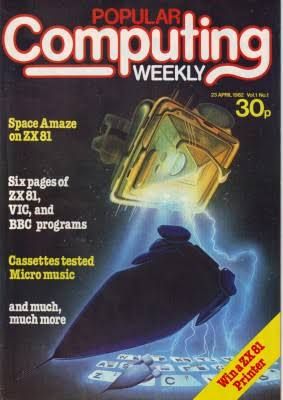
Popular Computing Weekly (frequently abbreviated as PCW) was a highly influential British computer magazine published from 23 April 1982 to 14 June 1990.
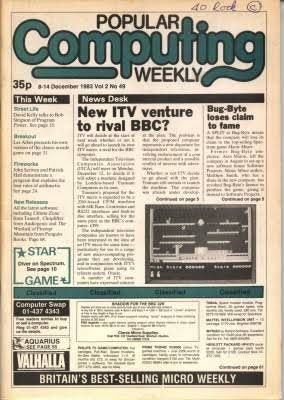
Popular Computing Weekly British Computer Magazine from 1982 thru 1990
Launched by Sunshine Publications and led by founding editor Duncan Scot, it stood out by providing rapid-fire weekly news, hardware reviews, type-in software programs, and gaming coverage at the height of the UK’s home microcomputer boom.
Over its eight-year lifespan, it produced 415 issues, adapting its identity from a broad hobbyist guide to a gaming-centric publication before closing in the early 1990s.
Magazine Overview & Core Elements
Unlike glossy monthly publications such as Personal Computer World or Your Computer, Popular Computing Weekly acted as a fast-paced “newspaper” for the UK micro community. Because it hit newsagent shelves every seven days, it could report on dramatic price drops, industry buyouts, and hardware delays weeks before monthly rivals.
The magazine catered to a wide array of early systems, including the ZX Spectrum, Commodore 64, BBC Micro, Amstrad CPC, Atari 8-bit, Dragon 32, VIC-20, and later the 16-bit machines. Its format generally consisted of:
News Desk: Urgent industry reporting, micro-market trade wars, and launch delays.
Hardware and Software Reviews: Critical evaluations of new home computers and software titles.
Type-In Listings: Pages of raw BASIC or Machine Code that readers meticulously copied into their systems to run games and utilities.
Gaming Coverage & Puzzles: Dedicated spaces for arcade game high scores, maps, and adventure hints.
Detailed Timeline Breakdown (1982–1985)
1982: Launch and the 8-Bit Explosion
April: On 23 April 1982, Issue 1 was published by London-based Sunshine Publications. The launch editor, Duncan Scot, managed the first 8 issues before handing the reins over to Brendon Gore.
May–June: The magazine’s debut directly coincided with Sir Clive Sinclair’s unveiling of the ZX Spectrum. Popular Computing Weekly quickly positioned itself as a critical hub for Spectrum and BBC Micro setup guides and technical support.
System Agnosticism: Early volumes accommodated a highly fractured market, including type-in listings for the ZX81, VIC-20, Acorn Atom, TRS-80, and early Apple II systems.
Cover Price: The early issues cost just 30p.
1983: Price Wars and Rising Circulation
The Boom Year: Home computing exploded in the UK. PCW capitalised on its fast turnaround to report on brutal, ongoing price slashes initiated by Commodore, Sinclair, and Atari.
Market Diversification: Content expanded heavily to track new contenders like the Oric-1, Dragon 32, and the newly launched Commodore 64.
Commercialisation: Software companies grew rapidly. Advertising pages surged with multi-page spreads from early publishing giants like Imagine Software, Ocean Software, and Ultimate Play The Game.
1984: Amstrad’s Arrival and Market Shocks
April: The magazine closely documented Alan Sugar’s entry into the computer market with the Amstrad CPC 464, which changed the landscape by packaging a computer, keyboard, and monitor into an all-in-one unit.
The Crash Warning: PCW reported extensively on the high-profile financial collapse of Imagine Software and structural corrections across the British software industry.
The MSX Standard: The magazine devoted substantial print space to tracking the arrival of Japanese MSX standard computers (such as Toshiba’s HX-10) attempting to break into the UK.
1985: Transition to 16-Bit and Gaming Domination
January: The magazine followed the rocky release of the business-oriented Sinclair QL and the debut of the dual-mode Commodore 128.
May: The news desk shifted focus to the 16-bit horizon, tracking early announcements for the Atari 520ST and Commodore Amiga.
Pricing: Driven by inflation and increased page counts, the cover price rose to 40p.
Software Pivot: As users grew tired of typing in complex code by hand, the publication reduced its raw code listings and pivoted towards dedicated, full-colour video game previews, software reviews, and maps.
Post-Early Eighties Legacy (1986–1990)
Beyond its golden era, the publication continued to evolve through the late 1980s. By 1989, regular home micro content declined as the industry consolidated around IBM-compatible PCs, the Amiga, and the Atari ST. To compensate for falling sales, PCW incorporated Computer Gamesweek in 1989, morphing almost entirely into a video games magazine.
1. Popular Computing Weekly British Computer Magazine from 1982 thru 1990
2. Popular Computing Weekly British Computer Magazine
Sunshine Publications eventually closed the magazine on 14 June 1990 with its 415th issue, ending its run as a primary historical record of the 1980s British microcomputing phenomenon.
Leigh’s cotton mill heritage represents the peak and final generation of the Lancashire textile empire. Originally a dairy farming and domestic weaving town, Leigh evolved rapidly into a highly specialised fine-cotton spinning powerhouse, capitalising on local coal measures and the Bridgewater Canal.
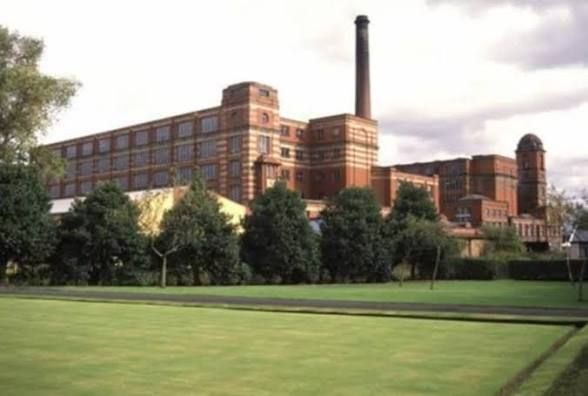
Unlike older mill towns that grew haphazardly, Leigh’s industry peaked late, culminating in massive 20th-century “double mills” like the iconic Grade II listed Leigh Spinners Mill*. Today, these red-brick giants have transitioned from empty eyesores into thriving community hubs, arts centers, and commercial business parks.
The iconic Grade II listed Leigh Spinners Mill
Detailed Timeline Breakdown by Era
1. The Pre-Industrial & Domestic Era (Pre-1830)
Before massive brick factories dominated the skyline, textile production was a distributed, domestic industry.
1740s–1770s: Local weavers produce “fustians” (coarse cotton-linen fabrics) in their own homes. The invention of the fly shuttle and Richard Arkwright’s water frame begins to shift production from homes to early water-powered mills.
1800s–1820s: The local economy relies heavily on agriculture, domestic handloom spinning, and a flourishing silk weaving trade.
2. The Early Factory & Industrialisation Era (1830–1879)
The introduction of rotative steam engines allowing mills to move away from rivers, combined with cheap local coal, sparks Leigh’s factory revolution.
1830s: The first dedicated steam-powered cotton mills are constructed in Leigh.
1839: The “Leigh Fight” (14 August). Amid massive unemployment and Chartism protests, a mob of 2,000 workers threatens to burn down Hayes Mill. The Riot Act is read, leading to violent clashes with troops.
1858: Construction begins on the multi-storey mill on Kirkhall Lane (later known as Pennington Spinning Company).
1861–1865: The Lancashire Cotton Famine. The American Civil War blockades southern US ports. Raw cotton supplies dry up, causing widespread starvation and temporary mill closures across Leigh.
1862: F.W. Bouth founds Bouth’s Mill. []
1870s: The local silk industry collapses due to foreign competition; multi-storey silk factories like Rose Mill and Welch Mill are rapidly converted to cotton weaving.
1875: The local townships of Pennington, Westleigh, and Bedford officially merge to form the Leigh Local Board District.
3. The Boom & “Super-Mill” Era (1880–1925)
Leigh enters its golden economic age, specialising in fine-mule cotton spinning and building architectural “super-mills”.
1880s: Major industrial development concentrates along the banks of the Bridgewater Canal, including the construction of the landmark Mather Lane Mill.
1899: Leigh is officially incorporated as a Municipal Borough, reflecting its vast commercial wealth.
1905: The Butts Spinning Company constructs Butts Mill.
1911: The industry reaches its employment peak. Over 6,000 people are directly employed in Leigh’s textile sector.
1913: Entrepreneurs John Horrocks and Edward Crowther found Leigh Spinners Mill. Designed by architects Bradshaw, Gass & Hope, “Mill 1” (East Section) opens alongside its boiler house and landmark chimney stack.
1914–1918: Outbreak of World War I halts the export markets and severely disrupts further building expansions.
1923–1925: Construction resumes post-war. “Mill 2” (West Section) is completed, making Leigh Spinners one of the most complete double mill complexes in the United Kingdom.
4. The Slump, War, & Industrial Decline (1926–1999)
Global competition, lack of technical modernization, and shifting markets trigger a long, irreversible contraction.
1920s–1930s: The Great Depression triggers massive closures. Despite slumps, cotton still provides about 14% of all local employment (approx. 6,000 jobs). Pennington Mill shuts its doors in 1930.
1939–1945: World War II temporarily shifts mill focus to industrial war fabrics, and some empty sheds are utilised as prisoner-of-war camps.
1950s–1960s: Post-war decline accelerates. Butts Mill ceases spinning operations entirely in 1960. Across Lancashire, mills close at a catastrophic rate of one per week.
1969: Facing the total collapse of the cotton thread trade, Leigh Spinners Ltd structurally shifts its business model from cotton yarn spinning to carpet manufacturing.
5. Dereliction & Modern Regeneration (2000–Present)
The 21st century sees a major pivot toward preserving architectural heritage via community asset conversion.
2012: Leigh Spinners expands its manufacturing footprint to produce modern synthetic turf products for sports and landscaping.
2013: The Leigh Building Preservation Trust (LBPT) is formed to save the decaying sections of the mill and its rare Yates & Thom cross-compound steam engine. They secure a vital £75,000 restoration grant.
2018: Volunteers successfully turn the historic mill steam engine for the first time in decades. Roof repairs begin on Mill 2.
2020s: Rapid floor-by-floor expansion transforms the site into a massive dynamic space.
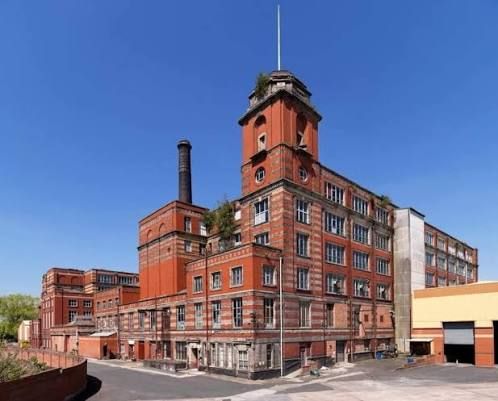
Present Day: Leigh Spinners Mill functions as a premier heritage centre. It hosts more than 60 local tenants, featuring sports gyms, art studios, an independent cinema, a computer museum, and community facilities.
Leigh Spinners Mill functions as a premier heritage centre
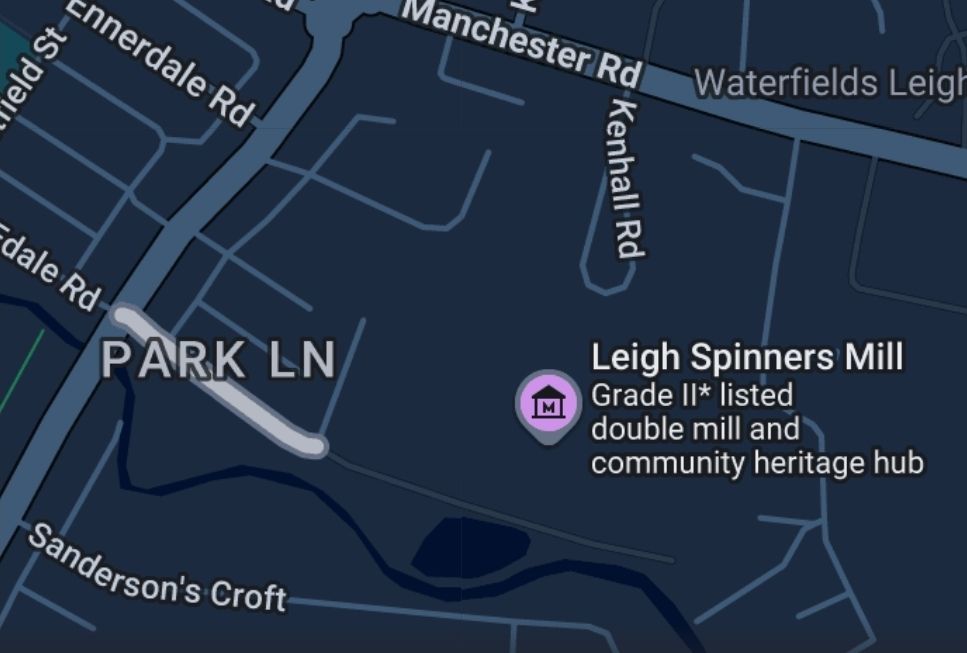
Leigh Spinners Mill is a premier heritage and community hub that has transformed a historic industrial space into a thriving cultural asset. Located in Leigh, Greater Manchester, this Grade II* listed former cotton mill stands as one of the finest and most intact double-mill complexes in the UK.
Today, managed by the Leigh Building Preservation Trust (LBPT), it functions as a vibrant mix of historical preservation, business enterprise, and creative arts.
The Heritage Experience
The Heritage Centre: Located on the first floor, it showcases a vast collection of local history displays, photographs, oral histories, and industrial artefacts discovered during the mill’s renovation.
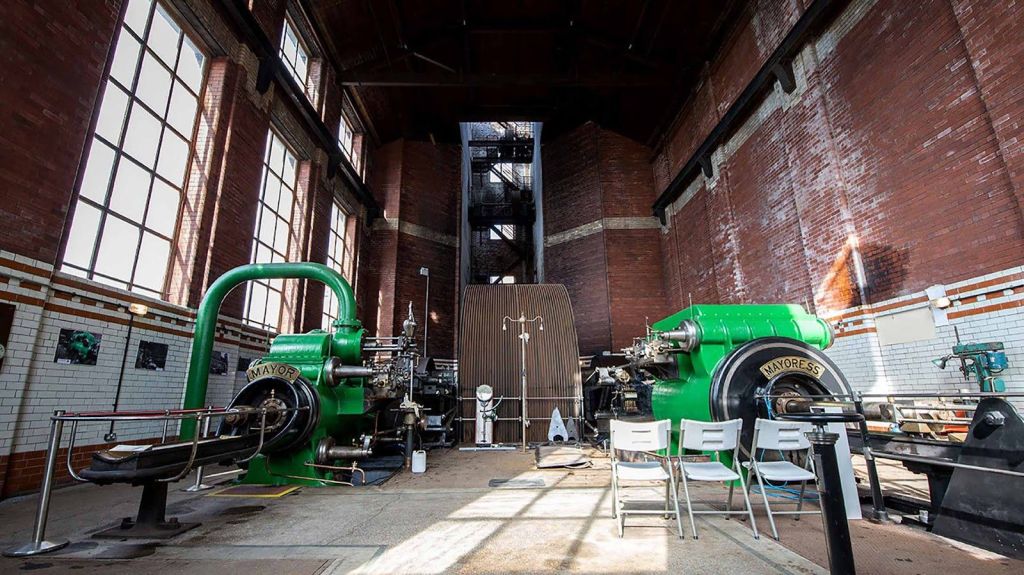
The Steam Engine House: Home to the “Mayor and Mayoress,” a massive 1,800-horsepower twin horizontal cross-compound steam engine built in 1923 by Yates & Thom. It is the largest surviving mill engine of its type in the UK.
Steam Engine House: the “Mayor and Mayoress,” a massive 1,800-horsepower steam engine
Architectural Tours: Enthusiastic volunteer guides lead public tours detailing the mill’s 20th-century Italianate and neo-Baroque architecture designed by Bradshaw Gass & Hope.
A Thriving Multi-Floor Community Hub
Beyond its industrial history, the mill has been partitioned into creative and commercial spaces housing over 80 independent businesses, charities, and sports facilities across its upper floors:
Northwest Computer Museum: A massive retro-tech attraction showcasing fully working generation-one computers and classic video game consoles like the Commodore 64 and Sinclair Spectrum amongst many others.
Sports & Leisure Floor: Features diverse athletic groups including martial arts dojos, an archery centre, a boxing club, table tennis, and yoga studios.
Retail & Amenities: Visitors can browse local maker spaces and craft workshops or relax at the mill’s local café.
Visitor Information
Address: Park Lane, Leigh, Greater Manchester, WN7 2LB.
Cost: Entry to the Heritage Centre and engine room displays is completely free of charge (donations to the trust are welcome).
Heritage Centre Opening Hours: Generally open to the public on Thursdays and Saturdays from 10:00 AM to 2:00 PM. Individual tenant hours across the rest of the mill vary daily.
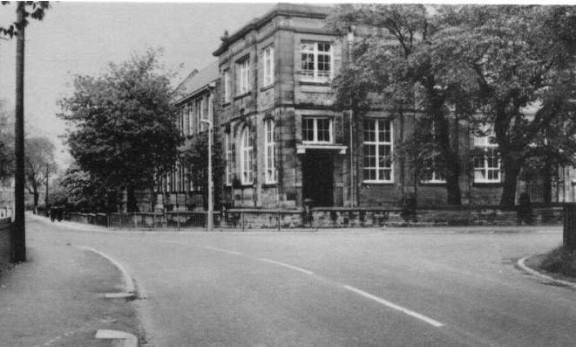
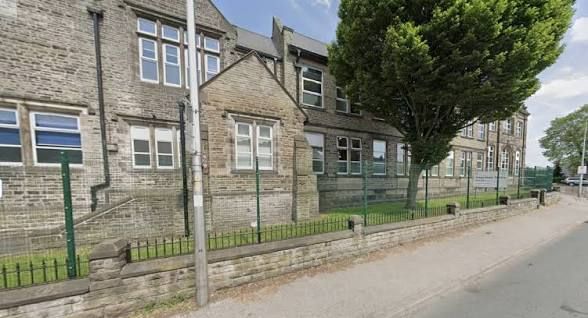
Hindley Park High School (originally founded as Hindley and Abram Grammar School) was a historic secondary school located on Park Road in Hindley, Wigan, Greater Manchester. I attended the school from 1980 thru 1985.
Operating under its final name until its closure in August 1991, the institution served the local community for over three centuries. The iconic Victorian school building still stands today and serves the region as the Three Towers Academy.
Park High Secondary School, Hindley, Wigan – Overview and Timeline
Full Institutional Description
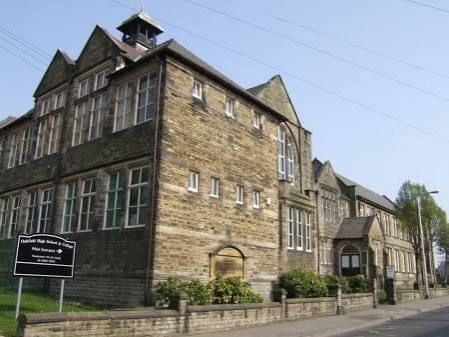
Location and Campus: Located on Park Road, Hindley, the school campus features a prominent mid-Victorian main building constructed of traditional red brick and stone dressings. The site evolved from a single large schoolroom to include a master’s house, separate classrooms, and the landmark Carlton Villas (acquired in 1937 as headmaster quarters).
Academic Identity: For most of its existence, it operated as a selective Grammar School focusing on classical education, mathematics, and sciences. In its later eras, it transitioned into a non-selective voluntary controlled secondary school managed by the Wigan Metropolitan Borough Council.
Heritage Values: The school holds deep historical significance for the Wigan borough. Its grounds feature two prominent war memorials dedicated to the alumni who perished during World War I and World War II.
Park High Secondary School, Hindley, Wigan – side view of main building
Chronological Timeline Breakdown
Era 1: The Foundations & Lowe Hall (1632 – 1855)
1632:The Hindley and Abram Grammar School is officially established through a charitable foundation. It opens inside “Lowe Hall” off Stony Lane (modern-day Liverpool Road) and is locally dubbed The Lowe School.
1829: The school updates its charter; while originally free, the Headmaster is granted the liberty to charge tuition fees for advanced instruction in Latin, arithmetic, and writing.
1848: The campus layout at Lowe Hall is formally documented for the first time on the inaugural Ordnance Survey map.
Era 2: The Park Road Relocation & Growth (1856 – 1979)
1856: The school outgrows its original home and relocates to a brand-new building on Park Road, anchoring its identity to the “Park” area of Hindley.
1882: The infrastructure expands significantly to accommodate a growing pupil registry. The site now comprises a large central schoolroom, a secondary classroom, and a dedicated headmaster’s residence.
1900s–1930s: The school undergoes rapid student growth. In 1937, the neighbouring Carlton Villas are formally purchased to serve as upgraded residential quarters for the headmaster.
1944–1970s: Following the Education Act of 1944, the school solidifies its role as a key selective grammar school for the Hindley and Abram districts, operating alongside local secondary modern alternatives.
Era 3: The 1980s Transformation (1980 – 1989)
1980–1985: Amidst a nationwide shift away from selective education, the school operates as Hindley Park High School, a voluntary controlled secondary school. It adapts its classical grammar curriculum to broader secondary education requirements.
1986–1888: Financial strain and shifting local demographics within the Wigan Council area prompt institutional reviews regarding school surplus spaces across the borough.
1989: Local education authorities begin formal consultations regarding the consolidation of secondary education in Hindley, outlining plans to phase out the historic Park Road site in favour of expanding Outwood Academy Hindley (then known as Mornington High School).
Era 4: Closure & Modern Reuse (1990 – Present)
1991: On 31 August 1991, Hindley Park High School officially closes its doors to pupils, ending 359 years of direct educational lineage.
1992–2010s: The building is preserved by the local authority and repurposed as a Teachers’ Development Centre.
2020s: The historical complex finds a permanent modern educational use. The facility is occupied by the Three Towers Alternative Provision Academy, ensuring the 1856 building continues to serve local children needing specialised support.