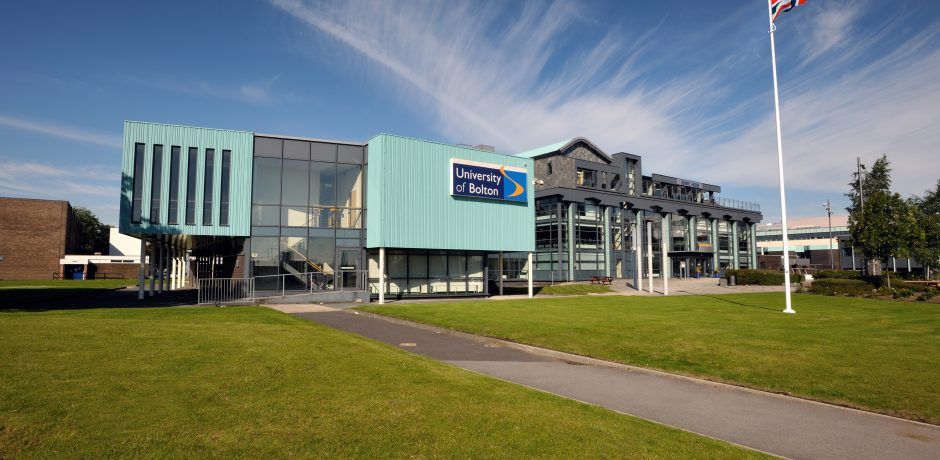
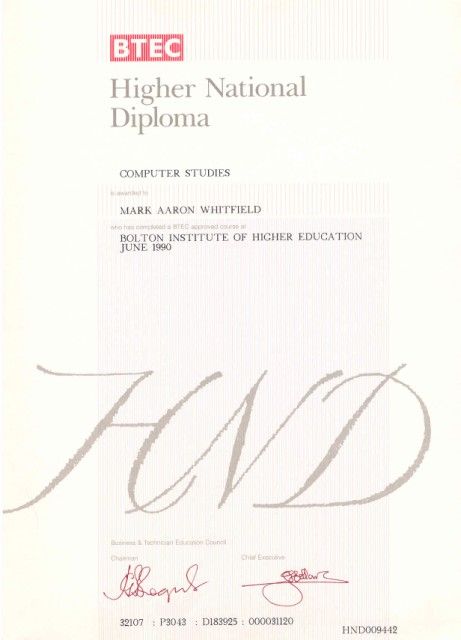
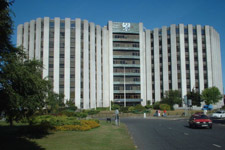
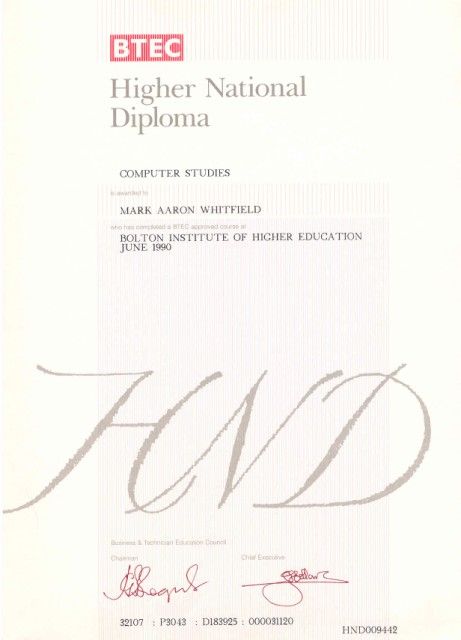
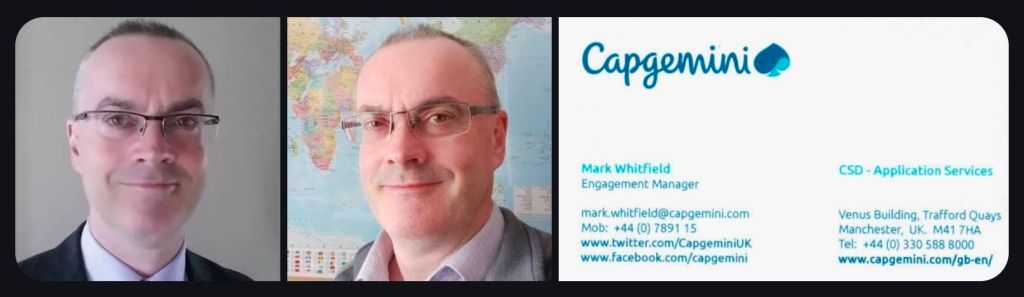
Between 1988 and 1990, IT Project Manager Mark Whitfield completed a BTEC Higher National Diploma (HND) in Computer Studies at the Bolton Institute of Higher Education (BIHE). He graduated with a Distinction and achieved the overall first place across the entire two years of the course.
Bolton Institute of Higher Education now University of Greater Manchester
The institution has since evolved, later becoming the University of Bolton and subsequently rebranding as the University of Greater Manchester.
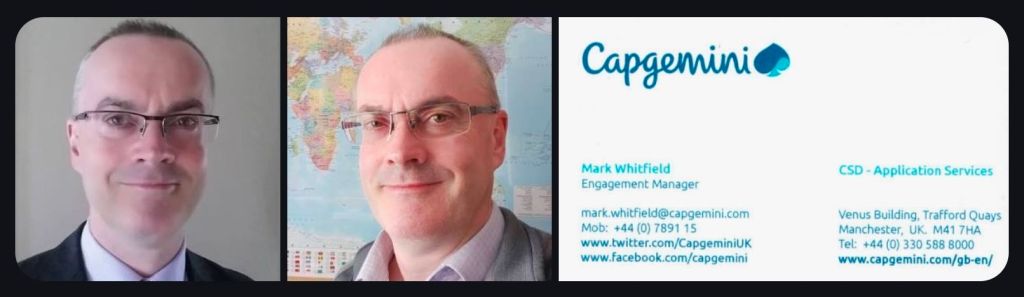
Joining in January 2016, he has orchestrated enterprise-scale cloud migrations, middleware application refactoring, and API-led integration architectures across public sector and tier-one corporate clients.
Methodologies: Agile Scrum ceremonies, Waterfall frameworks, and hybrid delivery patterns
Core Competencies: Hybrid cloud migrations, API lifecycle architectures, cross-data centre integration, multi-supplier governance, and financial forecasting
Key Clients Served: UK Government, MuleSoft / Salesforce, Jaguar Land Rover, Royal Mail Group, NATS, and Welsh Water
Detailed Capgemini Projects Timeline Breakdown by Year:
2016 – 2017: Aerospace & Defence Integration & Postal Infrastructure
Aerospace & Defence Mobile Apps: Managed an Agile Scrum delivery stream for a UK-wide Air Traffic organisation (NATS). He supervised the development of dual-layered Apple iOS applications rendering real-time airspace positioning data, separating sensitive internal military maps from public views.
Salesforce Portal Deployment: Led the enterprise integration and deployment of a Salesforce-driven Single Customer View (SCV) portal platform for defence stakeholders.
Postal Services Migration (May 2016 – Oct 2016): Appointed as PM for an award-winning £4.3 million Data Centre Migration project for a major postal client (Royal Mail Group). He directed 90 Capgemini engineers to shift 1,100+ critical interfaces—migrating file transmissions written in UNIX shell scripts and upgrading 150 interfaces processing through IBM ESB to safe software versions right before peak seasonal trading lockouts.
2017 – 2018: Automotive Supply Chain Middleware
Jaguar Land Rover iFAB Project: Directed the complex 12-month iFAB Middleware Project architecture development scheme. This cross-functional framework connected globally dispersed manufacturing supply components.
Supplier Governance: Coordinated on-site daily standups alongside integration engineering leads to accurately synchronize multiple software suppliers handling distinct tiers of middleware, messaging queues, and front-end architectures.
2018 – 2019: Enterprise API Platform Delivery (MuleSoft)
MuleSoft HQ Augmentation (October 2018 – June 2019): Embedded directly into MuleSoft’s London headquarters (Salesforce Tower) as a Senior Delivery Manager.
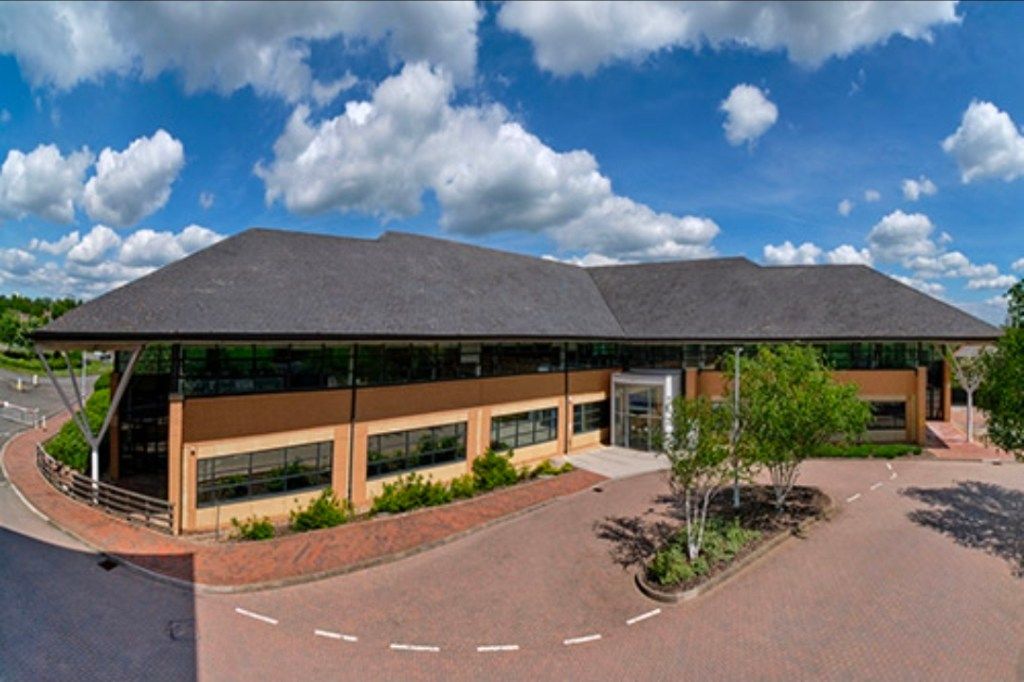
MuleSoft’s London office is located within the Salesforce Tower at 110 Bishopsgate.
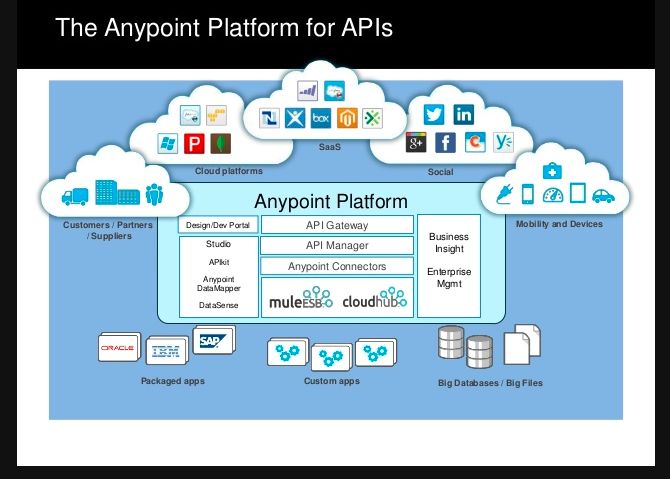
Anypoint Platform Deployments: Guided multinational corporate clients through API-led connectivity lifecycles. This encompassed configuring Anypoint Code Builder structures, validating hyper-automation runtime layers, and ensuring architectural compliance against regulatory framework rules.
Anypoint Platform is the leading enterprise platform for building APIs, integrations & application networks
2019 – 2021: Large-Scale Public Sector Cloud Migration
UK Government Hybrid Cloud Transformation: Commanded a massive modernization program migrating a highly complex estate of legacy code.
130 Applications Transformed: Acted as the primary client escalation point to refactor, re-host, and re-platform 130 public-sector software applications into hybrid cloud environments. His responsibilities included aligning the massive multi-stack migration with strict GDPR protection directives and managing offshore project delivery targets.
2022: Utility Infrastructure & Cloud Upgrades
Water Utility EQS Cloud Shift: Dual-managed a £0.5 million technical contract moving an legacy document management environment (EQS) onto Microsoft Azure cloud structures via Enablon for Welsh Water and Scottish Water.
MS Dynamics 365 Evolution: Supervised a £0.4 million discovery and blueprint phase to move 12 legacy Microsoft Dynamics 2016 instances operating on outdated shared 8.2 infrastructure onto the unified Microsoft Dynamics 365 Online ecosystem. This involved authoring precise Statements of Work (SoW), custom exit strategies, and foundational Microsoft Project (MPP) tracking models.
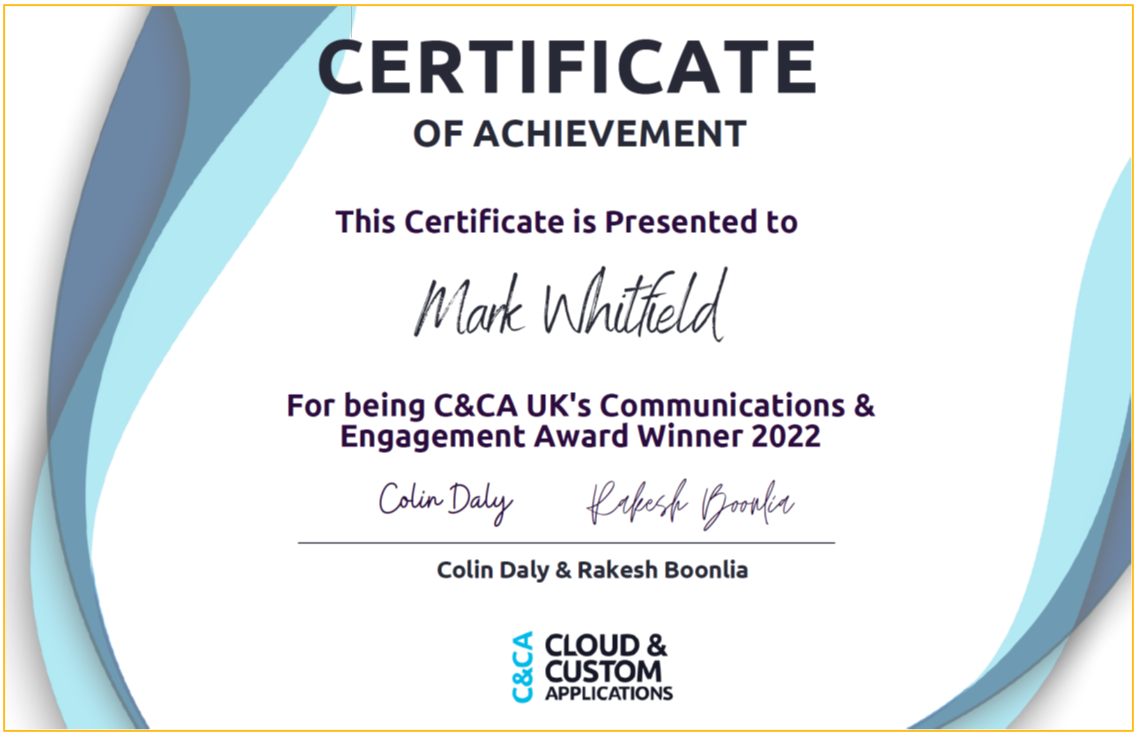
Accolades: Won the prestigious Capgemini C&CA UK Communications & Engagement Award in December 2022 for outstanding delivery inside the Cloud & Custom Applications business unit.
C&CA UK’s Communications & Engagement Award Winner 2022 – Cloud & Custom Applications – Capgemini UK
Focus: Electronic banking programming and development on Tandem Mainframe Computers.
Projects: Wrote, developed, and maintained software like sp/ARCHITECT-BANK and associated billing software (in Poole, 1993). This involved building early electronic banking systems for desktops long before internet banking was prevalent.
Location: Insider Technologies, Salford Quays, Manchester, UK
Focus: NonStop product management, software design, and real-time event monitoring.
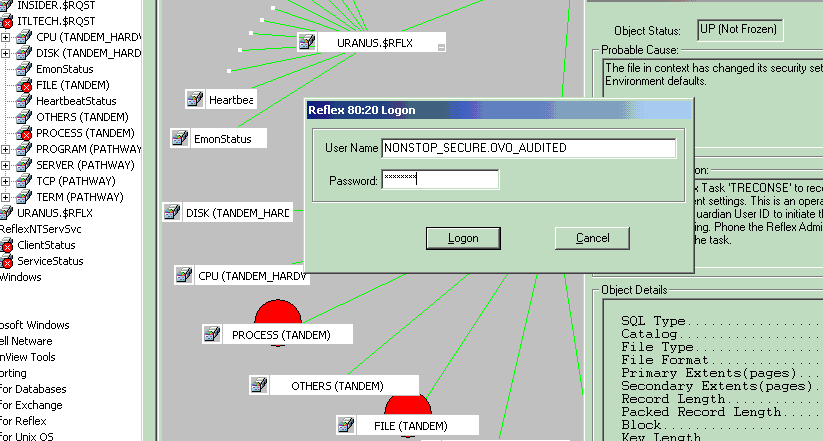
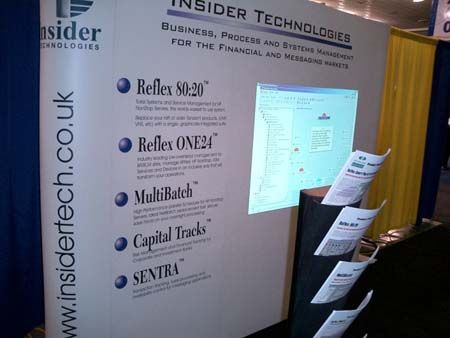
Projects: Product managed software lifecycles for four monitoring products (two NonStop based). This included creating health and diagnostic tools (RTLX, Reflex 80:20, Reflex ONE24,XPERT24) for mission-critical NonStop environments. He also deployed volume testing on early HP NonStop S7000 nodes for CRESTCo in London in 1997.
Insider Technologies, Salford Quays, Manchester, UK
Location: Wincor Nixdorf & ATM/POS Financial Services, UK
Focus: Modernization and migration of legacy systems.
Projects: Managed a £5M+ replacement of legacy HP NonStop software systems at a large UK retail bank, migrating functionalities to AIX-based J2EE and Oracle architectures.
Focus: Delivery of enterprise-scale middleware, digital transformation, and cloud.
Projects: Acts as an Engagement Manager and SC-Cleared Project Manager. Focus includes Agile software delivery for Air Traffic organisations (e.g., iOS applications for military and public-facing airspace tracking) and rolling out middleware solutions.
Mark Whitfield’s IT project management and software engineering career spans over three decades, progressing from early electronic banking programming on Tandem Mainframes (now known as HPE NonStop) to senior delivery of enterprise-scale middleware, cloud, and digital transformation initiatives.
The high-level chronological timeline (with links) of his professional eras and key project history is broken down below.
💻 1990–1995: Early Programming & Lead Analysis Era
During this foundational era, Whitfield operated as a Programmer and Lead Analyst specializing in core electronic banking software frameworks.
The Software Partnership / Deluxe Data (1990–1995): Developed and enhanced the sp/ARCHITECT-BANK platform. His technical responsibilities focused heavily on coding within Tandem Mainframe environments (now HPE NonStop) using C, C++, TAL, COBOL, and PATHWAY architectures.
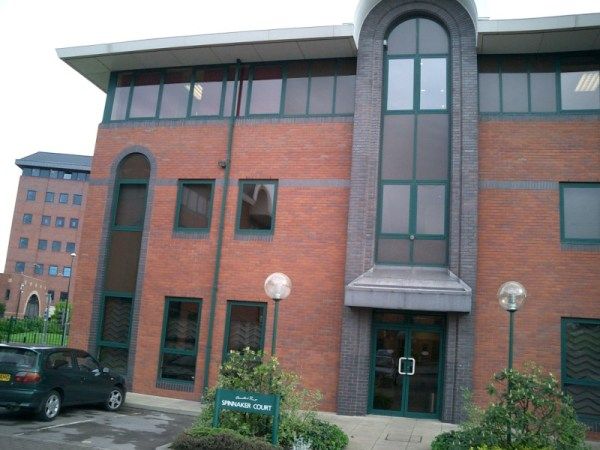
Deluxe Data International Operations, Wingate House, Northway, Runcorn
Barclays On-Site Delivery (Early 1990s): Deployed on-site at the Barclays facility in Knutsford, Cheshire. He was responsible for core code development and system architecture design on the Barclays Business Master II (BBM II) electronic banking initiative and subsequent billing modules developed in Poole, Dorset.
Barclays, Wimborne Road, Poole, Dorset
🛠️ 1995–2013: Senior Development & Strategic Project Management Era
Transitioning to Insider Technologies Limited at Salford Quays, Manchester, Whitfield progressed into high-level technical project delivery and strategic product management.
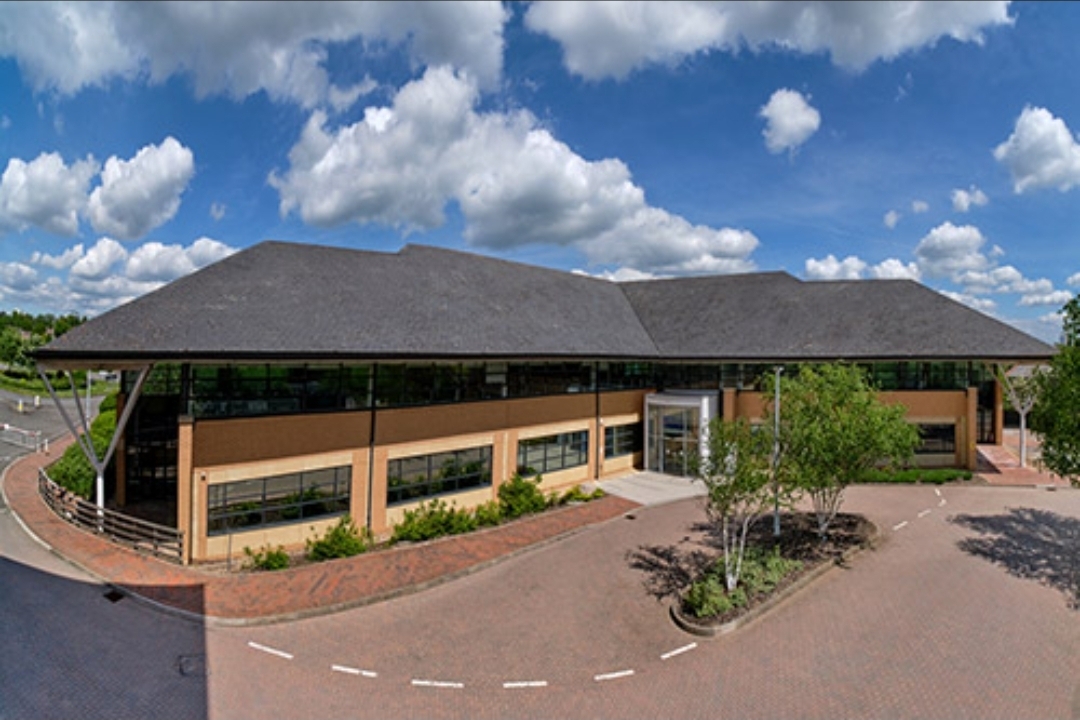
Insider Technologies Limited (ITL) in 2001, Salford Quays, Chandlers Point
Reflex Monitoring Suite R&D (1995–1996): Appointed as a core developer to design platform health and diagnostic plug-in modules for the flagship Reflex 80:20 tracking console.
CRESTCo Infrastructure Integration (1997–1998): Acted as a technical infrastructure consultant for CRESTCo (now Euroclear). Managed hardware benchmark coding and testing for newly deployed Tandem S7000 processing nodes.
CRESTCo in 1997 on St. Katherine’s Dock near Tower Hill tube station
Real-Time Tracking Protocols (1999–2001): Oversaw multi-organizational telemetry deployments for the Bank of England and Deutsche Bank, leveraging specialized MultiBatch scheduling utilities and automated file monitors.
Hewlett-Packard (HP) Certification Initiative (2002–2003): Successfully drove the rigid compliance and verification process to secure official certification for the first HP OpenView Operations (OVO) Smart Plug-In built for NonStop mainframe environments.
First HP OpenView Operations Smart Plug-In for HPE NonStop environments
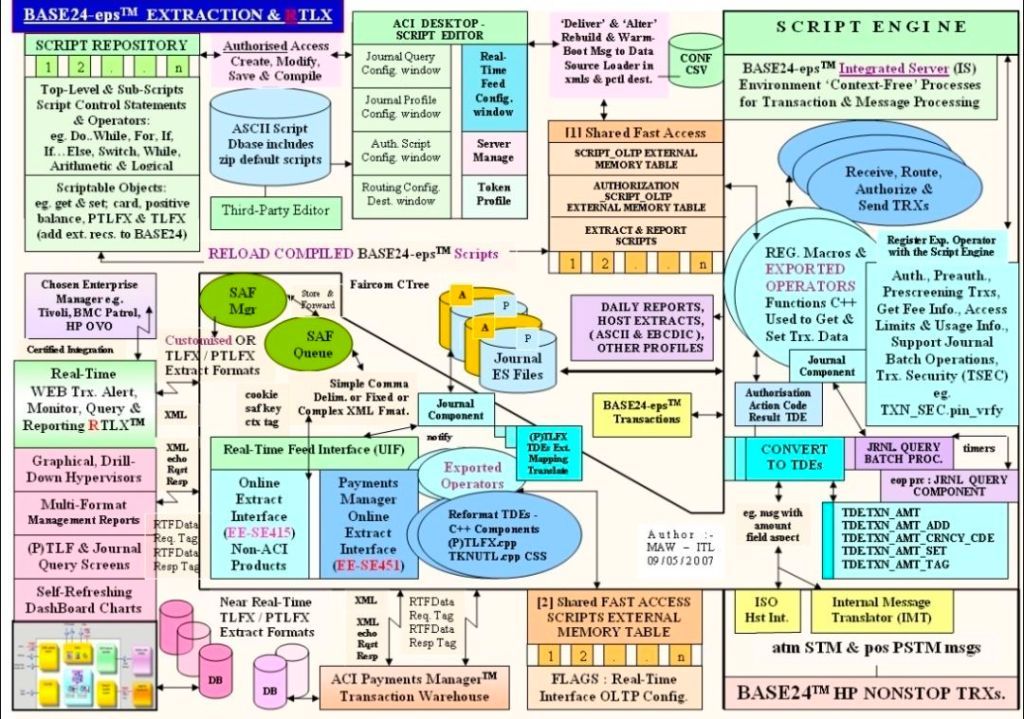
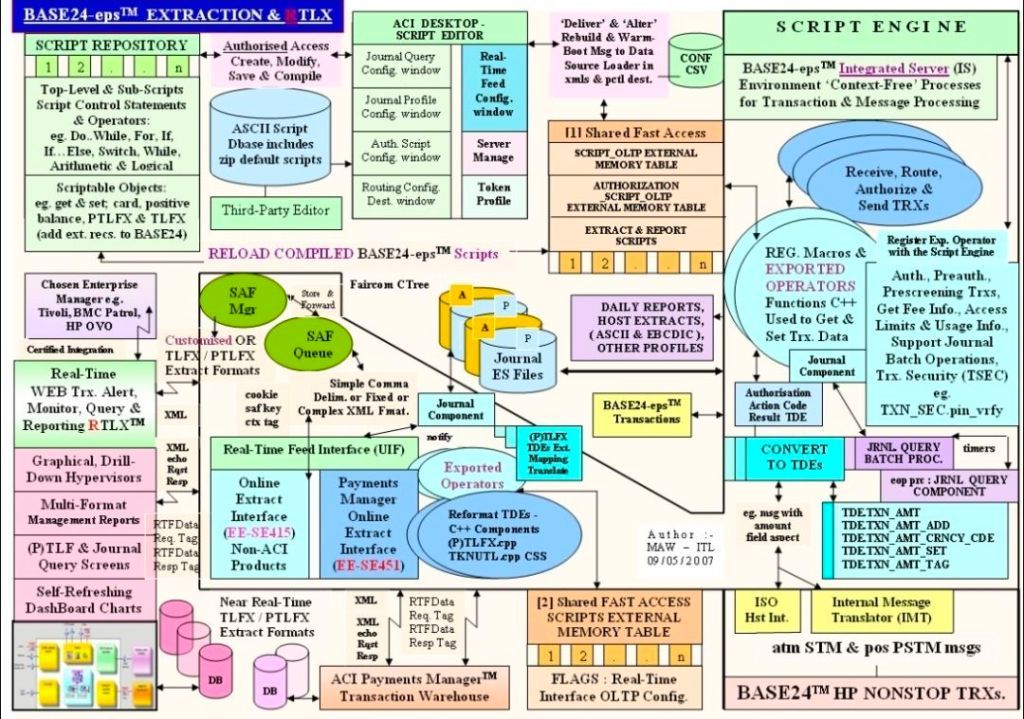
ATM Log Extraction Deployments (2004–2007): Led technical delivery teams implementing automated transaction log extraction layers (RTLX and Sentra) to audit ATM networks for major retail financial brands like Alliance & Leicester (now Santander) and HSBC.
Cross-Border Retail Banking Rollout (2008–2010): Served as Project Manager overseeing a high-volume, cross-border ATM and Point-of-Sale (POS) environment monitoring expansion for a prominent Saudi Arabian Retail Bank.
Cross-border ATM and Point-of-Sale (POS) environment monitoring expansion
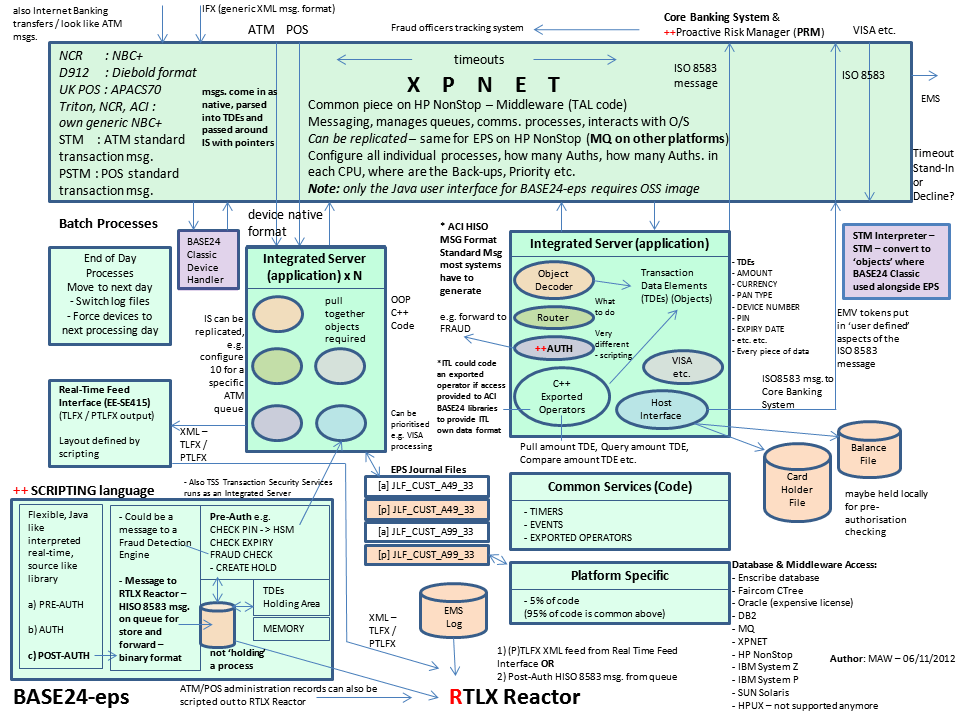
Enterprise Transaction Monitoring (2011–2013): Functioned as Project Lead to bridge retail banking transaction networks with corporate governance architectures. Integrated critical pathways for Standard Chartered and Global Payments into TIVOLI and XPERT24 using ACI’s XPNET infrastructure.
Wincor Nixdorf Banking Division (2013–2014): Retained as Project Manager for Professional Services. He directed a massive hardware and software transition stream for Lloyds Banking Group’s Self-Service Software Replacement (SSSR) programme whilst also providing a qualified management link with Wincor Nixdorf, Paderborn (Germany) for subject matter expertise, as part of the transition.
🎮 2014–2016: Digital Infrastructure & Enterprise Betting Era
Whitfield shifted his delivery domain focus from banking mainframes into real-time high-transaction digital platforms.
Betfred Project Delivery (2014–2016): Managed IT infrastructure and digital systems alignment projects, supporting high-throughput retail and digital consumer gaming workflows.
☁️ 2016–Present: Cloud Integration, Middleware, & Public Sector Era
In this current era, Whitfield acts as a senior, SC-cleared Senior IT Project Manager specializing in hybrid cloud migrations and API-led integration.
Capgemini UK Consultancy (2016–Present): Leading massive corporate and public sector agile/waterfall delivery initiatives. His technical program management footprint expands across a vast roster of tier-one enterprise environments:
MuleSoft Ecosystem Deployments: Directing system integration projects utilising the Salesforce MuleSoft suite, spanning API lifecycle design, Anypoint Code Builder configurations, and hyper-automation flows.
Multi-Sector Enterprise Clients: Orchestrating cloud migrations, middleware application refactoring, and data pipelines for Jaguar Land Rover (JLR), Heathrow Airport, Royal Mail Group (RMG), NATS (National Air Traffic Services), Welsh Water, Rabobank, Barclays, and UK Export Finance (UKEF).
C&CA UK’s Communications & Engagement Award Winner 2022 – Cloud & Custom Applications – Capgemini UK
Insider Technologies Limited is a specialized UK-based software house and service provider that engineers high-availability monitoring, tracking, and cybersecurity solutions for business-critical, 24/7 mission-critical architectures. I worked at ITL in Salford Quays from 1995 through to 2013.
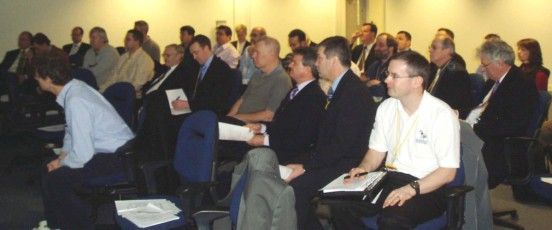
Attending an EBUG conference (European BASE24 User Group)
Foreground, attending a British Isles TANDEM User Group (BITUG)
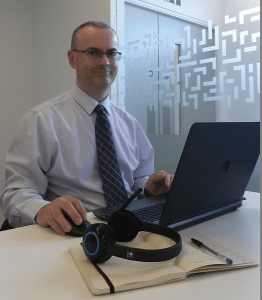
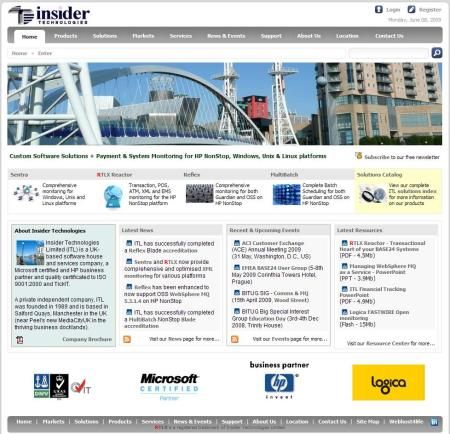
Insider Technologies Limited (website author in 2009)
CompanyOverview
🏢 Corporate Identity & Status
Legal Name: Insider Technologies Limited
Founded:27 February 1989
Headquarters: Manchester, UK (Albert Street, Eccles)
Ownership: Operating as a private independent software company, recently integrated as part of PartnerOne.
Strategic Partnerships: Certified Microsoft Gold Partner for Application Development and long-standing Hewlett Packard Enterprise (HPE) partner.
Insider Technologies Limited (ITL) in 2001, Salford Quays, Chandlers Point
🌐 Core Domain & Industries Served
The company delivers real-time, event-driven diagnostic, tracking, and compliance middleware solutions across three main highly-regulated global verticals:
Government & Defence: Secure enterprise military messaging tracking and digital evidence handling.
Telecommunications: Tracking data traffic and critical infrastructure middleware.
🛠️ Core Technology Stack & Competencies
Insider Technologies specializes in niche high-availability operating environments—specifically HPE NonStop (historically Tandem Computers and HP NonStop) running Guardian and Open System Services (OSS) environments—alongside enterprise Windows, Linux, and Unix systems. Their expertise spans database transaction management, BASE24 XPNET monitoring, IBM WebSphere MQ tracking, and low-level development (SQL, TAL, TACL, COBOL85, C++, Pathway).
Insider Technologies – Core products in 2003
In-Depth Product & Political-Technical Timeline
This timeline breaks down how Insider Technologies evolved its software suite. It demonstrates how their technical development directly responded to shifting geopolitical landscapes—ranging from late-Cold War military messaging security to post-9/11 financial regulations and modern European cloud autonomy initiatives.
🔹 The Foundation & Legacy Tandem Era (1989–1999)
Political Context: The final years of the Cold War and the 1990s globalization boom demanded high-security, fault-tolerant mainframes for NATO-aligned military communications and early global banking clearing networks.
Technical Context: Tandem Computers dominated the un-interruptible 24/7 market. Software was required to monitor these platforms without causing processing overhead.
1989
Company Incorporation: Insider Technologies is incorporated in the UK to engineer bespoke software for highly robust technical ecosystems.
1990–1995
Reflex (Core Release): Release of Reflex, a foundational service management and real-time transaction diagnostic tool built specifically for the Tandem Guardian operating system.
1996–1999
MultiBatch Software: Further Develop and Extend MultiBatch to orchestrate and safely automate complex batch processing on Tandem machines alongside the evolution into HP NonStop computing frameworks.
Y2K Compliance Focus: Technical adjustments were deployed across Reflex and MultiBatch to assure financial institutions that automated transaction logging would not fail during the millennium rollover.
🔸 The Multi-Platform & Financial Compliance Era (2000–2015)
Political Context: Following the September 11 attacks, global anti-money laundering (AML) and counter-terrorism financing (CTF) frameworks heavily expanded. Financial regulators demanded exact, audible end-to-end payment tracking.
Technical Context: Enterprises began migrating away from single-architecture mainframes toward heterogeneous IT environments, requiring tools that could jump across Windows, Unix, and Linux simultaneously.
2002–2004
Sentra Development: Launch of Sentra, expanding the firm’s portfolio beyond HPE NonStop into cross-platform environment monitoring for Windows, Linux, and Unix systems.
Reflex 80:20 & Reflex ONE24: Advanced variations of the Reflex tracking system were built to cater to specialized real-time electronic payment flows like BASE24 with XPNET.
2005–2010
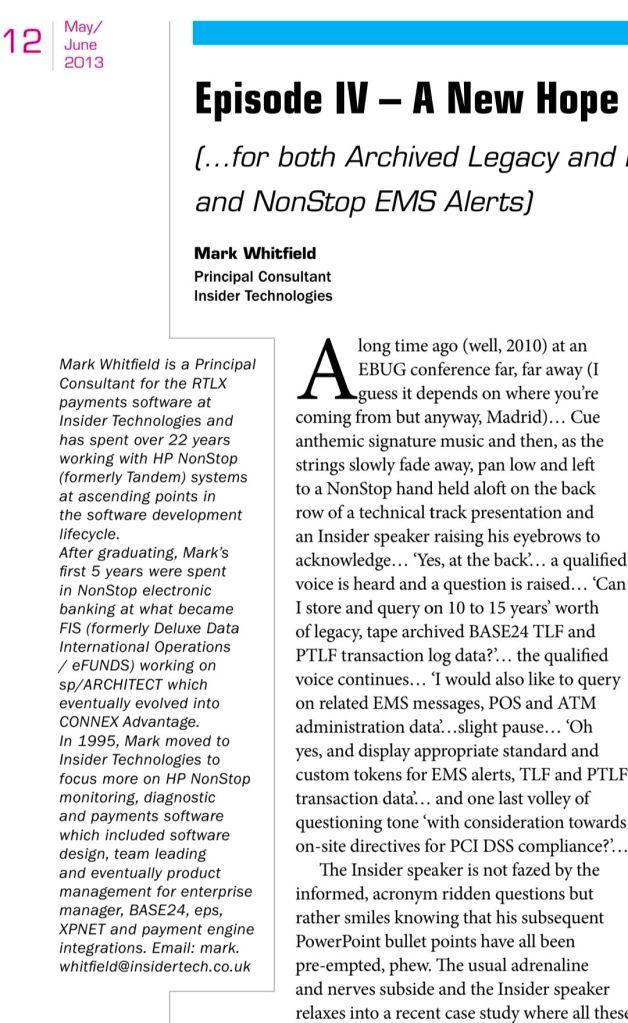
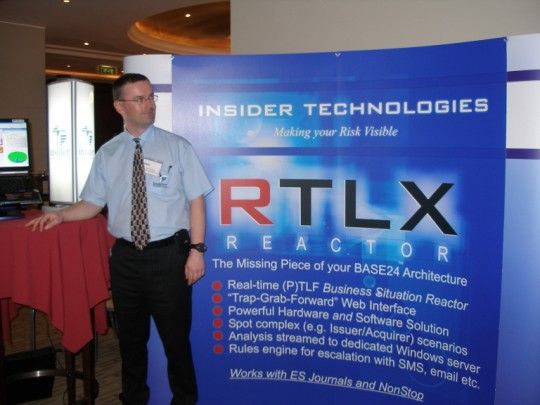
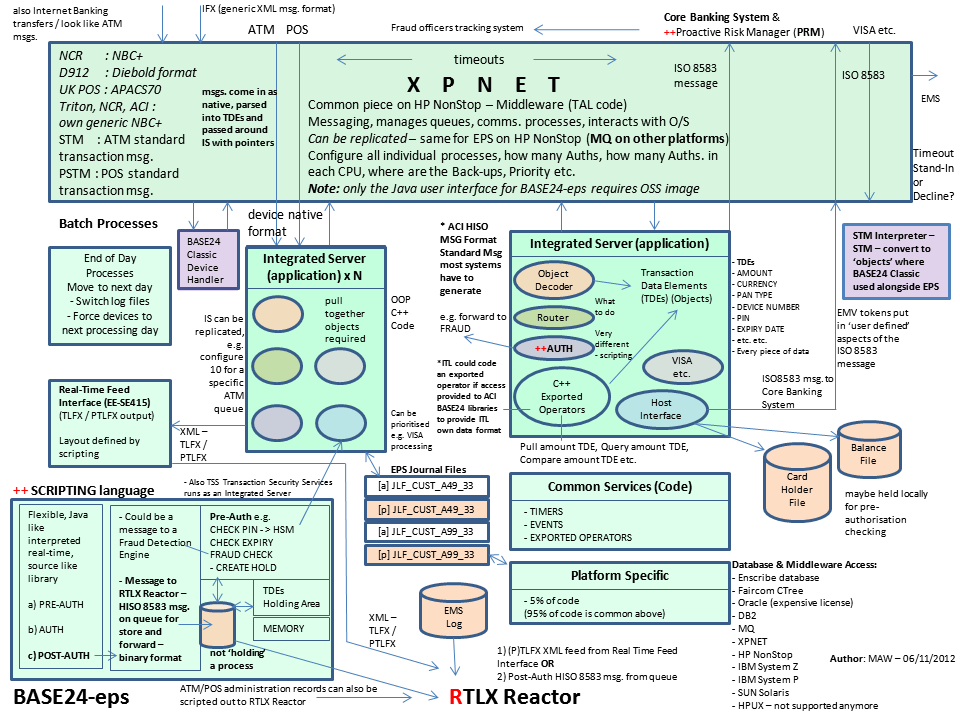
RTLX Reactor (page 12) and Middleware Monitoring: The release of RTLX Reactor provided message tracking capabilities tailored for IBM WebSphere MQ, allowing institutions to trace various payment and other data through complex middleware chains.
Corporate Structuring: The creation of Insider Technologies (Holdings) Limited reinforced corporate expansion as the company deepened its footprint in secure military messaging for government defense bodies.
🔹 The Cyber Autonomy & Sovereignty Era (2016–Present)
Political Context: Escalating nation-state cyber warfare, strict GDPR regulations, and the UK/EU push for technological sovereignty and domestic digital ecosystem resilience heightened the reliance on trusted, onshore technology suppliers.
Technical Context: High-threat environments demand zero-trust visualization, time-accurate logging across digital evidence files, and advanced protection against internal exfiltration vectors.
2019
30-Year Milestone & Modernization: The company celebrates its 30th year, accelerating development on modern mobile application extensions to permit real-time, remote secure alerts for operations teams.
2022–2025
PartnerOne Integration: Insider Technologies aligns its operations under the PartnerOne portfolio, preserving its UK identity while supercharging its enterprise-scale data infrastructure solutions.
Corporate Integration combines Insider’s expertise with PartnerOne’s portfolio to deliver advanced analytics and secure messaging systems to banking, defence, and telecommunications markets.
Defense and Public Safety Porting: Technical deployment of specialized capabilities covering digital evidence security, timekeeping tracking, and legacy virtualization modules aimed explicitly at helping the UK Government maintain its historical tech stacks safely.
RTLX Reactor (in 2012) for tracking BASE24-eps & BASE24 XPNET transactions
Insider Technologies Limited (ITL), Company Overview and Timeline by Year
The Insider RTLX product at ETI-NET is now called C-Deep for Transaction Monitoring;
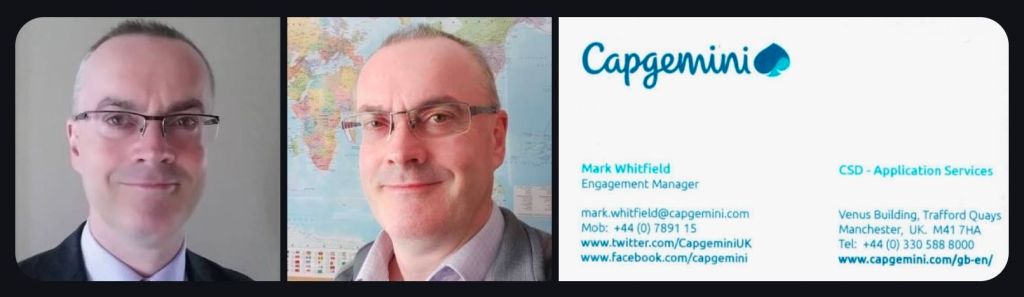
Mark Whitfield is a Greater Manchester-based Senior IT Project and Engagement Manager.
With over 30 years in the IT and software development industry, he has continuously upskilled in project delivery, Agile methodologies, cloud platforms, and cyber security.
Phase 1: Foundational Education
1985 – 1988: Leigh College, UK
Focus: Computer Science and Biology (‘A’ Levels)
1988 – 1990: University of Greater Manchester (formerly Bolton Institute of Higher Education, BIHE)
Focus: Higher National Diploma (HND) in Computer Studies (Graduated with Distinction; First overall in the year)
Key Modules: System Analysis, Programming Methodology, Database Architecture, and Business Information Systems
Phase 2: Project Management & Professional Training
2000 – 2006: Industry Integration & Early Methodologies
Focus: Service-Oriented Architecture (SOA), Agile, Sales, and early project management
Courses/Certifications: Sales and Marketing (In-house Outsource, 2001), Web Services and SOA (Insider Technologies, 2005), PRINCE2 Foundation (2006), Designing Good Marketing Literature (SkillPath Seminars, 2006)
2009: Digital & Communications
Focus: Digital marketing and content
Courses: Writing for the Web, and Website Promotion and Visibility by Design (iTrain Education)
2011: Structured Frameworks
Focus: Formal project frameworks and delivery methodologies
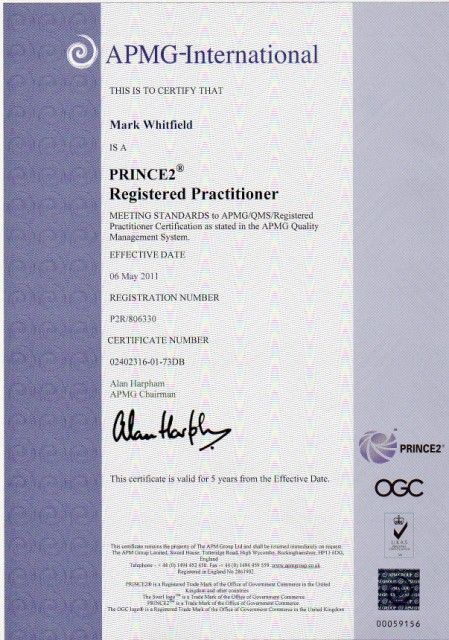
Courses/Certifications: PRINCE2 Foundation & Practitioner (ILX Group), Agile Scrum (RADTAC)
2012: Operational Management
Focus: Service management best practices
Courses/Certifications: ITIL Foundation
Phase 3: Advanced Engagement & Enterprise Training
2017 – 2019: Capgemini Engagement & Compliance
Focus: High-level engagement management and corporate governance
Courses/Certifications: Advanced Engagement Management Certification (Level 2), Group Anti-Corruption, and Intellectual Property Rights (IPR) Training
2022: Cloud Modernization
Focus: Enterprise cloud computing fundamentals
Courses/Certifications: AZ-900 Microsoft Certified Azure Fundamentals
Mark Whitfield, an SC cleared Senior Project Manager based in the Manchester area, has over 30 years of experience transitioning from a software engineer to an IT program leader.
His extensive technical and project management training spans methodologies, cloud infrastructure, and software applications.
A detailed breakdown of his training, certifications, and academic background includes:
Project Management Methodologies
PRINCE2 Practitioner: Certified via the ILX Group.
Agile SCRUM: Trained in-house with RADTAC.
Advanced Engagement Management: Level 2 certification completed via Capgemini.
Project Fundamentals: Completed “Fundamentals of Successful Project Management” and “Managing Multiple Projects” via Skillpath.
Microsoft Project: Microsoft Project ’98 certified.
Technical & Cloud Training
Microsoft Azure: AZ-900 Microsoft Certified Azure Fundamentals.
MuleSoft: Completed outcome-based delivery training and is a specialized Delivery Manager.
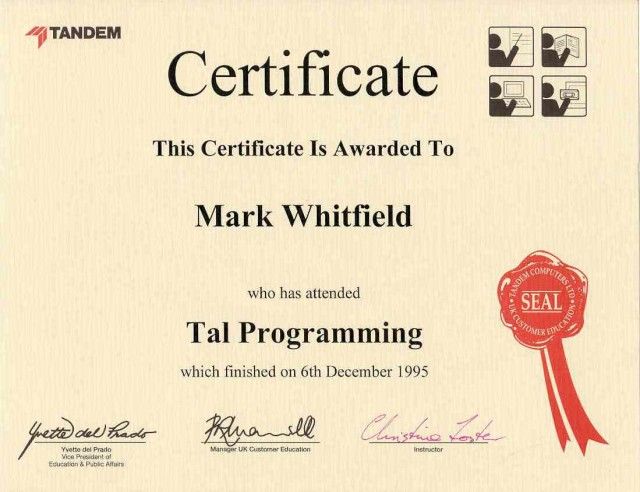
Technical Programming: Includes foundational database and software language training, such as C++ and MS SQL 2000 query training, as well as VPS and Tandem (HPE NonStop) technical/development courses.
Productivity: Completed Microsoft Excel Refresher and Expert skills training (Udemy and Microsoft).
Formal Education
Higher National Diploma (HND): Graduated with a Distinction (top) in Computing (1990).
You can review or download the targeted, one-page CV for Mark Whitfield (Senior Project Manager specializing in HPE NonStop systems) via the Mark Whitfield CV PDF link.
Mark Whitfield, High-Level Project Management Summary
The high-level, scannable overview of his professional profile is outlined below:
Executive Profile
Role: IT Senior Project Manager / Delivery Lead
Background:30+ years of experience delivering highly complex technology, business transformation, and infrastructure projects.
Core Skills: Cloud migration (hybrid), legacy ATM software modernisation, Point of Sale (POS) implementations, and software development lifecycles (SDLC).
Methodologies: Agile, Waterfall, PRINCE2 Practitioner, and ITIL certified.
Core Expertise & Competencies
HP NonStop & Legacy Integration: Deep technical roots in Tandem Computers/ HPE NonStop development, TAL programming, and high-volume transaction environments.
Global Delivery: Managed large-scale IT and system monitoring rollouts across the UK and international markets (e.g., Saudi Arabia).
Stakeholder Management: Experienced in bridging the gap between highly technical development teams and high-level business stakeholders.
For direct access to his official templates, articles, and full professional journey, you can visit the PROject Templates Website.