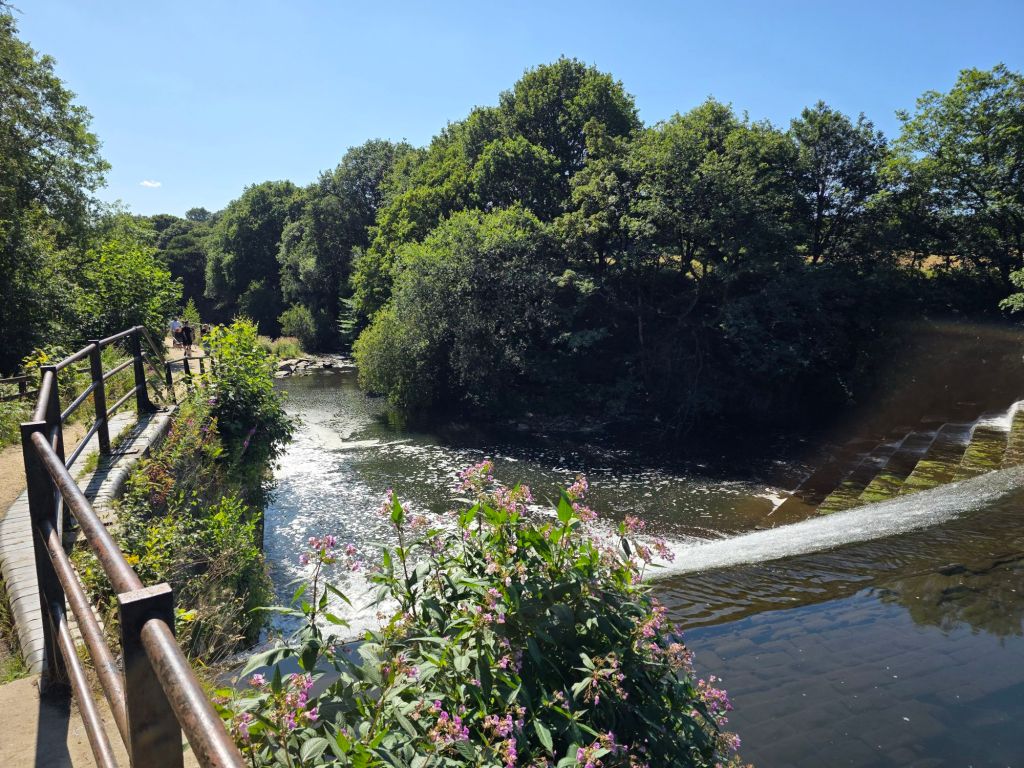
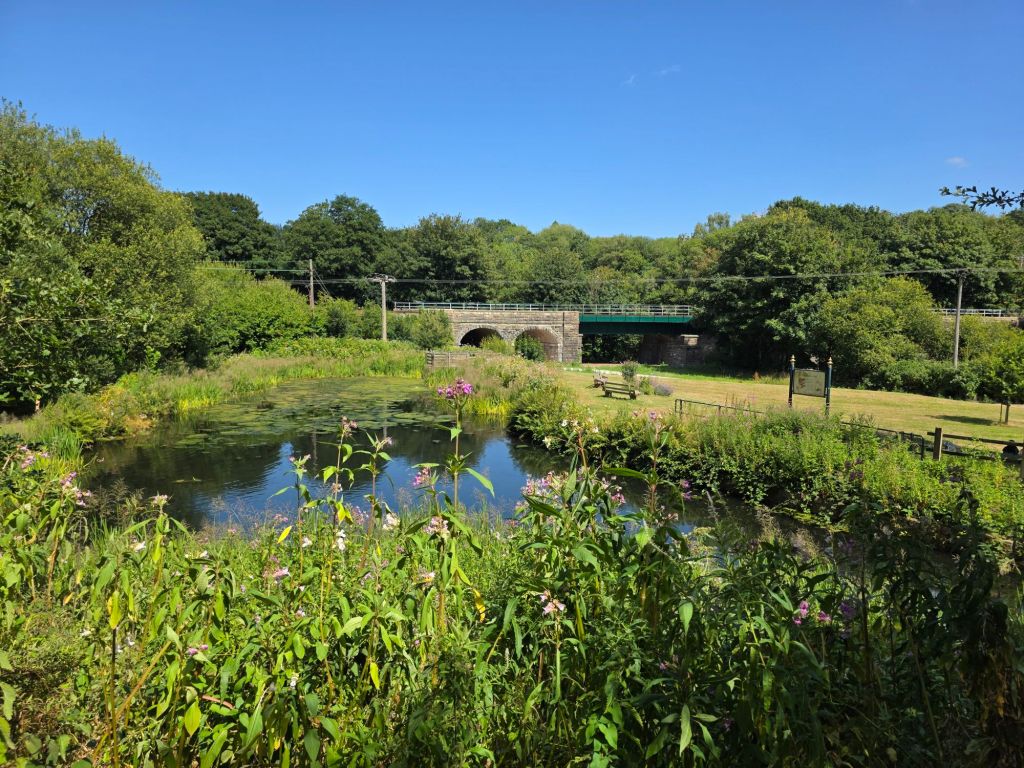
Burrs Country Park is a 36-hectare scenic countryside destination located along the River Irwell, just one mile northwest of Bury town centre. Managed by Bury Council alongside the dedicated community volunteer group, the park has proudly held a Green Flag Award since 2005 for being clean, safe, and environmentally sustainable.
Key Highlights
Industrial Heritage: Once a busy industrial hub, the site features archaeological remains of two major 18th-century cotton mills—Higher Woodhill Mill and Burrs Mill.
Steam Railway: The heritage East Lancashire Railway runs directly alongside the grounds, allowing visitors to stop at the dedicated Burrs Country Park Halt.
Art Installations: The park serves as a featured stop on the Irwell Sculpture Trail, hosting interactive outdoor artworks like Waterwheel and Stone Cycle.
Wildlife & Nature: The grounds feature diverse habitats including wetlands, ponds, and woodlands that make it an ideal hub for birdwatching, fishing, and nature walks.
Amenities & Dining: Visitors can enjoy food and drink at the dog-friendly The Lamppost Café or grab a meal at the historic The Brown Cow pub, which dates back to 1752.
The main park entrance is located on Woodhill Road (Postcode: BL8 1DA). If you are travelling by public transit, you can catch the 472 or 474 bus routes from the nearby Bury Interchange. For additional maps, safety guidelines, and event calendars, you can visit the official Bury Council Park Portal.
Mark Whitfield’s IT conference attendance timeline spans over three decades, highlighted by his presentations at international HPE NonStop (Tandem) and BASE24 transaction monitoring forums.
As a core developer, Product Manager, and Technical Project Manager at Insider Technologies Limited (ITL) from 1995 to 2013, he regularly showcased enterprise monitoring suites like Reflex and RTLX across Europe, the US, and South Africa.
The comprehensive, chronological timeline of his detailed IT conference attendance and speaking engagements is broken down below:
The Early Product Manager & Infrastructure Era (1995–1999)
Late 1990s (BITUG and EBUG): Following his transition to Product Manager for the Reflex 80:20 monitoring system, Whitfield began speaking at the British Isles Tandem User Group (BITUG) and the European BASE24 User Group (EBUG). He presented technical tracks regarding how Reflex managed complex Guardian operating system procedures and automated automated Y2K code auditing.
1999 (SATUG – South Africa): Whitfield traveled to South Africa to represent ITL at the South African Tandem User Group (SATUG) conference. He delivered presentations focused on real-time ATM/POS transaction monitoring and system infrastructure tracking ahead of the millennium date rollover.
Global Expansion & Peak Product Promotion (2000–2009)
Early 2000s (EBUG Expansion): As EBUG annual conferences grew in industry prestige, Whitfield frequently traveled across Europe to give technical track sessions. His presentations focused on BASE24 classic transaction logging, Point-of-Sale (POS) networks, and software resilience utilities.
2003 (ITUG – San Jose, USA): He attended and spoke at the high-profile International Tandem User Group (ITUG) conference in San Jose, California. He presented a specialized technical track detailing ITL’s strategic approaches to HP NonStop Enterprise Management integration.
2005 (BITUG SIG): Whitfield attended the BITUG Special Interest Group (SIG) event in the UK, engaging with regional banking stakeholders and system engineers to showcase platform diagnostics.
2007 (EBUG – Istanbul, Turkey): Whitfield managed the ITL corporate footprint and product presentations at the international EBUG meeting in Istanbul. This event highlighted the extraction capabilities of their next-generation RTLX tracking software.
2008 (SATUG – South Africa): He marked his second attendance at SATUG. He paired this international trip with presentations on high-availability monitoring for African financial networks.
2008 (EBUG – Vienna, Austria): At this pivotal European summit, Whitfield presented amid a massive industry transition. His sessions addressed real-time transaction tracking options as immediate payments emerged in Europe and ACI announced the retirement of legacy BASE24 Classic systems.
2009 (EBUG – Prague, Czech Republic): He attended the Prague conference to champion continued technical support, monitoring solutions, and software extensions for banking platforms still utilizing Tandem servers.
Miscellaneous European EBUG Presentations
Throughout his 18-year career at ITL, Whitfield also consistently attended and delivered product update presentations at EBUG chapters across other major European capital cities. These locations included:
Madrid, Spain
Lisbon, Portugal
Malta
Budapest, Hungary
Athens, Greece
Edinburgh, Scotland
Senior Leadership & Agile Training Era (2010–Present)
November 2017 (Capgemini Campus – Chantilly, France): Following a career shift toward cloud transformations, Digital Delivery, and enterprise architecture, Whitfield attended the intensive Advanced Engagement Manager (EM) Course at the Capgemini Campus (Serge Kampf Les Fontaines). This event focused on high-scale Agile Scrum project management frameworks rather than legacy hardware engineering.
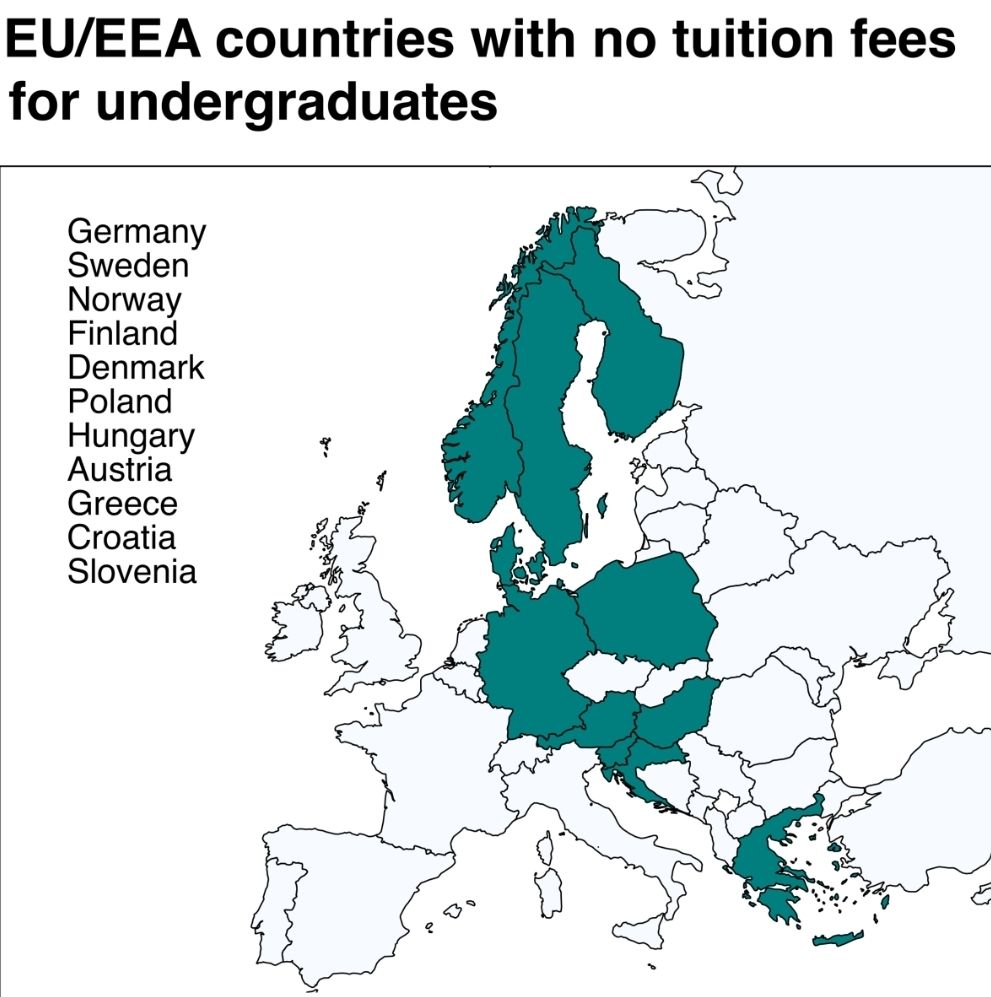
In Europe, “free” higher education almost always refers to zero tuition fees at public universities, though you will still need to pay for living expenses (rent, food, books). No European country requires student loans; rather, loans are an optional choice to fund living costs.
Use the regional breakdown below to see which countries offer zero tuition and which generally require you to pay.
Countries with Free (or Almost Free) Tuition
Countries with Free (or Almost Free) Tuition
These countries charge no tuition fees (or very minimal administrative fees) for eligible students:
Germany: Public universities are completely tuition-free for both domestic and international students, including those from outside the EU. You only pay a small semester fee (approx. €150-€350).
Norway: Free of charge for all students, regardless of nationality.
Austria: Free for EU/EEA students. For non-EU students, the fee is generally a very low €727 per semester.
France: Public university tuition is heavily subsidized and extremely low (approx. €170 to €2,700 per year, depending on the degree).
Iceland: Free tuition at public universities, though a registration fee of roughly €400-€600 is required.
Czech Republic: Public universities are free if you study a program taught in the Czech language. English programs require tuition.
Greece: Free tuition for EU/EEA nationals; non-EU students pay very low fees (around €1,500/year).
Poland: Tuition is free for Polish citizens and EU/EEA students.
Countries with Free Tuition for EU/EEA Students Only
These countries offer free degrees if you are a European citizen, but charge international (non-EU/EEA) students:
Denmark: Free for EU/EEA students; international students pay up to €16,000 per year.
Sweden: Free for EU/EEA students; international students pay full tuition.
Finland: Free for EU/EEA students. Non-EU students pay tuition for English-taught programs.
Slovenia: Free for full-time undergraduate students from the EU.
Countries That Generally Require Tuition (and Potential Loans)
In these countries, you will pay tuition fees ranging from a few hundred to several thousand Euros per year, making student loans or personal savings more necessary:
United Kingdom: In England and Wales, tuition fees can cost up to £9,250 a year for domestic students, and higher for international students. Students heavily utilize the government’s Student Loans Company to cover both fees and maintenance.
The Netherlands: Yearly tuition fees for EU students are around €2,500, with higher fees for international students. Dutch citizens and eligible EU students can take out loans through DUO.
Italy & Spain: Both charge moderate tuition fees for public universities based on family income or the specific region, making it much more affordable than the UK but rarely entirely free without scholarships.
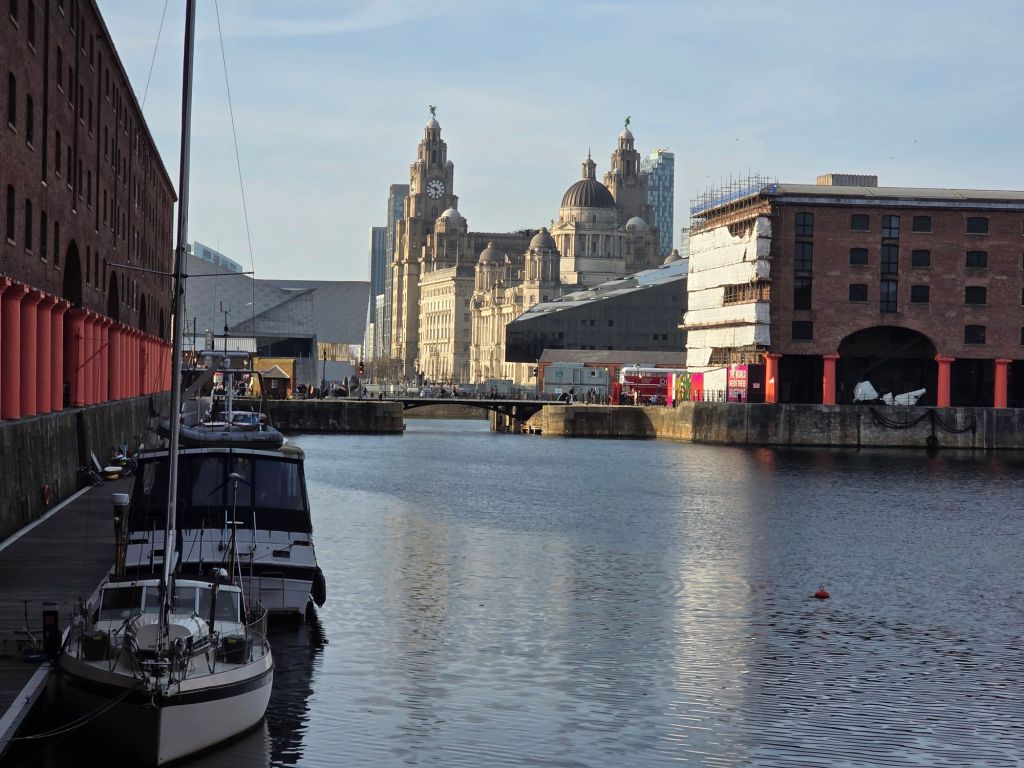
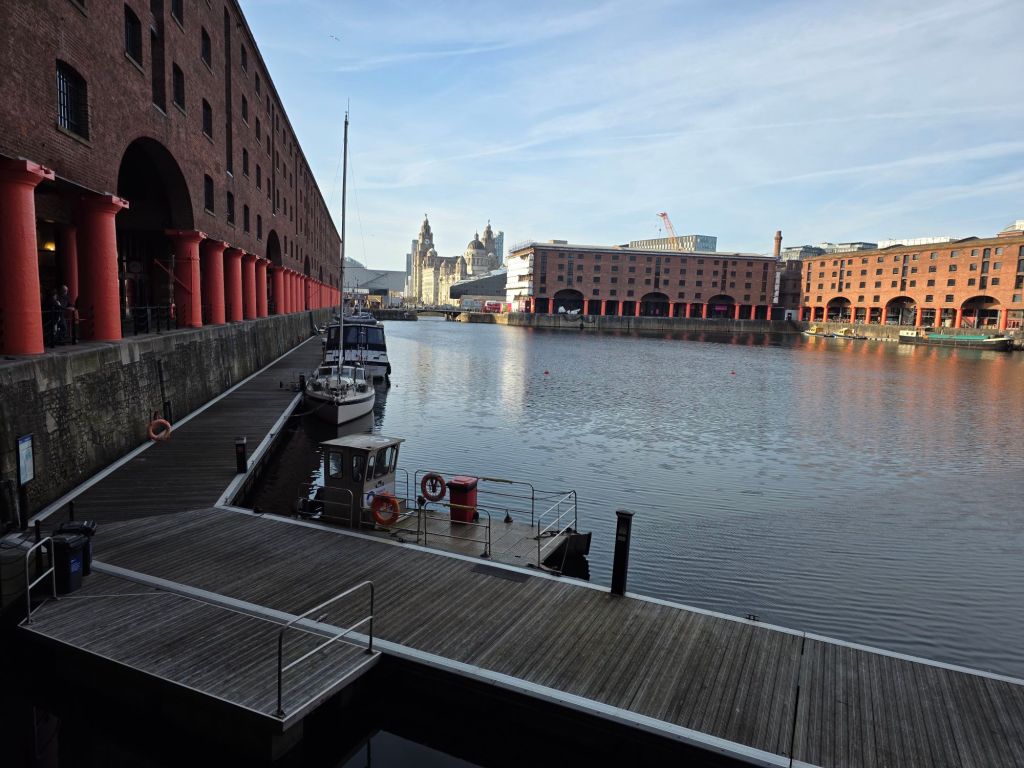
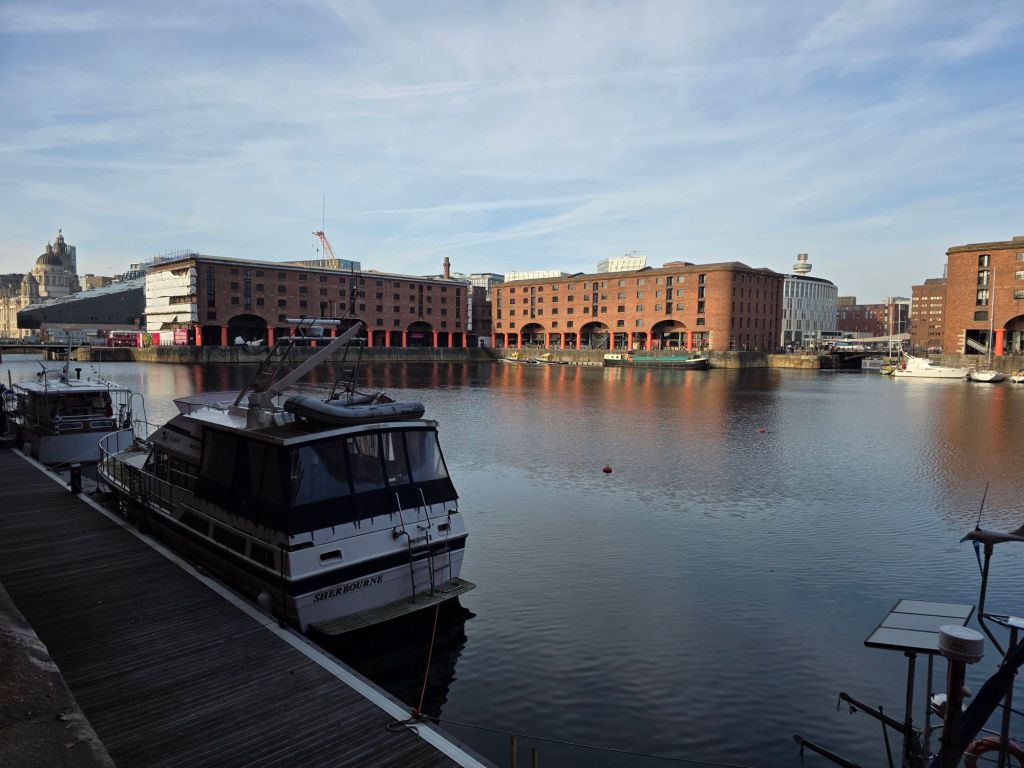
The Liverpool docks system represents one of the world’s most significant maritime developments, evolving from a small tidal inlet into a 7.5-mile interconnected network that handled 40% of global trade by the late 19th century. Starting with the world’s first enclosed commercial wet dock in 1715, Liverpool pioneered dock technology and fireproof warehouse construction, eventually becoming the “New York of Europe”.
Timeline of Development by Era
1715–1815: The Rising Port & Global Trade
This era saw Liverpool’s rapid ascent driven by trade with the Americas and the city’s heavy involvement in the Atlantic Slave Trade.
1715: The Old Dock opens as the world’s first commercial wet dock, allowing ships to unload regardless of the Mersey’s high tidal range.
1753: Salthouse Dock (originally South Dock) opens to service the nearby saltworks.
1765: Three Canning Graving Docks are built for ship maintenance.
2004: Liverpool’s waterfront is designated a UNESCO World Heritage Site (status revoked in 2021).
2009: The Liverpool ONE shopping complex is completed on the site of the Old Dock, with parts of the original dock walls preserved for tours.
2016: Liverpool2, a new deep-water container terminal, opens at Seaforth to handle the world’s largest ships.
For further reading on the structural and strategic history, you can find Liverpool Docks: A Short History by David Paul at Hive.co.uk or used copies at AbeBooks.co.uk.
Liverpool Docks Overview and Historic Timeline by Era and Year
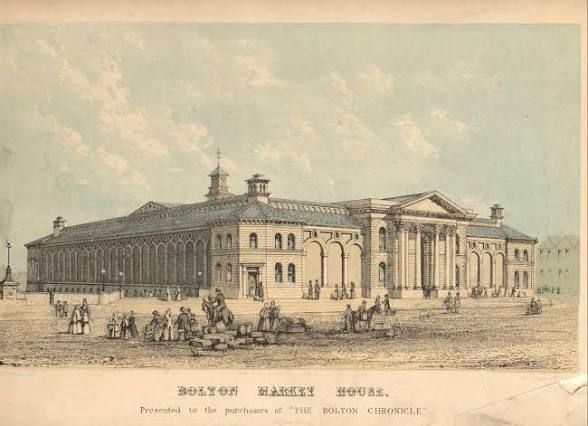
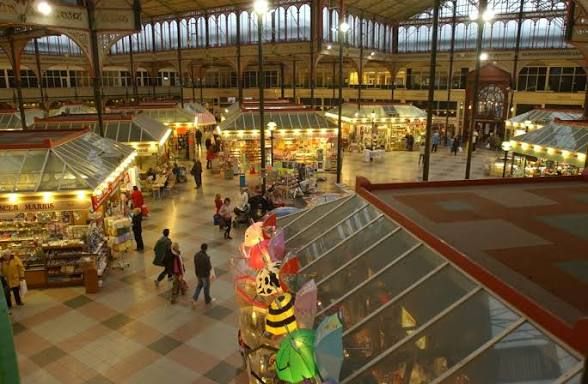
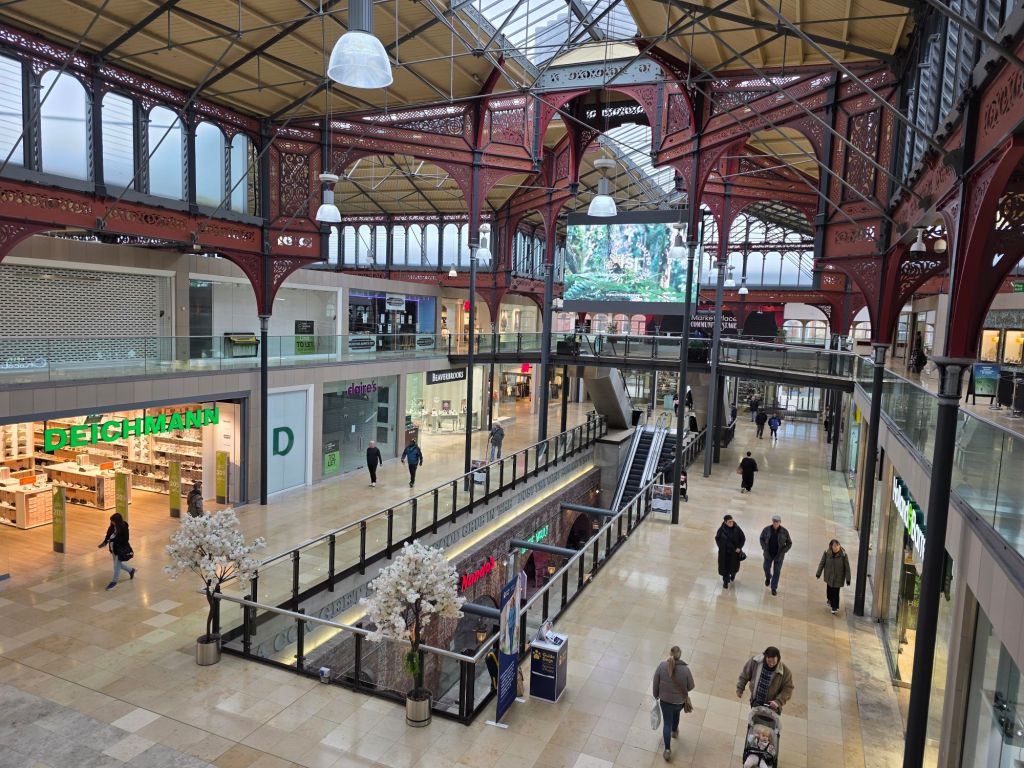
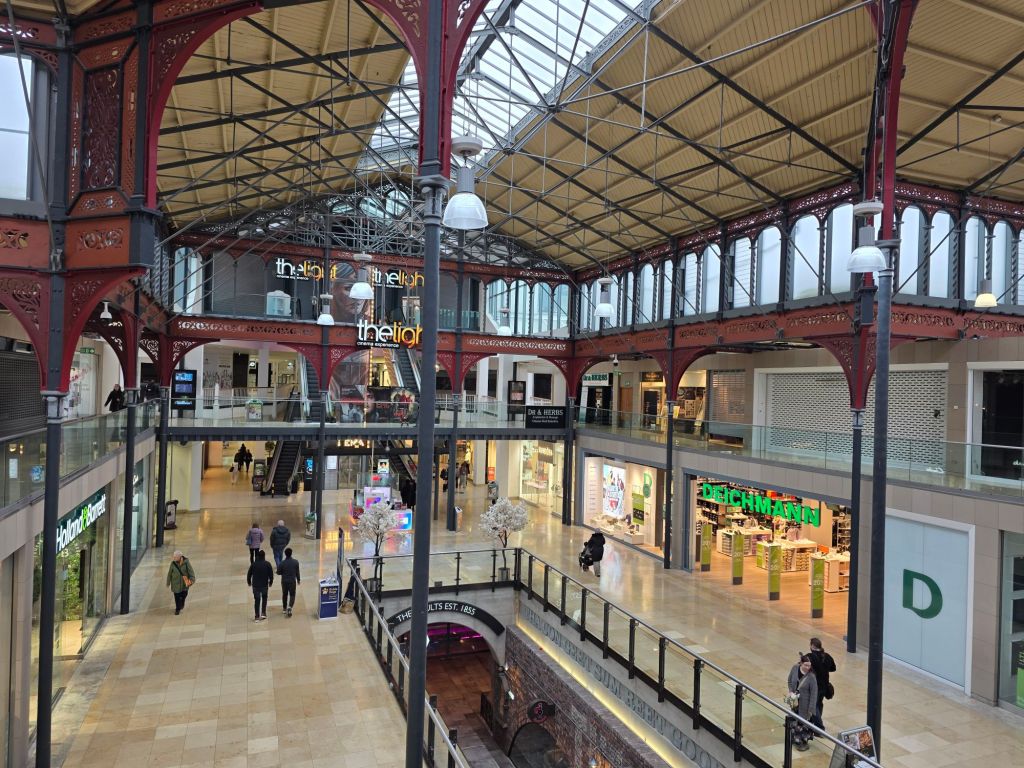
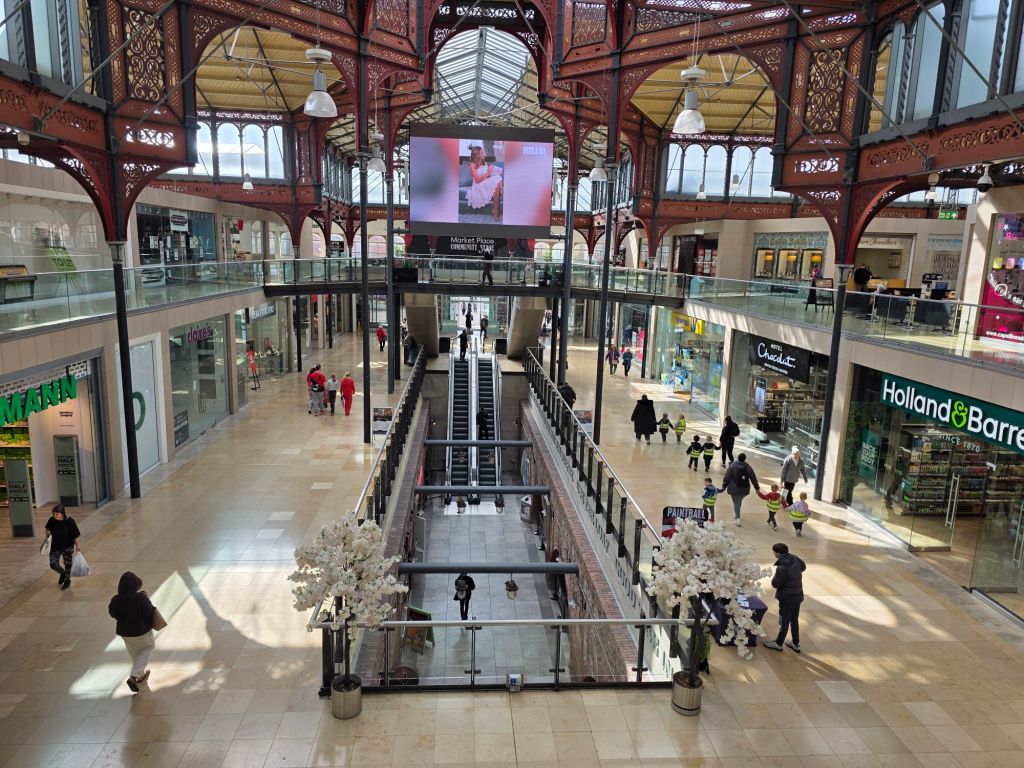
Bolton Market Place is a major retail and leisure destination in Bolton town centre, primarily housed within the Grade II listed Victorian Market Hall. Originally opened in 1855, it was once celebrated as the “largest covered market in the kingdom” and serves as a historical anchor for the town’s commercial heart.
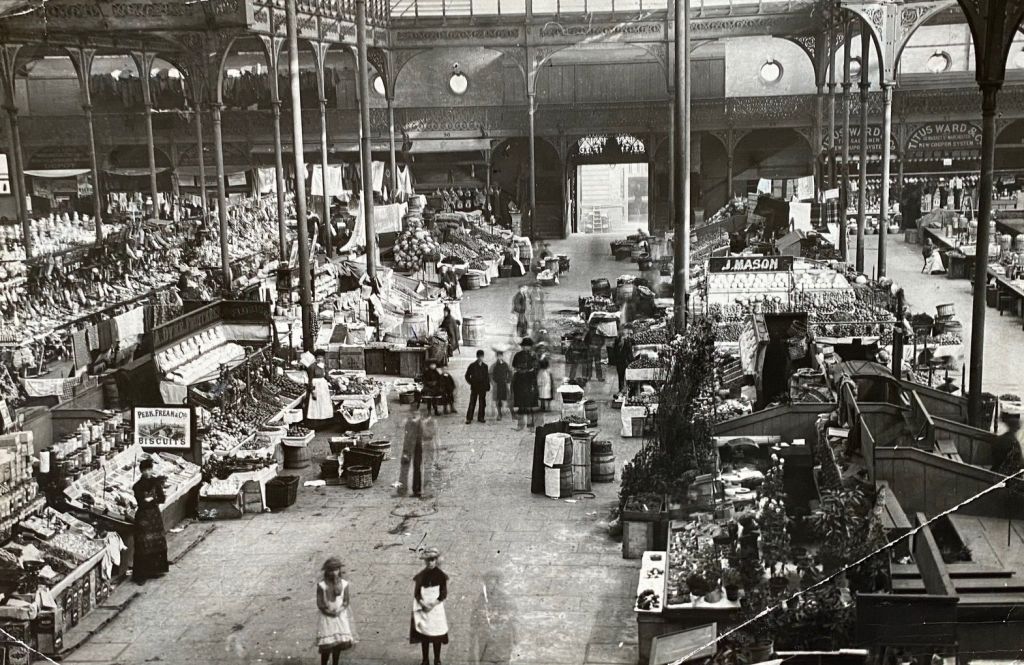
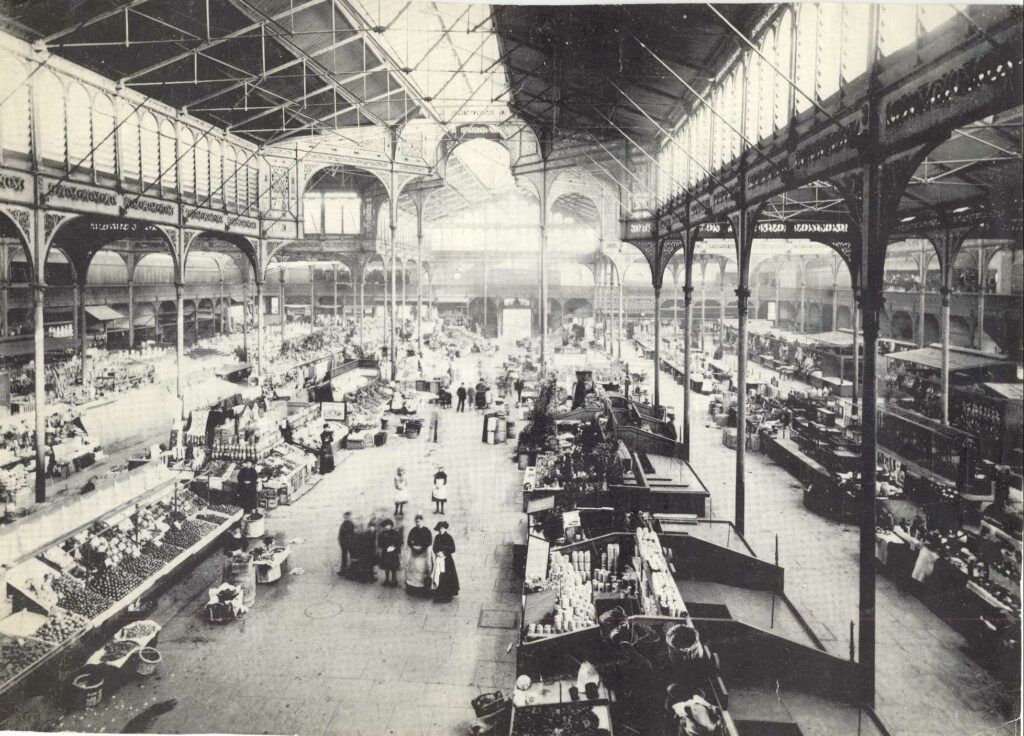
Market Place Bolton is a Grade II listed shopping and leisure destination located in the heart of Bolton town centre. Originally opened in 1855 as a covered market hall, it was once considered the largest in the kingdom. Today, it combines historic Victorian architecture—including its famous restored ironwork and glass roof—with modern retail and entertainment facilities.
Shopping & Major Retailers
The centre spans two floors of retail space and features a mix of high-street giants and independent boutiques.
Key Retailers:Primark (new 40,000 sq ft store opened Dec 2024), Next, H&M, New Look, JD Sports, River Island, and Footasylum.
Specialty Stores:Pandora, Hotel Chocolat, The Body Shop, and The Entertainer.
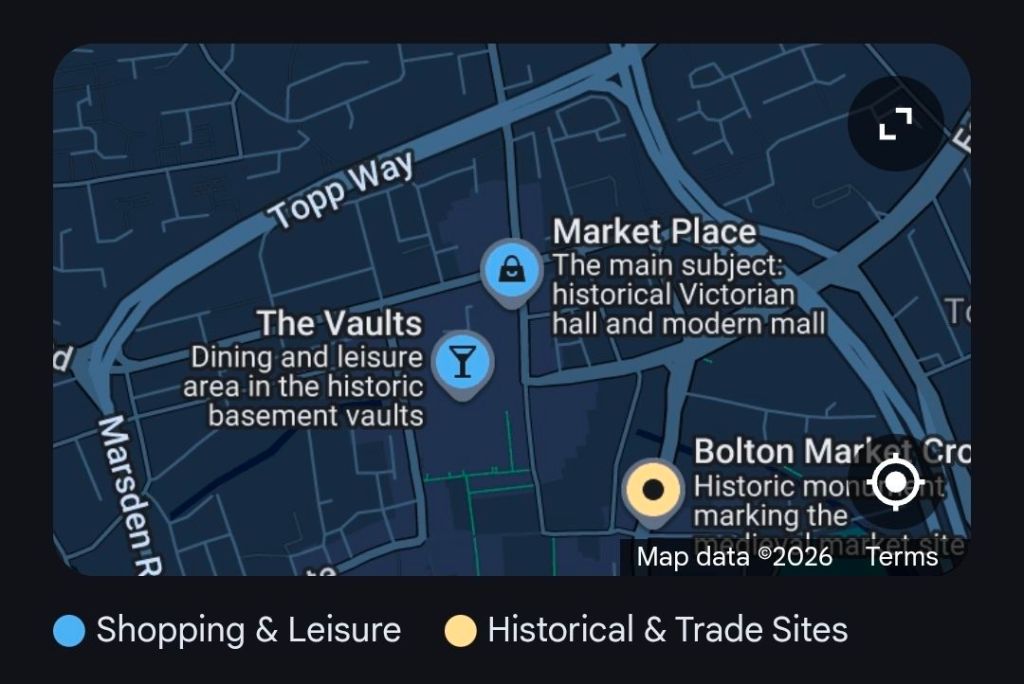
The lower ground floor houses The Vaults, a converted Victorian basement that retains original stonework and atmospheric archways.
Restaurants: Popular chains such as Nando’s and Prezzo, alongside various bars and cafes.
Food Court: A vibrant hub for socialising with a range of global cuisines.
Leisure & Entertainment
Market Place has pivoted toward being a “leisure-first” destination to combat declining retail trends.
The Light Cinema: A luxury 9-screen multiplex cinema located on the top floor.
Family Activities: Includes Amazonia (kids’ play area with adventure golf and a train), an escape room, and an indoor crazy golf course.
Events: The centre regularly hosts free events, such as art exhibitions and “Little Rascals” kids’ club activities.
Visitor Information
Parking: On-site multi-storey car park with over 500 spaces. Offers competitive rates, often including incentives like one hour free.
Accessibility: Fully accessible for disabled visitors, with dedicated parking and a free wheelchair service available from the Customer Service desk.
Location: Knowsley Street, Bolton, BL1 2AL. It is roughly a 10-minute walk from the main bus and train stations.
Historical Timeline of Bolton Market Place
The Victorian Era: Foundation & Grandeur
1251: Bolton is granted a Royal Charter to hold a market, originally held on Mondays in the Churchgate area.
1482: The Market Cross is first established at the entrance to Churchgate as a landmark for trade.
1855: The Bolton Market Hall officially opens on 19 December. Designed by architect G. T. Robinson, it cost £50,000 and featured a massive cast-iron and glass roof.
1865: A dedicated Fish Market is added next to the main hall at a cost of £30,000, further establishing Bolton as a major trading hub in the North.
1894: The hall undergoes its first major modifications, including the addition of exterior shops on Knowsley Street and Corporation Street.
Early to Mid-20th Century: Adaptation
1909: The current version of the Market Cross is commissioned with bronze plaques detailing the town’s history.
1932: The Victorian fish market is demolished as trade shifts toward the new Ashburner Street market.
1938: The interior layout is modernised, replacing long rows of stalls with roofed islands to better manage foot traffic.
Late 20th Century: The Shopping Centre Era
1982: A competition to redevelop the site into a modern shopping mall is won by Chapman Taylor Partners.
1988: The refurbished site is reopened by Queen Elizabeth II as the Market Place Shopping Centre on 1 December.
1998: Sunday trading is briefly suspended in the Market Hall due to low trader turnout.
21st Century: Modernisation & Leisure
2004: Controversial plans to move traditional market stallholders out of the hall spark a petition with over 80,000 names.
2007: After 151 years of traditional trading, the last 50 stallholders move out to allow for a full retail conversion.
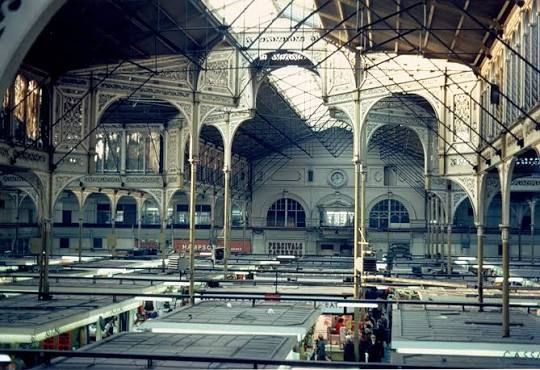
2008: The modernised Market Place, featuring units “slotted” into the historic listed structure, officially opens in October.
2013: The centre is acquired by Moorgarth, who announce a £15 million investment plan.
2016–2017: The development of The Vaults (dining/leisure in the basement) and a new 9-screen cinema on the roof is completed.
2025: The centre continues to evolve with ongoing development plans to further enhance its position as a leading regional destination.
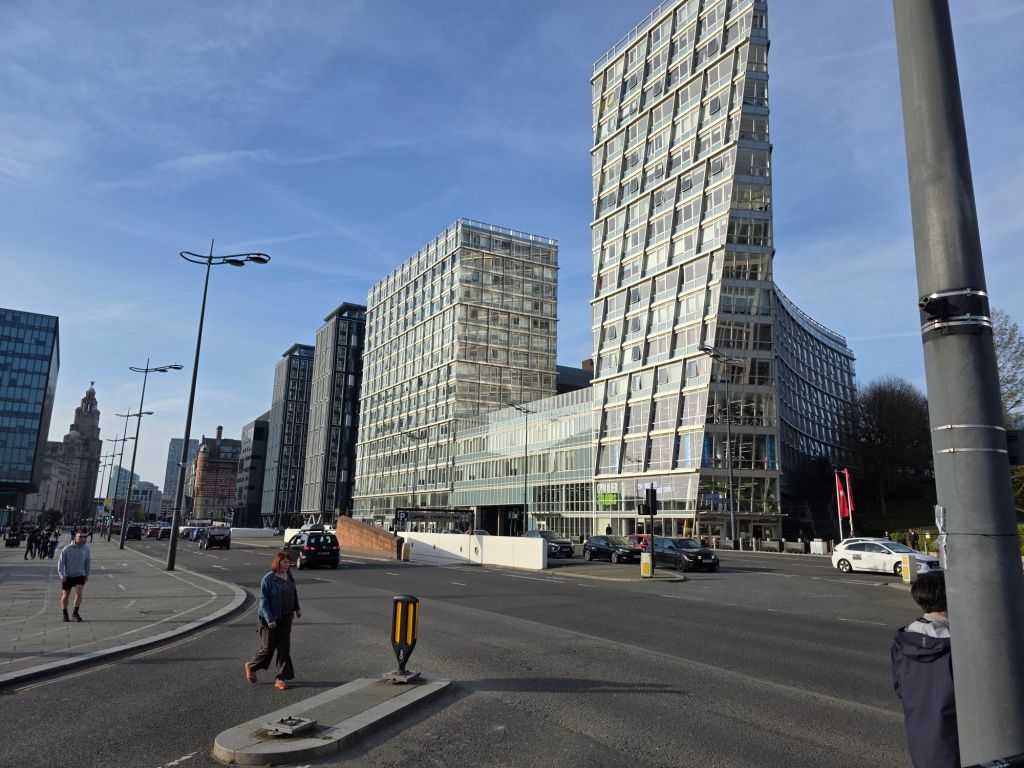
Images through the years :
Last 3 images taken by Mark Whitfield (website author) in early 2026
Bolton Market Place – About and Timeline History with Images
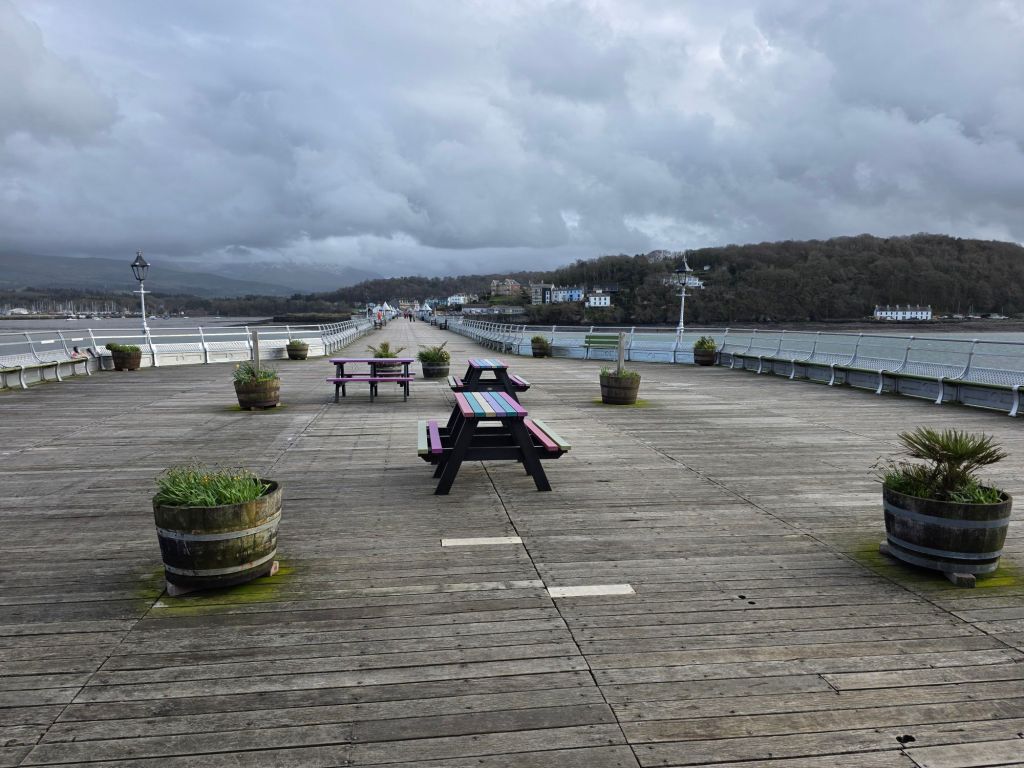
Bangor Garth Pier is a Grade II* listed Victorian landmark in North Wales, recognized as the second-longest pier in Wales and the ninth-longest in the British Isles. Stretching 1,500 feet (460m) into the Menai Strait, it is celebrated for its well-preserved architectural elegance and panoramic views of the Eryri (Snowdonia) mountains and Anglesey.
Bangor Pier taken 15th March, 2026
Key Highlights
Award-Winning Heritage: It was named Pier of the Year 2022 by the National Piers Society for its successful community-led restoration and original Victorian charm.
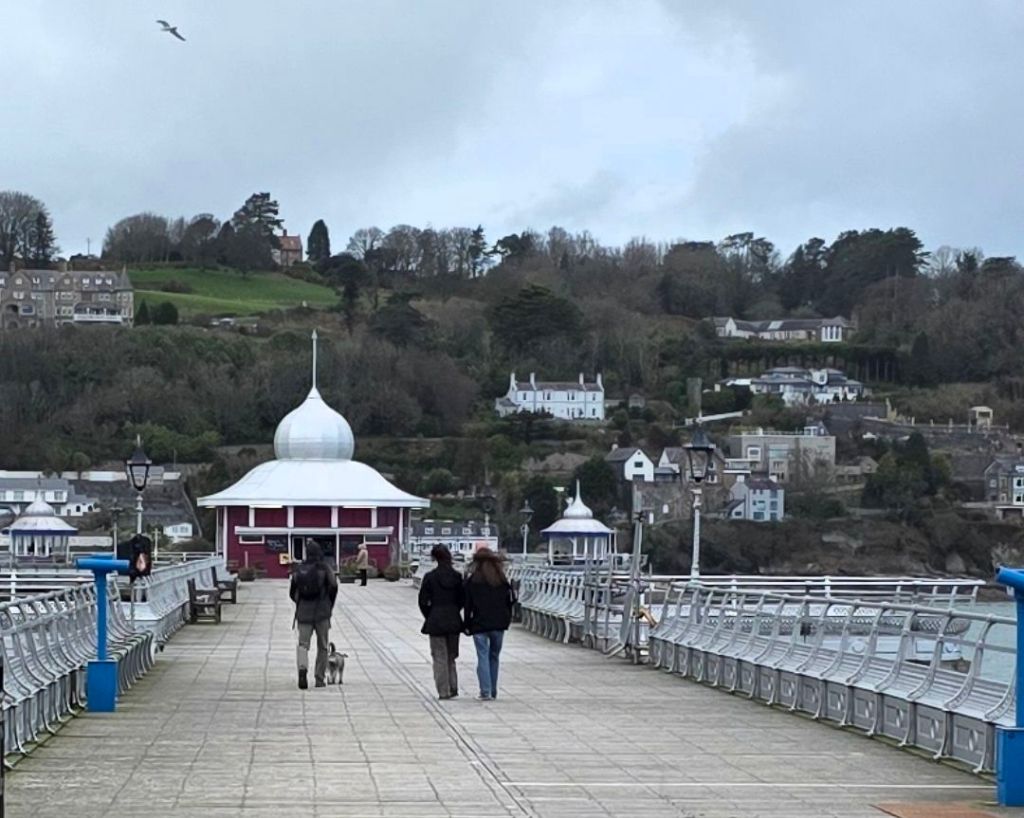
Victorian Kiosks: The deck features a series of distinctive octagonal, onion-domed kiosks that house local independent businesses, including sweet shops, artisan crafts, and a gallery.
The Pavilion: At the pier-head stands a large domed pavilion housing a family-friendly café famous for its tea, coffee, and homemade scones.
Leisure & Wildlife: The pier is a popular spot for crabbing and fishing. Visitors can also spot local wildlife, including a colony of black guillemots often referred to as “Bangor Penguins”.
Bangor’s Garth Pier is a Grade II* listed structure stretching 1,500 feet (460m) into the Menai Strait toward Anglesey. It is the second-longest pier in Wales and is renowned for its well-preserved Victorian architecture, featuring original kiosks and ornamental ironwork. Unlike many other piers, it was never heavily modified with large theatres, retaining its elegant, traditional character.
Bangor Pier, March 2026
Comprehensive Historical Timeline
The Early Origins (Pre-1896)
1292: Records mention the Porthesgob ferry operated by the Bishop of Bangor, establishing the area as a key crossing point to Anglesey.
1826: The principal crossing shifted to the new Menai Bridge, though the local Garth ferry continued operating for many years.
1893: A Parliamentary Bill was passed to authorize the construction of a permanent pier.
The Victorian Boom (1896–1914)
1896 (May 14): Lord Penrhyn officially opened the pier. It was designed by JJ Webster and cost approximately £17,000.
1896–1914: The pier thrived as a landing stage for pleasure steamers from Liverpool, Blackpool, and the Isle of Man. A 3-foot gauge tramway ran its length to transport passenger luggage.
1914: The cargo ship SS Christiana broke free and crashed into the pier, severing a section of the structure. The baggage railway was subsequently removed.
Transition & Decline (1915–1971)
1921: Permanent repairs for the 1914 ship damage finally resumed following the conclusion of World War I.
1927: Professor Phillip White established a small marine laboratory in one of the pier kiosks, eventually leading to Bangor University’s renowned marine science department.
1939–1945: The pier remained a local landmark through WWII; historical photos show servicemen and locals using the structure.
1960s: Lack of investment led to severe structural deterioration.
1971: The pier was officially closed to the public on safety grounds.
Threat of Demolition & Rescue (1974–1988)
1974: Ownership passed to Arfon Borough Council, which proposed demolishing the structure.
1975–1978: Following public outcry, Bangor City Council purchased the pier for a symbolic fee of 1p.
1982: A major six-year restoration project began, funded by the National Heritage Memorial Fund and the Manpower Services Commission.
1983: The ongoing project won the Prince of Wales Award.
1988 (May 7): The Marquess of Anglesey officially reopened the pier after a £3 million restoration.
The Modern Era (2011–Present)
2011: Surveys revealed new structural issues, specifically with the sub-structure.
2017: A new £1 million restoration programme commenced to strengthen the structure and replace handrails.
2021: The pier celebrated its 125th anniversary, and the Friends of Bangor Garth Pier volunteer group took over a kiosk to support further fundraising.