Download Templates for PROject Management | FREE Upgrades & Additions
Author: Mark Whitfield
Welcome to my site!
After graduating in Computing in 1990, I accepted a position as a programmer at a Runcorn based software house specialising in electronic banking software, namely sp/ARCHITECT-BANK on Tandem Computers (now HPE NonStop). This was before the internet became more prevalent and so the notion of enabling desktop access to company accounts for inter-account transfers and book keeping was still quite a cutting edge idea (and smartphones only ever hinted at in Space 1999). The company was called The Software Partnership (which was taken over by Deluxe Data in 1994).
I spent 5 years in Runcorn developing code for SP/ARCHITECT for various banks like TSB, Bank of Scotland, Rabobank and Girofon (Denmark) to name but a few. I then moved onto a software house in Salford Quays for further bank facing projects. After a further 23 years in the IT industry and now a Senior IT Project Manager (both Agile and Waterfall delivery), I thought I would echo out my Career Profile in this corner of the internet for quick and easy access.
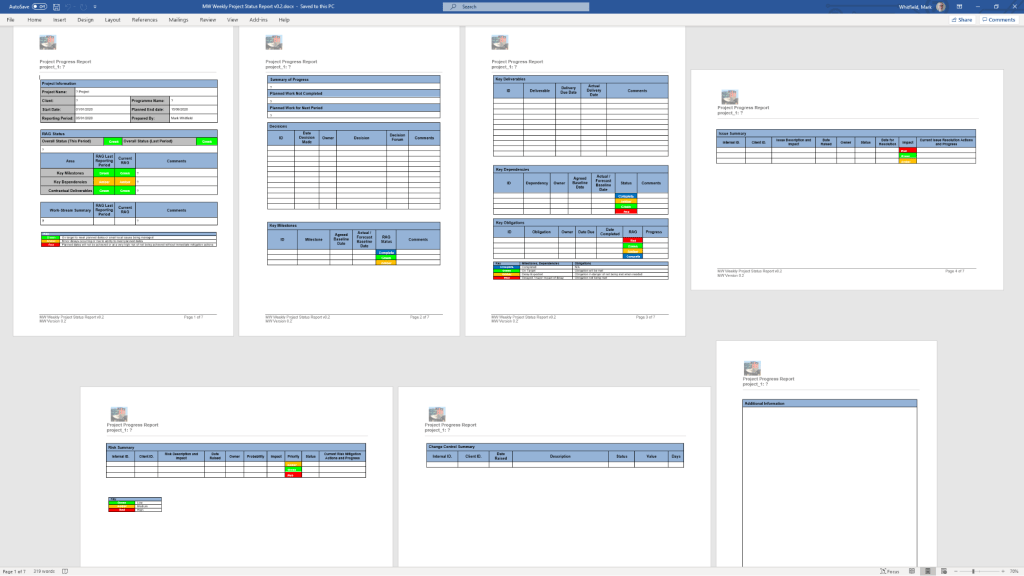
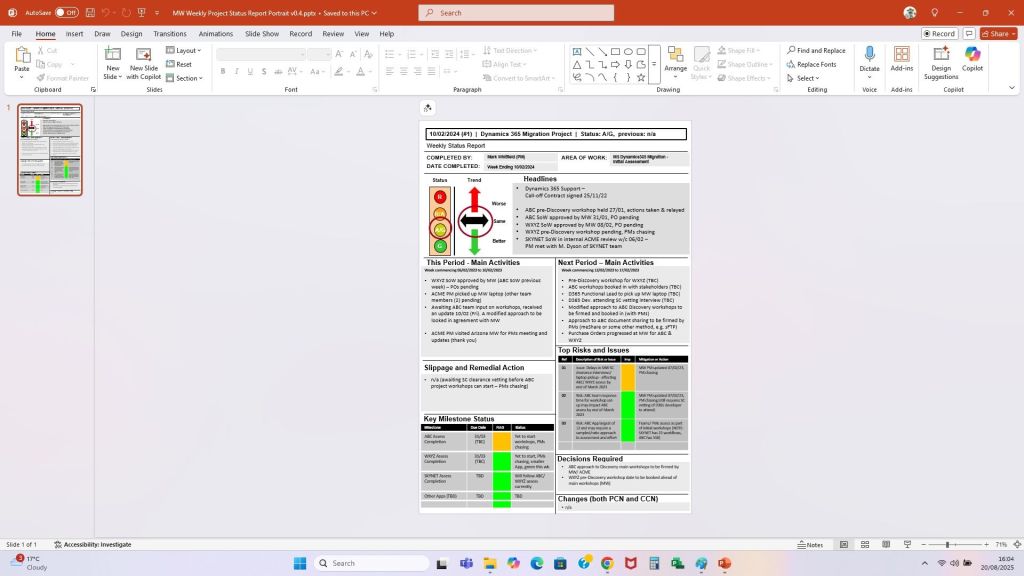
Microsoft Word has evolved from a niche tool for Xerox programmers into the world’s most dominant word processor. Below is the comprehensive history of its development and key milestones.
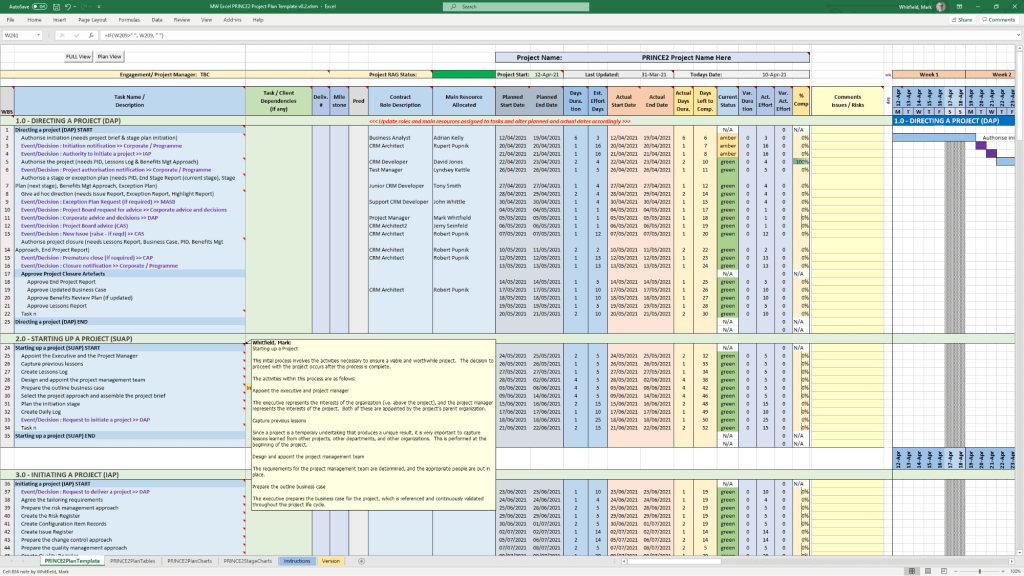
Templates available for download at website banner
The Early Years (1980s)
1981: Microsoft hires Charles Simonyi and Richard Brodie, former Xerox PARC developers, to create a word processor.
1983 (October): The first version, Multi-Tool Word, is released for Xenix and MS-DOS.
1985: Word for Macintosh is released, introducing the GUI (Graphical User Interface) that would define its future.
1989: The first version of Word for Windows debuts, setting the stage for its commercial dominance.
The Rise to Dominance (1990s)
Templates available for download at website banner
1990: With the release of Windows 3.0, Word becomes a massive commercial success.
1993:Word 6.0 is released, skipping versions 3, 4, and 5 to synchronise version numbers across platforms.
1995:Word 95 launches as part of the first Microsoft Office suite, moving to a year-based naming convention.
1997:Word 97 introduces the infamous “Clippy” assistant and the standard .doc format that would last for a decade.
Modernisation & The Ribbon (2000s)
2003:Word 2003 introduces XML-based formats and better collaboration tools.
2007: A massive overhaul introduces the Fluent User Interface (the Ribbon) and the new .docx (Office Open XML) file format.
2010:Word 2010 adds more customisation to the Ribbon and introduces the Backstage view for file management.
Cloud & AI Era (2011–Present)
2011:Office 365 is launched, shifting Word toward a subscription-based, cloud-first model.
2013: Introduces better PDF editing and Read Mode.
2014-2016:Real-time collaboration and Smart Lookup are added, allowing users to research directly within the document.
2021:AI-powered writing suggestions and better dark mode are introduced.
2024: Integration with Microsoft Copilot allows for AI-generated drafts, summaries, and advanced editing.
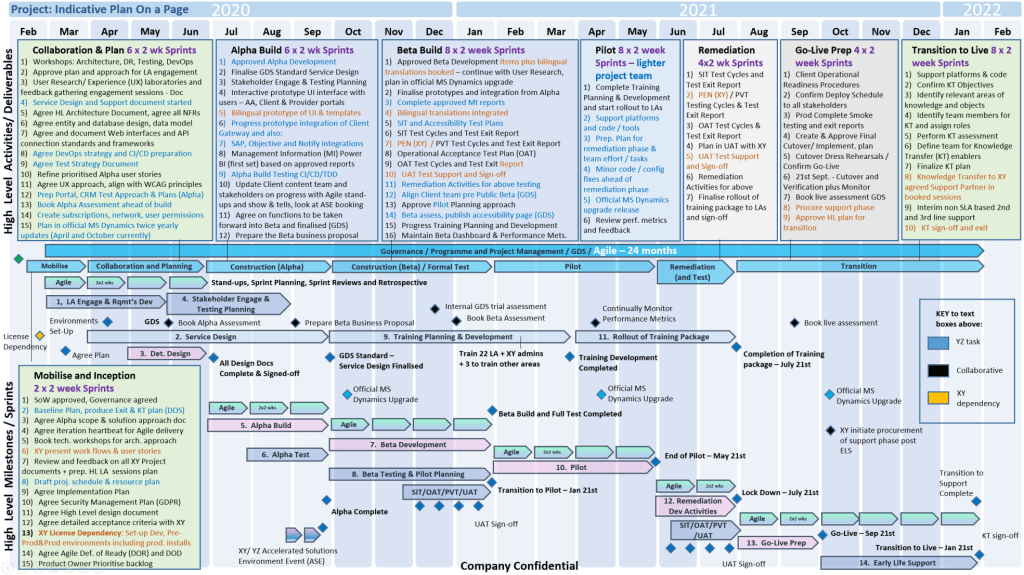
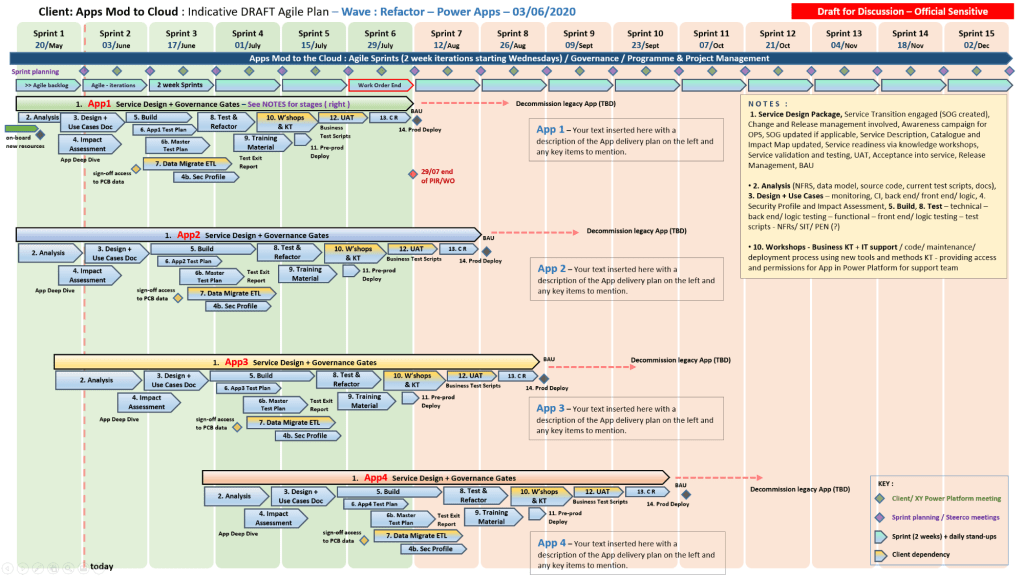
Microsoft PowerPoint was originally developed as “Presenter” by Forethought, Inc. in 1987 for the Apple Macintosh. Microsoft acquired it just three months later for $14 million, marking their first major acquisition.
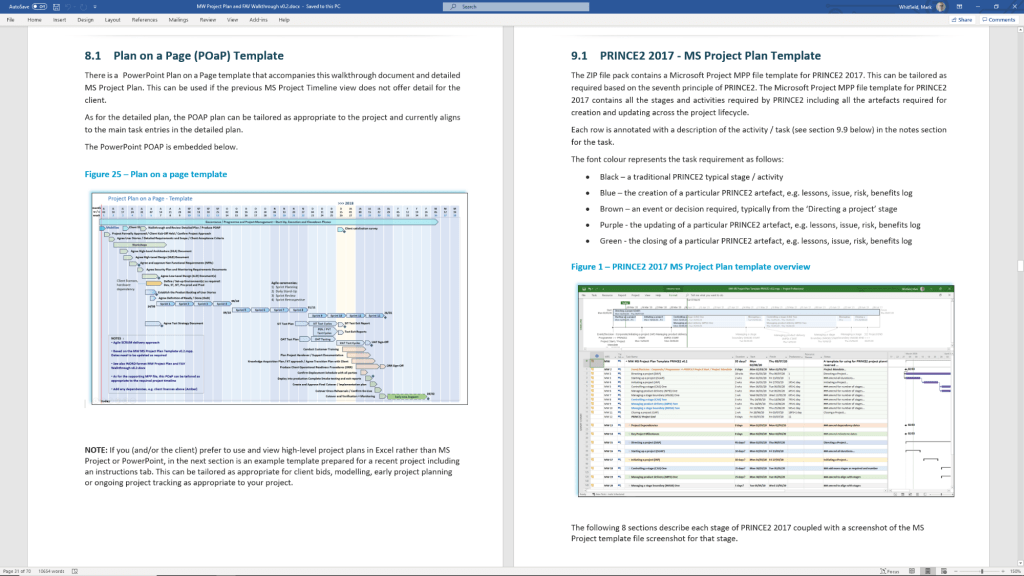
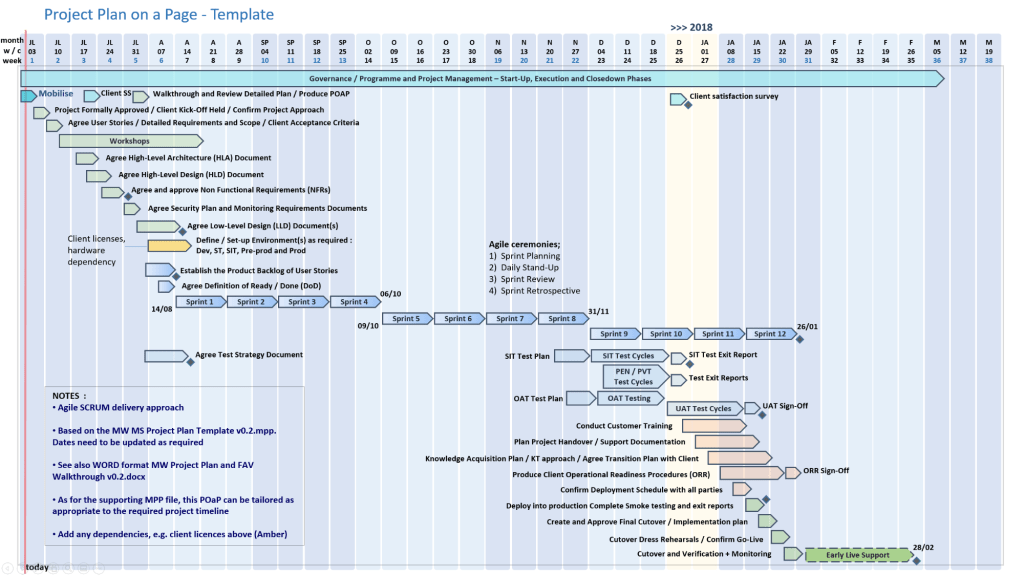
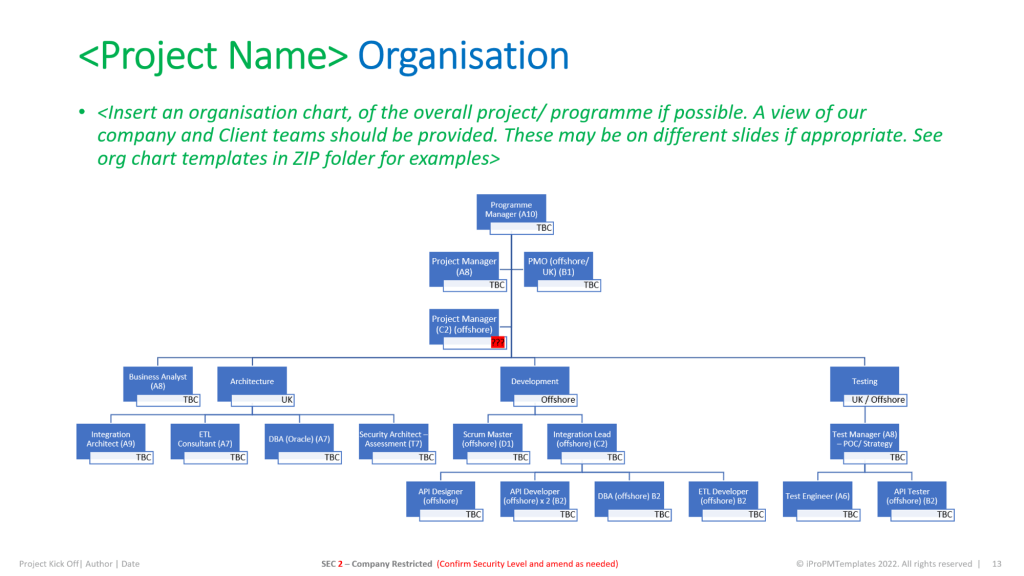
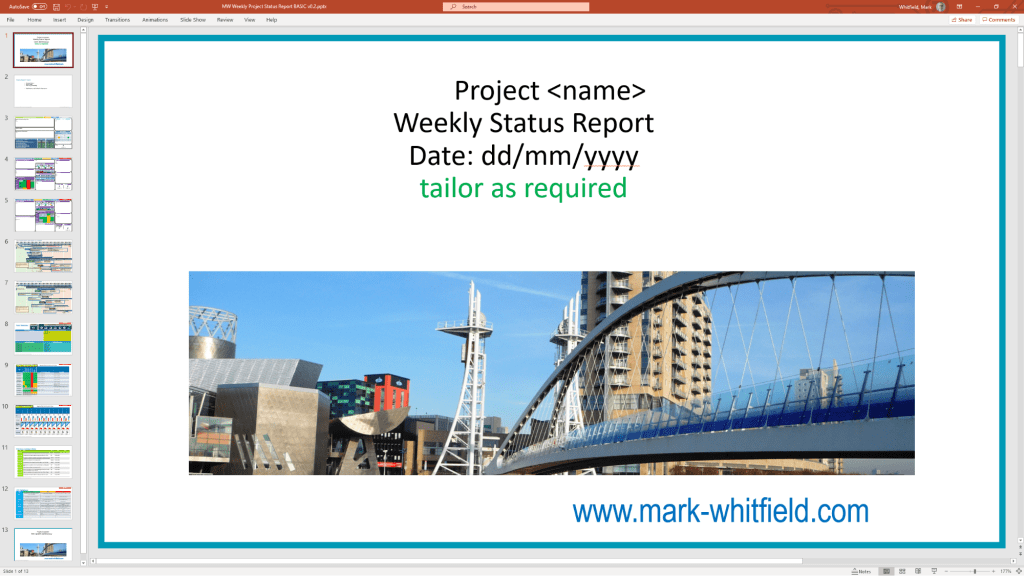
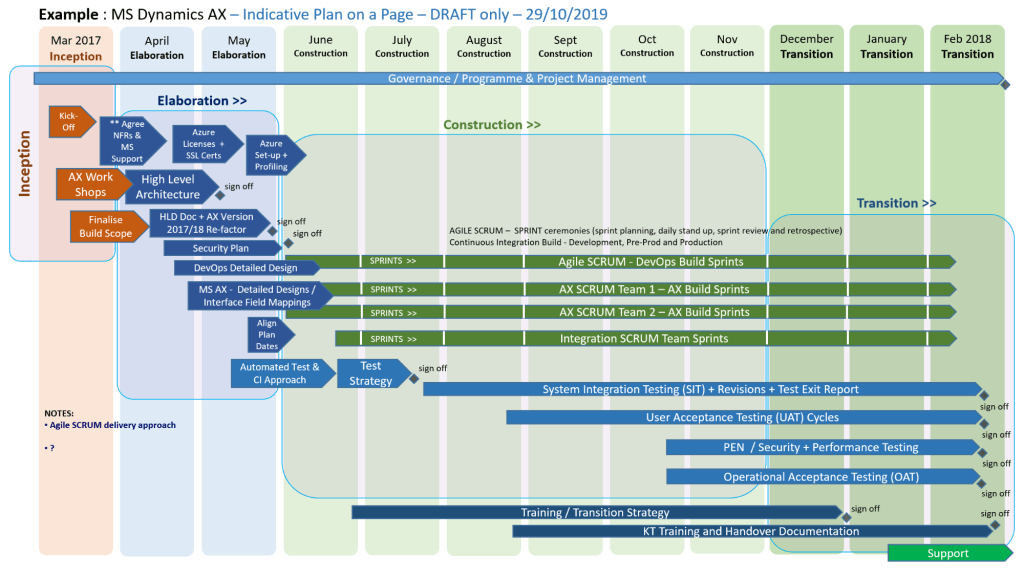
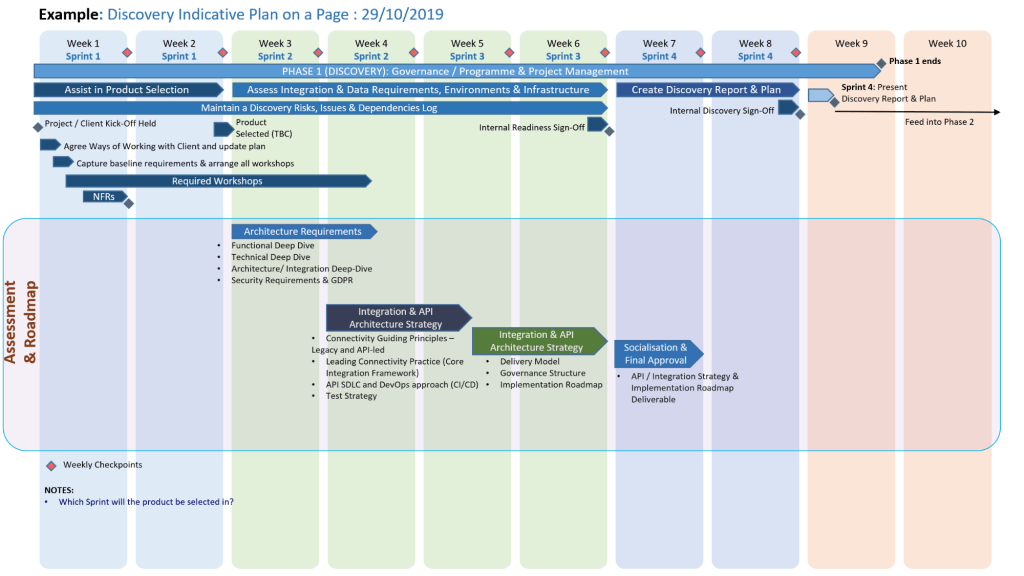
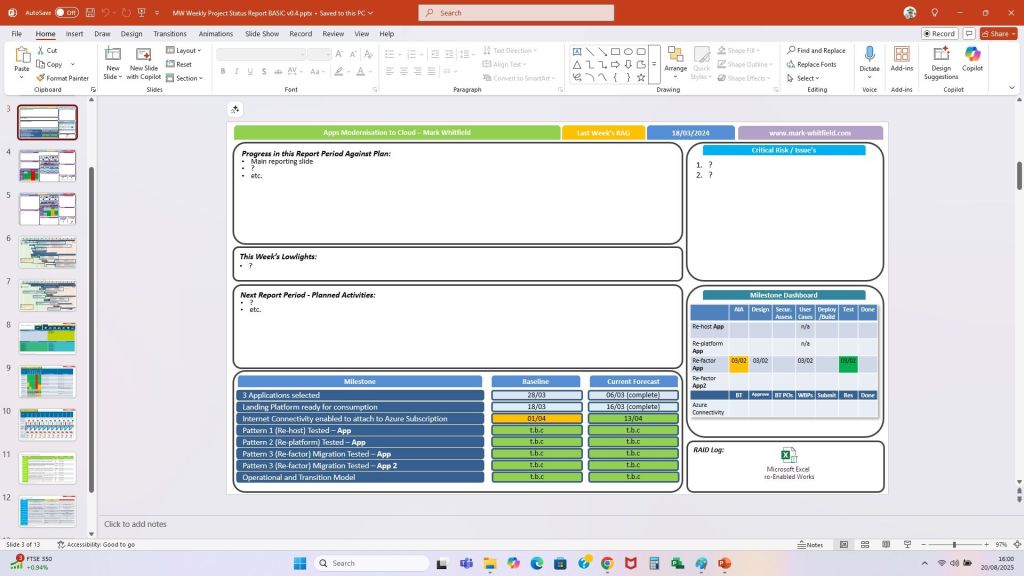
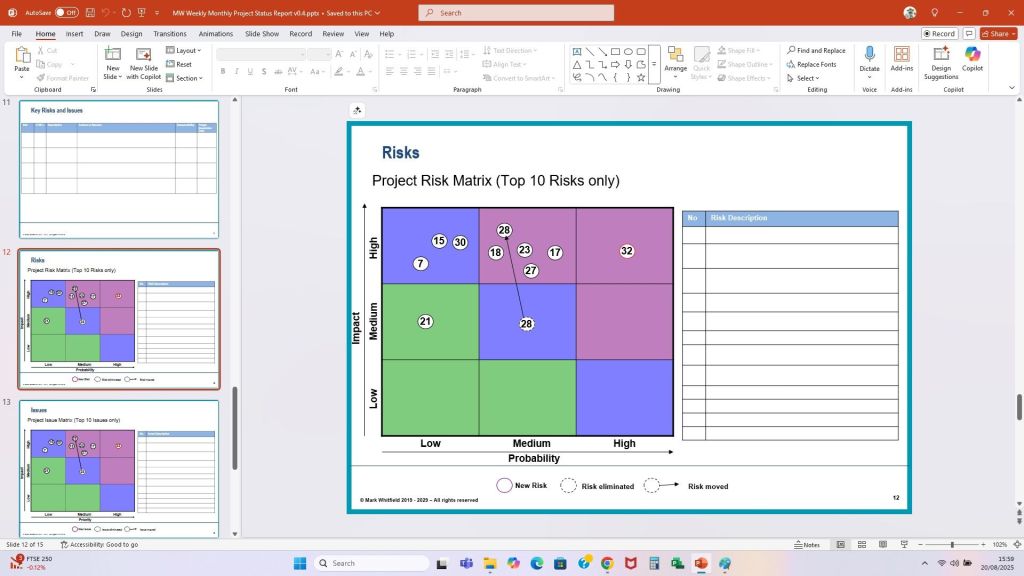
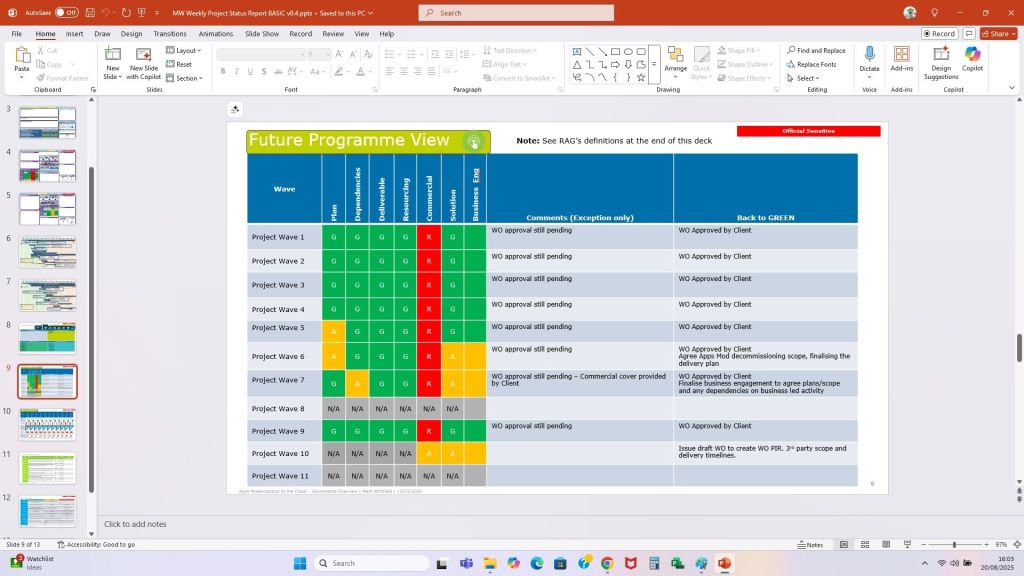
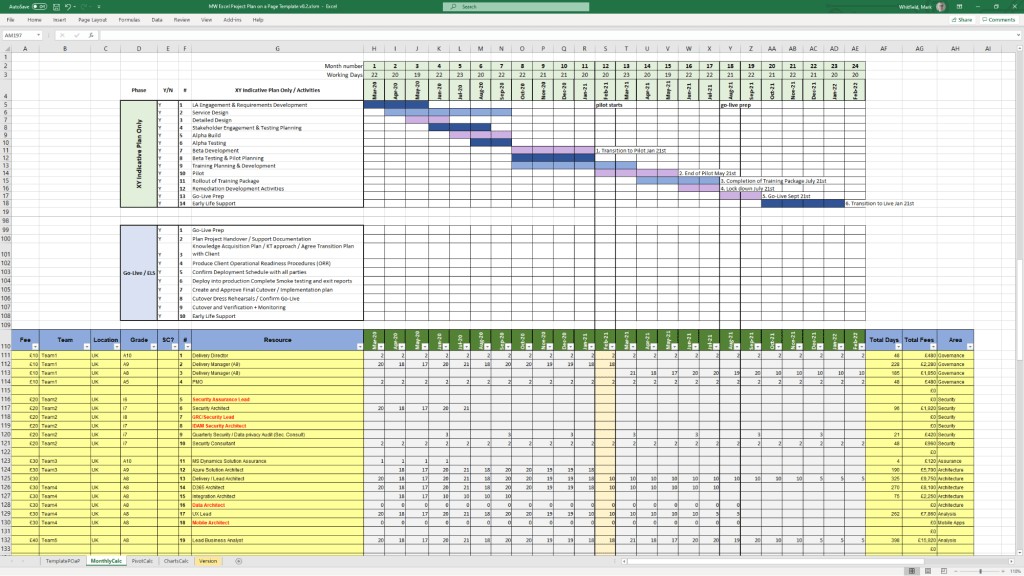
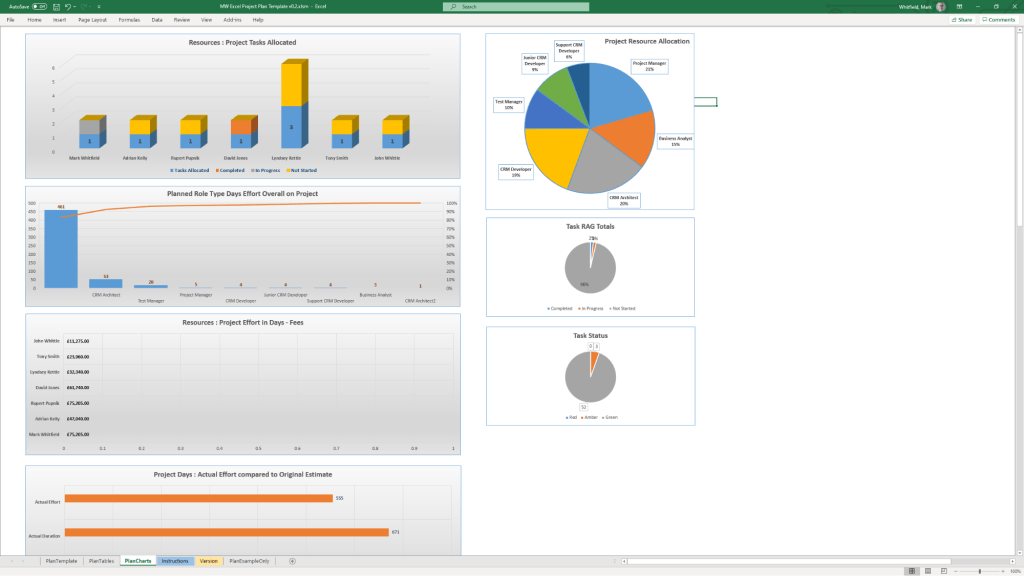
MS PowerPoint Plan On a Page POaP templates downloaded at website banner
Foundational Years (1984–1990)
1984: The idea for a presentation program is conceived by Robert Gaskins.
1987 (April):PowerPoint 1.0 launches for Macintosh, supporting only black and white slides.
1987 (July): Microsoft acquires Forethought.
1990 (May): The first Windows version (PowerPoint 2.0) is released, coinciding with Windows 3.0.
Office Integration (1992–2003)
MS PowerPoint Plan On a Page POaP templates downloaded at website banner
1992:PowerPoint 3.0 introduces video transitions and sound.
1994:PowerPoint 4.0 begins deep integration with the Microsoft Office suite, sharing interface components with Word and Excel.
1997:PowerPoint 97 brings significant upgrades like “Custom Animation” and the “Office Assistant” (Clippy).
2003:PowerPoint 2003 focuses on collaboration and improved “Package for CD” features.
Modernization & Cloud (2007–Present)
MS PowerPoint Plan On a Page POaP templates downloaded at website banner
2007: Introduces the Ribbon interface and the XML-based .pptx file format.
2010: Adds video export, section organization, and co-authoring capabilities.
2013:PowerPoint for Web is released, alongside the first dedicated mobile apps for iOS and Android.
2016–2021: Features focus on AI-driven design (PowerPoint Designer), Morph transitions, and real-time collaboration via Microsoft 365.
2023+: Integration of AI tools like Copilot for automated slide generation and DALL-E 2 for image creation.
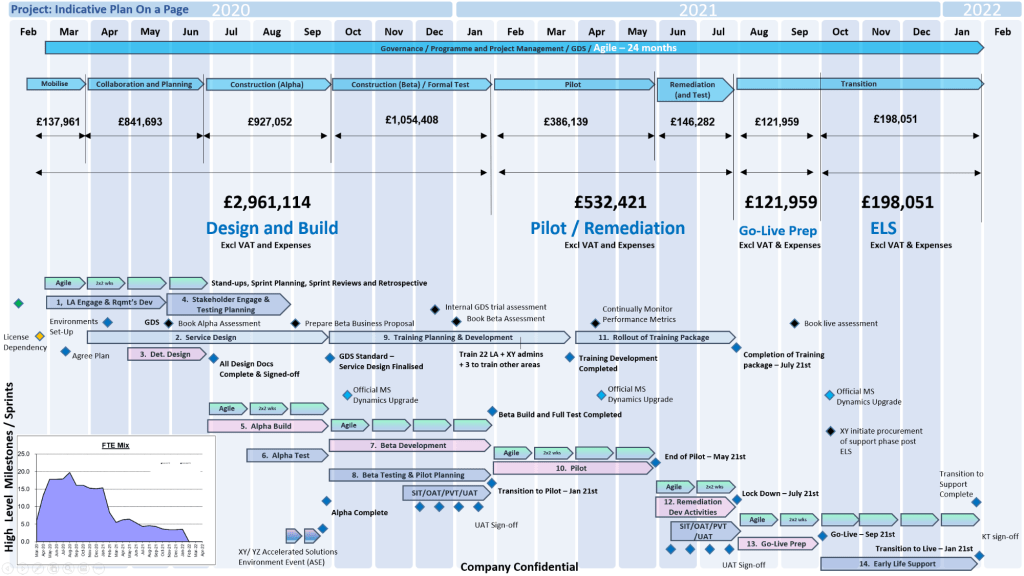
Microsoft PowerPoint Development Timeline History
MS PowerPoint Plan On a Page POaP templates downloaded at website banner
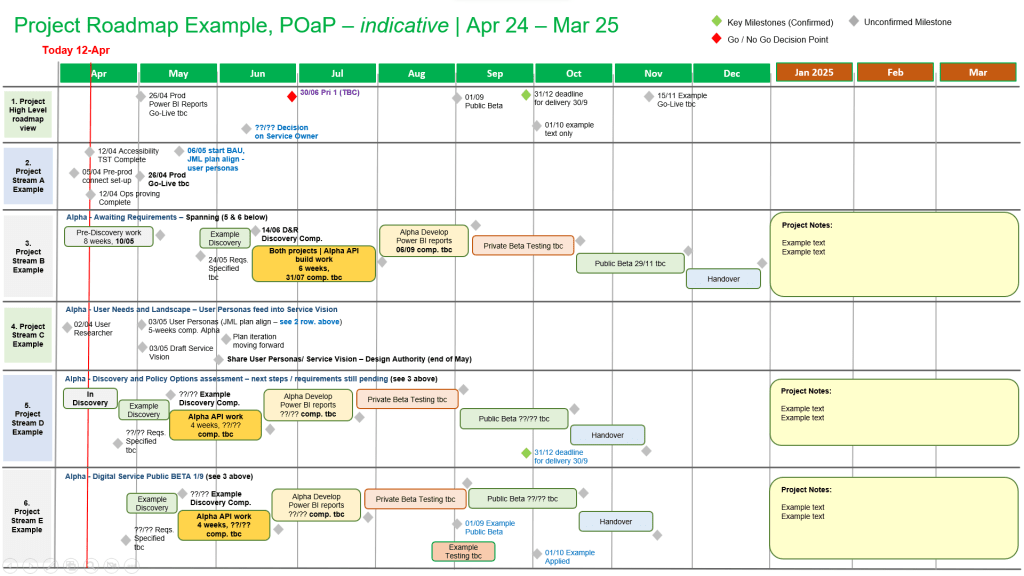
Microsoft Excel has evolved from a niche Apple Macintosh tool into the world’s most dominant spreadsheet software. Its history is marked by strategic shifts, such as jumping from the MS-DOS era to graphical interfaces to outmanoeuvre then-leader Lotus 1-2-3.
Timeline of Major Excel Milestones
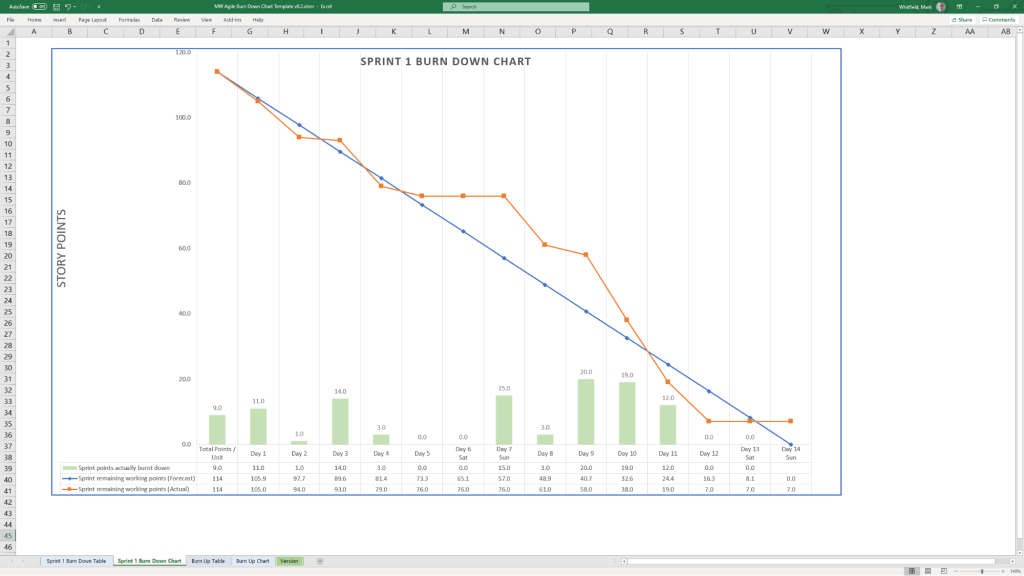
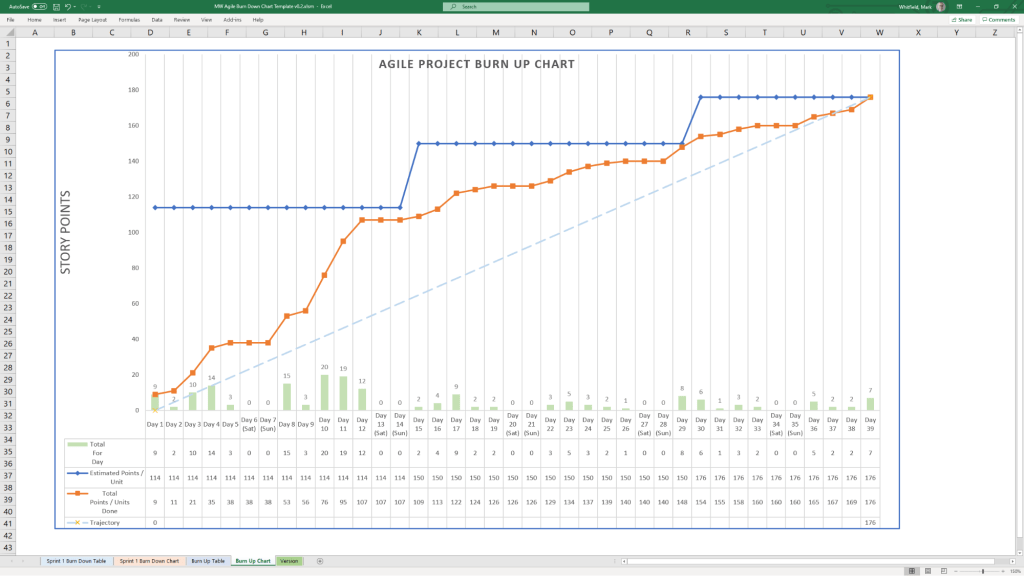
Agile Templates available at download link at website banner
1982: Multiplan (The Predecessor) – Microsoft’s first spreadsheet program. While popular on CP/M systems, it struggled against Lotus 1-2-3 on MS-DOS.
1985: Excel 1.0 (Macintosh Exclusive) – Realising they couldn’t beat Lotus on DOS, Microsoft built a graphical spreadsheet for the new Mac. It introduced the ability to adjust cell heights, widths, and fonts.
1987: Excel 2.0 (First Windows Version) – Launched alongside the first Windows environments, it introduced color support (like red for negative numbers) and was significantly faster than competitors.
1990: Excel 3.0 – Added 3D charts, toolbars, and drawing tools, helping Excel finally overtake Lotus 1-2-3 as the market leader.
1997: Excel 8.0 (Office 97) – Introduced the Paperclip Assistant (“Clippy”) and the first version of the modern VBA environment.
2007: Excel 12.0 (The Ribbon Era) – Replaced menus with the Ribbon interface and dramatically increased grid capacity to 1,048,576 rows by 16,384 columns.
2010: Excel 14.0 – Introduced Slicers for PivotTables and Sparklines (mini charts inside cells).
2013-2016: Data Intelligence – Added Power Query, Power Pivot, and new chart types like Waterfall, Pareto, and Treemap to support advanced data modeling.
2019-Present: AI & Cloud Integration – Modern versions focus on seamless collaboration, dynamic arrays (like XLOOKUP), and AI-powered insights that can extract data directly from images.
Technological Evolution Highlights
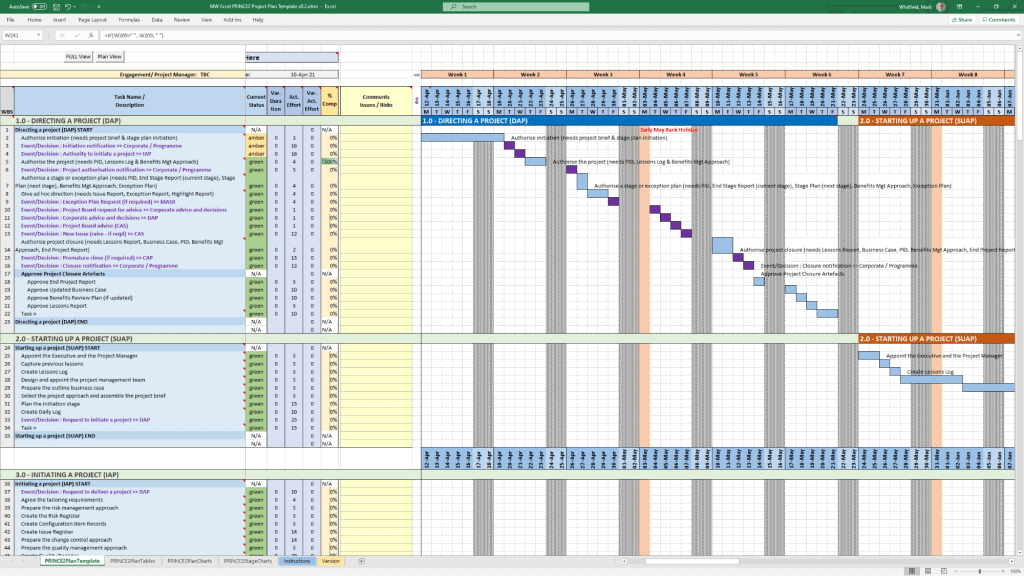
MS Excel templates available on bundle download at website banner
Architecture: Shifted from 16-bit to 32-bit with Excel 95, greatly improving stability.
Collaborative Features: Modern Version History and “Show Changes” now allow teams to track every edit in real-time.
Visualisation: Excel now supports complex timelines via SmartArt or custom Scatter charts with error bars for professional project tracking.
Microsoft Excel Development Timeline History
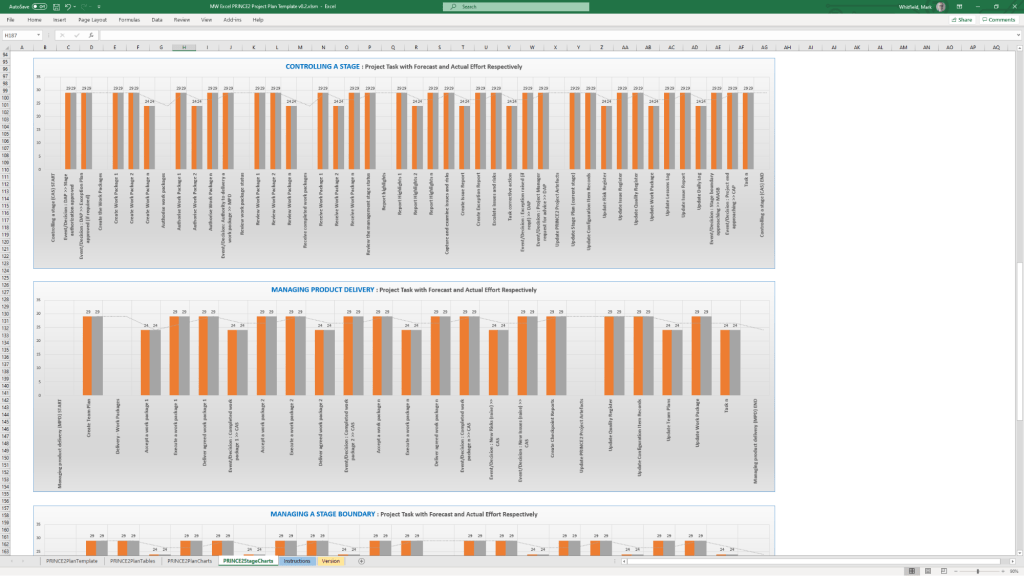
Microsoft Excel templates available at banner above, FREE upgrades
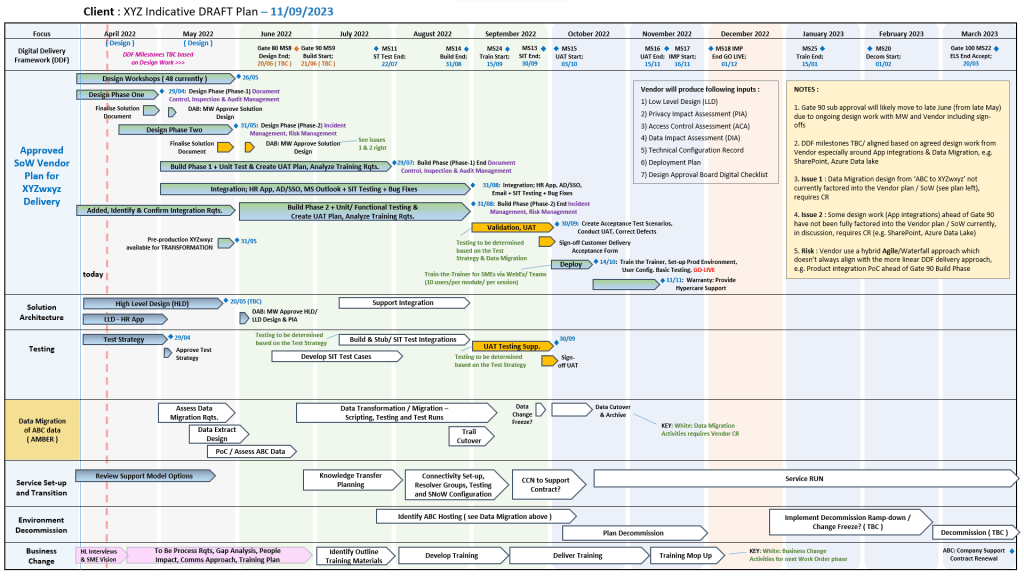
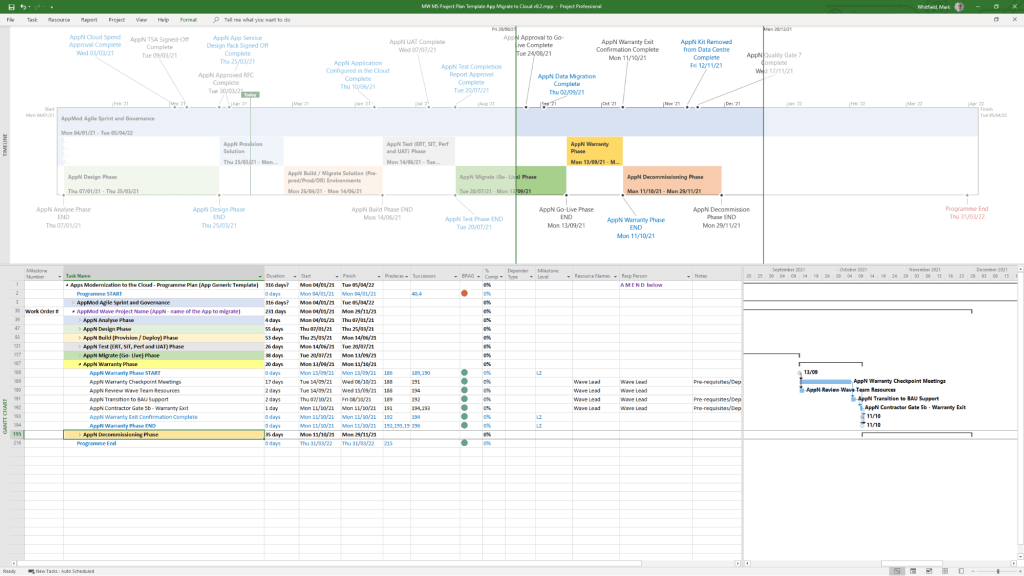
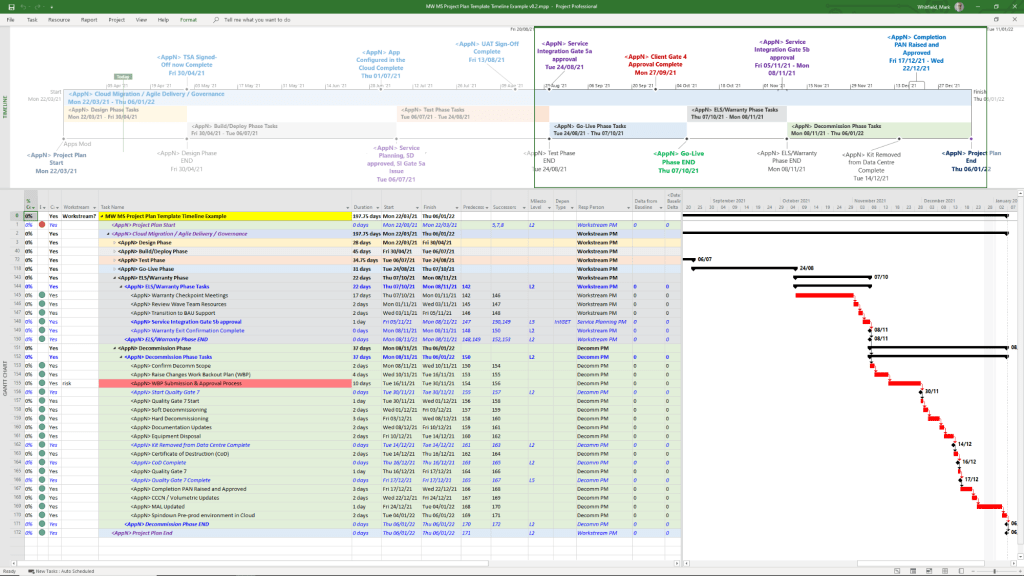
Microsoft Project has evolved from a DOS-based tool in the 1980s into a cloud-integrated platform. Its “Timeline” feature specifically has transitioned from a simple static view to a multi-layered, interactive reporting tool.
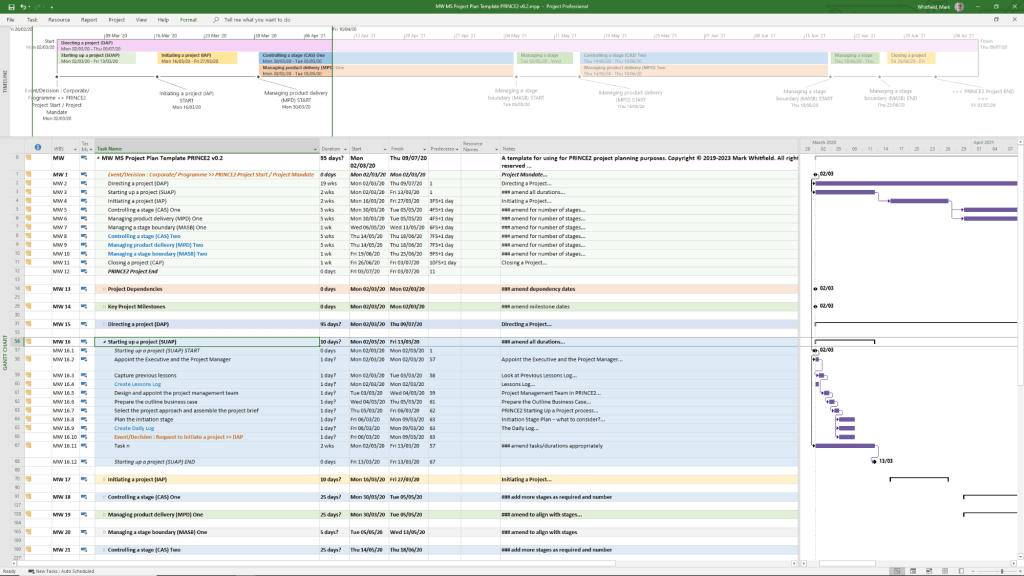
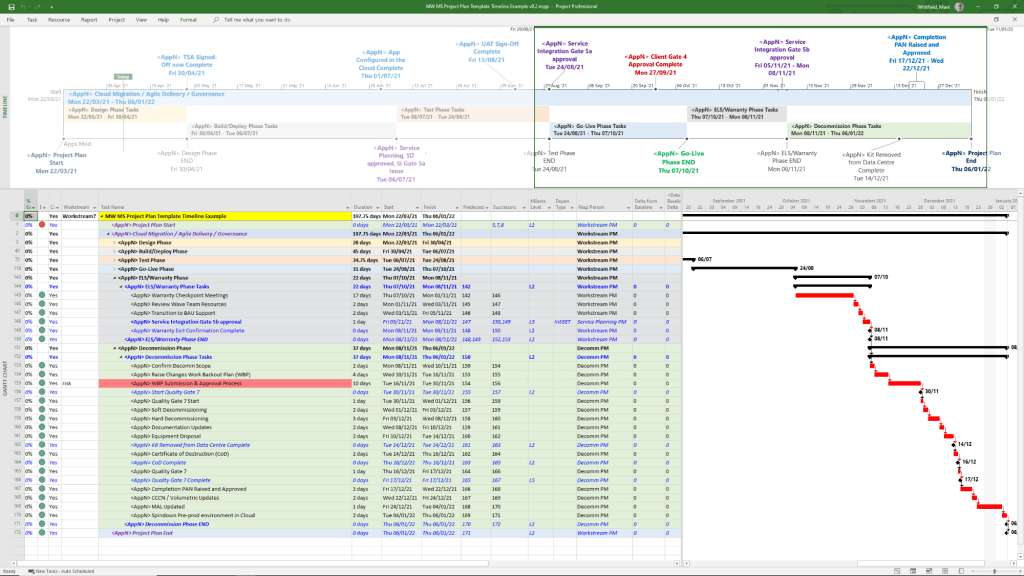
Template included in package – see website banner
Timeline Feature Development History
Early Era (1984–2007): For decades, the “timeline” was synonymous with the Gantt Chart. Users had to rely on complex print-outs or third-party tools to create high-level summaries for executives.
The dedicated Timeline View (2010): Microsoft introduced a native Timeline view in Project 2010, allowing users to cherry-pick specific tasks and milestones to display on a single horizontal bar.
Multi-Timeline Support (2016): Project 2016 expanded this by allowing multiple timeline bars in a single view. This enabled managers to represent different project phases or workstreams with independent start and end dates.
Cloud & Web Integration (2019–Present): With the launch of Project for the web, timelines became more interactive, supporting drag-and-drop adjustments and real-time co-authoring.
Task History Tracking (2023): Microsoft added a Task History pane to the web version, allowing users to see a chronological log of changes to specific timeline items.
Key Components of a Modern MS Project Timeline
Templates included in download bundle – see website banner
Gantt-Style Visualization: Displays tasks as horizontal bars against a calendar timescale.
Milestones & Callouts: Important dates appear as diamonds or labels that can be dragged above or below the main bar to avoid clutter.
Dependencies: Visual links between tasks that illustrate the sequence of work and the Critical Path.
Copy for Presentation: A dedicated formatting tool that allows users to export the timeline directly to Microsoft PowerPoint or email at various sizes (Small, Medium, Full Size).
Future Outlook
Template included in download bundle – see website banner
Microsoft has announced that Project Online will be officially retired on 30 September 2026, with development focus shifting entirely to the new Microsoft Planner and Project for the web ecosystem.
Microsoft Project Timeline, Development History Overview
Manchester’s technical history is defined by its evolution from the world’s first industrial city to a global hub for computing and material science.
18th Century: The Birth of Industry
1733:John Kay invented the Fly Shuttle, a key advancement in weaving.
1761: The Bridgewater Canal opened as Britain’s first man-made waterway independent of rivers, drastically reducing coal costs.
1764–1779:James Hargreaves invented the Spinning Jenny (1764), and Samuel Crompton created the Spinning Mule (1779), allowing for mass textile production.
1783:Richard Arkwright established Manchester’s first steam-powered mill.
1790:Piccadilly Mill became the first in the city to be powered directly by a steam engine.
19th Century: Engineering & Precision
1803:John Dalton published his Atomic Theory at the Manchester Literary & Philosophical Society.
Bill Bryson’s A Short History of Nearly Everything
Bill Bryson’s A Short History of Nearly Everything is a journey from the Big Bang to the rise of humanity, focusing not just on what happened, but how we figured it all out.
Here is a condensed timeline of the major milestones covered in the book, divided by the “Big Ideas” that shaped our understanding of the universe.
1. The Deep Past (The Universe and Earth)
This era covers the transition from “nothing” to a habitable rock.
13.8 Billion Years Ago: The Big Bang. In a fraction of a second, the universe expands from a singularity to a vast expanse.
4.5 Billion Years Ago: The Earth forms from a spinning cloud of gas and dust. Shortly after, a Mars-sized object strikes Earth, creating the Moon.
3.8 Billion Years Ago: The first signs of microbial life appear in the oceans.
700 Million Years Ago: “Snowball Earth”—a period where the planet may have been entirely encased in ice.
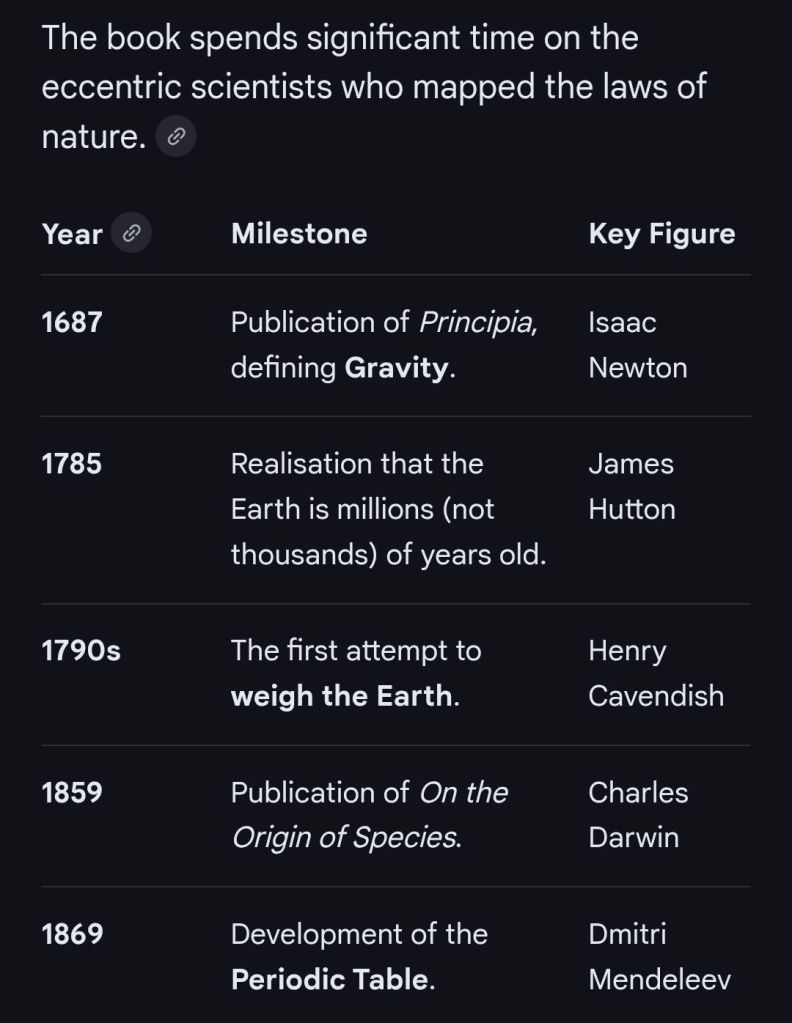
2. The Great Discoveries (17th – 19th Century)
3. The Atomic and Relativistic Age (20th Century)
In this era, science moved from the “visible” world to the subatomic and the cosmic.
1905: Albert Einstein publishes his papers on Special Relativity, proving that E = mc squared.
1911: Ernest Rutherford discovers the nucleus of the atom, realising that atoms are mostly empty space.
1930s: The discovery of Neutrons and the start of the “Particle Zoo.”
1953: Watson, Crick, and Franklin decipher the structure of DNA, the blueprint of life.
1960s: The theory of Plate Tectonics is finally accepted, explaining how continents move.
4. The Rise of Us (The Biological Timeline)
Bryson highlights how incredibly lucky we are to exist at all, given the history of extinctions.
540 Million Years Ago: The Cambrian Explosion. A massive burst of complex life forms.
250 Million Years Ago: The Permian Extinction. The “Great Dying” where 95% of all species vanished.
65 Million Years Ago: The KT Event. An asteroid hits the Yucatan Peninsula, ending the reign of the dinosaurs.
100,000 Years Ago:Homo sapiens begin to emerge as the dominant homid species.
Present Day: Humans have become a “geological force,” capable of altering the planet’s climate and future.
Key Themes to Remember
Human Fallibility: Much of the “history” is about scientists being wrong, arguing, or losing their notes.
The Size of the Void: We live on a tiny, fragile speck in a universe that is mostly “nothing.”
The Miracle of Existence: If any one of a billion variables had been slightly different, life as we know it wouldn’t exist.
“We are an impossibly lucky accident.” — Summary of Bryson’s core philosophy.
A Short History of Nearly Everything by Bill Bryson