MultiBatch is a robust enterprise workload automation and job scheduling tool designed specifically for the HPE NonStop parallel architecture. Developed originally by Insider Technologies and subsequently managed/distributed alongside partners like ETI-NET, it enables organization-wide task automation.
MultiBatch provides high-performance, concurrent execution of batch schedules across multiple nodes. It natively supports both Guardian and OSS environments. By utilizing modern graphical user interfaces (GUIs) alongside traditional Pathway components, it eliminates the need for complex, manual, and high-maintenance TACL or JCL scripts.
Core Technical Capabilities
Parallel Execution: Uses NonStop architecture to execute batch workloads concurrently across one or multiple nodes.
Advanced Scheduling: Drives automated tasks based on time parameters, complex intervals, custom calendars, and direct cross-job dependencies.
Reusable Infrastructure: Environment classes—including PARAM, ASSIGN, DEFINE, FD, and environmental variables—can be configured once and safely shared across various jobs.
Inbuilt Disaster Recovery: Features automated, built-in monitor recovery mechanisms to preserve execution integrity during hardware or connection failures.
Seamless Migration: Simplifies moving production workloads between environments via a deep migration utility that automatically handles environmental translation without manual intervention.
Timeline Breakdown by Year and Version
The evolution of MultiBatch highlights its transition toward broader configuration capacities, simplified environment integrations, and eventual product lifecycle milestones.
2020: Operational and Security Consolidation
Version Focus: Pre-v10 Infrastructure (Enterprise Deployments)
Key Enhancements:
Formalized rigid separation of internal user roles, establishing MBAT.OPS for view-only status monitoring and MBAT.CONFIG for structural schedule maintenance.
Refined the “Migrator” module, eliminating manual TACL operations when extracting and inserting batch definitions across network test and production nodes.
Added capabilities allowing all MultiBatch jobs to execute securely under the system Batch Monitor Process (BMON) owner or explicitly assigned application user IDs.
2022 (November): MultiBatch Version 10.0 Launch
Version Focus: Architecture Restructuring
Key Enhancements:
Define Classes: Introduced reusable Define Classes to group environments cleanly.
Scale Upgrades: Upgraded the main Batch Monitor (BMON) subsystem to actively scale up to 2,500 jobs concurrently.
Parameterization: Modified the core configuration boundaries and decoupled utility processes (MBPARHK) to seamlessly process non-step related records across database structures.
Clean Up: Formally deprecated legacy components including UTCSV to reduce technical debt.
2023 (February): MultiBatch Version 10.1 Refinement
Version Focus: OSS Overhaul & Operational Control
Key Enhancements:
OSS Reworking: Re-engineered and optimized support for Open System Services (OSS) processes, granting them equal parity with traditional Guardian tasks.
On-Demand Execution: Enabled ad-hoc “On Demand Job” invocation directly through user channels without altering master schedules.
Conditional Variables: Extended character limits for Conditional Parameter values up to 100 characters.
Subsystem Unification: Consolidated Event Timer processing and Conditional Parameters fully into standard MultiBatch menus, auditing frameworks, and security tracking.
Control Commands: Integrated the SWITCH BMON command line directive to easily pass control between operational monitors.
Interface Upgrade: Rolled out an entirely new Ops GUI Server to modernize scheduling visibility.
Current Era: Version 10.2 Maintenance & Commercial Sunset
Version Focus: Version 10.2 / Product Lifecycle Transition
Key Milestones:
MultiBatch 10.2: Operates as the current, stable production tier delivered via ETI-NET, featuring deep parameterization and centralized network deployment protocols.
Commercial End of Life: As of March 1, 2026, new software licenses for Multi-Batch are no longer available for purchase. The software has officially reached the end of its commercial sales life.
Ongoing Support: Existing license holders retain full permission to execute, maintain, and run the product inside their environments according to their long-term licensing agreements.
HPE NonStop MultiBatch Batch Job Scheduling Overview and Timeline
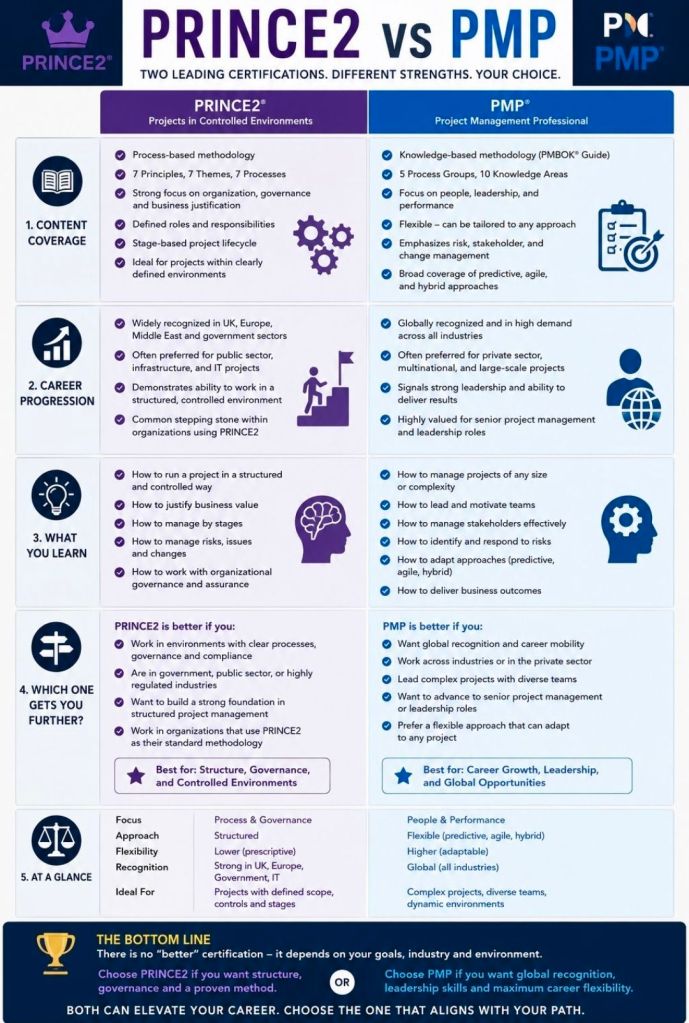
Choosing between PRINCE2 and PMP depends on your career goals and location. PMP is a global, experience-based standard highly valued in the US and multinational corporations. PRINCE2 is a process-based methodology heavily favored in the UK, Europe, and government/public sectors.
A high-level text overview highlights the following core differences:
Project Management Professional (PMP)
What it is: A globally recognized framework and body of knowledge (PMBOK) that certifies a manager’s broad project leadership skills.
Focus: People, processes, and business domains. It is highly flexible and covers predictive (waterfall), agile, and hybrid methodologies.
Requirements: Strict prerequisites. Requires 36–60 months of project management experience and 35 hours of project management education before you can take the 180-question exam.
Best for: Experienced project managers seeking global mobility and opportunities in corporate and private sectors.
What it is: A structured, prescriptive methodology that gives you a step-by-step guide on how to run a project from start to finish.
Focus: Governance, defined roles, continuous business justification, and documentation. It uses a scaleable “Tailoring Approach” so it can be adapted to projects of varying sizes.
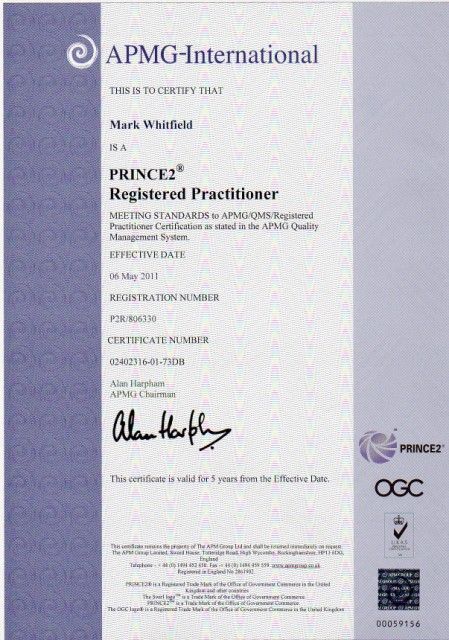
Requirements: No mandatory experience needed for the Foundation level, making it accessible to beginners. The Practitioner level tests your ability to apply the framework.
Best for: Early-to-mid career professionals and those targeting government, NHS, or public sector roles within the UK and Europe.
Official Hub: Browse certification pathways via Axelos.
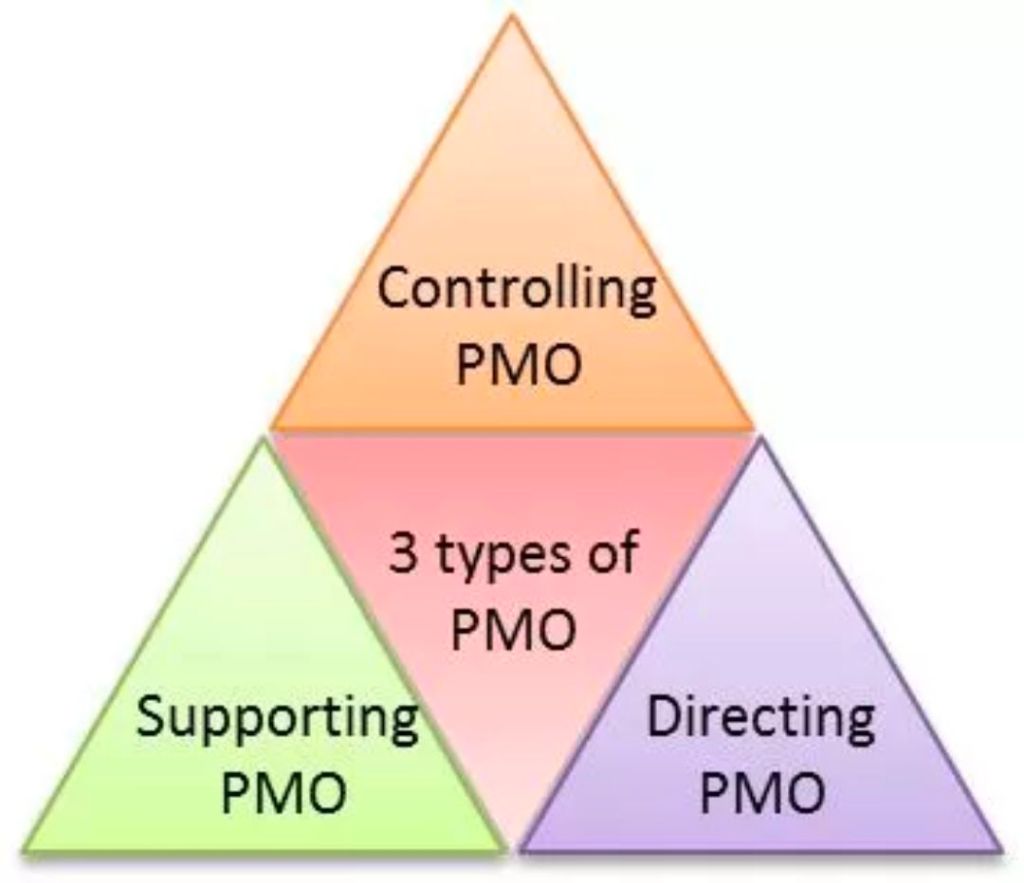
Project Management Office (PMO) models dictate the structure, control level, and strategic focus of a PMO within an organization. The most common frameworks break down into three primary operational types, alongside broader structural and strategic classifications that define how governance is applied.
Project Management Office (PMO) models overview
1. Operational Models (By Control Level)
These models define how the PMO interacts with project teams and enforces standards.
Supportive PMO: Acts as an advisory entity. It provides templates, best practices, training, and tools on demand, but has no direct control or authority over project execution. Best for: Organizations with a decentralized, highly autonomous culture.
Controlling PMO: Enforces strict governance, standardizes methodologies, and ensures compliance across all initiatives. It provides more than advice and actively verifies adherence, but typically relies on established escalation paths rather than direct authority. Best for: Organizations that need consistency and reduced risk.
Directive PMO: Assumes full control and direct ownership of projects. The PMO assigns project managers, directs resources, and takes total responsibility for execution, timelines, and outcomes. Best for: Complex or mission-critical projects requiring rigid governance.
2. Structural Models (By Scope & Placement)
These classifications indicate where the PMO sits and its organizational reach.
Enterprise PMO (EPMO): Operates at the highest organizational level, overseeing the entire project portfolio. It ensures all programs directly align with overarching corporate business objectives and strategy.
Departmental/Divisional PMO: Supports specific business units (such as IT, Marketing, or Engineering). It is highly tailored to the specialized needs of that function, though it runs the risk of creating siloed practices.
Embedded or Project-Specific PMO: A temporary model dedicated to one large, highly complex, or mission-critical project or program. It lasts for the duration of the project and then disbands or reallocates.
3. Advanced / Strategic Models (By Focus)
Modern organizations often adapt the PMO to focus on high-level value rather than just tracking timelines.
Center of Excellence (CoE): Focuses heavily on continuously elevating the organization’s project management maturity. It acts as an innovation hub for methodologies, technology evaluation, and skill-building.
Value Management Office (VMO): Focuses entirely on benefits realization and return on investment (ROI). Rather than just asking “are we on time?”, it asks “is this project generating the business value we wanted?”
A Project Management Office (PMO) is a centralized department or group that defines, maintains, and ensures project management standards across an organization. It serves as the “command center” that aligns project execution with broader business strategy to improve success rates and ROI.
Core PMO Models
The level of control a PMO exerts depends on its specific operational model:
Supportive PMO: Provides a consultative role by supplying templates, best practices, and training. It has low control, acting primarily as a project repository.
Controlling PMO: Enforces governance and requires compliance through specific frameworks and tools. It maintains a moderate degree of control.
Directive PMO: Directly manages projects by assigning project managers who report to the PMO. This model offers the highest degree of control and accountability.
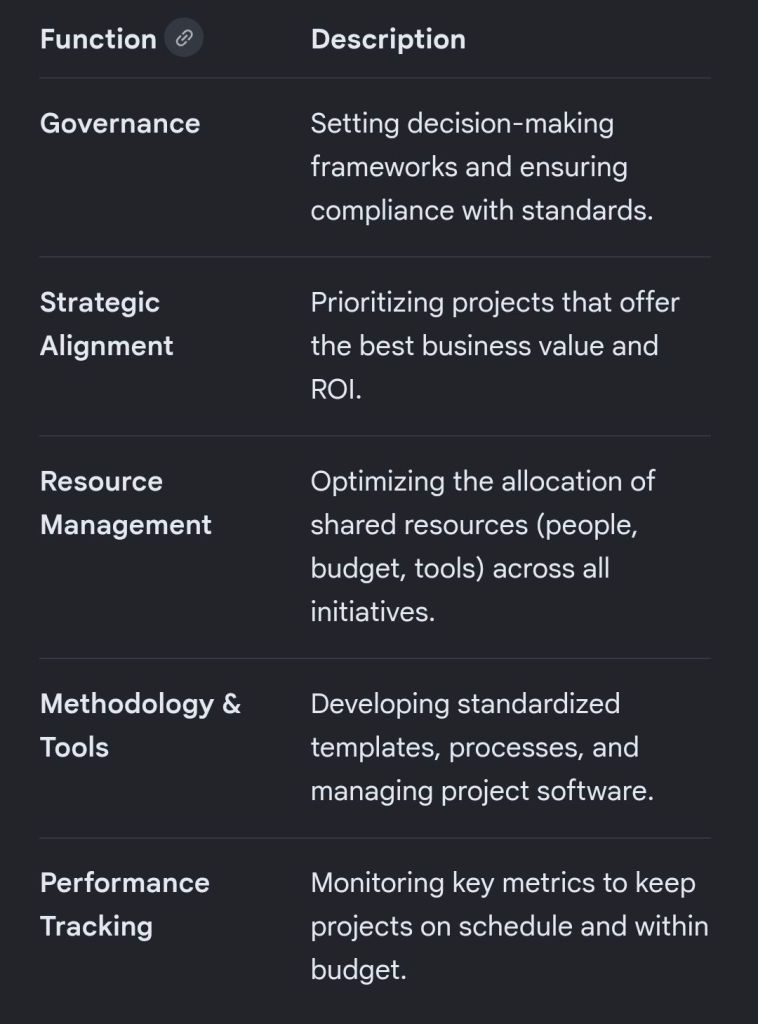
Key Responsibilities
A PMO’s daily functions bridge the gap between high-level strategy and ground-level execution:
Common PMO Roles:
Common PMO Roles
Staffing varies by organization size, but typical roles include:
PMO Director/Manager: Oversees the entire office, ensuring processes are followed and goals are met.
PMO Analyst: Collects and analyzes project data to support decision-making and reporting.
Project/Portfolio Managers: Lead individual projects or entire portfolios to completion.
PMO Specialist: Focuses on implementing methodologies and providing expert advice on project management.
Organizational Levels
PMOs can operate at different tiers within a company:
Project PMO: Focused on a single, large-scale project.
Program/Department PMO: Oversees a group of related projects within a specific department (e.g., IT or Marketing).
Enterprise PMO (EPMO): Operates at the executive level, ensuring all projects across the entire organization align with strategic corporate goals.
PRINCE2 (PRojects IN Controlled Environments) is a structured, process-driven project management method used internationally to deliver projects within time, cost, and quality constraints. Originally developed for IT projects, it has evolved into a generic, flexible, and scalable framework applicable to any type of project, now owned by PeopleCert.
Detailed Overview of PRINCE2 (2026 Framework)
As of 2026, the current framework is PRINCE2 7th Edition, launched in late 2023. It is characterized by its focus on people, digital tools, and sustainability, while retaining its core focus on governance.
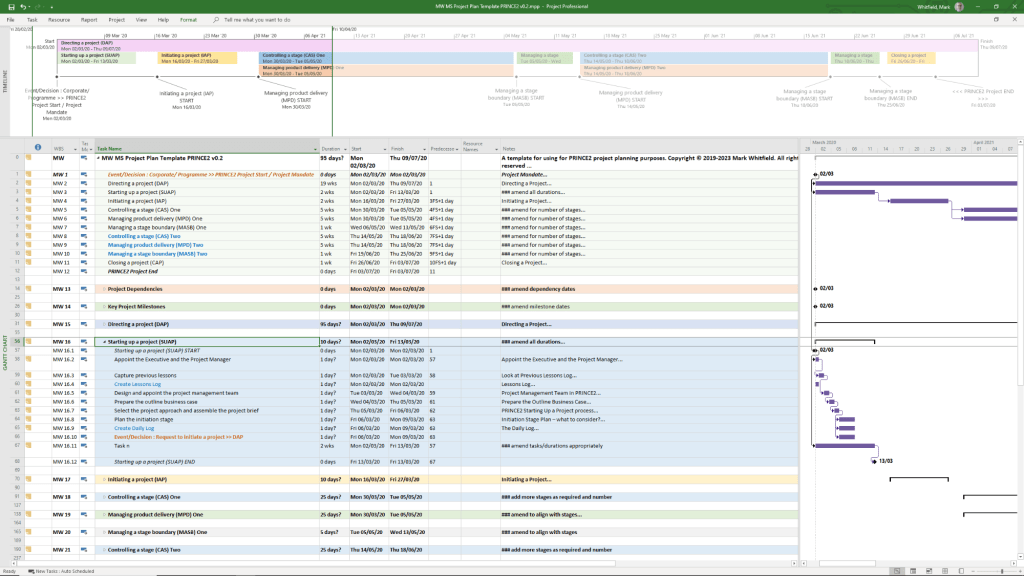
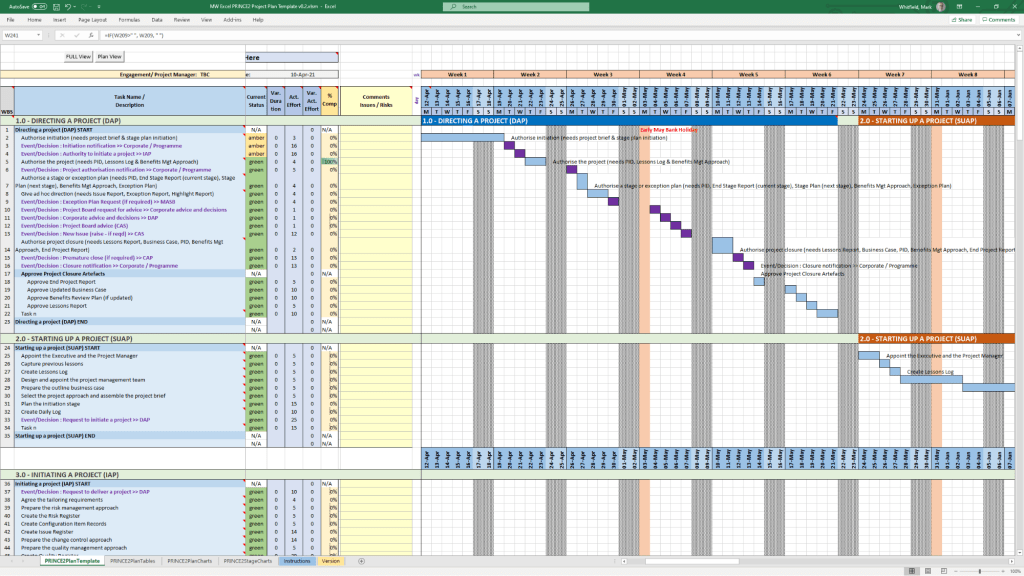
MS Project MPP template example
1. The Seven Principles (Why PRINCE2 is used)
Continued Business Justification: A project must have a valid business case.
Learn from Experience: Lessons are documented and used.
Defined Roles and Responsibilities: Clear organizational structure.
Manage by Stages: Projects are broken into manageable chunks.
Manage by Exception: Empowerment given to managers to act within tolerances.
Focus on Products: Focus on deliverables rather than activities.
Tailor to Suit the Project: Adapted to suit the project’s size, environment, and complexity.
2. The Seven Themes (What must be managed)
Business Case
Organization
Quality
Plans
Risk
Change
Progress
3. The Seven Processes (How to manage)
Starting up a Project
Directing a Project
Initiating a Project
Controlling a Stage
Managing Product Delivery
Managing a Stage Boundary
Closing a Project
4. Certification Levels
Foundation: Confirms basic knowledge of the methodology.
Practitioner: Tests the ability to apply and tailor the method to scenarios.
Detailed Timeline Evolution by Era and Year
PRINCE2 has evolved from a niche IT methodology to a global standard through three major revisions.
Era 1: The Foundations (1975–1989)
1975: Simpact Systems Ltd. creates the PROMPT (Project, Resource, Organization, Management, and Planning Technique) methodology.
Early 1980s: UK Central Computer and Telecommunications Agency (CCTA) licenses PROMPT.
1989: CCTA enhances PROMPT II, renaming it PRINCE (PROMPT in the CCTA Environment), mandated for UK IT projects.
Era 2: Launch and Public Adoption (1990–2005)
1990: PRINCE is released into the public domain.
1996:PRINCE2 is released by CCTA, designed for a broader range of projects (non-IT).
2000: Ownership transfers to the UK Office of Government Commerce (OGC).
2002/2005: Major revisions to the manual structure, strengthening the “product-based planning” approach.
Era 3: Modernization & Privatization (2009–2021)
2009: Major “Refresh” released, introducing the seven principles, themes, and processes. Focuses on simplicity and customizability.
2013: Ownership transfers to AXELOS Ltd, a joint venture between the UK Government and Capita.
2017:PRINCE2 2017 Update (6th Edition) is released, focusing on enhanced flexibility and tailoring guidance.
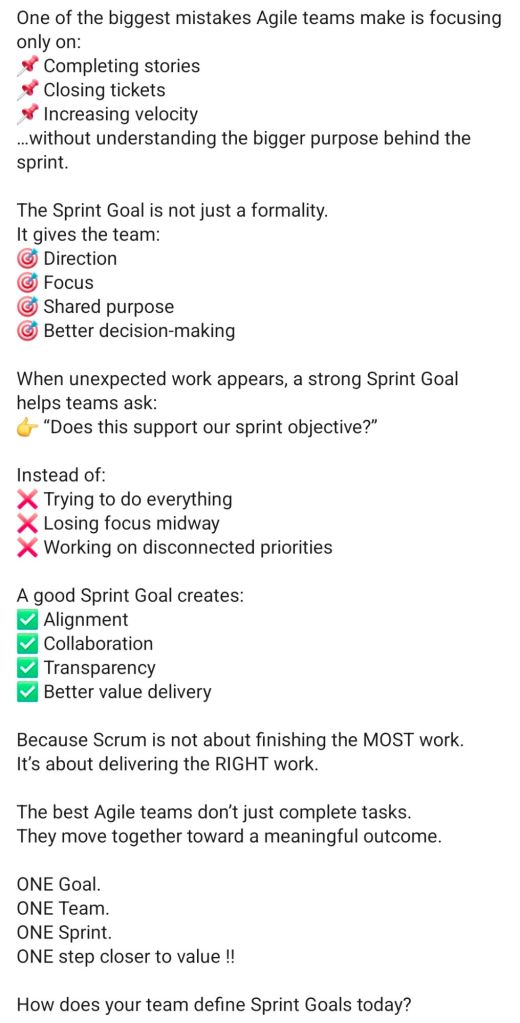
Agile Scrum is a widely adopted, iterative, and incremental framework designed to manage complex product development and software projects.
It breaks down large, daunting projects into small, manageable units called sprints—fixed-length iterations typically lasting 1–4 weeks—to deliver functional components faster and adapt to changing requirements.
Detailed Summary of the Scrum Framework
Scrum relies on three pillars—transparency, inspection, and adaptation—and is defined by specific roles, events, and artifacts.
1. The Scrum Team (Roles)
Product Owner (PO): Maximizes the value of the product by managing the Product Backlog. They define “what” is built.
Scrum Master: A servant-leader who helps the team follow Scrum theory and removes impediments.
Developers: The cross-functional team members responsible for creating the increment each sprint.
2. Scrum Events (Ceremonies)
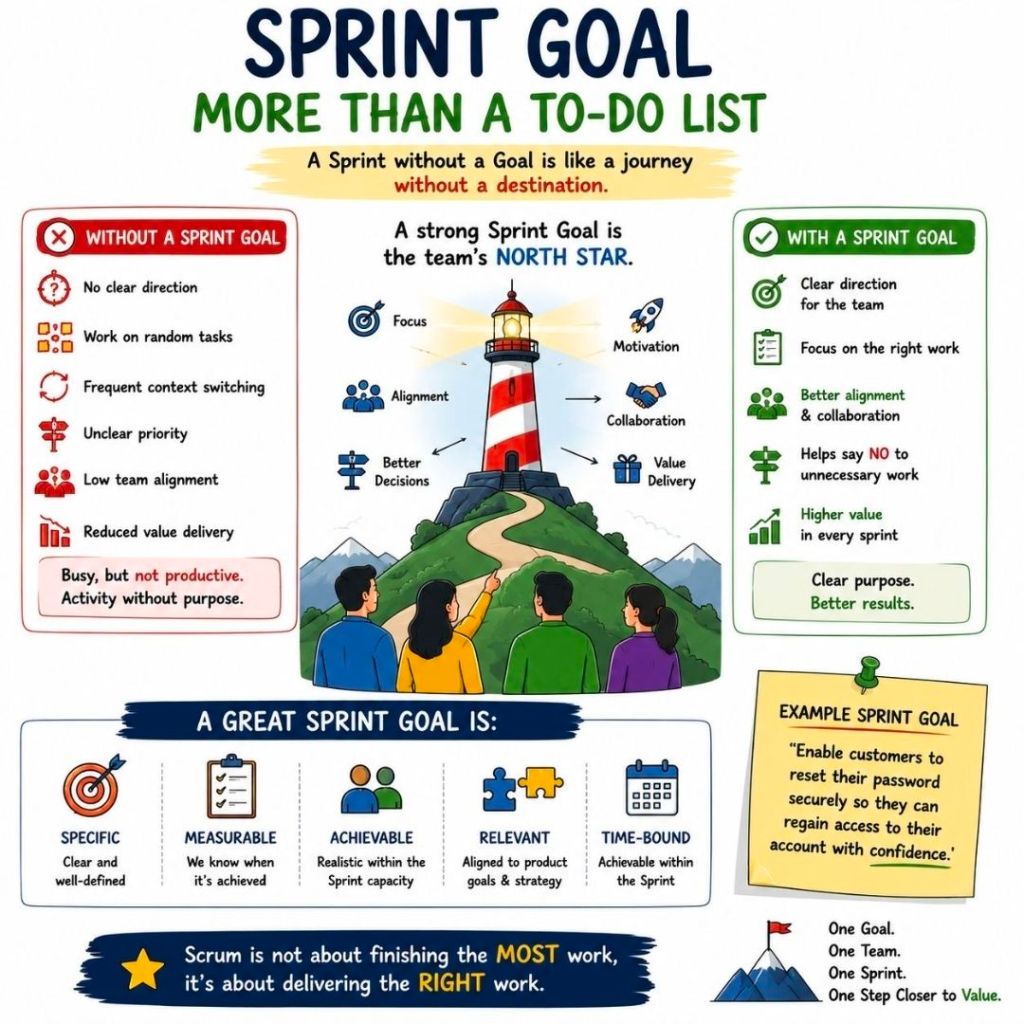
Sprint Planning: Defines the Sprint Goal and the work to be done during the sprint.
Daily Scrum: A 15-minute daily meeting for developers to synchronize activities and plan the next 24 hours.
Sprint Review: Held at the end of the sprint to showcase the increment to stakeholders and gather feedback.
Sprint Retrospective: The team reflects on the process and identifies improvements for the next sprint.
3. Scrum Artifacts
Product Backlog: An ordered list of everything required in the product.
Sprint Backlog: The set of Product Backlog items selected for the sprint, plus the plan for delivering them.
Increment: The usable, working product increment produced at the end of a sprint.
Evolution of Scrum Over the Years
Scrum was developed in the early 1990s as a response to the failures of the linear “waterfall” approach.
1986 (Concept Origins): Takeuchi and Nonaka publish “The New New Product Development Game,” comparing traditional relay-race product development to a rugby “scrum” team.
1993 (First Implementation): Jeff Sutherland, John Scumniotales, and Jeff McKenna implement the first Scrum team at Easel Corporation.
1995 (Public Introduction): Ken Schwaber and Jeff Sutherland formalize Scrum and present “The Scrum Development Process” at the OOPSLA ’95 conference.
2001 (Agile Manifesto): Sutherland and Schwaber become signatories of the Agile Manifesto, cementing Scrum as a major Agile methodology.
2010 (The Scrum Guide): The first official Scrum Guide is released to standardize the framework worldwide.
2011–2017 (Refinements): The guide is updated to clarify roles and events, including strengthening the role of the Scrum Master and introducing self-organizing teams.
2020 (The Modern Scrum Guide): A major update makes the guide less prescriptive, focusing on a single Scrum Team (removing “development team” and “scrum team” split), introducing the Product Goal for long-term focus, and focusing on one team working towards one product.
Artificial Intelligence (AI) is the branch of computer science dedicated to creating systems capable of performing tasks that typically require human intelligence, such as reasoning, learning, problem-solving, and perception. As of 2026, AI has transitioned from experimental research to widespread deployment as foundational infrastructure, with focus shifting from mere generative models to agentic, autonomous systems capable of executing complex, multi-step workflows.
Detailed Overview of AI in 2026
Core Capabilities: Modern AI combines large language models (LLMs), multimodal understanding (text, image, audio), and autonomous agents that can plan, remember, and act independently.
Agentic AI: A significant shift is the proliferation of AI agents that act as “digital coworkers” rather than just tools, handling tasks within business environments.
Democratization & Open Source: The open-source movement has accelerated, placing powerful AI capabilities in the hands of many, reducing dependence on single providers.
Regulation and Ethics: Following frameworks like the EU AI Act, 2026 is marked by the implementation of laws focusing on safety, transparency, and accountability, including AI watermarking to curb misinformation.
Major Trends: Key trends include standardized AI performance benchmarks (e.g., Machine Intelligence Quotient), interoperability between different AI agents, and integration of AI into physical robotics.
2016:DeepMind’s AlphaGo defeats Lee Sedol, mastering the complex game of Go.
2017: Google researchers introduce Transformers, the architecture underpinning modern LLMs.
V. Generative AI and Agentic Era (2020s–2026)
2020: OpenAI releases GPT-3, demonstrating unprecedented language generation capabilities.
2022: The public release of ChatGPT marks the mainstream breakthrough of Generative AI.
2024:OpenAI releases o1 (formerly Strawberry), focusing on advanced reasoning.
2025–2026: AI becomes “Agentic,” shifting from chatbots that create content to autonomous agents that plan, execute, and interact across software systems.