Agile Scrum Overview and Evolution Timeline
Agile Scrum is a widely adopted, iterative, and incremental framework designed to manage complex product development and software projects.

It breaks down large, daunting projects into small, manageable units called sprints—fixed-length iterations typically lasting 1–4 weeks—to deliver functional components faster and adapt to changing requirements.

Detailed Summary of the Scrum Framework

Scrum relies on three pillars—transparency, inspection, and adaptation—and is defined by specific roles, events, and artifacts.

1. The Scrum Team (Roles)

  • Product Owner (PO): Maximizes the value of the product by managing the Product Backlog. They define “what” is built.
  • Scrum Master: A servant-leader who helps the team follow Scrum theory and removes impediments.
  • Developers: The cross-functional team members responsible for creating the increment each sprint.

2. Scrum Events (Ceremonies)

  • Sprint Planning: Defines the Sprint Goal and the work to be done during the sprint.
  • Daily Scrum: A 15-minute daily meeting for developers to synchronize activities and plan the next 24 hours.
  • Sprint Review: Held at the end of the sprint to showcase the increment to stakeholders and gather feedback.
  • Sprint Retrospective: The team reflects on the process and identifies improvements for the next sprint.

3. Scrum Artifacts

  • Product Backlog: An ordered list of everything required in the product.
  • Sprint Backlog: The set of Product Backlog items selected for the sprint, plus the plan for delivering them.
  • Increment: The usable, working product increment produced at the end of a sprint.

Evolution of Scrum Over the Years

Scrum was developed in the early 1990s as a response to the failures of the linear “waterfall” approach.

  • 1986 (Concept Origins): Takeuchi and Nonaka publish “The New New Product Development Game,” comparing traditional relay-race product development to a rugby “scrum” team.
  • 1993 (First Implementation): Jeff Sutherland, John Scumniotales, and Jeff McKenna implement the first Scrum team at Easel Corporation.
  • 1995 (Public Introduction): Ken Schwaber and Jeff Sutherland formalize Scrum and present “The Scrum Development Process” at the OOPSLA ’95 conference.
  • 2001 (Agile Manifesto): Sutherland and Schwaber become signatories of the Agile Manifesto, cementing Scrum as a major Agile methodology.
  • 2010 (The Scrum Guide): The first official Scrum Guide is released to standardize the framework worldwide.
  • 2011–2017 (Refinements): The guide is updated to clarify roles and events, including strengthening the role of the Scrum Master and introducing self-organizing teams.
  • 2020 (The Modern Scrum Guide): A major update makes the guide less prescriptive, focusing on a single Scrum Team (removing “development team” and “scrum team” split), introducing the Product Goal for long-term focus, and focusing on one team working towards one product.

Key Resources and Links

Agile Scrum Overview and Evolution Timeline
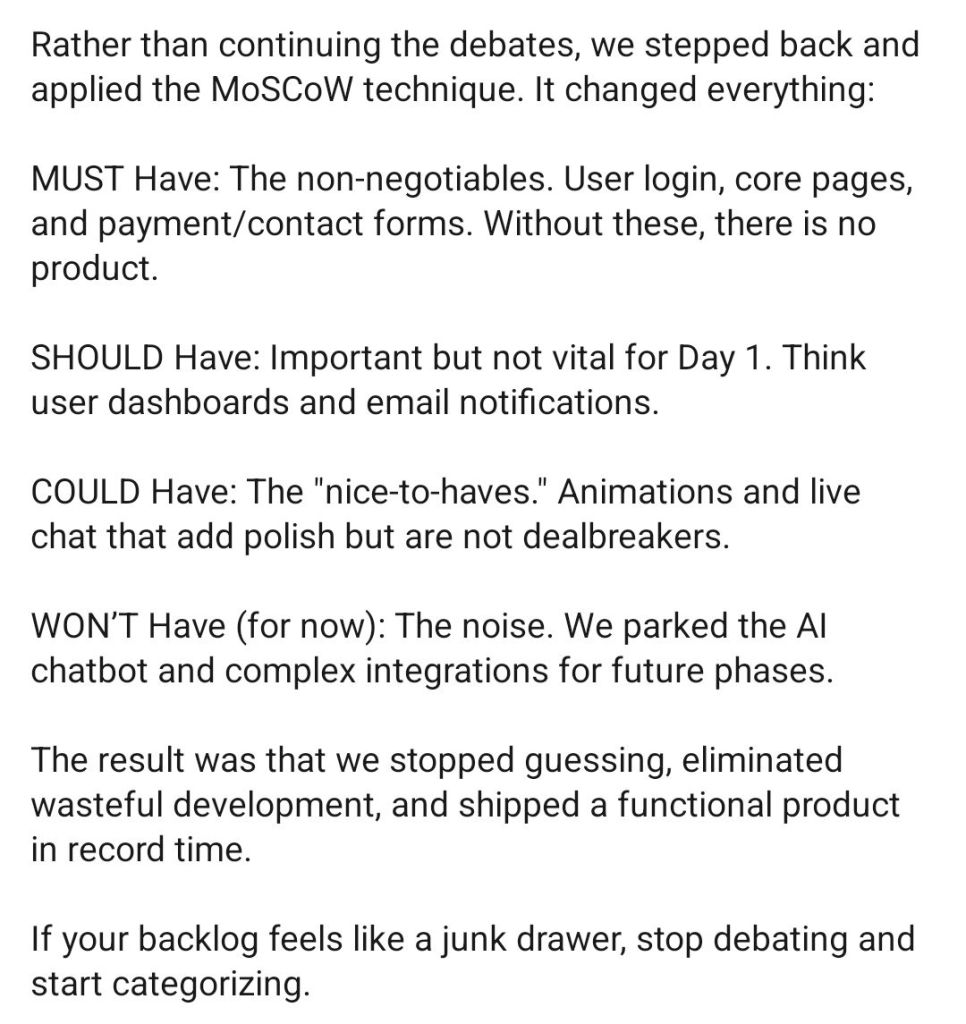
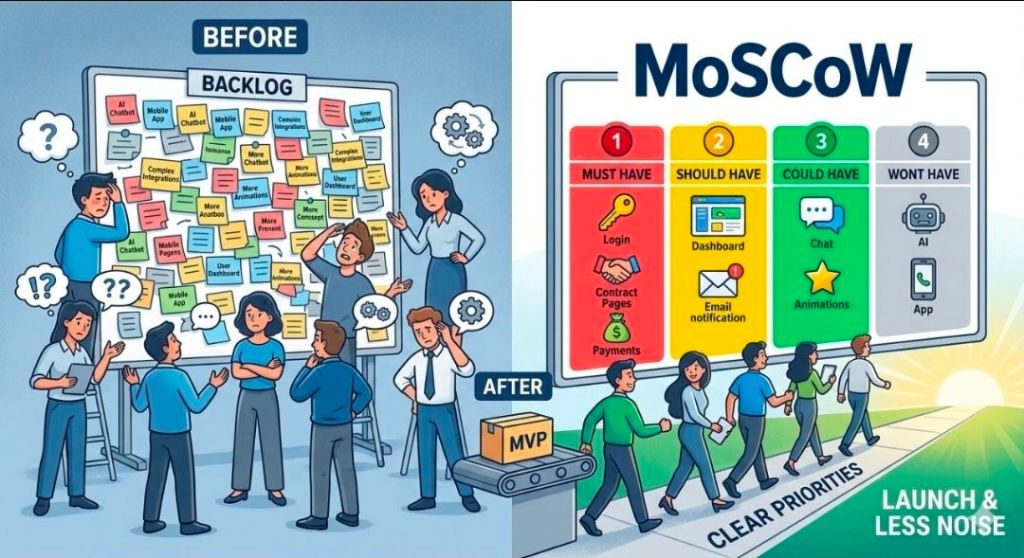
Agile Backlog MoSCoW, Must, Should, Could and Won’t Have

Agile Backlog MoSCoW, Must, Should, Could and Won't Have
Agile Backlog MoSCoW, Must, Should, Could and Won’t Have

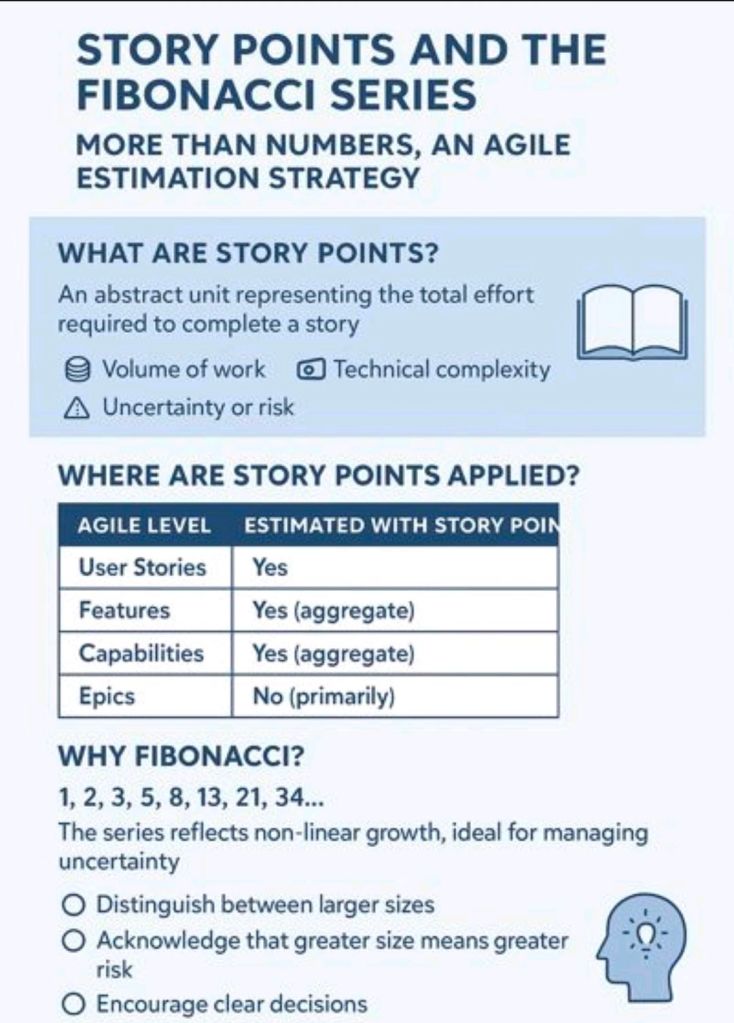
Agile Story Points and the Fibonacci Series, Estimation Strategy

Agile Story Points and the Fibonacci Series, Estimation Strategy

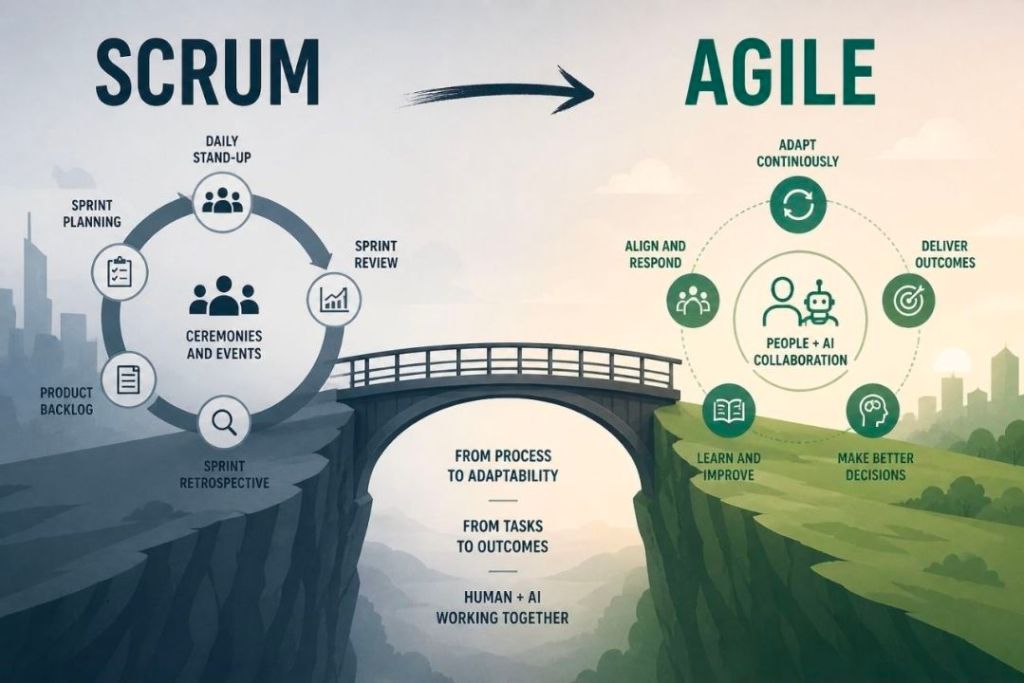
Scrum and Agile in Projects

Scrum and Agile

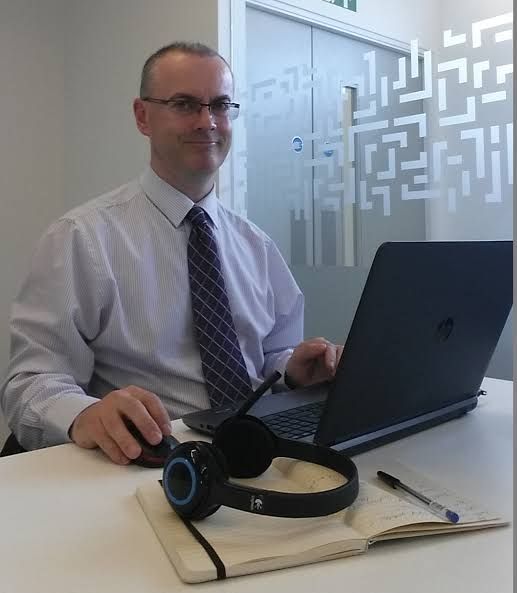
Mark Whitfield, SC Cleared Senior Project Manager, Manchester

Mark Whitfield is a highly experienced, SC-cleared Senior Project Manager and Engagement Manager specializing in complex IT software development lifecycle (SDLC) projects, digital transformation, and cloud migrations.

Currently based in Greater Manchester, UK, he has over 31 years of experience in the IT industry, working with major blue-chip companies across various sectors, including UK Government, retail banking, aerospace, and utilities.

He is a certified PRINCE2 Practitioner, skilled in both Agile SCRUM and Waterfall methodologies.

Website Links:

Professional Biography:

Mark specializes in bridging technical teams and business stakeholders, delivering complex IT systems under challenging conditions.

His career spans from early roles as a developer on Tandem Mainframe Computers (HPE NonStop) to senior management positions focusing on cloud resources, API integrations, and CRM platform implementations.

  • Key Skills: Project Planning, Stakeholder Management, Financial Forecasting, Risk Management (RAID), Agile Scrum, PRINCE2, ITIL.
  • Key Strengths: Cloud Migration (Azure/Dynamics 365), Payment Systems (ATM/POS), and API-led connectivity.

Detailed Career Timeline:

  • Nov 2023 – Feb 2024 (UK Government – Capgemini): Acted as Client-Side Technical Delivery Manager for a £1m+ Fish Export Service (FES) to CHIP project, facilitating Azure-based API updates for UK-Northern Ireland trade.
  • Nov 2022 (UK Government – Capgemini): Managed two Microsoft Dynamics 365 Azure Cloud projects, including a £0.4m Dynamics 2016 migration and a £0.54m CRM platform discovery/build.
  • Feb 2022 (UK Utility Industry – Capgemini): Managed a £0.5M project migrating legacy document management systems to an Azure-based Enablon product.
  • 2020 (UK Gov – Capgemini): Senior PM for a £375k Agile proof-of-concept (POC) project migrating legacy applications (MS Access/Oracle) to Microsoft Azure and Dynamics 365.
  • Oct 2018 – June 2019 (MuleSoft): Served as Delivery Manager overseeing 5+ UK accounts for MuleSoft Anypoint Platform (API-led connectivity) implementations.
  • Oct 2017 (Automotive Industry – Capgemini): Managed a £430k Digital Readiness project and a £670k Customer Portal/Online Sales project (Agile).
  • May 2017 (Local Govt – Capgemini): Led a £400k telecommunications project (CCaaS) for the Support for Mortgage Interest (SMI) program.
  • Jan 2017 (Aerospace/Def – Capgemini): Senior Project Lead for two £1.3M projects with high-governance and gated deliverables.
  • Jan 2016 – Present (Capgemini UK): Joined as an Engagement Manager (A8), working on projects including Apple iOS app development for UK Air Traffic (NATS) and a £4.3M data center migration for Postal Services.
  • Dec 2014 – Jan 2016 (Betfred Limited): IT Senior Digital Project Manager for online/mobile payment gateways and sports book platforms.
  • Sep 2013 – Dec 2014 (Wincor Nixdorf): Senior Project Manager for a £5+ million ATM/POS software swap-out at a UK retail bank.
  • 2013 (Retail Banking – Riyadh): Delivered an RTLX transaction tracking project (BASE24 Classic) at a Saudi Arabian bank.
  • 1995 – 2013 (Insider Technologies): Worked on Strategic Technical Initiatives and bank-facing projects on the HPE NonStop platform (Tandem) for products Reflex 80:20, Reflex ONE24, RTLX and XPERT24.
  • 1990 – 1995 (The Software Partnership/Deluxe Data): Commenced career as a programmer specializing in electronic banking software on Tandem Computers (HPE NonStop), sp/ARCHITECT-BANK

Education:

  • 1988 – 1990: Higher National Diploma (HND) in Computing, Distinction/Overall First, Bolton Institute of Higher Education (now University of Greater Manchester from 2024).

Mark Whitfield, SC Cleared Senior Project Manager, Manchester

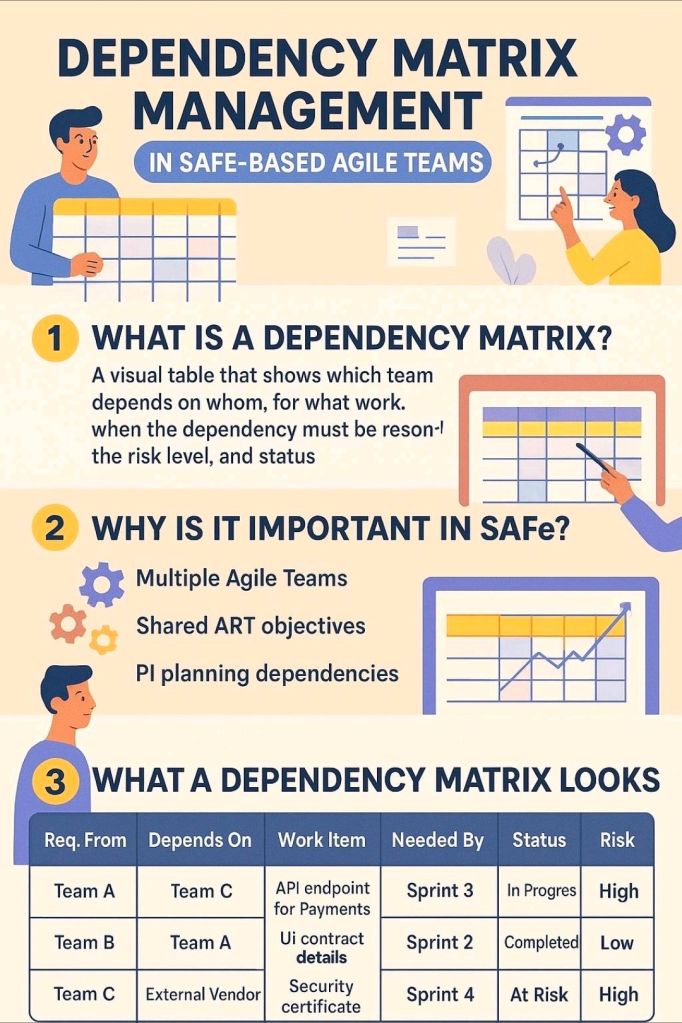
Agile Dependency Matrix Management in Project Management

Agile Dependency Matrix Management in Project Management

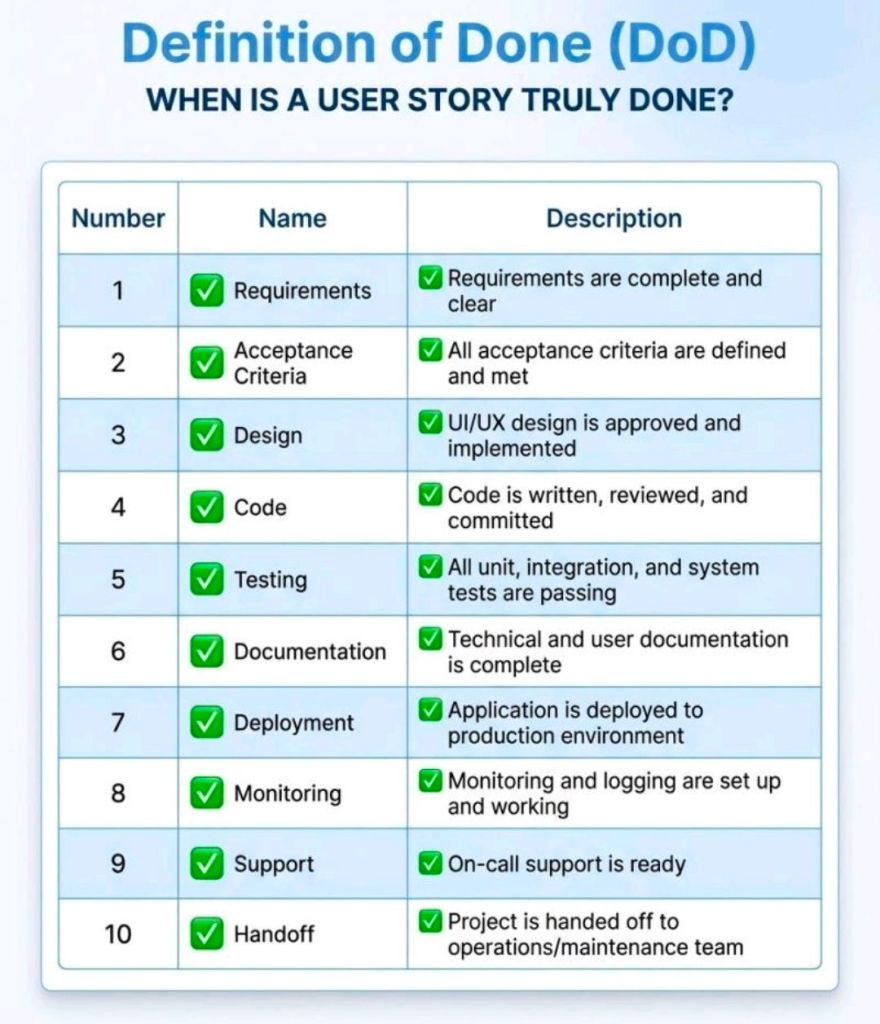
Agile Defintion of Done, DoD

Agile Defintion of Done, DoD

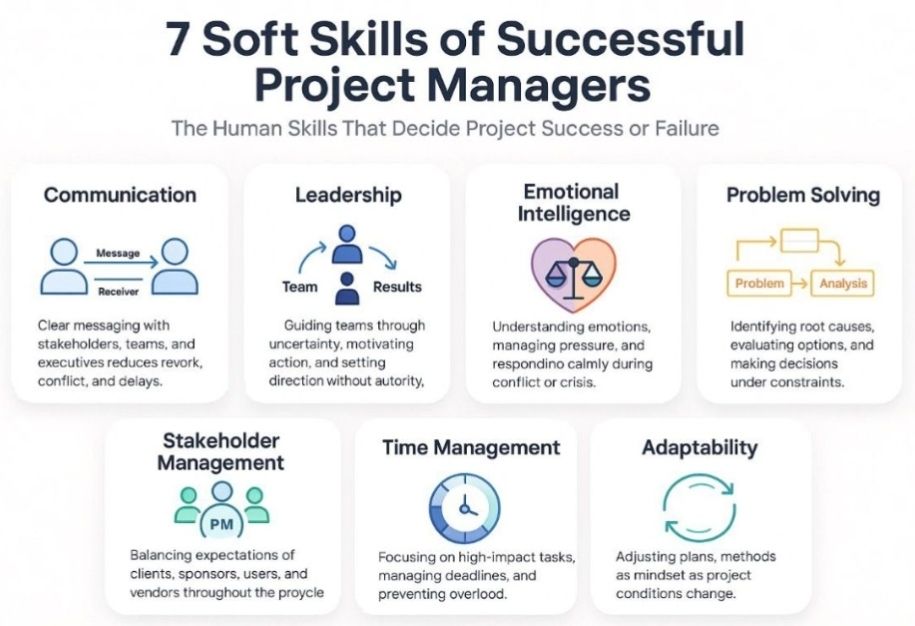
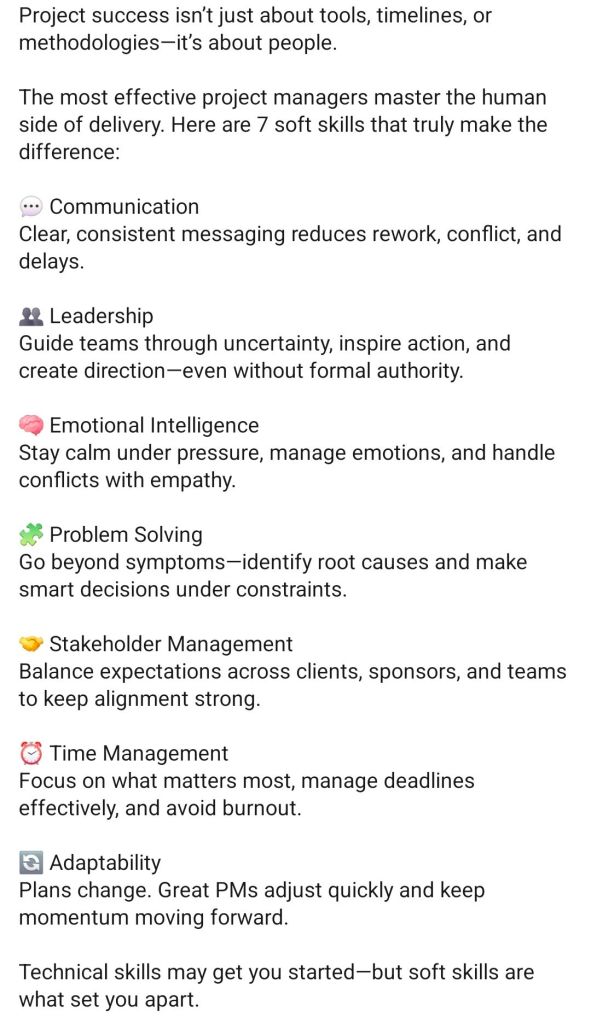
Soft Skills of Successful Project Managers

Soft Skills of Successful Project Managers