Claude is a family of large language models (LLMs) developed by Anthropic, a company founded in 2021 by former OpenAI executives Daniela and Dario Amodei with a core focus on AI safety and “Constitutional AI”. Known for its high-quality writing, advanced reasoning, massive context windows, and “Artifacts” interface, Claude has rapidly evolved from a safe conversational chatbot into an agentic tool capable of coding, computer use, and complex data analysis.
Overview of Claude AI
- Constitutional AI (CAI): Anthropic trains Claude using a set of principles (“constitution”) rather than relying only on human feedback. This makes Claude generally more cautious, more likely to refuse harmful requests, and transparent in its reasoning.
- Model Family (Haiku, Sonnet, Opus): Claude models are released in three tiers:
- Haiku: Fastest and most cost-effective.
- Sonnet: Balanced for speed and intelligence (general-purpose).
- Opus: Most intelligent, designed for complex tasks.
- Key Features:
- Context Window: Early adoption of long-context, moving from 100k to 200k tokens (roughly 500 pages of text).
- Artifacts: A dedicated UI window that displays rendered code, websites, and documents in real-time.
- Computer Use: A specialized capability allowing Claude 3.5 Sonnet to control a computer’s desktop environment—moving the cursor, clicking, and typing.
- Claude Code: Agentic coding tool introduced in 2025/2026 for automated software engineering.
Historic Timeline by Era and Year
Era 1: Foundation and Early Models (2021–2022)
- 2021: Anthropic is founded by Dario and Daniela Amodei, focusing on AI safety and “Constitutional AI”.
- Late 2022: Initial versions of Claude are released to select research partners for safety testing.
Era 2: Public Launch and Rapid Scaling (2023)
- March 2023: Claude 1 and Claude Instant are released for testing.
- July 2023: Claude 2 is released to the general public, featuring improvements in reasoning and coding.
- November 2023: Claude 2.1 is launched, doubling the context window to 200,000 tokens.
Era 3: The Claude 3 Family and Agentic AI (2024)
- March 2024: Claude 3 Family (Haiku, Sonnet, Opus) is launched, showcasing near-human intelligence, advanced vision capabilities, and high-speed processing.
- June 2024: Claude 3.5 Sonnet is released, outperforming the larger 3 Opus model and introducing the Artifacts feature for UI rendering.
- October 2024: Claude 3.5 Haiku and an upgraded 3.5 Sonnet are released. Anthropic launches the “computer use” public beta, allowing the AI to interact with software and browsers.
Era 4: Claude 4 and Agentic Workflows (2025–2026)
- February 2025: Claude Code is introduced as an agentic tool for developers.
- May 2025: Claude 4 Family (Opus 4 & Sonnet 4) is launched, featuring improved multi-modal reasoning and deep context processing.
- August 2025: Opus 4.1 is released with tighter safety controls for abusive conversations.
- November 2025: Opus 4.5 is released, focusing on enhanced coding and workplace tasks, alongside “Infinite Chats”.
- February 2026: Claude Opus 4.6 and Sonnet 4.6 are released, adding native “Agent Team” collaboration and 1M-token context.
- April 2026: Claude Mythos Preview is announced, designed for high-level cybersecurity vulnerability detection.
Key Differentiators
As of early 2026, Claude is considered a market leader in agentic AI development, particularly through its “Computer Use” feature, which allows it to act as an Autonomous agent rather than just a chatbot. While competitors like OpenAI focus on multimodal LLMs, Anthropic’s Claude continues to differentiate by prioritizing safety, long-context understanding, and specialized agentic coding tools.
Claude AI Overview and Detailed Historic Timeline by Era and Year
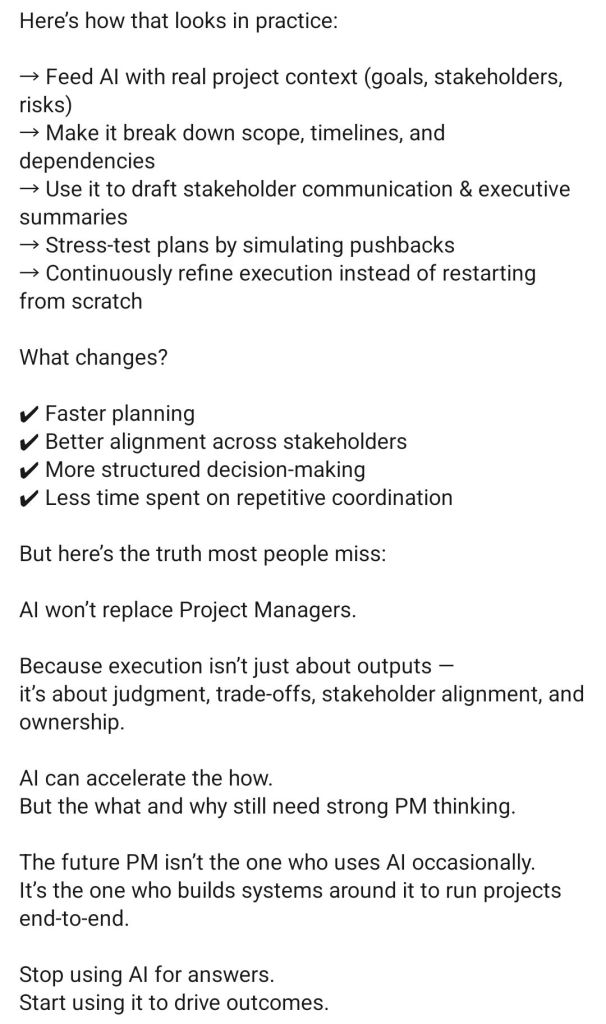
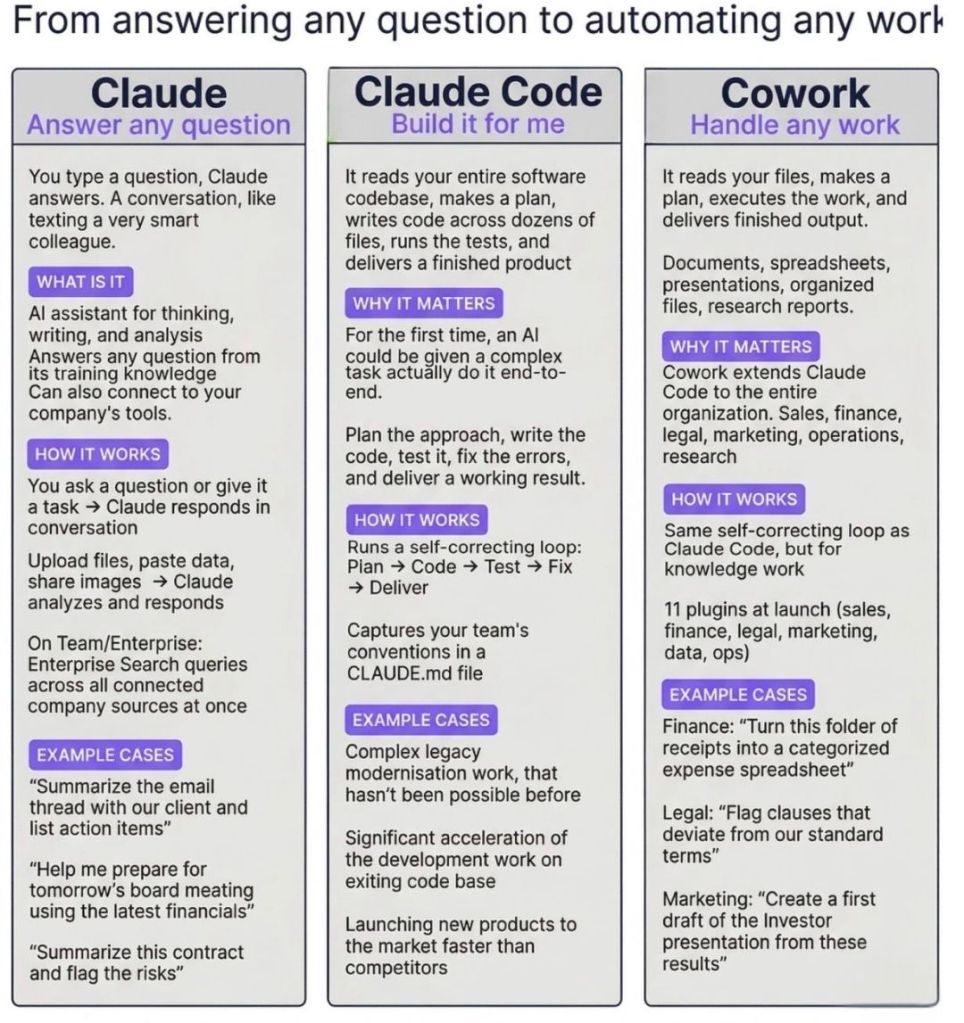
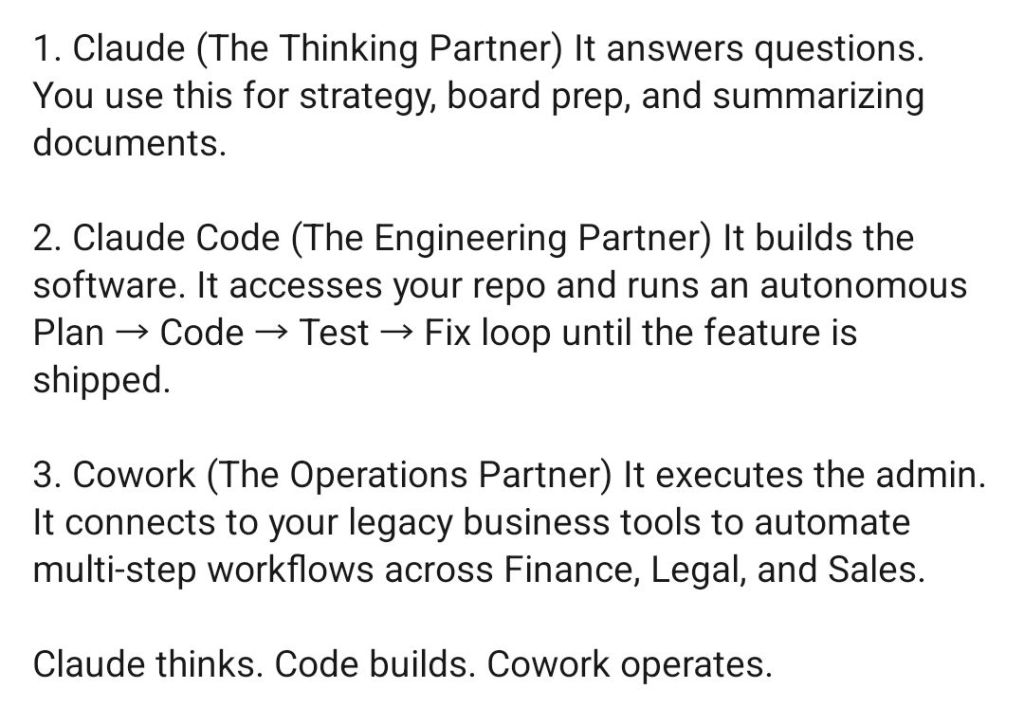
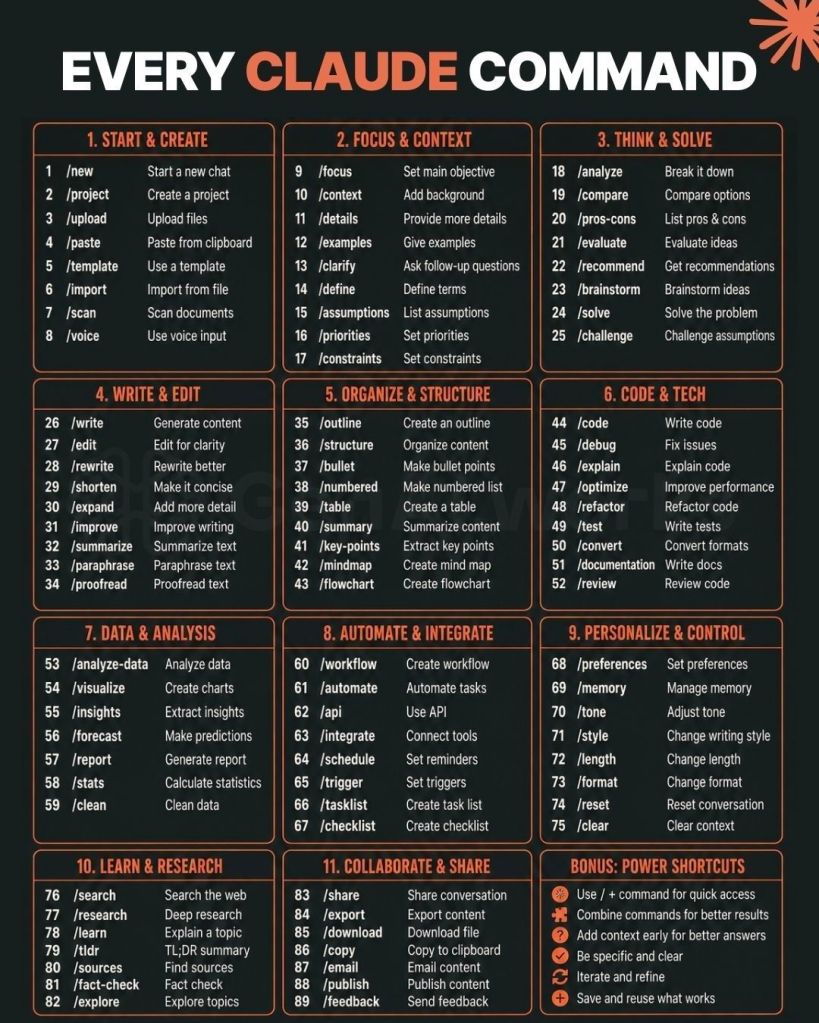
Claude Artificial Intelligence AI technology insight
Claude is a family of large language models (LLMs) developed by Anthropic, an AI safety and research company. As of early 2026, the technology has evolved from a conversational chatbot into a suite of “agentic” tools capable of performing complex software engineering, cybersecurity, and workplace automation tasks.
Core Technology & Architecture
- Constitutional AI: Claude’s unique training method, which uses a set of principles (a “constitution”) to guide the model’s self-critique and alignment. This is intended to make Claude more ethical, harmless, and less prone to bias.
- Model Tiers: Claude is typically released in three sizes—Haiku (fastest/cheapest), Sonnet (balanced), and Opus (most powerful for deep reasoning).
- Context Window: Recent models like Claude 4.6 and Sonnet 4.5 support massive context windows of up to 1 million tokens, allowing them to process entire codebases or long legal documents in a single prompt.
- Extended Thinking: A feature that allows the model to “think” longer on complex problems before responding, using advanced step-by-step reasoning.
Key Features & Innovations
- Artifacts: A dedicated UI feature that lets users view and interact with generated code, websites, and diagrams in real-time.
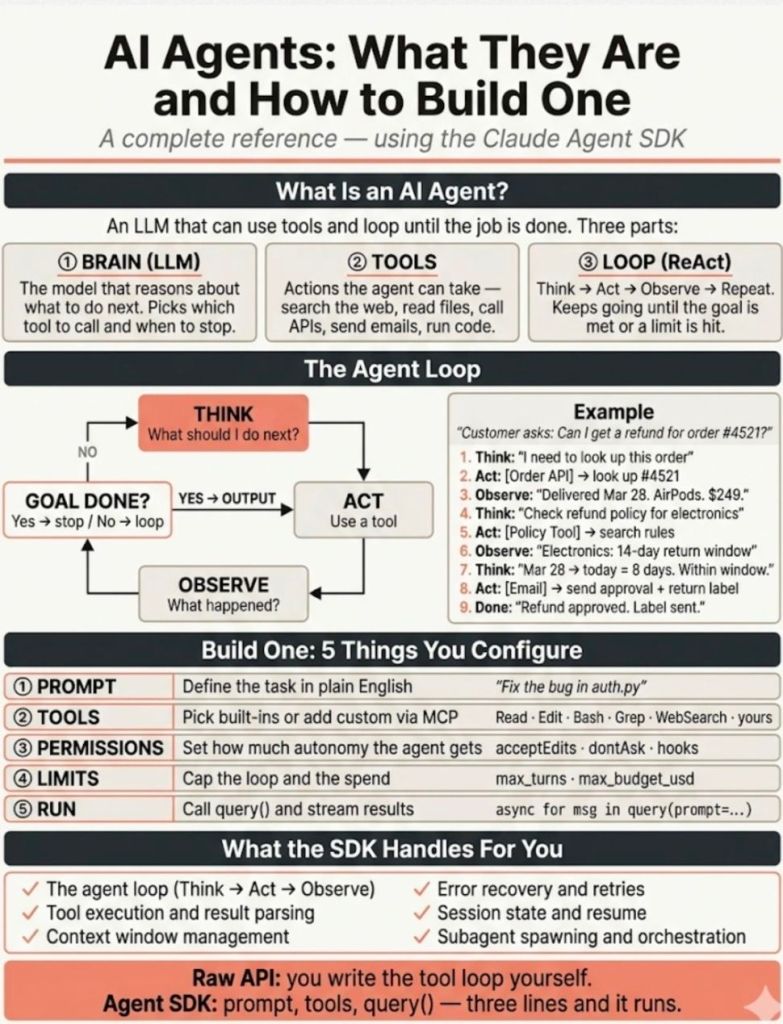
- Claude Code: A command-line interface (CLI) that functions as an agentic software engineer, capable of searching your system, editing files, running tests, and fixing bugs autonomously.
- Claude Code Security: A specialized tool released in early 2026 for scanning codebases to identify and fix high-severity vulnerabilities.
- Computer Use: A beta capability allowing Claude to interpret screen content and simulate mouse and keyboard actions to perform tasks across multiple apps.
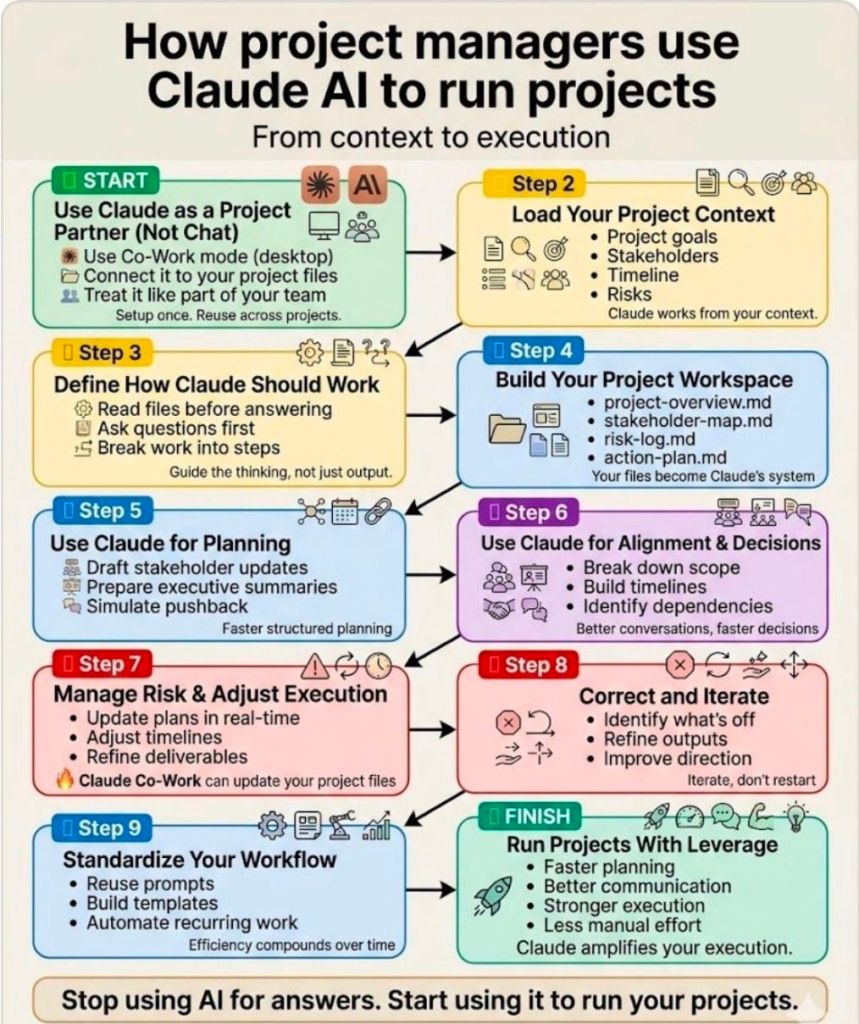
- Integrations: Claude now connects directly to enterprise tools like Microsoft Word, Excel, PowerPoint, and Zoom to automate report generation and meeting follow-ups.
Impact & Performance
- Coding Excellence: Claude is widely regarded as one of the best models for programming, often used to build entire applications through “vibe coding” (conversational development).
- Productivity Gains: Internal and external studies suggest Claude can reduce task completion time by up to 80% for complex tasks like legal research and software engineering.
- Cybersecurity Breakthroughs: The Claude Mythos model (currently in limited release) has reportedly discovered thousands of zero-day vulnerabilities in major operating systems like Linux and OpenBSD.
Claude Code Project structure :
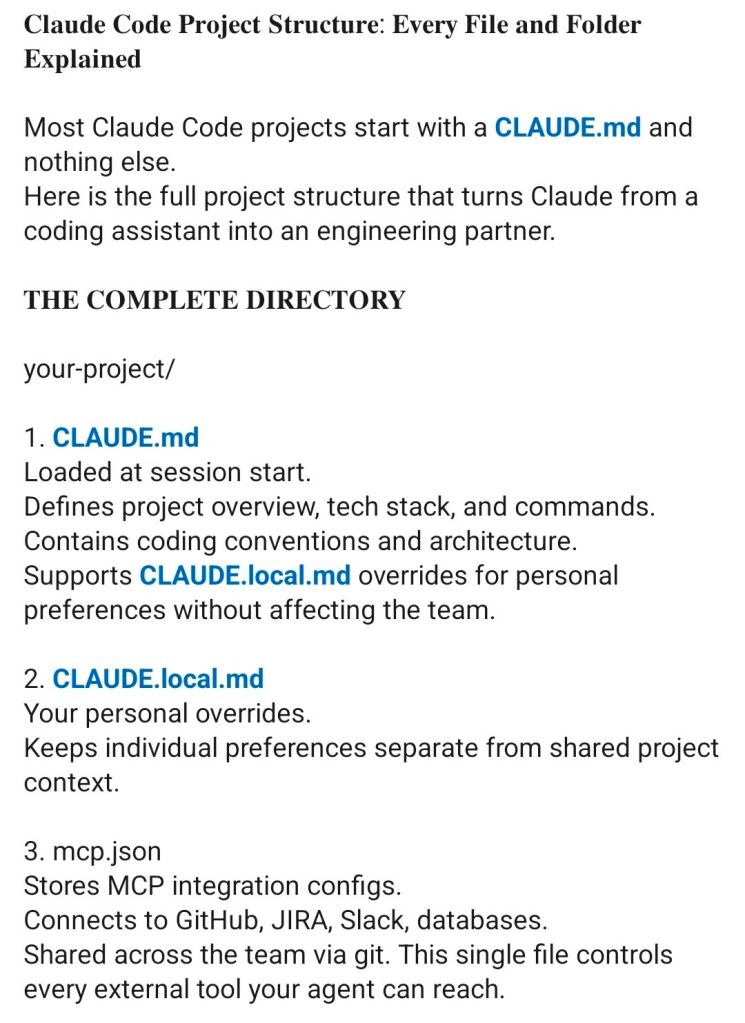
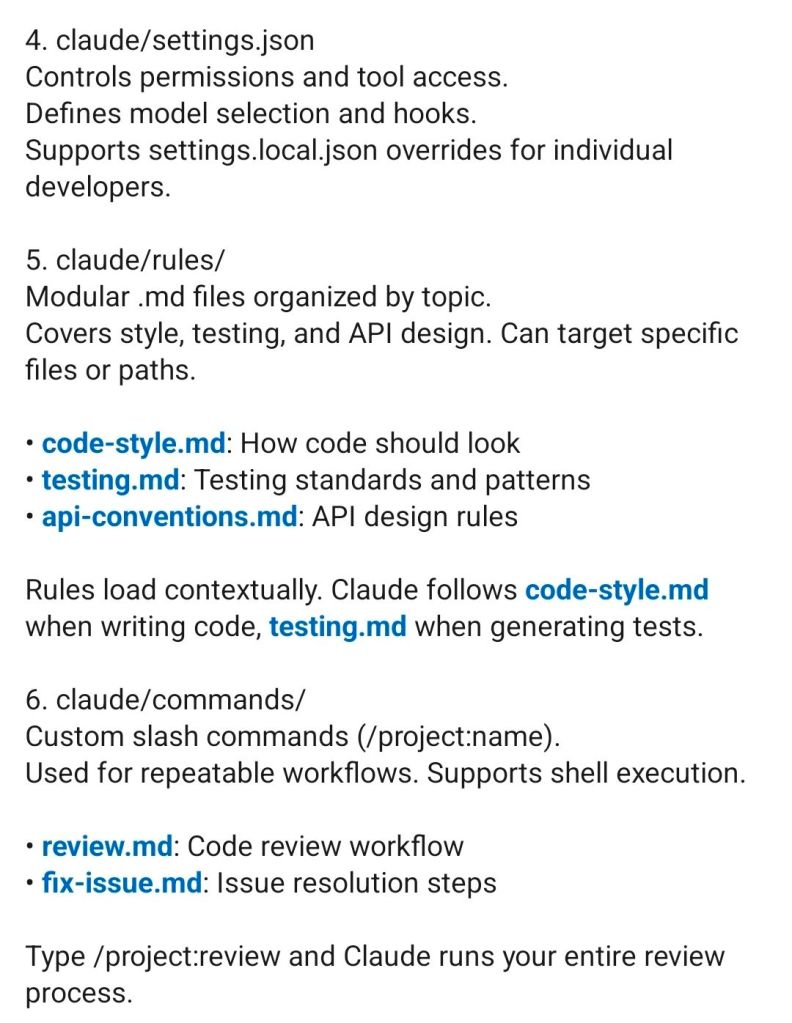
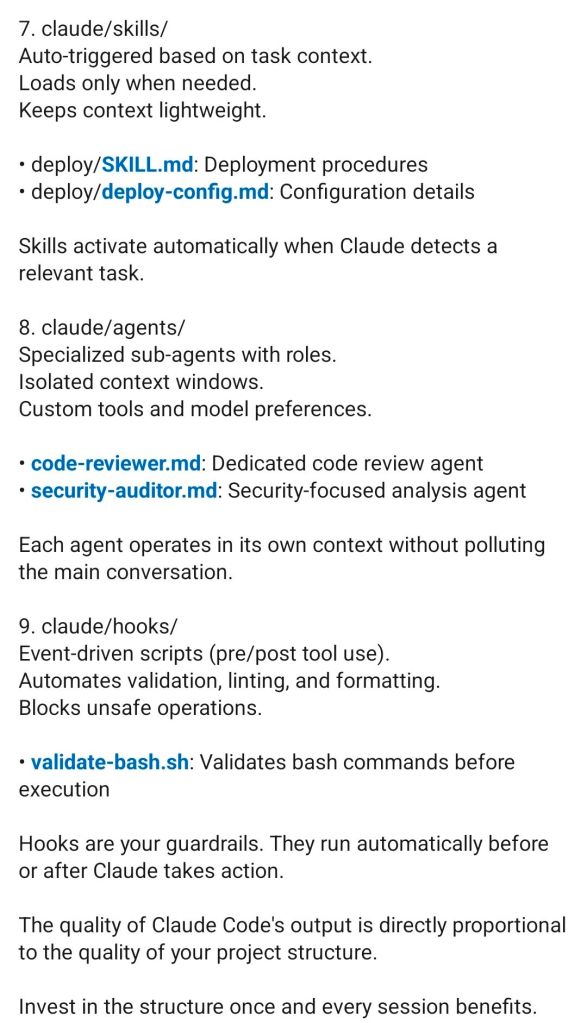
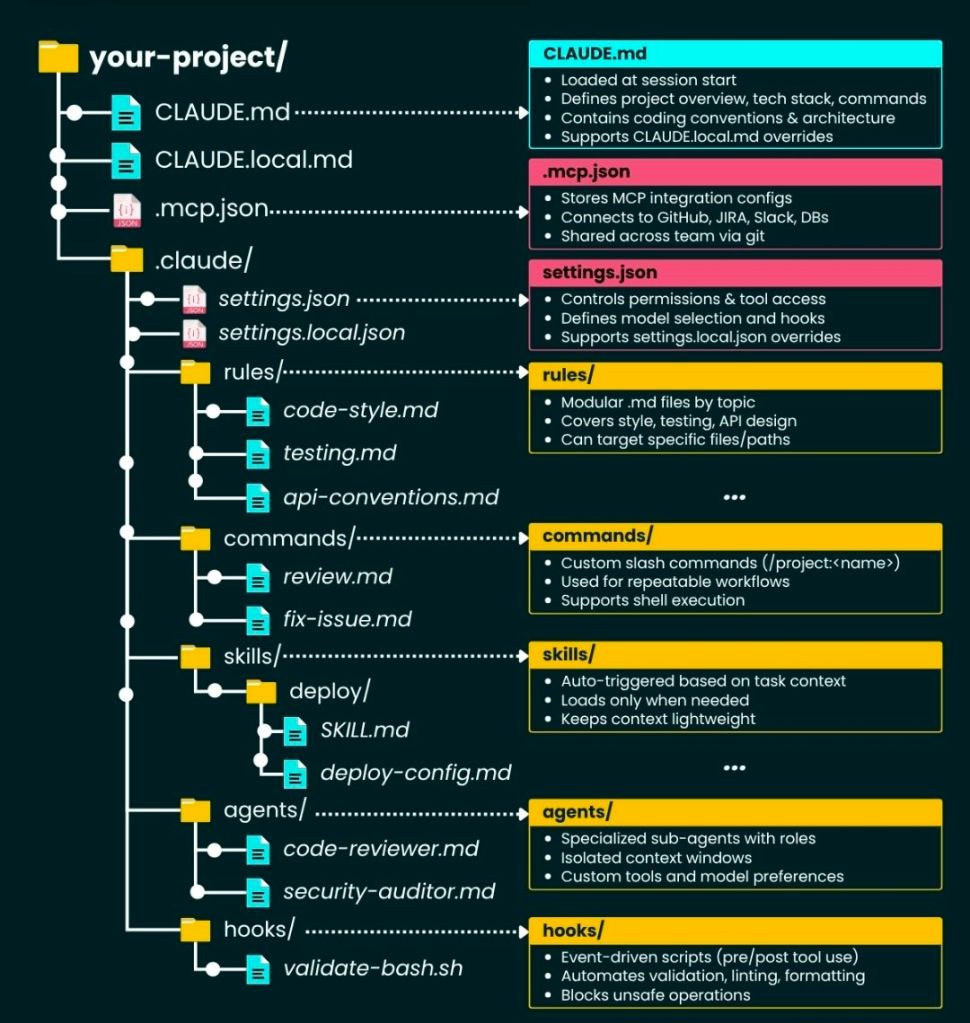
The .claude folder is a hidden directory used by Claude Code (an AI-powered terminal assistant) to store local state, configuration, and memory, allowing it to remember project details across sessions. It functions as a local workspace for Claude to manage instructions, custom commands, permission rules, and auto-memory.
Key Components of the .claude Folder:
CLAUDE.md(Crucial): A markdown file that acts as the primary instruction manual, containing rules, project context, and coding standards.settings.json(Configuration): Controls permissions, defining which tools Claude can use and what files it can read.commands/(Custom Tools): A folder for storing markdown files that create custom shell commands (e.g.,/project:review).rules/(Specialized Guidance): Contains specific coding conventions or guidelines that supplementCLAUDE.md.skills/(Actionable Workflows): Used to store multi-step workflows that Claude can execute, such as code analysis or formatting.agents/(Subagents): Defines specialized AI subagents with specific system prompts and tool access.memory/(Persistent State): Stores auto-generated notes and context about the project’s codebase, architecture, and previous tasks.
Two Types of .claude Directories:
- Project-Level (
.claude/): Created at the root of a project, shared with the team via git. - Global-Level (
~/.claude/): Located in the user’s home directory, storing personal configurations and memory that apply across all projects.
Important Notes:
- Safety: It is safe to delete, but doing so resets the model’s memory of the project.
- Gitignore: It is highly recommended to add the
.claudefolder to.gitignoreto avoid committing local environment state. - Structure: It is recommended to keep
CLAUDE.mdunder 200–300 lines to maintain high adherence.
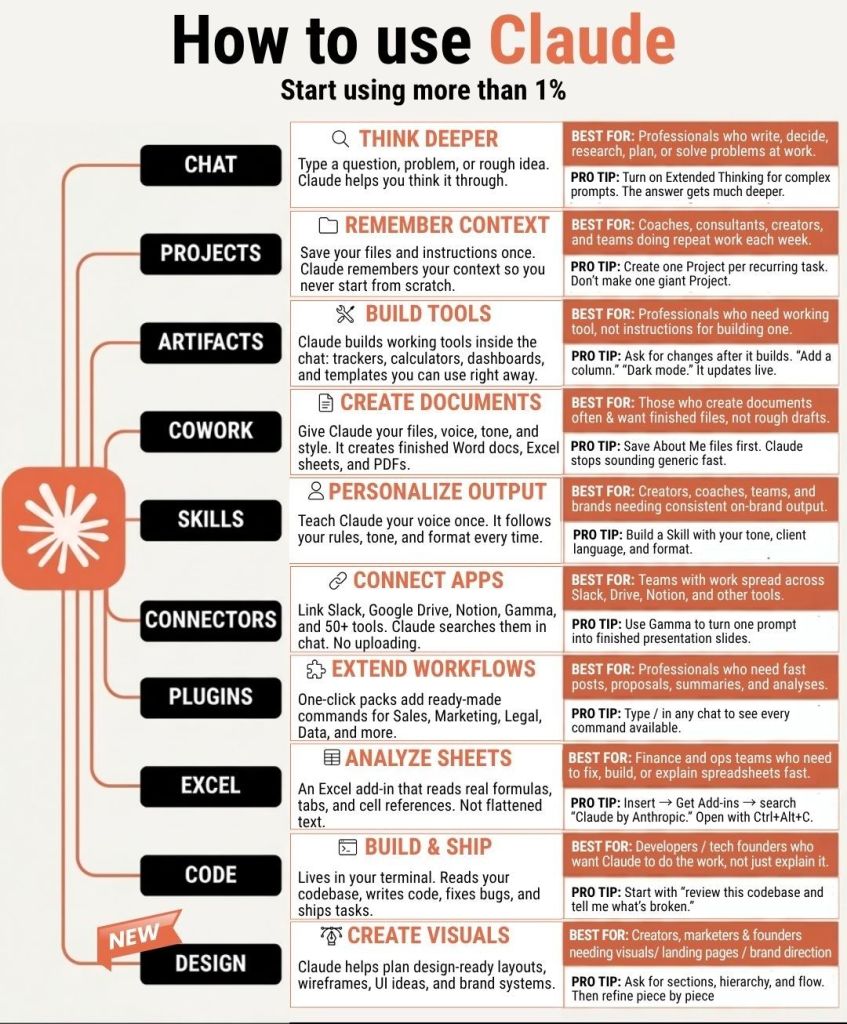
How to use Claude: