The Ryder Cup is a prestigious biennial men’s golf competition pitting a team of professionals from the United States against a team from Europe. Founded in 1927 by English businessman Samuel Ryder, the event is renowned for its intense match-play format, team camaraderie, and the absence of prize money, focusing purely on pride and nationality.
The Ryder Cup Golf Competition
Detailed Historical Timeline by Era
1. The Origin & Early Years (1921-1937)
1921: Unofficial match played at Gleneagles, Scotland, won by Great Britain.
1926: An unofficial match at Wentworth saw a British victory, leading Samuel Ryder to donate the trophy.
1927:1st Official Ryder Cup. USA wins 9½–2½ in Worcester, MA.
1929: Great Britain records its first victory at Moortown, England.
1933: Great Britain defeats the US by a narrow margin, 6½–5½.
1935-1937: The United States initiates its dominance, winning the next two contests comfortably.
2. The Post-War Era & US Dominance (1947-1977)
Following a pause during World War II, the USA solidified its dominance with superior putting and depth, winning 18 of the first 22 matches.
1947: Play resumes with a dominant US win in Portland, Oregon.
1957: Great Britain wins at Lindrick, England, providing a brief respite from US dominance.
1961: Matches reduced from 36-hole to 18-hole contests.
1963: The format expands to three days and introduces fourball matches.
1969: Famously, Jack Nicklaus conceded a 4-foot putt to Tony Jacklin, resulting in the first-ever tie (16–16).
1973: The British team expands to include players from Ireland.
3. The Birth of Team Europe (1979-1999)
To address the lack of competitiveness, the GB & Ireland team was expanded to include all of continental Europe, transforming the tournament into a truly competitive rivalry.
1979: First official “Team Europe” competes.
1985:Europe breaks the streak. Led by Tony Jacklin, Europe wins on US soil for the first time in decades at The Belfry.
1987: Europe wins again, retaining the cup on American soil at Muirfield Village.
1989: The matches end in a 14–14 tie, with Europe retaining the cup.
1991: “War on the Shore.” A highly controversial and intense US win in Kiawah Island, South Carolina.
1997: The Ryder Cup is held in continental Europe for the first time (Valderrama, Spain), with Seve Ballesteros as captain.
1999: “Battle of Brookline.” USA overcomes a large final-day deficit to win, leading to controversial celebrations.
4. The Modern Era & European Dominance (2002-Present)
Since 2000, Europe has won the majority of matches, creating a new period of intense competition.
2001/2002: The 2001 event was postponed to 2002 due to 9/11, shifting the tournament to even-numbered years (until 2021).
2004: Europe records its biggest ever win at Oakland Hills (18½–9½).
2010: Europe regains the cup in Wales after a tense Monday finish.
2012:“The Miracle at Medinah.” Europe stages the greatest comeback in history, trailing 10-6 before winning 14½-13½.
2014: Paul McGinley leads Europe to a third consecutive victory at Gleneagles, Scotland.
2018: Team Europe dominance in France, highlighted by the “Moliwood” pairing (Fleetwood/Molinari).
2021: USA dominates a young European team 19-9, the largest margin of victory in modern history, at Whistling Straits.
2023: Europe regains the cup in Italy, ensuring their home soil winning streak continues.
Key Ryder Cup Facts
Recent Winner: Europe (2023)
Most Points: Sergio Garcia (Europe) – 25.5 points
Format: Three-day event consisting of Foursomes, Fourballs, and Singles matches.
Venue Rotation: Alternates between European and American soil every two years.
Richard Buckle, founder of Pyalla Technologies, is a prominent thought leader in the HPE NonStop community known for his “Real Time View” column. His work provides a detailed chronological perspective on the platform’s evolution from its Tandem origins to modern cloud-native implementations.
The Tandem Era: Foundations (1974 – 1997)
This era established the core architecture of fault tolerance and “non-stop” processing.
1974: Tandem Computers is founded; the first “NonStop” system is commissioned.
1970s – 1980s: The platform gains dominance in financial services, telco, and healthcare.
1996: Managed service models begin for Tandem users, with firms like Tandem Computer Management (TCM) winning major contracts like Bank of Scotland.
The Compaq & Early HP Era: Transition (1997 – 2013)
A period of shifting corporate ownership and the end of the original Cupertino campus era.
1997: Compaq acquires Tandem Computers.
2002: HP acquires Compaq, bringing NonStop into the HP Enterprise fold.
2008: The official end of the Cupertino Tandem campus as NonStop teams move to other facilities.
The X86 & Virtualization Era: Modernization (2013 – 2023)
Buckle documented the massive shift from proprietary hardware to industry-standard Intel x86 architecture.
2013: Announcement at NonStop TBC that the platform will support Intel x86.
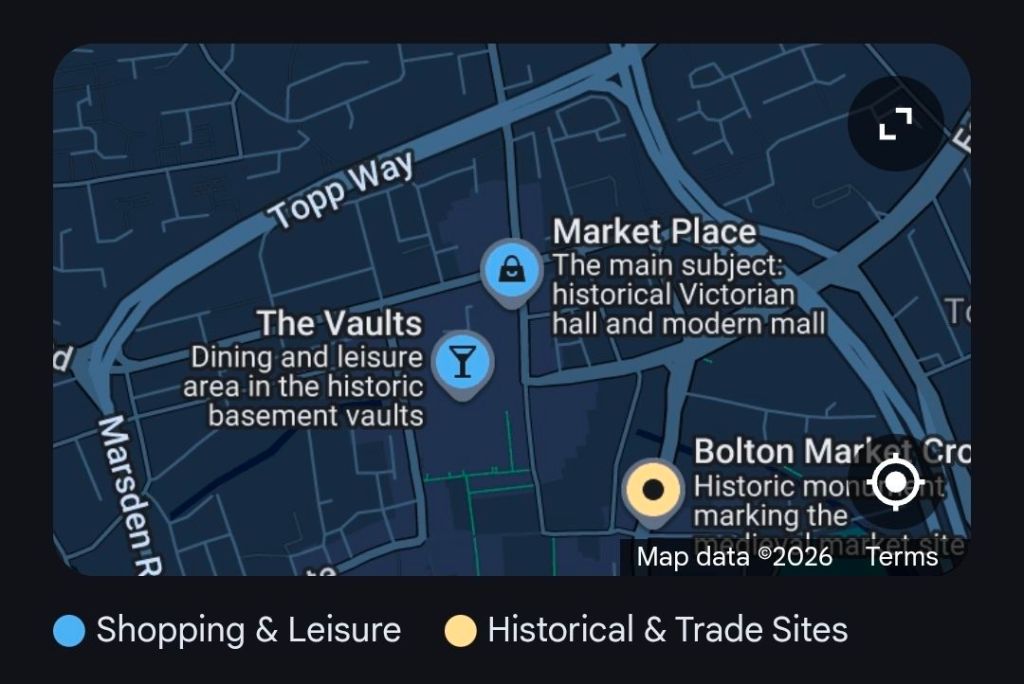
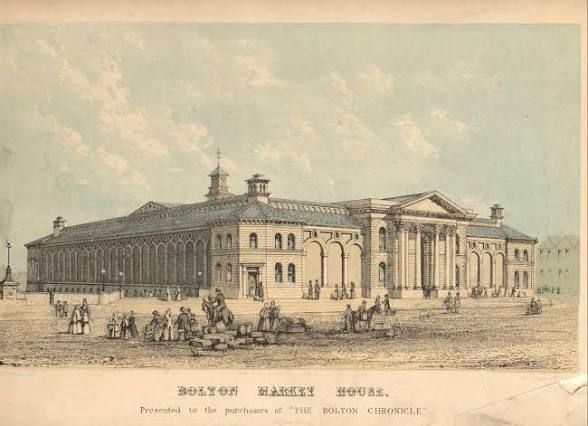
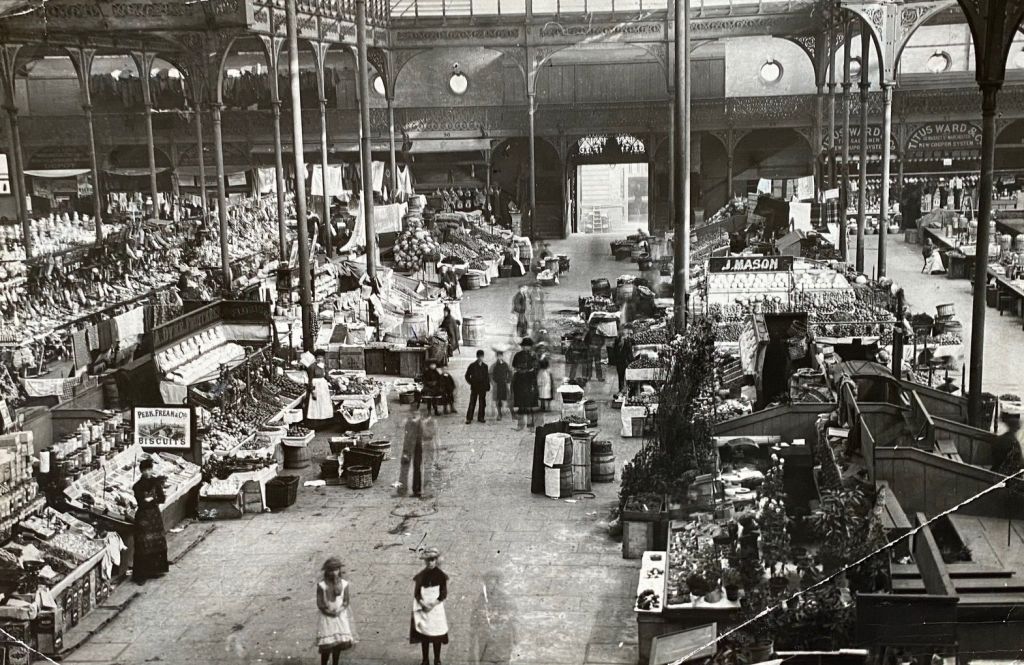
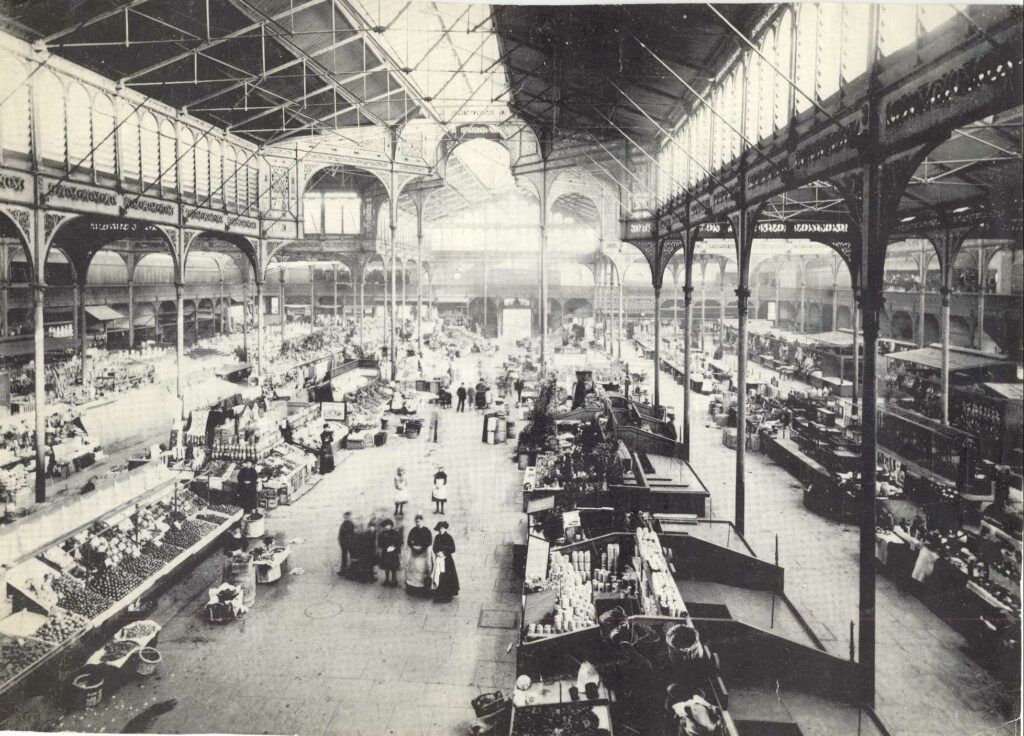
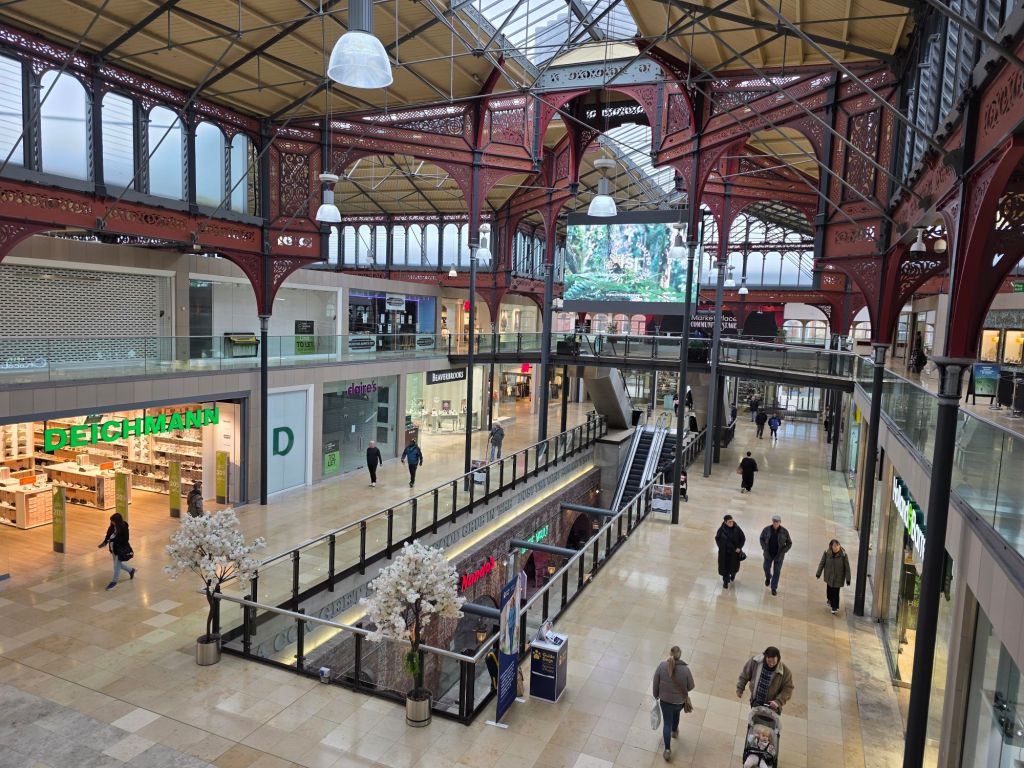
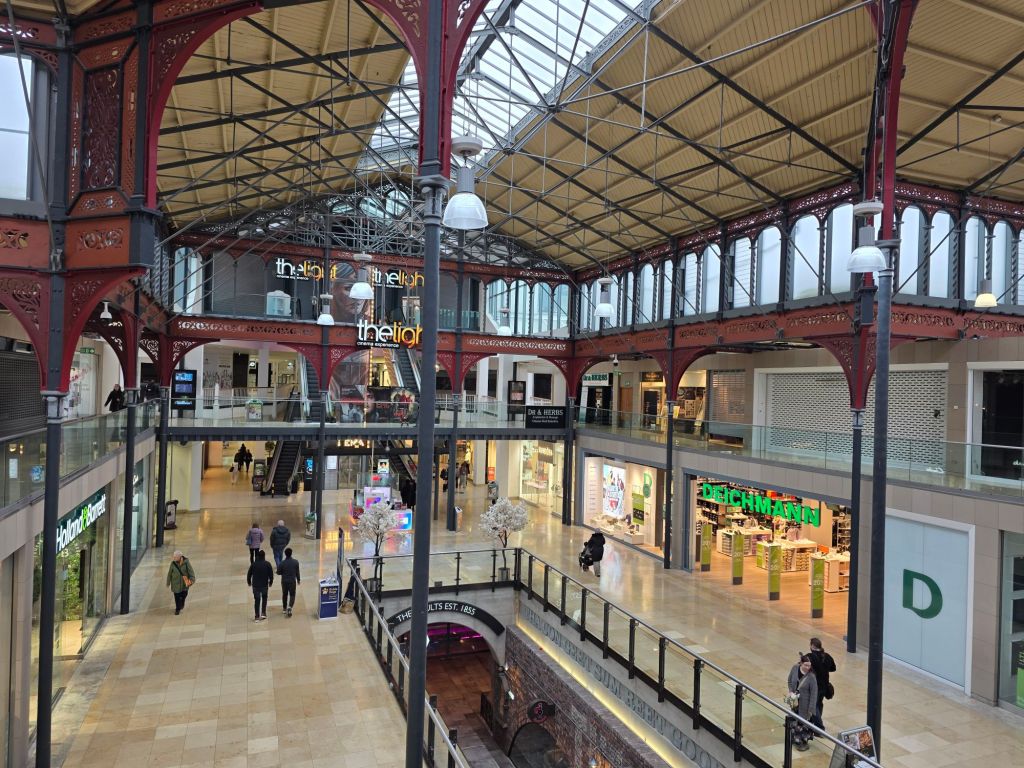
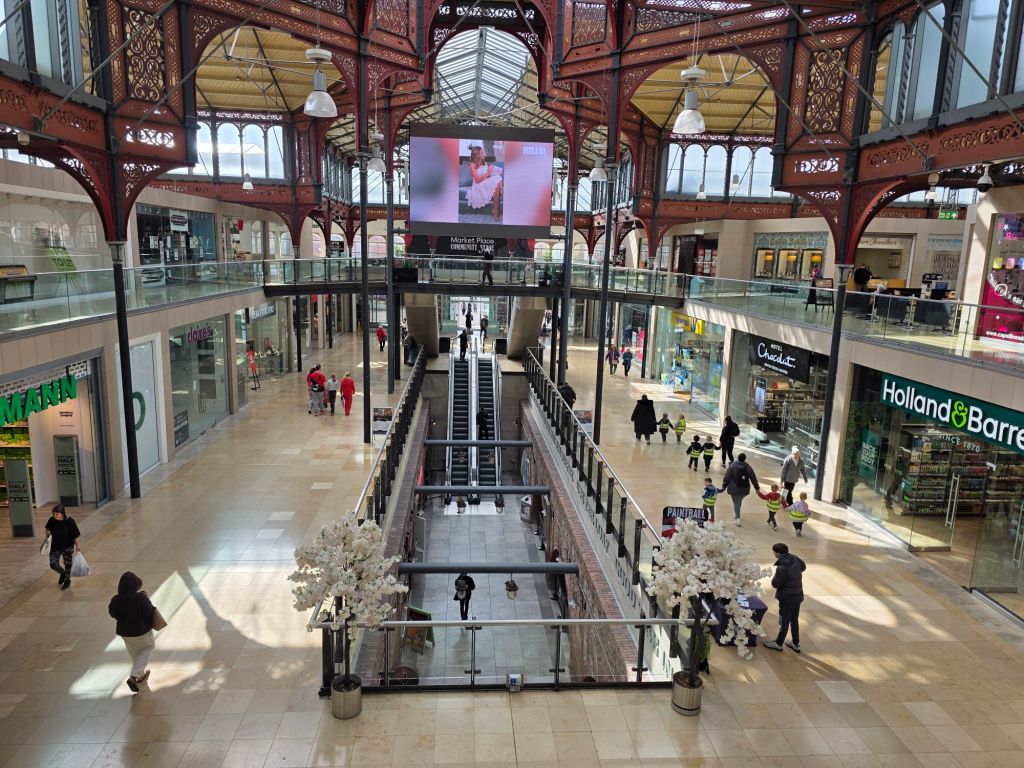
Bolton Market Place is a major retail and leisure destination in Bolton town centre, primarily housed within the Grade II listed Victorian Market Hall. Originally opened in 1855, it was once celebrated as the “largest covered market in the kingdom” and serves as a historical anchor for the town’s commercial heart.
Market Place Bolton is a Grade II listed shopping and leisure destination located in the heart of Bolton town centre. Originally opened in 1855 as a covered market hall, it was once considered the largest in the kingdom. Today, it combines historic Victorian architecture—including its famous restored ironwork and glass roof—with modern retail and entertainment facilities.
Shopping & Major Retailers
The centre spans two floors of retail space and features a mix of high-street giants and independent boutiques.
Key Retailers:Primark (new 40,000 sq ft store opened Dec 2024), Next, H&M, New Look, JD Sports, River Island, and Footasylum.
Specialty Stores:Pandora, Hotel Chocolat, The Body Shop, and The Entertainer.
The lower ground floor houses The Vaults, a converted Victorian basement that retains original stonework and atmospheric archways.
Restaurants: Popular chains such as Nando’s and Prezzo, alongside various bars and cafes.
Food Court: A vibrant hub for socialising with a range of global cuisines.
Leisure & Entertainment
Market Place has pivoted toward being a “leisure-first” destination to combat declining retail trends.
The Light Cinema: A luxury 9-screen multiplex cinema located on the top floor.
Family Activities: Includes Amazonia (kids’ play area with adventure golf and a train), an escape room, and an indoor crazy golf course.
Events: The centre regularly hosts free events, such as art exhibitions and “Little Rascals” kids’ club activities.
Visitor Information
Parking: On-site multi-storey car park with over 500 spaces. Offers competitive rates, often including incentives like one hour free.
Accessibility: Fully accessible for disabled visitors, with dedicated parking and a free wheelchair service available from the Customer Service desk.
Location: Knowsley Street, Bolton, BL1 2AL. It is roughly a 10-minute walk from the main bus and train stations.
Historical Timeline of Bolton Market Place
The Victorian Era: Foundation & Grandeur
1251: Bolton is granted a Royal Charter to hold a market, originally held on Mondays in the Churchgate area.
1482: The Market Cross is first established at the entrance to Churchgate as a landmark for trade.
1855: The Bolton Market Hall officially opens on 19 December. Designed by architect G. T. Robinson, it cost £50,000 and featured a massive cast-iron and glass roof.
1865: A dedicated Fish Market is added next to the main hall at a cost of £30,000, further establishing Bolton as a major trading hub in the North.
1894: The hall undergoes its first major modifications, including the addition of exterior shops on Knowsley Street and Corporation Street.
Early to Mid-20th Century: Adaptation
1909: The current version of the Market Cross is commissioned with bronze plaques detailing the town’s history.
1932: The Victorian fish market is demolished as trade shifts toward the new Ashburner Street market.
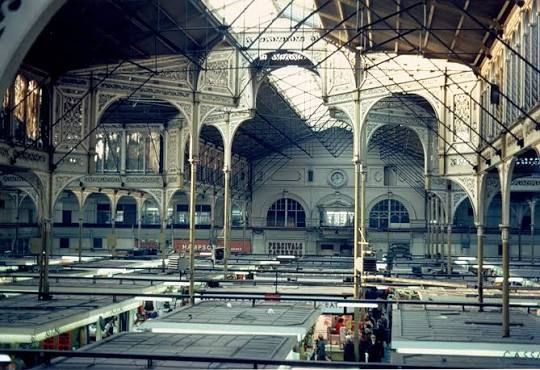
1938: The interior layout is modernised, replacing long rows of stalls with roofed islands to better manage foot traffic.
Late 20th Century: The Shopping Centre Era
1982: A competition to redevelop the site into a modern shopping mall is won by Chapman Taylor Partners.
1988: The refurbished site is reopened by Queen Elizabeth II as the Market Place Shopping Centre on 1 December.
1998: Sunday trading is briefly suspended in the Market Hall due to low trader turnout.
21st Century: Modernisation & Leisure
2004: Controversial plans to move traditional market stallholders out of the hall spark a petition with over 80,000 names.
2007: After 151 years of traditional trading, the last 50 stallholders move out to allow for a full retail conversion.
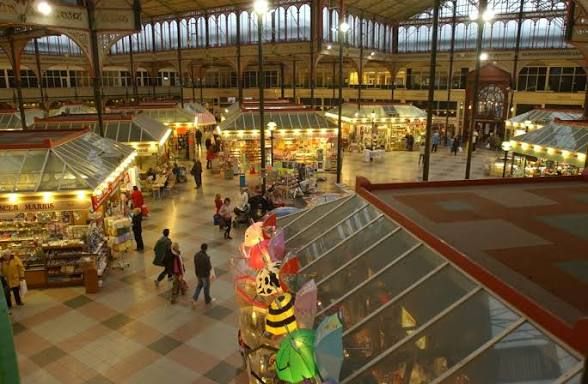
2008: The modernised Market Place, featuring units “slotted” into the historic listed structure, officially opens in October.
2013: The centre is acquired by Moorgarth, who announce a £15 million investment plan.
2016–2017: The development of The Vaults (dining/leisure in the basement) and a new 9-screen cinema on the roof is completed.
2025: The centre continues to evolve with ongoing development plans to further enhance its position as a leading regional destination.
Images through the years :
Last 3 images taken by Mark Whitfield (website author) in early 2026
Bolton Market Place – About and Timeline History with Images
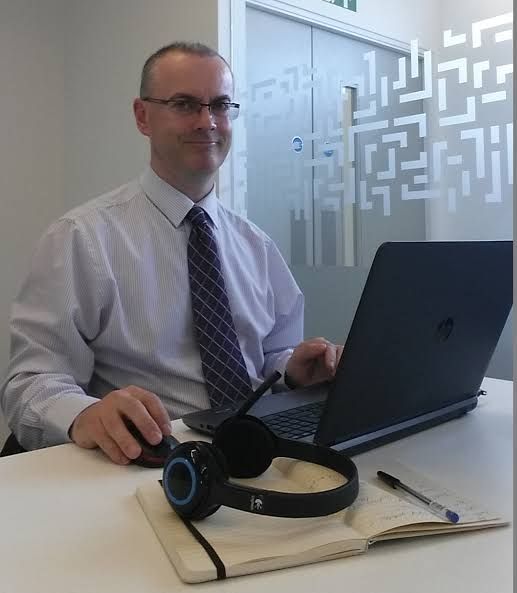
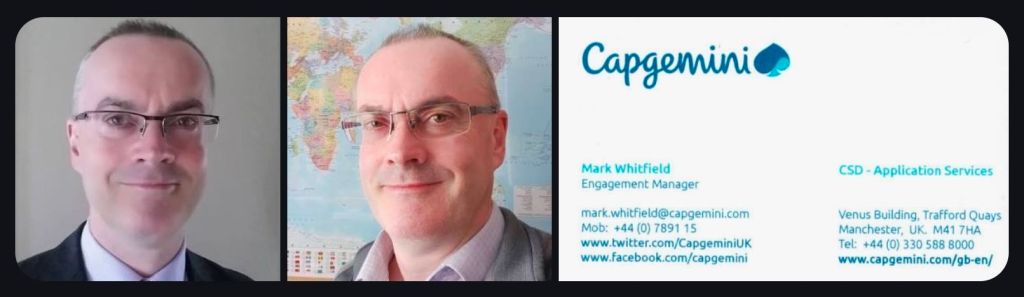
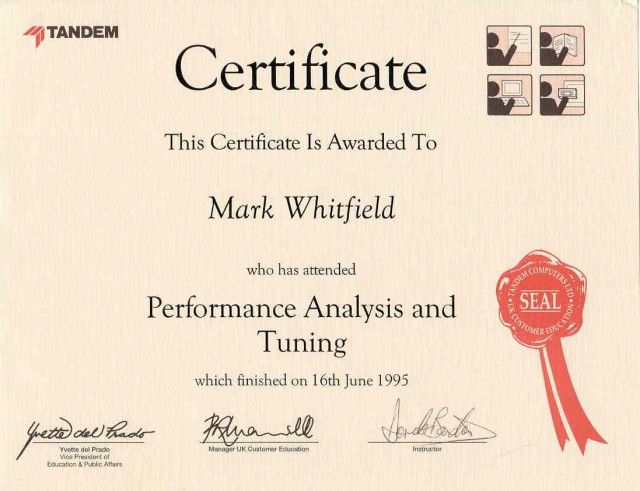
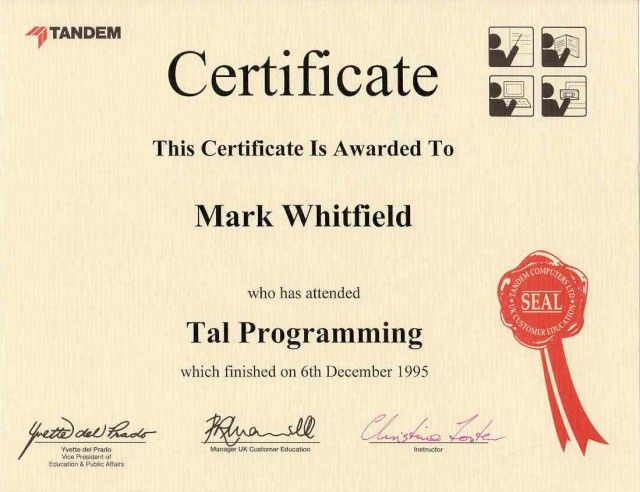
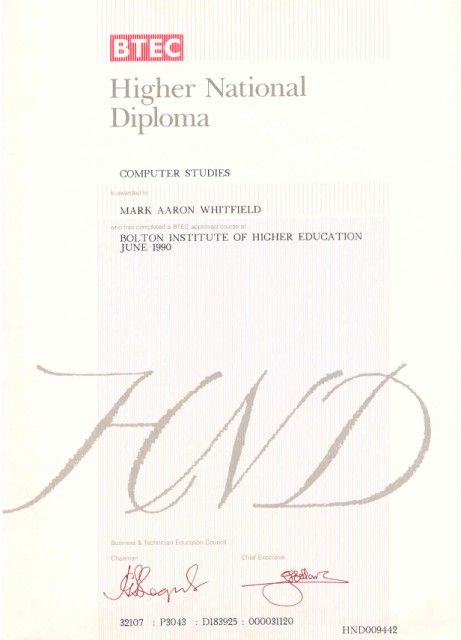
Mark Whitfield is a highly experienced SC-cleared Senior IT Project Manager and Engagement Manager with over 30 years of experience in the software development lifecycle (SDLC), specializing in Agile and Waterfall delivery for financial, automotive, and public sector clients. He has a strong background in HP NonStop (Tandem) systems and currently works for Capgemini.
Mark Whitfield, Senior IT PM and Project templates author
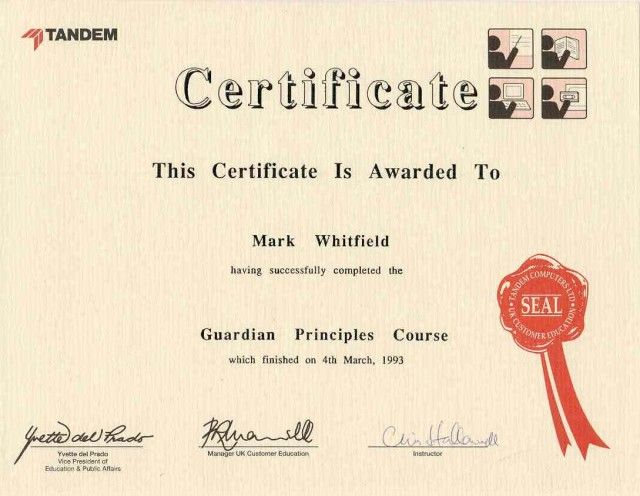
1990–1994: The Software Partnership (Runcorn): Programmer specializing in electronic banking software (sp/ARCHITECT-BANK) on Tandem Computers.
1994–1995: Deluxe Data (formerly TSP): Lead Analyst/Programmer, focusing on software investigation, design, coding, and on-site installation for clients like TSB, Bank of Scotland, and Rabobank.
Development & Technical Specialization (1995–2013)
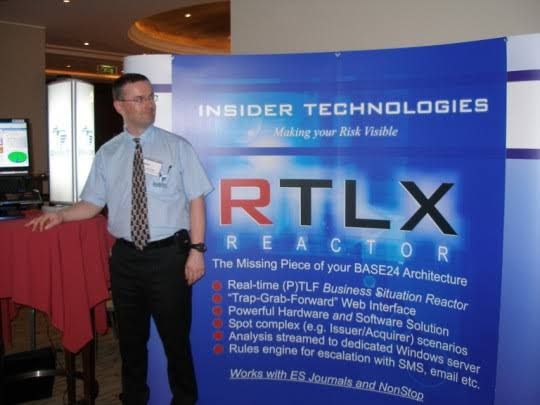
1995–2013: Insider Technologies Limited: Spent 18 years progressing from Senior Development Engineer to Project Manager for Strategic Technical Initiatives.
Key Roles: Managed Reflex 80:20 and Reflex ONE24 product development, technical pre-sales, and consultancy. Developed diagnostic software for monitoring payment systems (BASE24).
Notable Project: Managed a bid to replace legacy ATM tools at LloydsTSB (5000 ATMs) with Reflex ONE24.
Banking & Digital Project Management (2013–2016)
2013–2014: Wincor Nixdorf: Project Manager in the Professional Services Banking Division, managing a £5m+ work stream for Lloyds Banking Group’s Self-Service Software Replacement (SSSR) programme.
2014–2016: Betfred: Senior Digital Project Manager for the Online and Mobile Division, delivering payment gateways and sportsbooks for iOS, Android, and Windows.
Senior Engagement Management (2016–Present)
2016–Present: Capgemini UK: Engagement Project Manager responsible for delivering both Waterfall and Agile digital projects.
2016 (Approx.): Assigned to a UK-wide Air Traffic organization (NATS) for Apple iOS app delivery.
2018–2019: MuleSoft (Secondment): Served as a Delivery Manager for the Anypoint Platform.
Current Focus: Cloud Migration (Hybrid) of 130 apps for UK Government.
Agile Management: “Mark provided an excellent barrier between us (developers) and a difficult client…ensuring that we followed the agile principles” — Callum Marriage (Developer).
MuleSoft/Capgemini Engagement: “Customers loved him. His was extremely detailed oriented and understood the often-complex needs…never became flustered in high pressure situations” — Delivery Manager, MuleSoft.
Betfred (2015): “I would highly recommend Mark for his ability to successfully multi-task under significant pressure… [he] produced a very comprehensive handover document” — IT Compliance Analyst, Betfred.
Capgemini/JLR Project: “Mark was able to do a good planning, with the correct resources, on time delivery and with good relationship between stakeholders” — Head of Integration Development.
Mark Whitfield’s website (mark-whitfield.com) serves as a professional portfolio and resource hub for his 30+ year career as a SC-cleared Senior IT Project Manager. It offers over 200 editable project management templates for Agile, Waterfall, and PRINCE2 methodologies, alongside career insights and project experience.
Website & Content Overview
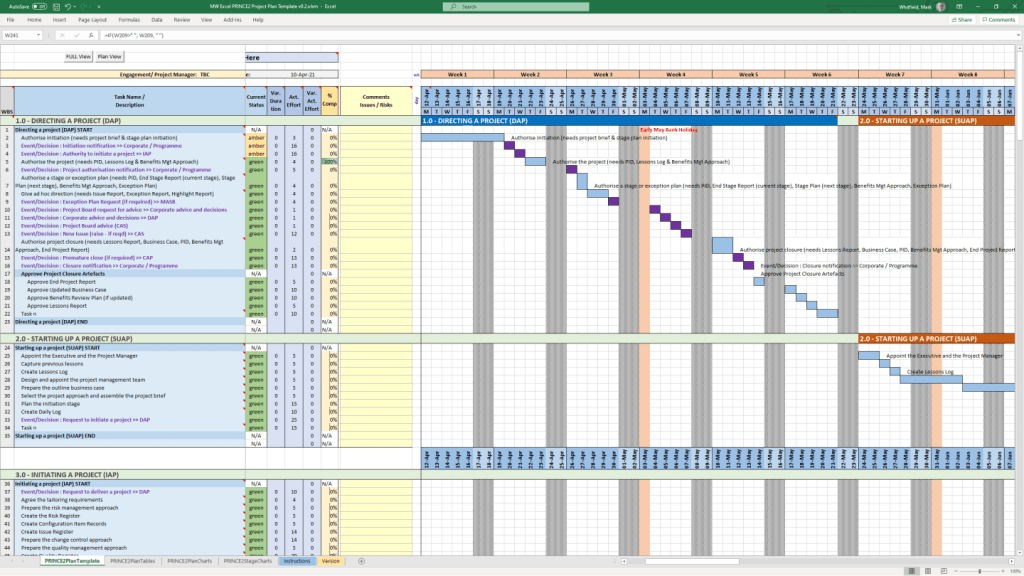
Project Management Resources: The site, often known as PROject Templates, provides downloadable templates for planning, scheduling (Gantt charts), project initiation (PID), and project control.
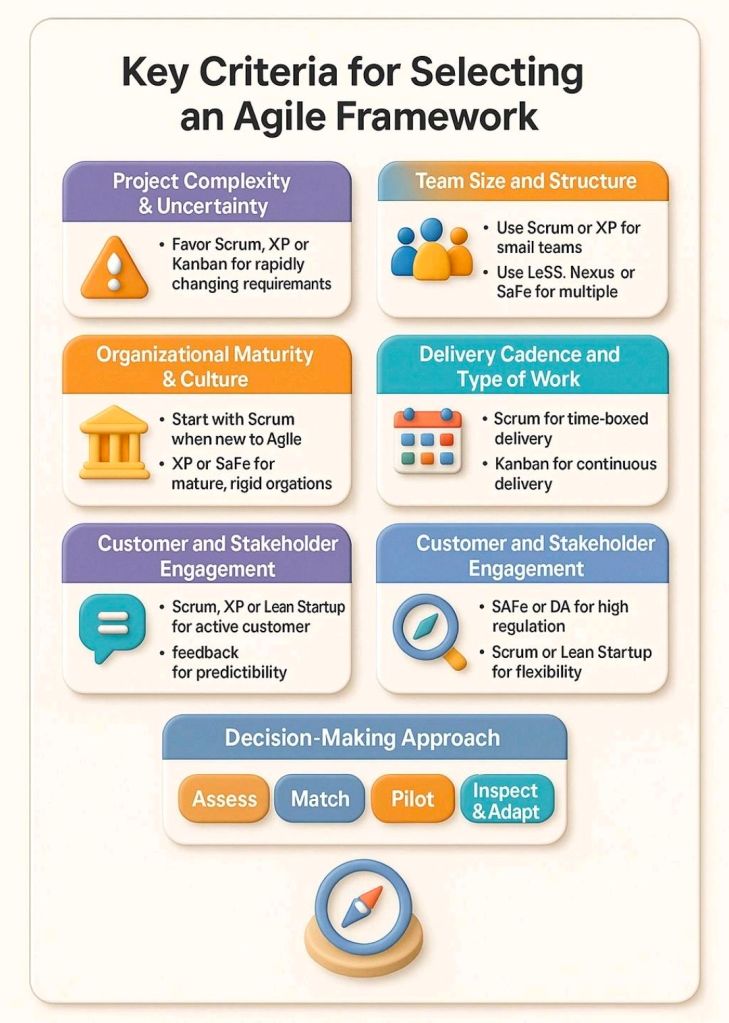
Methodology Focus: Resources are tailored for PRINCE2 (including Agile Scrum), and Agile/Waterfall delivery methods.
Career Portfolio: Features his work history as a Senior IT Project Manager, including roles at Capgemini, Betfred, and various financial institutions.
Technical Specialization: Highlights expertise in HP NonStop systems, digital projects, and payment/transaction systems.
Professional Background: Mentions his experience with major clients such as Jaguar Landrover, Heathrow, Royal Mail, and various banks.
The site is designed for project managers looking for templates to speed up project documentation and for clients looking to review his career accomplishments.
Senior IT Project Manager & Project Templates author – Mark Whitfield
Templates sold on this website are designed for Microsoft Office (Excel, Word, PowerPoint) and MS Project (MPP) and are used for tracking and planning software development lifecycle (SDLC) projects.
Template Breakdown
The templates, often sold in a bundle, include over 200+ editable items aimed at project delivery. Key components include:
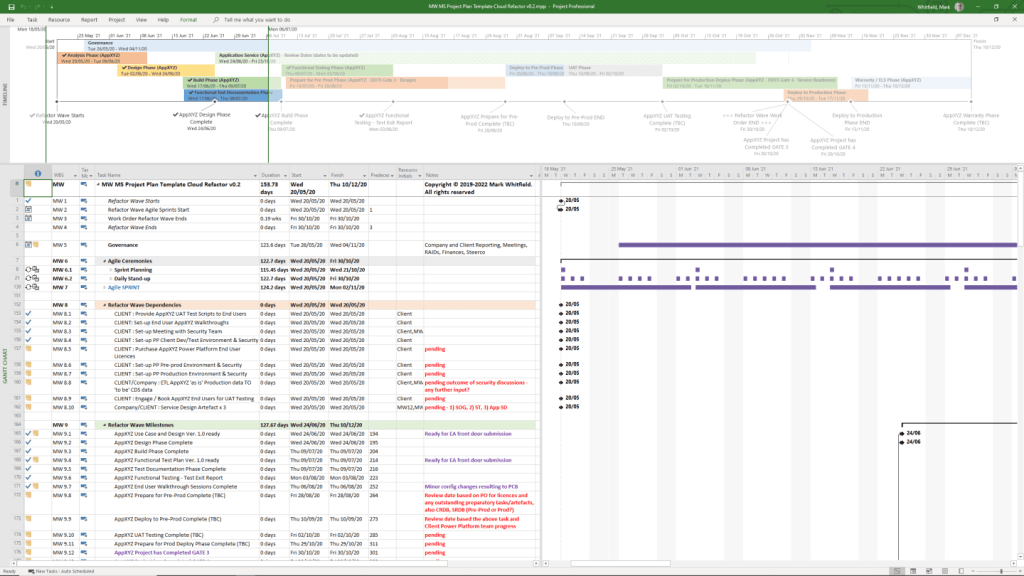
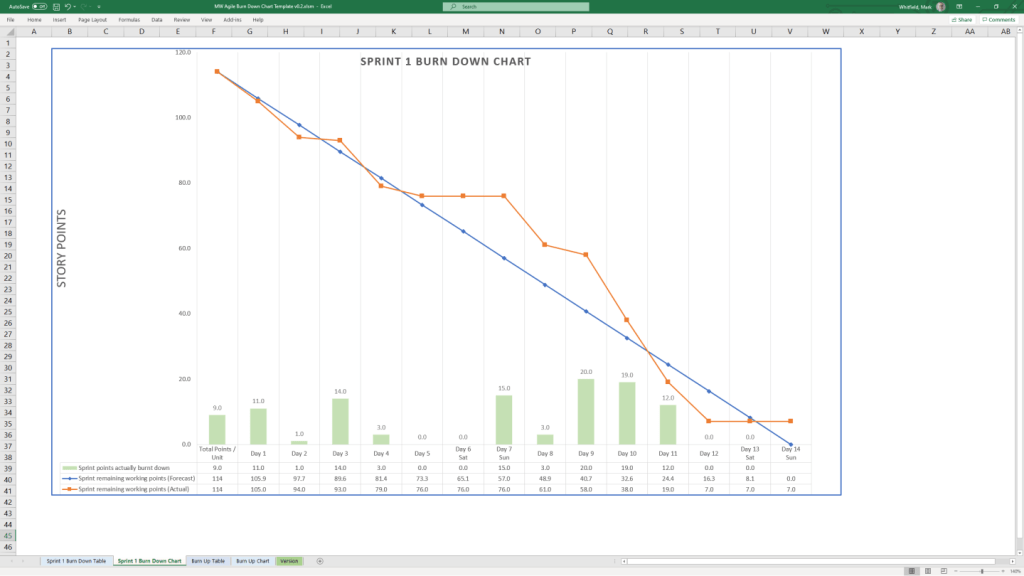
Project Planning (MS Project & Excel): Detailed Waterfall project planners with Gantt views, Agile Sprint plans, and Plan on a Page (POaP) examples.
RAID Logs (Risk, Action, Issue, Dependency): Comprehensive Excel trackers for managing risks, issues, assumptions, and dependencies.
Financial & Resource Management: Project finance trackers (forecasts, actuals, variance) and resource trackers for tracking team members and costs.