MediaCityUK Photographic Build Timeline Journal by Mark Whitfield

The MediaCityUK Photographic Build Timeline Journal is an extensive, long-term documentary project created by Mark Whitfield. It captures the transformation of Salford Quays from an empty dockland into a major UK media hub.

Working nearby as an IT Project Manager, Whitfield utilized his close proximity to the site to methodically photograph the construction lifecycle literally from the ground up.
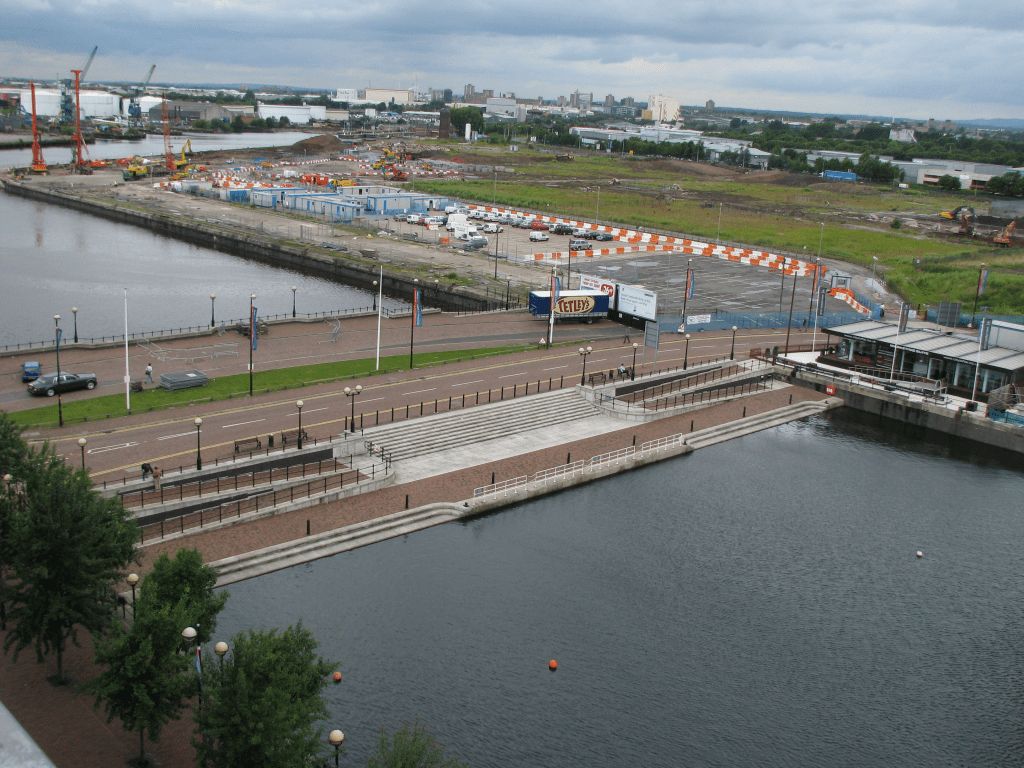

1. MediaCityUK Photographic Build Timeline Journal is an extensive, long-term documentary project created by Mark Whitfield
2. MediaCityUK Photographic Build Timeline Journal is an extensive, long-term documentary project created by Mark Whitfield
3. MediaCityUK Photographic Build Timeline Journal is an extensive, long-term documentary project created by Mark Whitfield
MediaCityUK Photographic Build Timeline Journal is an extensive, long-term documentary project created by Mark Whitfield

Project Overview and Scope

  • Timeframe: The photographic project formally spans from May 2007 through 2010 for its core construction phase, with continuous updates extending into later developments.
  • Volume: The total project comprises a massive archive of over 15,000 to 16,000 photographs.
  • Curated Journal: An abridged timeline consisting of roughly 200 high-resolution selections was published to highlight key structural milestones chronologically.
  • Perspectives: Photos were captured weekly from multiple high-vantage reference points, including the Imperial War Museum North, the local Designer Outlet, and Broadway.

MediaCityUK BBC North, Salford Quays

Core Phases Documented

  1. The Blank Canvas (Mid-2007): Captures the initial flat, unused grassland and docklands just before the first diggers arrived on site in June 2007.
  2. The Structural Rise (2008–2009): Documents the erection of massive tower cranes and the core framework of the studio blocks rising over Salford Quays.
  3. The Final Fit and Branding (2010–2011): Details the external completion of the main blocks, the installation of the iconic BBC North logos, the construction of the public piazza, and the implementation of the media tram stop.

Community and Media Discussions

Whitfield’s timeline served as a primary public and professional visual archive during the build. He actively managed a linked professional LinkedIn Group that grew to thousands of members. This space was widely used by industry professionals, media researchers, and regional planners to discuss ongoing jobs, architectural layouts, and local infrastructure impacts.

His updates were also featured directly on BBC corporate blogs to give incoming staff an authentic glimpse of their new northern headquarters.

The full abridged photo archive and associated operational histories can be explored directly on the Mark Whitfield MediaCityUK Journal Gallery.
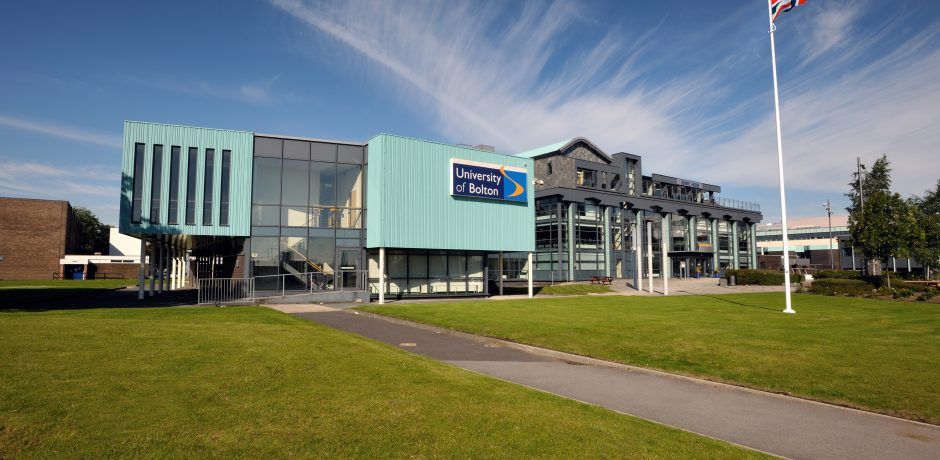

BTEC HND in Computer Studies at Bolton Institute of Higher Education (BIHE)

Between 1988 and 1990, IT Project Manager Mark Whitfield completed a BTEC Higher National Diploma (HND) in Computer Studies at the Bolton Institute of Higher Education (BIHE). He graduated with a Distinction and achieved the overall first place across the entire two years of the course.

Bolton Institute of Higher Education BIHE
now University of Greater Manchester
Bolton Institute of Higher Education
now University of Greater Manchester

The institution has since evolved, later becoming the University of Bolton and subsequently rebranding as the University of Greater Manchester.

Academic Credentials

  • Institution: Bolton Institute of Higher Education (BIHE) (Deane Road, Bolton, UK)
  • Qualification: BTEC HND in Computer Studies
  • Duration: 2-year, full-time course (1988 – 1990)
  • Final Grade: Distinction (Ranked 1st overall)

Module Breakdown

The comprehensive, full-time curriculum consisted of the following key modules:

  • Computer Systems Architecture: Core principles of computing hardware and underlying system frameworks.
  • Programming Methodology Theory / Practice: Applied software engineering principles and code design patterns.
  • Data Processing: Methodologies for structural handling, processing, and formatting of data volumes.
  • System Analysis: Techniques for analyzing business problems and translating them into technical specifications.
  • Business Information Systems Theory / Practice: The deployment of information technology architectures to solve enterprise workflows.
  • Business Studies: Fundamental commercial practices and organizational economics.
  • Quantitative Techniques: Statistical analysis and mathematical calculations applied to computer logic and business data.

Final Year Project Details

For his capstone graduation project, he developed a functional database application designed specifically for his college:

  • Objective: Built a complete course and registration management utility to record student enrolment, module assignments, and exam results.
  • Database Backend: Developed using an ORACLE SQL database hosted on a localized desktop computer.
  • User Interface: Constructed an ORACLE SQL-forms Graphical User Interface (GUI) running natively on an MS-DOS operating system.
  • Core Capabilities: Programmed automated functions supporting data inserts, record updates, entry deletions, and complete transaction rollback protections.
1988 to 1990 : University of Greater Manchester (previously Bolton Institute of Higher Education – BIHE)

related LinkedIn Group

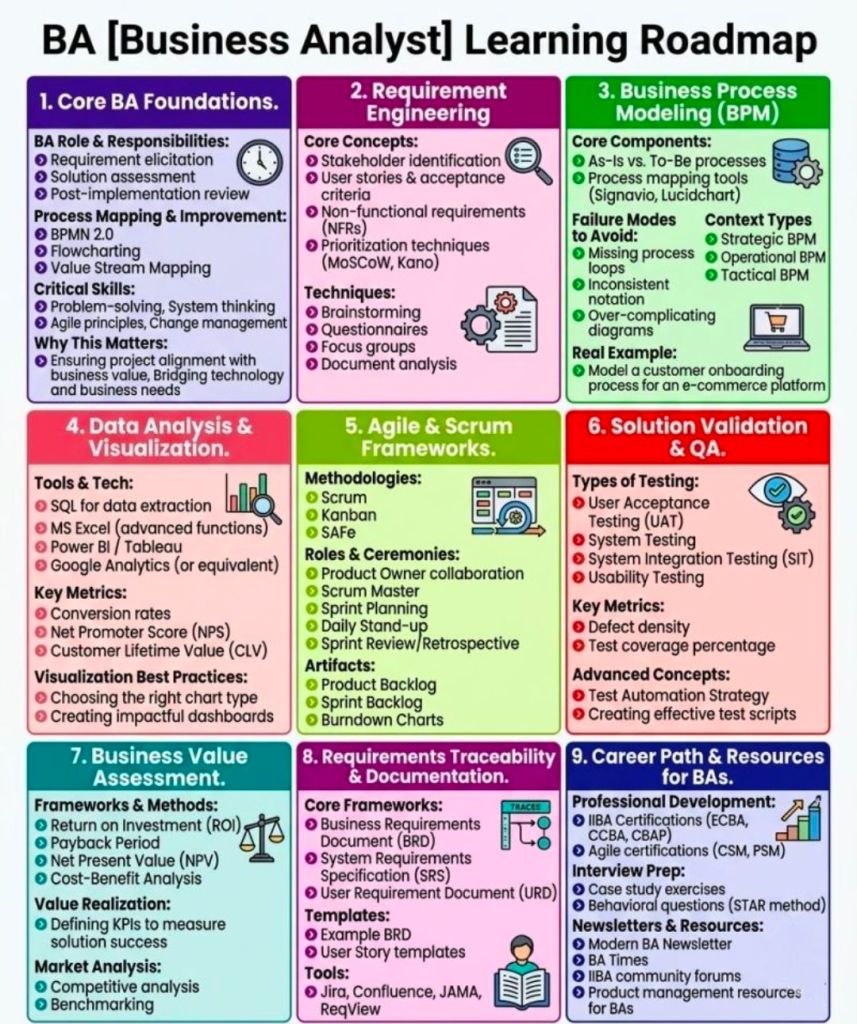
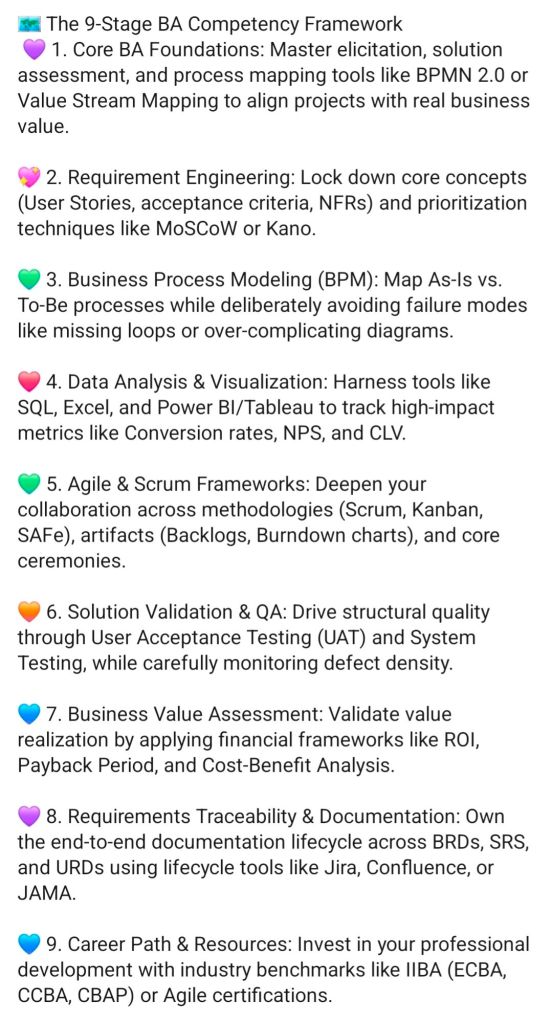
Business Analyst BA Learning Roadmap

Business Analyst BA Learning Roadmap
Business Analyst Learning Roadmap
BA Learning Roadmap

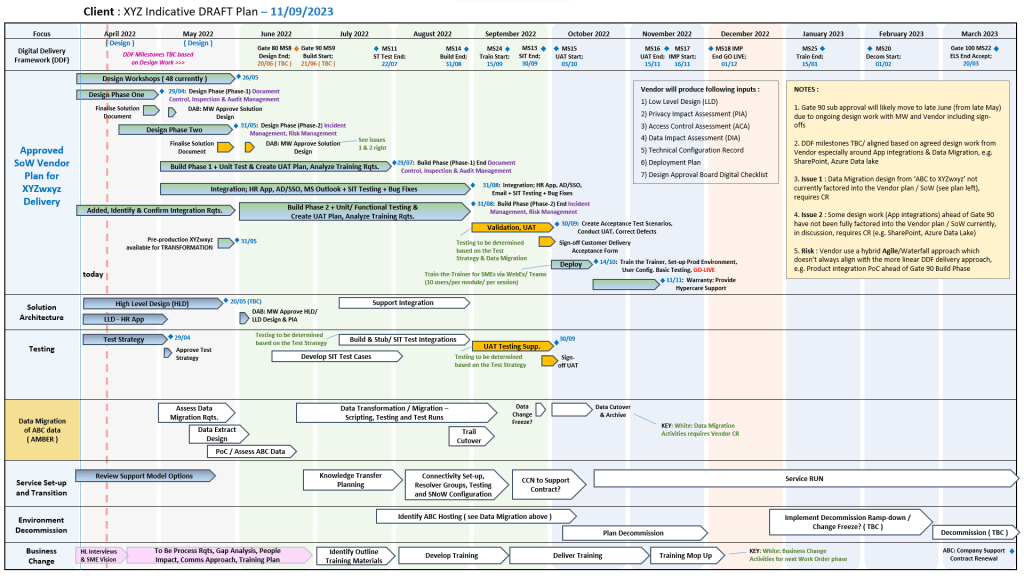
Project Management Templates to be tailored as required with FREE upgrades

Mark Whitfield’s PM template library features over 200 editable project management and PMO templates. These templates span the entire project lifecycle and are categorized by focus area and framework (e.g., Agile, Waterfall, PRINCE2).

Project Management Templates to be tailored as required with FREE upgrades
Many POaP templates to
be tailored as required

The resources are formatted natively for the Microsoft Office suite, allowing them to be opened on all devices, including desktops, tablets, and smartphones.

The templates are divided into specific categories based on the standard project delivery phases:

📁 Core Template Categories

  • Planning & Execution:
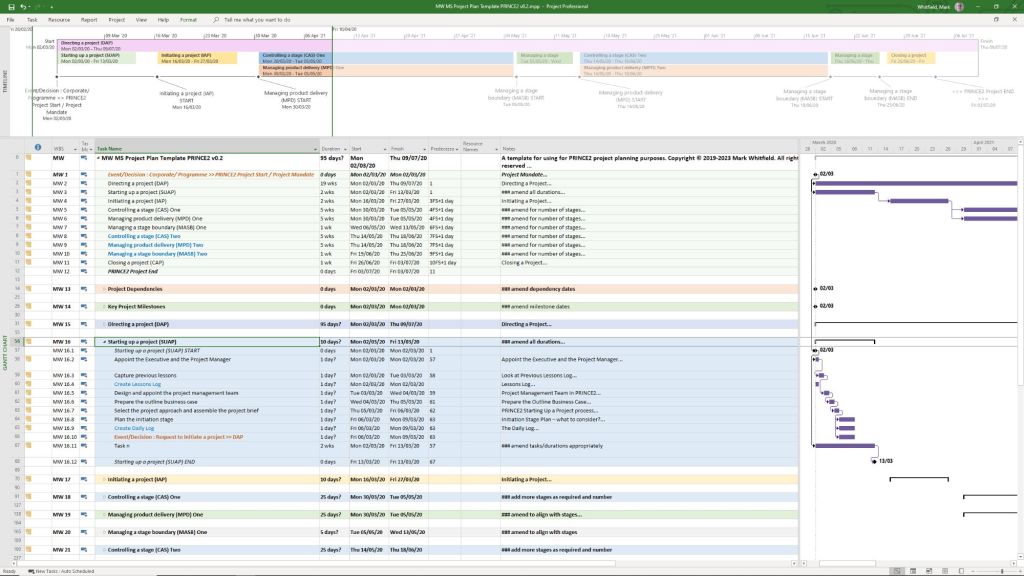
    • Detailed MS Project schedules
    • Excel and PowerPoint Plan on a Page (POaP) examples (over 35 slide examples) to save time constructing from scratch
    • SDLC (Software Development Life-cycle) plans
  • Tracking & Control:
    • Weekly and monthly Status Reports
    • Meeting Minutes
  • Governance & Team Management:
    • Project Organization charts
    • RACI trackers (Responsible, Accountable, Consulted, Informed)
    • Stakeholder Analysis (influence vs. impact)
    • Team onboarding kits and quizzes

📂 Specialized & Framework-Specific Templates

  • Risk & Issue Management: Comprehensive RAIDs log (Risk, Action, Issue, Opportunity, Lessons Learned, Dependencies) with built-in summary charts.
  • Financials: Project Financial Trackers for internal/external costs, forecasting vs. actuals, margin/variation, and expenses.
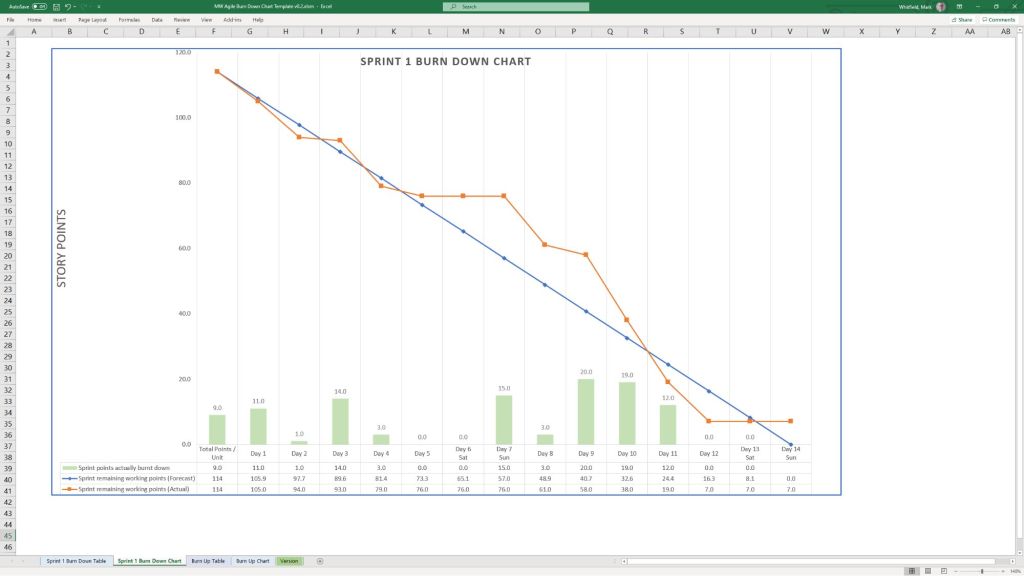
  • Agile Frameworks: Agile Story Dependency tracking, Burn Down & Burn Up charts, and Sprint tracking guides.
Project Management MS Excel XLS Agile Scrum Sprint Burn Down and Up Templates to be tailored as required with FREE upgrades
MS Excel XLS Agile Sprint Burn
Down and Up Chart Examples

💻 File Formats

All templates are fully editable, and the package provides the following file formats for universal compatibility:

  • Microsoft Word (.docx): Used for walkthrough guides, governance documentation, and standard project status reports.
  • Microsoft Excel (.xlsx): Utilized for task trackers, financial dashboards, RAID logs, and non-MS Project Gantt charts.
  • Microsoft PowerPoint (.pptx): Used for Kick-Off decks, team hierarchy charts, and visual POaP (Plan on a Page) slides.
  • Microsoft Project (.mpp): Detailed work breakdown structure (WBS) and scheduling files for traditional and Agile-hybrid projects.
Project Management MPP Project Templates to be tailored as required with FREE upgrades
MS Project MPP file templates
to be tailored as required

You can download or purchase the complete inventory of these editable files at the Mark Whitfield PROject Templates Store (or via the Etsy Storefront if you prefer that platform). Once purchased, you are also entitled to free lifetime upgrades and additions.

Project Management Templates to be tailored as required with FREE upgrades

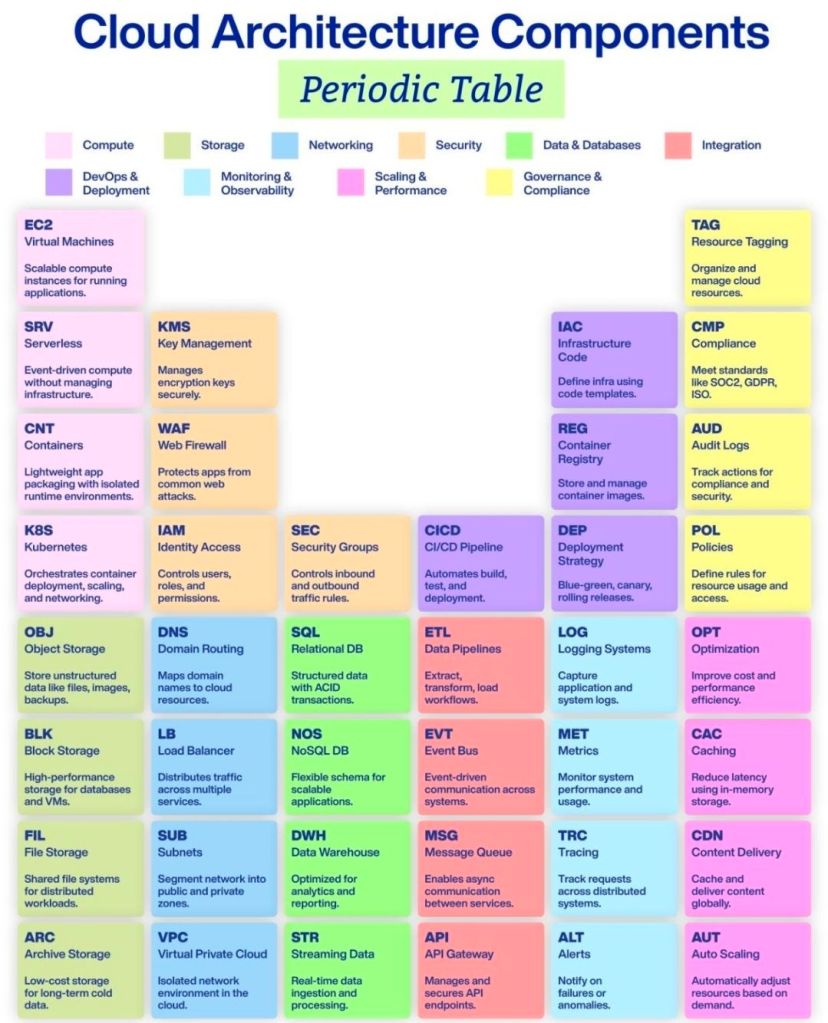
Cloud Architecture Components

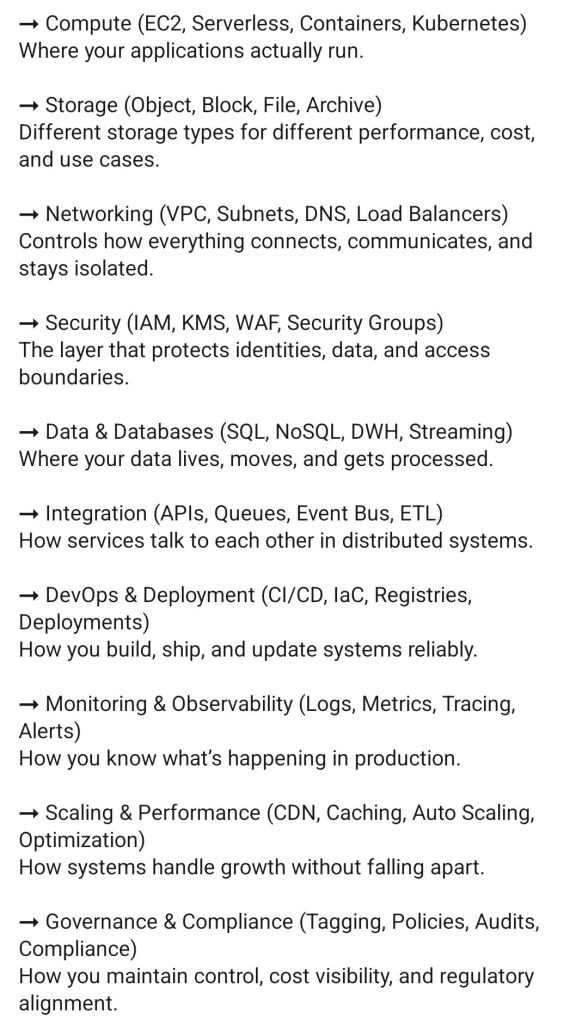
Mapping Cloud Architecture Components
Cloud Architecture Components

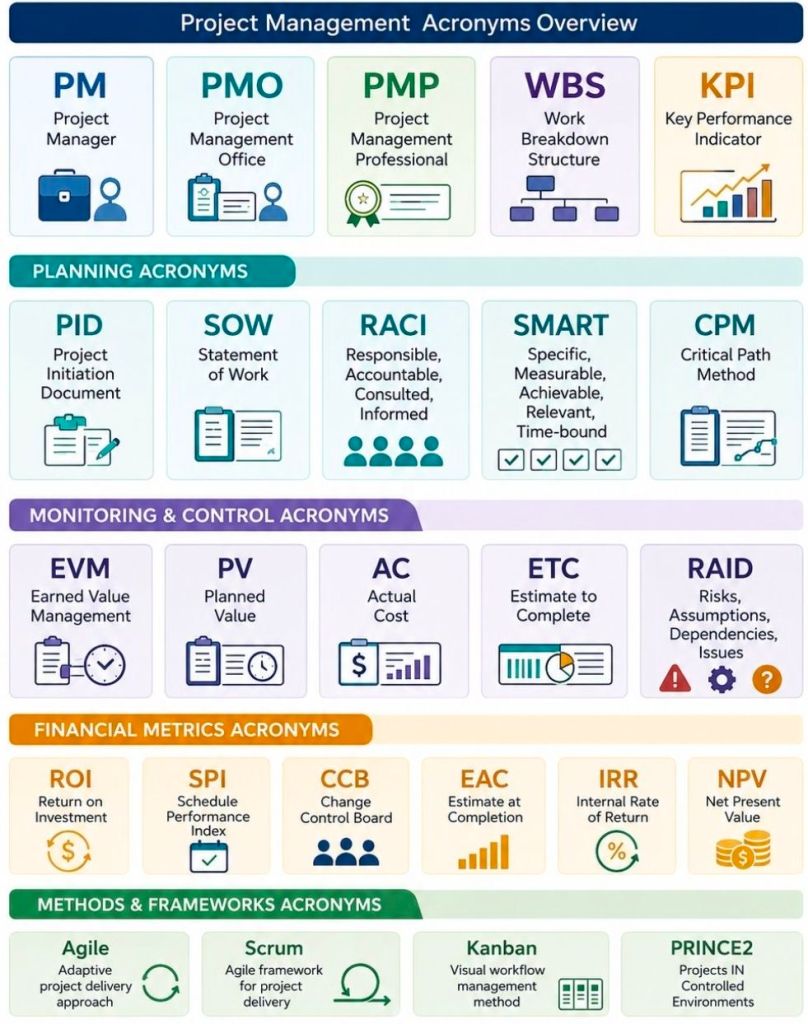
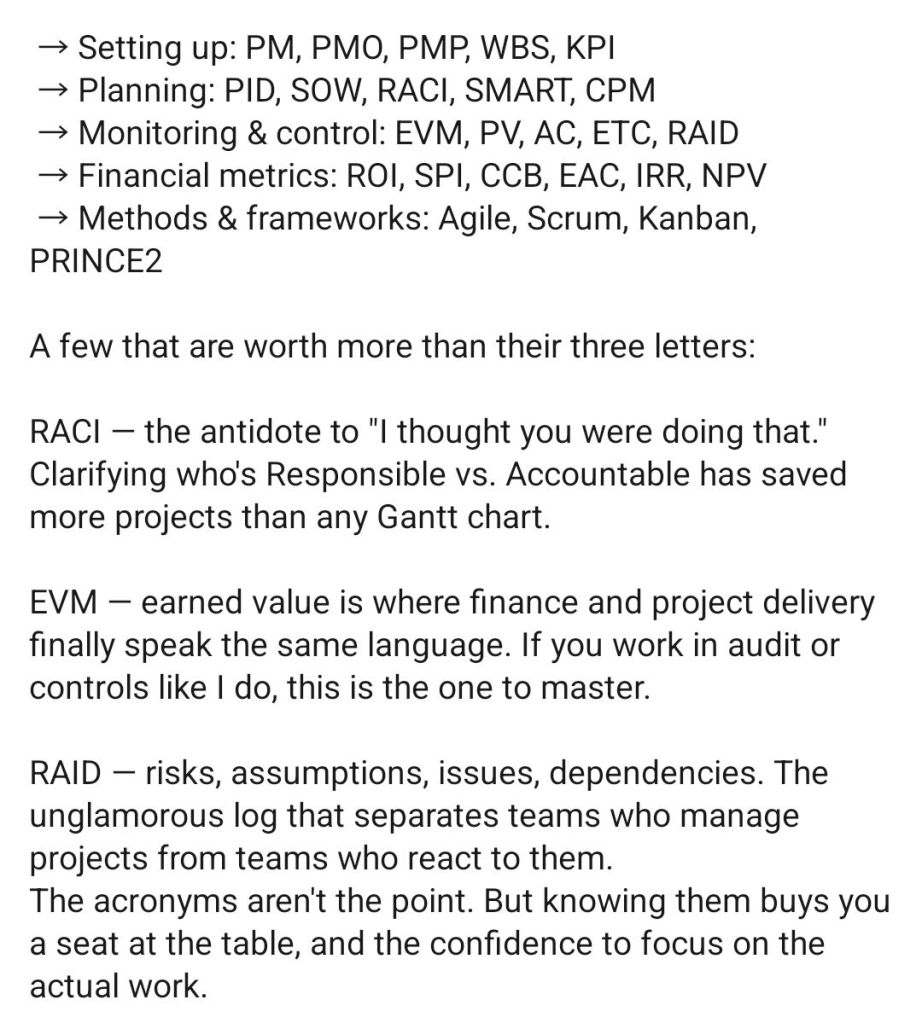
Project Management Acronyms

Project Management Acronyms
Example Project Management Acronyms

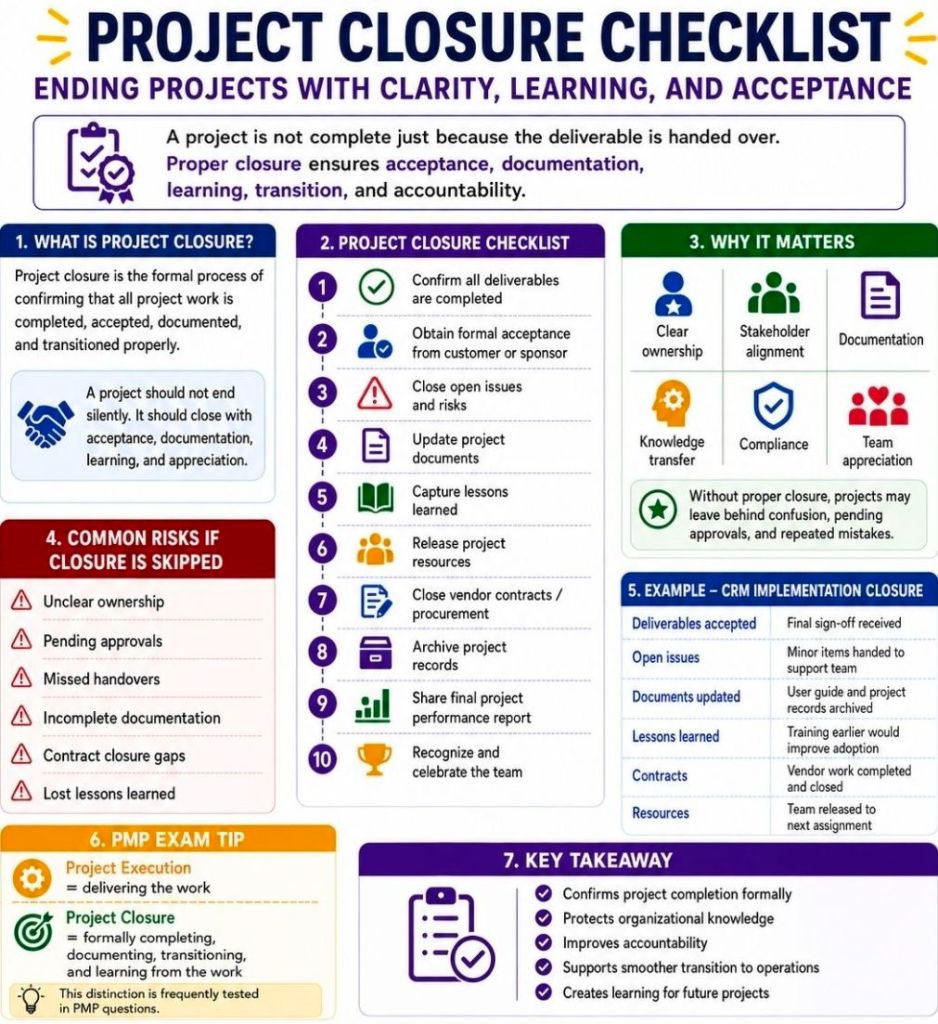
Closing a Project Checklist

Closing a Project Checklist
Project Closure Checklist

Closing a project successfully requires more than just stopping work; it ensures deliverables are accepted, finances are reconciled, and knowledge is transferred for future success.

A comprehensive checklist includes: verifying and handing over all final deliverables, securing formal stakeholder sign-off, finalizing budgets and closing vendor contracts, releasing project resources, archiving all documentation, conducting a post-mortem or lessons learned review, and celebrating your team’s achievements.

Follow this structured, step-by-step closeout checklist to ensure no loose ends are left behind.

1. Deliverables & Acceptance

  • Verify Scope: Compare original project objectives and specifications to the final deliverables.
  • Quality Check: Conduct a final walkthrough to ensure all technical and operational requirements have been successfully met.
  • Client Handover: Transfer the final product, assets, or software over to the clients, end-users, or maintenance team.
  • Secure Sign-Off: Obtain formal, documented approval or a signature of acceptance from the project sponsor and key stakeholders to prevent future disputes.

2. Finance & Contract Closure

  • Budget Reconciliation: Compare final spending to your initial budget and document any variances.
  • Process Final Invoices: Ensure all outstanding payments, contractor fees, and expenses are cleared.
  • Close Vendor Contracts: Verify that all suppliers and subcontractors have met their contractual obligations, then formally close their contracts.
  • Close Cost Codes: Shut down active financial codes or billable accounts associated with the project.

3. Documentation & Archiving

  • Final Project Report: Compile a summary report of the project’s performance regarding scope, timeline, and budget.
  • Handover Documentation: Ensure the operational team receives all necessary manuals, standard operating procedures, and known-issues lists.
  • Organize and Archive: Consolidate all project files, risk logs, and communications into a secure, centralized company repository for future reference or audits.
  • Revoke Access: Remove project system access, revoke software licenses, and delete temporary shared accounts.

4. Team & Organization

  • Lessons Learned Session: Hold a post-mortem or retrospective meeting with your team to discuss what went well, what failed, and what can be improved for next time.
  • Update Knowledge Base: Document these insights so the broader organization can learn from the project.
  • Release Resources: Formally reassign team members to other projects or return them to their functional departments.
  • Celebrate: Take the time to recognize individual contributions and celebrate the completion of the project.

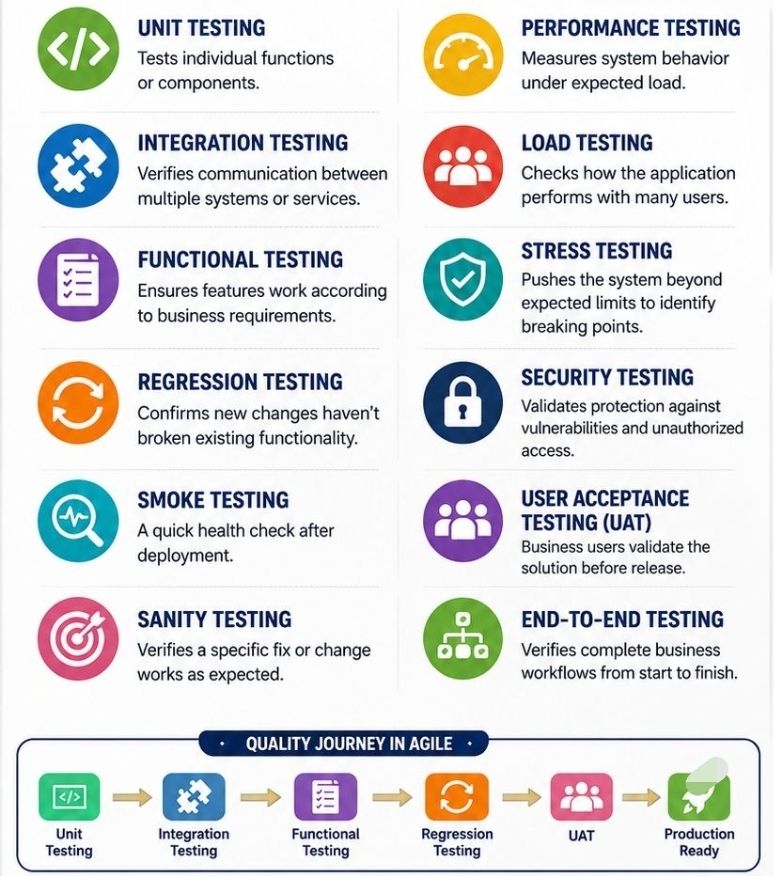
Software, Different Types of Testing

Software, Different Types of Testing
Different Types of Testing