Mark Whitfield is a highly experienced Senior IT Project Manager based in Manchester, UK, with over 31 years of experience in the IT industry specializing in both Agile and Waterfall methodologies. He holds SC clearance (valid until 2031) and has a strong technical background in banking and digital project delivery, including experience as a developer in software development lifecycles (SDLC).
Mark Whitfield is a highly experienced Senior IT Project Manager based in Manchester
Professional Biography
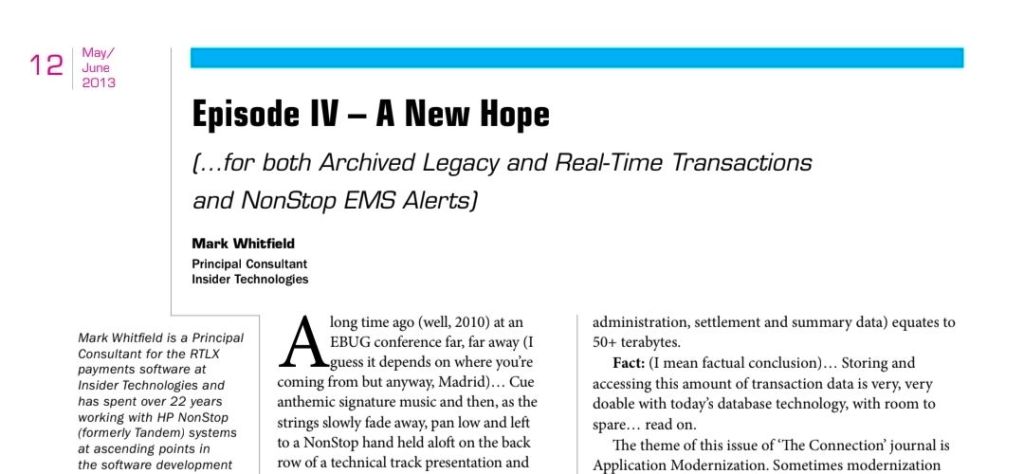
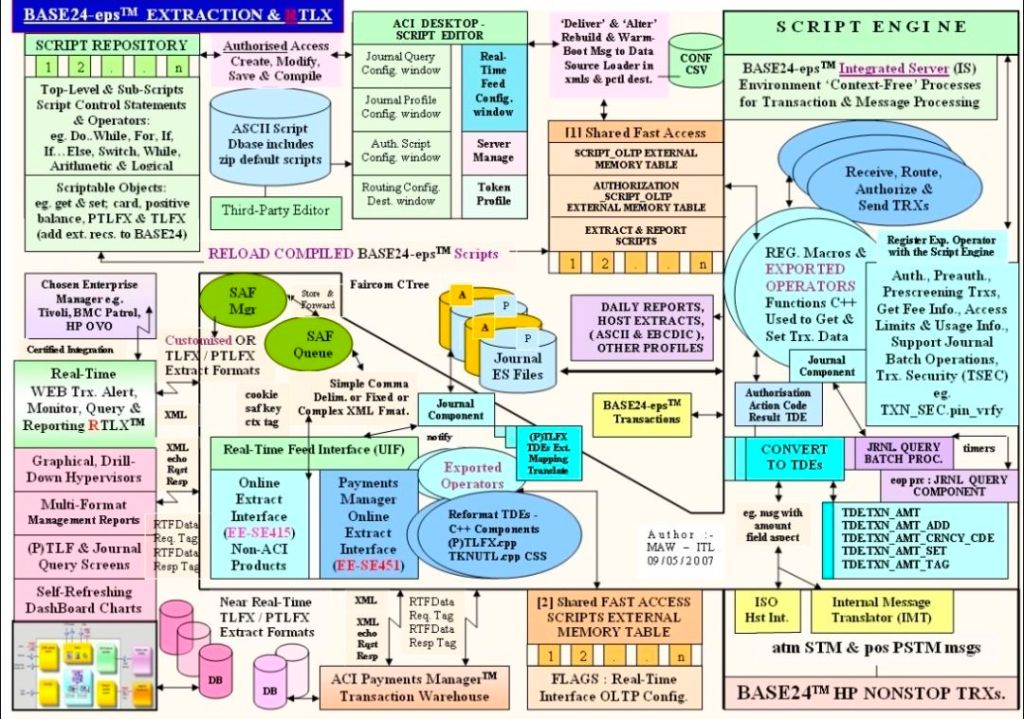
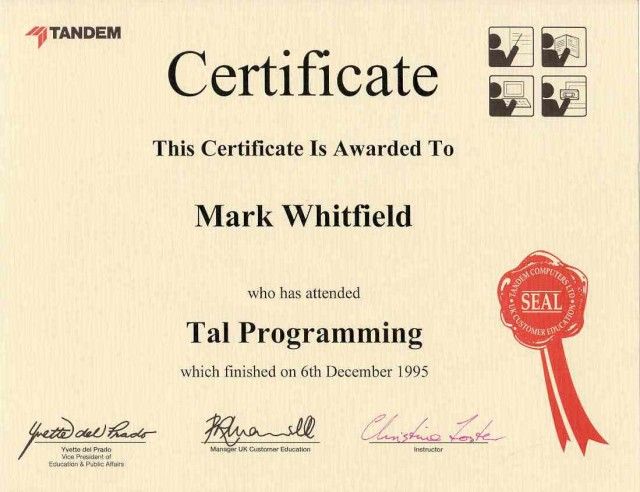
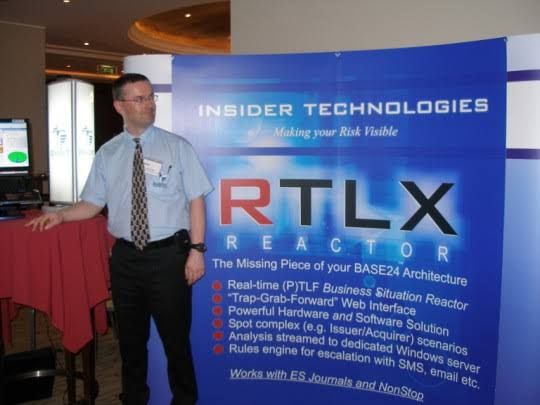
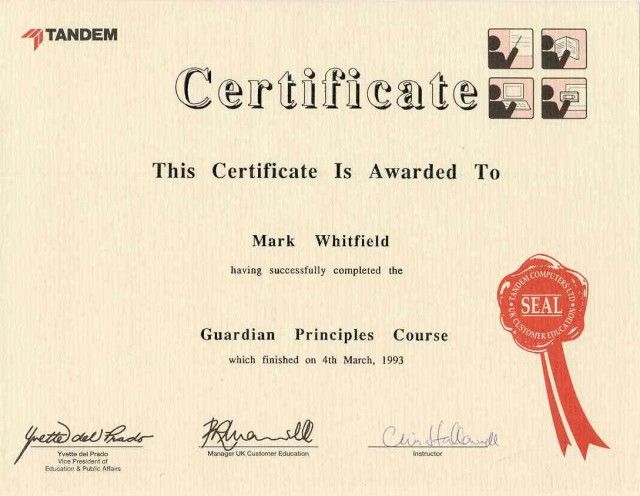
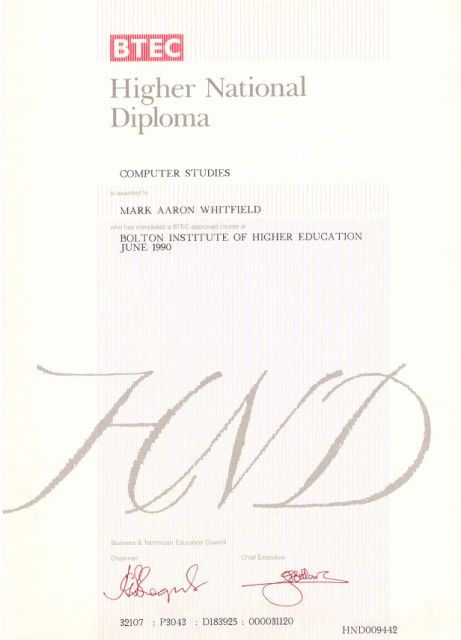
After graduating in Computing in 1990, Mark began his career as a programmer specializing in Electronic Banking software on Tandem Mainframe Computers (HPE NonStop). He spent five years coding in COBOL85 and NonStop SQL for banking clients before transitioning into project management.
Mark has operated as a Senior IT Project Manager for over two decades, delivering complex projects for major blue-chip clients, including Jaguar Landrover, Heathrow, Royal Mail Group, and various financial institutions. He currently provides project management templates based on his extensive experience via his website, PROject Templates.
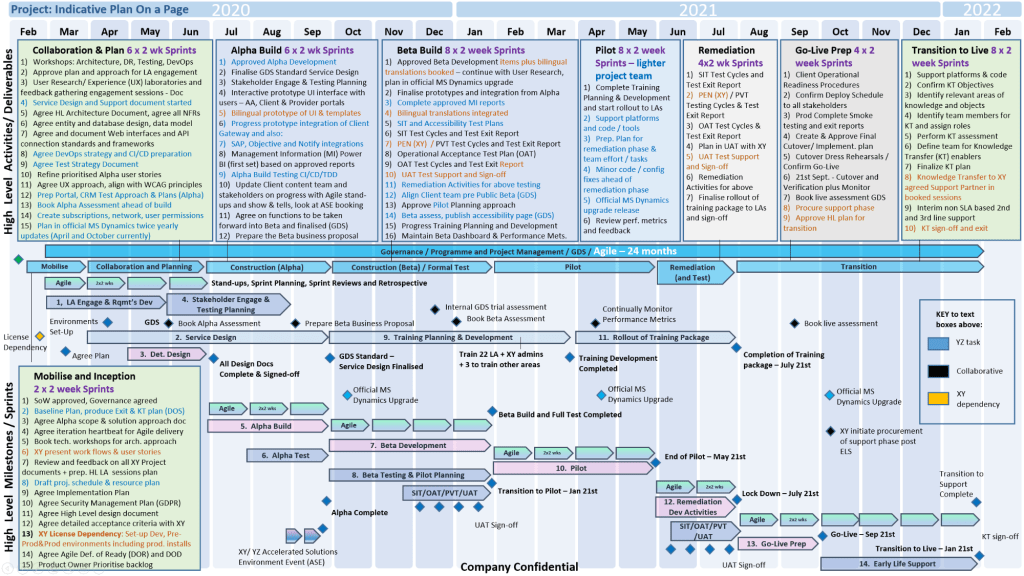
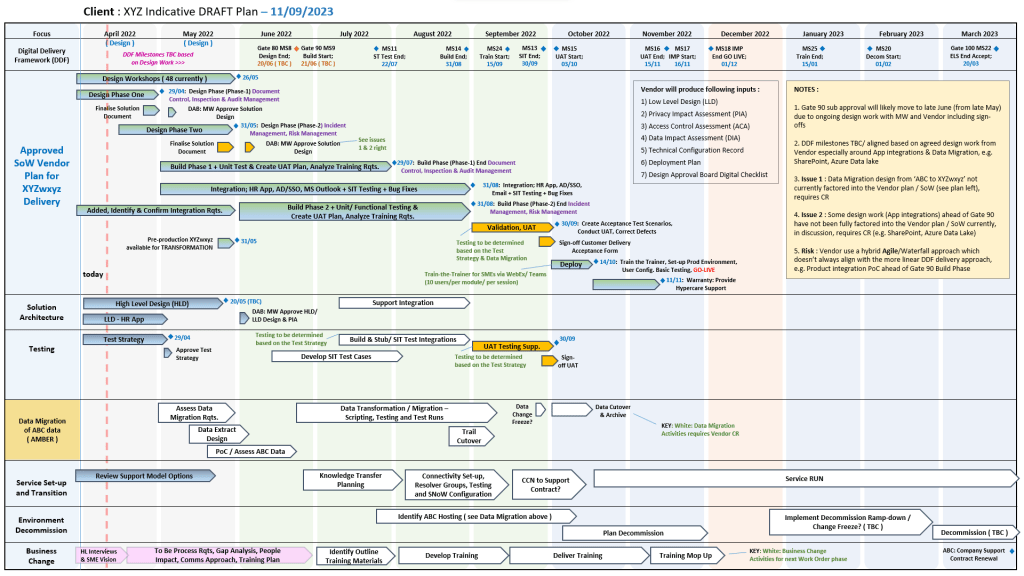
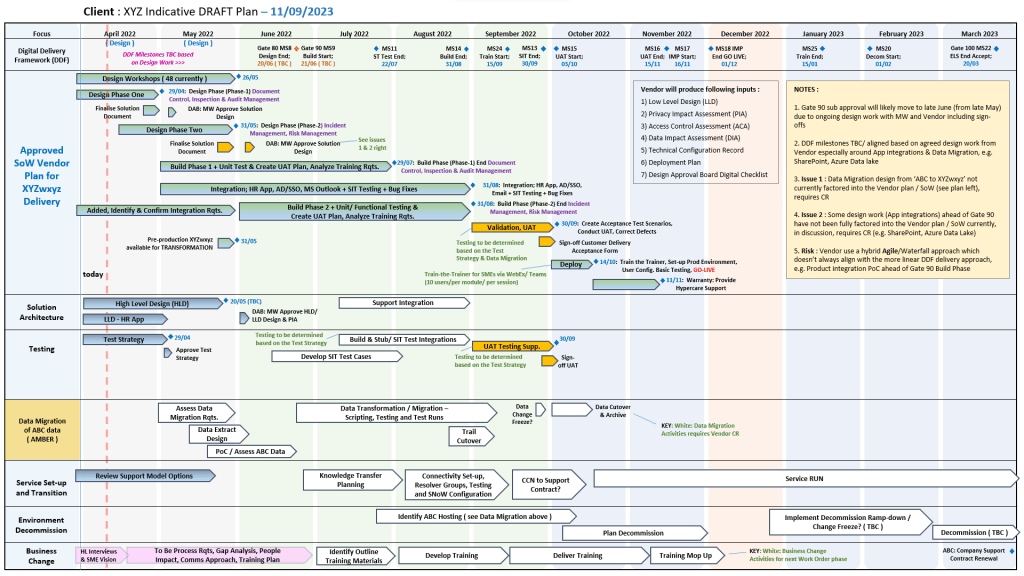
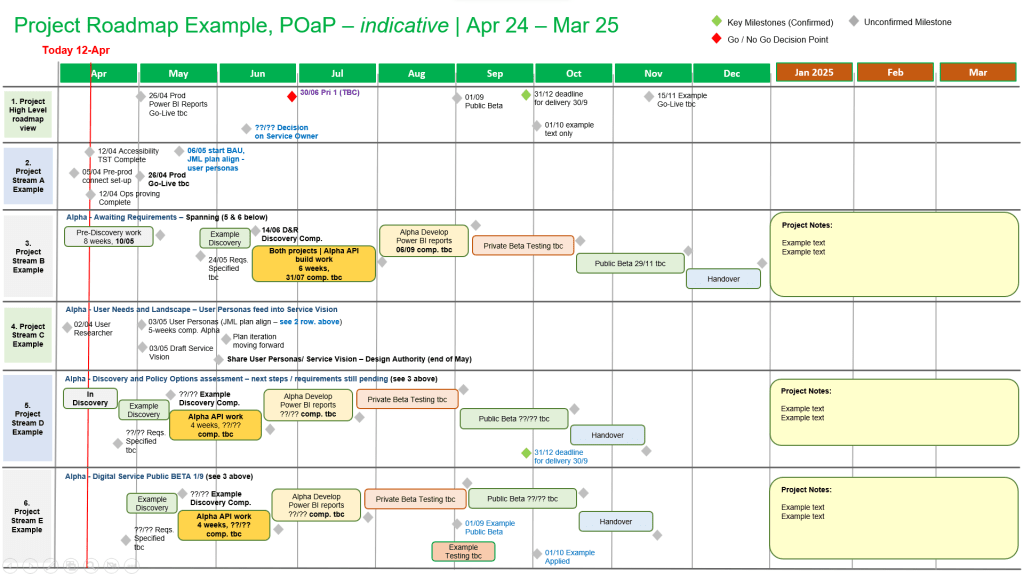
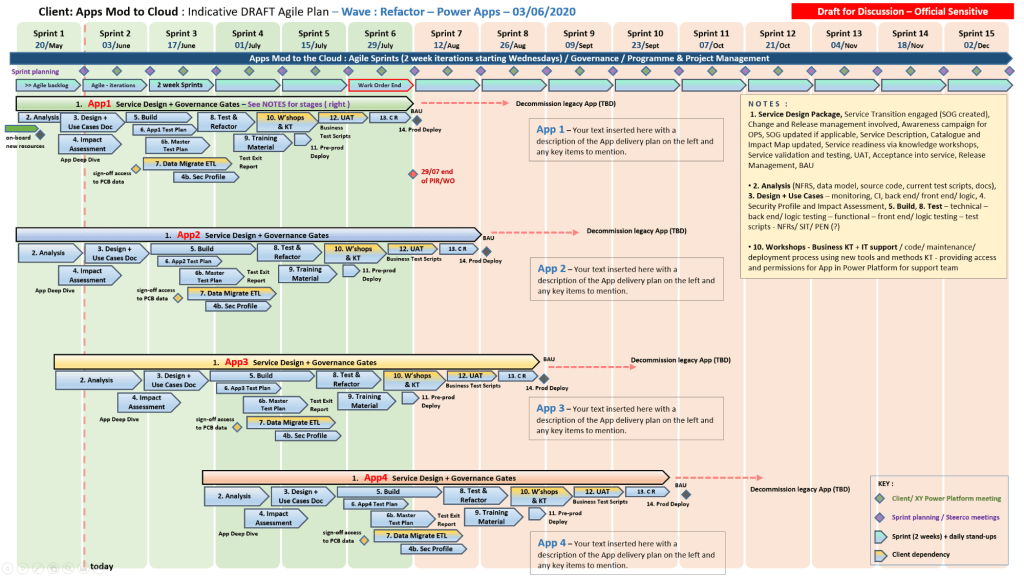
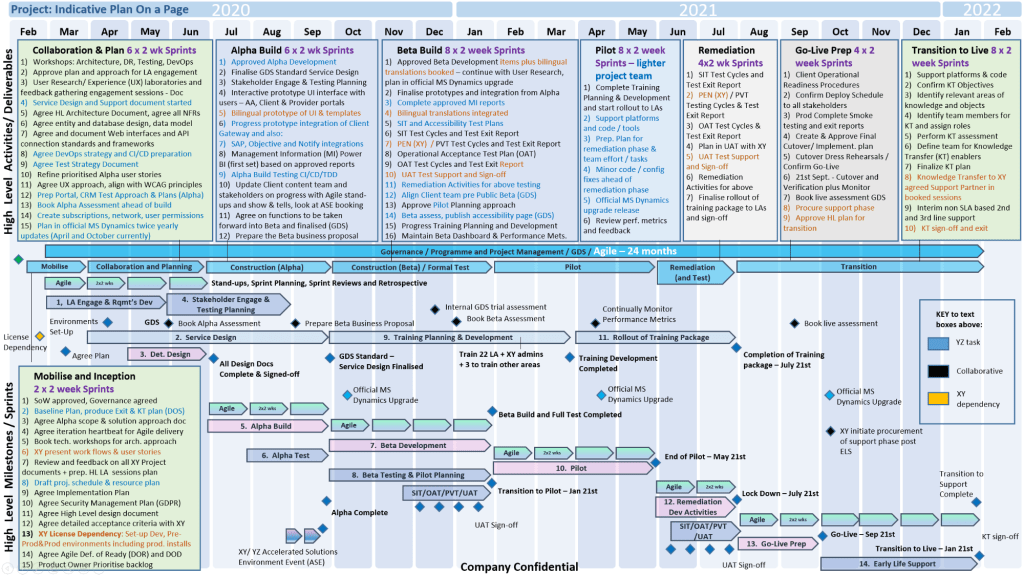
Example POaP Plan On a Page templates by Mark Whitfield
Projects: Delivered Waterfall and Agile digital projects for automotive, local regional government (LRG), postal services, and aerospace & defence sectors.
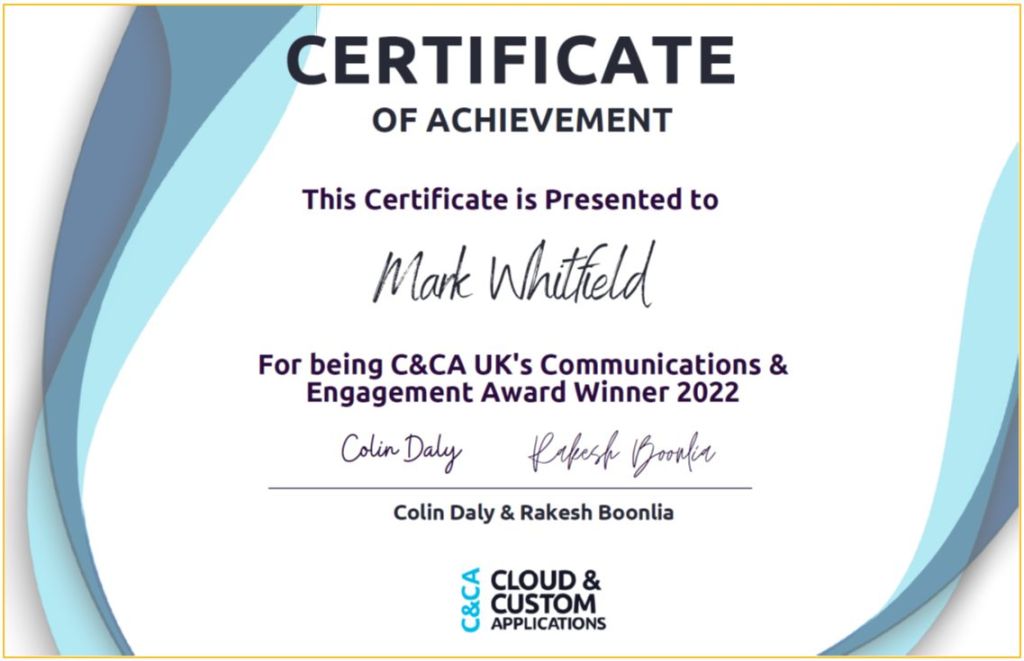
C&CA UK’s Communications & Engagement Award Winner 2022
Betfred (Late 2014 – Jan 2016)
Role: Senior IT Project Manager.
Projects: Managed mobile and online gambling/casino projects, including payment gateways, sportsbook, and virtual gaming using Agile SCRUM.
Wincor Nixdorf (Sept 2013 – Late 2014)
Role: Agile IT PM, Professional Services – Banking Division.
Projects: Managed ATM software delivery (Wincor Nixdorf work stream >£5M) for Lloyds Banking Group/Halifax.
Mark Whitfield provides a variety of Plan On a Page (POaP) templates designed to simplify complex project schedules into a single, high-level visual. These templates are typically available through his official website as part of a larger project management toolkit that includes over 200 editable documents.
PowerPoint Plan On a Page (POaP) templates
Mark Whitfield’s POaP Template Formats
Whitfield’s templates are available across multiple platforms to suit different project needs:
PowerPoint POaP Templates
Includes over 35+ slide examples showing different ways to visualise a Software Development Life Cycle (SDLC) plan. These are ideal for client presentations where high-level detail is needed.
Excel POaP & Tracker Templates
Features Gantt views, resource costing grids, and Agile Sprint views. Some Excel versions allow you to align the POaP with resource availability and overall phase costs, useful for project bids.
MS Project (MPP) Templates
Detailed PRINCE2 and Waterfall templates that can be condensed into a “timeline” view to serve as a POaP. These are annotated for tasks like Agile Scrum ceremonies or specific PRINCE2 7th Edition stages.
Key Features of the POaP Templates
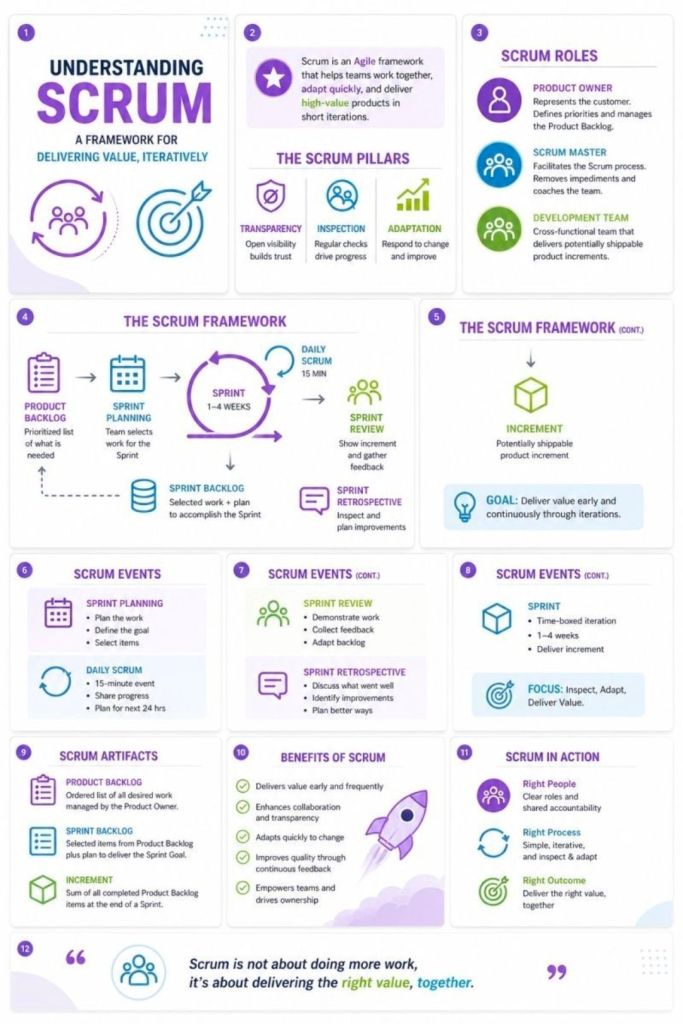
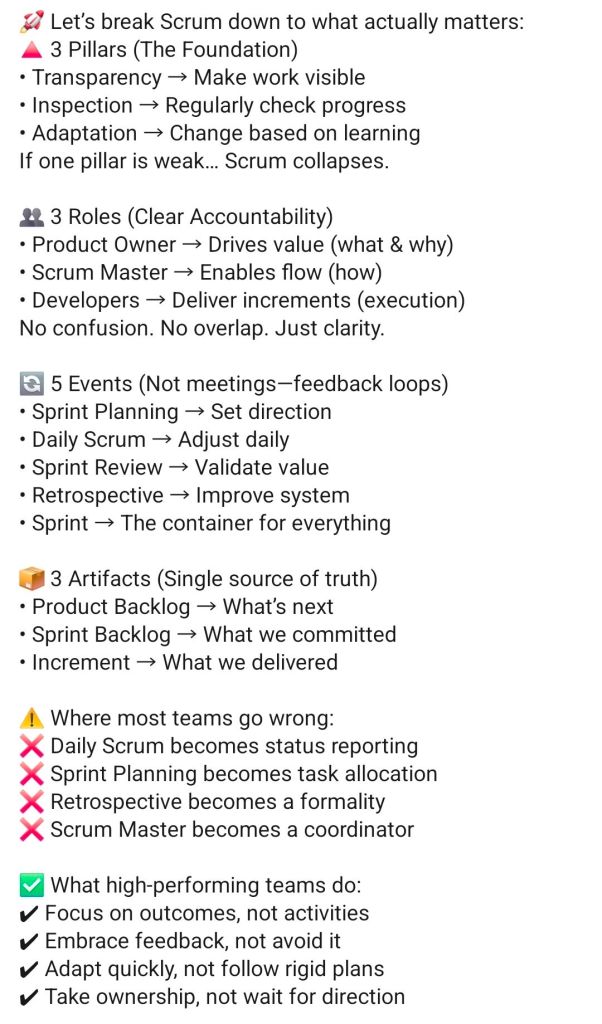
Adaptability: Templates are designed to be tailored for Waterfall (PRINCE2) or Agile (Scrum/Sprints) methodologies.
Integrated Tracking: Often bundled with RAID logs (Risk, Action, Issue, Dependency) and RACI trackers to provide a complete overview beyond just the schedule.
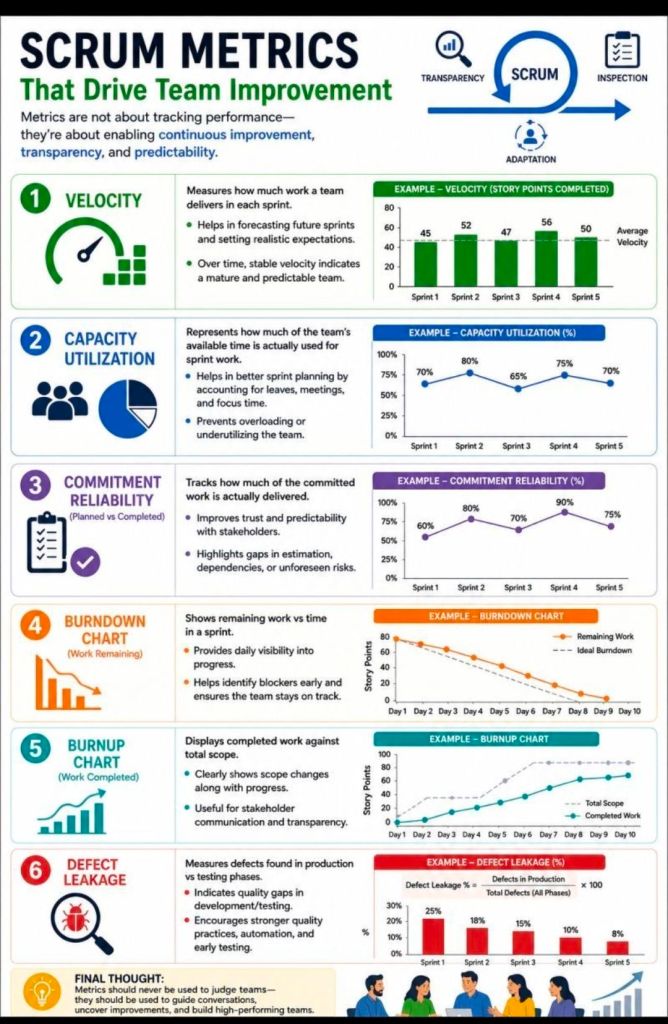
Visual Dashboards: Many versions include self-populating charts and summary dashboards for at-a-glance status reporting.
Availability: Templates can be purchased individually or as a bulk pack on Mark Whitfield’s Website or through platforms like Etsy and Eloquens.
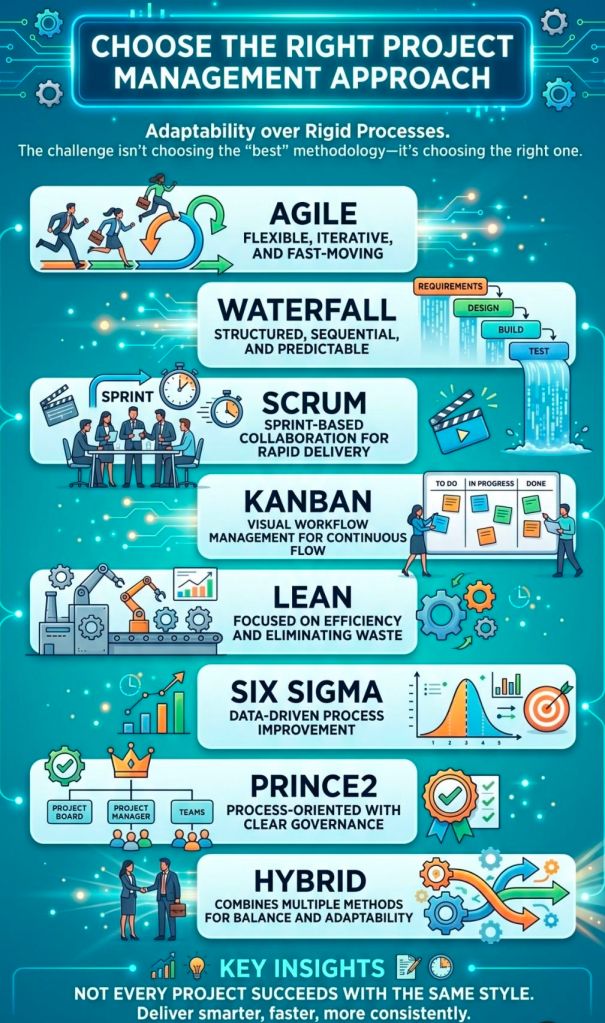
PRINCE2 Agile combines the structured governance of PRINCE2 with the flexibility of agile methods (like Scrum and Kanban) to manage projects effectively. It focuses on maintaining control, transparency, and high-quality delivery while empowering teams, making it ideal for fast-paced environments.
Key Aspects of PRINCE2 Agile:
Structure + Flexibility: It provides the framework to guide projects, while allowing the use of agile techniques to build the product.
Key Focus Areas:
The Agilometer: Assesses the level of risk and agility in a project.
Requirements: Prioritized to ensure the most valuable features are delivered first.
Rich Communication: Emphasizes face-to-face interaction and team rooms.
Frequent Releases: Ensures regular delivery and feedback loops.
Tailored Governance: Allows projects to remain aligned with organizational goals while keeping the flexibility needed for innovation.
Compatibility: Works well with various agile methods including Scrum, Kanban, and Lean Startup.
Main Benefits:
Increased Flexibility: Enables faster adaptation to changes and new information.
Improved Quality: Focuses on delivering high-quality products that meet client needs.
Enhanced Control: Provides necessary governance for project success.
When to Use:
Projects requiring both structure and high responsiveness.
Teams using Agile techniques who need to satisfy governing bodies.
Situations demanding regular, iterative delivery of results.