ACI Worldwide XPNET Message-Oriented Middleware, MOM

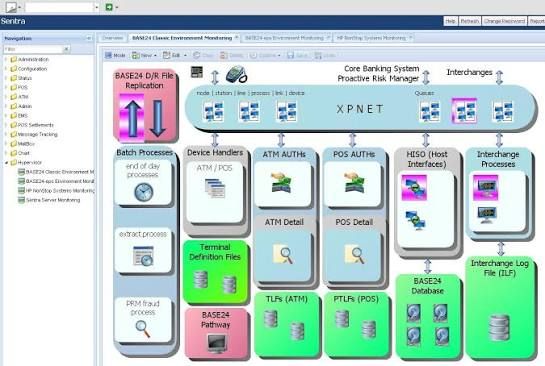
XPNET (often distributed as part of the NET24 suite) is a proprietary, mission-critical Message-Oriented Middleware (MOM) and network management infrastructure developed by ACI Worldwide.

It is designed to run primarily on fault-tolerant HPE NonStop (Tandem) systems. XPNET acts as the foundational layer for ACI’s globally dominant payment engines, BASE24 and BASE24-eps.

It provides the multi-node network architecture, data routing, inter-process communication, and transaction logging required to safely process hundreds of millions of ATM, Point of Sale (POS), and mobile payments daily.

Key Architectural Technical Description

  • Core Function: XPNET acts as the vital gateway between terminal devices (ATMs, POS terminals), regional interchanges (Visa, MasterCard), and a bank’s back-end host system.
  • Network Environment File (NEF): All physical and logical configurations of an XPNET deployment—including nodes, links, processes, stations, and communications lines—are centrally defined inside the NEF.
  • Fault Isolation: XPNET monitors processes using a distributed architecture. If an interface process or line drops, XPNET safely queues or reroutes transactions to achieve “five-nines” (99.999%) financial system uptime.
  • Audit and Tracing: XPNET intercepts all systemic message traffic, managing the core Transaction Log File (TLF) and generating event messaging for fraud monitoring and performance profiling.

Detailed XPNET Historical Timeline Breakdown

The evolution of XPNET is deeply intertwined with ACI’s flagship software, scaling alongside the transformation of global electronic funds transfers (EFT).

1982 – 1989: The Genesis Era

  • 1982: ACI launches BASE24 to manage early ATM networks. To handle low-level Tandem interprocess communication, ACI designs precursor communication layers.
  • 1986: ACI scales internationally to 131 major clients across 14 countries, increasing the demand for a standard, highly secure, policy-driven message-switching architecture to accommodate disparate global telecommunication protocols.

1990 – 1999: NET24 and XPNET Standardisation

  • 1993: ACI is reorganised under Transaction Systems Architects (TSA). The communications infrastructure is formalised as NET24-XPNET, decoupled cleanly from application logic.
  • 1995: ACI goes public on NASDAQ. XPNET becomes the mandatory structural platform for any financial institution deploying BASE24 “Classic”.
  • 1998: ACI acquires IntraNet. XPNET is updated to handle wholesale wire transfers and high-value Automated Clearing House (ACH) data alongside retail consumer swipes.

2000 – 2009: The Next-Gen Transition (BASE24-eps)

  • 2002: ACI launches BASE24-eps (Enterprise Payments System). XPNET is radically re-engineered to support both classic structural architecture and next-generation message formats, utilizing its Common Transport Subsystem (CTS) to act as a Tandem Pathway client/server.
  • 2008: ACI optimises BASE24-eps for IBM System z architectures, but updates the NonStop-native XPNET to Version 08.2 to handle expansive regional payment networks across Europe and Asia.

2010 – 2019: Litigation and Global Footprint Consolidation

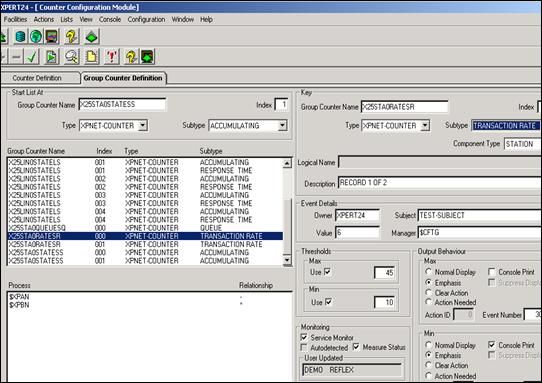
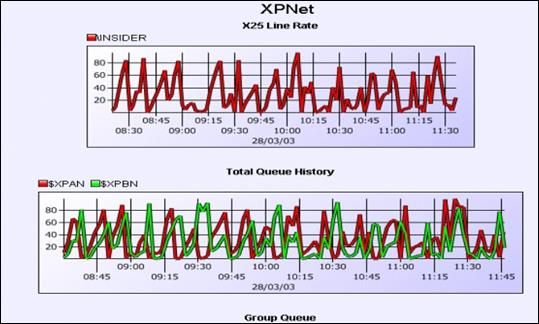
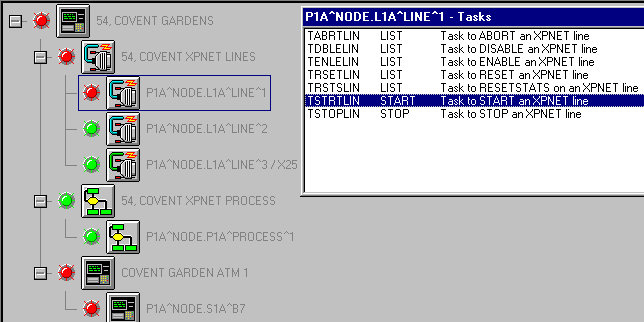
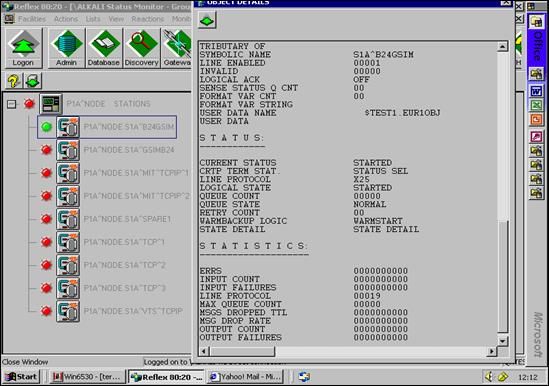
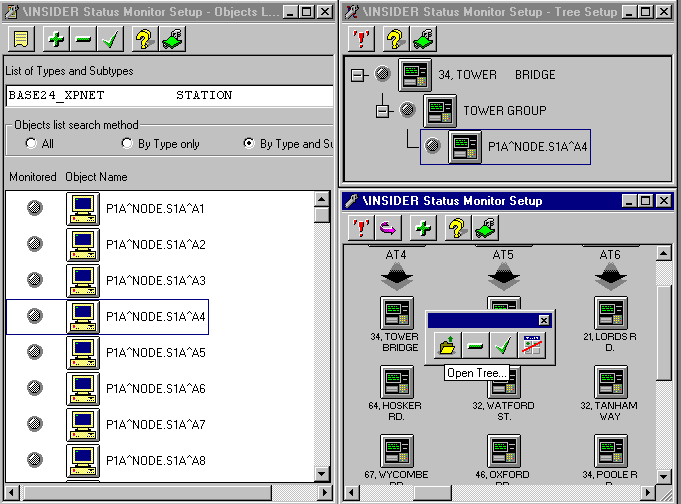
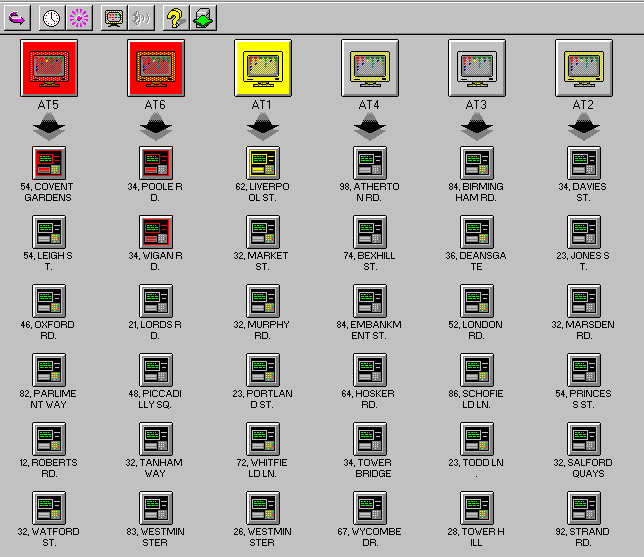
  • 2011 – 2014: Third-party performance suites, such as IR Prognosis XPNET Manager, Insider Technologies XPERT24 and Reflex ONE24 explode in popularity, allowing banks to map live visual diagnostics of their XPNET lines and queues.
  • 2017: ACI and MasterCard reach an agreement to resolve a massive legal dispute. As part of the settlement, MasterCard purchases a perpetual components license for NET24-XPNET middleware to legally fuel its core debit-switching network infrastructure.

2020 – 2026: Legacy Modernisation & The API Era

  • 2021: With financial institutions pivoting toward digital microservices, ACI introduces hybrid compatibility layers. Companies like NuWave introduce direct API bindings to XPNET, allowing legacy HP NonStop payment architectures to map to modern REST web services without rewriting base COBOL/C code.
  • 2025 – 2026: ACI celebrates 50 years of enterprise infrastructure engineering. While cloud-native solutions like ACI Connetic roll out for real-time rails, NET24-XPNET Version 4.x remains a heavily maintained, actively running baseline layer across tier-1 legacy banking systems worldwide.

ACI Worldwide XPNET Message-Oriented Middleware, MOM

XPERT24 Product Overview

XPERT24 (XPNET Performance Monitoring and Tracking) is a specialised financial middleware software product developed by Insider Technologies Limited. It provides real-time transaction tracking and operational counter monitoring for the BASE24™ transaction processing infrastructure.

Product Description

XPERT24 functions as a critical diagnostics layer for companies running BASE24 bank card payment systems. Built to sit on HP NonStop systems, the software uses PATHWAY servers to automatically detect, capture, and analyse data points from the underlying network. Its core features include:

  • XPNET Counter Monitoring: Tracks infrastructure health via rate, state, and data queue counters.
  • Interchange Performance: Monitors live transaction metrics, including approval and denial rates for ATM and POS transactions.
  • Throughput Optimization: Provides clear system visibility to avoid high-volume traffic jams or transaction delays.

Detailed Timeline Breakdown

The lifecycle of the XPERT24 software package moved from initial technical specification into corporate ecosystem expansions:

2001 — Initial System Baseline & Prep

  • Training and Scoping: Insider Technologies Limited launched internal Sales & Marketing campaigns to map mid-market banking software demands.
  • System Language Adaptation: Engineering teams refined core HP NonStop transaction tracking metrics.

2006 — Structural Architecture Layout

  • Design Initiatives: Product groups commenced documentation guidelines to build customer-facing technical literature.
  • Database Modeling: Initial designs mapped how transaction records could safely pass without lagging the live bank engine.

2007 — Server Logic Creation

  • Server Infrastructure Setup: Developers initiated building structural frameworks inside development kits.
  • Pathway Server Logic: Logic was written to make sure the software query scripts safely gathered data without interrupting processing.

2008 — Production Release & Launch Era

  • Official Software Launch: Insider Technologies launched the operational XPERT24 system to production status.
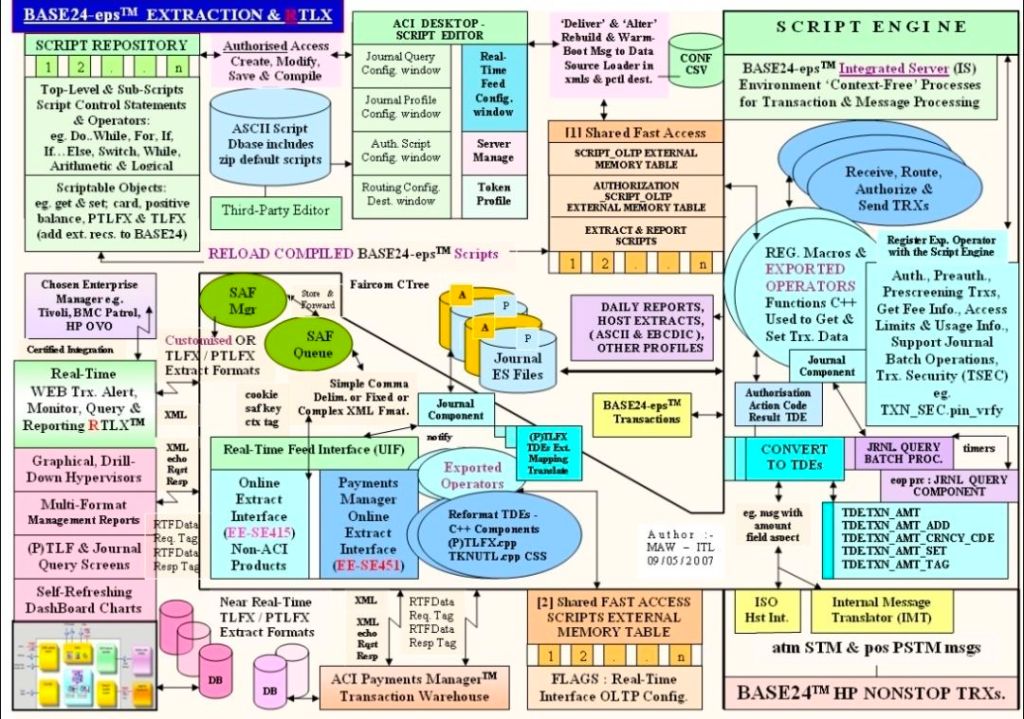
  • Hypervisor UI Integration: The company produced dedicated BASE24-eps™ and XPNET layer Hypervisor graphical displays.
  • Industry Showcase: Technical user interfaces were presented directly to the Electronic Banking User Group (EBUG) and the Satellite Transaction User Group (SATUG).

2009 — Data Query Expansion

  • SQL Interoperability: Product upgrades integrated better SQL handling to build structured transaction logs.
  • Web Monitoring Foundations: Teams rolled out technical requirements to present live transaction counters into standard web browsers.

2011 — Project Management & Standardization

  • Agile Shift: Development pipelines migrated entirely onto the Scrum framework.
  • Process Alignment: The product management structure was retrofitted to follow strict PRINCE2 guidelines to help service major government and banking institutions.

Sentra Overview and Detailed Timeline by Year

Sentra is a premier tracking and service management software platform developed by Insider Technologies Limited. Designed specifically for high-volume, mission-critical operations, Sentra is deployed across major financial, government, and defense institutions. It specializes in real-time tracking, information mediation, and multi-platform service level agreement (SLA) monitoring.

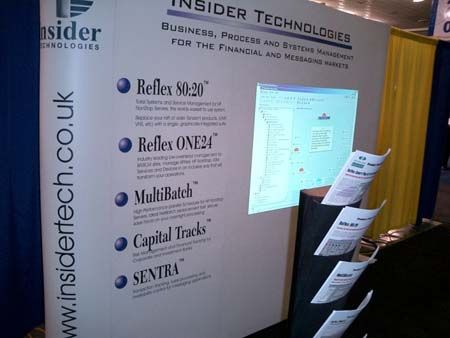
Insider Technologies, Business, Process and Systems Management for the Financial and Messaging Markets
Insider Technologies in 2003 (San Jose), Business, Process and Systems Management for the Financial and Messaging Markets

The system operates across Windows, HP NonStop, Linux, and Unix environments to guarantee maximum uptime for transaction processing and data transmission.


Product Description & Capabilities

Sentra acts as a powerful tracking diagnostics framework. It evaluates the flow of files, payments, and system events to prevent costly service outages.

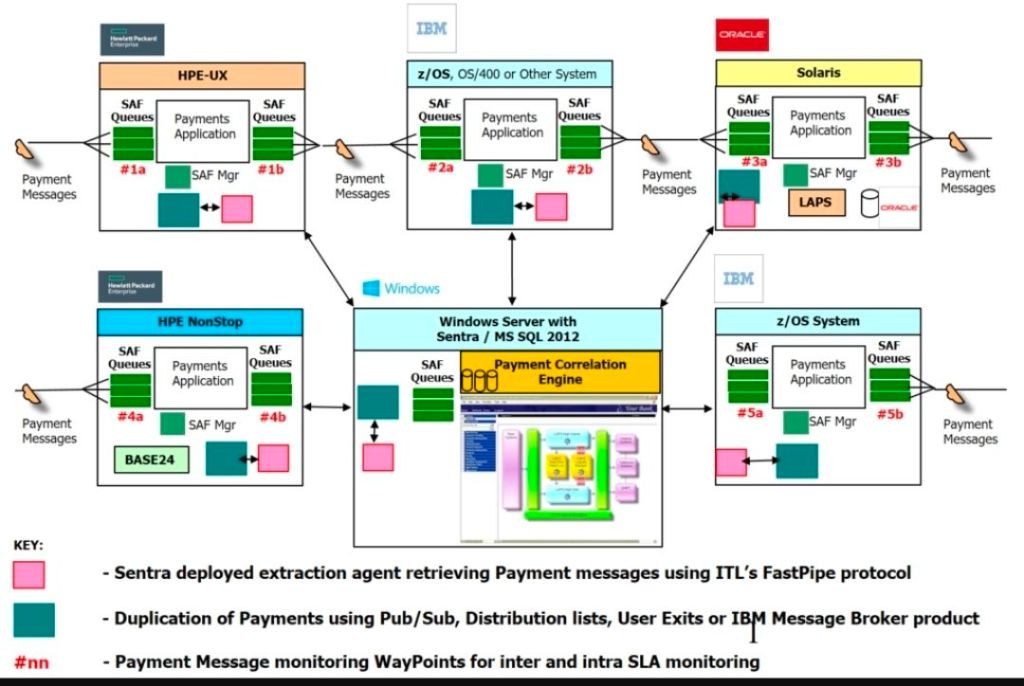
  • Real-Time Transaction Extraction: Utilizes extraction agents to pull live transaction data—such as ATM and Point-of-Sale (POS) logs—from core banking applications.
  • High-Speed Middleware Ingestion: Relays transaction lifecycle files (TLF) directly to a Windows server and Microsoft SQL database. This uses the company’s proprietary, high-speed TCP/IP sockets protocol known as FastPipe.
  • Rigorous SLA Enforcement: Provides end-to-end monitoring metrics optimized to help financial firms achieve extremely demanding targets, including 99.999% system availability.

Detailed Timeline Breakdown by Year

Because Insider Technologies is a private, specialized enterprise software house, its continuous internal product updates are primarily mapped through corporate evolution and key platform milestones:

1989 — Corporate Foundation

  • Insider Technologies Limited is incorporated in Manchester, UK. It targets 24×7 mission-critical systems like Tandem Computers (which later evolved into HP NonStop computing architecture).

1990s to Early 2000s — The Monitoring Evolution

  • The company relies heavily on its early flagship monitoring software suites, Reflex and MultiBatch.
  • Recognizing a shift toward heterogeneous environments, engineering teams begin conceptualizing Sentra to bridge real-time tracking between Windows and legacy systems.

2004 — Core Sentra Framework Launch

  • Official design, infrastructure layout, and core coding begin for the specialized Sentra platform architecture.
  • Sentra is formalized to extend tracking metrics outside of traditional mainframe environments into multi-platform Linux, Unix, and Windows installations.

2006 — Banking Application Integration

  • Development accelerates on custom add-ons to integrate Sentra directly with core banking infrastructure.
  • Teams design specialized mechanisms to track high-volume transactions routed via ACI Worldwide’s popular BASE24™ transaction-processing software.

2008 to 2011 — The RTLX Reactor Expansion

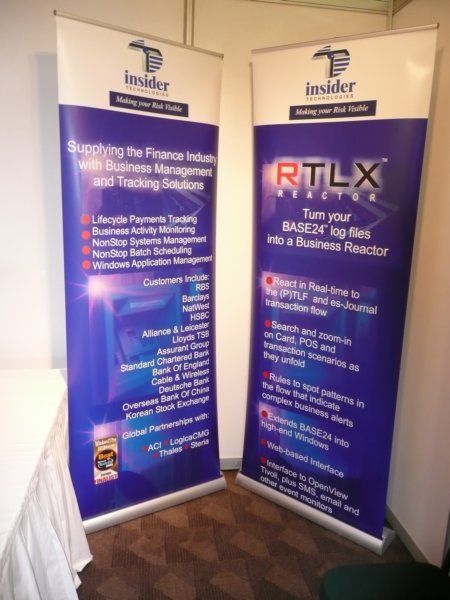
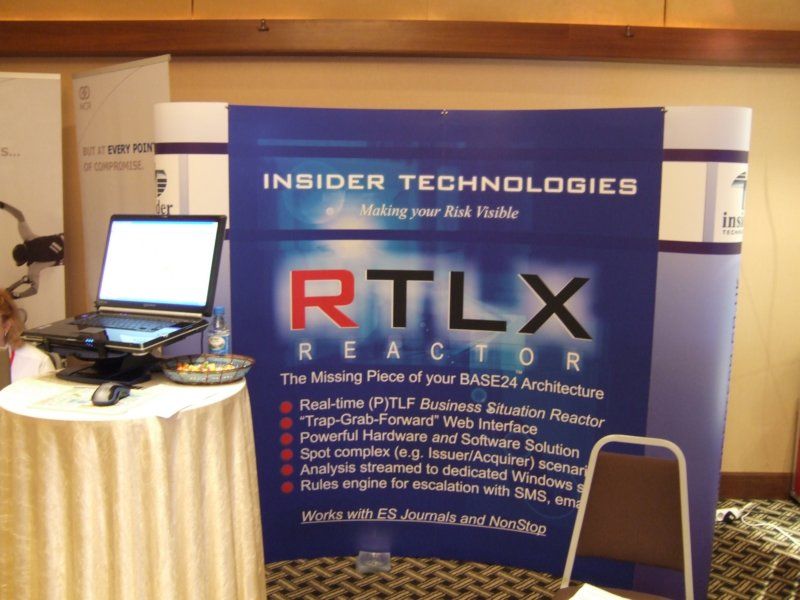
  • Insider Technologies releases RTLX Reactor, a major add-on module built entirely on top of the Sentra framework.
  • This expands Sentra’s market footprint by offering retail banks direct, real-time diagnostic visibility into live ATM and POS cash terminal traffic.

2013 — Framework Optimization & Digital Web Presence

  • A multi-year architectural overhaul wraps up, introducing enhanced information mediation and updated corporate digital resources mapping the platform’s core tracking methodologies.

2015 — ETI-NET Acquisition

  • Backup, storage, and mainframe architecture firm ETI-NET officially acquires Insider Technologies.
  • Sentra benefit from combined global sales networks and tighter operational integrations with deep corporate data storage infrastructure.

2019 — 30th Anniversary & Enterprise Modernisation

  • Celebrating 30 years in operation, Insider Technologies rolls out modernised visual dashboards and broader diagnostic tracking capabilities across the Sentra portfolio. This addresses the escalating scale of electronic payments.

2024 to 2026 — PartnerOne Era & Cyber-Resilience

  • Insider Technologies transitions into operating as part of the global PartnerOne group.
  • Sentra continues to serve as an indispensable middleware tracking and monitoring asset. It runs alongside updated proactive cybersecurity, XDR, and IT operations infrastructure tailored for the UK government, defense sector, and multinational banking institutions.
  • The Insider RTLX product at ETI-NET is now called C-Deep for Transaction Monitoring;
    C-Deep (Transaction Monitoring)

    The Insider Reflex product at ETI-NET is now called Sentinel for NonStop Monitoring;
    Sentinel (Nonstop Monitoring)

ActionView.400 Monitoring Tool for OSI/MHS X.400 Subsystem on HPE NonStop

ActionView.400 is an enterprise tracking and diagnostics software solution developed by Insider Technologies Limited. It was purpose-built as a dedicated monitoring tool for the Open System Interconnection / Message Handling System (OSI/MHS) X.400 subsystem deployed on Tandem, Compaq, HP, and HPE NonStop server platforms.

ActionView 400 Monitoring Tool for OSI/MHS X.400 Subsystem on HPE NonStop
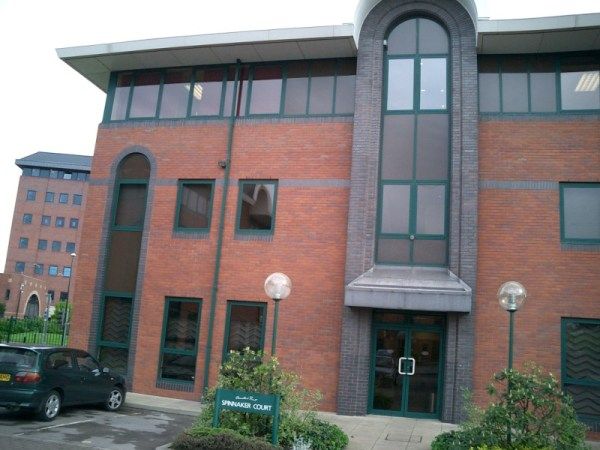
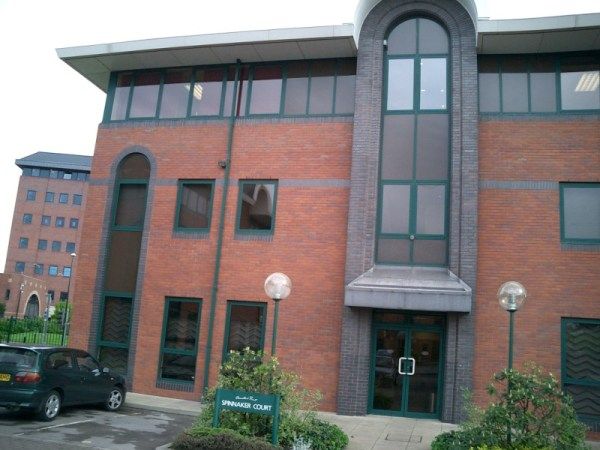
Insider Technologies Limited, Salford Quays, Manchester. M50 2YR

The software acts as a critical infrastructure layer used heavily by banking institutions, telecommunications providers, and government/military defense sectors.

It ensures that high-volume, secure electronic mail infrastructure meets strict Service Level Agreements (SLAs) by allowing engineers to account for every message, calculate end-to-end processing times, and issue real-time tracking metrics.


Detailed Timeline Breakdown by Year

  • 1989: Insider Technologies Limited is incorporated in Manchester, England, by a collective of IT industry veterans. The firm initially focuses on building service management and custom tracking middleware for the rapidly expanding Tandem NonStop server ecosystem.
  • 1990s (Early to Mid): As X.400 protocols become the global standard for secure EDI (Electronic Data Interchange) and military messaging, Insider Technologies develops ActionView 400. The product is integrated directly into Tandem’s core software stack and begins shipping natively with Tandem NonStop platforms.
  • 1997: Tandem Computers is acquired by Compaq. ActionView 400 is sustained through this transition to maintain critical operations for tier-one banks and national military infrastructures relying on NonStop systems.
  • 2002: Compaq merges with Hewlett-Packard (HP). ActionView 400 is bundled under the HP NonStop software catalog (product designation T8443), managing and diagnosing log audits like the AUDLOG framework.
  • 2000s (Mid to Late): Insider Technologies starts shifting forward-looking tracking requirements toward its newer central architecture platform, Sentra. While ActionView 400 continues handling legacy X.400 pipelines, Sentra begins acting as a unified web console to consolidate both X.400 and modern SMTP/MIME email flows across multi-vendor systems.
  • 2015: HP splits its corporate structures. The NonStop computing line and the management of ActionView 400 shift over to Hewlett Packard Enterprise (HPE).
  • 2018: In December 2018, HPE officially moves ActionView 400 to Obsolete status, marking the formal end of its product life cycle and standard vendor service life.
  • 2019 – Present: Despite official obsolescence on the HPE hardware list, Insider Technologies continues to directly support and maintain the solution for deep-legacy military, defense, and governmental bodies. Because these sectors still mandate uncompromised, zero-loss X.400 message accounting, the software remains active, feeding tracking telemetry directly into Insider’s modern Middleware Monitoring and Sentra platform interfaces.
Sentra - unified web console to consolidate both X.400 and modern SMTP / MIME email flows across multi-vendor systems
Sentra – unified web console to consolidate both X.400 and modern SMTP / MIME email flows across multi-vendor systems

HPE NonStop MultiBatch is an advanced workload automation & scheduling manager

HPE NonStop MultiBatch is an advanced workload automation and scheduling manager designed explicitly for mission-critical HPE NonStop environments. Originally created to support complex scheduling needs in banking and finance, it automates job flows and parallel processing across multiple CPUs.

Detailed Description

The original NonStop batch scheduler (NetBatch) was built for basic sequential job queues. As large enterprises required deeper integration with databases, real-time events, and complex parallel schedules, MultiBatch (developed originally by Insider Technologies, now part of ETI-NET) emerged.

  • Core Functions: It automates job submission, tracks job flow, handles conditional parameters, manages event timers, and triggers jobs “On Demand” based on real-time system events.
  • High Availability: Like the underlying HPE NonStop system, MultiBatch is engineered for fault tolerance, ensuring automated workflows do not fail due to hardware or software interruptions.
  • Enterprise Integration: It supports Open System Services (OSS) and standardizes auditing, security, and menu-based operations across distributed NonStop systems.

Breakdown by Year / Era

The evolution of MultiBatch parallels the architectural changes of the HPE NonStop platform.

1985–1990s: Tandem Era & Origin

  • 1985: Conceived. MultiBatch was developed by Insider Technologies specifically to meet the complex batch schedule demands of large financial institutions that exceeded native NetBatch capabilities.
  • Early 1990s: The system was officially rolled out for Tandem processors to automate transaction data loads and daily reconciliation tasks for ATMs and financial ledgers.

1997–2014: Compaq & Early HP Era

  • 1997: Following Compaq’s acquisition of Tandem, MultiBatch was adapted to support the NonStop Himalaya systems and server software, which expanded data and network scaling.
  • 2000s: During the HP Itanium and MIPS Era, MultiBatch evolved to support more dynamic processing pools and expanded job limits, increasing fault tolerance under the HP-UX integrated environment.

2014–2020: Transition to NonStop X & Modernization

  • 2014: As HPE shifted the platform to standard Intel x86-64 processors (NonStop X), MultiBatch was updated for L-series operating systems to run efficiently on high-speed InfiniBand fabrics.
  • 2019: Insider Technologies made significant updates to MultiBatch to modernize the GUI and improve code stability for the new generation of NonStop users transitioning to X-series hardware.

2020–Present: MultiBatch 10 & 10.2

  • 2023: MultiBatch 10 was released. It included a new Operations GUI Server, significantly increased configuration limits (e.g., supporting up to 2,500 jobs), enhanced conditional parameters, improved processing of Open System Services (OSS), and “On Demand” job capabilities.
  • 2025: MultiBatch 10.2 was released by ETI-NET. This update focused heavily on digital resilience, providing deep alignment with the NIST Cybersecurity Framework to protect against operational and cyber threats.
  • Current Status: Fully integrated into modern systems supporting the HPE GreenLake consumption-based cloud model, MultiBatch 10.2 serves as the primary automation engine for large enterprises executing complex HTAP (Hybrid Transaction/Analytical Processing) workloads.

The Software Partnership was a highly specialized software house in Runcorn

The Software Partnership (TSP) was a highly specialized British software house based in Runcorn, Cheshire, that played a key role in early cutting-edge electronic banking software. The firm famously developed sp/ARCHITECT-BANK, an innovative enterprise banking system built explicitly for Tandem Computers (now HPE NonStop) fault-tolerant server systems. I was based there between 1990 and 1995.

The Software Partnership Logo, Runcorn Software House, Deluxe Data
The Software Partnership Logo

Below is a detailed overview of the company’s operational history, alongside the corresponding hardware/software architectural eras of the HPE NonStop platform it relied upon.


Detailed Overview

  • Core Focus: The Software Partnership specialized in online transaction processing (OLTP) and electronic automated banking software. Long before the internet became mainstream, TSP engineered early desktop access environments for corporate bookkeeping and inter-account bank transfers.
  • Key Product: Its flagship software suite, sp/ARCHITECT, ran on Tandem’s highly unique, redundant architecture. The software handled complex high-volume retail transactions, ATM networking, and ledger balances.
  • Major Clients: High-profile financial institutions deployed TSP’s systems, including TSB (Trustee Savings Bank), Bank of Scotland, Rabobank, and Denmark’s Girofon.
  • Legacy: TSP initiated a massive lineage of financial tech operations in the Runcorn/Warrington area. After subsequent buyouts and transitions, its corporate DNA integrated into modern banking giants, eventually operating under Fidelity National Information Services (FIS).

Detailed Timeline by Era and Year

The history of TSP mirrors the evolution of the underlying fault-tolerant architecture originally built by Tandem, later managed by Compaq, HP, and currently Hewlett Packard Enterprise (HPE).

Era 1: The Tandem Founding & TSP Inception (Mid-1970s – 1989)

This era is marked by Tandem’s creation of the fault-tolerant server market, which birthed the niche that TSP filled.

  • 1974–1976: Tandem Computers is founded and ships its first 16-bit NonStop I (T/16) system, utilizing complete component redundancy to guarantee close to zero downtime for the financial industry.
  • 1981: Tandem introduces the NonStop II, transitioning to battery-backed DRAM memory and enabling early 32-bit addressing.
  • Mid-1980s: The Software Partnership (TSP) is co-founded by Nigel Walsh. It establishes offices first in Timperley (Wingate Drive), then moves to Crowngate (Norton House) in Runcorn. The team begins developing online banking architectures explicitly for Tandem OS (Guardian) and early UNIX nodes.
  • 1989: Tandem launches the NonStop Cyclone, a high-end mainframe system featuring superscalar CPUs and fiber-optic interconnects.

Era 2: The MIPS RISC Transition & Corporate Buyouts (1990 – 1999)

TSP reaches peak software deployment exactly as Tandem shifts its internal processor technology.

  • 1990: TSP establishes itself as a major regional employment hub for software engineers following a massive boom in terminal banking technology. Software programmers deploy sp/ARCHITECT-BANK code for massive retail banks internationally.
  • 1991: Tandem shifts its structural hardware away from proprietary chips, introducing its first MIPS RISC-based NonStop systems.
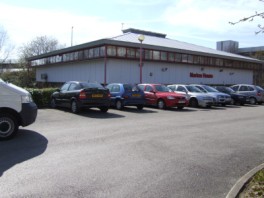
  • 1992: TSP expands its Runcorn footprint, moving to custom facilities at Wingate House on Northway, Runcorn.
  • 1994: TSP is acquired by American firm Deluxe Electronic Payment Systems (a division of Deluxe Corporation, one of the largest check printers and transaction processors in the US). The corporate name transitions to Deluxe Data.
  • 1997: Due to shifts in the enterprise hardware landscape, Compaq Computer Corporation acquires Tandem Computers for $3 billion, taking over the NonStop lineage.

Era 3: The Itanium Migration & eFunds Realignment (2000 – 2013)

The architecture sheds its proprietary processors for industry standards, and TSP’s corporate legacy transforms.

  • 2000: Deluxe Data’s electronic payment wing splits off and rebrands as EFD eFunds.
  • 2001–2002: HP (Hewlett-Packard) merges with Compaq, absorbing the NonStop portfolio. Simultaneously, HP begins shifting NonStop servers from MIPS architectures to Intel Itanium processors.
  • 2007: Following industry consolidation, the corporate remnants of the original TSP Runcorn operations are absorbed into Fidelity National Information Services (FIS) and relocated to Aegon House in Daresbury, Warrington.

Era 4: The Modern HPE NonStop X & Virtualization Era (2014 – Present)

The legacy of the high-availability software pioneered in Runcorn culminates in cloud and x86 integration.

  • 2014: HP introduces NonStop X, completely migrating the underlying architecture to Intel x86-64 processors and implementing InfiniBand connectivity fabrics.
  • 2015: Hewlett-Packard officially splits into two entities; the core mission-critical banking platform continues its five-decade lineage under Hewlett Packard Enterprise (HPE).
  • 2020s–Present: HPE modernizes the software architecture to support Virtualized NonStop Software (vNS). Modern variants allow banking systems to run mission-critical apps seamlessly inside enterprise private clouds and scalable HPE GreenLake consumption models with 100% fault tolerance.
Deluxe Data International Operations, Wingate House, Northway, Runcorn, Cheshire
The Software Partnership, Norton House, Crowngate, Runcorn, Cheshire

⚙️ sp/ARCHITECT

sp/ARCHITECT (specifically sp/ARCHITECT-BANK) was a foundational electronic banking and transaction framework engineered in the 1990s by The Software Partnership (a UK-based fintech house later acquired by Deluxe Data). It primarily powered corporate banking portals and telephone-driven banking services.

The platform acted as highly reliable middleware, serving as a bridge between the customer and back-end banking mainframes. The breakdown of its architecture, infrastructure, and core functions includes:

⚙️ Architectural Breakdown

  • Hardware & OS: Built to run natively on fault-tolerant Tandem NonStop computers (now HPE NonStop). This “shared-nothing” architecture was designed for absolute transactional uptime and zero data loss.
  • Programming Languages: Built using legacy enterprise standards. Code was primarily written in COBOL85 and TAL (Transaction Application Language) native to the Tandem ecosystem.
  • Middleware Integration: Utilized Tandem-specific middleware like Pathway and Remote Server Call (RSC) to handle client-to-host communications.

💻 Core Capabilities & Modules

  • Electronic Delivery Framework: Served as a multi-channel framework, accommodating a wide variety of early access devices like desktop clients, UNIX workstations, and smart phones.
  • Transaction Handlers: Deployed custom scripts/handlers that enabled end-users to securely access real-time account data and perform early inter-account transfers without visiting a physical branch.
  • Testing Utilities: Included proprietary simulation tools like sp/TESTBED, acting as a PC-to-host test harness so developers could emulate user queries and transaction flows.

🏦 Industry Footprint

  • European Rollout: Heavily adopted by large European financial institutions, including TSB, Rabobank, Bank of Scotland, and Girofon.
  • BBM II Integration: Powered landmark corporate desktop banking solutions like Barclays Business Master II (BBM II), long before modern web browser banking existed.
  • Evolution: Following its acquisition, its design philosophies eventually evolved into Deluxe Data’s broader CONNEX suite of payment solutions.

Mark Whitfield – Senior Project Manager – training received

Mark Whitfield, an SC cleared Senior Project Manager based in the Manchester area, has over 30 years of experience transitioning from a software engineer to an IT program leader.

His extensive technical and project management training spans methodologies, cloud infrastructure, and software applications.

A detailed breakdown of his training, certifications, and academic background includes:

Project Management Methodologies

  • PRINCE2 Practitioner: Certified via the ILX Group.
  • Agile SCRUM: Trained in-house with RADTAC.
  • Advanced Engagement Management: Level 2 certification completed via Capgemini.
  • Project Fundamentals: Completed “Fundamentals of Successful Project Management” and “Managing Multiple Projects” via Skillpath.
  • Microsoft Project: Microsoft Project ’98 certified.

Technical & Cloud Training

  • Microsoft Azure: AZ-900 Microsoft Certified Azure Fundamentals.
  • MuleSoft: Completed outcome-based delivery training and is a specialized Delivery Manager.
  • Technical Programming: Includes foundational database and software language training, such as C++ and MS SQL 2000 query training, as well as VPS and Tandem (HPE NonStop) technical/development courses.
  • Productivity: Completed Microsoft Excel Refresher and Expert skills training (Udemy and Microsoft).

Formal Education

  • Higher National Diploma (HND): Graduated with a Distinction (top) in Computing (1990).

You can review his detailed credential breakdown on the PROject Templates Professional Training Page.

HPE NonStop architecture (Tandem Computers) by Era and Year

Mark Whitfield invested many years in the HPE NonStop field from 1990. The HPE NonStop architecture (originally Tandem Computers) is a legendary fault-tolerant system known for 100% continuous availability. The platform’s hardware and software execution evolved across six distinct eras and processor transitions:

1. The Tandem Founding Era (1976–1981)

  • Years: 1976–1981
  • Processors: Proprietary 16-bit stack processors (e.g., Tandem/16, NonStop II)
  • Architecture: The foundational “shared-nothing” parallel architecture. Featured redundant components (processors, disks, power supplies) connected by a proprietary dual-bus (Dynabus). The operating system provided instant automated failover.

2. The Cyclone & Early RISC Era (1981–1996)

  • Years: 1981–1996
  • Processors: Proprietary non-RISC (NonStop Cyclone) & MIPS R-series RISC
  • Architecture: Expanded into 32-bit computing. To keep pace with industry performance, Tandem transitioned from proprietary processors to off-the-shelf MIPS RISC processors while heavily emulating the original instruction set for compatibility.

3. The Himalaya/ServerNet Era (1997–2004)

  • Years: 1997–2004
  • Processors: MIPS R-series
  • Architecture: Replaced the legacy Dynabus with ServerNet, a high-speed system interconnect that served as an early precursor to modern networking fabrics. (Compaq acquired Tandem in 1997, which subsequently merged with HP in 2002).

4. The Integrity Itanium Era (2005–2013)

  • Years: 2005–2013
  • Processors: Intel Itanium (TNS/E)
  • Architecture: Branded as HP Integrity NonStop (NonStop i). The platform moved off proprietary silicon to standard Intel Itanium processors. This was driven by the “NonStop Advanced Architecture” (NSAA), lowering hardware costs while maintaining Availability Level 4 (AL4) standards.

5. The NonStop X (x86-64) Era (2014–Present)

  • Years: 2014–2026
  • Processors: Intel Xeon x86-64 (TNS/X)
  • Architecture: Fully decoupled the OS from proprietary hardware by shifting to standard Intel x86-64 processors and InfiniBand fabric. The latest compute nodes (such as the NS5 X5 and NS9 X5) utilize modern Intel Xeon Scalable processors to maintain maximum Availability Level 4 (AL4) workloads.

6. The Virtualized NonStop Era (Present)

  • Years: 2015–Present
  • Processors: Virtual Machines / Cloud / x86
  • Architecture: HPE extended the platform to support Virtualized NonStop Software, allowing fault-tolerant enterprise workloads to run entirely in private clouds via standard VMware or hybrid architectures, independent of specific physical servers.
HPE NonStop article by Mark Whitfield in 2013, working for Insider Technologies Limited in Salford Quays

Barclays Business Master II (BBM II), Tandem Computers (HPE NonStop) & sp/ARCHITECT

These terms map directly to the foundational 1990s technology stack behind Barclays Business Master II (BBM II), one of the UK’s earliest enterprise electronic desktop banking platforms.

Before the mainstream internet, this corporate banking infrastructure relied on specialized high-availability mainframe software to process secure corporate transactions.

🧱 Architectural Component Breakdown

  • Barclays Business Master (BBM / BBM II): A landmark corporate desktop electronic banking solution developed by Barclays Bank. It allowed businesses to dial directly into the bank to perform inter-account transfers, check balances, and automate book-keeping long before web browser banking became standard.
  • sp/ARCHITECT (or sp/ARCHITECT-BANK): The core electronic banking software package that powered BBM. It was originally engineered in the late 1980s and early 1990s by The Software Partnership (a UK-based fintech software house based in Runcorn that was later acquired by Deluxe Data). It eventually evolved into the widely known CONNEX advantage payment solution.
  • NonStop (Tandem Computers): The underlying hardware and operating system environment. Because banking infrastructure requires absolute uptime, sp/ARCHITECT was built to run on Tandem NonStop fault-tolerant computers (now HPE NonStop). These systems utilize a unique “shared-nothing” architecture to ensure zero transactional data loss.

💻 Legacy Technical Environment

During the era when BBM was deployed across Barclays’ tech hubs (such as Knutsford), developers working on this specific stack utilized highly specialized mainframe tools:

  • Languages: Code for sp/ARCHITECT was primarily written in TAL (Transaction Application Language) or COBOL85, which were native to the Tandem platform.
  • Interfaces: Early implementations integrated desktop client interactions with the Tandem host via middleware components like Tandem Pathway and Remote Server Call (RSC) facilities.

Barclays Business Master II (BBM II), Tandem Computers (HPE NonStop) & sp/ARCHITECT

I was assigned by Deluxe Data (International Operations), to the BBM II project between 1992 – 93.

mark whitfield thesoftwarepartnershipwingatehousenorthwaysmall

Deluxe Data, Wingate House, Northway, Runcorn