ETI-NET C-Deep real-time transaction and payment monitoring product timeline

C-Deep (formerly known as RTLX developed by Insider Technologies Limited) is an enterprise-grade, real-time transaction and payment monitoring software product. It is currently owned, maintained, and distributed globally by ETI-NET.


Product Overview & Key Features

The primary objective of C-Deep for HPE NonStop is to ensure fault tolerance, detect transactional vulnerabilities, and prevent outages within major financial ecosystems.

  • Target Environment: It is deployed alongside primary mission-critical payment engines, primarily operating as a high-performance add-on to ACI Worldwide’s BASE24™ solution or as a standalone tracker on HPE NonStop systems.
  • Architecture: The software utilizes lightweight extraction clients on the NonStop kernel to read Transaction Log Files (TLF) and POS Transaction Log Files (PTLF). It offloads data parsing to a C-Deep collector on Windows Server, keeping the primary switch’s CPU overhead at zero.
  • Data Retrieval: It stores and indexes historical transaction fields into annual databases for 10+ years, making it fully searchable to meet strict data regulatory compliance laws.
  • Granular Querying: Operators can isolate variables down to Bank Identification Numbers (BIN), detecting interchange timeouts, clearing delays, or switch drops down to the millisecond.

Detailed Timeline Breakdown by Era and Year

The technical evolution of this platform reflects the wider political and economic changes in global banking, transitioning from early bespoke mainframe logs to modern, automated cyber-resiliency environments.

🔹 The Foundational & Legacy Tandem Era (1989–2000)

This era centered around high-security, fault-tolerant mainframes built for NATO-aligned military communications and early banking networks following the end of the Cold War.

  • 1989: Insider Technologies Limited is incorporated in the UK to manufacture specialized monitoring code for highly robust computer systems.
  • 1990–1995: The vendor releases its foundational “Reflex” software suite for the Tandem Guardian operating system, offering real-time transaction diagnostics without interrupting physical processing operations.
  • 1996–1999: The platform adds “MultiBatch” automation to orchestrate complex batch settlements. Engineering pivots toward critical Y2K code auditing to prove that automatic logging routines would survive the year 2000 date rollover.

🔸 The Multi-Platform & Financial Compliance Era (2000–2015)

This era mark’s the product’s rise to prominence as a core tool for transaction transparency across global clearings houses, reacting to rapid financial sector deregulation.

  • 2001–2003: The architecture scales up from simple hardware tracking into dedicated operational security. The vendor expands the footprint into financial clearings, tracking transaction security for system-critical clearers like the Bank of England.
  • 2004–2007: The developer releases RTLX (Real-Time Transaction Logging/Reactor), standardizing visibility from the point-of-sale terminal tap to the back-end ledger settlement. It adds cross-compatibility for Windows, Unix, and Linux systems alongside standard Tandem NSK systems.
  • 2008–2012: Amid market volatility following the 2008 financial crash, transaction tracking rules tighten. RTLX adds specialized configuration engines to map high-volume dates (e.g., Black Friday) to proactively flag message queues and clear bottlenecks before causing outages.

🔹 The Acquisition & Integration Era (2015–Present)

This era sees consolidation in the HPE NonStop market, transforming the legacy product into a fully modern cyber-resilient and automated tracking ecosystem.

  • 2015–2021: Real-time transaction frameworks become critical for compliance. To expand global distribution channels, ETI-NET formalizes an agreement to acquire and absorb Insider Technologies’ core system software catalog.
  • 2022–2023: ETI-NET rebrands the classic software stack to streamline its message. The system monitoring side (Reflex) becomes Sentinel, while the specialized payment switch transaction monitor (RTLX) is official re-launched as C-Deep for Transaction Monitoring.
  • 2024: ETI-NET pushes C-Deep through HPE Pointnext Services, making it directly purchasable within standard Hewlett Packard Enterprise customer channels. Integrations are updated to match the NIST 2.0 Cybersecurity Framework.
  • 2025–2026: Modern upgrades focus heavily on end-to-end data auditing, automated email/SMS alerting systems, and specialized dashboard analytics tailored for complex, multi-currency transaction paths.

ETI-NET C-Deep real-time transaction and payment monitoring product timeline

HPE NonStop System Monitoring Reflex Product

HPE NonStop Reflex (often referred to as Reflex 80:20) is a graphical, integrated IT management suite developed by Insider Technologies. It provides continuous health monitoring, automated workflow management, and diagnostic logging for mission-critical HPE NonStop environments, serving as a single, consolidated “pane of glass” for fault-tolerant network operations.

Detailed Timeline Breakdown by Era & Year

The history of the NonStop Reflex suite closely mirrors the architectural evolution of the underlying HPE NonStop (originally Tandem) fault-tolerant hardware platforms.

1. The Tandem / ITUG Era (1989 – 1996)

  • 1989: Insider Technologies was founded in Salford Quays, Manchester, UK, establishing an early specialization in Tandem (NonStop) messaging software and message tracking utilities.
  • 1990s: As massive online transaction processing (OLTP) workloads grew, native Tandem utilities proved increasingly cumbersome. This spurred the initial development of platform diagnostic and event-filtering tools that would soon become the Reflex suite.
  • 1995: Insider Technologies actively codes and launches the initial iterations of Reflex 80:20, providing operators with an aggregated view of Tandem platform events.

2. The Compaq & Early HP Transition Era (1997 – 2014)

  • 1997: Compaq acquires Tandem Computers. Reflex 80:20 begins updating its backend architecture to handle ServerNet clustering and the newly combined enterprise platforms.
  • 2002: Hewlett-Packard (HP) acquires Compaq. HP begins the hardware migration from proprietary processors to Intel Itanium (HP Integrity NonStop).
  • 2004: Insider Technologies formalizes its ongoing product development, heavily pushing both Reflex 80:20 and releasing new variants like Reflex ONE24 to support extended tracking for ATM and POS networks.
  • 2007: Reflex and other Insider monitoring software platforms are highly integrated into FIS solutions, serving tier-one global banks and stock exchanges.
  • 2013: Insider Technologies solidifies the Reflex 80:20 status as the ultimate consolidated replacement for legacy HP components, publishing technical insights in dedicated NonStop journals.

3. The Modern HPE & x86 Era (2014 – 2019)

  • 2014: Hewlett Packard Enterprise (HPE) is formed and officially launches NonStop X, moving the architecture onto standard Intel x86-64 processors. Reflex 80:20 interfaces are updated to support InfiniBand fabrics and the newer Open System Services (OSS) environments.
  • 2017 – 2019: HPE launches Virtualized NonStop (vNS), bringing continuous application fault tolerance directly to private and hybrid clouds. Reflex adapts its system management capabilities to securely monitor both physical x86 non-stop servers and virtual hypervisor instances.

4. The AI & Hybrid Cloud Era (2020 – 2026)

  • 2020: HPE ends the sale of older Itanium-based platforms. Reflex fully commits its diagnostic support to modern HPE NonStop X and vNS environments.
  • 2023 – 2024: The NonStop platform embraces AI integrations, expanded SQL/cloud workloads, and integrations with modern DevOps tools. Reflex tools receive updates to accommodate enhanced cyber resilience tracking and modern API-driven services.
  • 2025: HPE celebrates 50 years of the fault-tolerant NonStop computing ecosystem. The Reflex suite provides compatibility for the upgraded, high-capacity hardware iterations running the L25 series OS.
  • 2026: Reflex remains a staple ecosystem management suite for complex enterprise networks, processing and escalating exception conditions, EMS events, and subsystem alerts within the highly available HPE GreenLake consumption models.

The Insider RTLX product at ETI-NET is now called C-Deep for Transaction Monitoring;

C-Deep (Transaction Monitoring)

The Insider Reflex product at ETI-NET is now called Sentinel for NonStop Monitoring;

Sentinel (Nonstop Monitoring)

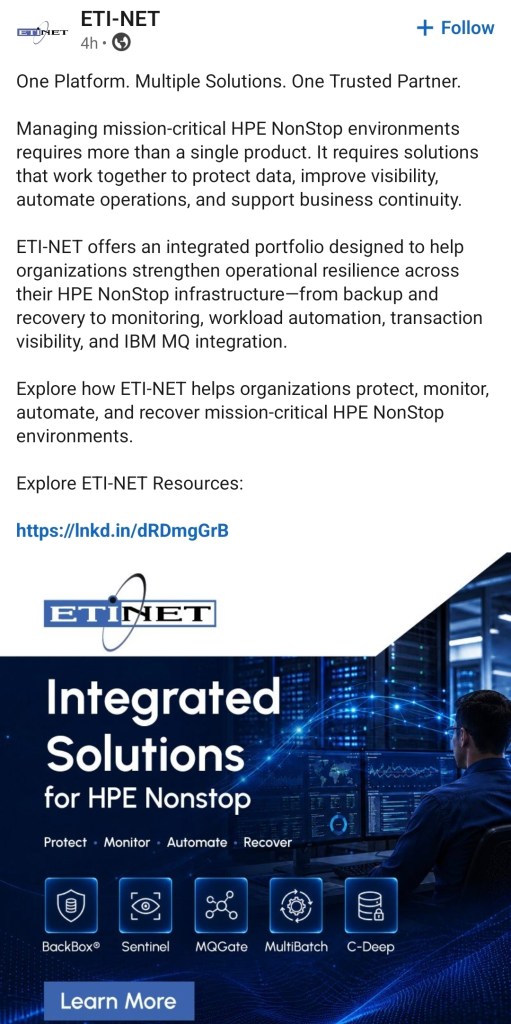
C-Deep for Transaction Monitoring & Sentinel for HPE NonStop Monitoring

MVP, Minimum Viable Product in Project Management

MVP, Minimum Viable Product in Project Management

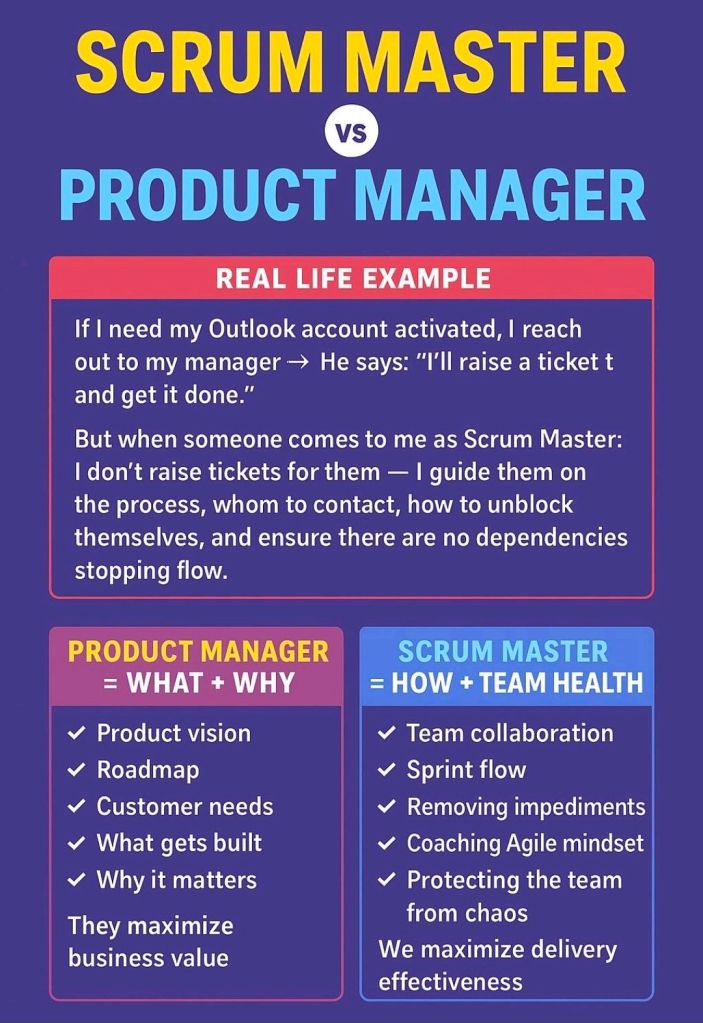
Agile Scrum Master vs Product Manager

Agile Scrum Master vs Product Manager

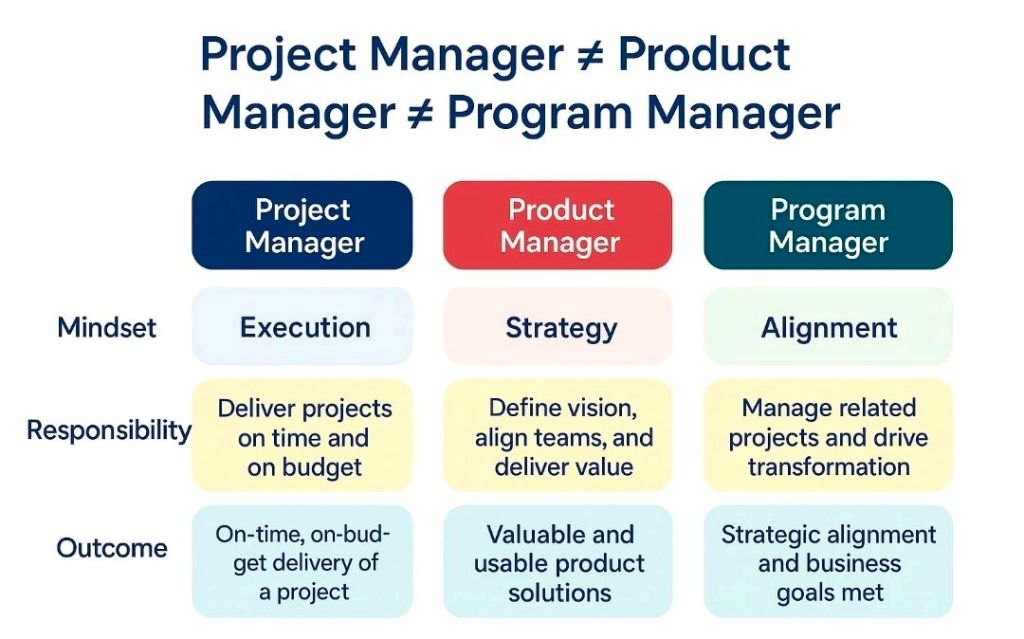
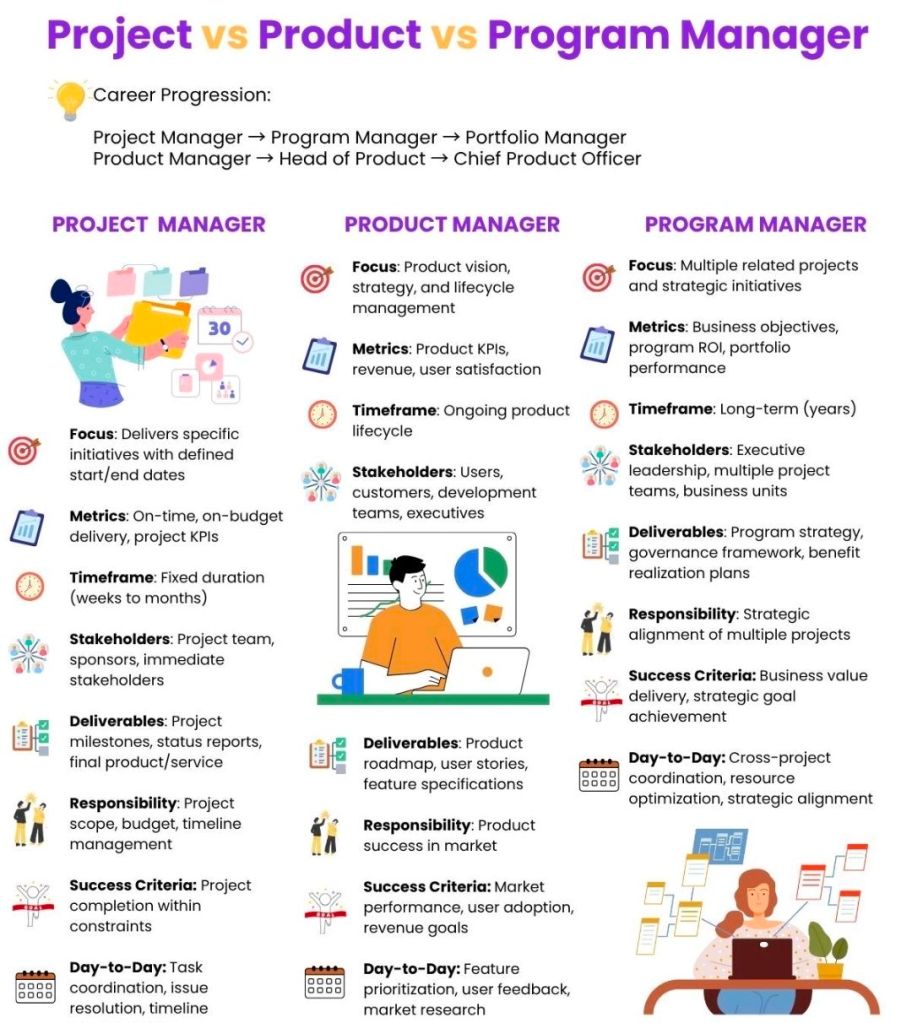
Project vs Product vs Program Manager

Project vs Product vs Program Manager

Project vs Product vs Program Manager

Project vs Product vs Program Manager

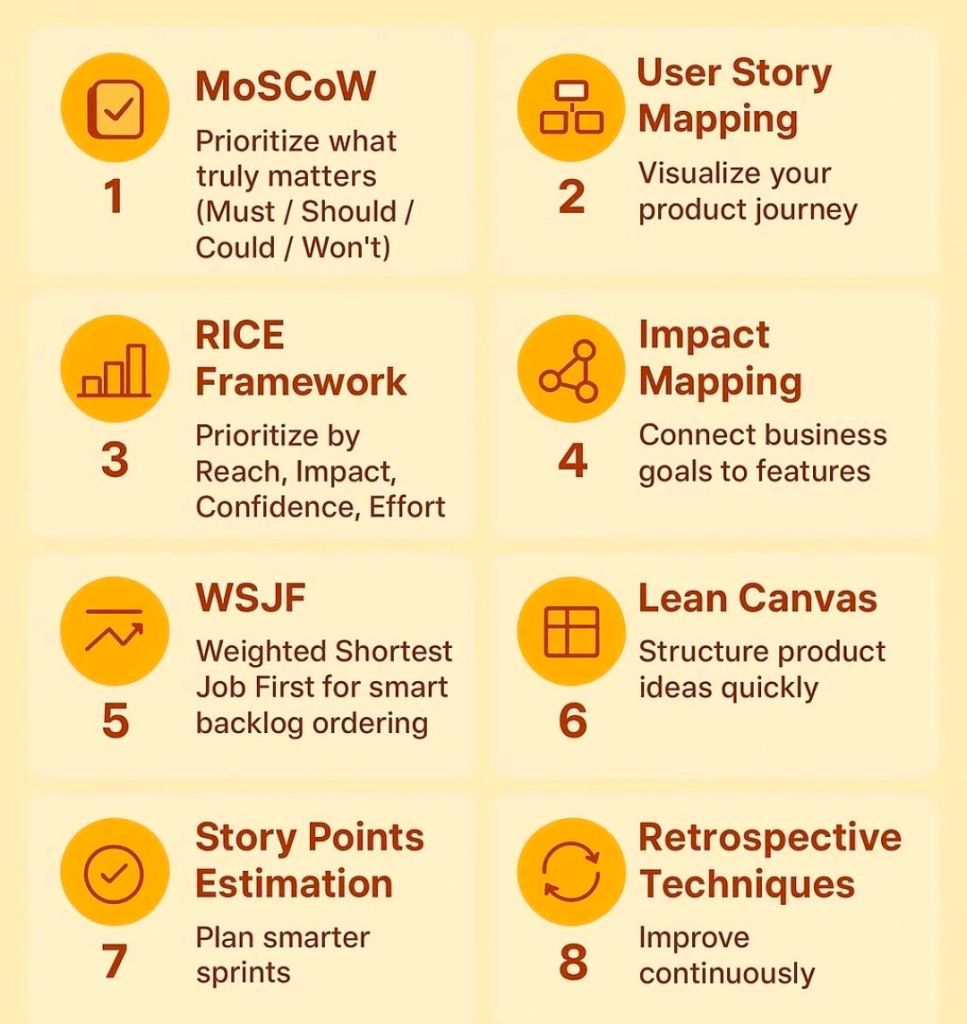
8 tools for product owners…

8 tools for product owners…

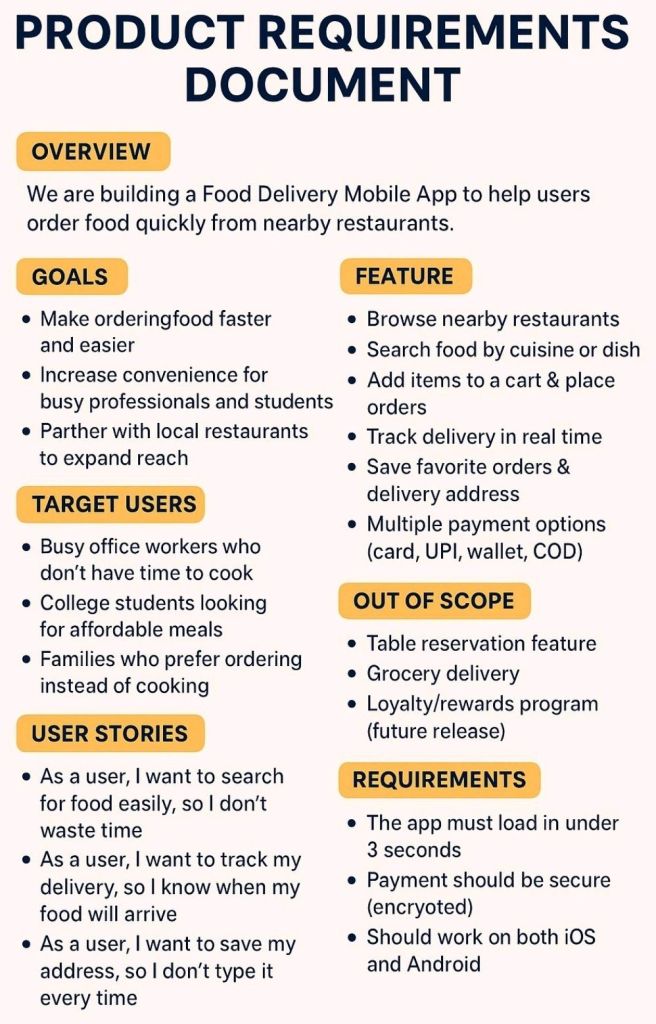
PRD – Product Requirements Document

PRD – Product Requirements Document

Agile Product Backlog

Agile Product Backlog

Product Owner mistakes

Product Owner mistakes

Agile Backlog Refinement in Scrum

Agile Backlog Refinement in Scrum

Project, Programme & Product Manager roles summarised…