

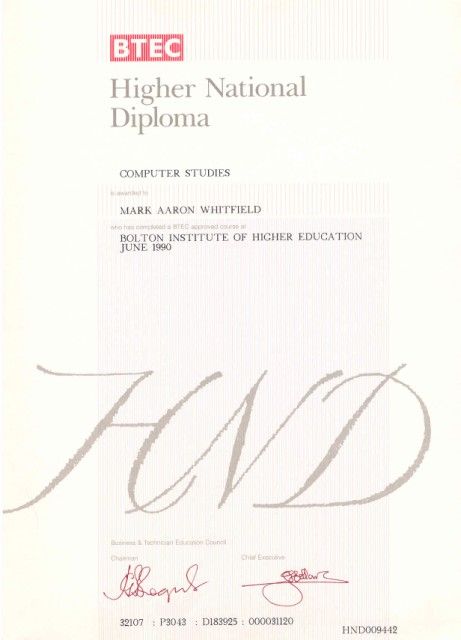
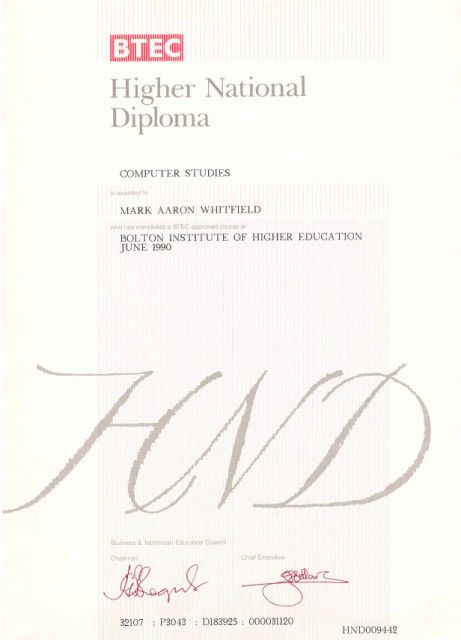
Mark Whitfield is a highly experienced IT Senior Project Manager and Engagement Manager based in Manchester, UK, specializing in Agile Scrum, PRINCE2, and Waterfall methodologies. He holds a degree in Computing (1990) and has extensive experience in IT hardware solutions, financial services, and Aerospace & Defence.
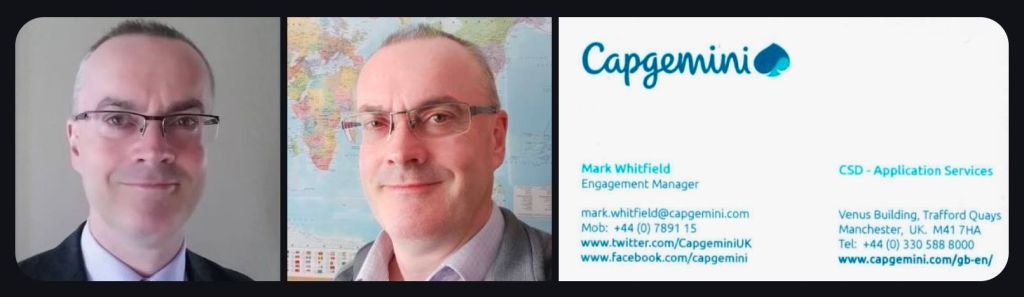
Here is a comprehensive summary of his profile, with links based on the provided search data:
Professional Profile
- Name: Mark Whitfield
- Role: IT Senior Project Manager / Engagement Manager (SC Cleared)
- Key Skills: Agile Scrum, PRINCE2, ITIL, Financial Forecasting, Stakeholder Management, Technical Initiative Leadership.
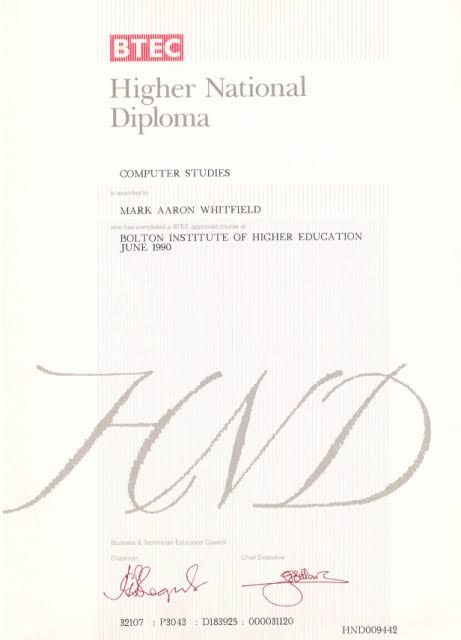
- Education: Computing (Graduated 1990).
Comprehensive Career History
- Capgemini UK (Jan 2016 – Present): SC Cleared Engagement Manager (A8) in Custom Bespoke Solutions.
- Recent Experience: Project Manager for a UK-wide Air Traffic organisation, delivering new Apple iOS Apps for military and public use.
- Betfred Limited (Dec 2014 – Jan 2016): IT Senior Digital Project Manager, Online and Mobile Division.
- Wincor Nixdorf Limited (Sep 2013 – Dec 2014): Project Manager, Professional Services – Banking Division.
- Key Project: Managed a £5+ million project replacing legacy HP NonStop software systems with AIX-based J2EE/Oracle technologies for a major UK bank.
- Reflex / Insider Technologies (Aug 1995 – Sep 2013): Project Manager – Strategic Technical Initiatives.
- eFunds (1994 – 1995): Lead Analyst.
Certifications & Training
- Cloud & Project Management: AZ-900 Microsoft Certified Azure Fundamentals (2022), Advanced Engagement Management (2017), Registered PRINCE2 Practitioner (2011).
- Agile: Agile SCRUM Training (2011).
- Technical: TANDEM Performance Analysis (1995), C++ for Non-C Programmers (1997), Querying MS SQL 2000 (2009).
Awards
- C&CA UK’s Communications & Engagement Award Winner – Cloud & Custom Applications (Capgemini UK, Dec 2022).
- Project Recognition Award – Wincor Nixdorf (Retail Banking Project).
Web Presence & Documents
- Main Website: mark-whitfield.com
- Recent Experience Details: mark-whitfield.com/about/recent-experience/
- Career Timeline: mark-whitfield.com/career/
- Certificates: mark-whitfield.com/about/certificates/
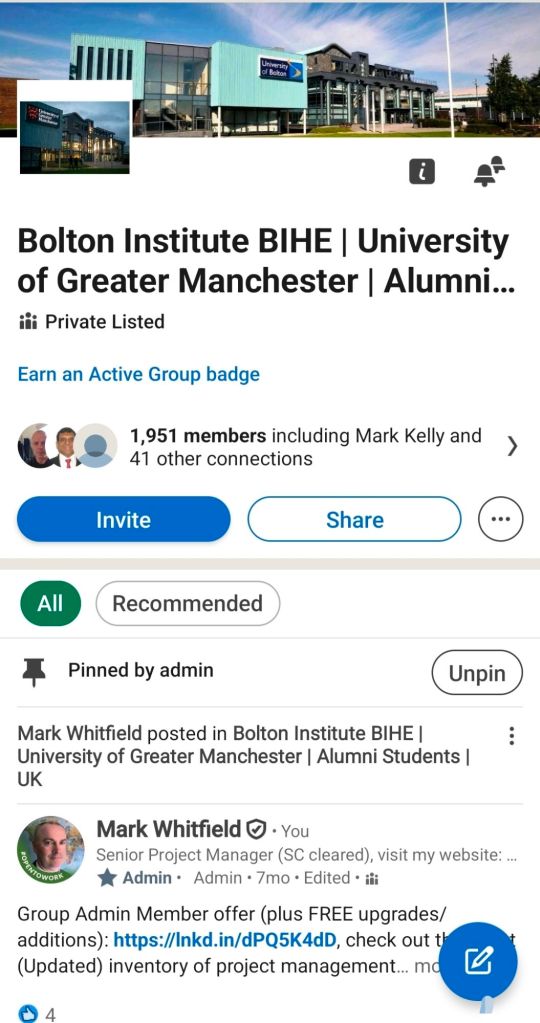
- LinkedIn: uk.linkedin.com/in/mark-whitfield-94a8038b
Mark Whitfield, Senior IT Project Manager
By era;
Mark Whitfield is a highly experienced IT Project Manager, Senior Developer, and SC-cleared consultant with over 30 years of experience, specializing in HP NonStop (Tandem) systems, banking software, and digital transformation projects. He is currently an Engagement Project Manager at Capgemini.
Career Overview
- Specialism: HP NonStop (Tandem) mainframes, BASE24, transaction monitoring, Agile/Waterfall methodologies.
- Key Industries: Financial services, electronic banking, government, automotive, aerospace.
- Core Competencies: Software development (C, C++, COBOL, TAL), Project Management (PRINCE2 Practitioner, Scrum), Pre-sales technical consultancy.
Career Timeline by Era and Year
1. The Foundation & Tandem Era (1990–1995)
- 1990: Graduated in Computing and started as a Programmer for The Software Partnership in Runcorn, specializing in sp/ARCHITECT-BANK on Tandem Computers.
- 1990-1994: Developed banking code for TSB, Bank of Scotland, Rabobank, and Girofon (Denmark).
- 1992: Worked on the Barclays Business Master II (BBM II) project in Knutsford.
- 1994: Company taken over by Deluxe Data (later FIS).
2. Insider Technologies & Monitoring Era (1995–2013)
- 1995–2013: Joined Insider Technologies Ltd as a Senior Development Engineer and Project Manager.
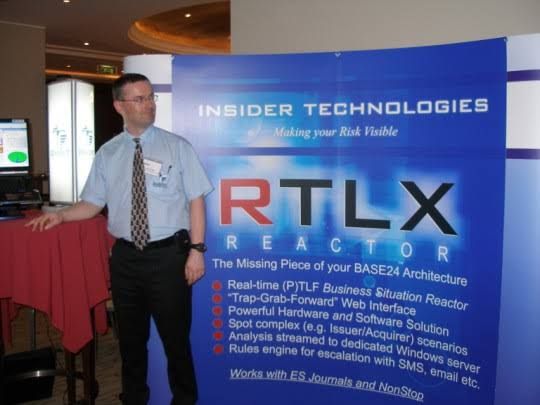
- 1995-2004: Developed monitoring/diagnostic software (Reflex 80:20, Reflex ONE24) for HP NonStop payment systems.
- 1997: Worked on projects for CRESTCo.
- Early 2000s: Focused on HP NonStop transaction/payment monitoring for ATM/POS devices using ACI’s XPNET.
- 2005-2013: Managed first HP OpenView Operations Smart Plug-In certification for NonStop; designed XPERT24.
- 2011: Certified as a PRINCE2 Practitioner.
3. Banking Transformation & Consultancy Era (2013–2016)
- 2013–2014: Wincor Nixdorf UK – Worked as a Project Manager in Professional Services for the Banking Division.
- 2013-2014: Assigned to Lloyds Banking Group (LBG) for the Self-Service Software Replacement (SSSR) program (ATM estate upgrade).
- 2014–2016: Joined Betfred as an IT Project Manager in the gambling/casinos industry, delivering mobile/online payment gateways (iOS, Android).
4. Digital Transformation & Capgemini Era (2016–Present)
- 2016: Joined Capgemini UK as a client-facing Engagement Manager.
- 2016-2017: Led digital projects for automotive, local government, and aerospace sectors.
- 2017: Obtained Microsoft Excel Expert skills and Advanced Engagement Management certifications.
- 2018–2019: Augmented into MuleSoft as a Delivery Manager for the Anypoint Platform.
- 2022: Completed Microsoft Azure Fundamentals (AZ-900) certification.
- 2023–2024: Assigned to a UK Government account for a cloud migration of 130+ applications and the Fish Export Service (FES) project.
Key Qualifications
- PRINCE2 Practitioner & Agile Scrum
- ITIL Certified
- SC Cleared (UK Government)
- Technical Skills: C, C++, MS SQL, COBOL, TAL, Java, ASP.NET, HP NonStop










 PROject Templates