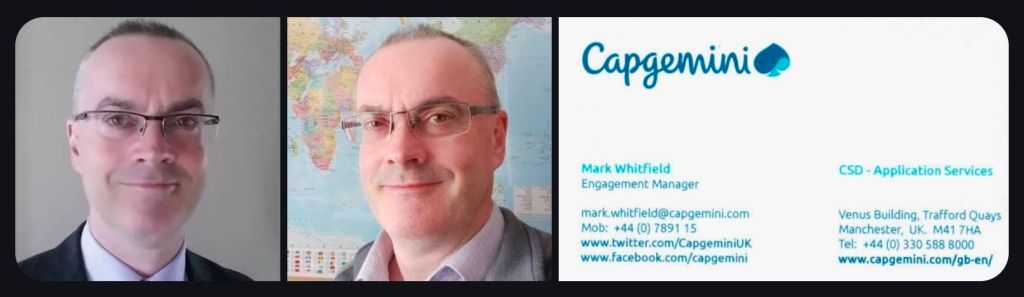
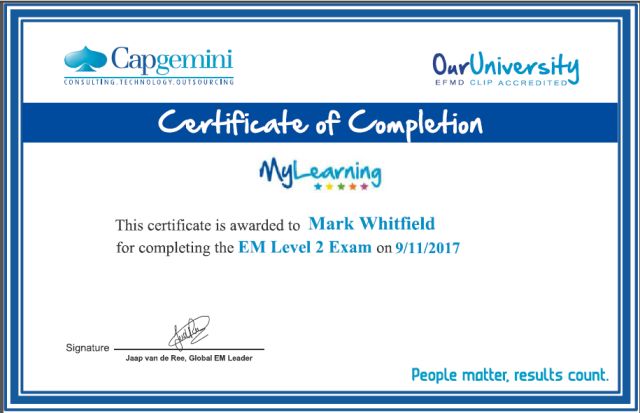
You can review or download the targeted, one-page CV for Mark Whitfield (Senior Project Manager specializing in HPE NonStop systems) via the Mark Whitfield CV PDF link.
Mark Whitfield, High-Level Project Management Summary
The high-level, scannable overview of his professional profile is outlined below:
Executive Profile
Role: IT Senior Project Manager / Delivery Lead
Background:30+ years of experience delivering highly complex technology, business transformation, and infrastructure projects.
Core Skills: Cloud migration (hybrid), legacy ATM software modernisation, Point of Sale (POS) implementations, and software development lifecycles (SDLC).
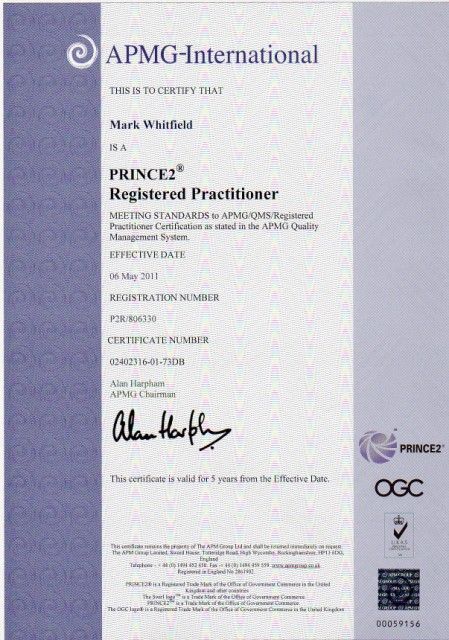
Methodologies: Agile, Waterfall, PRINCE2 Practitioner, and ITIL certified.
Core Expertise & Competencies
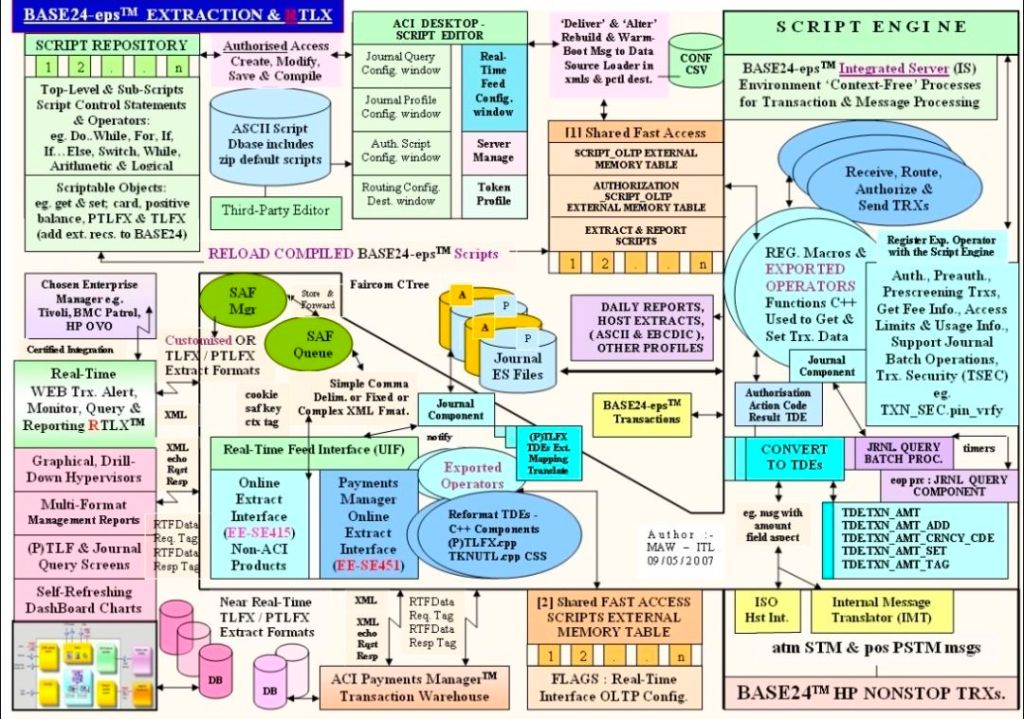
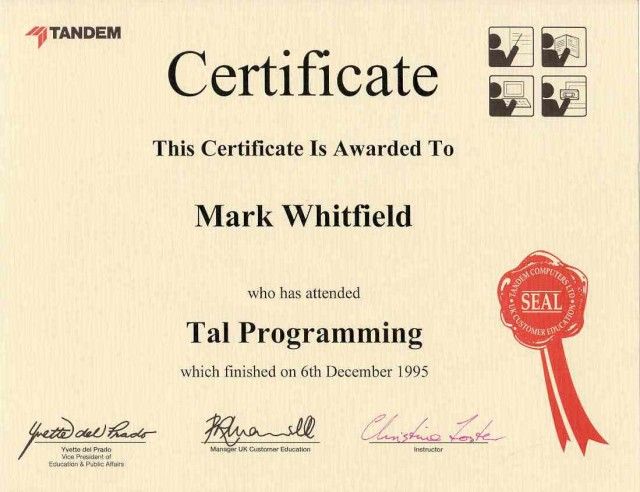
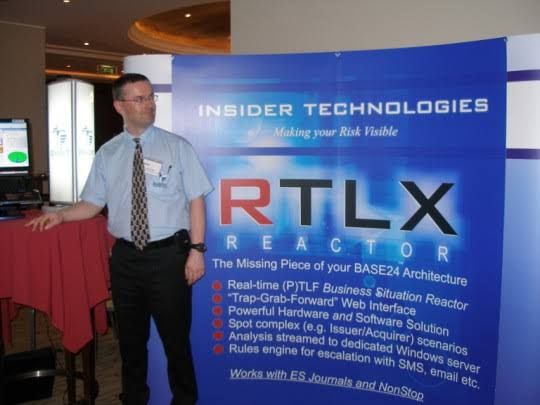
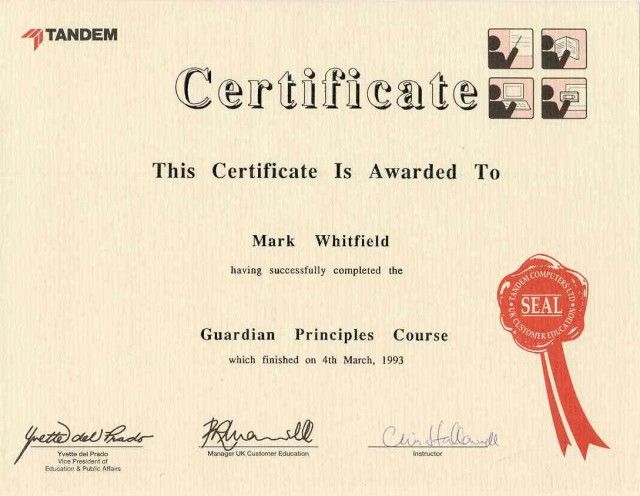
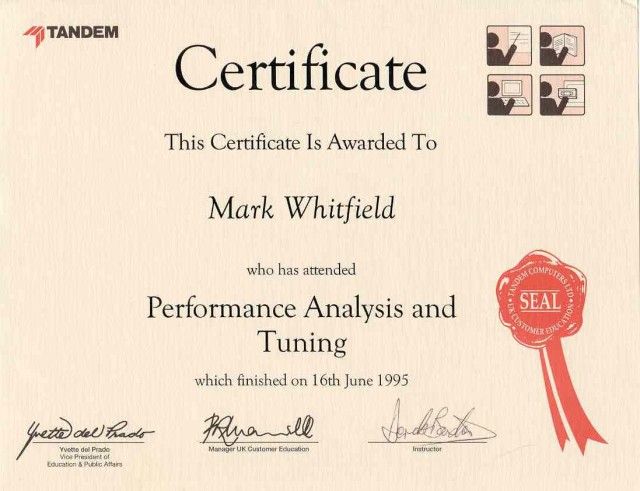
HP NonStop & Legacy Integration: Deep technical roots in Tandem Computers/ HPE NonStop development, TAL programming, and high-volume transaction environments.
Global Delivery: Managed large-scale IT and system monitoring rollouts across the UK and international markets (e.g., Saudi Arabia).
Stakeholder Management: Experienced in bridging the gap between highly technical development teams and high-level business stakeholders.
For direct access to his official templates, articles, and full professional journey, you can visit the PROject Templates Website.
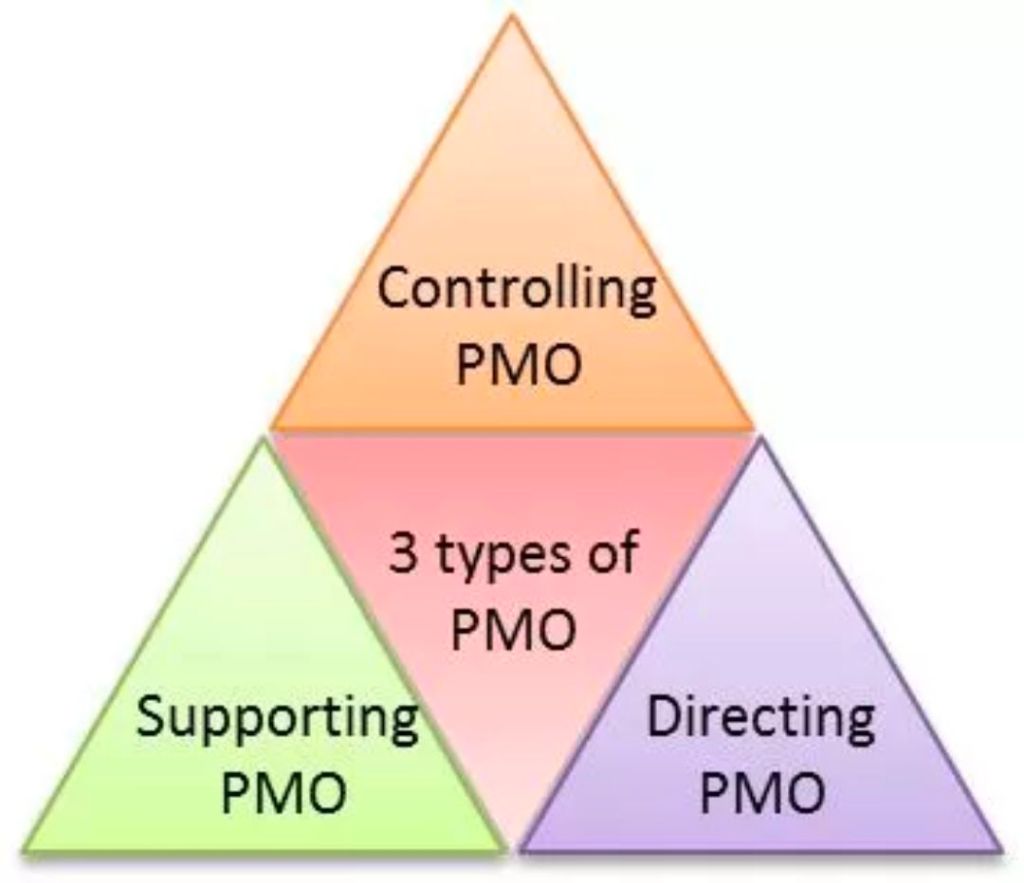
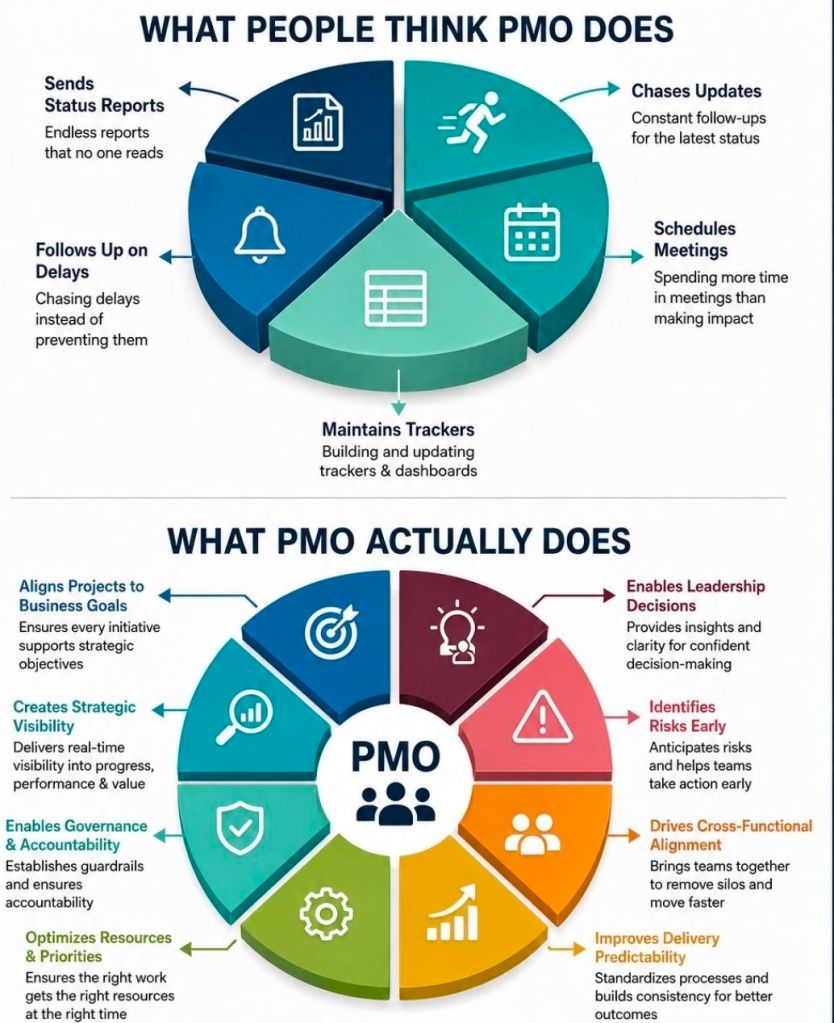
Project Management Office (PMO) models dictate the structure, control level, and strategic focus of a PMO within an organization. The most common frameworks break down into three primary operational types, alongside broader structural and strategic classifications that define how governance is applied.
Project Management Office (PMO) models overview
1. Operational Models (By Control Level)
These models define how the PMO interacts with project teams and enforces standards.
Supportive PMO: Acts as an advisory entity. It provides templates, best practices, training, and tools on demand, but has no direct control or authority over project execution. Best for: Organizations with a decentralized, highly autonomous culture.
Controlling PMO: Enforces strict governance, standardizes methodologies, and ensures compliance across all initiatives. It provides more than advice and actively verifies adherence, but typically relies on established escalation paths rather than direct authority. Best for: Organizations that need consistency and reduced risk.
Directive PMO: Assumes full control and direct ownership of projects. The PMO assigns project managers, directs resources, and takes total responsibility for execution, timelines, and outcomes. Best for: Complex or mission-critical projects requiring rigid governance.
2. Structural Models (By Scope & Placement)
These classifications indicate where the PMO sits and its organizational reach.
Enterprise PMO (EPMO): Operates at the highest organizational level, overseeing the entire project portfolio. It ensures all programs directly align with overarching corporate business objectives and strategy.
Departmental/Divisional PMO: Supports specific business units (such as IT, Marketing, or Engineering). It is highly tailored to the specialized needs of that function, though it runs the risk of creating siloed practices.
Embedded or Project-Specific PMO: A temporary model dedicated to one large, highly complex, or mission-critical project or program. It lasts for the duration of the project and then disbands or reallocates.
3. Advanced / Strategic Models (By Focus)
Modern organizations often adapt the PMO to focus on high-level value rather than just tracking timelines.
Center of Excellence (CoE): Focuses heavily on continuously elevating the organization’s project management maturity. It acts as an innovation hub for methodologies, technology evaluation, and skill-building.
Value Management Office (VMO): Focuses entirely on benefits realization and return on investment (ROI). Rather than just asking “are we on time?”, it asks “is this project generating the business value we wanted?”
A Project Management Office (PMO) is a centralized department within an organization tasked with standardizing project management processes, enforcing governance, and aligning projects with strategic business goals. Its primary mission is to optimize resource utilization, mitigate risks across the portfolio, and improve the overall success rate of projects.
The core responsibilities of a PMO vary based on its organizational maturity and type (Supportive, Controlling, or Directive), but generally span five major domains:
1. Governance and Standardisation
Developing Methodologies: Establishing uniform frameworks, processes, and project management methodologies (such as Agile, Waterfall, or hybrid models) across all departments.
Creating Templates: Developing standard documentation, templates, and tools to ensure consistency in project initiation, tracking, and reporting.
Conducting Audits: Monitoring compliance with established standards through health checks and project reviews to identify and correct process deviations.
2. Strategic Portfolio Management
Strategic Alignment: Ensuring every project investment directly supports the organization’s high-level strategy and long-term business goals.
Project Prioritization: Evaluating incoming project proposals and business cases to prioritize high-value initiatives while deferring or canceling low-priority options.
Benefits Realization: Tracking and measuring project outcomes to ensure that completed deliverables provide the expected economic or structural value to the company.
3. Monitoring, Tracking, and Reporting
Performance Reporting: Collecting and analyzing performance metrics via dashboards to provide regular progress updates to senior executives and stakeholders.
Dependency Management: Tracking cross-project dependencies, scheduling overlaps, and potential bottlenecks to prevent organizational conflicts.
Risk Management: Identifying systemic risks and early-warning signs of failing projects to trigger timely interventions or escalation protocols.
4. Resource and Capacity Management
Resource Optimization: Coordinating the allocation and utilization of personnel, skill sets, and budgets across the entire project portfolio.
Capacity Planning: Assisting line managers with strategic capacity planning to identify talent gaps, prevent team burnout, and support hiring decisions.
Effort Estimation Support: Providing historical data and expert insights to help project teams produce accurate cost and time estimates.
5. Training and Knowledge Management
Mentorship and Coaching: Providing regular guidance, professional coaching, and continuous support to project managers and their delivery teams.
Skills Development: Organizing training sessions and educational paths on core project management practices, specialized software, and new industry standards.
Lessons Learned Repository: Maintaining a centralized repository of project documentation, historical metrics, and post-project reviews to drive continuous organizational learning.
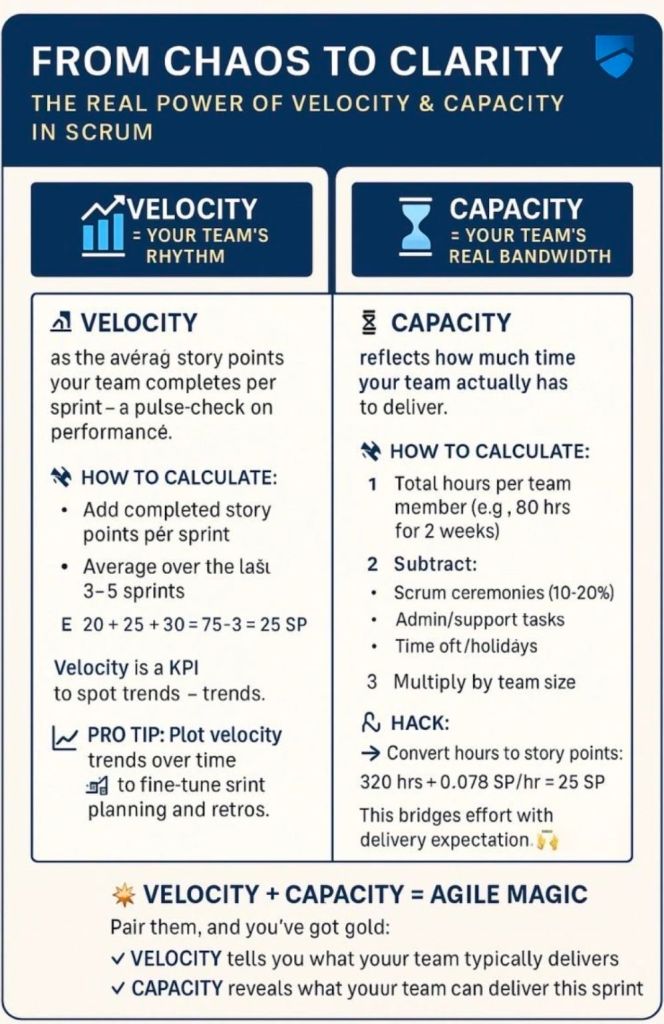
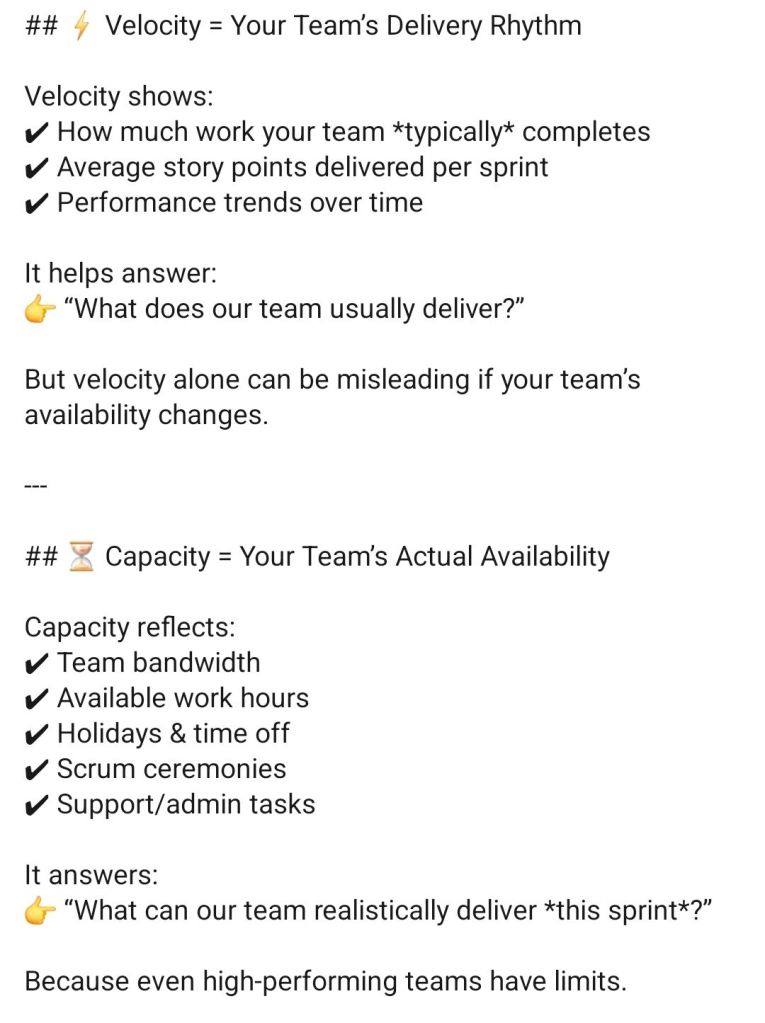
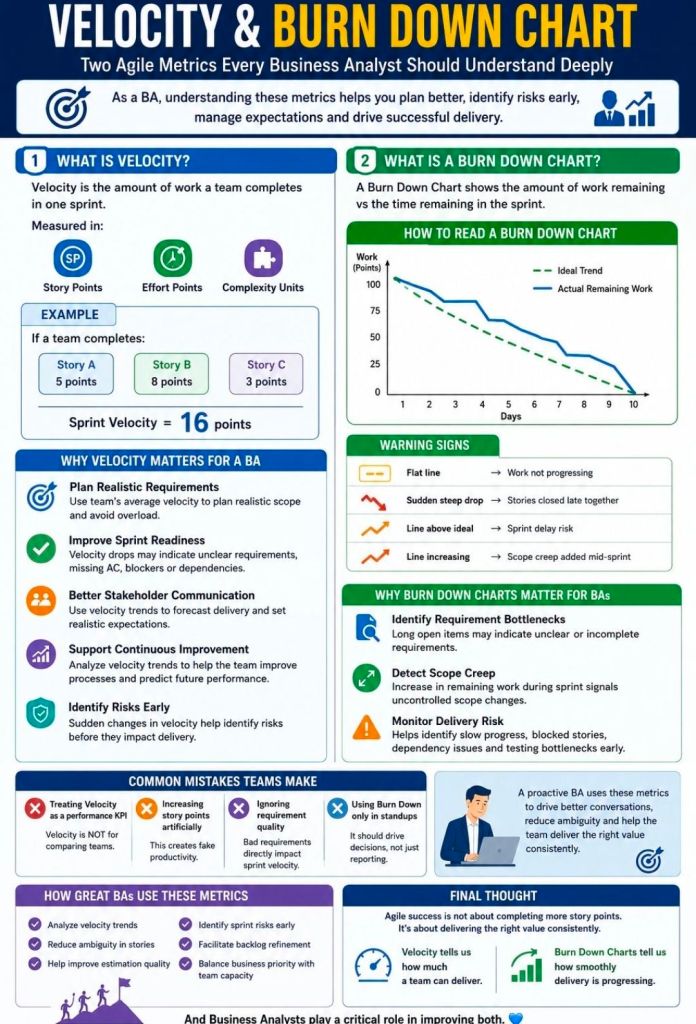
Scrum velocity and burndown charts are essential agile metrics used to measure team capacity and track progress. Velocity measures the average story points completed over past sprints to forecast future capacity. Burndown charts visually represent the remaining work daily, highlighting if the team is on track to meet sprint goals.
Scrum Velocity
Definition: The amount of work (usually in story points or hours) a team completes in a single sprint.
Purpose: Helps forecast team capacity for future sprints and promotes sustainable pace.
Calculation: Sum of story points for all “Done” items at the end of a sprint.
Best Practice: Average velocity over 3–5 sprints provides a more accurate, stable forecast.
Burndown Chart
Definition: A graph showing the amount of work remaining versus time (days) in a sprint.
Components:
Ideal Work Line: A straight line showing the projected pace to complete work.
Actual Work Line: A line plotting daily completed work against the ideal line.
Purpose: Provides daily visibility into progress and detects risks early (e.g., if the line is above the ideal, the team is behind).
Types: Sprint Burndown (short term) vs. Release/Product Burndown (long term).
Key Differences
Velocity is a planning metric looking at historical performance.
Burndown is a monitoring tool looking at current progress.
Common Pitfalls
Velocity: Treating velocity as a productivity metric (it is a capacity planning metric) or comparing it between teams.
Burndown: Using “manual updates” rather than automated tools, leading to inaccurate data.
Both: Neglecting to refine user stories, which makes velocity unpredictable and burndowns inaccurate.
Mark Whitfield is a highly experienced Senior IT Project Manager based in Manchester, UK, with over 31 years of experience in the IT industry specializing in both Agile and Waterfall methodologies. He holds SC clearance (valid until 2031) and has a strong technical background in banking and digital project delivery, including experience as a developer in software development lifecycles (SDLC).
Mark Whitfield is a highly experienced Senior IT Project Manager based in Manchester
Professional Biography
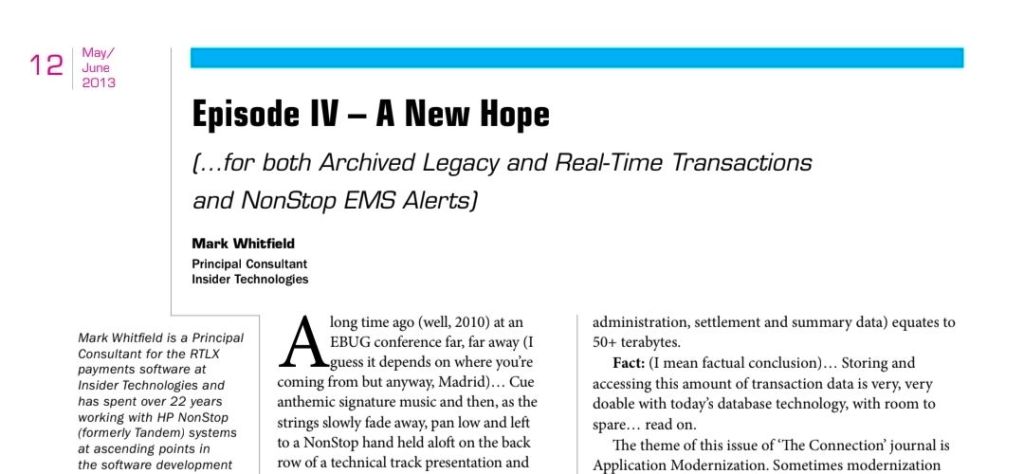
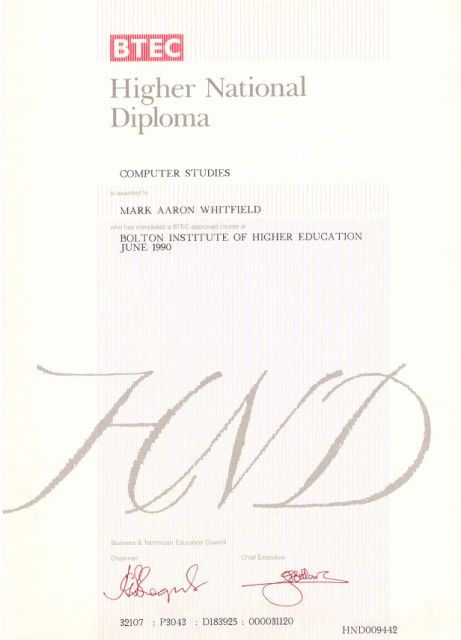
After graduating in Computing in 1990, Mark began his career as a programmer specializing in Electronic Banking software on Tandem Mainframe Computers (HPE NonStop). He spent five years coding in COBOL85 and NonStop SQL for banking clients before transitioning into project management.
Mark has operated as a Senior IT Project Manager for over two decades, delivering complex projects for major blue-chip clients, including Jaguar Landrover, Heathrow, Royal Mail Group, and various financial institutions. He currently provides project management templates based on his extensive experience via his website, PROject Templates.
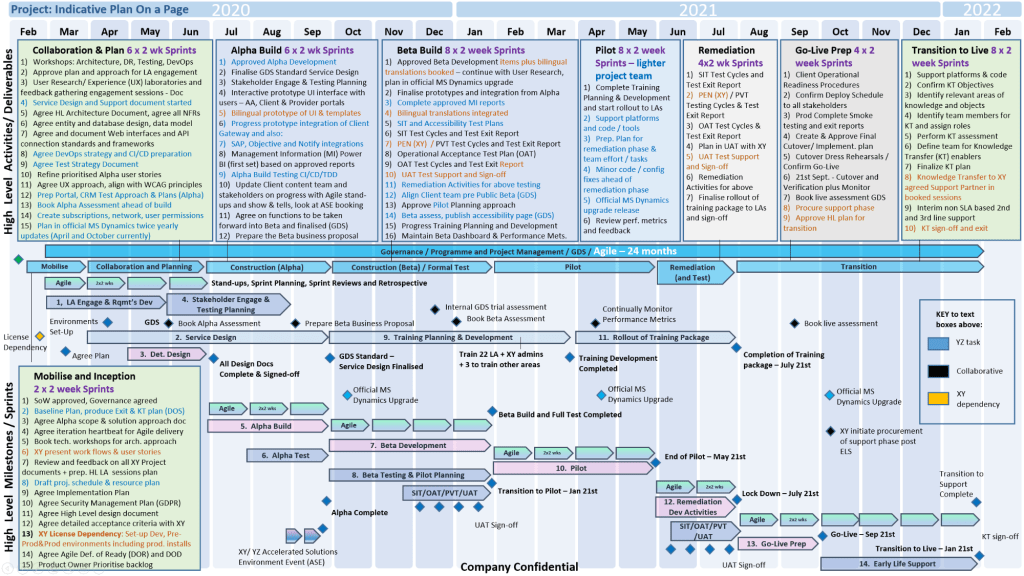
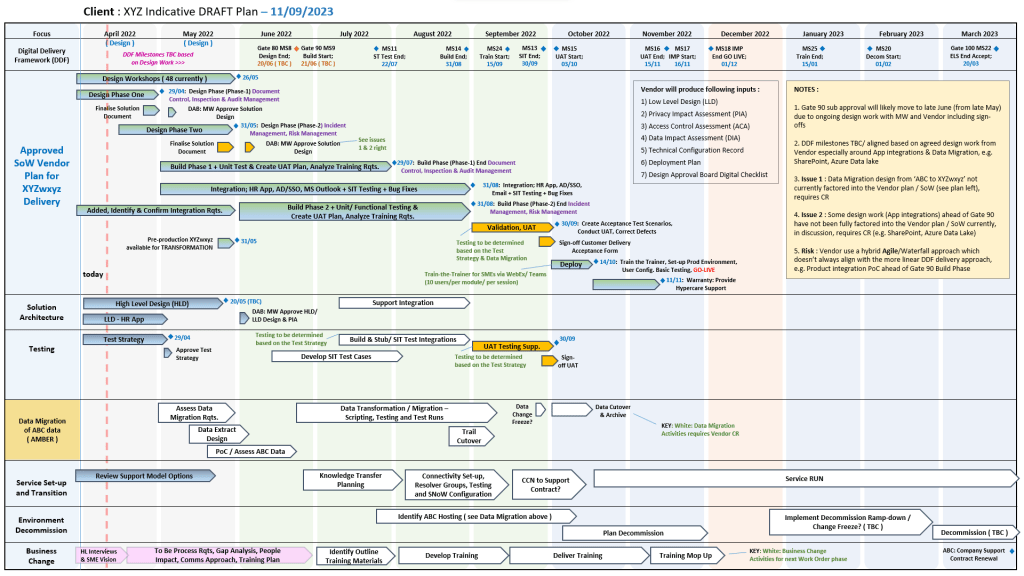
Example POaP Plan On a Page templates by Mark Whitfield
Projects: Delivered Waterfall and Agile digital projects for automotive, local regional government (LRG), postal services, and aerospace & defence sectors.
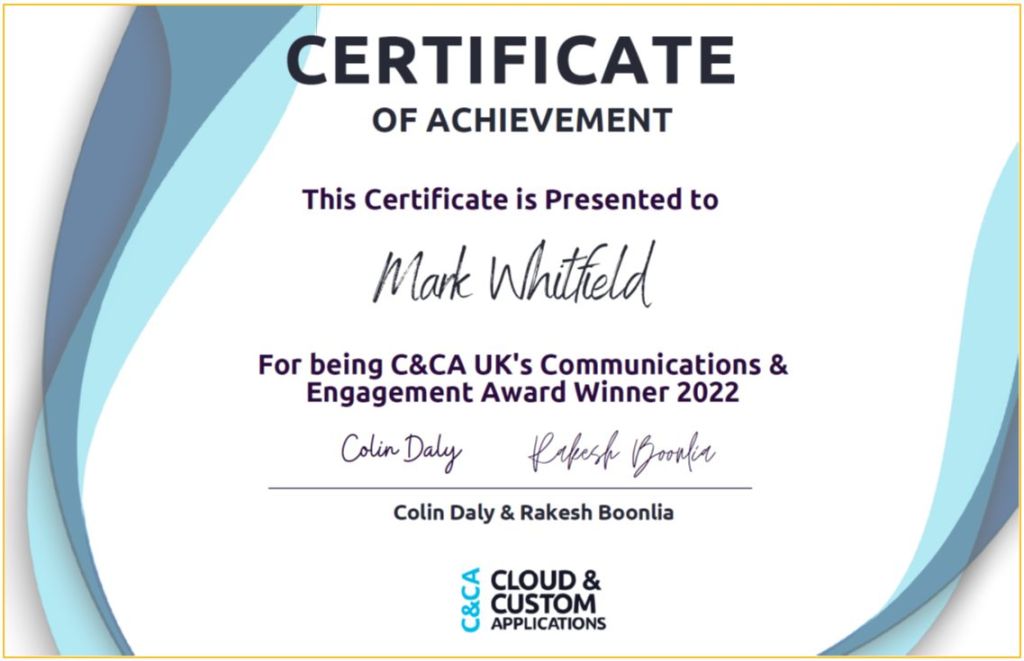
C&CA UK’s Communications & Engagement Award Winner 2022
Betfred (Late 2014 – Jan 2016)
Role: Senior IT Project Manager.
Projects: Managed mobile and online gambling/casino projects, including payment gateways, sportsbook, and virtual gaming using Agile SCRUM.
Wincor Nixdorf (Sept 2013 – Late 2014)
Role: Agile IT PM, Professional Services – Banking Division.
Projects: Managed ATM software delivery (Wincor Nixdorf work stream >£5M) for Lloyds Banking Group/Halifax.