Augmented into MuleSoft as a Delivery Manager 2018 – 2019

During his tenure as a client-facing Engagement Manager for Capgemini UK, Senior IT Project Manager Mark Whitfield was augmented directly into MuleSoft (a Salesforce company) as a Delivery Manager from October 2018 to June 2019.

Operating out of MuleSoft’s London headquarters in the Salesforce Tower, his role mirrored that of a Programme Manager. He aligned client project plans with MuleSoft’s structured delivery frameworks to establish self-sufficient integration capabilities.

MuleSoft's London office is located within the Salesforce Tower (formerly known as Heron Tower) at 110 Bishopsgate.
MuleSoft’s London office is located within the Salesforce Tower at 110 Bishopsgate

The focus areas of his augmentation, the Outcome Based Delivery (OBD) / Centre for Enablement (C4E) framework, and the enterprise clients he managed are detailed below.

📋 Overview of MuleSoft Delivery Manager Augmentation

  • Role Alignment: Linked directly with client-side Project/Programme Managers to align execution timelines with MuleSoft’s implementation standards.
  • Resource Tracking: Monitored MuleSoft partner and consultant efforts, project costs, and timelines against statements of work (SOW).
  • Risk Management: Owned and tracked client-side OBD risks, assumptions, issues, and dependencies via specialized OBD RAIDs logs.
  • Agile Integration: Facilitated the prioritization and assignment of integration tasks into Agile Sprints or structured Waterfall milestones.

🏛️ C4E & OBD Focus Areas

MuleSoft’s Outcome Based Delivery (OBD) framework is built across three primary streams—Business Outcomes, Technology Delivery, and Organisational Enablement—specifically engineered to build a functional client-side Centre for Enablement (C4E).

Whitfield’s delivery focus focused heavily on Organisational Enablement:

  1. Operating Model Setup: Establishing the foundational C4E operating model and internal technical support structures.
  2. Asset Architecture: Guiding teams to build, govern, and publish reusable foundational assets and APIs on the Anypoint Platform.
  3. Capability Assessment: Assessing the client’s existing software integration maturities to benchmark project targets.
  4. Staffing & Training: Creating comprehensive training, onboarding, and experiential learning pathways to upskill client IT and business personnel.
  5. C4E Evangelisation: Promoting self-serve materials and governance guidance across the broader enterprise to eliminate reliance on external MuleSoft SMEs.

🏢 MuleSoft Ecosystem & Enterprise Clients Managed

As part of his broader Capgemini UK Consultancy footprint and his direct MuleSoft delivery assignment, Whitfield spearheaded cross-functional integration deployments for multiple blue-chip, public sector, and utility accounts across the UK:

  • MuleSoft Accounts: Managed complex software delivery accounts spanning the UK Utility, Accounting, and Recruitment industries during his direct augmentation.
  • Automotive Integration: Directed the Jaguar Land Rover (JLR) iFAB Middleware Project, coordinating multi-vendor supply chain data pipelines.
  • Aviation & Logistics: Managed enterprise architecture environments for major infrastructure clients including Heathrow Airport, Royal Mail Group (RMG), and NATS (National Air Traffic Services).
  • Public Sector & Utilities: Guided digital transformation frameworks for UK Government Agencies, UK Export Finance (UKEF), and water utilities like Welsh Water.
  • Financial Services: Handled integration and core enterprise ecosystems for banking giants such as Barclays, Rabobank, and Lloyds Banking Group (LBG).
Academic background and Formal training

Mark Whitfield, a senior, SC-cleared IT Project Manager based in Manchester, UK, holds a robust foundational education in computer studies combined with extensive professional methodologies and technical certifications.

Spanning over three decades, his academic background and formal training bridge deep technical software engineering with enterprise-level project delivery.

The comprehensive breakdown of his higher education and professional training is structured below:

🎓 Higher Education & Academic Foundations

Mark Whitfield established his technical roots between 1988 and 1990 at the Bolton Institute of Higher Education (BIHE) (now the University of Bolton). He achieved a Distinction and was ranked first in his cohort for the BTEC Higher National Diploma (HND) in Computer Studies, completing modules in system analysis, programming methodology, data processing, and business information systems.


💼 Professional Delivery & Methodology Training

As an enterprise delivery lead, Whitfield is certified in key frameworks to manage hybrid cloud migrations and digital transformations.

  • PRINCE2 Practitioner: Certified for structured project governance, stage-gate management, and risk frameworks.
  • Agile SCRUM: Trained in managing Scrum ceremonies, sprints, and velocity tracking.
  • ITIL Framework: Certified in IT Service Management (ITSM) for aligning IT with business needs.
  • Capgemini Engagement Management: Completed the advanced program at the Capgemini Campus (Chantilly, France) for managing stakeholder relationships and project finances.

🛠️ Technical & Software Engineering Training

His background includes early-career training in low-level programming and infrastructure management including:

  • HPE NonStop (Tandem Mainframes): Specialized in TAL (Transaction Application Language) programming for high-volume banking systems.
  • Microsoft Technology Stack: Trained in ASP.NET development, SQL Server/T-SQL, and project scheduling tools.
  • Cybersecurity & Infrastructure: Trained in Thales e-SECURITY, cryptographic systems, and C/C++ development.

🛠️ Project Management Toolkit Author

Leveraging this background, he authors PROject Templates, offering over 200 editable resources covering Agile, Waterfall, and PRINCE2 7th Edition methodologies.

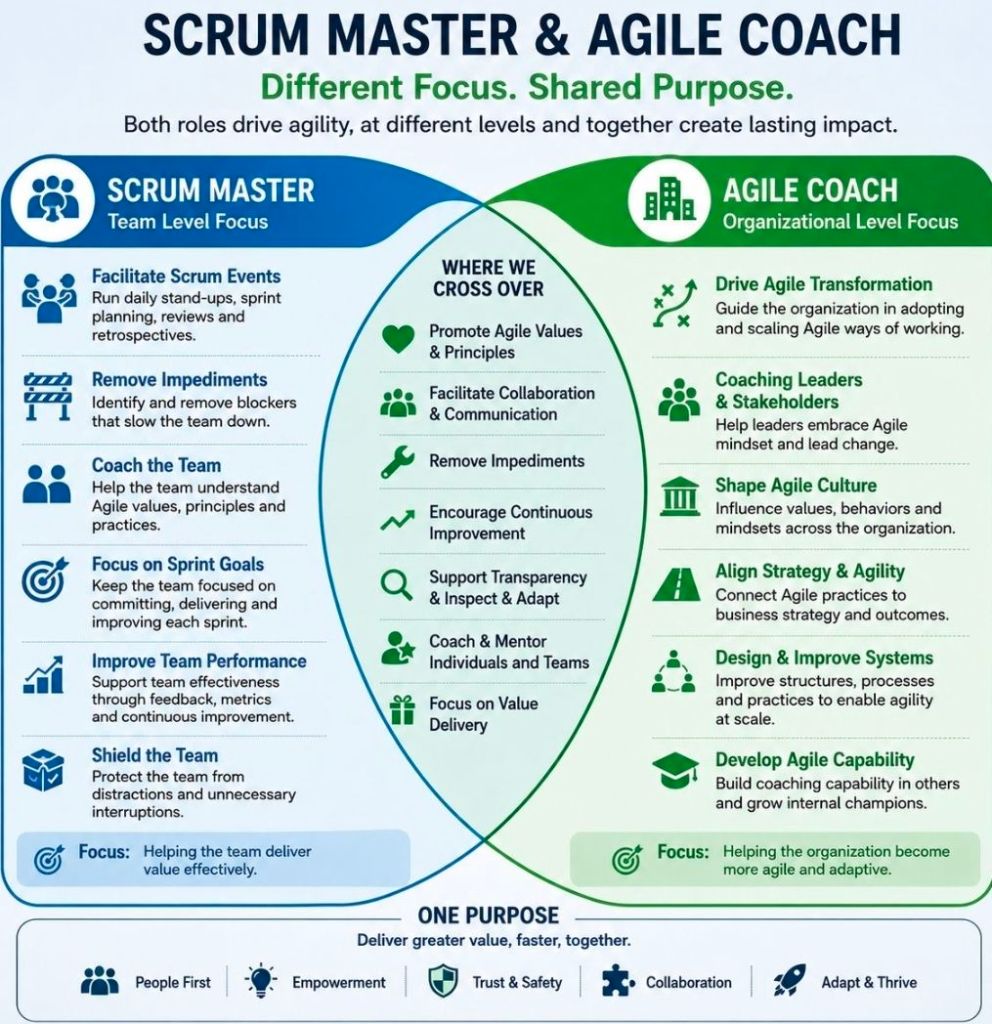
Scrum Master & Agile Coach

Scrum Master & Agile Coach

Mark Whitfield @ Wincor Nixdorf – Timeline of technical focus areas

During his tenure as an IT Project Manager at Wincor Nixdorf (Banking Division) from 2013 to 2014, Mark Whitfield focused on large-scale retail banking software modernisation and multi-vendor hardware migrations.

He spearheaded a £5+ million workstream on-site for Lloyds Banking Group (LBG) as part of their Self-Service Software Replacement (SSSR) programme.

The focus areas and technical outputs of his work during this era are detailed below.

🏛️ Era Focus Areas (2013–2014)

  • Legacy ATM Modernisation: Managing the transition of core banking infrastructure away from legacy terminal systems to prevent service outages and meet stricter post-2008 operational risk regulations.
  • Multi-Vendor Integration: Directing complex hardware and software integration streams to ensure Wincor Nixdorf solutions successfully paired with third-party banking frameworks.
  • International Technical Liaison: Acting as a qualified management link between the local UK delivery teams and Wincor Nixdorf’s central engineering base in Paderborn, Germany, for advanced subject matter expertise.
  • Methodology Pivot: Implementing project governance frameworks that bridged strict PRINCE2 Waterfall structures with Agile Scrum delivery models.

💻 Technical Outputs

  • ATM Terminal Driving Migration: Transferred critical automated teller machine (ATM) driving responsibilities away from legacy BASE24 Classic running on HPE NonStop mainframes over to Wincor’s ProClassic Enterprise (PC/E) product suite deployed on an AIX platform.
  • OS Lifecycle Upgrades: Successfully planned and executed the infrastructure upgrade of the Lloyds Banking Group ATM hardware estate from the end-of-life Windows XP operating system to Windows 7.
  • Database & Platform Architecture: Delivered backend systems alignment leveraging Oracle databases integrated across distributed UNIX/AIX environments.

Mark Whitfield @ Betfred – Timeline of technical focus areas

Mark Whitfield served as an IT Senior Digital Project Manager (often operating in product and application delivery roles) within the Online and Mobile Division at Betfred from December 2014 to January 2016.

During this era, his responsibilities crossed the boundary between project management and digital product delivery. He was heavily focused on shifting legacy digital footprints toward modern mobile, web, and multi-vendor integrations.

Below are the focus areas and technical outputs from his tenure at Betfred, grouped by operational era and delivery cycle:


📱 1. Digital Platform & Mobile Era (Core Product Delivery)

This area focused on the rapid evolution of the sportsbook and the deployment of consumer-facing native and web applications.

  • Focus Areas: Mobile product lifecycle management, multi-platform deployment, and real estate feature upgrades for .COM and .mobi channels.
  • Technical Output:
    • Native Applications: Delivered and updated native mobile applications across iOS, Android, and Windows Phone.
    • Sportsbook Verticals: Built, optimized, and deployed major UI/UX updates for the football and horse racing sportsbooks.
    • Virtual Gaming: Integrated online, computer-generated virtual gaming modules and RNG (Random Number Generator) components into the digital ecosystem.

🔒 2. Payment Systems, Security, & Compliance Era

A major focus was placed on building high-throughput payment pipelines and establishing robust compliance mechanics to handle compromised trading environments.

  • Focus Areas: Fraud mitigation, multi-currency processing, payment gateway migrations, and strict adherence to gambling regulations.
  • Technical Output:
    • Payment Gateways: Delivered end-to-end payment gateway mechanisms supporting diverse credit/debit, e-wallet, and localized payment methods.
    • Fraud Detection Systems: Integrated advanced fraud detection and risk analysis modules into backend transactional pathways.
    • Emergency System Change Requests (SCRs): Architected and executed critical hotfixes for compliance directives, regulatory alignment, and security mitigations.

🔄 3. Software Development Lifecycle (SDLC) & Release Era

This era was characterized by a massive transition away from rigid legacy setups into continuous delivery models.

  • Focus Areas: Transitioning environments from Waterfall to the Agile Scrum framework, managing distributed cross-functional teams, and stabilizing deployment cadences.
  • Technical Output:
    • Monthly Release Cycles: Structured and executed the monthly internet software release train to stabilize production code across the web real estate.
    • Middleware & API Integrations: Managed complex integrations connecting frontend frameworks with heavy transactional middleware and core banking/wallet ledgers.

🤝 4. Multi-Vendor Sub-System Integration

Because Betfred’s tech stack relied heavily on third-party niche solutions, Whitfield acted as the technical delivery anchor across an extensive network of specialized vendors.

  • Focus Areas: Vendor middleware alignment, technical contract delivery, and cross-platform SLA monitoring.
  • Technical Output:
    • Frontend & UX: Coordinated front-end developments with agencies like Degree 53.
    • Core Gaming & Content Systems: Integrated third-party components from industry staples including Playtech, Inspired, IGT, and Virtue Fusion.
    • Data Feeds & Push Tech: Managed real-time data ingestion and notification engines built by Onionsack, OtherLevels, Satellite Information Services (SIS), and StreamUK.
    • Analytics & Performance: Integrated user attribution and marketing pipelines utilizing Appsflyer, Income Access, and Activewin.

Mark Whitfield @ Capgemini – Timeline of technical focus areas

As a client-facing, SC-cleared Engagement Manager and Senior Project Manager for Capgemini UK (2016–Present), Mark Whitfield’s focus areas and project outputs fall into Phase 5 (Enterprise Cloud, Integration & Public Sector Delivery) of his overall professional trajectory.

His tenure at Capgemini UK is marked by managing complex hybrid migrations, enterprise system integrations, and multi-million-pound public and private sector contracts using hybrid Agile and PRINCE2 methodologies.


🌐 Era 1: Public Sector & Cloud Migration (2019–Present)

This era aligns with the UK government’s “Digital by Default” mandate and a nationwide public sector transition toward highly secure, cost-optimized, and green cloud platforms.

  • Focus Areas:
    • Enterprise hybrid cloud infrastructure infrastructure design.
    • Re-hosting, re-platforming, and refactoring legacy software architectures.
    • Cross-functional alignment with rigid government data privacy guidelines (GDPR).
    • Coordinating large-scale onshore and offshore engineering delivery resources.
  • Project Outputs:
    • Directed a massive £13.5 million programme to migrate over 130 public sector legacy applications onto Microsoft Azure and AWS platforms.
    • Delivered a Proof of Concept (POC) indicator project worth £375k ahead of the wider national public infrastructure cloud framework rollout.

🔌 Era 2: MuleSoft Ecosystem & Enterprise API Integration (2018–2019)

During this phase, Whitfield was augmented as a Delivery Manager into MuleSoft (a Salesforce company) operating out of the London Salesforce Tower.

  • Focus Areas:
    • API-led connectivity frameworks and microservices architecture deployment.
    • Hyper-automation and multi-site enterprise system integrations.
    • API lifecycle design and Anypoint Code Builder configurations.
    • Guiding high-influence blue-chip clients through API connectivity governance.
  • Project Outputs:
    • Successful deployment of production-ready APIs to unlock siloed, legacy back-end system data.
    • Delivered complex data pipelines to support modernized, interconnected digital applications for tier-one global brands.

🛫 Era 3: Major Corporate Infrastructure & Sector Delivery (2016–2018)

Upon joining Capgemini in January 2016, Whitfield initially spearheaded highly secure, custom bespoke solutions across critical commercial and defensive sectors.

  • Focus Areas:
    • High-security, multi-site project tracking, financial forecasting, and stakeholder governance.
    • Automated manufacturing, aerospace, defense, and logistics supply chain data tracking.
    • Complex Agile SCRUM sprint ceremonies with heavy cross-team interdependencies.
  • Project Outputs:
    • Aerospace & Defence (NATS): Oversaw the secure delivery of custom Apple iOS apps providing real-time, public-facing, and military airspace data.
    • Postal Services (Royal Mail Group): Managed an award-winning £4.3 million project utilizing 90 Capgemini engineers to safely migrate over 1,100 system interfaces across dual data centers.
    • Automotive Integration (Jaguar Land Rover): Directed extensive enterprise architecture planning, pipeline resource mapping, and Scrum team management for a major supply chain initiative.

Mark Whitfield @ Insider Technologies Limited – Timeline of technical focus areas

During his 18-year tenure (1995–2013) at Insider Technologies Limited (ITL) in Salford Quays, UK, Senior IT Project Manager Mark Whitfield advanced from a core technical engineer into strategic product and project management.

His time at the company is defined by two distinct operational eras, marked by a clear shift from code development to enterprise delivery:


🛠️ 1. The Engineering & Technical Development Era (1995–2004)

During this period, Whitfield operated primarily as a Senior Programmer, focusing on platform health, system diagnostics, and transaction log extraction architectures for highly critical financial systems.

  • Main Focus Areas:
    • Infrastructure consulting, automated system management, and volume stress-testing.
    • Service Level Agreement (SLA) monitoring for critical path payment pipelines.
    • HPE NonStop (formerly Tandem Computers via Compaq) platform optimization and software engineering.
  • Technical & Project Outputs:
    • Reflex (Reflex 80:20) Co-Development: Designed and authored platform health and core diagnostic plug-in modules, including Console (for EMS event viewing and filtering), Status Monitor (for tracking HPE NonStop platform components including CPU, Disk, Process, Enscribe Files, MQ, XPNET, TCP/IP, MultiBatch jobs), and Service Monitor (multi-line, rule-based multi-component analysis).
    • CRESTCo Infrastructure Benchmark (1997): Contracted on-site to CRESTCo (now Euroclear) to write custom benchmarking software evaluating stock settlement software performance on newly introduced S7000 HPE NonStop systems.
    • HP OpenView Certification (2002): Successfully engineered and secured the industry’s first HP OpenView Operations Enterprise Manager 2-way Smart Plug-In (SPI) certification for HPE NonStop environments.

📈 2. The Strategic Product & Project Management Era (2004–2013)

In this phase, Whitfield transitioned into a Product Manager and Project Manager role (Strategic Technical Initiatives), taking charge of complete software development lifecycles (SDLC) using structured PRINCE2 and early Agile Scrum frameworks.

  • Main Focus Areas:
    • ATM/POS transaction monitoring and real-time electronic payments tracking.
    • Web-enabled client-server browser monitoring frameworks and middleware solutions.
    • Pre-sales technical bidding, executive demos, and client deployment validation across Europe and the Middle East.
  • Technical & Project Outputs:
    • RTLX Reactor & Sentra Suites: Managed the commercial rollout and high-volume deployment of the browser-enabled Real-Time Log Extraction (RTLX) suite and Sentra monitoring solutions to capture and parse ATM/POS logs.
    • Enterprise Bank Implementations: Directed mission-critical payments monitoring integrations (notably processing ACI BASE24 Classic and BASE24-eps transactions over XPNET middleware) for tier-1 financial heavyweights including HSBC, Alliance & Leicester, Standard Chartered, and Al Rajhi Bank (Saudi Arabia).
    • Open CMS Corporate Re-platforming: Researched, designed, and authored a complete overhaul of Insider Technologies’ public corporate website using an Open Content Management framework (DotNetNuke).

💻 Core Technology Stack (1995–2013)

Across both eras at Insider Technologies, Whitfield’s environment relied on high-availability, fault-tolerant ecosystems:

  • Platforms & Operating Systems: HPE NonStop (Tandem K-Series, S-Series, and Itanium J-Series), Guardian O/S, Windows 2000/XP, Linux, and Unix.
  • Languages & Toolsets: Pathway, INSPECT, SPOOLCOM, Peruse, TAL (Tandem Application Language), NonStop C, C++, COBOL85, SCOBOL, NonStop SQL, TACL, and Enscribe.
  • Enterprise Software Interfaced: ACI BASE24 Classic, BASE24-eps, XPNET, ICE (Insession), TIVOLI, COMMAND/POST, and HP OpenView Operations (HP OVO).

Capgemini Projects by Technology Areas

At Capgemini UK, SC-cleared Engagement Manager and Senior IT Project Manager Mark Whitfield focuses on delivering complex, enterprise-scale digital transformations. His project portfolio spans both public and private sectors, categorized by several primary technology areas:

☁️ Hybrid Cloud Infrastructure & Migrations

  • UK Government App Migration: Directed a massive multi-million pound programme (£13.5m) transitioning over 130 legacy public sector applications to Microsoft Azure and AWS.
  • Application Refactoring: Led complex application migrations using refactor, re-host, and re-platform design patterns.
  • Green IT Initiatives: Focused on cloud optimization models to streamline operating costs and improve sustainability profiles.

🔌 Enterprise Integration & Middleware (API-led Connectivity)

  • MuleSoft Ecosystem Deployments: Directed large-scale system integration projects using the Salesforce MuleSoft Anypoint Platform.
  • MuleSoft Augmentation: Acted directly as an augmented Delivery Manager for MuleSoft supporting blue-chip integrations.
  • Royal Mail Group (RMG): Managed a £4.3 million migration project involving more than 1,100 interfaces to integrate internal applications and external trading customers.
  • Jaguar Land Rover (JLR): Orchestrated mid-tier integration, manufacturing supply chain data pipelines, and middleware applications (such as the iFAB project).

📱 Digital Applications & Mobile Platforms

  • Aerospace & Defence Space Tracking: Managed the Agile SCRUM delivery of secure, near real-time Apple iOS mobile applications.
  • Dual-Layer Interfaces: Coordinated software presenting both sensitive, internal military views and public-facing airspace tracking visuals.

⚙️ Low-Code Platforms & Contact Centre Software (CCaaS)

  • Microsoft Power Platform: Structured data flows and modernised pipelines using low-code tools.
  • Serco Telephony Campaign: Managed a £400k CCaaS (Contact Centre as a Service) project establishing an automated, programmatic dialler integrated with an Azure-deployed CRM tool.