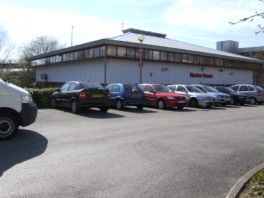
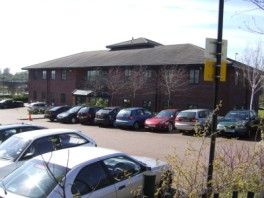
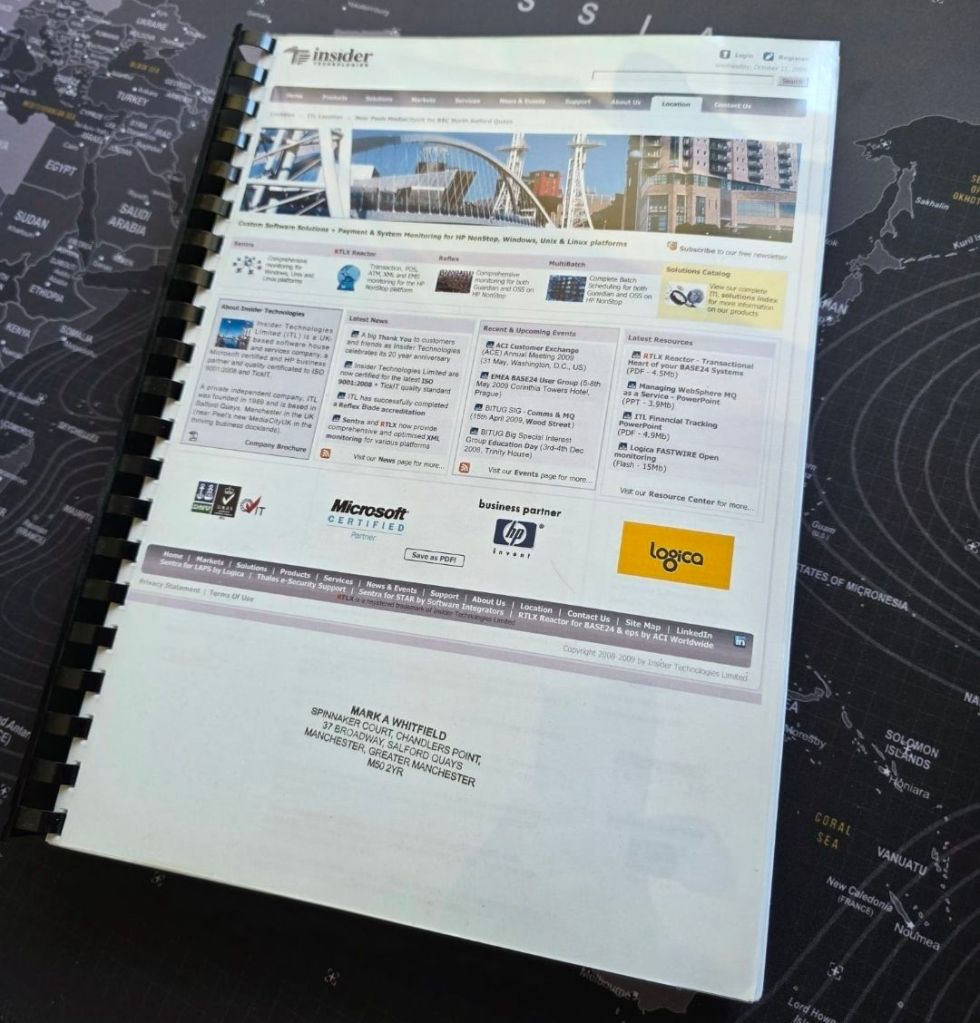
Insider Technologies Limited, Manchester – from Google AI

Insider Technologies Limited is a UK-based software and services company founded in 1989 that specialises in 24×7 mission-critical systems, primarily for the financial, government, and defence sectors. 

Key Historical Timeline

  • 1989: Foundation. The company was incorporated on 27 February 1989. It was established in Manchester, England, by IT industry veterans.
  • 1995–2013: Growth & Partnerships.
    • Became a significant HP Partner, developing solutions for the HP NonStop platform (formerly Tandem Computers).
    • Expanded its client base to include major institutions such as the Bank of EnglandRoyal Bank of Scotland, and Euroclear.
  • 2002: Training Platform Launch. Founded its interactive systems training platform, which eventually utilised its patented Cloning Technology.
  • 2015: Leadership Transition. In October 2015, there was a major change in the board with the termination of appointments for directors Paul Cashmore, Richard Launder, and Anthony Mowatt, and the appointment of Andrew Donald Hall as a director.
  • 2016–2017: Relocation. The company moved its registered office to 4th Floor, 2 City Approach in Eccles, Manchester, where it remains today.
  • 2019: 30th Anniversary. Celebrated 30 years of operations, highlighting its long-term stability in the NonStop business technology community.
  • 2020–2021: Recent Restructuring. Transitioned its ownership structure under Insider Technologies (Holdings) Limited.
  • 2025: Current Status.
    • Now operates as part of the PartnerOne group, a global family of mission-critical software companies.
    • Continues as a Microsoft Gold Partner for Application Development.
    • Recent board changes include the appointment of Andrew Donald Hall and Jonathan Dionne as directors in late 2025. 

Core Product Evolution

  • Reflex & MultiBatch: Software for business-critical 24×7 systems.
  • Sentra & RTLX Reactor: Monitoring and tracking products for Windows, Linux, and Unix platforms.
  • Mission-Critical Support: Provides 24×7 technical support for high-stakes payment and messaging systems.

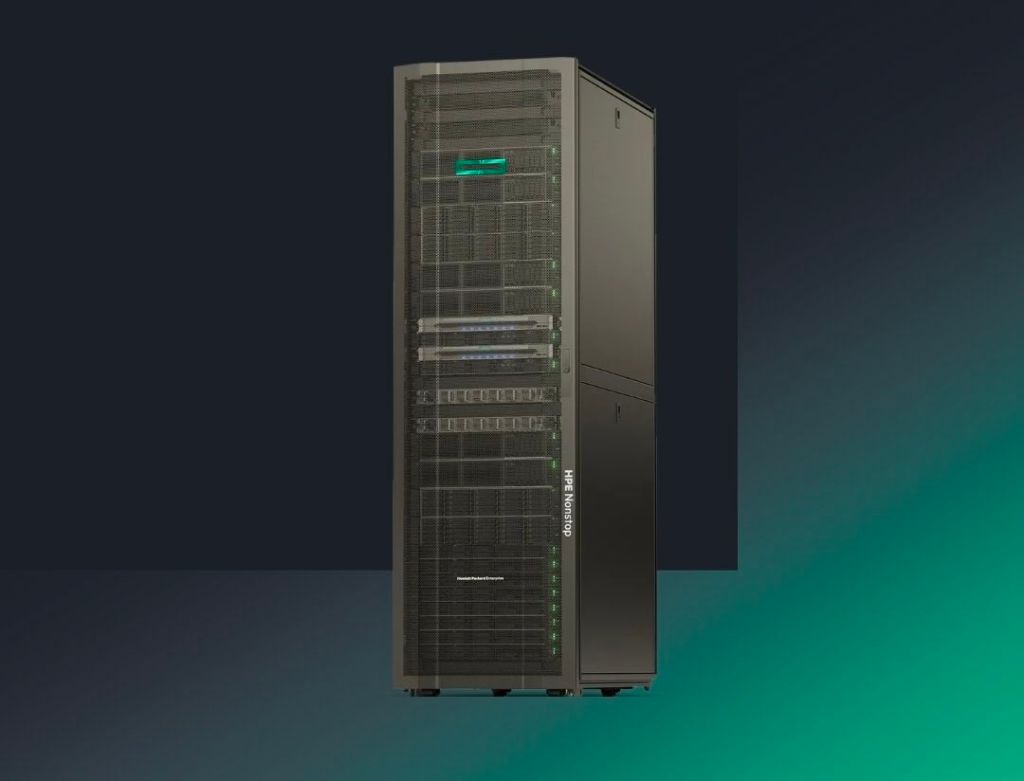
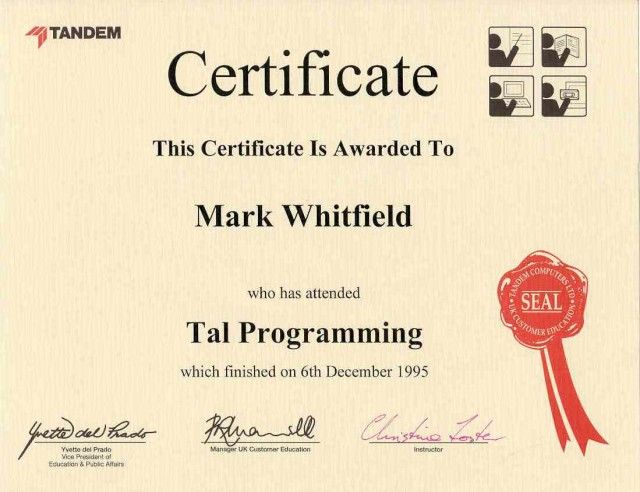
HPE NonStop Tandem represents a line of fault-tolerant, high-availability servers

HPE NonStop (formerly Tandem) represents a line of fault-tolerant, high-availability servers designed for 24/7, zero-downtime operations. Originally created by Tandem Computers in 1974, the architecture is now owned by Hewlett Packard Enterprise (HPE) and supports mission-critical workloads like banking and finance. 

Key Aspects of HPE NonStop (Tandem):

  • Continuous Availability: Designed to eliminate single points of failure with 100% fault tolerance.
  • Architecture: Initially used a proprietary Tandem T/16 design; modern systems are based on HPE Integrity/x86 architectures.
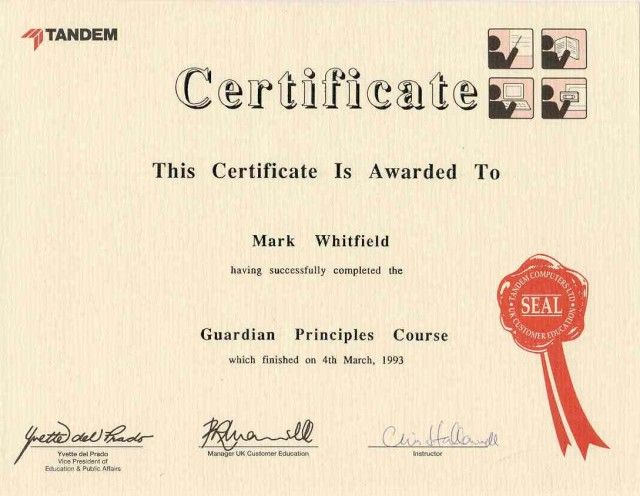
  • Operating System: Traditionally runs the Guardian OS, which handles the system’s specialized, continuous processing capabilities.
  • Evolution: Founded by James Treybig in 1974, Tandem was acquired by Compaq in 1997, which then merged with HP in 2002.
  • Applications: Ideal for transactional applications requiring strict data integrity and real-time processing.
  • Modern Platforms: Current systems include HPE NonStop Compute NS9 X5 and NS5 X5. 

The systems are still widely used today for mission-critical applications that cannot afford to be offline. 

HPE NonStop (formerly Tandem) represents a line of fault-tolerant, high-availability servers.

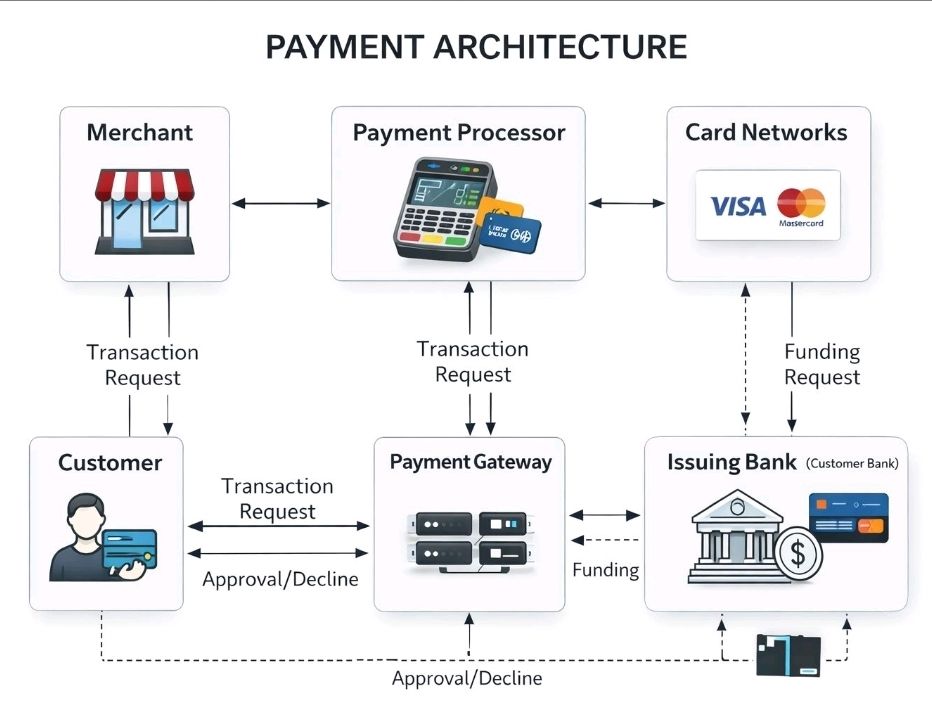
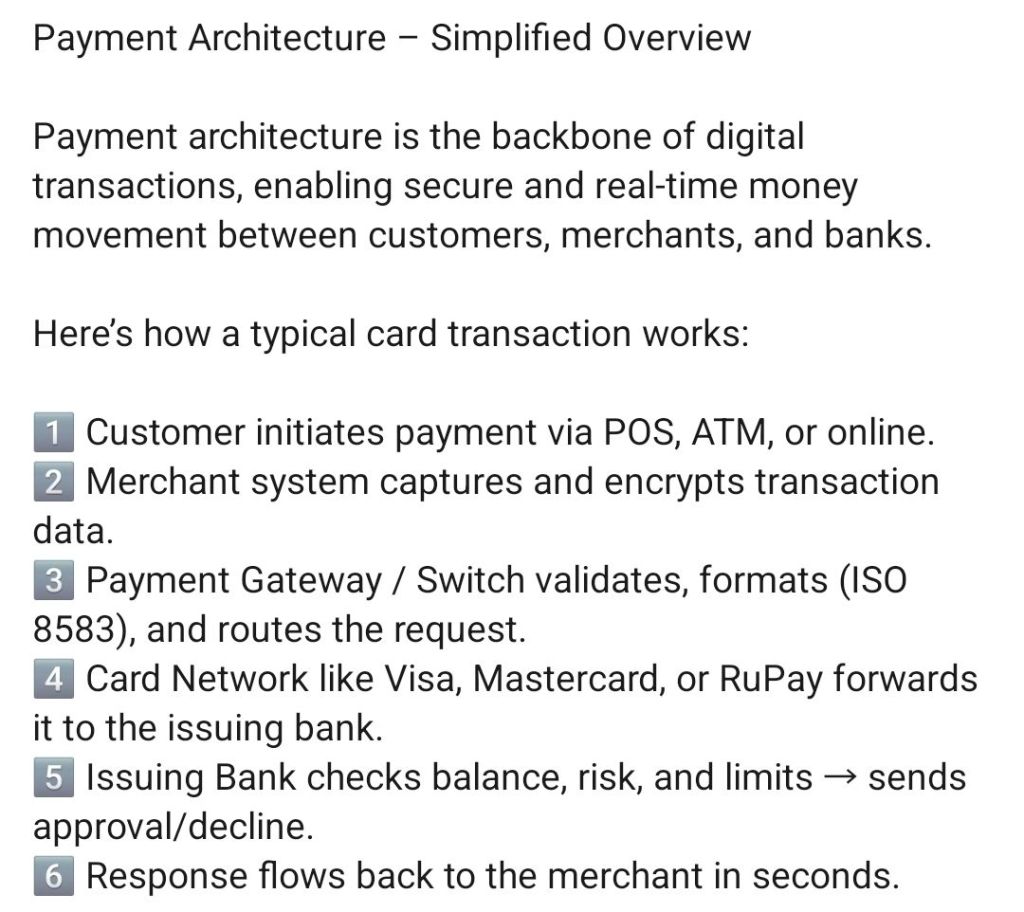
Payment Architecture, Simplified Architecture

Payment Architecture, Simplified Architecture

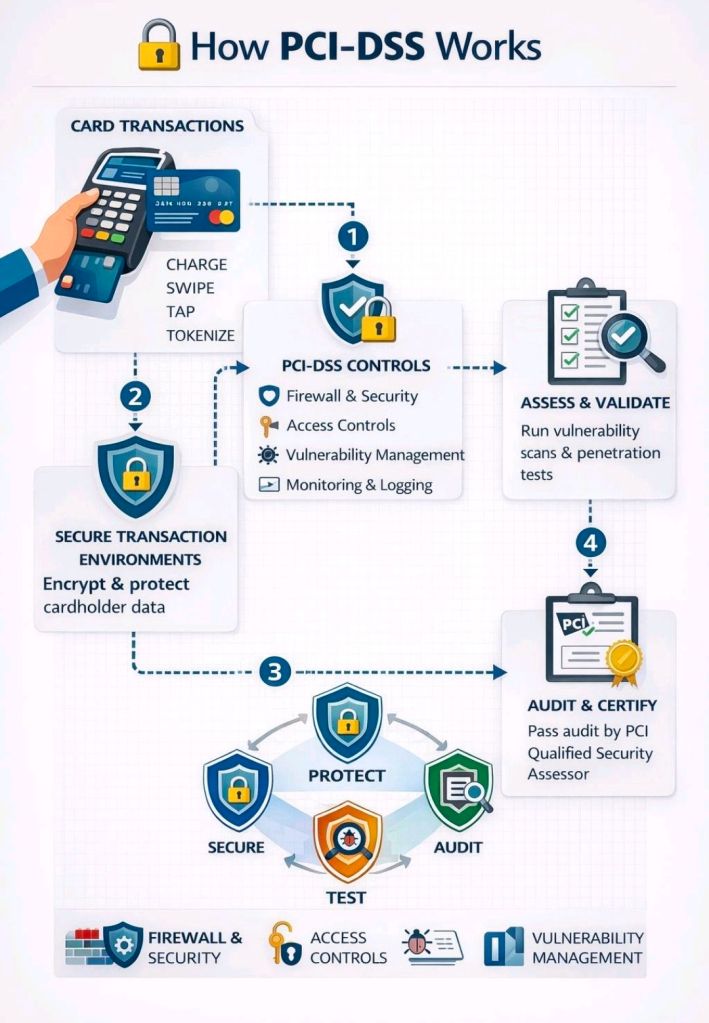
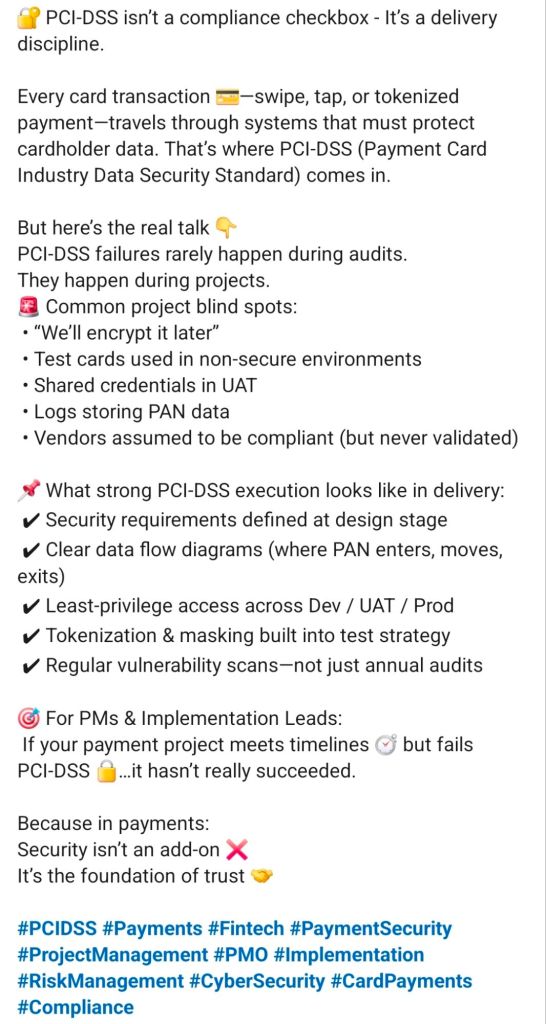
How PCI-DSS Works for Card Transactions Payments

How PCI-DSS Works for Card Transactions Payments

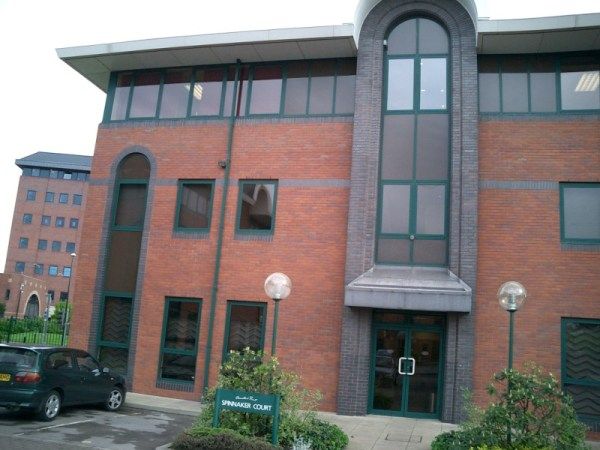
Insider Technologies Limited, Spinnaker Court, Chandlers Point, 37 Broadway, Salford Quays, M50 2YR

Insider Technologies Limited, Spinnaker Court, Chandlers Point, 37 Broadway, Salford Quays, M50 2YR

Company Website – Open Content Management Framework, DotNetNuke

In the early part of the millenium, ITL requested that I design and author a new company website using the Open Content
Management framework, DotNetNuke. This is a Visual Basic .NET Microsoft SQL database driven technology that enables website updates from any location with internet browser access.

As part of this exercise, website prominence was a key driver along with a more professional, corporate look-and-feel. The website is an ongoing programme of work that takes up a few hours a week of my time in taking it forward. I have attended 2 gbdirect (iTrain) website courses in this regard; ‘Writing for the Web’ and ‘Website Prominence and Visibility’. More information.

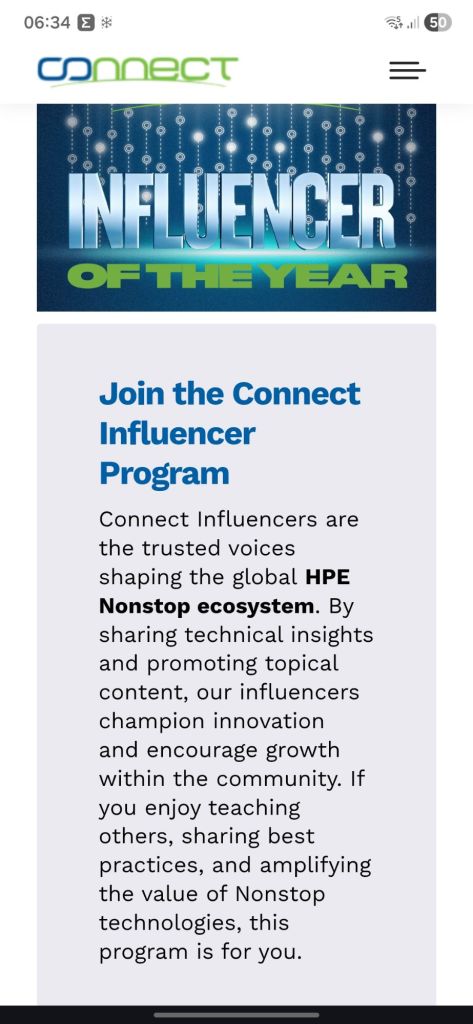
Connect : HPE Nonstop Ecosystem – formerly NSK, Tandem, Himalaya

Connect’s Influencer of the Year Program

Connect : HPE Nonstop Ecosystem – formerly NSK, Tandem, Himalaya

HP HPE NonStop NSK Himalaya Tandem Date Timeline

The HP NonStop (originally Tandem) timeline spans over 50 years of evolution in fault-tolerant computing, beginning with the vision of James Treybig and transitioning through several major corporate owners. 

Founding and Initial Growth (1974–1980s)

  • 1974: Tandem Computers Incorporated is founded by James (Jimmy) Treybig in Cupertino, CA.
  • 1976: The first NonStop I (T/16) servers are shipped to Citibank, introducing the “fail-fast” architecture.
  • 1981: NonStop II is introduced, adding 32-bit addressing support to the 16-bit registers.
  • 1983: NonStop TXP (Tandem Extended Processor) debuts, featuring the first use of cache memory and a native Transaction Monitoring Facility (TMF).
  • 1986: NonStop VLX (Very Large eXtension) is released, introducing 32-bit data paths and the first fault-tolerant SQL database, NonStop SQL.
  • 1987: NonStop CLX is launched as a low-cost, office-ready minicomputer system.
  • 1989: NonStop Cyclone is introduced for high-end mainframe workloads, alongside the Integrity line of Unix-based servers. 

Architecture Transitions (1990s–2000s)

  • 1991: Cyclone/R (CLX/R) marks the start of the TNS/R migration to MIPS microprocessors.
  • 1993: NonStop Himalaya K-series is released, featuring native-mode Guardian OS on MIPS R4400 processors.
  • 1994: Open System Services (OSS) adds a POSIX-compliant environment to the NonStop Kernel.
  • 1997: NonStop Himalaya S-Series introduces ServerNet, replacing older bus technologies with high-speed point-to-point connections.
  • 1997: Compaq acquires Tandem Computers to bolster its high-end enterprise server offerings.
  • 2002: Hewlett-Packard (HP) acquires Compaq, bringing Tandem technology under the HP banner as the NonStop Enterprise Division.
  • 2005: The HP Integrity NonStop (TNS/E) series is launched, migrating the architecture from MIPS to Intel Itanium processors. 

The Modern Era (2010s–Present)

  • 2014: NonStop X (TNS/X) is introduced, transitioning the platform to standard Intel x86-64 processors.
  • 2015: HP splits into HP Inc. and Hewlett Packard Enterprise (HPE); the NonStop line moves to HPE.
  • 2017: Virtualized NonStop (vNS) is introduced, allowing the system to run in software-defined data centres and cloud environments.
  • 2020: HP ends sales of Itanium-based systems in July, completing the transition to the x86 platform.
  • 2024: The NonStop community celebrates 50 years of Tandem/NonStop technology. 
HP HPE NonStop NSK Himalaya Tandem Date Timeline

ISO 8583 vs ISO 20022 messaging standards

ISO 8583 vs ISO 20022 messaging standards