Evolution of CI/CD (Continuous Integration and Continuous Delivery/Deployment

The evolution of CI/CD (Continuous Integration and Continuous Delivery/Deployment) has transitioned from manual, high-risk “integration hell” to fully automated, cloud-native pipelines.

Foundational Era (Pre-2000s)

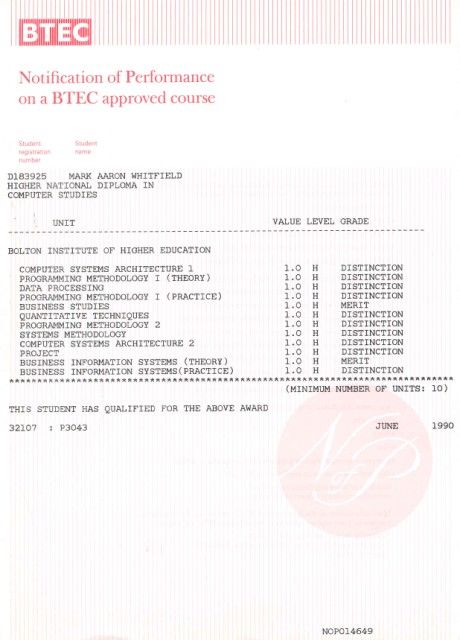
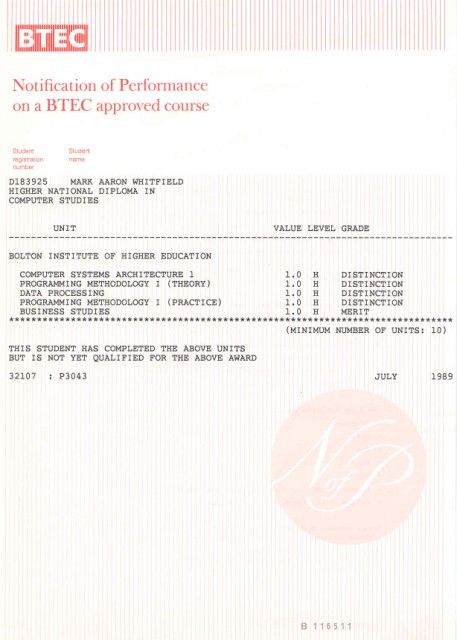
  • 1989: Earliest known work on CI with the Infuse environment.
  • 1991: Root practices of CI/CD began to emerge.
  • 1994: Grady Booch used the term “continuous integration” in his book Object-Oriented Analysis and Design with Applications.
  • 1997–1999: Kent Beck and Ron Jeffries formalise CI as a core practice of Extreme Programming (XP)

The Rise of Automation (2001–2010) 

  • 2001: CruiseControl is released as the first widely used open-source CI server.
  • 2005: Hudson (the predecessor to Jenkins) is created by Kohsuke Kawaguchi at Sun Microsystems.
  • 2006: JetBrains releases TeamCity.
  • 2010: Jez Humble and David Farley publish the seminal book Continuous Delivery, formalising the “CD” part of the equation.
  • 2010: IMVU engineers document the first practical CD system, initially met with skepticism but quickly adopted by lean software movements. 

Modern CI/CD & Cloud Era (2011–2018)

  • 2011: Jenkins is born after a legal dispute between Oracle and the Hudson community.
  • 2011: Travis CI launches, popularising CI-as-a-Service for GitHub projects.
  • 2013: Docker is released, revolutionising CI/CD through containerisation.
  • 2014: GitLab CI is integrated directly into the GitLab platform.
  • 2018: GitHub Actions is introduced, bringing native automation directly into the world’s largest code repository. 

Cloud-Native & AI Era (2019–Present)

  • 2019: Argo CD and Flux gain prominence as Kubernetes-native GitOps tools.
  • 2020–2021: Massive growth phase for GitHub Actions, with over 12% of projects adopting or changing CI/CD technologies during this period.
  • 2024–2026: Modern pipelines transition toward adaptive systems that use AI to optimize test suites and make contextual decisions rather than just running fixed sequences. 

Evolution of CI/CD (Continuous Integration and Continuous Delivery/Deployment

Third Normal Form 3NF Development Timeline and Example

The Third Normal Form (3NF) is a standard for database design that ensures data integrity by removing transitive dependencies. Its development was part of the foundational era of the relational model. 

Comprehensive Timeline of 3NF and Normalization

  • 1970 — The Birth of Relational Theory: Dr. E.F. Codd, a researcher at IBM, published his seminal paper, “A Relational Model of Data for Large Shared Data Banks.” This introduced the concepts of First Normal Form (1NF) and the initial framework for normalization.
  • 1971 — Official Definition of 3NF: Codd formally defined Third Normal Form in his paper “Further Normalization of the Data Base Relational Model.” He also refined Second Normal Form (2NF) in this same period.
  • 1971 (August) — Technical Specification: The specific requirements for 3NF were further detailed in the IBM Research Report RJ909, solidifying the mathematical rules for removing transitive functional dependencies.
  • 1974 — Extension to Boyce-Codd Normal Form (BCNF): Together with Raymond F. Boyce, Codd introduced BCNF. Often considered a stronger version of 3NF, it addresses certain anomalies that 3NF might still permit.
  • 1977–1979 — Higher Normal Forms: Ronald Fagin introduced Fourth Normal Form (4NF) in 1977 and Fifth Normal Form (5NF) in 1979 to address multi-valued and join dependencies, respectively.
  • 1980s–Present — Industry Standard: 3NF became the most commonly used level of normalization for Relational Database Management Systems (RDBMS) because it strikes an ideal balance between reducing redundancy and maintaining query performance.
  • 2002 — 6NF Definition: C.J. Date, Hugh Darwen, and Nikos Lorentzos defined Sixth Normal Form (6NF) specifically for temporal databases. 

3NF Requirement Summary

To reach 3NF, a table must follow a cumulative progression: 

  1. 1NF: Each cell must contain atomic values, and there should be no repeating groups.
  2. 2NF: The table must be in 1NF, and every non-key attribute must depend on the entire primary key (no partial dependencies).
  3. 3NF: The table must be in 2NF, and every non-key attribute must depend only on the primary key (no transitive dependencies). 

To reach Third Normal Form (3NF)a database table must first satisfy the requirements of 1NF and 2NF. The primary goal of 3NF is to ensure that all non-key columns depend only on the primary key, effectively eliminating “transitive dependencies”. 

Step-by-Step Process

  1. Verify Second Normal Form (2NF)
    • Ensure the table has a primary key.
    • Confirm all non-key attributes depend on the entire primary key (no partial dependencies).
  2. Identify Transitive Dependencies
    • Look for “hidden” relationships where a non-prime attribute depends on another non-prime attribute.
    • Logic: If Attribute A (Primary Key) → Attribute B, and Attribute B → Attribute C, then Attribute C has a transitive dependency on the Primary Key through B.
  3. Remove the Dependent Attributes
    • Select the attributes that do not directly depend on the primary key.
    • Move these attributes into a new, separate table.
  4. Establish Relationships
    • In the original table, keep the attribute that served as the “determinant” (the non-key attribute that others depended on) to act as a foreign key.
    • In the new table, set that same attribute as the primary key

Practical Example

Consider a Student table with: StudentID (PK), StudentNameZipCode, and City

  • ProblemCity depends on ZipCode, and ZipCode depends on StudentID. This is a transitive dependency (StudentID → ZipCode → City).
  • 3NF Solution:
    • Table 1 (Students)StudentID (PK), StudentNameZipCode (FK).
    • Table 2 (Locations)ZipCode (PK), City

By following these steps, you eliminate data redundancy and prevent update anomalies where changing a city name would otherwise require updating every student record in that zip code. 

Third Normal Form 3NF Development Timeline and Example

DevOps Development Timeline History Overview

The history of DevOps is a transition from siloed development and operations teams toward a unified culture of automation and collaboration

Timeline History of DevOps

Pre-DevOps & Foundations (2001–2008)

  • 2001: The Agile Manifesto is published, laying the groundwork for iterative software development and cross-functional teamwork.
  • 2006Amazon Web Services (AWS) launches, providing the cloud infrastructure necessary for rapid, automated deployments.
  • 2007: Belgian consultant Patrick Debois begins investigating ways to bridge the gap between development and operations while working on a data centre migration project.
  • 2008: At the Agile conference in Toronto, Andrew Shafer and Patrick Debois meet and discuss “Agile Infrastructure,” marking the conceptual start of the movement. 

The Emergence of DevOps (2009–2014) 

  • 2009: John Allspaw and Paul Hammond give the legendary talk “10+ Deploys Per Day: Dev and Ops Cooperation at Flickr” at the Velocity Conference.
  • 2009: Patrick Debois organises the first DevOpsDays in Ghent, Belgium, and coins the term “DevOps“.
  • 2011: Analyst firm Gartner officially predicts DevOps will evolve from a niche concept to a mainstream strategy.
  • 2013: The book The Phoenix Project is published, popularising DevOps principles through a fictional narrative of a company’s digital transformation.
  • 2013Docker is released, revolutionising the industry by making containerization accessible and consistent across environments.
  • 2014: The first State of DevOps Report is published by Puppet, providing data-driven evidence of DevOps’ impact on performance. 

Mainstream Adoption & Cloud-Native (2015–2019)

  • 2015: Google releases Kubernetes as an open-source project, establishing the standard for container orchestration.
  • 2015: Major cloud providers launch managed container services, such as Google Kubernetes Engine (GKE).
  • 2017: Security begins “shifting left,” leading to the formalisation of DevSecOps within development pipelines.
  • 2018: The book Accelerate is published, detailing the science behind high-performing DevOps organisations.
  • 2019DevOpsDays celebrates its 10th anniversary with events in over 20 countries, signalling global maturity. 

The AI & Platform Era (2020–2026)

  • 2020: The COVID-19 pandemic accelerates remote work and digital transformation, making DevOps practices essential for enterprise survival.
  • 2023Generative AI begins to be integrated into CI/CD pipelines for automated code generation, testing, and anomaly detection.
  • 2024: The focus shifts to Platform Engineering, aiming to reduce developer cognitive load through Internal Developer Platforms (IDPs).
  • 2025AIOps (Artificial Intelligence for IT Operations) becomes standard for predictive analytics and self-healing infrastructure.
  • 2026: DevOps continues to evolve with a focus on zero-CVE container images and high-demand roles for engineers who can manage AI-driven workflows.
DevOps over time

DevOps Development Timeline History Overview

Centiun MS Business Applications and AI Specialists

Centiun Company Overview

Centiun is a British IT services consulting company and Microsoft Partner, helping enterprise public and private sector organisations achieve digital transformation excellence through the Microsoft cloud.

We specialise in Microsft Dynamics 365, Power Platform, and Micrisoft 365, delivering expert consultancy, solution architecture, implementation, and managed services that enable organisations to modernise operations, improve service delivery, and unlock greater value from their technology investment.

Centiun MS Business Applications and AI Specialists

From CRM transformation and business process automation to secure collaboration, data-driven decision making, and AI enabled innovation, Centiun supports customers to build smarter, faster and more resilient ways of working.

Our approach combines deep Microsoft expertise with a practical focus on outcomes – designing and delivering solutions that are scalable, compliant, and tailored to the needs of complex organisations.

Whether you’re starting your digital journey or optimising an existing platform, Centiun is your trusted Microsoft for long-term transformation and support.

Websitehttps://centiun.com

On LinkedInhttps://www.linkedin.com/company/centiun/

Email: info@centiun.com

Centiun MS Business Applications and AI Specialists

Centiun Limited is a UK-based technology consultancy that specialises in digital transformation and Microsoft Business Applications. Incorporated on 30 October 2025, the company operates as a Microsoft AI Cloud Partner, helping organisations modernise infrastructure and adopt AI-driven workflows. 

Core Services

Centiun provides a range of strategic and technical services focused on the Microsoft ecosystem: 

  • Business Applications: Implementing and automating processes using Microsoft Dynamics 365 and Power Platform.
  • Cloud Migration: Transitioning legacy systems to secure cloud environments to enhance scalability.
  • AI Readiness: Preparing businesses to integrate tools like Microsoft Copilot and agentic AI for sales and customer service.
  • Managed Services: Providing ongoing support, maintenance, and technical governance. 

Target Industries

The firm tailors its solutions for several sectors, including:

  • Public Sector: Central government and non-departmental public bodies.
  • Healthcare: Public and private healthcare project delivery.
  • Nonprofit: Cost-effective digital solutions for charitable organisations.
  • Financial Services: Fintech, insurance, and banking services requiring high regulatory precision. 

Key Company Facts

  • Location: Headquartered at Cheadle Royal Business Park, Cheshire, England.
  • Leadership: Directed by Kieran Gerard Holmes.
  • Compliance: Registered with the Information Commissioner’s Office (ICO) for data protection and holds Cyber Essentials certification.

Centiun is a specialized Microsoft AI Cloud Partner that focuses on modernizing business operations through the Microsoft Business Applications stack, primarily Microsoft Dynamics 365 and the Power Platform. Based in Cheshire, UK, they provide a range of services from AI readiness and digital transformation to managed support for small and medium-sized enterprises (SMEs). 

……….

Centiun Microsoft Dynamics Overview

Centiun offers tailored implementation and support for the full suite of Microsoft Dynamics 365 applications, which unify CRM (Customer Relationship Management) and ERP (Enterprise Resource Planning) capabilities. 

  • Core Applications Supported:
    • Sales & Marketing: Tools like Dynamics 365 Sales and Customer Insights to manage leads, automate marketing journeys, and provide a 360-degree view of customer data.
    • ServiceCustomer Service and Field Service modules to improve resolution efficiency and enhance overall customer experience.
    • ERP & Operations: Streamlining finance, supply chain, and HR processes using scalable cloud environments.
  • Key Service Pillars:
    • Digital Transformation: Modernising legacy systems and digitising paper forms into secure digital records.
    • AI Integration: Implementing Microsoft Copilot and predictive analytics to automate routine tasks and enhance decision-making.
    • Data Governance: Ensuring all customer interactions are GDPR compliant and stored in secure, audit-ready systems.
    • Managed Services: Providing SLA-compliant support and maintenance to ensure systems remain evergreen and secure. 

Centiun Partner Timeline (2025–2026) 

While Centiun’s experts have over 20 years of combined experience with Microsoft applications, the company itself reached several major official milestones recently: 

  • 2025
    • August: Published guidance on Digitising Paper Forms to help organisations move away from manual processes.
    • September: Centiun officially registered with the Information Commissioner’s Office (ICO) to ensure data protection compliance.
    • October: Achieved the nationally recognised Cyber Essentials Certification, demonstrating commitment to cybersecurity.
    • October: Centiun Limited was officially incorporated as a private limited company.
    • November: Appointed as an official Crown Commercial Service Supplier, allowing them to provide services to the UK public sector.
    • December: Announced a strategic partnership with Pax8 to further enhance their cloud-based solution delivery.
  • 2026
    • January: Launched specialized App Modernisation services to help businesses revitalize legacy infrastructure.
    • February: Reaffirmed their mission as a digital partner for sustainability and efficiency for SMEs. 

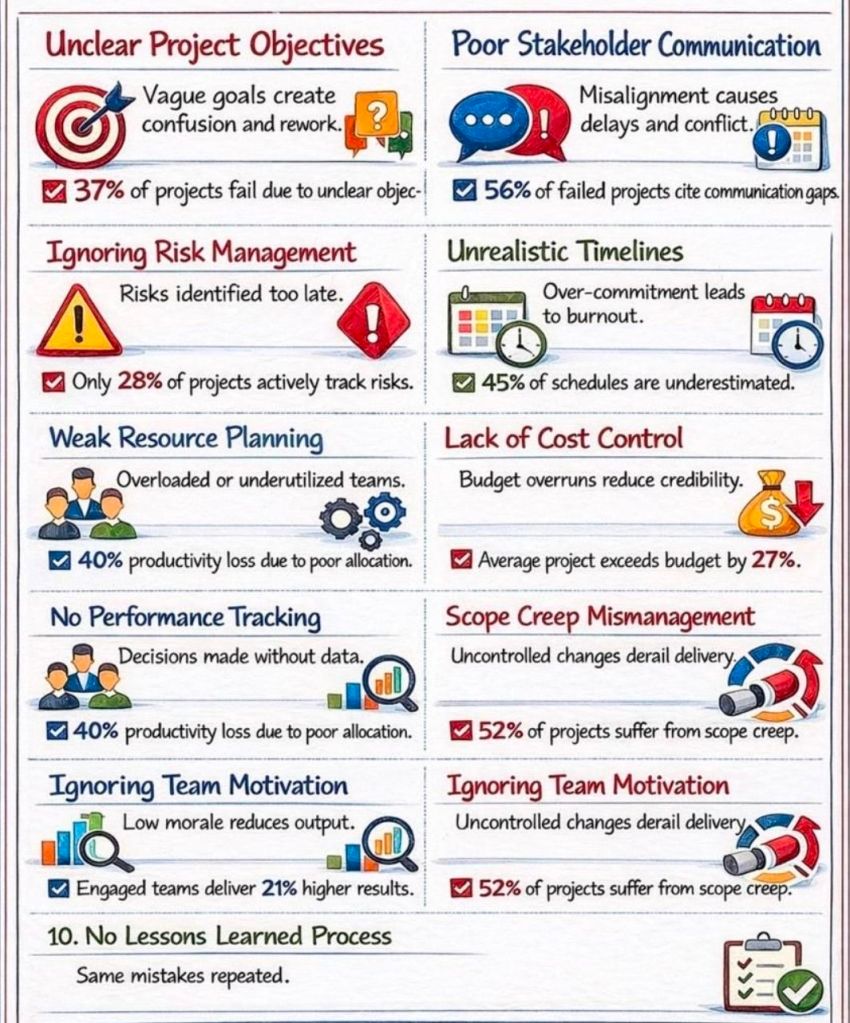
Stakeholders are key to Project Success

Stakeholders are key to Project Success

War Machine 2026, with Alan Ritchson, on Netflix

War Machine with Alan Ritchson

New… War Machine on Netflix… with Alan Ritchson of Reacher fame… a little like the first Predator movie (but with a giant transformer type robot) with a touch of Aliens in the last segment… not bad… hectic but ‘not bad’… conclusion… don’t make Predator sequels… re-imagine the original but differently… good fun at least… 😀

War Machine 2026, with Alan Ritchson, on Netflix

Microsoft Dynamics 365 Timeline History by Year

Microsoft Dynamics 365 as it exists today is the result of decades of acquisitions and rebranding, primarily involving four Enterprise Resource Planning (ERP) systems and one Customer Relationship Management (CRM) platform. 

The Pre-Microsoft Era (1980s – 2001)

The foundations of Dynamics were built by independent companies before being acquired by Microsoft. 

  • 1980: Solomon Software is founded (later becomes Dynamics SL).
  • 1983: Great Plains Software is founded by Doug Burgum (later becomes Dynamics GP).
  • 1983: Damgaard Data is founded in Denmark (later becomes Dynamics AX).
  • 1984: PC&C A/S is founded (later becomes Dynamics NAV).
  • 1998: Damgaard and IBM release Axapta 1.0.
  • 2000: Damgaard merges with Navision Software to form NavisionDamgaard.
  • 2001: Microsoft acquires Great Plains Software (including Solomon) for $1.1 billion. 

The Early Microsoft Dynamics Era (2002 – 2011)

During this period, Microsoft unified its business applications under the “Dynamics” brand. 

  • 2002: Microsoft acquires Navision A/S, gaining the Axapta and Navision products.
  • 2003: Microsoft releases its first home-grown CRM, Microsoft CRM 1.0.
  • 2005: The Microsoft Dynamics brand is officially launched to harmonize the ERP and CRM offerings.
  • 2008Dynamics CRM Online is launched, marking Microsoft’s first major step into cloud-based business apps.
  • 2011Dynamics CRM 2011 and Dynamics AX 2012 are released, introducing a more modern “Ribbon” interface. 

The Transition to the Cloud (2012 – 2015)

Microsoft shifted toward a “cloud-first” strategy and rapid release cycles. 

  • 2013Dynamics CRM 2013 debuts with a new UI that removes pop-up windows and introduces a flatter design.
  • 2015Dynamics NAV 2016 introduces native integration with Azure SQL and a dedicated phone client. 

The Dynamics 365 Era (2016 – Present)

Microsoft unified CRM and ERP into a single cloud ecosystem. 

  • 2016Microsoft Dynamics 365 is officially released on November 1, 2016.
    • Dynamics AX 7 is rebranded as Dynamics 365 for Operations.
    • CRM is split into specialized apps like SalesCustomer Service, and Field Service.
  • 2018Dynamics 365 Business Central is released as the cloud successor to Dynamics NAV.
  • 2019: Power Platform (Power BI, Power Apps, Power Automate) becomes deeply integrated, allowing users to extend Dynamics 365 without code.
  • 2020: Dynamics 365 for Operations is split into Dynamics 365 Finance and Dynamics 365 Supply Chain Management.
  • 2023: Re-integration of Dynamics 365 Human Resources back into the Finance and Operations infrastructure.
  • 2024–2025: The introduction of Microsoft Copilot across all Dynamics 365 apps, adding generative AI for summaries and automated tasks.

Microsoft Dynamics 365 Timeline History by Year

Essential Project Management Skills

Essential Project Management Skills