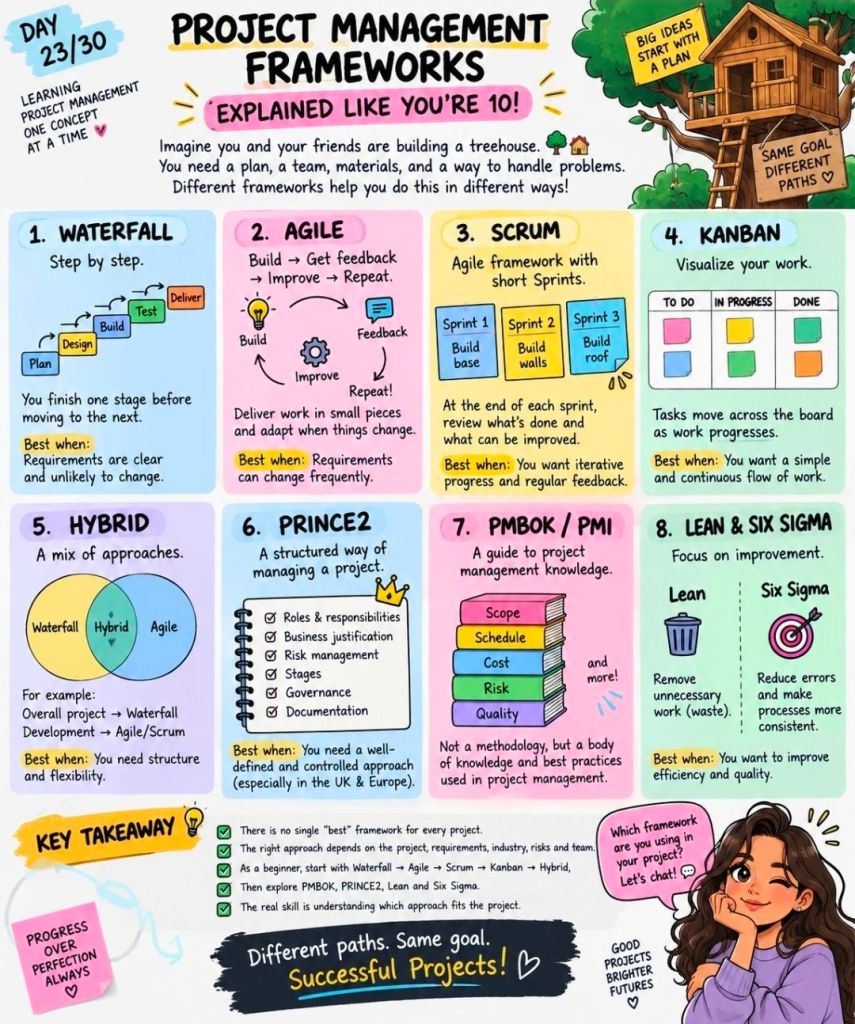
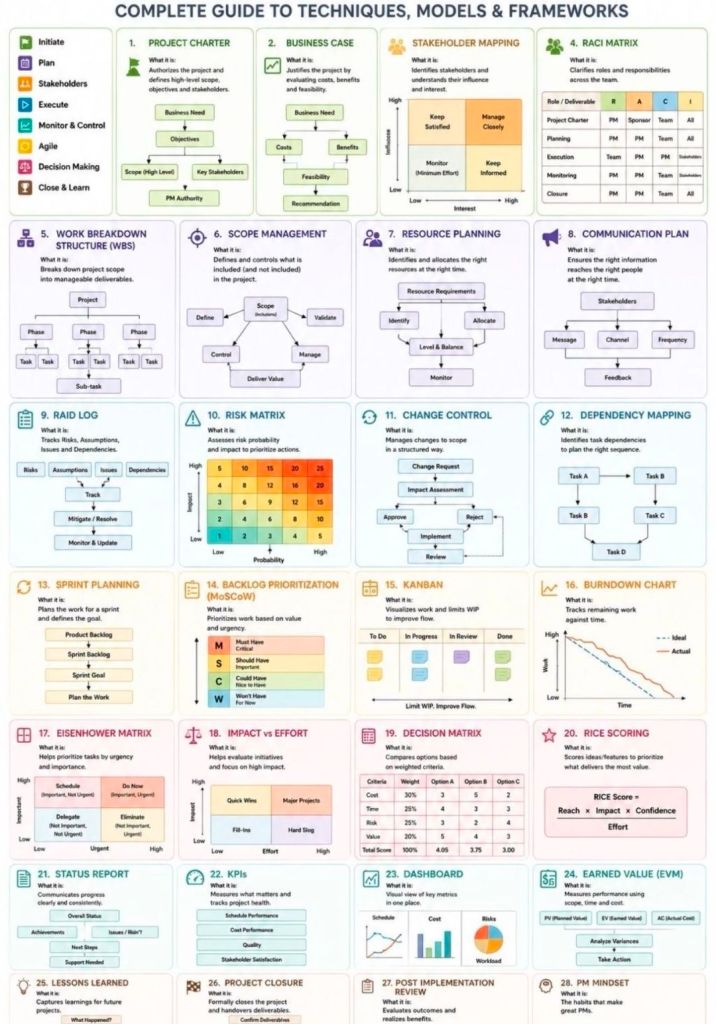
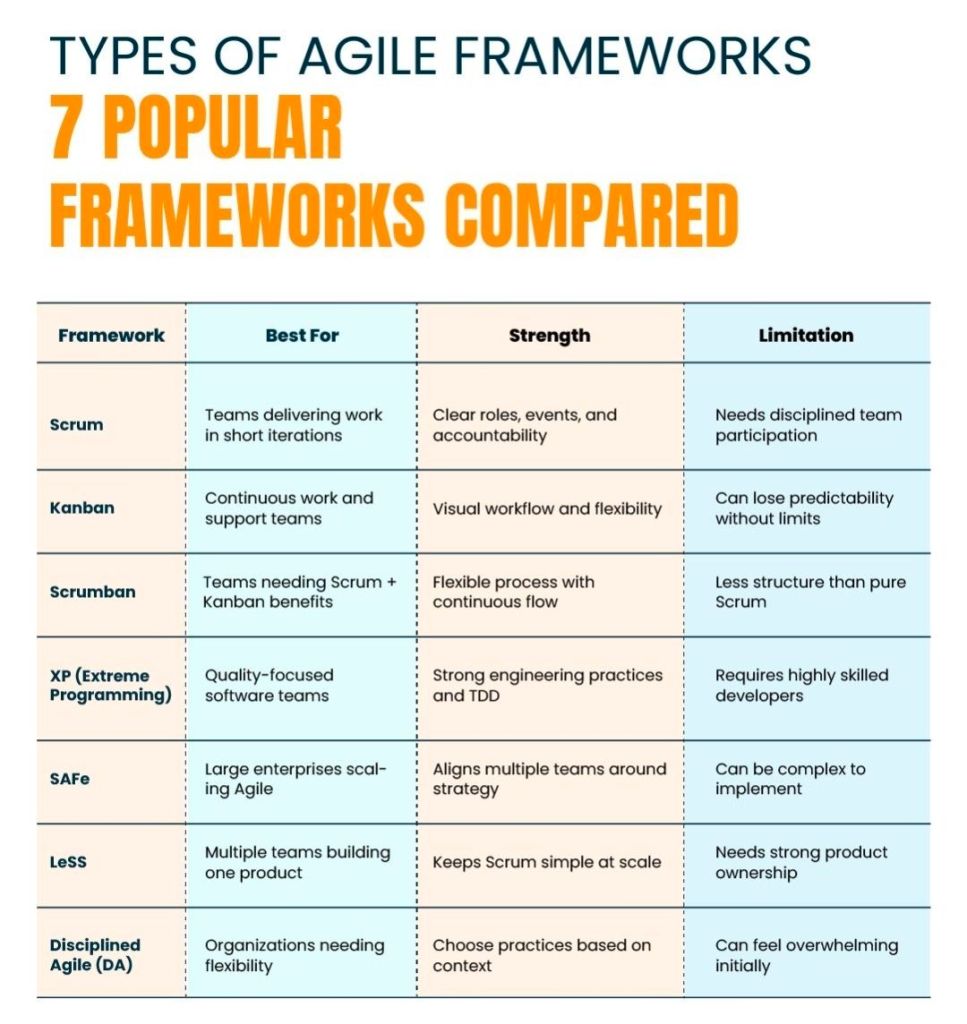
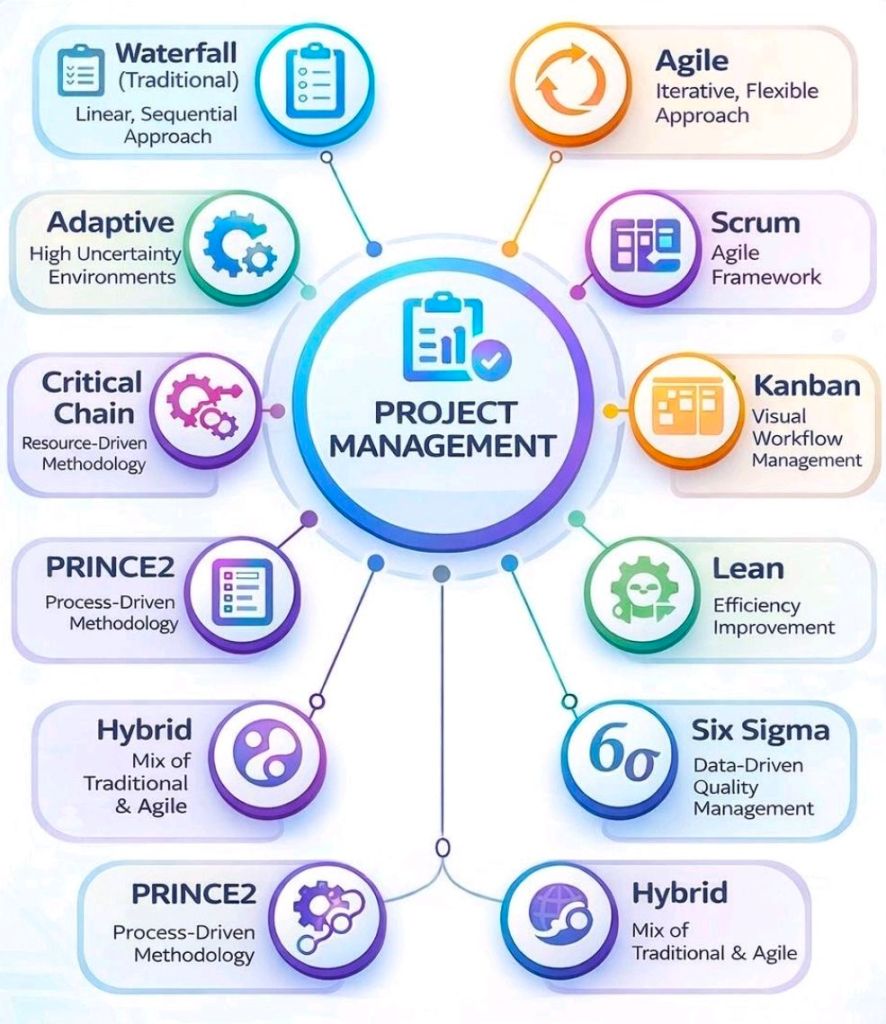
Mark Whitfield’s premium project management toolkit consists of over 200 editable templates tailored for Agile Scrum, Waterfall, and PRINCE2 frameworks. Built across 30+ years of digital and IT delivery, these frameworks prioritize corporate governance, seamless stakeholder reporting, and visual lifecycle control.
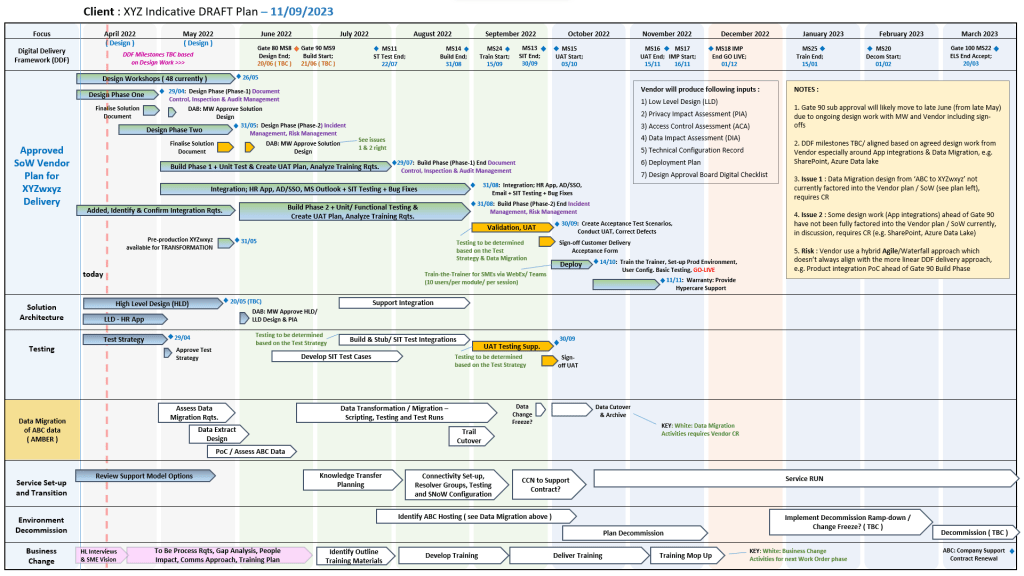
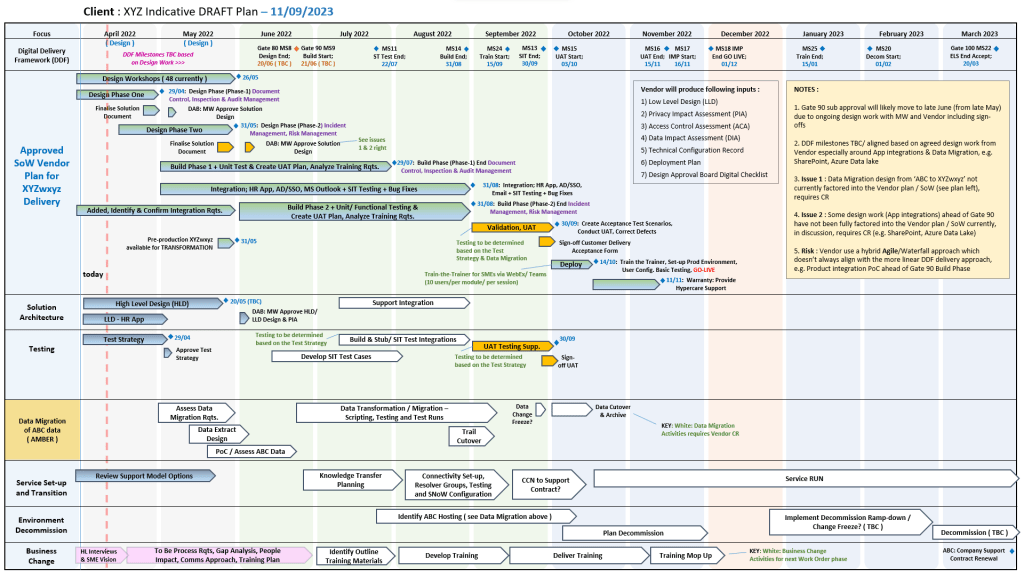
Many POAP, Plan on a Page example templates
Below is the comprehensive, scannable breakdown of the core artifacts categorized by lifecycle focus, purpose, and application format. Purchase project templates here.
📅 1. Master Planning & Visual Roadmapping
These tools serve as the operational foundation for tracking dependencies, defining Work Breakdown Structures (WBS), and establishing executive visibility.
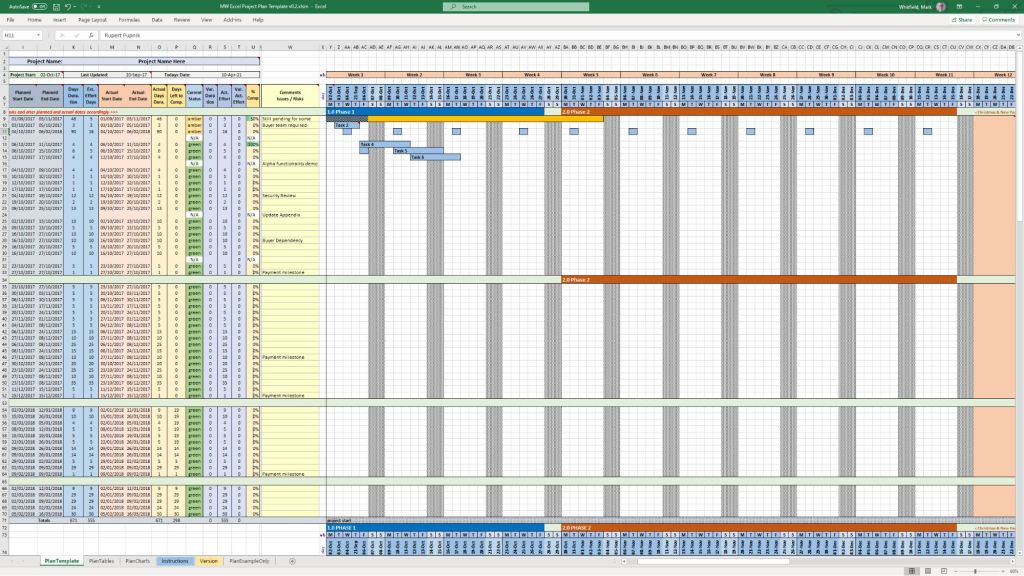
Detailed Software Development Life-Cycle (SDLC) Plan
Focus: End-to-end task tracking from inception and elaboration to construction, testing, and transition.
Format: Microsoft Project (.mpp) & Microsoft Excel (.xlsx).
Mark Whitfield’s Project Management (PM) methodology relies on over 200 editable templates tailored for both Agile Scrum and Waterfall / PRINCE2 frameworks. Developed over 24 years of IT and digital delivery, the toolkit focuses on high-level reporting, rigorous risk control, and visual tracking to align teams with corporate governance.
An example of many Plan On a Page (POAP) templates
Templates by Category and Methodology
1. Detailed Planning & Scheduling
Methodology: Mapped to the Software Development Life Cycle (SDLC) for both sequential Waterfall phases and iterative Agile sprints.
Templates:
Microsoft Project (MPP): Fully loaded schedules detailing project inception, elaboration, construction, and transition.
Excel Detailed Plans: Work Breakdown Structure (WBS) mapped to sequential and date-driven task management with built-in RAG (Red/Amber/Green) status indicators.
2. Visual Reporting & Execution (Plan on a Page)
Methodology: Focuses on structural, executive communication to prevent scope creep and keep stakeholders aligned.
Templates:
POaP (Plan on a Page): High-level visual summaries designed for client presentations and quick-glance milestone tracking in Excel and PowerPoint.
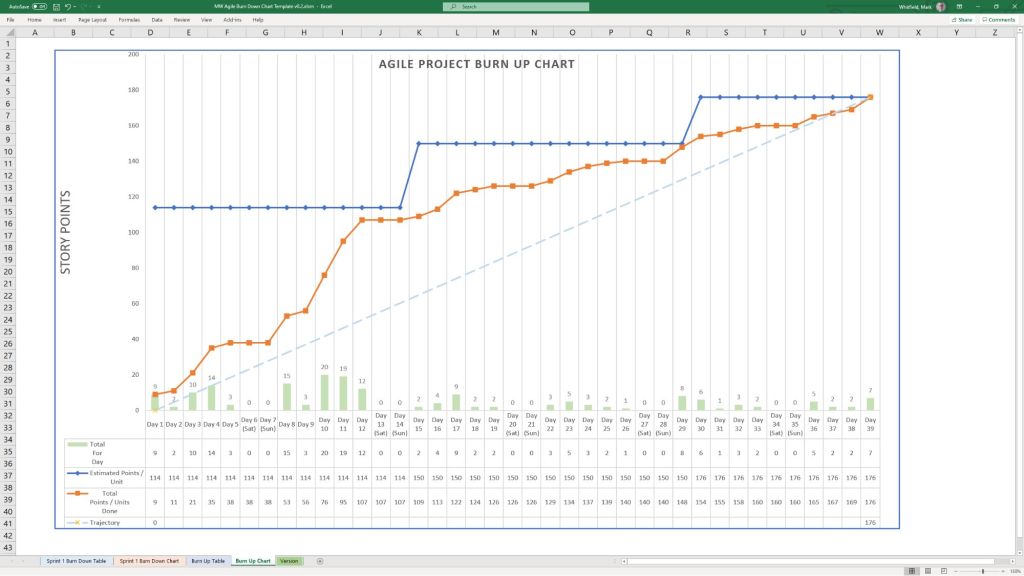
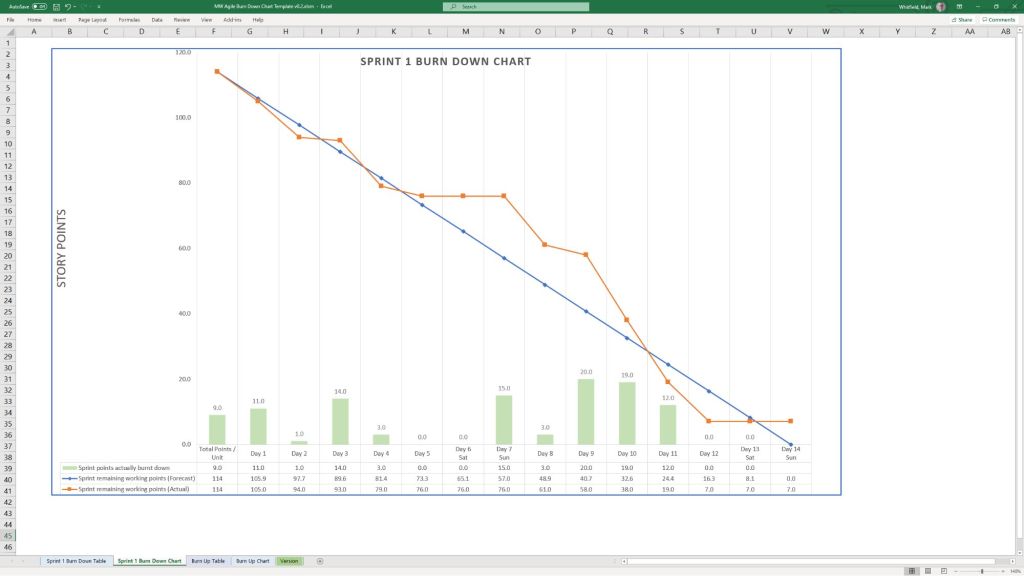
Burn-up / Burn-down Charts: Visual tracking metrics used in Agile Sprints to show progress towards delivery goals.
3. Risk & Governance Control
Methodology: Built on strict risk/action tracking and regular lessons learned to manage uncertainty throughout the project lifecycle.
Change Requests/Decisions Log: Supplementary tabs within the RAID register to strictly manage scope changes and project governance.
4. Financial Trackers
Methodology: Ensures project adherence to contracted margins, tracking both internal/external costs and resource efforts.
Templates:
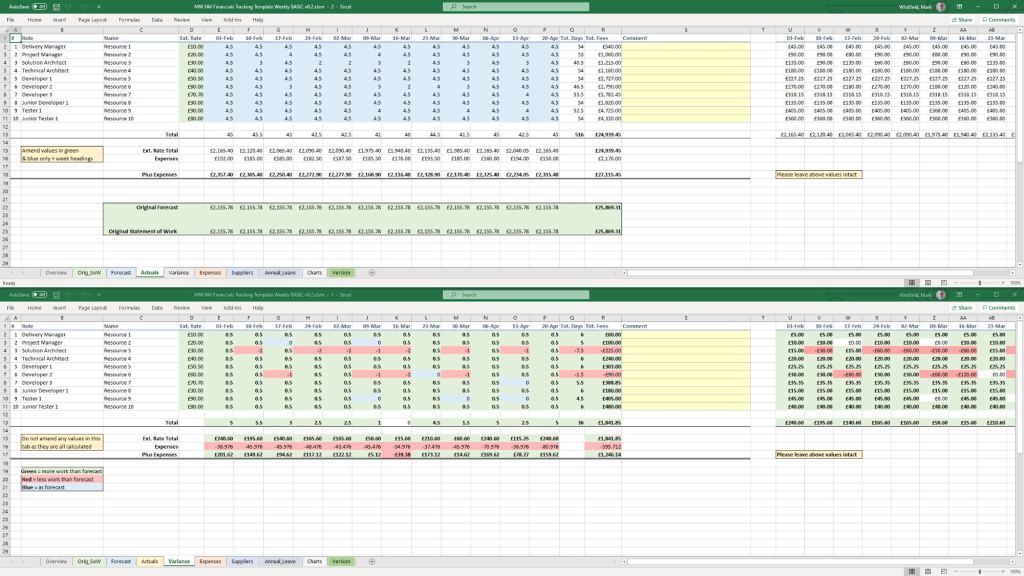
Budget & Resource Trackers: Spreadsheets for forecasting versus actual expenses, variance calculations, expense reporting, and margin tracking with pivot-table readiness.
5. Team RACI & Status Reporting
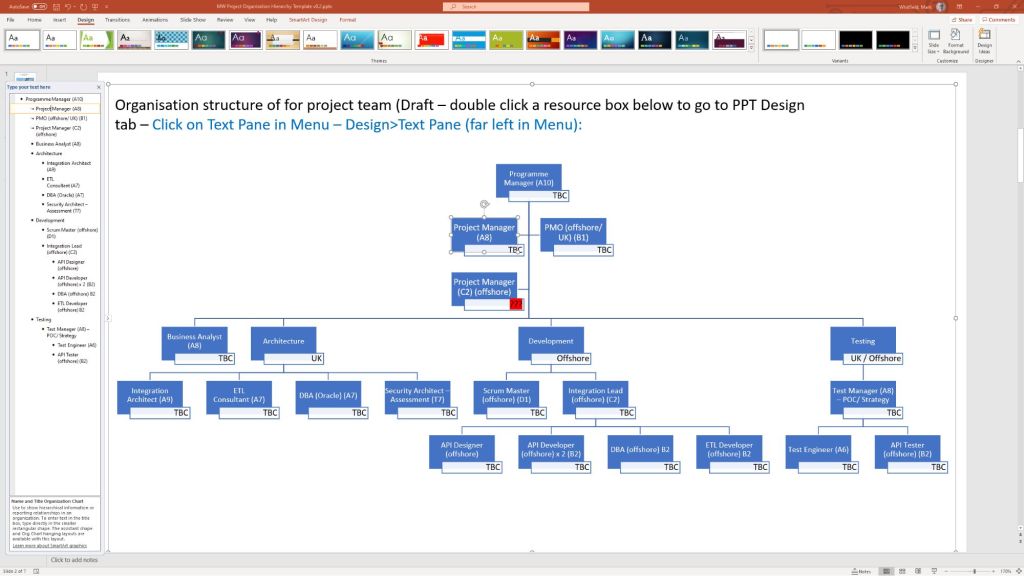
Methodology: Clearly defines stakeholder roles and communication frequencies (weekly/monthly) to ensure continuous monitoring and control.
Templates:
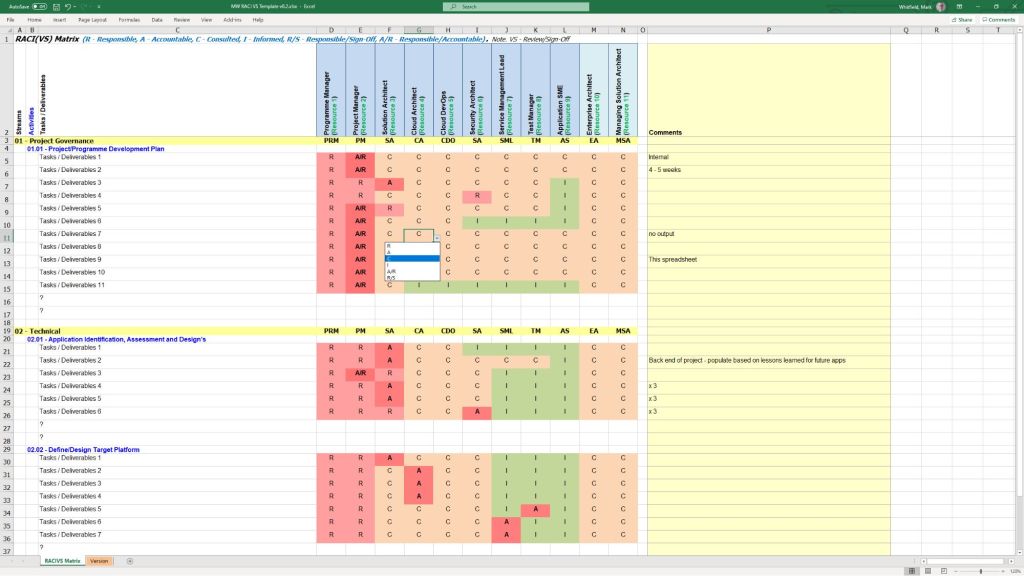
RACI Matrix: A mapping tool defining who is Responsible, Accountable, Consulted, and Informed.
Weekly Status Reports: Word/Excel templates detailing internal and external project health, current milestones, and upcoming sprints.