Agile Projects Overview and Timeline by year

Agile project management is an iterative, adaptive approach that breaks projects down into small, manageable cycles called sprints or iterations. Instead of planning the entire project upfront, teams continuously deliver functional increments, gather immediate feedback, and adapt to changing requirements. It prioritizes team collaboration, customer involvement, and rapid value delivery over rigid documentation and sequential phases.


Comprehensive Timeline Breakdown by Era and Year

Era 1: The Foundational Seeds (1950s – 1980s)

Before “Agile” existed as a formal term, engineers and researchers laid the groundwork through lean manufacturing and early iterative computing.

  • 1957: IBM begins utilizing incremental development concepts under Gerald M. Weinberg.
  • 1958: Software for Project Mercury (NASA’s first human spaceflight program) is developed using rapid half-day iterations.
  • 1970: Dr Winston Royce publishes a paper describing the Waterfall methodology. Paradoxically, he presents it as high-risk, yet it becomes the dominant, rigid corporate framework for decades.
  • 1980: Toyota refines “Just-In-Time” logistics and visual management system concepts, which later directly inspire Kanban and Lean software practices.
  • 1986: Authors Hirotaka Takeuchi and Ikujiro Nonaka publish “The New New Product Development Game” in the Harvard Business Review. They introduce a holistic, “rugby-style” team approach, coining the term “Scrum”.
  • 1988: Dr Barry Boehm introduces the Spiral Model, formalizing risk-driven, iterative lifecycle planning.

Era 2: The “Lightweight” Revolt (1990s)

Driven by frustration over the high failure rates and slow delivery of Waterfall, software pioneers independently build faster, more flexible frameworks.

  • 1991: James Martin formalizes Rapid Application Development (RAD), highlighting timeboxing, prototyping, and active customer involvement.
  • 1993: Jeff Sutherland, John Scumniotales, and Jeff McKenna deploy the very first operational Scrum process at Easel Corporation.
  • 1994: The Dynamic Systems Development Method (DSDM) is launched in the UK, providing one of the earliest structured frameworks for iterative project delivery.
  • 1995: Ken Schwaber and Jeff Sutherland co-present the formal Scrum Framework to the public at the OOPSLA conference.
  • 1996: Kent Beck introduces Extreme Programming (XP), introducing core engineering mechanics like pair programming and test-driven development (TDD).
  • 1997: Jeff De Luca and Peter Coad design Feature-Driven Development (FDD) to focus strictly on client-valued functional results.

Era 3: The Manifesto Moment (2000 – 2001)

The pivotal pivot point where separate iterative movements unite into a single, cohesive global movement.

  • 2000: Pre-meeting alignment occurs. Martin Fowler publishes his definitive article on Continuous Integration (CI), and Extreme Programming teams begin adopting Scrum’s three-question daily standup format.
  • February 2001: The Agile Manifesto is Born. Seventeen software development pioneers meet at a ski resort in Snowbird, Utah. They discover common ground, author the Manifesto for Agile Software Development, and establish the 4 Core Values and 12 Principles.
  • Late 2001: The Agile Alliance non-profit is established to safeguard, evolve, and distribute Agile education globally.

Era 4: Mainstream Adoption & Scaling (2002 – 2019)

Agile shifts from a rebellious IT trend into a standard corporate expectation, requiring frameworks that can scale across massive enterprises.

  • 2002: Ken Schwaber co-founds the Scrum Alliance to offer standardized certifications (like Certified ScrumMaster), dramatically accelerating global adoption.
  • 2003: Mary and Tom Poppendieck publish Lean Software Development, cleanly mapping Toyota’s manufacturing efficiencies directly onto digital projects.
  • 2009: The Software Craftsmanship Manifesto is created to ensure technical excellence and code quality are not forgotten during rapid business sprints.
  • 2011: Dean Leffingwell releases the Scaled Agile Framework (SAFe), allowing massive corporate enterprises to align hundreds of agile teams across entire portfolios.
  • 2015: Global project management authorities officially pivot; AXELOS releases PRINCE2 Agile, and the Project Management Institute (PMI) introduces Agile certifications into its core curriculum.

Era 5: Modern Continuous Agility (2020s – Present)

Agile transcends IT entirely, cementing its place as an overarching organizational strategy for business survival in an uncertain world.

  • 2020: The Scrum Guide receives its most significant structural update, streamlining language, eliminating prescriptive micro-management, and focusing intensely on a single, unified team working toward a singular “Product Goal”.
  • 2021–2023: Business Agility explodes. Non-technical departments—including HR, Marketing, Legal, and Finance—broadly restructure their workflows into iterative agile backlogs to manage volatile hybrid work environments.
  • 2024–Present: AI-Driven Agility becomes standard practice. Project management tools use generative AI to automatically draft user stories, estimate team velocity, and dynamically rewrite project sprint backlogs based on real-time market shifts.

Agile Projects Overview and Timeline by year
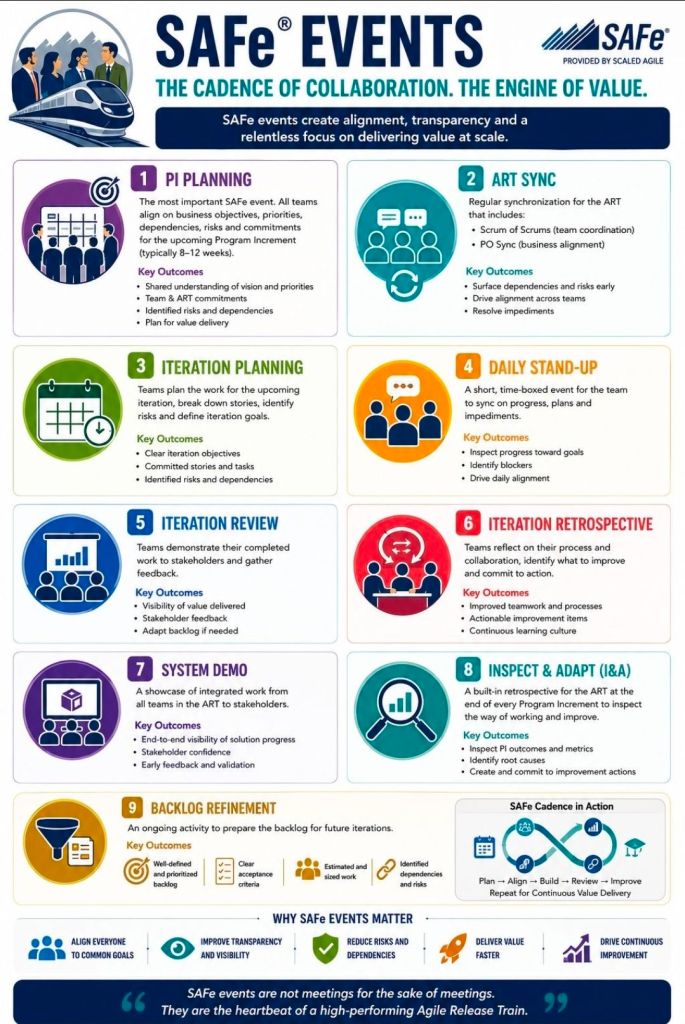
Agile SAFe Events, Cadence of Collaboration

SAFe (Scaled Agile Framework) events are structured, time-boxed ceremonies designed to drive synchronization, alignment, and continuous improvement across different levels of an enterprise

SAFe (Scaled Agile Framework) events are structured, time-boxed ceremonies designed to drive synchronization, alignment, and continuous improvement across different levels of an enterprise.

These events are primarily categorized into Team-level events (which mirror standard Scrum practices) and Agile Release Train (ART) level events (which orchestrate multiple teams working toward a shared goal).

The core events within Essential SAFe are broken down below by organizational layer.

👥 Agile Team-Level Events

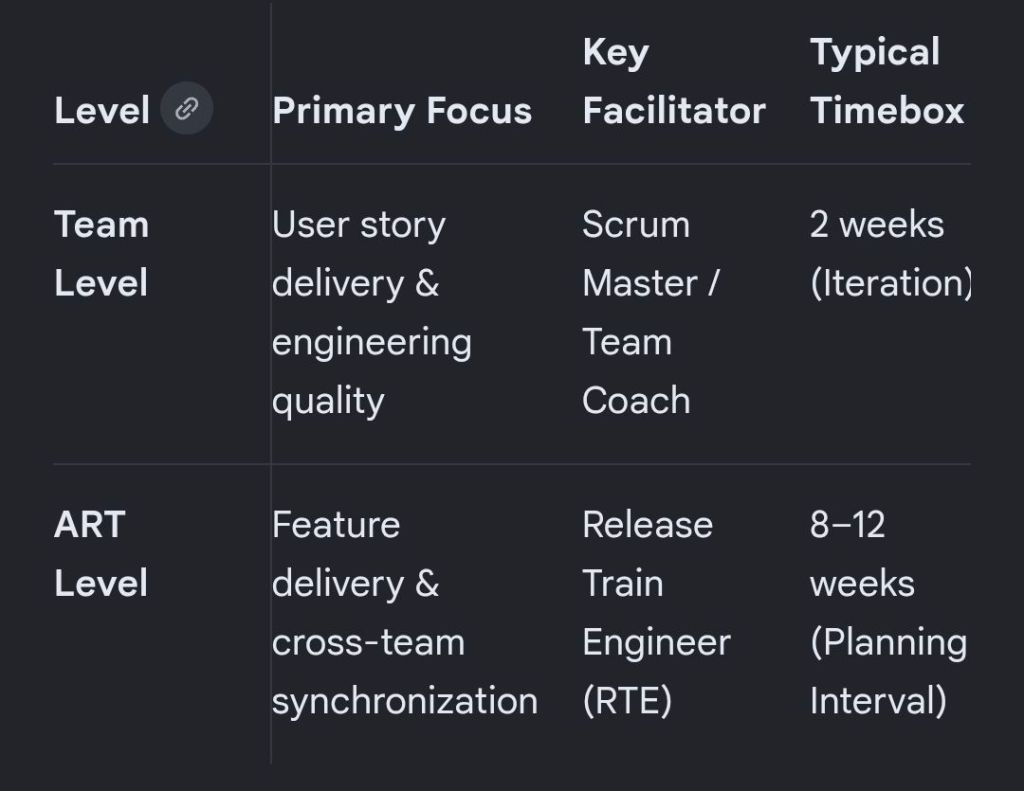
These recurrent ceremonies occur inside a short timebox called an Iteration (typically lasting 2 weeks) and focus on local execution.

  • Iteration Planning: Teams refine the iteration plan, select backlog stories, and commit to a set of Iteration Goals.
  • Team Sync (Daily Stand-up): A brief, daily 15-minute meeting where team members align on progress, discuss daily goals, and highlight impediments.
  • Iteration Review: A cadence-based showcase at the end of the iteration where teams demo working software to gather immediate feedback.
  • Iteration Retrospective: Held at the end of each iteration to reflect on the process, team dynamics, and behaviors to drive relentless improvement.
  • Backlog Refinement: A weekly meeting where the Product Owner and team flesh out, estimate, and prep user stories for upcoming iterations.

🚊 Agile Release Train (ART) Level Events

These higher-level events drive the Planning Interval (PI), an 8 to 12-week timebox where an entire “train” of 5–12 teams delivers cross-functional value.

  • PI Planning: The multi-day flagship event of SAFe where all teams, stakeholders, and leaders align on a shared business vision, map dependencies, and commit to PI objectives.
  • System Demo: A regular event occurring every iteration where the integrated functionality built by the entire ART is demonstrated to stakeholders for feedback.
  • Coach Sync (formerly Scrum of Scrums): Facilitated by the Release Train Engineer (RTE), Scrum Masters meet to resolve cross-team dependencies, risks, and progress hurdles.
  • PO Sync: Product Owners and Product Management meet to track milestone progress, manage scope adjustments, and ensure the train remains aligned with business goals.
  • ART Sync: A combined session of Coach Sync and PO Sync used to streamline communication regarding execution and deployment.
  • Inspect & Adapt (I&A): A major event held at the end of the PI consisting of a system demo, quantitative measurements, and a problem-solving workshop to implement systemic backlog improvements.

Summary of Differences

For a quick comparison, you can look at how responsibilities scale across the framework:

Scaled Agile Framework, SAFe events are structured, time-boxed ceremonies designed to drive synchronization, alignment, and continuous improvement across different levels of an enterprise
SAFe (Scaled Agile Framework) events are structured, time-boxed ceremonies designed to drive synchronization, alignment, and continuous improvement across different levels of an enterprise

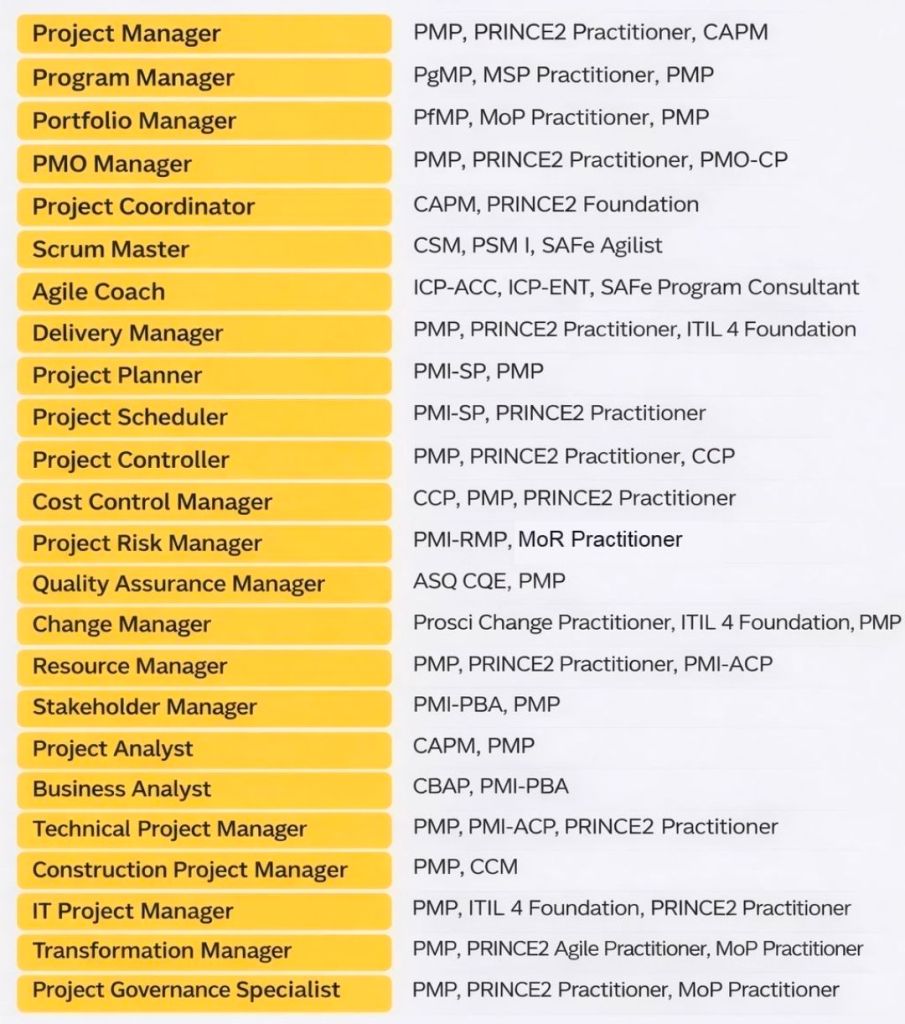
Project Management Roles and some Certifications

Project Management Roles and some Certifications

Mark Whitfield – projects timeline history from 1990

Mark Whitfield is an SC-cleared Senior IT Project Manager with over 30 years of experience delivering high-availability financial, cloud, and digital transformation projects. Over his career, he has transitioned from deep technical engineering on HPE NonStop (Tandem) mainframe systems to leading major corporate and public sector Agile and Waterfall software rollouts.

A comprehensive, year-by-year timeline breakdown of his project history and clients since 1990 is outlined below.

💻 The Technical Era (1990–1995)

During this period, Whitfield worked as a Programmer and Lead Analyst for The Software Partnership (acquired by Deluxe Data in 1994). He focused on electronic banking software (sp/ARCHITECT-BANK) on Tandem Mainframe Computers.

  • 1990–1992: Barclays Bank – Placed on-site at Knutsford, Cheshire to design and code software for the high-profile Barclays Business Master II (BBM II) electronic desktop banking project.
  • 1992–1993: Girofon (Denmark) – Developed a touch-tone phone banking suite. This allowed clients to use automated voice/menu-driven systems via a Periphonics VRAM device to fetch live balances from back-end mainframes.
  • 1993–1994: TSB & Bank of Scotland – Conducted early-era digital investigations, logic design, and mainframe coding for inter-account desktop money transfers.
  • 1994–1995: Rabobank – Headed software optimization, custom electronic coding patches, and on-site deployment validation for international operations.

🛡️ Monitoring & Infrastructure Era (1995–2013)

Whitfield joined Insider Technologies Limited (ITL) in Salford Quays, specializing in platform diagnostics, transaction monitoring, and financial logging systems for mission-critical infrastructure.

  • 1995–1996: Internal ITL Product R&D – Core developer on the Reflex monitoring suite (Reflex 80:20), creating platform health and diagnostic plug-in modules.
  • 1997–1998: CRESTCo (now Euroclear) – Brought in as a technical infrastructure consultant to run benchmark tests on newly released Tandem S7000 processing hardware nodes.
  • 1999–2001: Bank of England / Deutsche Bank – Deployed real-time tracking protocols utilizing ITL’s MultiBatch scheduling architectures and file monitors.
  • 2002–2003: Hewlett-Packard (HP) – Successfully managed the rigorous certification process for the first HP OpenView Operations (OVO) Smart Plug-In built for the NonStop mainframe environment.
  • 2004–2007: Alliance & Leicester (now Santander) / HSBC – Implemented transaction log extraction protocols (RTLX and Sentra) to audit automated teller machine (ATM) logs.
  • 2008–2010: Saudi Arabian Retail Bank – Acted as Project Manager overseeing the cross-border rollout of a high-volume ATM and Point-of-Sale (POS) monitoring system.
  • 2011–2013: Global Payments / Standard Chartered – Integrated transaction monitoring capabilities with external corporate frameworks such as TIVOLI and XPERT24 using ACI’s XPNET architecture.

🏦 Senior Project Management & Retail Banking (2013–2016)

This timeframe marked a total transition into senior contract project management, dealing directly with multi-million-pound programs.

  • 2013–2014: Lloyds Banking Group (LBG) – Augmented into Wincor Nixdorf as the IT Project Manager leading a £5+ million workstream. This was part of LBG’s comprehensive Self-Service Software Replacement (SSSR) initiative to modernise legacy ATM software.
  • 2014–2016: Betfred – Senior IT Project Manager inside an Agile Scrum structure. Directed cross-functional software vendors to deliver updates for mobile apps (iOS/Android), fraud detection systems, and payment gateways for their digital sportsbook platforms.

🌐 Enterprise Consulting & Cloud Transformations (2016–Present)

In January 2016, Whitfield joined global consultancy firm Capgemini as a Senior client-facing Engagement/Delivery Manager.

  • 2016–2017: Aerospace & Defence Client – Managed an enterprise-level integration project to deploy a Salesforce-driven Single Customer View (SCV) portal platform.
  • 2017–2018: Jaguar Land Rover (JLR) – Served as Project Manager for the iFAB Middleware Project, a complex 12-month architecture development program linking global manufacturing supply components.
  • 2018–2019: MuleSoft (A Salesforce Company) – Augmented directly into MuleSoft’s London headquarters as a Delivery Manager, spearheading API-led connectivity deployments via the Anypoint Platform.
  • 2019–2021: UK Government Agency (UK Gov) – Commanded a major Hybrid Cloud Migration initiative to refactor, re-host, and re-platform 130 legacy agency software applications directly to cloud servers.
  • 2022: UK Utility Sector (Welsh Water / Scottish Water) – Dual-management lead executing a £0.5 million contract to migrate an aging, on-premise document management program (EQS) onto the Microsoft Azure cloud via Enablon.
  • 2023–2026: Public Sector & Core Tooling (Current) – Managing high-value middleware and API integrations for entities like the Royal Mail Group (RMG), NATS, and regional government bodies. Concurrently authors a widely used portfolio of commercial project management templates (RAID logs, RACI matrixes, and MS Project MPP layouts) published via PROject Templates.

Capgemini Engagement Manager is a senior-level, client-facing role

A Capgemini Engagement Manager is a senior-level, client-facing role responsible for end-to-end delivery of complex business and technology transformation programs. They bridge strategy and execution, acting as a trusted advisor to clients while maintaining operational and financial control over projects.

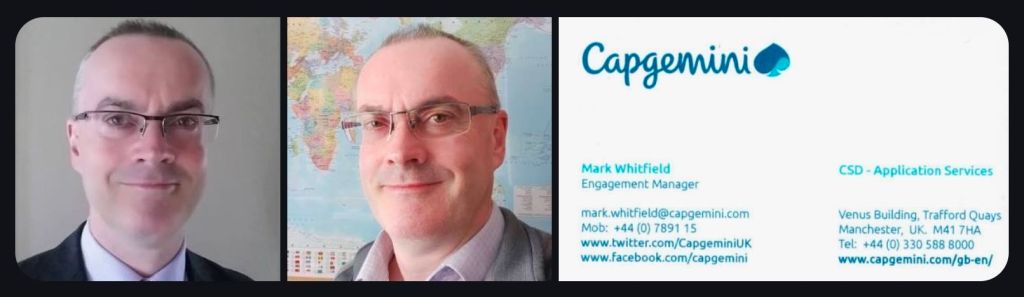
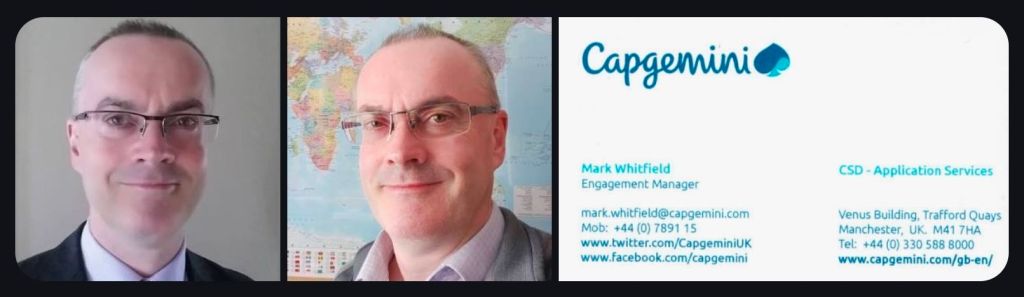
Mark Whitfield PM, Capgemini Engagement Manager from 2016
Engagement Manager, from 2016

Key Responsibilities

  • End-to-End Delivery: Overseeing projects from start to finish, ensuring milestones, SLAs, and contractual obligations are met on time and within budget.
  • Financial Accountability: Managing project budgets, revenue tracking, forecasting, invoicing, and contract compliance.
  • Stakeholder Management: Acting as the primary client point of contact while aligning cross-functional and globally distributed delivery teams.
  • Risk & Governance: Identifying potential roadblocks, proactively managing risks, and ensuring strict adherence to project governance standards.
  • Business Growth: Spotting opportunities for additional business and supporting bid activities for account expansion.
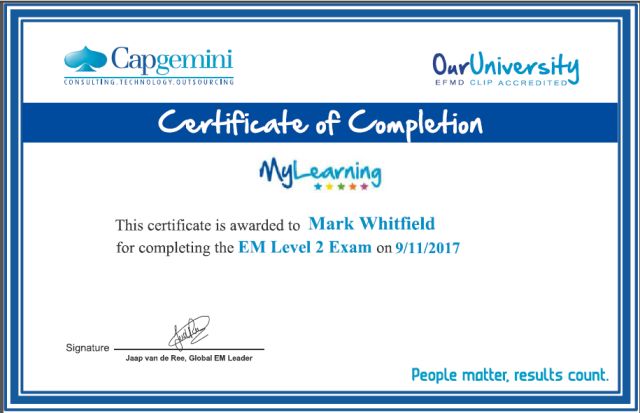
Mark Whitfield, Engagement Management EM Level 2 Exam Passed 2017

Ideal Candidate Profile

  • Experience: Typically requires a degree in Business, Engineering, or IT, combined with at least 5+ years of experience in project management or service delivery within a B2B environment.
  • Skills: Strong commercial acumen, proficiency in formal methodologies (e.g., Agile, ITIL), and the ability to lead diverse, multinational teams.
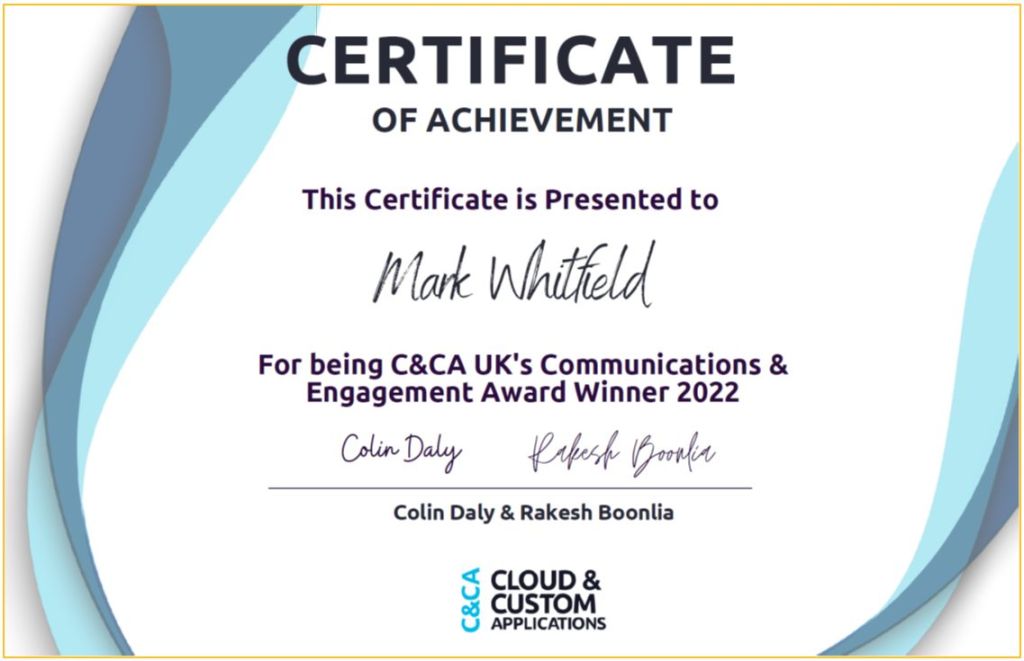
C&CA UK's Communications & Engagement Award Winner 2022, Cloud & Custom Applications, Mark Whitfield
C&CA UK’s Communications & Engagement Award Winner 2022, Cloud & Custom Applications, Mark Whitfield

Explore current vacancies and learn more about the EM community through the Capgemini Careers Portal or their specific Engagement Management Careers overview.

Capgemini Engagement Manager, from 2016.

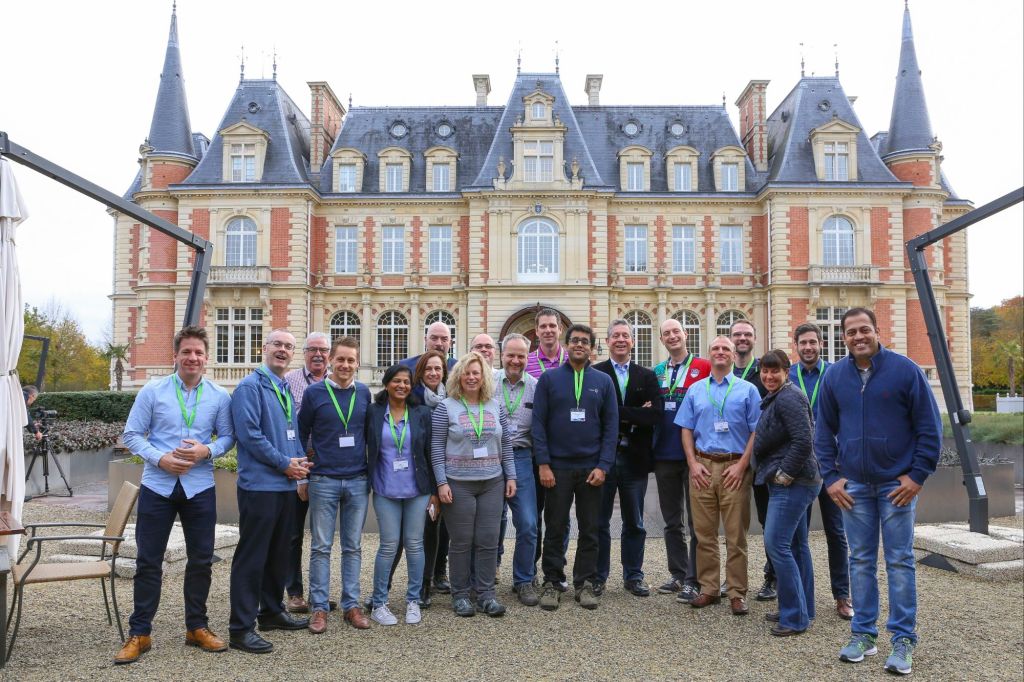
Capgemini Campus – Serge Kampf Les Fontaines, Chantilly, France – Advanced Engagement Management Course – November 2017 Class – 2nd from left, Mark Whitfield
Capgemini Campus – Serge Kampf Les Fontaines, Chantilly, France – Advanced Engagement Management Course – November 2017 Class – 2nd from left

Mark Whitfield – Senior Project Manager – training received

Mark Whitfield, an SC cleared Senior Project Manager based in the Manchester area, has over 30 years of experience transitioning from a software engineer to an IT program leader.

His extensive technical and project management training spans methodologies, cloud infrastructure, and software applications.

A detailed breakdown of his training, certifications, and academic background includes:

Project Management Methodologies

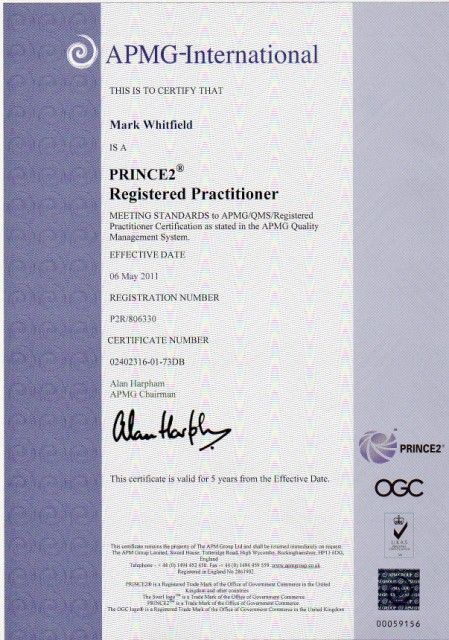
  • PRINCE2 Practitioner: Certified via the ILX Group.
  • Agile SCRUM: Trained in-house with RADTAC.
  • Advanced Engagement Management: Level 2 certification completed via Capgemini.
  • Project Fundamentals: Completed “Fundamentals of Successful Project Management” and “Managing Multiple Projects” via Skillpath.
  • Microsoft Project: Microsoft Project ’98 certified.

Technical & Cloud Training

  • Microsoft Azure: AZ-900 Microsoft Certified Azure Fundamentals.
  • MuleSoft: Completed outcome-based delivery training and is a specialized Delivery Manager.
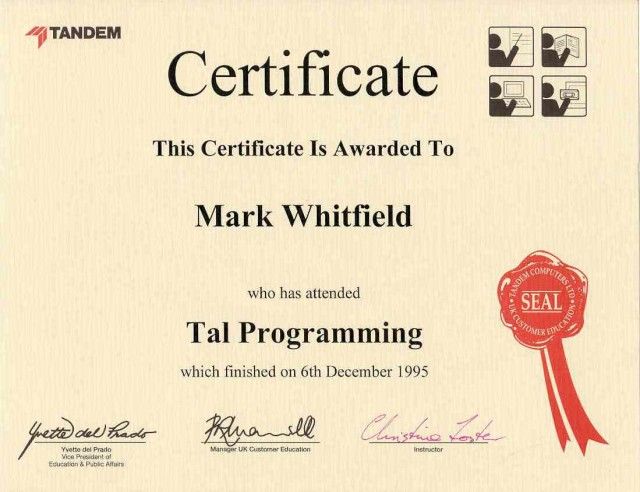
  • Technical Programming: Includes foundational database and software language training, such as C++ and MS SQL 2000 query training, as well as VPS and Tandem (HPE NonStop) technical/development courses.
  • Productivity: Completed Microsoft Excel Refresher and Expert skills training (Udemy and Microsoft).

Formal Education

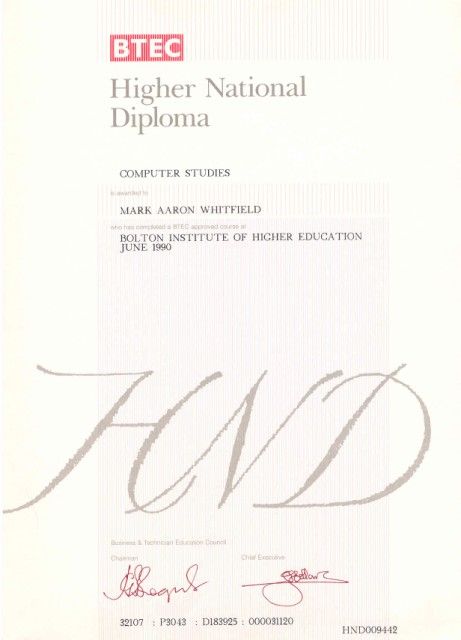
  • Higher National Diploma (HND): Graduated with a Distinction (top) in Computing (1990).

You can review his detailed credential breakdown on the PROject Templates Professional Training Page.

Centiun is a UK-based IT consultancy and Microsoft AI Cloud Partner

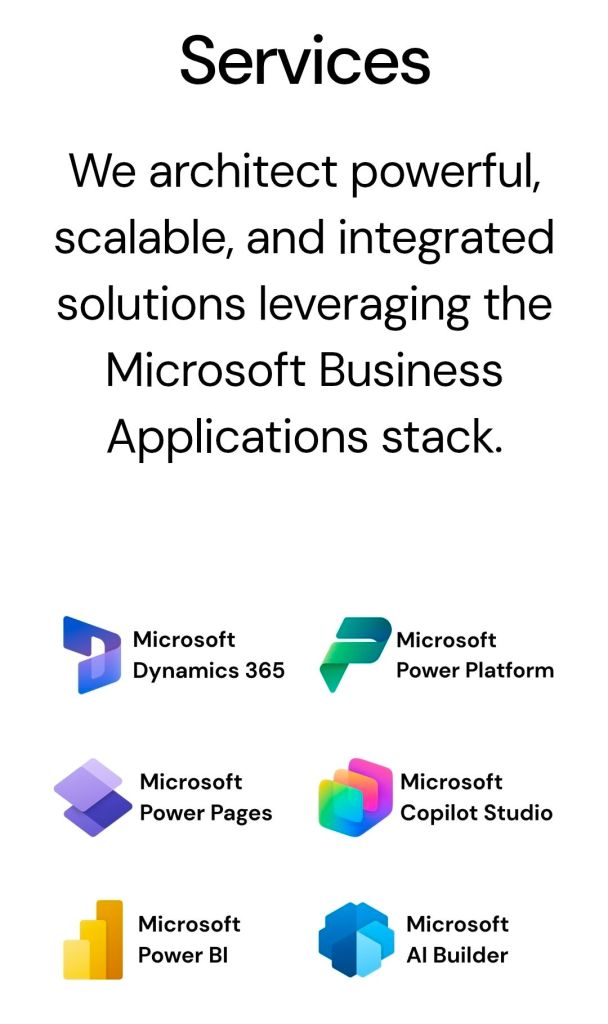
Centiun is a UK-based IT consultancy and Microsoft AI Cloud Partner specializing in digital transformation, Microsoft Dynamics 365, and Power Platform solutions.

Centiun is a UK-based IT consultancy and Microsoft AI Cloud Partner

Headquartered in Cheadle, Cheshire, the company delivers expert solution architecture, implementation, and managed support to public and private sector organizations.

Executive Staff & Leadership

  • Kieran Gerard Holmes: Director and Principal Solution Architect. A senior Microsoft expert with certifications across Dynamics 365, Power Platform, and Microsoft AI.
  • Wider Consulting Team: The company is built around a close-knit, highly qualified team of Microsoft Certified Professionals (MCPs) and Solutions Architects who focus on mid-market and enterprise digital change.
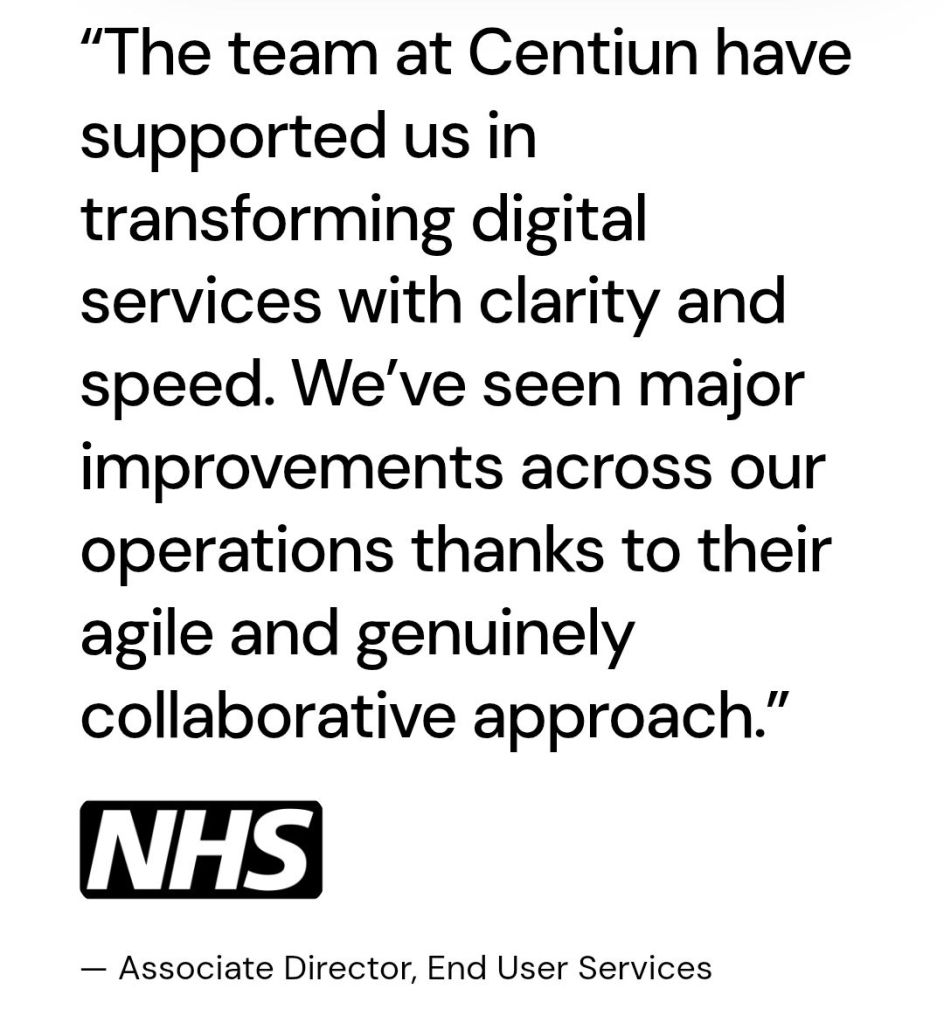
NHS, End User Services

Timeline Breakdown by Year

Centiun has grown rapidly in the cloud and AI solutions space. Key milestones include:

  • 2025 (Company Foundation & Initial Certifications)
    • October 30, 2025: Centiun Limited was officially incorporated, establishing its registered headquarters at Cheadle Royal Business Park in Cheshire.
    • Late 2025: Secured nationally recognized Cyber Essentials certification and completed registration with the Information Commissioner’s Office (ICO) for secure data management compliance.
    • Late 2025: Began publishing specialized insight articles focused on legacy app modernization and driving intelligent, data-driven decisions via Microsoft Power BI.
  • 2026 (Expansion & AI Solutions)
    • Early 2026: Positioned itself as a strategic Microsoft SME partner providing personalized digital transformations, cloud migrations, and technical governance.
    • Spring 2026: Expanded consulting efforts into “Agentic Customer Experience (CX)”—advising organizations on how to implement Microsoft Copilot, AI agents, and Dynamics 365 Contact Center workflows.
    • Spring/Summer 2026: Continued to build digital footprints across public bodies, healthcare, non-profit, and financial services sectors.

To explore how their architects can assist with your Microsoft transformations, request a consultation or view their technology resources on the Centiun website.

Centiun is a UK-based IT consultancy and Microsoft AI Cloud Partner

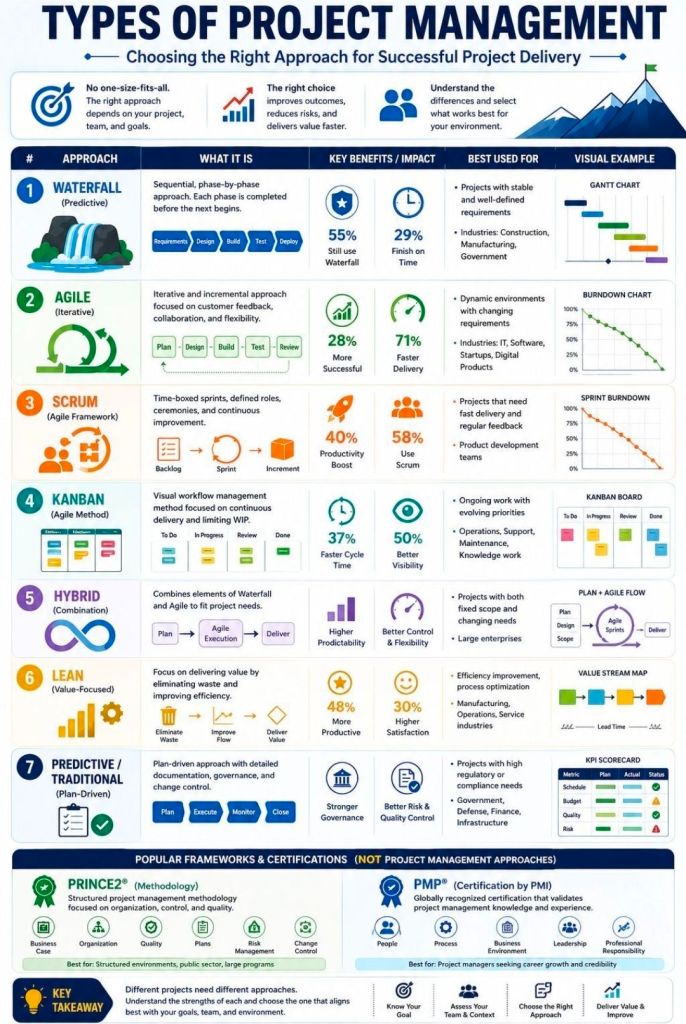
Types of Project Management for Successful Project Delivery

Types of Project Management for Successful Project Delivery