

Empiricism is the foundational theory of the Agile Scrum framework, asserting that knowledge comes from experience and that decisions should be based on real-world observations rather than upfront predictions. Instead of following a rigid, predefined plan, Scrum relies on an iterative process to navigate complex and unpredictable environments. This empirical process control model is sustained by three distinct pillars.
The Three Pillars of Empiricism
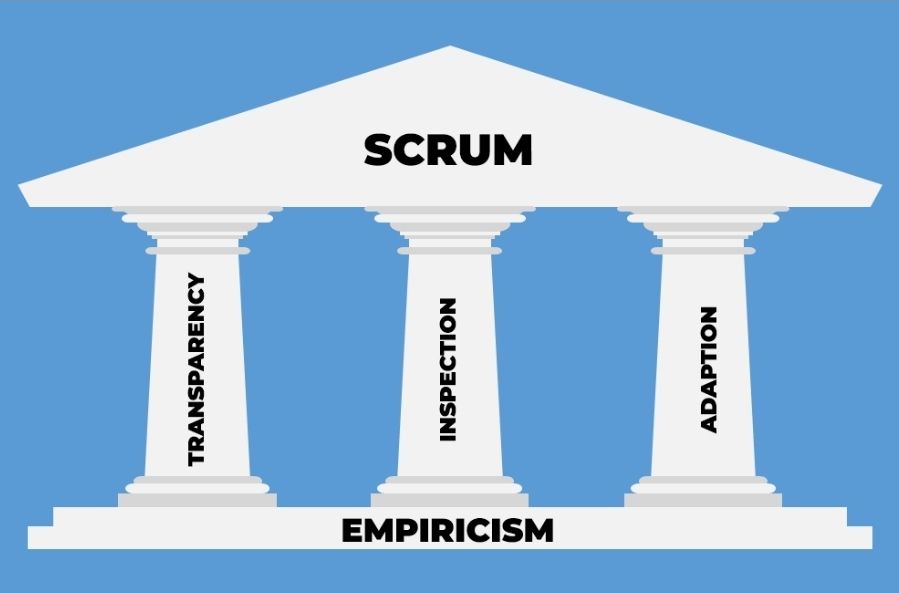
The Scrum Guide specifies three pillars that must work together to create an effective empirical feedback loop:
- Transparency: The significant aspects of the process must be visible to those responsible for the outcome. Decisions are driven by the perceived state of artifacts, which means any hidden issues or misreported metrics directly sabotage future decision-making.
- Inspection: Scrum artifacts and progress toward agreed goals must be evaluated frequently and diligently. This continuous assessment identifies unwanted variances or deviations from the desired outcome.
- Adaptation: If an inspection reveals that aspects of a process or product deviate outside acceptable limits, the team must adjust immediately. An adjustment must be made as quickly as possible to minimize further deviation.
How Scrum Events Enable Empiricism
Inspection and adaptation cannot happen in a vacuum. Scrum provides four formal events that act as a structured cadence for empirical evaluation:
- Sprint Planning: The team inspects the Product Backlog and adapts their upcoming workload to define a realistic Sprint Goal.
- Daily Scrum: Developers inspect progress toward the Sprint Goal and adapt their immediate daily plan.
- Sprint Review: The team and stakeholders inspect the newly created product increment to adapt the Product Backlog for future value.
- Sprint Retrospective: The team inspects their internal dynamics, tools, and processes to adapt how they operate in the next Sprint.
The Critical Role of Trust
Empiricism fails without a baseline culture of trust and psychological safety. For transparency to occur, team members must possess the courage to share bad news and highlight product deficiencies early. When individuals fear blame, they hide reality—rendering subsequent inspection flawed and any adaptation completely wasteful.


