Why Agile Scrum Teams Use Fibonacci Story Points

Why Agile Scrum Teams Use Fibonacci Story Points

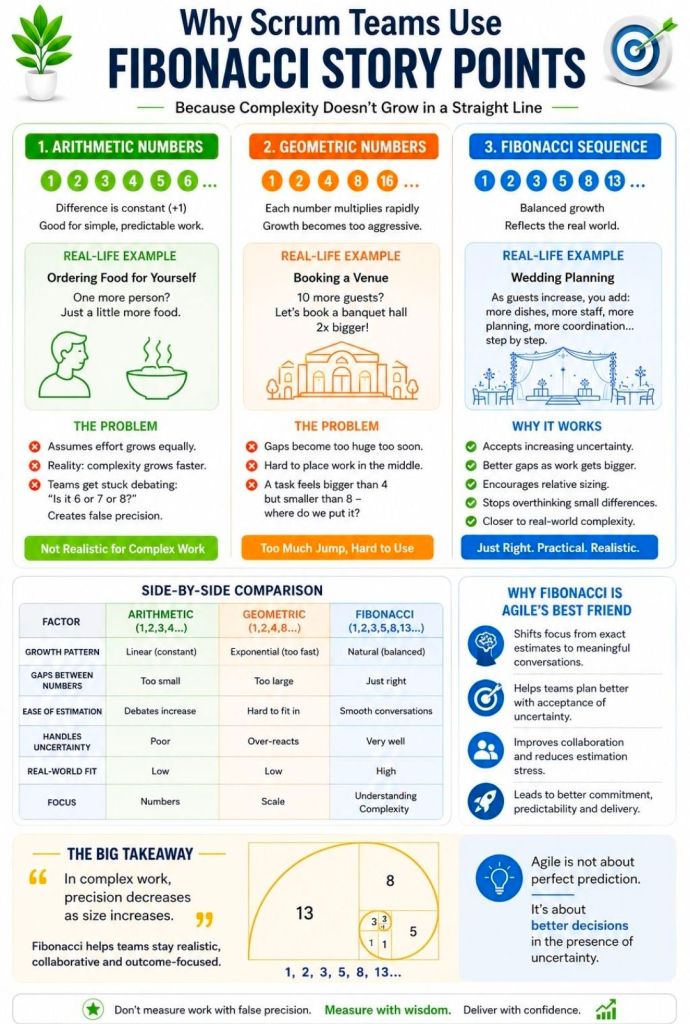
Agile Scrum teams use Fibonacci story points to account for exponential uncertainty, eliminate low-value debates over absolute hours, and establish relative sizing based on complexity.

Instead of using a standard linear scale (\(1, 2, 3, 4, 5…\)), Agile frameworks adopt the Fibonacci sequence (\(1, 2, 3, 5, 8, 13…\)) or a modified version (\(1, 2, 3, 5, 8, 13, 20, 40…\)) to fundamentally change how teams measure and discuss work.

🧠 The Psychology and Science of Sizing

  • Weber’s Law: Human brains struggle to detect minor differences in large magnitudes. While you can easily spot the difference between a 1kg and 2kg weight, you cannot easily tell the difference between 20kg and 21kg. The Fibonacci sequence mimics this by expanding the numbers proportionally (roughly a 60% jump each time), aligning with how humans naturally perceive effort.
  • Increasing Uncertainty: The larger a software development task is, the more unknowns it contains. The widening gaps between Fibonacci numbers (e.g., the jump from 8 to 13) visually represent this growing exponential risk and ambiguity.
  • Prevents False Precision: Estimating a complex feature at “39 hours” gives a false sense of security. Forcing the team to bucket a highly complex task as an 8 or 13 keeps the focus on high-level estimation rather than pixel-perfect precision.

🚀 Operational Benefits for Scrum Teams

  • Faster Planning Poker Sessions: Linear scales cause teams to waste valuable time arguing whether a task is a 5 or a 6. Because the Fibonacci sequence jumps straight from 5 to 8, it eliminates minor nitpicking and drives significantly quicker team alignment.
  • Shifts Focus to “CUE”: Story points measure Complexity, Uncertainty, and Effort altogether. Moving away from traditional hours breaks the mental link to individual time constraints, allowing a senior and a junior developer to agree on a task’s relative size even if they would complete it at different speeds.
  • Natural “Epic” Indicators: High Fibonacci scores serve as an immediate operational trigger. Most Scrum teams establish a rule that any user story rated an 8 or 13 is too large for a single sprint and must be broken down into smaller, bite-sized tasks.

Why Agile Scrum Teams Use Fibonacci Story Points
Agile Product Backlog Refinement

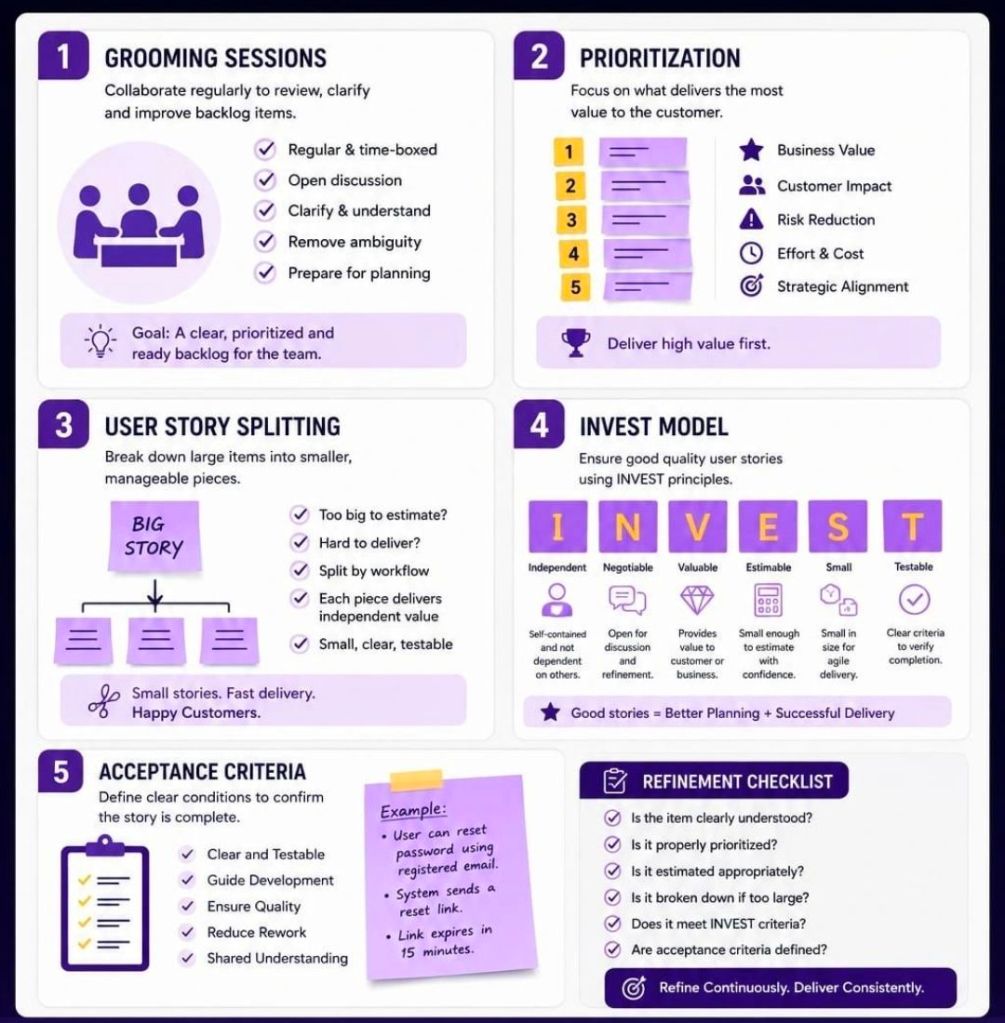
Agile Product Backlog Refinement

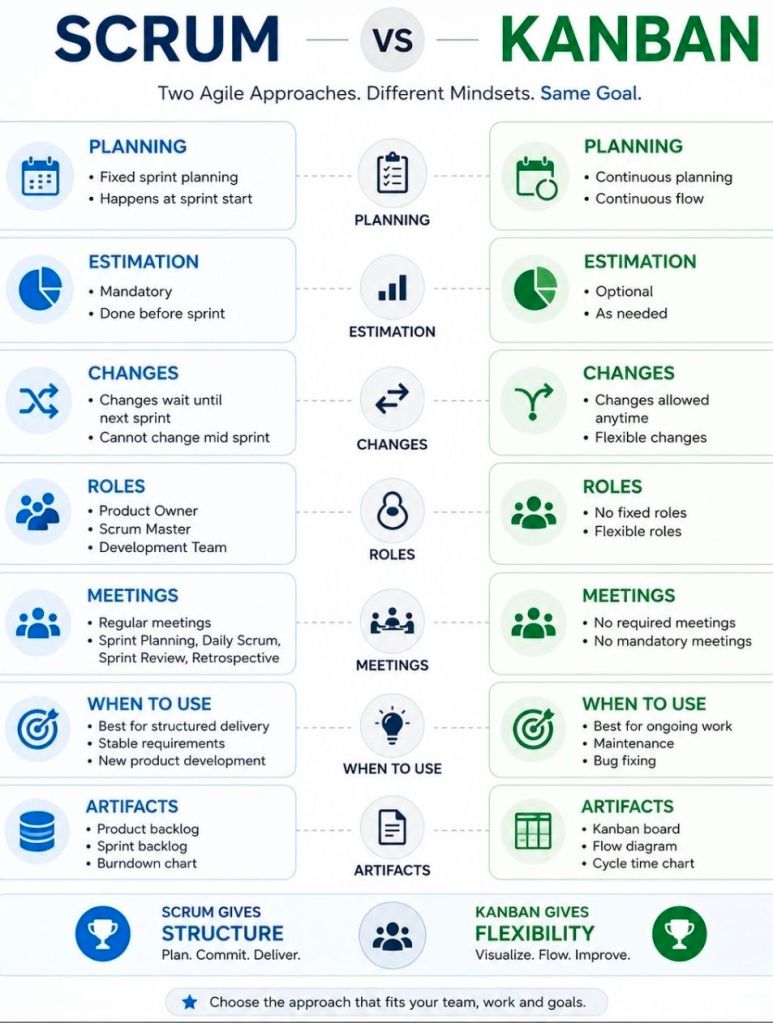
Agile – Scrum vs Kanban

Agile - Scrum vs Kanban
Agile – Scrum vs Kanban

Scrum and Kanban are both popular Agile project management frameworks, but Scrum relies on rigid, time-boxed cycles with explicit roles, while Kanban focuses on continuous workflow and limiting work-in-progress to resolve bottlenecks.

Core Mechanics of Scrum

  • Time-Boxed Sprints: Work is divided into locked iterations where the team commits to a specific batch of deliverables.
  • Strict Ceremonies: Requires mandatory structural events including Sprint Planning, Daily Scrums, Sprint Reviews, and Retrospectives.
  • Clear Accountabilities: Relies on a Product Owner to dictate priorities, and a Scrum Master to eliminate work blockers.

Core Mechanics of Kanban

  • WIP Limits: Explicitly caps the maximum number of active items allowed in any single workflow column to prevent overloading.
  • Continuous Delivery: Tasks flow from the backlog to “Done” independently as resources allow, rather than in batched releases.
  • Evolutionary Change: Fits seamlessly over existing operational hierarchies without requiring an organizational overhaul.

How to Choose the Right Framework

Choose Scrum if:

  • You are building a complex product requiring highly disciplined planning cycles.
  • The project requires substantial stakeholder engagement and frequent product reviews.
  • Your team prefers structured routine, cross-functional collaboration, and highly concrete targets.

Choose Kanban if:

  • Your workflow is dictated by inbound, unpredictable operational tasks (like IT support or bug tracking).
  • Priorities change rapidly, demanding immediate pivot capabilities mid-week.
  • You want a visual aid to reveal pipeline bottlenecks without altering current team roles.

Note: Many organizations merge these models into a hybrid approach known as Scrumban, leveraging Scrum’s regular event cadences alongside Kanban’s visual WIP flexibility.

Mark Whitfield’s Project Management Templates offer a comprehensive, fully editable toolkit of over 200 documents

Mark Whitfield’s Project Management Templates offer a comprehensive, fully editable toolkit of over 200 documents spanning the entire project lifecycle. Designed for PRINCE2, Agile Scrum, and Waterfall methodologies, the suite helps project managers streamline planning and tracking. The toolkit is available on platforms like Mark Whitfield’s Project Templates and Etsy – ProjectTemplatesSoft.

Here is a detailed breakdown of the templates by type:

1. Planning & Scheduling Templates

These templates help structure timelines, resource allocation, and task dependencies.

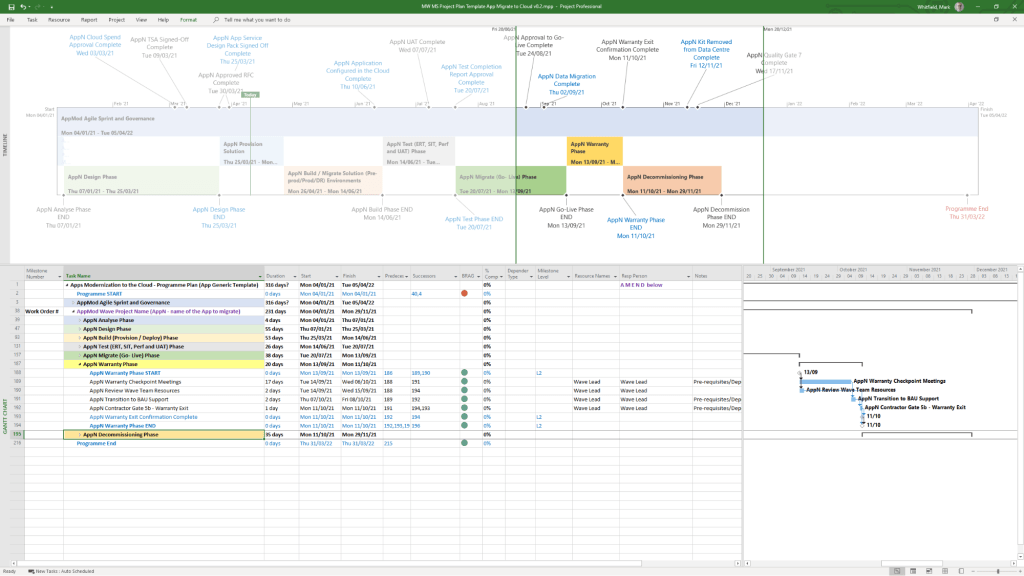
  • MS Project Plans (.mpp): Detailed, annotated files spanning full Software Development Life-Cycles (SDLC) and PRINCE2 7th Edition. Includes sprint overviews for Agile teams.
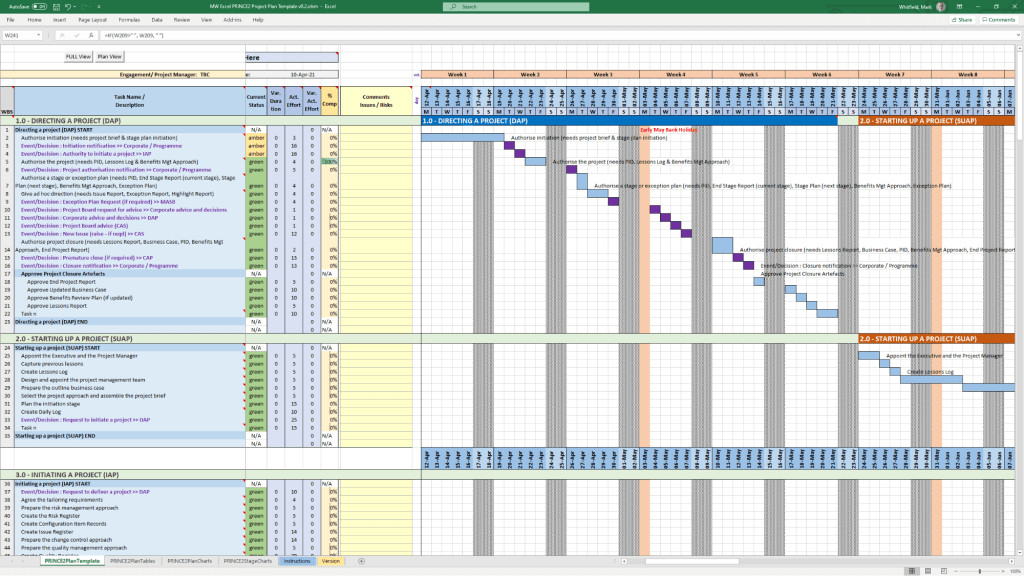
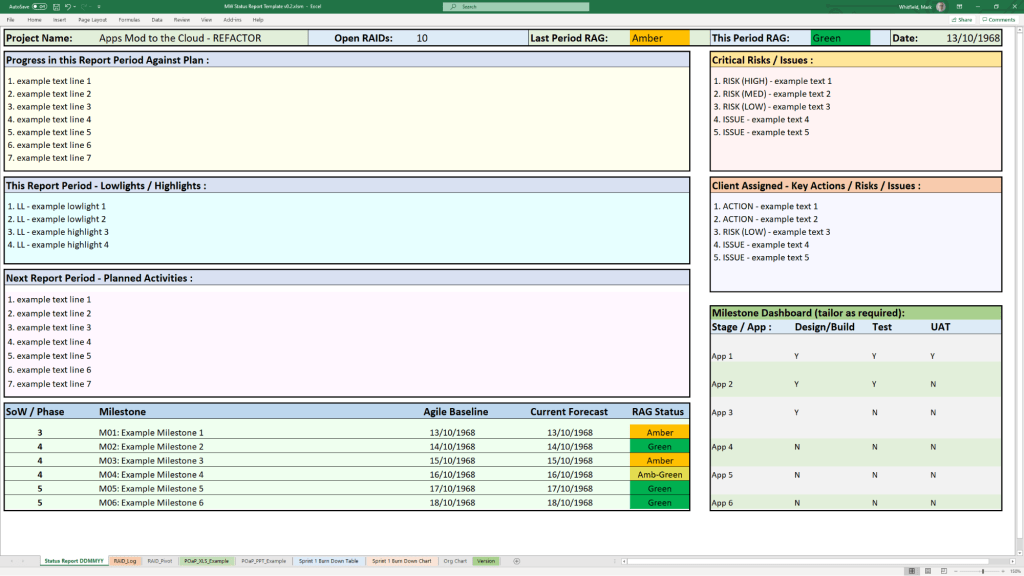
  • Excel Detailed Plans: Full Gantt chart and task tracking for users who do not have MS Project. Includes self-populating columns for baseline variance, actual effort, and RAG (Red/Amber/Green) status.
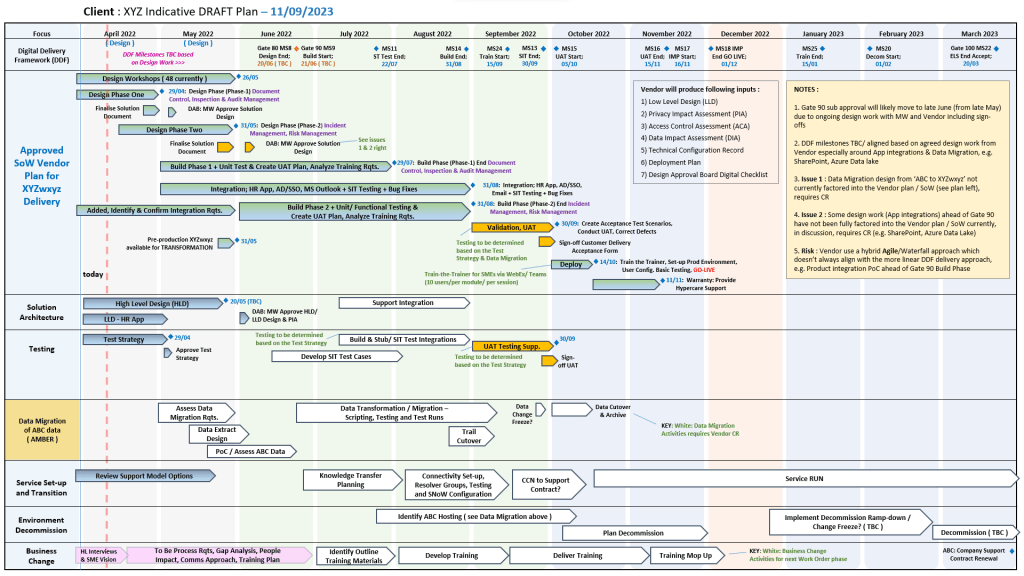
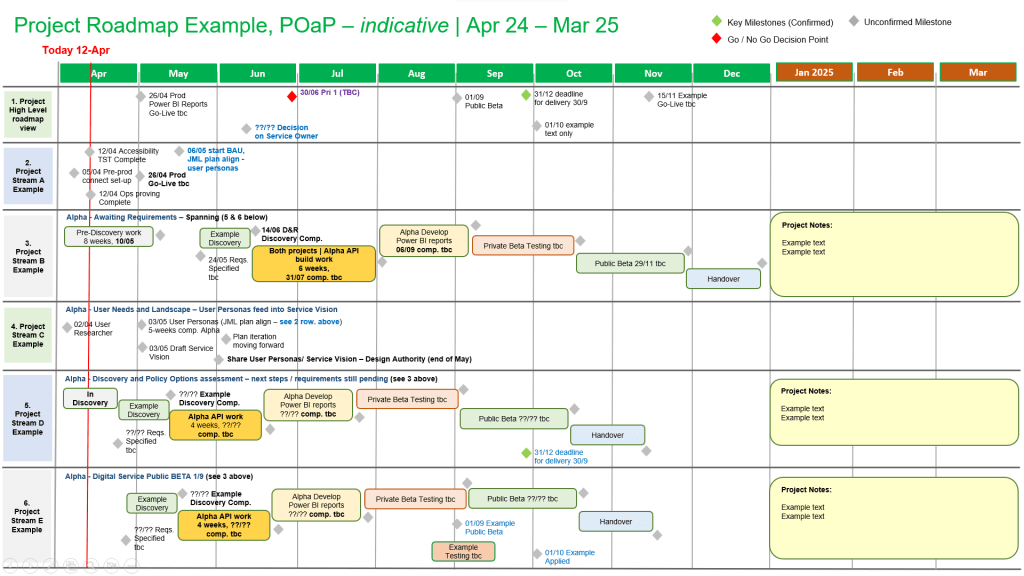
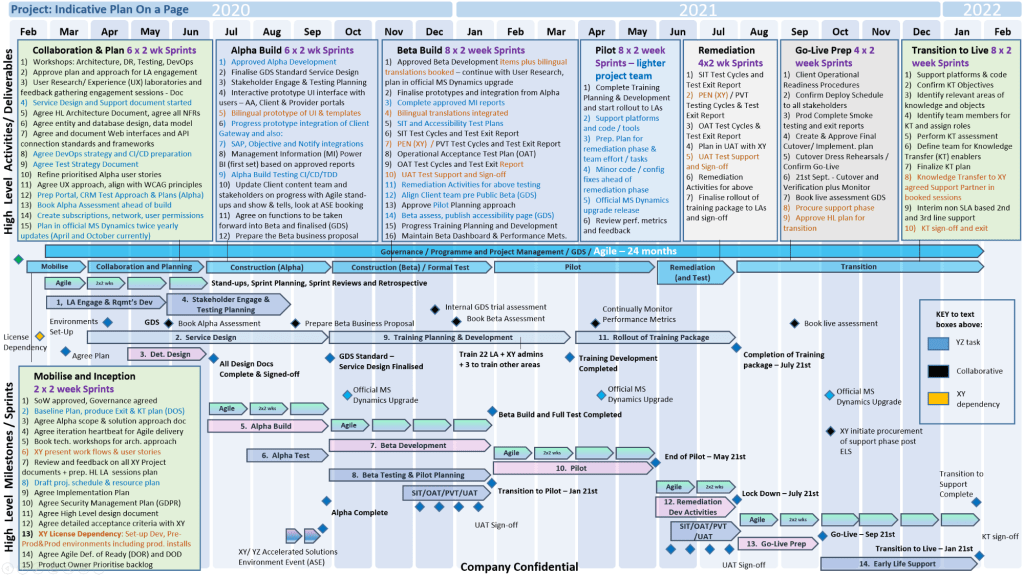
  • Plan on a Page (POaP): Over 30 PowerPoint slide designs that simplify complex project timelines, allowing you to present the overarching plan to clients and executives without overwhelming them with micro-details.
Mark Whitfield’s Project Management Templates offer a comprehensive, fully editable toolkit of over 200 documents

2. RAIDs Log Templates

These core tracking documents help manage the unknowns and variables of your project.

  • Basic RAIDs Log: Simple trackers for Risks, Assumptions, Issues, and Dependencies.
  • Comprehensive RAIDs Log: Highly detailed sheets with separate tabs to track supplier details, individual deliverables, Change Requests (CR), and out-of-scope (OOS) tasks.

3. Financial Management Templates

Designed to maintain tight control of your budget and forecast.

  • Monthly Finance Tracker: Simple sheets to monitor monthly forecasts, actuals, annual leave, and monthly variances.
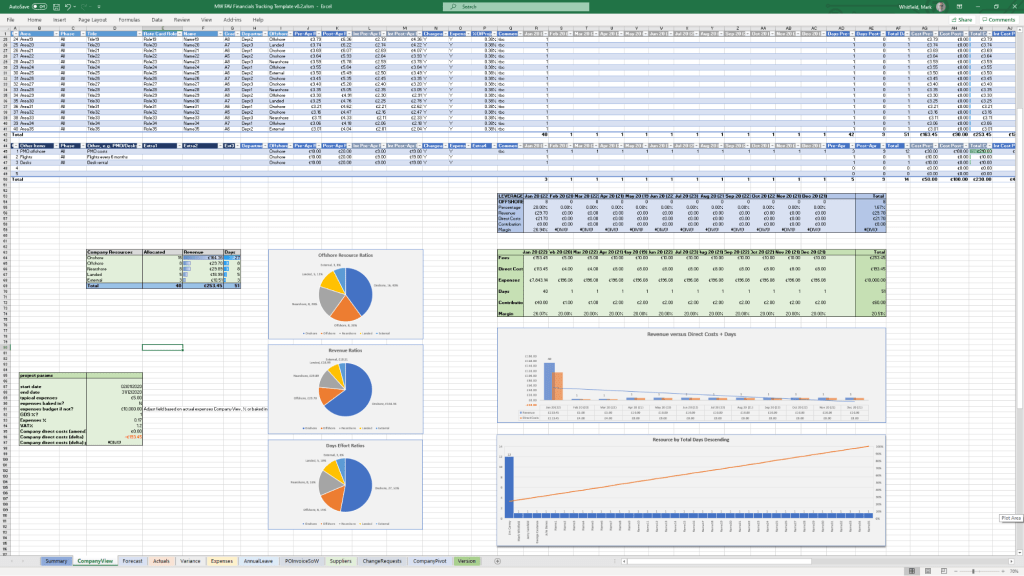
  • Project Cost Tracker: Full-featured financial spreadsheets providing rate lookups, margin calculations, expense logs, and built-in charts for financial reporting.

4. Governance & Project Controls

These templates form the administrative and structural backbone, primarily based on the PRINCE2 methodology.

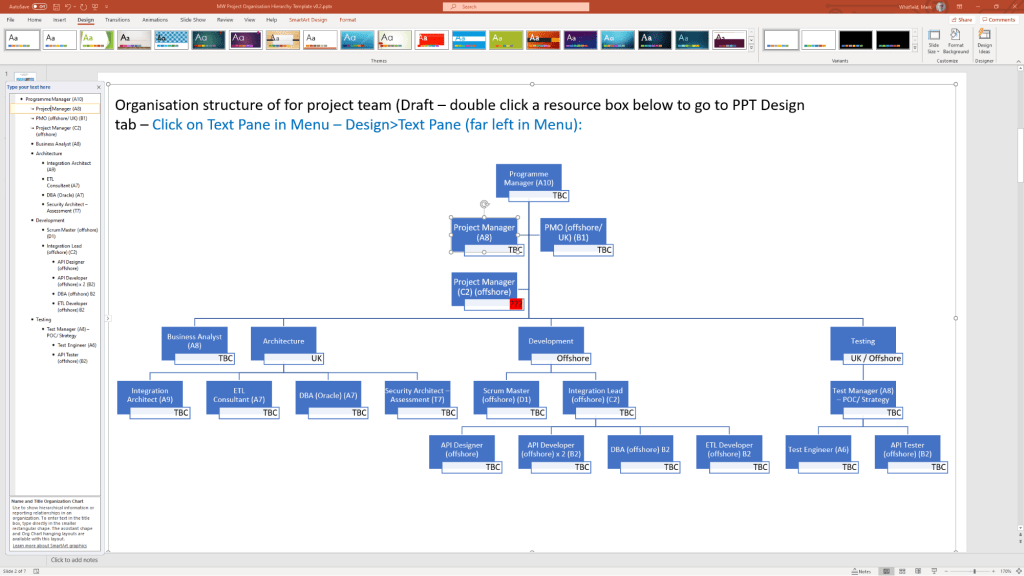
  • Project Initiation Documentation (PID): Includes templates for the Business Case, project approach, roles & responsibilities, and team structure.
  • Reports: Standardized documents for Checkpoint Reports, Highlight Reports, End-Stage Reports, and Exception Reports.
  • Logs & Registers: Tailored templates for Lessons Learned, Quality Management, and Configuration Item Records.

5. Stakeholder & Team Management Templates

Focused on communication and team alignment.

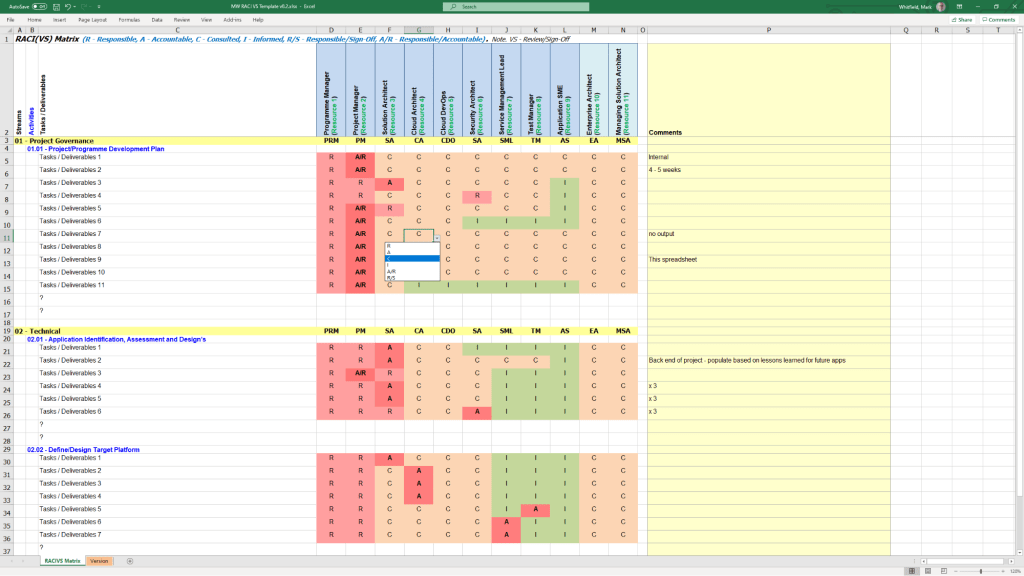
  • RACI Matrix: A tracker to define exactly who is Responsible, Accountable, Consulted, and Informed for each project task.
  • Stakeholder Analysis: Charts and planning tables designed to measure stakeholder “influence vs. impact” so you know exactly how to manage expectations.
  • Mobilisation Kit: Onboarding documents and team kickoff presentations to get new resources up to speed quickly.

6. Agile & Specialized Execution Templates

  • Agile Dependency Tracking: Tools designed specifically to monitor user stories that have hard dependencies on external suppliers or stakeholders.
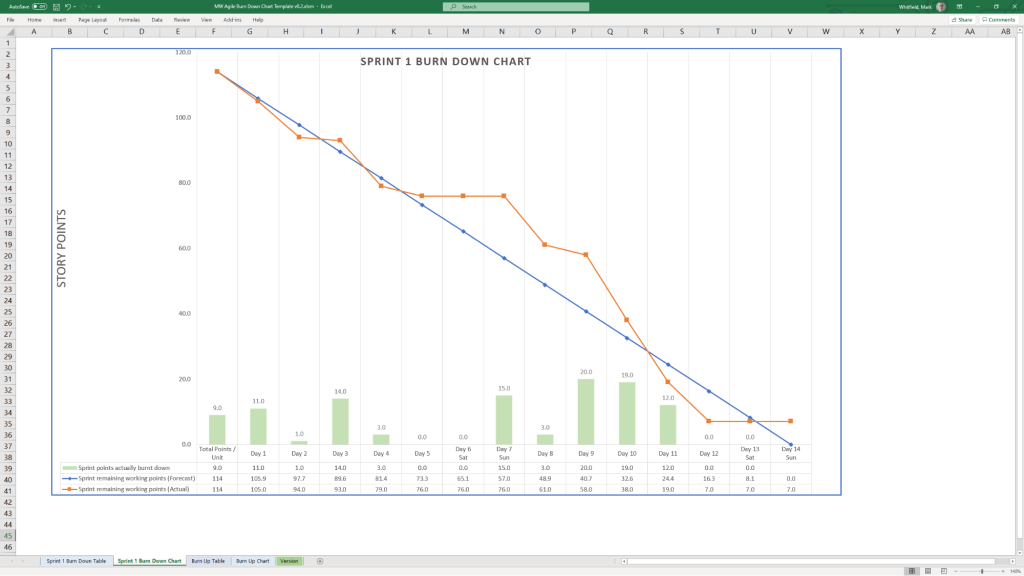
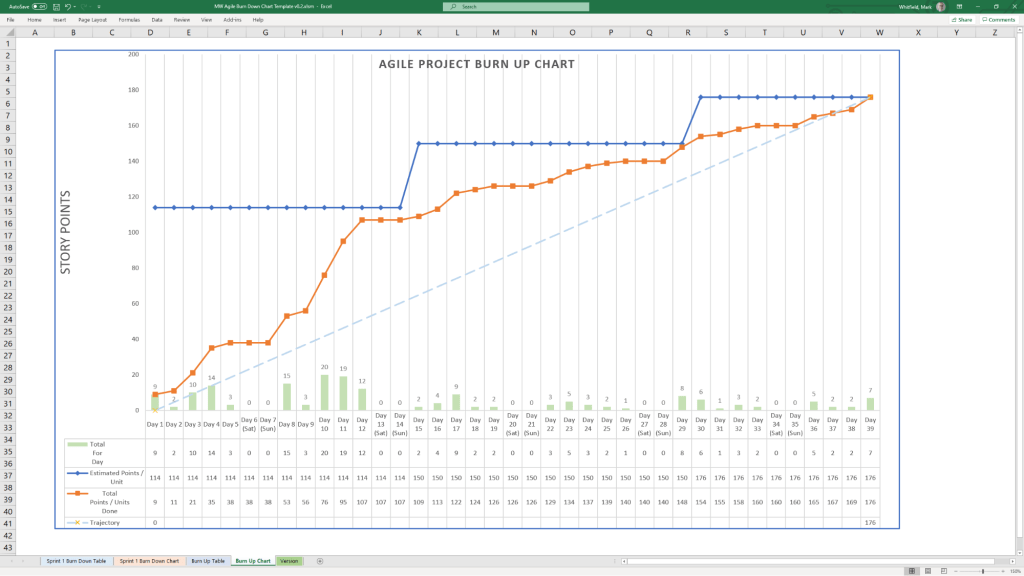
  • Burn Down / Burn Up Charts: Visual aids in Excel to track sprint velocity and project progression against deliverables.
  • Benefits Realization Plan: A spreadsheet that evaluates the project’s completed deliverables against the organization’s original business goals and financial targets.

All templates are designed for use across desktop, tablet, and cloud platforms. Purchases on his site come with lifetime free upgrades for any additions he makes to the package.

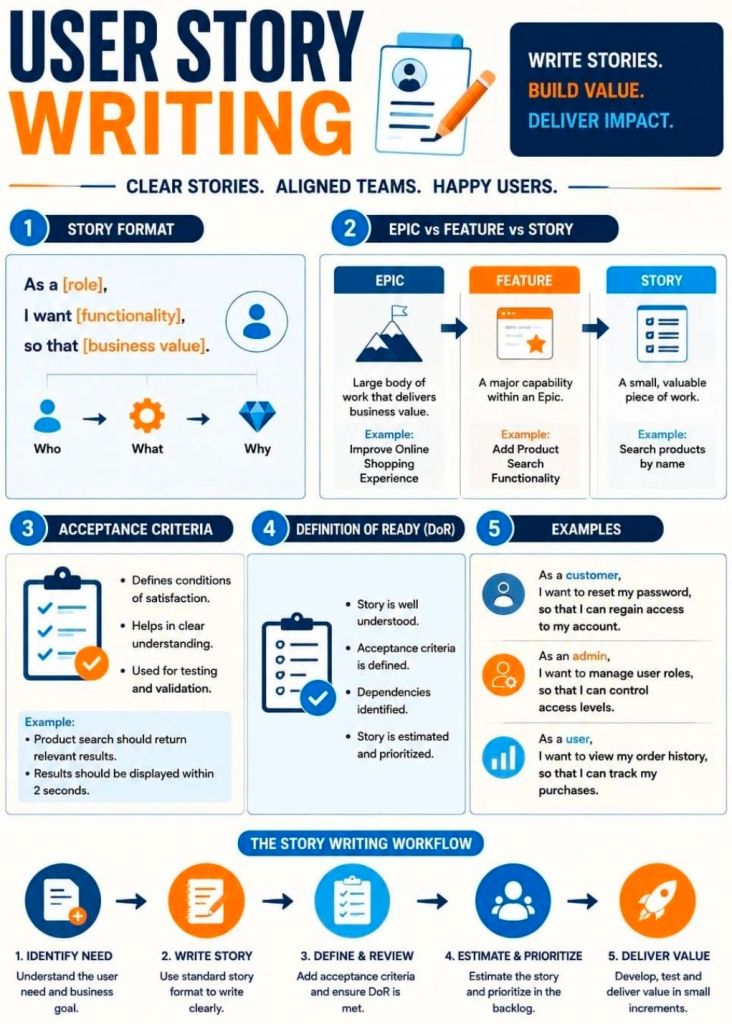
Agile User Story Writing

Agile User Story Writing

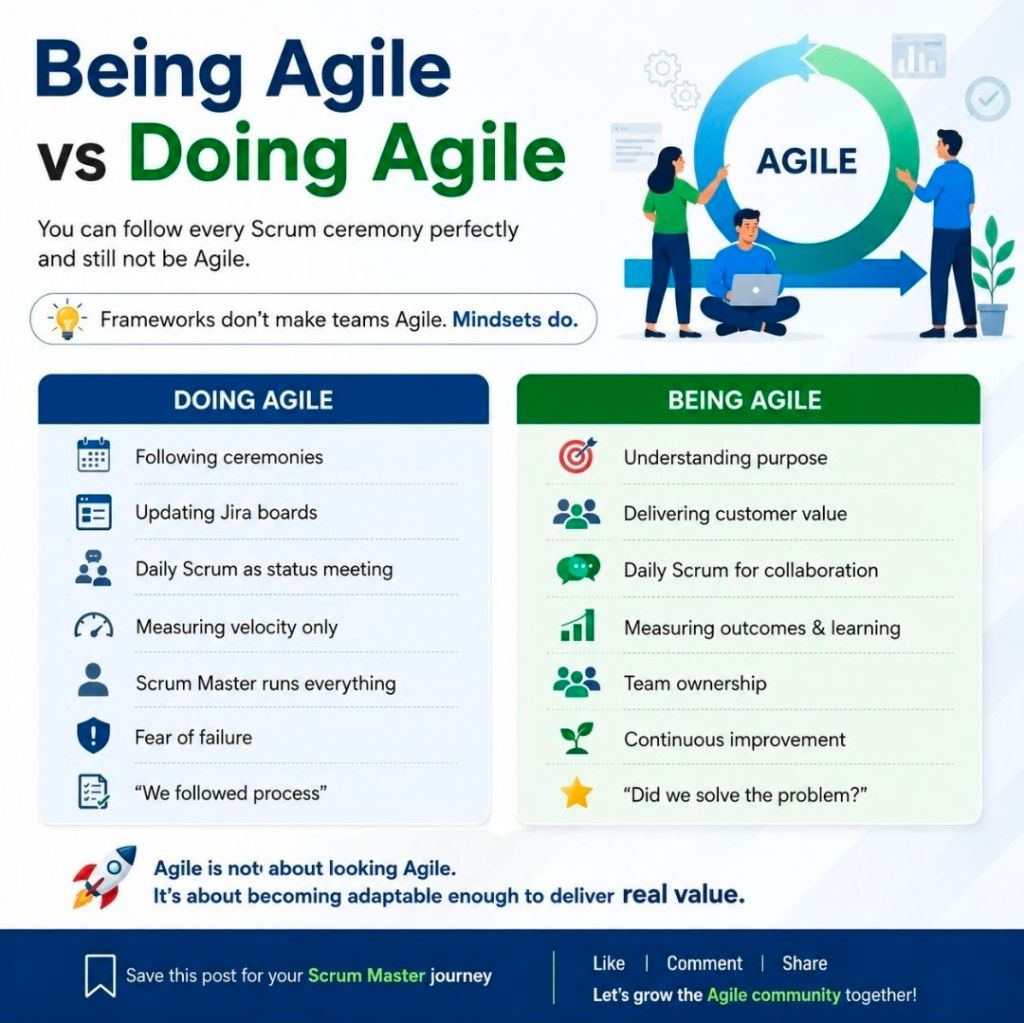
Being Agile versus Doing Agile in Scrum

Being Agile versus Doing Agile in Scrum

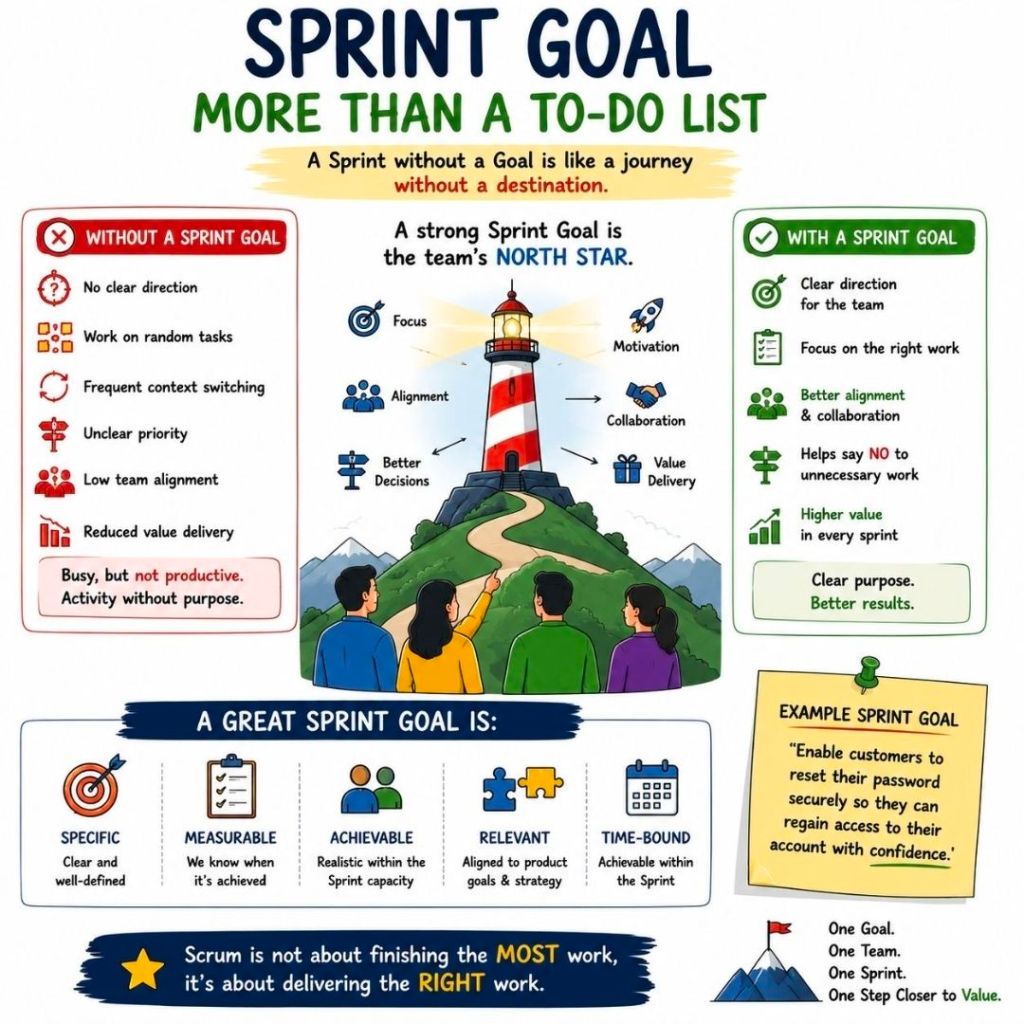
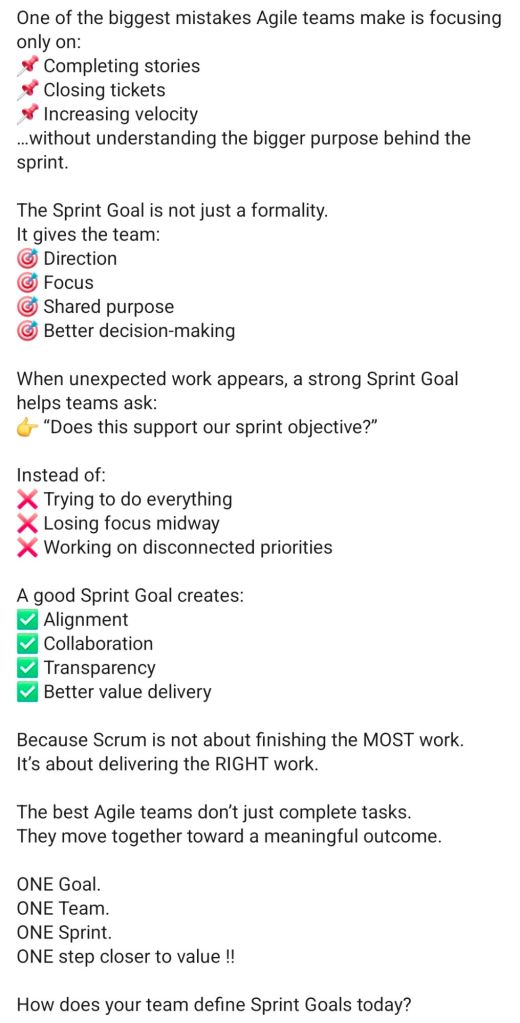
Agile Sprint Goal Summary Overview

Agile Sprint Goal Summary Overview

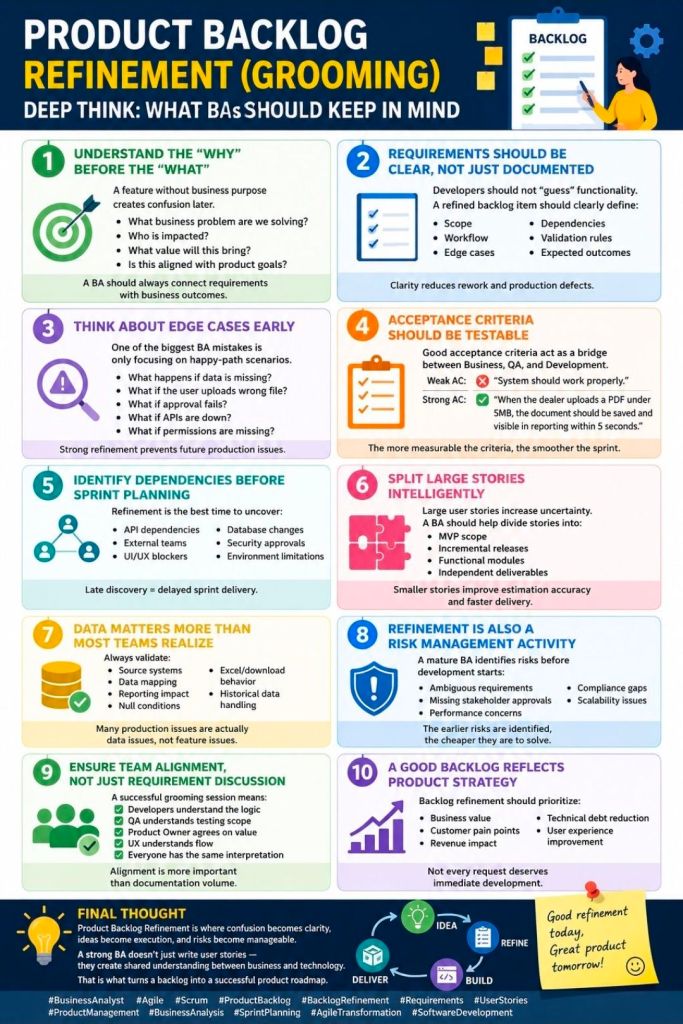
Agile Product Backlog Refinement Grooming

Agile Product Backlog Refinement Grooming